
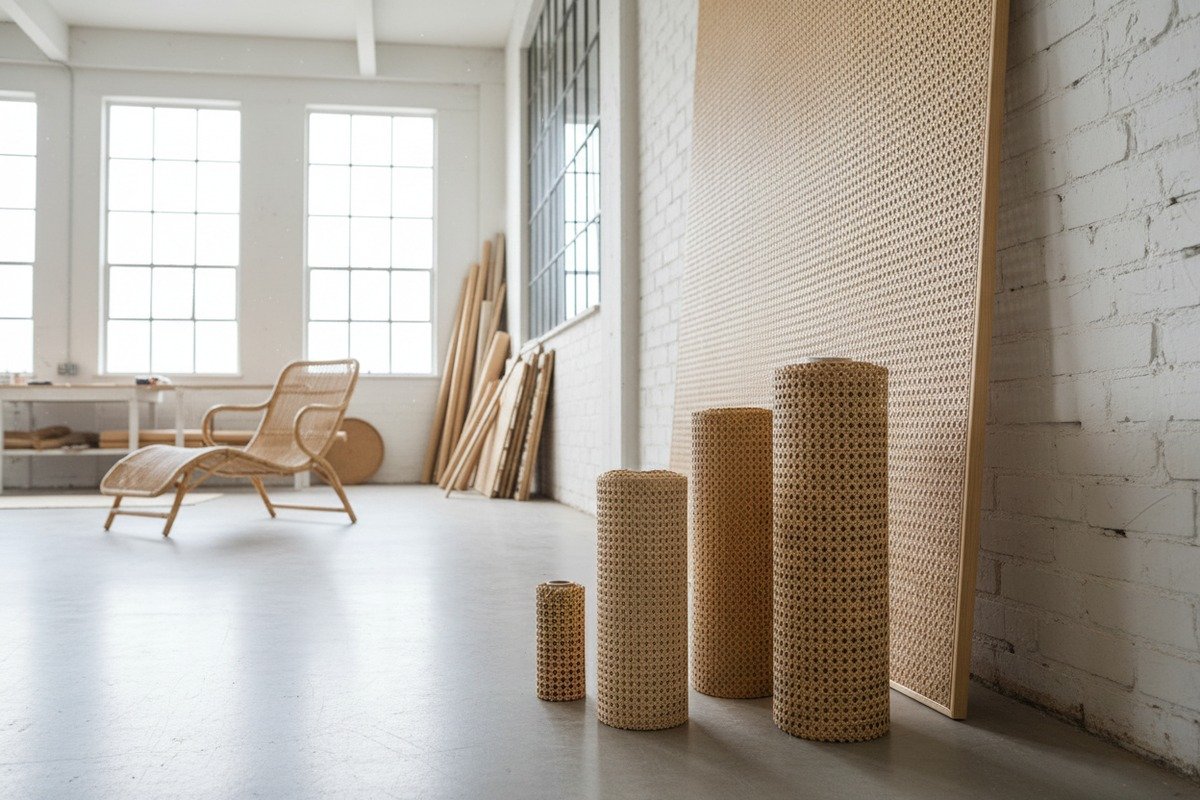
على مر السنين من إنتاج وشحن شبكات قصب الروطان من مصانعنا، يطرح سؤال واحد مرارًا وتكرارًا من المشترين في جميع أنحاء العالم: ما هو العرض الذي أحتاجه بالفعل؟
يعتمد أفضل مشروع لكل عرض من عروض شبكة قصب الروطان الطبيعي على الحجم والوظيفة. تتناسب العروض الضيقة (35-50 سم) مع حشوات الخزائن، وتطعيم الكراسي، واللمسات الصغيرة. تعمل العروض المتوسطة (60-80 سم) مع الألواح الأمامية للأسرة وأبواب الخزائن. العروض الواسعة (90-120 سم) مثالية للألواح الجدارية الكبيرة والتركيبات التجارية.
اختيار العرض الخاطئ يؤدي إلى إهدار المواد، وحواف غير متناسقة، وعملاء محبطين تحسين استخدام المواد 1. يقدم هذا الدليل أفضل استخدامات لكل عرض قياسي ننتجه، حتى تتمكن من الطلب بثقة وتقليل الهدر إلى ما يقرب من الصفر. دعنا نمر عبره قسمًا تلو الآخر.
كيف أختار أفضل عرض لشبكة الروطان لمشاريع أبواب الخزائن المخصصة الخاصة بي؟
مشاريع أبواب الخزائن 2 هي بعض من أكثر الطلبات شيوعًا التي نلبيها في منشأتنا في فوشان. ومع ذلك، يطلب العديد من المشترين عروضًا ضيقة جدًا أو واسعة جدًا، مما يؤدي إلى قص غير ضروري وفقدان للمواد.
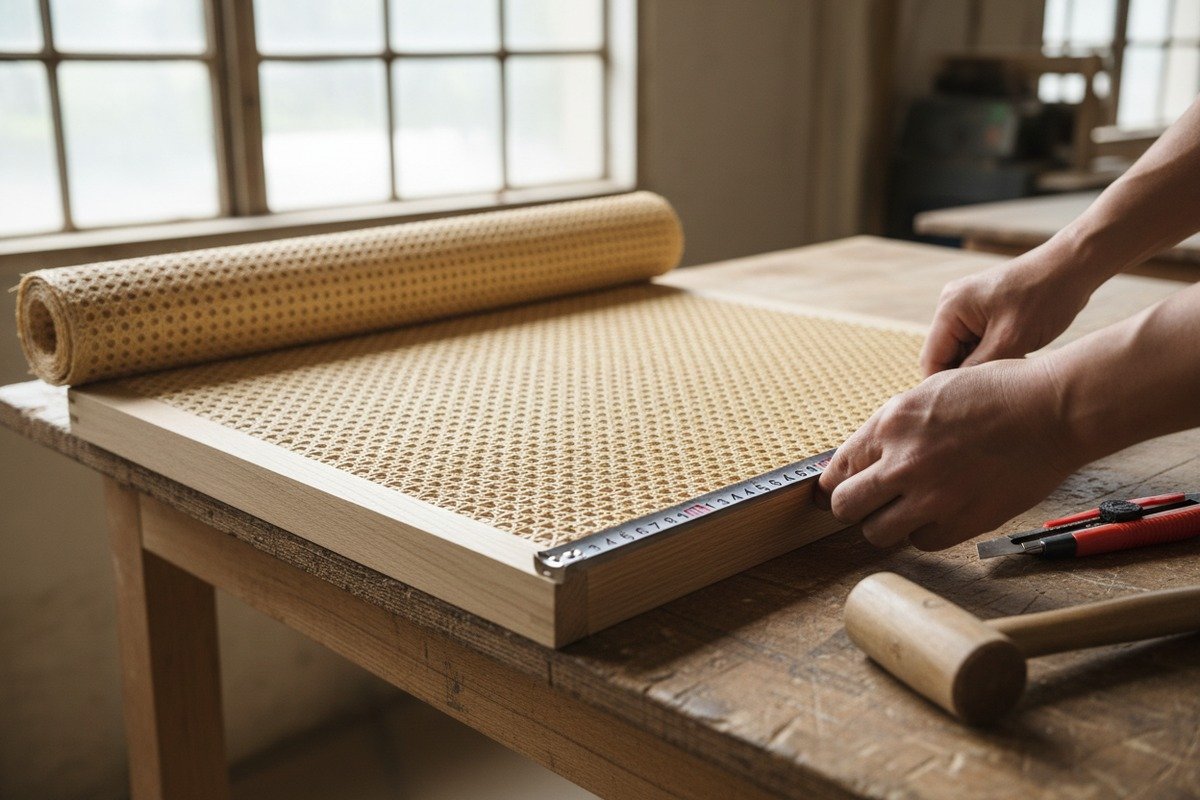
بالنسبة لأبواب الخزائن المخصصة، اختر عروض شبكات الروطان بين 45 سم و 60 سم. تغطي هذه العروض معظم أحجام ألواح أبواب الخزائن القياسية مع الحد الأدنى من التشذيب. قم دائمًا بقياس منطقة اللوحة المرئية أولاً، ثم أضف 2-3 سم على كل جانب للتداخل في الأخدود أو الإطار.
لماذا تتطلب أبواب الخزائن الدقة
أبواب الخزائن عبارة عن ألواح صغيرة مؤطرة. توضع الشبكة داخل أخدود مفروم أو خلف إطار. هذا يعني أن الدقة مهمة هنا أكثر من أي مشروع روطان آخر تقريبًا. إذا كانت شبكتك واسعة جدًا، فإنك تهدر المواد في كل باب على حدة. إذا كانت ضيقة جدًا، فلا يمكنك تغطية الفتحة. كلا الخطأين يكلفان المال، خاصة في الإنتاج الدفعي.
معظم أبواب خزائن المطبخ لها فتحات ألواح بعرض يتراوح بين 25 سم و 45 سم. يمكن أن تكون أبواب خزائن الملابس أكبر قليلاً، من 35 سم إلى 55 سم. في تجربتنا في توريد مصانع الأثاث في هولندا وإسبانيا وأستراليا، تغطي لفات 45 سم و 60 سم أكثر من 90% من طلبات أبواب الخزائن.
مطابقة العرض مع حجم باب الخزانة
| نوع باب الخزانة | فتحة اللوحة النموذجية | عرض الشبكة الموصى به | لماذا يعمل هذا العرض |
|---|---|---|---|
| خزانة مطبخ صغيرة | 20–30 سم | 45 سم | كافٍ للوحة + تداخل |
| خزانة مطبخ قياسية | 30–40 سم | 45 سم أو 60 سم | ملاءمة نظيفة بأقل قدر من الهدر |
| باب خزانة مؤن طويلة | 35–50 سم | 60 سم | يغطي الألواح الأعرض بالكامل |
| لوح باب خزانة ملابس | 40–55 سم | 60 سم | قطعة واحدة، بدون درزات |
| درج خزانة حمام | 15–25 سم | 45 سم | فتحات أضيق، نفايات تشذيب أقل |
نمط النسيج مهم أيضًا
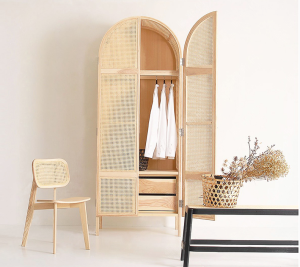
بالنسبة لأبواب الخزائن، فإن الأنماط المنسوجة بإحكام والمنسوجة بسلة ضيقة هي الأكثر شيوعًا. إنها تمنح مظهرًا مصقولًا وراقيًا. النسيج السداسي المفتوح مناسب لواجهات الخزائن الزخرفية حيث يكون تدفق الهواء مهمًا، مثل وحدات الوسائط أو خزائن الأحذية. كلا النوعين من الأنماط متاحان بعرض 45 سم و 60 سم من خط إنتاجنا.
نصائح لتركيب أبواب الخزائن
انقع دائمًا قماش الروطان الطبيعي لفترة وجيزة في الماء البارد قبل التركيب. هذا يلين القصب ويجعله أسهل للضغط في الأخاديد. قم بقص القماش بحوالي 2-3 سم أكبر من قياس الأخدود إلى الأخدود على كل جانب. استخدم شريطًا مطاطيًا ومطرقة مطاطية 3 للضغط على القماش في الأخدود. قم بتشذيب الزائد بعد تثبيت الشريط.
خطأ شائع نراه من المشترين لأول مرة: طلب لفات بعرض 90 سم للخزائن الصغيرة. هذا يضاعف النفايات لكل باب. إذا كان مصنعك يبني أبواب خزائن فقط، فالتزم بلفات بعرض 45 سم أو 60 سم. تنخفض تكلفة المواد لكل وحدة بشكل كبير.
ما هي التطبيقات الأكثر شيوعًا لأسطوانات الخيزران الطبيعي الضيقة مقاس 45 سم؟
عندما نشحن لفات بعرض 45 سم من مستودعاتنا، فإنها تذهب إلى مجموعة واسعة بشكل لا يصدق من الاستخدامات النهائية. هذا العرض هو الأكثر مبيعًا لدينا لسبب وجيه - فهو يحقق توازنًا مثاليًا بين التنوع والاقتصاد.
شرائح الخيزران الطبيعي بعرض 45 سم هي الأكثر شيوعًا لتجديد مقاعد وكراسي الكراسي، وإدخالات أبواب الخزائن الصغيرة، وواجهات الأدراج المزخرفة، ولف أغطية المصابيح، والأعمال الفنية المؤطرة على الحائط، ومشاريع الحرف اليدوية. هذا العرض سهل التعامل معه، ويقلل من الهدر في الأعمال الصغيرة، ويتناسب مع معظم احتياجات ترميم الأثاث التقليدي.
تنجيد الكراسي وترميم الأثاث
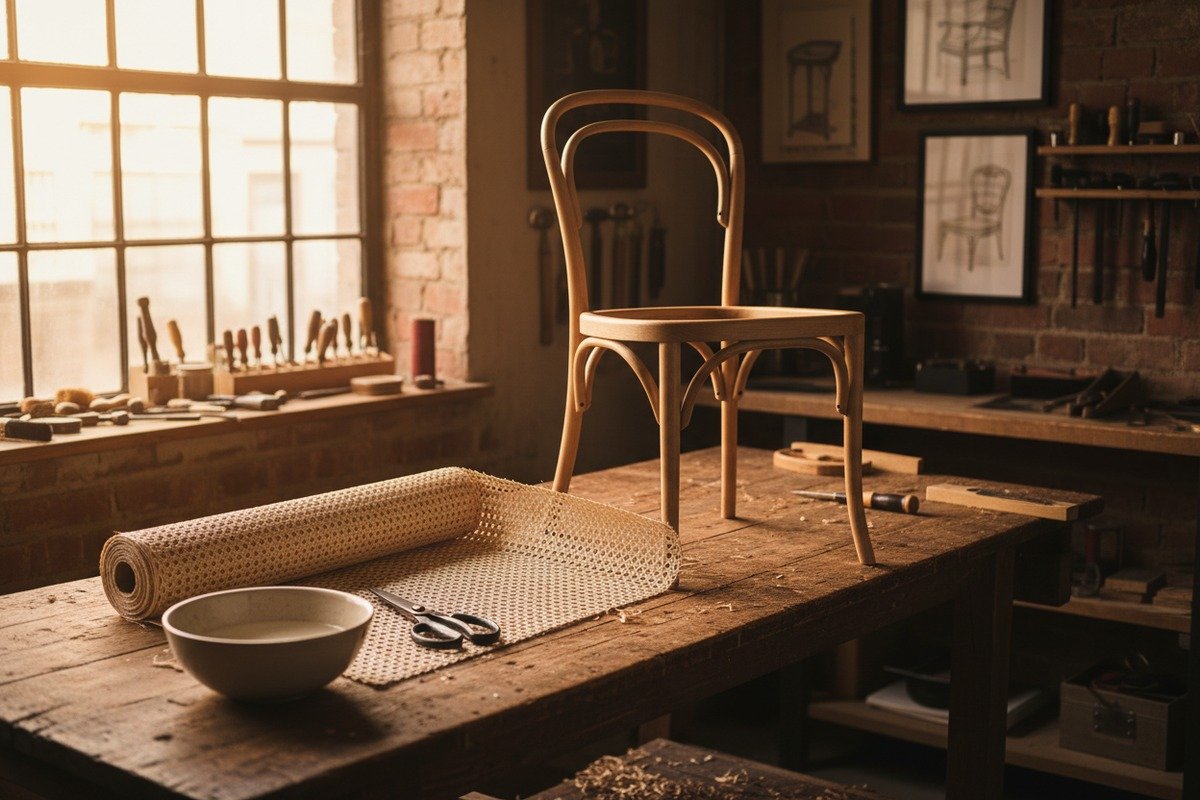
عرض 45 سم هو المعيار الصناعي التقليدي تنجيد الكراسي 4. تحتوي معظم مقاعد وظهر كراسي الطعام على فتحات تتراوح بين 30 سم و 42 سم. تمنحك لفة بعرض 45 سم ما يكفي من القماش لتغطية الفتحة بالإضافة إلى التداخل اللازم لتركيب الشريط. هذا هو السبب في أن ورش الترميم في الولايات المتحدة وأوروبا تطلب هذا العرض أكثر من أي عرض آخر.
كراسي منتصف القرن الحديث 5, ، وكراسي الصالون الفيكتورية، ومقاعد البسترو تقع جميعها ضمن هذا النطاق. إذا كنت تقوم بترميم الأثاث بشكل احترافي، فإن الاحتفاظ بلفات بعرض 45 سم يعني أنك مستعد لمعظم الوظائف التي تمر عبر ورشتك.
مشاريع اللمسات الصغيرة
إلى جانب الكراسي، تتألق أشرطة الروطان بعرض 45 سم في تطبيقات اللمسات الصغيرة. إليك بعض من الأكثر شيوعًا:
- واجهات الأدراج: استبدل واجهات الأدراج الخشبية الصلبة ببطانات من الروطان لإضفاء مظهر بوهيمي محكم.
- أغطية المصابيح: لف أشرطة بعرض 45 سم حول إطارات أغطية المصابيح الأسطوانية أو الأسطوانية. العرض كافٍ لتغطية معظم الأغطية القياسية دون خياطة.
- لوحات جدارية مؤطرة: مد الأشرطة عبر إطار صورة لإضفاء لمسة جدارية بسيطة وطبيعية.
- أغطية السماعات والأجهزة: استخدم الروطان كشبكة زخرفية فوق مكبرات الصوت الذكية أو فتحات التهوية.
- المجوهرات والإكسسوارات: تخلق الشرائط فائقة الضيق المقطوعة من لفات بعرض 45 سم ألواحًا للحقائب، وأقراطًا، وفنًا يمكن ارتداؤه.
من يشتري لفات بعرض 45 سم؟
| نوع المشتري | الاستخدام الأساسي | حجم الطلب |
|---|---|---|
| ورش ترميم الأثاث | مقاعد وظهر الكراسي | صغير إلى متوسط |
| تجار التجزئة للأعمال اليدوية ومتاجر الحرف اليدوية | عبوات ومجموعات الهوايات | متوسط |
| مصانع الأثاث الصغيرة | حشوات الخزائن والأدراج | متوسط إلى كبير |
| مصممو الديكور الداخلي | قطع مميزة وعينات | صغير |
| صانعو الإكسسوارات | ألواح الحقائب، مجوهرات | صغير |
المناولة والتخزين
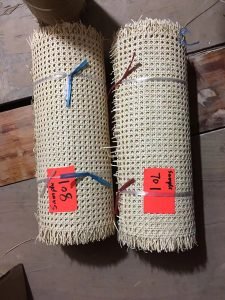
إحدى المزايا العملية للفائف 45 سم: سهولة تخزينها. تتناسب مع الأرفف القياسية، وتشحن في صناديق مدمجة، وخفيفة بما يكفي لشخص واحد للتعامل معها. بالنسبة لتجار الجملة الذين يخدمون عملاء التجزئة، فإن هذا العرض يسهل إعادة تعبئته إلى أطوال أصغر لإعادة البيع. غالبًا ما نقوم بقص لفائف رئيسية بطول 15 مترًا إلى عبوات بيع بالتجزئة بطول 1 متر أو 2 متر لموزعينا الأوروبيين.
مرونة قصب الخيزران الطبيعي بهذا العرض ممتازة. يمكنك ثنيه حول إطارات مصابيح مستديرة، وضغطه في أخاديد الخزائن الضيقة، ومدّه عبر فتحات الكراسي دون تشقق. فقط تذكر ترطيب النسيج قبل التركيب.
متى يجب أن أستثمر في شبكة الروطان الإضافية العريضة 90 سم لتصاميم الأثاث واسعة النطاق الخاصة بي؟
طور فريق الإنتاج لدينا لفات بعرض 90 سم وأعرض خصيصًا للعملاء الذين يعملون على مشاريع أثاث كبيرة ومشاريع معمارية. هذه اللفات أثقل، وأصعب في الشحن، وأكثر تكلفة لكل وحدة. لذا السؤال هو: متى يكون لها معنى فعليًا؟
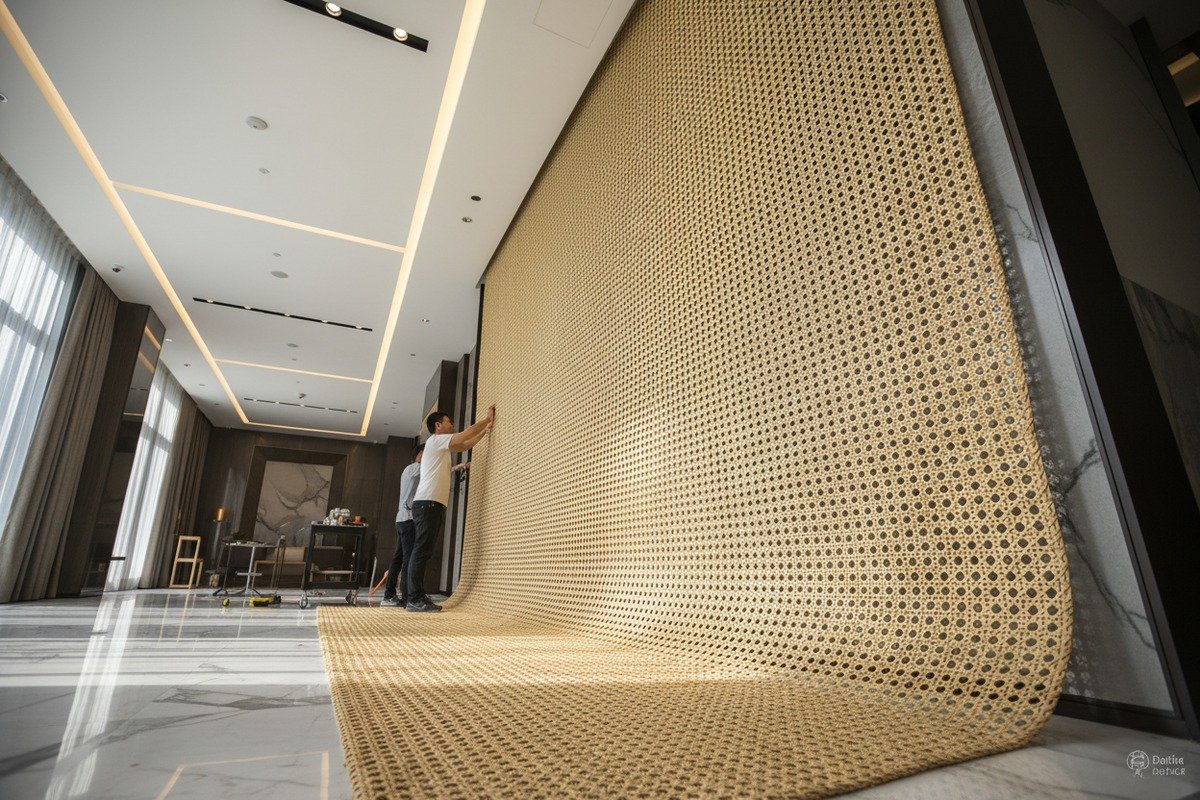
استثمر في شبكة الروطان بعرض 90 سم الإضافي عندما يتطلب مشروعك تغطية سلسة للأسطح الكبيرة مثل الألواح الأمامية كاملة الحجم، وأبواب الخزائن الكبيرة، وفواصل الغرف، وألواح الجدران المميزة، أو التركيبات التجارية في قطاع الضيافة. تُلغي اللفات العريضة الوصلات المرئية وتخلق نسيجًا طبيعيًا نظيفًا وغير منقطع عبر المساحات الكبيرة.
ميزة السلاسة
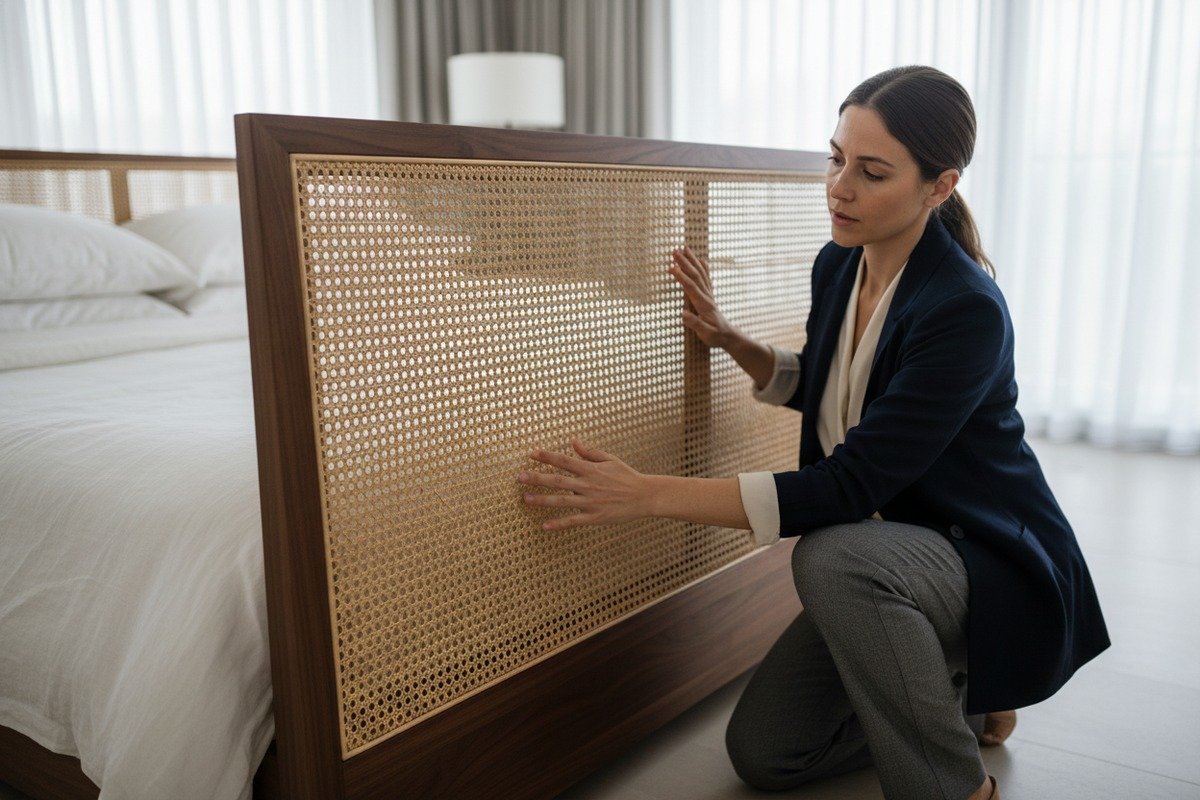
أكبر سبب لاختيار ويب بعرض 90 سم أو أعرض هو ببساطة: لا توجد وصلات. عندما تستخدم ويب ضيق على سطح كبير، يجب عليك ربط قطعتين. هذه الوصلة تكون مرئية دائمًا تقريبًا. إنها تكسر التدفق الطبيعي لنمط النسيج. بالنسبة للأثاث الراقي والديكورات الداخلية المصممة، تقلل الوصلات المرئية من الجودة المتصورة للقطعة النهائية.
يمكن أن يكون لوح رأس سرير بحجم كينج 150 سم عرضًا. مع ويب بعرض 90 سم، تحتاج فقط إلى قطعتين مع وصلة مركزية واحدة - أو يمكنك طلب لفات بعرض 100 سم أو 120 سم من مصنعنا للقضاء على الوصلات تمامًا على الألواح التي يصل عرضها إلى 120 سم.
أفضل التطبيقات لويب الروطان بعرض 90 سم
| التطبيق | حجم اللوحة النموذجي | لماذا يعمل عرض 90 سم |
|---|---|---|
| لوح رأس سرير بحجم كينج | عرض 100-180 سم | وصلات أقل، مظهر أنظف |
| أبواب خزائن كبيرة | 50-90 سم لكل باب | تغطية قطعة واحدة |
| فواصل الغرف | 60-120 سم لكل لوح | ألواح طبيعية سلسة |
| ألواح جدران مميزة | Variable, often 90cm+ | Dramatic visual impact |
| Restaurant/hotel décor | Large-scale installations | Consistent texture at scale |
| ألواح السقف | Variable | Reduces installation time |
| Sofa back panels | 60–100cm | One-piece coverage |
Commercial and Hospitality Projects
We have seen a strong trend over the past five years. Hotels, restaurants, and retail stores now use rattan webbing as a design feature on walls, ceilings, and built-in furniture. commercial hospitality installations 6 These projects demand wide rolls because the surfaces are large and the finished look must be flawless. Our clients in Dubai, Turkey, and Australia frequently order 90cm rolls in bulk for hospitality fit-outs.
For these projects, the close weave or herringbone pattern in a wide width creates a warm, natural backdrop that photographs beautifully and wears well in high-traffic spaces.
When Wide Rolls Are Not Worth It
If you are making small furniture — chairs, side tables, small cabinets — wide rolls create waste. You cut a 40cm piece from a 90cm roll and the leftover 50cm strip may not fit any other project in your production run. We always advise buyers to match their roll width to their largest panel dimension plus overlap.
ضع في اعتبارك أيضًا التخزين والمناولة. لفة منسوجة من القصب الطبيعي بعرض 90 سم وطول 15 مترًا ثقيلة وضخمة. تتطلب شخصين لفكها وقصها. إذا كانت ورشتك صغيرة أو كانت مشاريعك متنوعة الأحجام، فإن الاحتفاظ بمزيج من اللفات بعرض 45 سم و 60 سم أكثر عملية من تخزين لفات بعرض 90 سم فقط.
التصميم الحيوي والجدران النباتية العمودية
أحد التطبيقات الناشئة للمنسوجات العريضة من الخيزران هو ميزات الحدائق الداخلية. يقوم المصممون بتمديد ألواح بعرض 90 سم عبر إطارات عمودية وينسجون النباتات عبر النمط السداسي المفتوح. هذا يخلق خلفية طبيعية تسمح بتدوير الهواء. يعمل الخيزران كدعم هيكلي وعنصر زخرفي في نفس الوقت، ويمتزج التصميم الحيوي 7 مع المواد العضوية.
كيف يمكنني تحسين استخدام المواد الخاصة بي عن طريق مطابقة عروض محددة لاحتياجات الإنتاج الخاصة بي؟
إن تشغيل مصانعنا الثلاثة علمنا شيئًا واحدًا فوق كل شيء: نفايات المواد هي ربح يخرج من الباب. كل سنتيمتر من نسيج الخيزران الذي تقصه وتتخلص منه هو مال مفقود. مطابقة العرض لاحتياجات الإنتاج هي الطريقة الأكثر فعالية لخفض التكاليف.
قم بتحسين استخدام المواد عن طريق تدقيق جميع أحجام الألواح في خط الإنتاج الخاص بك، وتجميعها حسب نطاق العرض، وطلب أقرب عرض قياسي لنسيج الخيزران لكل مجموعة. اسمح بـ 4-6 سم إضافية للتداخل. احتفظ بعرضين إلى ثلاثة عروض في المخزون بدلاً من عرض واحد، وقم بتجميع الأجزاء الصغيرة من القطع المتبقية للاقتراب من النفايات الصفرية.
الخطوة 1: تدقيق أحجام الألواح الخاصة بك
قبل تقديم طلبك التالي، قم بقياس كل لوحة خيزران في خط إنتاجك. اكتب عرض اللوحة النهائي لكل منتج. قم بتضمين سماحية التداخل - عادةً 2-3 سم لكل جانب للتركيبات ذات الأخدود. الآن قم بفرز هذه القياسات من الأصغر إلى الأكبر.
من المحتمل أن تجد أن ألواحك تتجمع في مجموعتين أو ثلاث مجموعات حجم. معظم مصانع الأثاث التي نعمل معها لديها مجموعة واحدة حول 30-40 سم، وأخرى حول 50-65 سم، وأحيانًا مجموعة ثالثة فوق 80 سم. كل مجموعة تتوافق مع عرض نسيج قياسي.
الخطوة 2: مطابقة المجموعات مع العروض القياسية
إليك مطابقة عملية بناءً على الإنتاج المصنعي الشائع:
| مجموعة حجم اللوحة | إضافة تداخل (4-6 سم إجمالي) | أفضل عرض قياسي | هدر لكل لوح |
|---|---|---|---|
| ألواح بعرض 25-35 سم | مطلوب 29-41 سم | 45 سم | 4-16 سم |
| ألواح بعرض 36-45 سم | مطلوب 40-51 سم | 50 سم أو 60 سم | 9-20 سم |
| ألواح بعرض 46-55 سم | مطلوب 50-61 سم | 60 سم | 0-10 سم |
| ألواح بعرض 56-70 سم | مطلوب 60-76 سم | 80 سم | 4-20 سم |
| ألواح 71-85 سم | مطلوب 75-91 سم | 90 سم | 0-15 سم |
| ألواح 86-100 سم | مطلوب 90-106 سم | 100 سم أو 120 سم | 14-30 سم |
الخطوة 3: استخدم القطع المتبقية بحكمة
حتى مع مطابقة العرض الجيدة، سيكون لديك شرائط من الأشرطة المتبقية. تستخدم المصانع الذكية هذه القطع المتبقية للمنتجات الثانوية: مجموعات قواعد الأكواب، وحشوات أدراج صغيرة، وعينات، أو زخرفة التعبئة والتغليف. أحد عملائنا في هولندا يحتفظ بجميع الشرائط التي يزيد عرضها عن 10 سم ويبيعها كحزم حرفية بنفسك عبر متجره عبر الإنترنت. هذا يحول النفايات إلى إيرادات.
الخطوة 4: ضع في اعتبارك العروض المخصصة
إذا كانت دفعات الإنتاج لديك كبيرة وكانت ألواحك ذات حجم غير قياسي، فاطلب من موردك عروضًا مخصصة. في مصنعنا، يمكننا إنتاج لفات بعروض مخصصة عندما تبرر كمية الطلب الإعداد. إذا كنت تصنع 5000 لوح رأس سنويًا بعرض 72 سم، فإن لفة مخصصة بعرض 78 سم تقضي على النفايات بشكل أكثر فعالية من شراء لفات قياسية بعرض 90 سم.
تكلفة الخطأ
يختار العديد من المشترين افتراضيًا طلب أوسع لفة متاحة، معتقدين أن المرونة أهم من الدقة. لكن الأرقام تحكي قصة مختلفة. إذا كنت تستخدم أشرطة بعرض 90 سم لألواح بعرض 40 سم، فإنك تهدر أكثر من 50٪ من كل لفة. على مدار عام من الإنتاج، يضيف ذلك آلاف الدولارات من المواد المهملة. والخيزران الطبيعي ليس رخيصًا - إنه مورد متميز،, يتم حصاده بشكل مستدام 8.
إدارة المخزون لتجار الجملة
إذا كنت تاجر جملة للمواد بدلاً من مصنع، فاحتفظ بثلاثة عروض في المخزون: 45 سم، 60 سم، و 90 سم. يغطي هذا النطاق احتياجات ورش الترميم الصغيرة، وصانعي الأثاث المتوسطين، والمصممين على نطاق واسع. قدم خدمة القطع حسب الطول حيثما أمكن. البيع بالمتر من اللفات الرئيسية يقلل من المخزون المتبقي ويمنح عملائك بالضبط ما يحتاجونه.
شريط قصب الخيزران الطبيعي 9 مخصص للاستخدام الداخلي فقط. ذكّر عملائك بهذا عند تقديم المشورة بشأن العرض واختيار المشروع. إذا كانوا بحاجة إلى تطبيقات خارجية، فقم بتوجيههم نحو والنسيج الصناعي للخيزران 10, ، والذي يتوفر بنفس نطاق العرض وأنماط النسيج.
خاتمة
اختيار عرض شرائط الروطان المناسب يوفر المال، ويقلل من النفايات، ويعطي مشاريعك النهائية مظهرًا نظيفًا واحترافيًا. قم بمطابقة عرضك مع حجم اللوحة، وستكون بالفعل متقدمًا.
ملاحظات سفلية
1. يحدد استراتيجيات فعالة لتقليل هدر المواد وتحسين الكفاءة في التصنيع. ↩︎
2. يشرح طرقًا واعتبارات مختلفة لبناء أبواب الخزائن. ↩︎
3. يوضح استخدام الرباط والمطرقة في تركيب شرائط القصب. ↩︎
4. يفصل تاريخ وتقنيات تنجيد الكراسي التقليدية. ↩︎
5. يشرح الخصائص المميزة وأصول أثاث منتصف القرن الحديث. ↩︎
6. يناقش اتجاهات التصميم الداخلي الحالية والمستقبلية في قطاع الضيافة. ↩︎
7. يشرح مفهوم التصميم الحيوي وعناصره الستة. ↩︎
8. يفصل ممارسات الحصاد المستدامة والفوائد البيئية للروطان. ↩︎
9. يشرح ما هو شرائط الروطان الطبيعي وأصله. ↩︎
10. يشرح تكوين ومتانة وتطبيقات الخوص الصناعي في الهواء الطلق. ↩︎
 English
  Español de México
  العربية
  Deutsch
  Français
  Русский