
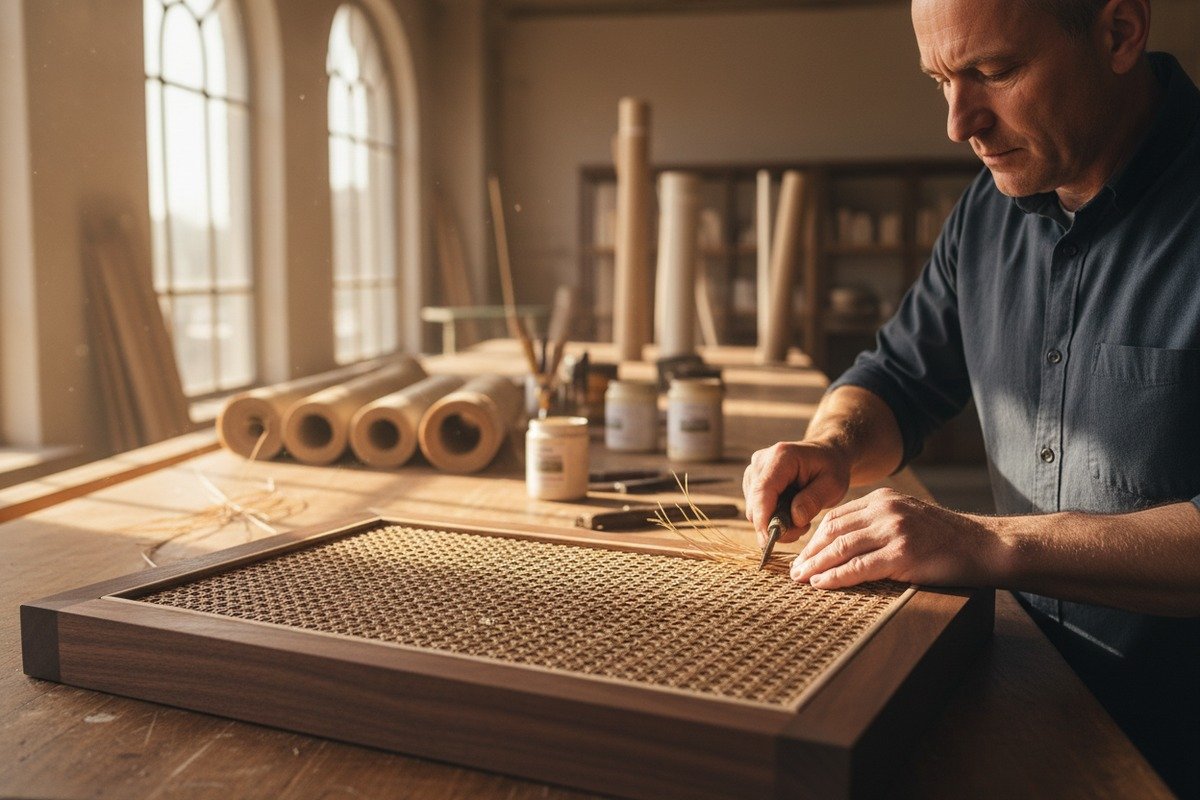
سنوات من تشغيل خطوط معالجة الخيزران علمتنا شيئًا واحدًا بوضوح: ليست كل المواد الطبيعية قادرة على تقديم الدقة التي تتطلبها الحرف اليدوية الراقية قوة الشد 1. يعاني العديد من الحرفيين وصانعي الأثاث من جودة غير متناسقة، وتشوه، ومواد تتشقق في منتصف المشروع. الإحباط حقيقي، خاصة عندما يتوقع العميل نتائج لا تشوبها شائبة.
نعم، يعتبر قش الروطان الطبيعي مناسبًا جدًا لصنع الحرف اليدوية عالية الجودة. إن مرونته الاستثنائية، وقوة الشد، والملمس العضوي، والجمال الدافئ تجعله مادة مثالية للأثاث الداخلي الفاخر، واللمسات الزخرفية، والمشاريع الفنية عند الحصول عليه وإعداده بشكل صحيح.
لكن الملاءمة وحدها لا تضمن النجاح نسيج عضوي أصيل 2. درجة الخيزران، نمط النسيج، المورد الذي تتعاون معه، وتقنيات التحضير الخاصة بك كلها تلعب دورًا حاسمًا. دعني أرشدك خلال كل تفصيل حاسم أدناه.
عندما نقوم بفرز الخيزران في منشأة المعالجة الإندونيسية لدينا، فإن الفرق بين الدرجة الأولى والدرجات الأدنى يكون مرئيًا في غضون ثوانٍ شفافية سلسلة التوريد 3. ومع ذلك، يتلقى العديد من المشترين دفعات غير متناسقة لأنهم لا يعرفون ما الذي يبحثون عنه. هذه الفجوة بين التوقعات والتسليم تكلف الشركات آلاف الدولارات كل عام قصب مفتوح سداسي 4.
يمكنك التعرف على شبك الروطان الفاخر من الدرجة الأولى من خلال التحقق من عرض الخيوط المنتظم، وتناسق درجة اللون، والسطح الأملس بدون كدمات أو تجاعيد، والمرونة القوية بدون تشقق، وشد النسيج المحكم. يجب أن تنثني المادة من الدرجة الأولى بسهولة دون تشقق وأن لا تظهر عليها بقع داكنة أو علامات عفن.
الفحص البصري هو خط دفاعك الأول
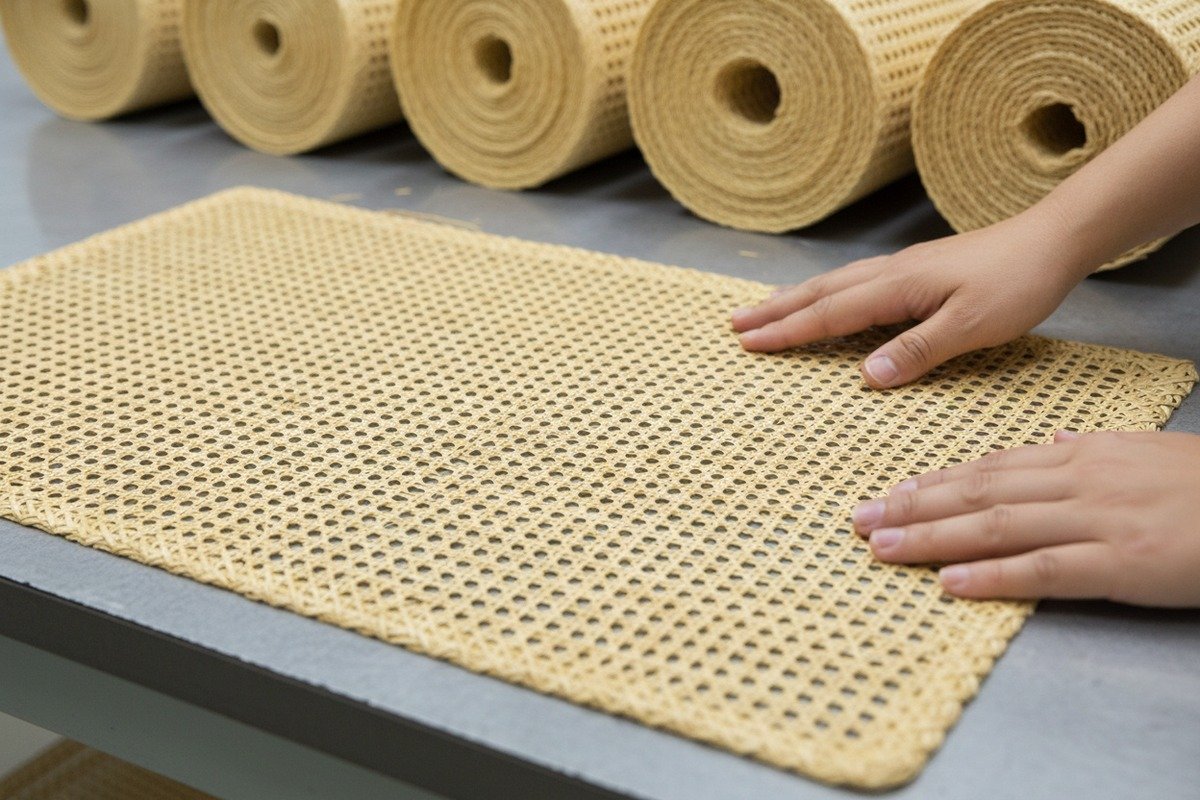
أسهل طريقة للبدء هي بعينيك. نسيج الخيزران من الدرجة الأولى له سطح نظيف ومتساوٍ. يجب أن يكون كل خيط بنفس العرض تقريبًا - عادة ما بين 2 مم و 4 مم للنسيج الدقيق. يجب أن يكون اللون بيج فاتح موحد أو أصفر قش. تشير البقع الداكنة إلى التجفيف غير السليم أو التعرض للعفن أثناء التخزين. التجاعيد على الخيوط الفردية تعني أن الخيزران قد تم ثنيه أو كدمه قبل النسيج.
التقط اللفة أو الورقة. يجب أن تشعر بالنعومة عند اللمس، وليس خشنة أو متشققة. مرر إصبعك على السطح. يتمتع النسيج الممتاز بلمعان طبيعي خفي من الجلد الخارجي لكروم الخيزران. إذا كان يبدو جافًا وخشنًا، فمن المحتمل أن المادة قد جفت بشكل مفرط أو تمت معالجتها بشكل سيء.
اختبار المرونة
هذا شيء نثبته دائمًا عندما يزور العملاء مستودعاتنا. خذ قسمًا صغيرًا من النسيج وثبته بلطف. سيتمدد النسيج من الدرجة الأولى بسلاسة. لن يتشقق أو يصدر صوت طقطقة. غالبًا ما تنكسر المواد ذات الدرجة الأدنى على طول خط الانحناء لأن الخيوط إما جافة جدًا أو بها تلف داخلي من التعامل الخشن.
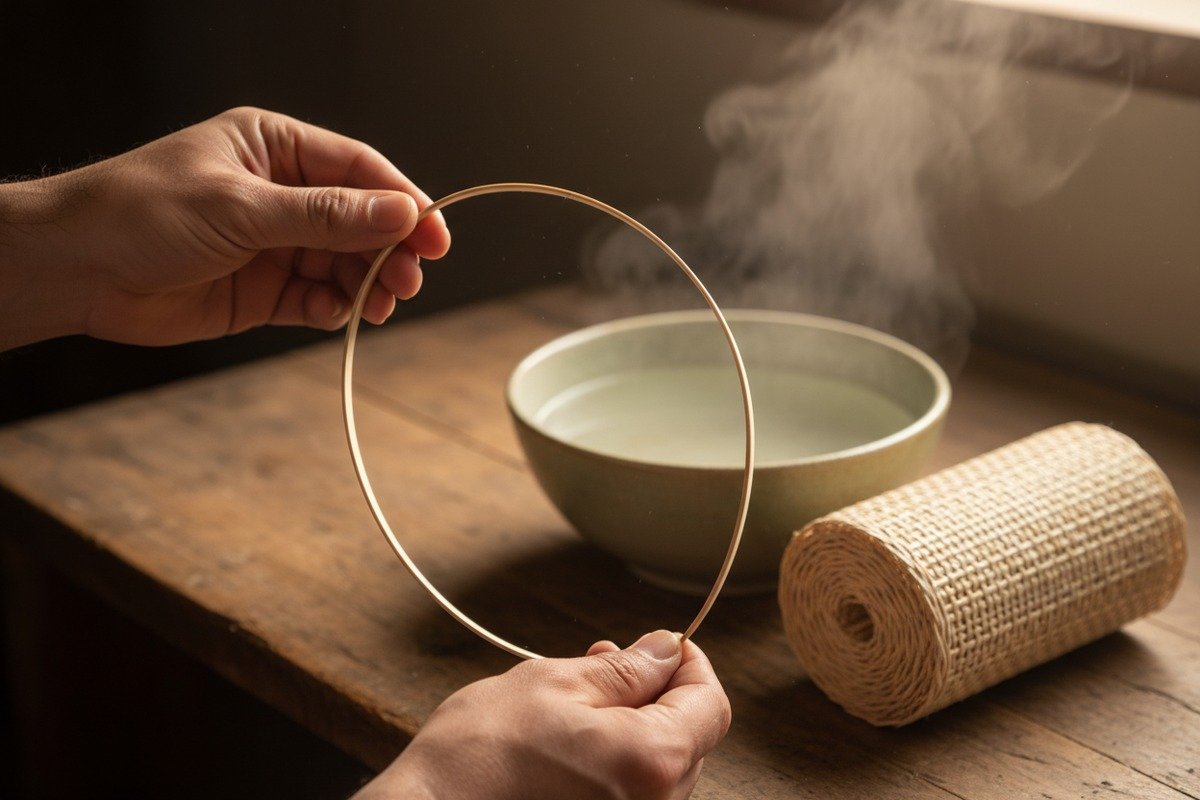
نقع قطعة عينة في الماء الدافئ لمدة 15 إلى 20 دقيقة هو اختبار موثوق آخر. يصبح الخيزران الممتاز مرنًا جدًا بعد النقع. يجب أن تشعر وكأنها قماش مبلل تقريبًا - ناعم وسهل التشكيل. إذا كان لا يزال يبدو صلبًا أو يبدأ في التآكل بعد النقع، فإن الجودة ليست من الدرجة الأولى.
جدول مقارنة الدرجات
| الميزة | Grade A | الدرجة ب | الدرجة ج |
|---|---|---|---|
| اتساق عرض الخيط | موحد (±0.5 مم) | تباين طفيف (±1 مم) | تباين ملحوظ (±2 مم+) |
| ملمس السطح | لمعان ناعم وطبيعي | خشونة طفيفة | خشن، متشقق |
| توحيد اللون | قش/بيج متساوٍ | اختلاف طفيف في اللون | بقع داكنة، تغير اللون |
| المرونة (جاف) | ينحني دون تشقق | مقاومة طفيفة | تتشقق أو تنكسر بسهولة |
| المرونة (منقوع) | مرن جدًا، شبيه بالقماش | مرن إلى حد ما | متصلب أو متآكل |
| عيوب | لا شيء | كدمات عرضية | تجاعيد متكررة، كسور |
| الاستخدام الموصى به | حرف يدوية راقية،, أثاث فاخر 5 | أثاث قياسي، مشاريع متوسطة المدى | سلع الميزانية، قطع تدريبية |
فحص شدة النسيج
في الأقمشة المنسوجة، فإن شدة النسيج مهمة للغاية. في شبكة الدرجة الأولى، يكون كل تقاطع محكمًا ومتسقًا. لا ينبغي أن تكون هناك خيوط مفكوكة أو فجوات. يؤدي النسيج المفكوك إلى الترهل بمرور الوقت، مما يفسد مظهر أي حرفة يدوية. امسك الورقة في الضوء. يجب أن يتكرر النمط - سواء كان سداسيًا أو مربعًا أو ماسيًا - بشكل مثالي عبر الورقة بأكملها.
في منشأتنا، نقوم بتمرير كل ورقة منسوجة عبر فحص الجودة قبل اللف. نتحقق من خمس نقاط على الأقل عبر كل ورقة لشدة النسيج واتساق الخيوط. هذا هو نوع العملية التي يجب أن تسأل عنها موردك.
لماذا يجب أن أختار الروطان الطبيعي بدلاً من المواد الاصطناعية لتصاميم أثاثي الفاخر؟
يعمل فريق الإنتاج لدينا مع كل من قصب الروطان الطبيعي والروطان الصناعي المصنوع من البولي إيثيلين يوميًا. نرى نقاط القوة والقيود لكل منهما عن كثب. ولكن عندما يخبرنا العميل أنهم يبنون خطًا فاخرًا، فإننا نوجههم دائمًا تقريبًا نحو الروطان الطبيعي - والأسباب أعمق من مجرد المظهر.
يجب عليك اختيار الروطان الطبيعي للأثاث الفاخر لأنه يوفر ملمسًا عضويًا أصيلًا، ويتطور إليه طبقة جميلة مع مرور الوقت، وقابل للتحلل البيولوجي بالكامل، ويوفر تهوية فائقة. هذه الصفات تخلق شعورًا متميزًا لا يمكن للمواد الاصطناعية تقليده ببساطة، مما يجعل الروطان الطبيعي مثاليًا للتصاميم الداخلية الراقية.
الاختلاف الجمالي لا يمكن إنكاره
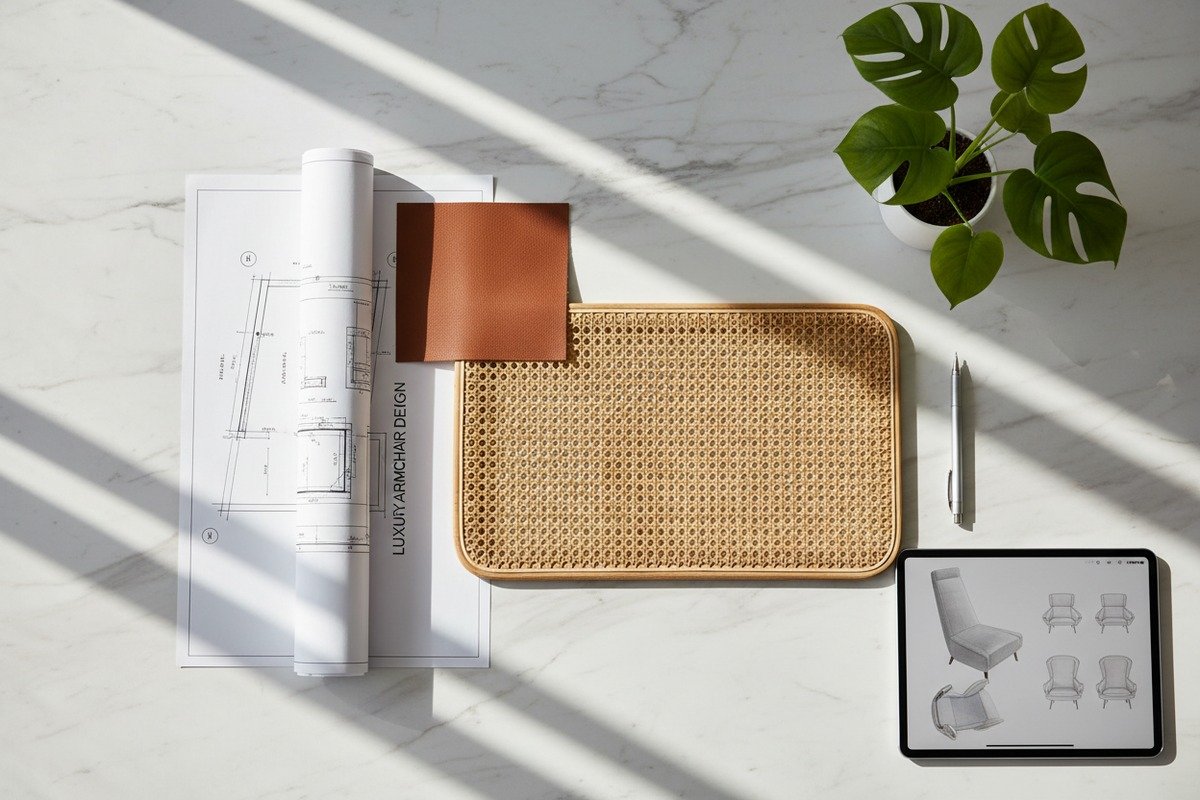
يتمتع الروطان الطبيعي بشخصية. يحمل كل خيط اختلافات دقيقة في اللون والملمس تأتي من النبات نفسه. هذا التباين العضوي هو ما يمنح أثاث الروطان دفئه. على النقيض من ذلك، يتم تصنيع الروطان الصناعي المصنوع من البولي إيثيلين ليبدو موحدًا. في حين أن التوحيد له مكانه، فإن المشترين الفاخرين ومصممي الديكور الداخلي يبحثون عادةً عن شيء يبدو حيويًا ومصنوعًا يدويًا.
بمرور الوقت، يكتسب الروطان الطبيعي طبقة لامعة - تعميق طفيف في اللون ولمعان السطح الذي يأتي من الاستخدام والعمر. تحظى عملية التقدم في العمر هذه بالتقدير في الدوائر الفاخرة. فكر في الأمر مثل الجلد الذي يتحسن مع مرور السنين. الروطان الصناعي لا يشيخ برشاقة. يتلاشى تحت ضوء الأشعة فوق البنفسجية ويصبح هشًا.
الاستدامة مهمة لمشترينك
شهد سوق الأثاث الفاخر تحولًا كبيرًا. يهتم المشترون الرفيعو المستوى اليوم من أين تأتي المواد. الروطان الطبيعي هو 3. —ينمو أسرع بكثير من الأشجار الخشبية الصلبة. إنه قابل للتحلل البيولوجي وخالٍ من البلاستيك أو الطلاءات الكيميائية. استخدامه في تصميمك الداخلي يتماشى مع ممارسات البناء الصديقة للبيئة. 7. تنمو الكروم المتسلقة في الغابات المطيرة الاستوائية، وخاصة في إندونيسيا، ويمكن حصادها دون قتل النبات. الروطان يتجدد. في نهاية حياته، الروطان الطبيعي هو قابلة للتحلل البيولوجي بالكامل 8. يعود إلى الأرض.
الروطان الصناعي مصنوع من البولي إيثيلين أو PVC. إنه يعتمد على البترول. لا يتحلل بيولوجيًا. بالنسبة للعلامات التجارية التي تضع نفسها كواعية بيئيًا أو مستدامة، فإن استخدام المواد الاصطناعية في خط فاخر يخلق تناقضًا ستلاحظه العملاء الأذكياء.
مقارنة الأداء
| الخاصية | Natural Rattan Cane Webbing 9 | روطان PE الاصطناعي | نسيج الخيزران الطبيعي |
|---|---|---|---|
| الملمس | عضوي، دافئ، متنوع قليلاً | موحد، شبيه بالبلاستيك | صلب، ناعم |
| التقدم في العمر | يكتسب لمعانًا | يبهت، يصبح هشًا | يصفر، قد يتشقق |
| قابلية التحلل البيولوجي | قابل للتحلل بالكامل | غير قابل للتحلل البيولوجي | قابل للتحلل البيولوجي |
| المرونة | مرن للغاية عند نقعه | مرونة معتدلة | مرونة منخفضة |
| التهوية | ممتاز (نسيج مفتوح) | معتدل | منخفض |
| مقاومة للأشعة فوق البنفسجية | منخفض (يوصى بالاستخدام الداخلي) | مرتفع | معتدل |
| مقاومة الرطوبة | منخفض إلى معتدل | مرتفع | منخفض |
| أفضل استخدام | أثاث فاخر داخلي، حرف يدوية | أثاث خارجي | عناصر هيكلية |
| الوزن | خفيف جداً | خفيف الوزن | أثقل |
| قابلية الإصلاح | سهل إعادة التجديل أو الإصلاح | صعب الإصلاح | صعب الإصلاح |
متى يكون استخدام المواد الاصطناعية منطقياً - ومتى لا يكون كذلك
دعني أكن منصفاً. يتمتع الروطان الاصطناعي بمزايا واضحة للأثاث الخارجي. فهو يقاوم المطر والتعرض للأشعة فوق البنفسجية وتقلبات درجات الحرارة. إذا كان منتجك سيوضع في فناء أو بجوار حمام السباحة، فإن المواد الاصطناعية هي الخيار العملي.
لكن الحرف اليدوية الفاخرة والأثاث الداخلي تعيش في بيئات خاضعة للرقابة. فهي لا تواجه المطر أو الشمس الشديدة. في هذه الظروف، تصبح نقاط ضعف الروطان الطبيعي - حساسيته للرطوبة وبهتان الأشعة فوق البنفسجية - غير ذات صلة. وتبرز نقاط قوته - الملمس، جمال التقدم في العمر، التهوية، والمؤهلات البيئية.
لقد قمنا بشحن نسيج الروطان الطبيعي إلى مصانع الأثاث في هولندا وإسبانيا وأستراليا التي تنتج حصرياً مجموعات داخلية راقية. ملاحظاتهم متسقة: يدفع العملاء المزيد مقابل المواد الطبيعية. المادة تبرر السعر.
التهوية والتصميم الحيوي
يعزز هيكل النسيج المفتوح للروطان الطبيعي تدفق الهواء. هذه ليست مجرد فائدة وظيفية - بل ترتبط بالنمو المتزايد حركة التصميم المحب للطبيعة 10. التصميم الحيوي يجلب العناصر الطبيعية إلى الداخل لتحسين الرفاهية. يخلق نسيج قصب الروطان على أبواب الخزائن، ورؤوس الأسرة، وفواصل الغرف دفئاً بصرياً واتصالاً بالطبيعة يتردد صداه بعمق لدى المستهلكين الفاخرين.
كما أن الشبكة المفتوحة تجعل نسيج الروطان عملياً بشكل مدهش للمنازل الحديثة. يمر الصوت من خلاله بسهولة، مما يجعله مثالياً لإخفاء مكبرات الصوت الذكية أو الأجهزة الأخرى خلف ألواح زخرفية دون حجب وظيفتها.
كيف يمكنني العثور على شريك موثوق به بالجملة لتوفير جودة راتان متسقة لعملي؟
على مر السنين، رأينا مشترين جدد يمرون بثلاثة أو أربعة موردين قبل العثور على شريك يمكنهم الوثوق به. النمط هو نفسه تقريباً دائماً: العينة الأولى تبدو رائعة، ولكن الطلبية بالجملة تصل بلون غير متساوٍ، أو نسيج فضفاض، أو تغليف تالف. الاتساق هو أصعب شيء يمكن العثور عليه في تجارة الروطان.
للعثور على شريك موثوق به في تجارة قصب الروطان بالجملة، يجب عليك تقييم شفافية سلسلة التوريد الخاصة بهم، وطلب دفعات عينات متعددة قبل الالتزام، والتحقق من أنهم يمتلكون مرافق معالجة أو يديرونها مباشرة، والتحقق من سجل التصدير الخاص بهم عبر بلدان متعددة، وتأكيد نظام تصنيف الجودة الخاص بهم مع معايير موثقة للمواد من الدرجة الأولى.
لماذا الشفافية في سلسلة التوريد مهمة
تبدأ قصب الروطان رحلته في غابات إندونيسيا المطيرة. تمر عبر الحصادين، والمقشرين، والمجففين، والنسّاجين، وأخيرًا المصدرين. في كل خطوة، يمكن أن تتدهور الجودة. يجب أن يكون الشريك الموثوق به بالجملة قادرًا على شرح - بوضوح وتحديد - من أين يأتي الروطان الخاص بهم، وكيف تتم معالجته، ومن يتعامل مع كل مرحلة.
استثمرنا في منشأة معالجة الروطان الخاصة بنا في إندونيسيا على وجه التحديد لأن التحكم في المصدر هو الطريقة الوحيدة المضمونة للحفاظ على الاتساق. عند تقييم مورد، اسألهم مباشرة: هل تمتلك أو تدير منشأة المعالجة الخاصة بك؟ إذا كانوا يعتمدون بالكامل على موردين فرعيين من أطراف ثالثة، فإن خطر تباين الجودة يزداد بشكل كبير.
ما الذي تبحث عنه في المورد
إليك قائمة مرجعية عملية نشاركها مع العملاء الجدد:
- ملكية المصنع أو الإدارة المباشرة: يجب أن يتحكم المورد في مرحلة واحدة على الأقل من الإنتاج.
- نظام تصنيف موثق: اطلب معايير الجودة المكتوبة الخاصة بهم. يجب أن يكون للدرجة أ معايير محددة وقابلة للقياس.
- اتساق العينة: اطلب عينات من ثلاث دفعات إنتاج مختلفة، وليس واحدة فقط. قارنها جنبًا إلى جنب.
- خبرة التصدير: اطلب قائمة بالدول التي يصدرون إليها. المورد الذي يشحن إلى أسواق متعددة ومتطلبة (الاتحاد الأوروبي، الولايات المتحدة، أستراليا) تم اختباره بمعايير استيراد صارمة.
- معايير التعبئة: الروطان عرضة للرطوبة والضغط أثناء الشحن. اسأل عن طرق التعبئة والتغليف الخاصة بهم - التغليف المزدوج الطبقات، وحواجز الرطوبة، والكرتون المتين مهمة.
- استجابة الاتصال: الشريك الجيد يرد بسرعة ووضوح. اختبر اتصالاتهم قبل أن تلتزم بالمال.
بطاقة تقييم المورد
| معايير التقييم | النتيجة المثالية (10) | علامة حمراء (أقل من 5) |
|---|---|---|
| يمتلك/يدير منشأة المعالجة | ملكية مباشرة أو عقد إيجار طويل الأجل | يعتمد كليًا على المشتريات الفورية من مصادر غير معروفة |
| معايير مكتوبة لتقييم الجودة | وثيقة مفصلة بمعايير قابلة للقياس | أوصاف غامضة مثل "جودة جيدة" بدون تفاصيل |
| اتساق العينات عبر الدفعات | أقل من 5% تباين في اللون والعرض | اختلافات واضحة بين العينات |
| سجل تتبع التصدير | 5+ دول، 3+ سنوات | لا يوجد تاريخ تصدير أو سوق واحد فقط |
| جودة التعبئة والتغليف | صناديق مزدوجة التغليف، مقاومة للرطوبة، معززة | تغليف أحادي الطبقة، لا توجد حماية من الرطوبة |
| سرعة الاتصال | يستجيب في غضون 24 ساعة بإجابات واضحة | ردود بطيئة أو غامضة أو مراوغة |
| دعم ما بعد البيع | سياسة واضحة للإرجاع/الاستبدال | لا توجد سياسة أو عدم الرغبة في المناقشة |
بناء علاقة طويلة الأمد
العثور على مورد هو مجرد البداية. بناء شراكة يستغرق وقتًا وجهدًا متعمدًا. ابدأ بطلب تجريبي صغير. افحصه جيدًا. قدم ملاحظات مفصلة - جيدة وسيئة. سيستجيب الشريك الموثوق لملاحظاتك ويعدل عمليته.
في شركتنا، نخصص مدير حساب مخصص لكل عميل. يتتبع هذا الشخص كل طلب من الإنتاج إلى الشحن ويتابع بعد التسليم. يضمن هذا النوع من الهيكلة اكتشاف المشكلات مبكرًا وحلها بسرعة. عند تقييم شريك محتمل، اسأل عما إذا كانوا يقدمون دعمًا مخصصًا أم أنهم يعالجون الطلبات بشكل مجهول.
السعر مهم، لكنه لا ينبغي أن يكون معيارك الوحيد أبدًا. نادرًا ما يكون أرخص مورد هو الأكثر اتساقًا. ابحث عن أسعار تنافسية ضمن فئة جودة معينة. الشريك الذي يقدم مواد من الدرجة الأولى بسعر عادل ومستقر أكثر قيمة بكثير من الشريك الذي يقدم أسعارًا منخفضة جدًا ولكنه يسلم مواد من الدرجة الثانية أو الثالثة.
ما هي أفضل الطرق لدمج أنواع مختلفة من نسج الروطان في مشاريعي الحرفية الفريدة؟
بالعمل جنبًا إلى جنب مع الحرفيين ومصممي الأثاث في أكثر من اثنتي عشرة دولة، رأينا كيف يمكن لنمط النسيج الصحيح أن يحول مشروعًا بسيطًا إلى شيء استثنائي حقًا. لكن اختيار النسيج لا يتعلق بالمظهر فقط - بل يؤثر على السلامة الهيكلية والمرونة والشعور العام بالقطعة النهائية.
أفضل الطرق لدمج أنواع مختلفة من نسج الروطان تشمل مطابقة قصب السكر السداسي المفتوح مع الألواح الهوائية المزخرفة، واستخدام نسج السلة الضيق للأسطح التي تتحمل الأحمال مثل مقاعد الكراسي، وتطبيق نقوش الماس لقطع الزخرفة البصرية، ودمج أنماط متعددة ضمن مشروع واحد لخلق العمق والتباين في تصميماتك الحرفية.
فهم أنواع النسيج الرئيسية
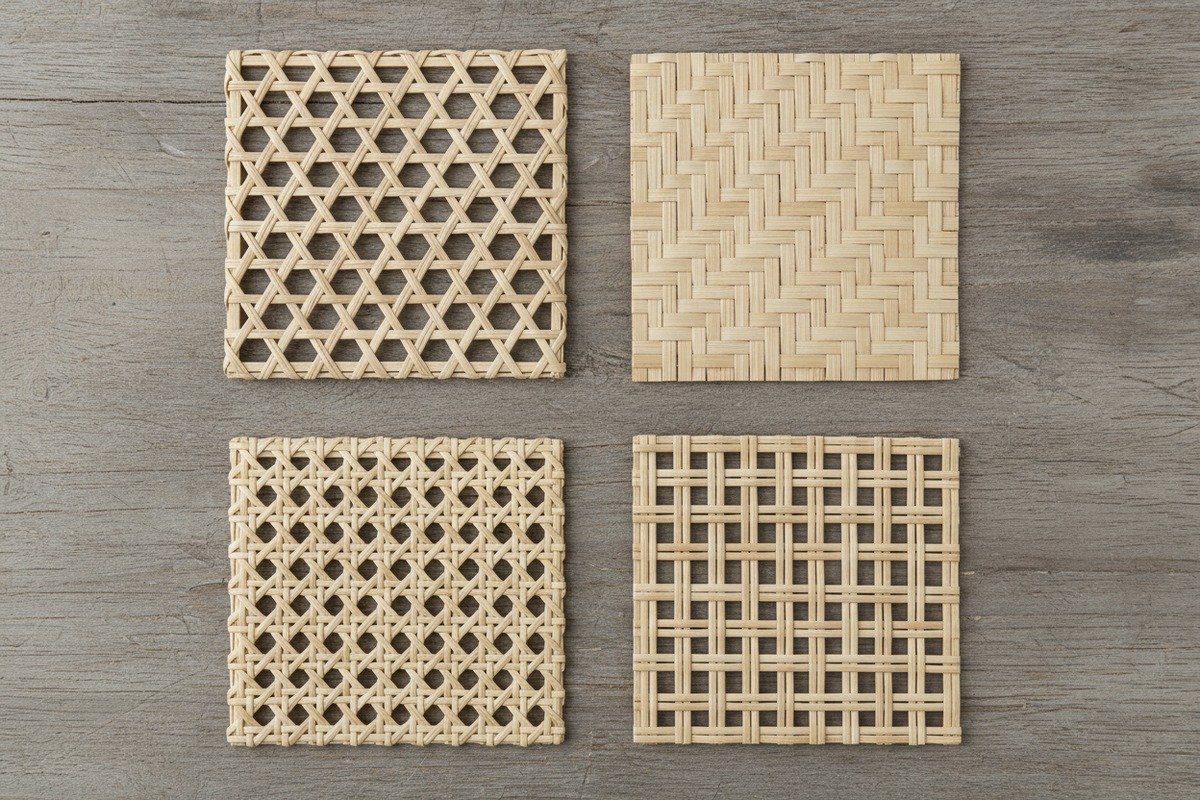
لا يتم نسج جميع أشرطة الخيزران بنفس الطريقة. كل نمط له خصائص مميزة تناسب تطبيقات مختلفة. إليك تفصيل سريع للأنواع الأكثر شيوعًا:
- شبكة سداسية مفتوحة (نسيج تقليدي): هذا هو النمط الكلاسيكي الذي تراه على الكراسي القديمة. إنه خفيف الوزن، جيد التهوية، وأنيق. يعمل بشكل أفضل للألواح الزخرفية، وأبواب الخزائن، والمقاعد خفيفة الاستخدام.
- شبكة مربعة (شبكة مفتوحة): بسيط وحديث. الهيكل المفتوح يجعله مثاليًا لفواصل الغرف، وأغطية المصابيح، والشاشات الزخرفية حيث تريد مرور الضوء والهواء.
- نسج سلة ضيق (نسيج مغلق): كثيف وقوي. يدعم هذا النمط وزنًا كبيرًا، مما يجعله مثاليًا لمقاعد الكراسي، وأسطح المقاعد، وقواعد الصواني.
- شكل ماسي: نمط أكثر تعقيدًا وزخرفة. يضيف تعقيدًا بصريًا ويعمل بشكل جيد كإكسسوار - فكر في إدخالات مساند الرأس، أو الأعمال الفنية المؤطرة على الحائط، أو واجهات الأدراج.
مطابقة النسيج للوظيفة
الخطأ الذي يرتكبه العديد من الحرفيين هو اختيار نسيج لمجرد مظهره. المظهر مهم بالطبع. لكن الوظيفة يجب أن تأتي أولاً. يبدو النسيج السداسي المفتوح جميلًا على مقعد الكرسي، ولكنه سيهبط تحت الاستخدام اليومي الثقيل بشكل أسرع من نسيج السلة الضيق. النسيج الكثيف على غطاء المصباح يحجب الكثير من الضوء ويفشل الغرض.
إليك قاعدة بسيطة نشاركها مع عملائنا: الأنسجة المفتوحة للتطبيقات الزخرفية والاستخدام الخفيف، والأنسجة المغلقة للتطبيقات الهيكلية وحمل الأحمال.
نصائح التحضير للعمل مع الأنسجة المختلفة
بغض النظر عن النمط، فإن التحضير المناسب ضروري. قم دائمًا بنقع شبكة قصب الروطان الطبيعي في الماء الدافئ لمدة 15 إلى 20 دقيقة قبل العمل بها. هذا يلين الألياف ويجعل المادة قابلة للتشكيل. بعد النقع، يسهل قطع الشبكة وتشكيلها ومدها فوق الإطارات.
عندما تجف الشبكة، تنكمش قليلاً. يخلق هذا الانكماش الطبيعي ملاءمة ضيقة تشبه الطبل على الإطارات - وهو بالضبط ما تريده للحصول على لمسة نهائية احترافية. تجنب النقع الزائد. إذا تركت الروطان في الماء لأكثر من 30 دقيقة، يمكن أن تصبح الألياف لينة جدًا وتفقد سلامتها الهيكلية.
التخصيص والتقنيات الإبداعية
أحد الاتجاهات التي شهدنا نموها السريع هو استخدام الأصباغ والبقع الطبيعية على شبكة الروطان. في حين أن اللون البيج الطبيعي للون القش خالد، فإن الصباغة تسمح للحرفيين بمطابقة لوحات الألوان المحددة. يمكن للأصباغ الطبيعية مثل بقع الجوز، أو غسول الشاي، أو النيلة أن تخلق ألوانًا ترابية جميلة دون المساس بالطابع العضوي للمادة.
نهج إبداعي آخر هو الجمع بين أنماط النسيج المتعددة في قطعة واحدة. على سبيل المثال، قد تتميز خزانة بألياف سداسية على الأبواب ونسيج سلة ضيق على لوحة رف سفلية. يضيف هذا التباين اهتمامًا بصريًا ويعرض براعة الحرفية.
إعادة التدوير تستحق الذكر أيضًا. يستخدم العديد من الحرفيين الآن شبكة قصب الروطان لإضفاء حياة جديدة على الأثاث القديم - استبدال الألواح القماشية البالية على الكراسي القديمة أو إضافة إدخالات من القصب إلى الأبواب الخشبية العادية. يتماشى هذا تمامًا مع حركة الاستدامة ويمنح كل قطعة قصة فريدة.
محتوى الرطوبة وظروف العمل
حافظ على مساحة عملك عند رطوبة معتدلة. محتوى الرطوبة المثالي للروطان أثناء الحرف اليدوية هو بين 8% و 16%. جاف جدًا، وتتشقق الخيوط. رطب جدًا، وقد تتطور العفن في القطعة النهائية. إذا كنت تعمل في مناخ جاف جدًا، قم برش الشبكة بخفة أثناء العمل. في البيئات الرطبة، تأكد من التهوية الجيدة وامنح وقتًا إضافيًا للتجفيف بعد التركيب.
مع النسيج المناسب، والتحضير المناسب، وقليل من الرؤية الإبداعية، يمكن لشبكة قصب الروطان الطبيعي أن ترتقي بأي حرفة يدوية من عادية إلى استثنائية. تكافئ المادة الصبر والاهتمام بالتفاصيل بنتائج تدوم لسنوات.
خاتمة
نسيج قصب الخيزران الطبيعي مادة مثبتة للحرف اليدوية عالية الجودة عندما تحصل على جودة الدرجة الأولى، وتختار النسيج المناسب، وتتعاون مع مورد ثابت وموثوق.
ملاحظات سفلية
1. تعريف وتفسير موثوق لقوة الشد في المواد. ↩︎
2. يستكشف جاذبية ودمج الأنسجة الطبيعية في التصميم. ↩︎
3. يناقش أهمية وفوائد شفافية سلسلة التوريد. ↩︎
4. يصف خصائص واستخدامات نسج قصب السكر المفتوح السداسي. ↩︎
5. يناقش الاتجاهات والمواد الحالية في تصميم الأثاث الفاخر. ↩︎
6. يشرح تصنيف الجودة لنسيج قصب الخيزران الطبيعي، بما في ذلك معايير الدرجة الأولى. ↩︎
7. تم استبدال HTTP 403 بتعريف موثوق من ويكيبيديا للموارد المتجددة. ↩︎
8. يقدم قائمة وشرحًا لمواد قابلة للتحلل الحيوي مختلفة. ↩︎
9. دليل شامل لخصائص واستخدامات نسيج قصب الخيزران الطبيعي. ↩︎
10. يشرح مفهوم ومبادئ حركة التصميم المحب للطبيعة. ↩︎


 English
  Español de México
  العربية
  Deutsch
  Français
  Русский