
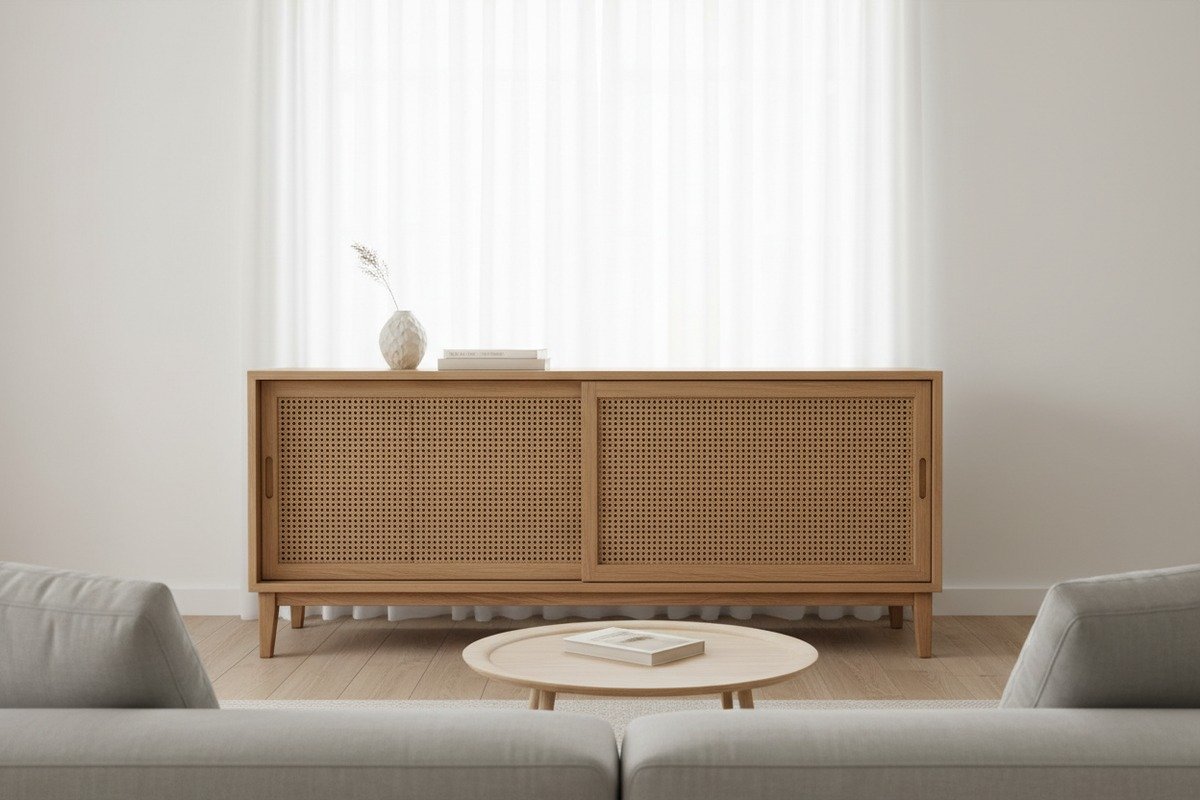
كل أسبوع، يقوم فريق الإنتاج لدينا في إندونيسيا بمعالجة آلاف الأمتار من rattan cane webbing 1, ، والسؤال الذي يطرحه العملاء في أغلب الأحيان بسيط: كم من الوقت ستستمر فعليًا؟
عادةً ما يدوم نسيج قصب الروطان الطبيعي من 15 إلى 20 عامًا في الأماكن المغلقة عند صيانته بشكل صحيح. يمكن أن يتجاوز الروطان الفاخر من الدرجة AAA 20 عامًا مع التنظيف الروتيني، والترطيب الدوري بالزيت، والرطوبة المستقرة بين 40٪ و 60٪، والحماية من أشعة الشمس المباشرة ومصادر الحرارة الجافة.
يعتمد هذا الرقم على عدة عوامل. درجة جودة الروطان الذي تشتريه، وكيفية تركيبه، ومكان وضعه، وكيفية العناية به، كلها تلعب دورًا. أدناه، سأفصل كل متغير حتى تتمكن من اتخاذ أفضل قرار لمشروع الأثاث الخاص بك.
كم سنة يمكنني أن أتوقع أن تدوم شبكة قصب الروطان الطبيعي الخاصة بي في بيئة داخلية؟
عندما نقوم بشحن نسيج قصب الروطان إلى مصانع الأثاث في جميع أنحاء الولايات المتحدة وأوروبا وجنوب شرق آسيا، فإن المتانة هي دائمًا الموضوع الأول على الطاولة.
في بيئة داخلية خاضعة للرقابة، تدوم أغطية قصب الروطان الطبيعي ما بين 10 و 20 عامًا في المتوسط. يمكن للمواد الممتازة من الدرجة AAA مع العناية المستمرة أن تصل إلى 20 إلى 30 عامًا، بينما قد تظهر الدرجات الأقل تآكلًا في غضون 8 إلى 12 عامًا اعتمادًا على شدة الاستخدام والظروف البيئية.
ما الذي يحدد نطاق العمر الافتراضي؟
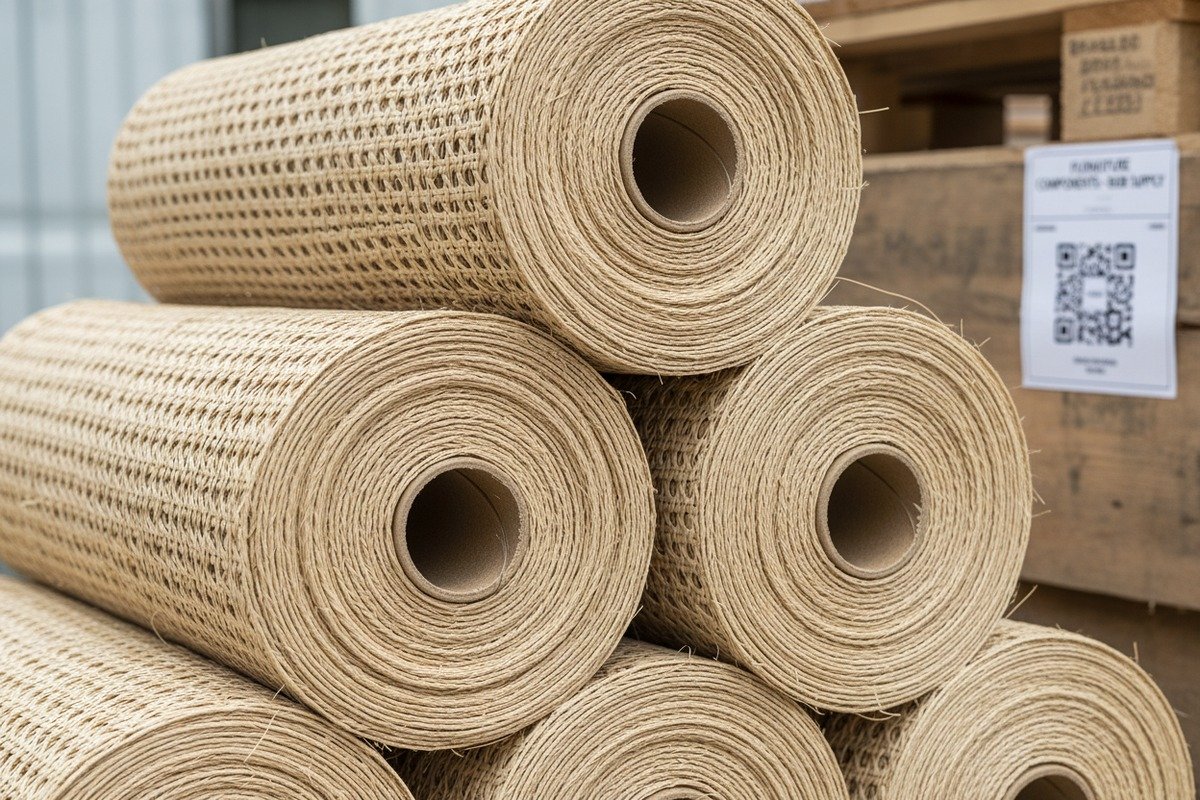
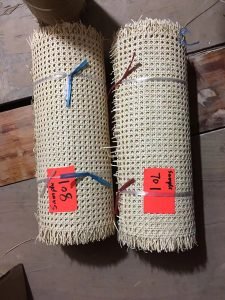
نطاق الـ 10 إلى 20 عامًا واسع لسبب وجيه. نسيج قصب الروطان مادة طبيعية. تأتي من اللحاء الخارجي أو لب نباتات الروطان 2, ، والتي يتم حصادها في الغالب في إندونيسيا. يتم تقشير شرائط رفيعة ومرنة ونسجها في صفائح منسوجة مسبقًا. ثم يتم تطبيق هذه الصفائح على ظهور الكراسي وأبواب الخزائن وألواح الرأس والألواح الزخرفية.
نظرًا لأن الروطان عضوي، فإن عمره الافتراضي يعتمد على الظروف الواقعية، وليس فقط على الاختبارات المعملية. فيما يلي المتغيرات الرئيسية.
الظروف البيئية
تختلف البيئات الداخلية بشكل كبير. غرفة معيشة مكيفة في هولندا تختلف تمامًا عن شقة مشمسة في دبي بدون ستائر. ضوء الشمس المباشر يسبب البهتان والاسمرار والهَشاشة. الرطوبة العالية فوق 60% تجذب العفن والالتواء. الحرارة الجافة أقل من 40% رطوبة تسبب تشقق الألياف. النطاق المثالي هو 40% إلى 60% الرطوبة النسبية 3 بدون تعرض مباشر للأشعة فوق البنفسجية.
شدة الاستخدام
لوح رأس من الروطان لا يتحمل أي وزن سيستمر لفترة أطول من مقعد كرسي طعام يستخدم ثلاث مرات في اليوم. الأثاث السكني عادة ما يدوم لفترة أطول من القطع التجارية في الفنادق أو المطاعم. تساعد الوسائد على توزيع الوزن على المقاعد وتقليل الترهل.
مقارنة العمر الافتراضي بين السكني والتجاري
| حالة الاستخدام | العمر المتوقع | عامل الإجهاد الرئيسي |
|---|---|---|
| لوح رأس سرير سكني أو خزانة | 18-25 سنة | ضغط جسدي أدنى |
| مقعد كرسي طعام سكني | 12-18 سنة | الجلوس اليومي، حمل الوزن |
| كرسي ردهة فندقية | 8-12 سنة | حركة مرور عالية، مستخدمون متعددون |
| مقاعد مطعم | 6-10 سنوات | استخدام يومي ثقيل، انسكابات |
جودة التركيب
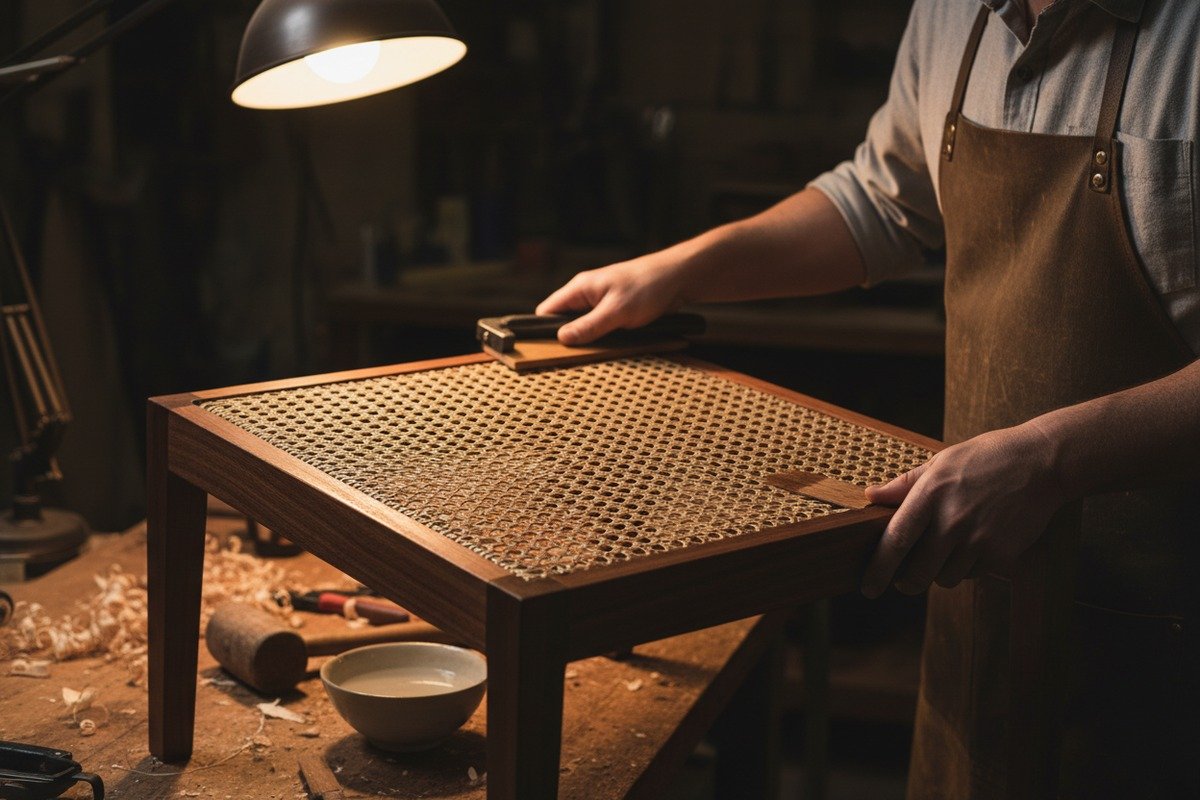
طريقة تثبيت الشبكة بالإطار مهمة. الشد المناسب أثناء التركيب يمنع الترهل المبكر. تشمل الطرق الشائعة وصل القناة بالشق، والدبابيس، والغراء. نقع الخيزران قبل التركيب يجعله مرنًا ويسمح له بالشد أثناء الجفاف. التركيب غير المحكم يؤدي إلى إجهاد غير متساوٍ وفشل مبكر.
يلعب الإطار نفسه دورًا أيضًا. يحافظ الإطار الخشبي الصلب على ثبات الشبكة. ينقل الإطار الملتوي أو الضعيف الإجهاد إلى الخيزران ويقصر عمره.
هناك أيضًا ملاحظة أثرية مثيرة للاهتمام. بقيت بعض قطع القصب المحفوظة في المتاحف سليمة لمئات السنين تحت ظروف خاضعة للرقابة بعناية. التقديرات الحديثة أكثر تحفظًا لأن المنازل اليومية ليست متاحف. لكن المادة مرنة بطبيعتها.
ما هي خطوات الصيانة التي يمكنني اتخاذها لضمان عدم تقصف نسيج الروطان الخاص بي بمرور الوقت؟
من أرضية المصنع لدينا إلى قطعة الأثاث النهائية، نقوم دائمًا بتضمين دليل العناية مع كل شحنة لأن الصيانة هي ما يفصل قطعة تدوم خمس سنوات عن قطعة تدوم عشرين عامًا.
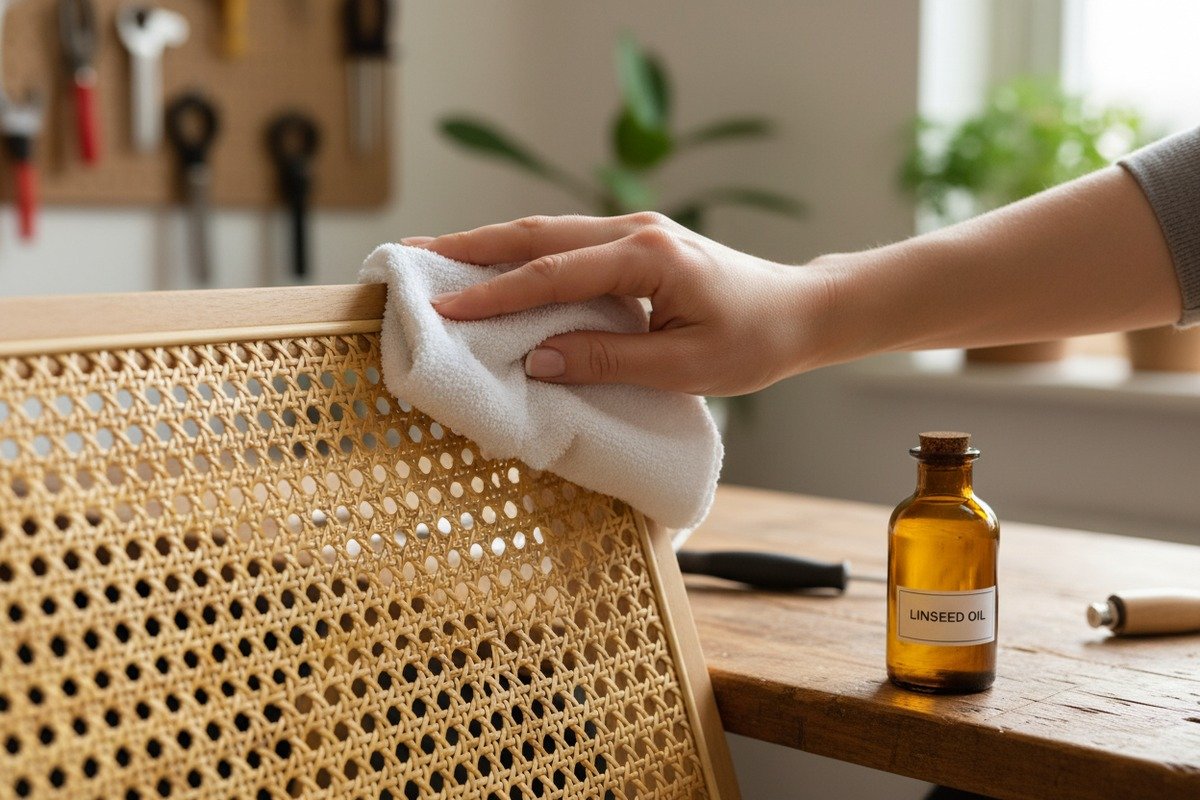
لمنع الهشاشة، نظف الروطان أسبوعيًا بفرشاة ناعمة أو مكنسة كهربائية، وامسحه شهريًا بقطعة قماش مبللة، وقم بتكييفه كل 6 إلى 12 شهرًا باستخدام زيت بذر الكتان أو زيت التونج أو محلول مخفف من صابون مورفي. حافظ على الرطوبة الداخلية بين 40% و 60%، وتجنب وضع الروطان في ضوء الشمس المباشر أو بالقرب من فتحات التدفئة.
تقويم صيانة عملي
الاتساق يتفوق على الشدة. الخطوات الصغيرة المنتظمة تحمي الروطان بشكل أفضل بكثير من العلاجات العميقة العرضية. إليك تقويم يوصي به فريقنا للعملاء بالجملة وصانعي الأثاث.
| التردد | المهمة | التفاصيل |
|---|---|---|
| أسبوعيًا | الغبار أو المكنسة الكهربائية | استخدم ملحق فرشاة ناعمة. قم بإزالة الفتات والغبار من النسيج. |
| شهري | مسح رطب | استخدم قطعة قماش مبللة بالماء العادي. اعصرها جيدًا. جففها فورًا بمنشفة. |
| كل 6-12 شهرًا | تكييف الزيت 4 | ضع طبقة رقيقة من زيت بذر الكتان، أو زيت التونج، أو زيت بذر الكتان المغلي، أو الزيت المعدني. ركز على الجانب السفلي. امسح الزائد. اتركه ليجف تمامًا قبل الاستخدام. |
| موسميًا | فحص الرطوبة | استخدم مقياس الرطوبة. إذا كان أقل من 40%، قم بتشغيل جهاز ترطيب. إذا كان أعلى من 60%، قم بتحسين التهوية. |
| حسب الحاجة | إصلاح البقع | أعد لصق الخيوط السائبة باستخدام لاصق آمن غذائيًا على الفور. لا تنتظر. |
لماذا يصبح الروطان هشًا؟
تحتوي ألياف الروطان على رطوبة طبيعية. عندما تنخفض هذه الرطوبة كثيرًا، تنكمش الألياف وتتشقق. يحدث هذا غالبًا في الشتاء عندما يجفف التدفئة الداخلية الهواء، أو في المناخات الجافة على مدار العام. يمكن لمكيف الهواء أيضًا أن يجرد الرطوبة.
يعمل تكييف الزيت لأنه يعوض الرطوبة المفقودة ويخلق حاجزًا واقيًا رقيقًا. زيت بذر الكتان وزيت التونغ هما الخياران الأكثر شيوعًا. يخترقان الألياف دون ترك بقايا ثقيلة. صابون الزيت المخفف من مورفي ألطف ويعمل بشكل جيد للصيانة الخفيفة.
حماية من أشعة الشمس والأشعة فوق البنفسجية
الأشعة فوق البنفسجية 5 يكسر السليلوز في ألياف الروطان. على مدى أشهر، يسبب هذا بهتانًا وضعفًا هيكليًا. إذا كانت أثاث الروطان الخاص بك يقع بالقرب من نافذة، استخدم ستائر أو ستائر معتمة تحجب الأشعة فوق البنفسجية. يمكن أن يساعد طلاء واقٍ من الأشعة فوق البنفسجية أيضًا، ولكن اختبره على منطقة صغيرة أولاً.
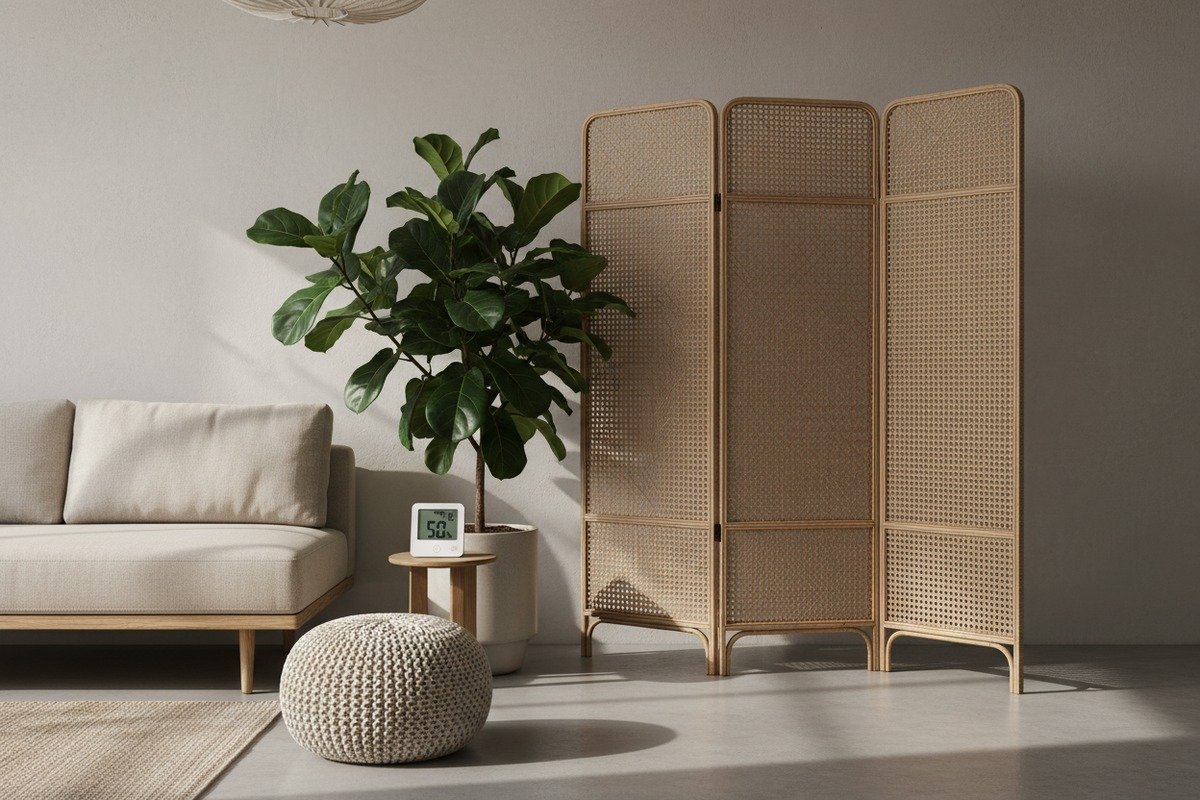
تدوير الأثاث بشكل دوري يوحد أي بهتان. هذا مفيد بشكل خاص للقطع مثل فواصل الغرف أو ألواح الخزائن التي تتعرض لضوء غير متساوٍ.
تهوية خلف الألواح
للتطبيقات المغلقة مثل أبواب الخزائن أو إطارات الأسرة، يهم تدفق الهواء خلف النسيج. الهواء الراكد يحبس الرطوبة، مما يؤدي إلى نمو العفن أو الفطريات 6 على الجزء الخلفي من النسيج. تشمل الحلول البسيطة ترك فجوة صغيرة في الجزء الخلفي من الخزائن أو حفر ثقوب تهوية غير واضحة في الإطار.
المناولة والحركة
ارفع دائمًا أثاث الروطان عند نقله. السحب يضع ضغطًا على النسيج ومفاصل الإطار. أضف وسادات لباد إلى أقدام الأثاث لتقليل الاهتزاز والاحتكاك عند دفع القطع أثناء التنظيف.
للمقاعد، استخدم الوسائد. توزع الوزن بالتساوي وتمنع مركز النسيج من التدلي. يمكن لهذه الخطوة الواحدة أن تضيف سنوات إلى عمر مقعد كرسي الروطان.
خدعة إعادة الترطيب
إذا بدأ نسيج الروطان الخاص بك في التدلي قليلاً، يمكنك غالبًا استعادته. رش النسيج برفق بالماء، ثم اتركه ليجف في الهواء تمامًا. يشد الروطان أثناء جفافه. بعد التجفيف، ضع طبقة رقيقة من الزيت لتجديد الرطوبة. تعمل هذه التقنية بشكل أفضل للتدلي الطفيف ويجب عدم تكرارها بشكل مفرط، لأن الإفراط في الترطيب يمكن أن يضعف الألياف بمرور الوقت.
كيف تؤثر درجة جودة الخيزران الذي أوفره على المتانة طويلة الأمد لأثاثي؟
عملية التصنيف لدينا في مصنع إندونيسيا هي شيء نأخذه على محمل الجد. يتم فرز كل دفعة من الروطان الخام يدويًا قبل المعالجة، وتكون الاختلافات بين الدرجات واضحة حتى قبل بدء النسج.
تحدد درجة جودة الخيزران مباشرة متانة الأثاث. يتميز الخيزران من الدرجة AAA بسماكة ألياف موحدة، وتكامل محكم للنسيج، والحد الأدنى من العيوب، ويدوم من 15 إلى 25 عامًا في الأماكن المغلقة. قد تتدهور الدرجات الأقل ذات الخيوط غير المتناسقة، أو الأنسجة الفضفاضة، أو العيوب السطحية في غضون 8 إلى 12 عامًا، حتى مع ممارسات الصيانة الجيدة.
فهم درجات الخيزران
ليست كل شبكات قصب الروطان متساوية. يعكس نظام التصنيف جودة الكرمة الخام، واتساق عملية التقشير، ودقة النسج. الدرجة الممتازة AAA هي المستوى الأعلى. تستخدم خيوطًا ذات عرض وسمك موحدين، مقشرة من أفضل أجزاء كروم الروطان الناضجة.
قد تستخدم الدرجات الأدنى كرومًا أصغر سنًا، أو تتضمن المزيد من العقد، أو يكون سمك الخيوط غير متساوٍ. تخلق هذه التناقضات نقاط ضعف في النسج. بمرور الوقت، تفشل نقاط الضعف هذه أولاً. السلسلة لا تكون أقوى من أضعف حلقاتها، وينطبق الشيء نفسه على شبكات الروطان.
جدول مقارنة الدرجات
| الميزة | الدرجة AAA | Grade A | الدرجة القياسية |
|---|---|---|---|
| توحيد الخيوط | ممتاز - عرض وسمك متناسق | جيد - اختلافات طفيفة | متوسط - تناقضات واضحة |
| تشطيب السطح | ناعم، عقد قليلة | ناعم في الغالب، عقد عرضية | بقع خشنة، المزيد من العقد |
| إحكام النسيج | شد محكم ومتساوٍ جدًا | شد مع فجوات طفيفة | فضفاض، قد يحتوي على مناطق غير متساوية |
| اتساق اللون | نغمة طبيعية موحدة | اختلافات طفيفة | اختلافات ملحوظة في اللون |
| العمر الافتراضي الداخلي | 15-25 سنة | 12-18 سنة | 8-12 سنة |
| أفضل حالة استخدام | أثاث راقٍ، ضيافة | أثاث سكني متوسط المدى | مشاريع الميزانية، الاستخدام المؤقت |
| نطاق السعر | Premium | متوسط المدى | اقتصادي |
الأنواع والمصادر مهمة
الروطان ليس نوعًا واحدًا. هناك أكثر من 600 نوع من نبات الروطان المتسلق 7. الأفضل لنسيج القصب يأتي من إندونيسيا، حيث تنتج ظروف النمو أليافًا طويلة ومرنة وقوية. قد يختلف قصب الروطان المصدر من مناطق أخرى في كثافة الألياف ومرونتها.
في منشأة المعالجة لدينا، نعمل مع أنواع إندونيسية محددة معروفة بحبيباتها الضيقة وقابليتها للتشغيل. هذا هو أحد الأسباب التي تجعل المنشأ مهمًا عند مقارنة عروض الأسعار من موردين مختلفين. غالبًا ما يعكس السعر الأقل جودة نوع أقل أو معالجة أقل دقة.
أنماط النسيج والمتانة
تشمل أنماط النسيج الشائعة المثمن (المعروف أيضًا باسم خلية النحل)، ونسيج الراديو، والنسيج المربع، والنسيج المغلق 3×3. لكل منها خصائص هيكلية مختلفة.
توزع الأنسجة الأكثر إحكامًا مثل النسيج المغلق 3×3 أو نسيج الراديو الكثيف الإجهاد بشكل أكثر توازنًا. تبدو الأنماط المفتوحة مثل قصب سداسي الأضلاع جميلة ولكنها تحتوي على مواد أقل لكل متر مربع، مما قد يعني قوة إجمالية أقل للتطبيقات التي تتحمل الوزن.
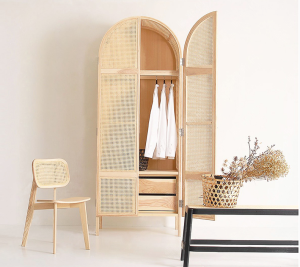
لمقاعد الكراسي، غالبًا ما يكون النسيج الأكثر إحكامًا هو الخيار الأفضل. بالنسبة للألواح الزخرفية وأبواب الخزائن التي لا تتحمل أي وزن، تعمل الأنسجة المفتوحة بشكل مثالي ويمكن أن تدوم طويلاً.
منظور التكلفة السنوية
عندما يقارن عملاؤنا بالجملة بين الدرجات، نشجعهم على التفكير من حيث التكلفة السنوية. تكلفة لفة من نسيج الدرجة AAA أعلى مقدمًا. ولكن إذا استمرت لمدة 20 عامًا، فإن التكلفة السنوية منخفضة جدًا. لفة من الدرجة القياسية بنصف السعر تدوم 10 سنوات فقط تنتهي بتكلفة متساوية سنويًا - وتتطلب العمالة والنفقات للاستبدال.
بالنسبة لمصانع الأثاث التي تنتج للسوق الفندقي، حيث تعتمد سمعة العلامة التجارية على طول عمر المنتج، فإن الدرجة AAA هي دائمًا الاستثمار الصحيح تقريبًا. بالنسبة لخطوط الإنتاج السكنية ذات الميزانية المحدودة، تقدم الدرجة A توازنًا جيدًا.
الاستدامة والمصادر الأخلاقية
الاتجاه نحو المواد المستدامة 8 أعاد قصب الروطان إلى دائرة الضوء. قصب الروطان الطبيعي قابل للتحلل البيولوجي بنسبة 100٪، ومتجدد، ولا يتطلب أي معالجة كيميائية عند تصنيفه وتشطيبه بشكل صحيح. تؤكد سلسلة التوريد لدينا على الحصاد الأخلاقي من المزارع المُدارة في إندونيسيا، مما يدعم المجتمعات المحلية ويضمن توافر المواد على المدى الطويل.
بدائل قصب الروطان الاصطناعية تحاكي المظهر وتوفر مقاومة فائقة للعوامل الجوية الخارجية. لكنها تفتقر إلى الدفء والملمس العضوي والمؤهلات الصديقة للبيئة التي تدفع اتجاهات التصميم الحالية. للاستخدام الداخلي، يظل قصب الروطان الطبيعي هو الخيار المفضل بين المصممين الذين يعملون في الأساليب الحديثة، والبوهيمية، والمستوحاة من الطراز القديم.
ما هي العلامات التي تدل على أنني بحاجة إلى استبدال أو إصلاح شبكة القصب الداخلية المصنوعة من الخيزران؟
عندما نقدم إرشادات ما بعد البيع لشركائنا في مصانع الأثاث، نؤكد دائمًا أن الكشف المبكر عن علامات التآكل يوفر الوقت والمال وسمعة المنتج النهائي.
تشمل العلامات الرئيسية التي تشير إلى أن شبكة قصب الروطان تحتاج إلى إصلاح أو استبدال، الترهل الواضح في المنتصف، الخيوط المرتخية أو المكسورة، تشقق وتصدع الألياف، تغير اللون المستمر أو بقع العفن، والملمس الجاف أو الهش الذي لم يعد يستجيب لترطيب الزيت أو علاجات الرذاذ الخفيف.
علامات الإنذار المبكر مقابل مؤشرات نهاية العمر الافتراضي
ليست كل علامة تآكل تعني أنك بحاجة إلى استبدال اللوحة بأكملها. بعض المشاكل قابلة للإصلاح. البعض الآخر يشير إلى أن الشبكة قد وصلت إلى نهاية عمرها الوظيفي. معرفة الفرق يوفر نفقات غير ضرورية.
دليل قرار الإصلاح مقابل الاستبدال
إليك دليل بناءً على ما رأيناه عبر آلاف التركيبات:
ترهل طفيف في وسط المقعد أو اللوحة عادة ما يكون قابلاً للإصلاح. رش المنطقة برفق بالماء، واتركها تجف تمامًا، وضع طبقة رقيقة من الزيت. سيشد الروطان أثناء جفافه. يعمل هذا بشكل جيد عندما يكون الترهل حديثًا والألياف لا تزال مرنة.
خيط أو خيطان مفكوكان يمكن إعادة لصقهما بمادة لاصقة آمنة غذائيًا. اضغط على الخيط مرة أخرى في مكانه وثبته حتى يجف اللاصق. قم بالإصلاح فورًا. يضع خيط واحد مفكوك ضغطًا إضافيًا على الخيوط المجاورة ويمكن أن يسبب تفاعلًا متسلسلًا.
تشقق أو انقسام واسع النطاق يعني أن الألياف فقدت الكثير من الرطوبة الداخلية لاستعادتها. عند هذه النقطة، لن يساعد الترطيب. أصبحت الشبكة ضعيفة هيكليًا وتحتاج إلى استبدال كامل.
بقع العفن أو الفطريات التي لا تستجيب للتنظيف اللطيف تشير إلى اختراق عميق. يمكن تنظيف العفن السطحي بقطعة قماش مبللة ومحلول خل خفيف. ولكن إذا كان العفن قد أغمق الجزء الداخلي للألياف، فإن الاستبدال هو الخيار الأكثر أمانًا، خاصة في بيئات الضيافة أو تقديم الطعام.
الشيخوخة الطبيعية مقابل التلف
بعض التغييرات طبيعية. يصبح الروطان أغمق بشكل طبيعي بمرور الوقت. يعتبر هذا التحول التدريجي في اللون مرغوبًا فيه في العديد من السياقات التصميمية، خاصة الأساليب العتيقة والبوهيمية. إنه ليس علامة على التلف.
ومع ذلك، فإن الاسمرار السريع أو غير المتساوي يشير عادةً إلى تلف الأشعة فوق البنفسجية أو التعرض للمواد الكيميائية. إذا أصبح جانب واحد من اللوحة داكنًا بشكل كبير بينما يظل الجانب الآخر فاتحًا، فقم بتدوير القطعة أو عالج مصدر ضوء الشمس.
فحص الإطار
في بعض الأحيان لا تكون المشكلة في الروطان على الإطلاق. يمكن أن يتسبب الإطار الملتوي أو الضعيف في ترهل النسيج أو سحبه بشكل غير متساوٍ. قبل استبدال النسيج، افحص الإطار دائمًا. شد المفاصل، وتحقق من تلف الخشب، وتأكد من أن الشق أو الدبابيس التي تثبت النسيج آمنة.
في تجربتنا في الشحن إلى مصانع الأثاث في جميع أنحاء أوروبا والشرق الأوسط، فإن حوالي 20٪ من "فشل النسيج" التي يبلغ عنها المستخدمون النهائيون هي في الواقع مشاكل في الإطار. يمكن أن يؤدي إصلاح الإطار السريع إلى إطالة عمر النسيج المفيد لسنوات.
متى تتصل بمحترف
للقطع ذات القيمة العالية أو القطع الأثرية،, إعادة التجديل الاحترافية 9 تستحق الاستثمار. يمكن لجامع ماهر إزالة النسيج القديم وتنظيف الإطار وتركيب مادة جديدة بالتوتر المناسب. بالنسبة للأثاث الإنتاجي، فإن استبدال لوحة بورقة جديدة من النسيج المنسوج مسبقًا أمر مباشر وفعال من حيث التكلفة.
يمكن لعشاق الأعمال اليدوية التعامل مع الاستبدالات البسيطة باستخدام طرق القناة والشق. توضح العديد من دروس YouTube العملية خطوة بخطوة، ونقع النسيج لمدة 15 إلى 30 دقيقة قبل التركيب هو المفتاح لتحقيق نتيجة مشدودة واحترافية.
فرصة إعادة التدوير
أعطى اتجاه الأعمال اليدوية و إعادة التدوير 10 حياة جديدة للأثاث القديم. يتم تحويل الأبواب والخزائن والكراسي القديمة ببطانات روطان جديدة. إذا وصل النسيج الحالي إلى نهايته، فاعتبره فرصة للترقية. يمكن أن يؤدي التبديل من درجة قياسية إلى الدرجة AAA أثناء الاستبدال إلى إطالة دورة الاستخدام التالية بشكل كبير.
خاتمة
قصب الروطان الطبيعي مادة متينة وجميلة ومستدامة تكافئ العناية الجيدة بعقود من الاستخدام الموثوق به في الأماكن المغلقة. اختر الدرجة المناسبة، حافظ عليها باستمرار، وستخدمك جيدًا.
ملاحظات سفلية
1. يقدم معلومات عامة عن الروطان، بما في ذلك استخدامه كقصب شبكي. ↩︎
2. يشرح الأصل النباتي وخصائص نباتات الروطان. ↩︎
3. يناقش تأثير الرطوبة النسبية على حفظ الأثاث والمواد العضوية. ↩︎
4. يفصل فوائد وتطبيق تشطيبات الزيت للخشب والمواد الطبيعية. ↩︎
5. يشرح عملية التحلل الضوئي الناتج عن الأشعة فوق البنفسجية على المواد. ↩︎
6. يقدم معلومات موثوقة حول نمو العفن، وأسبابه، ووقايته في المنازل. ↩︎
7. يؤكد العدد التقريبي لأنواع الروطان وتوزيعها الجغرافي. ↩︎
8. يعرف إدارة المواد المستدامة وفوائدها البيئية. ↩︎
9. يصف حرفة تنجيد الأثاث بالقصب، بما في ذلك الإصلاح والترميم. ↩︎
10. يشرح إعادة التدوير كعملية إعادة استخدام إبداعية ذات فوائد بيئية. ↩︎
 English
  Español de México
  العربية
  Deutsch
  Français
  Русский