
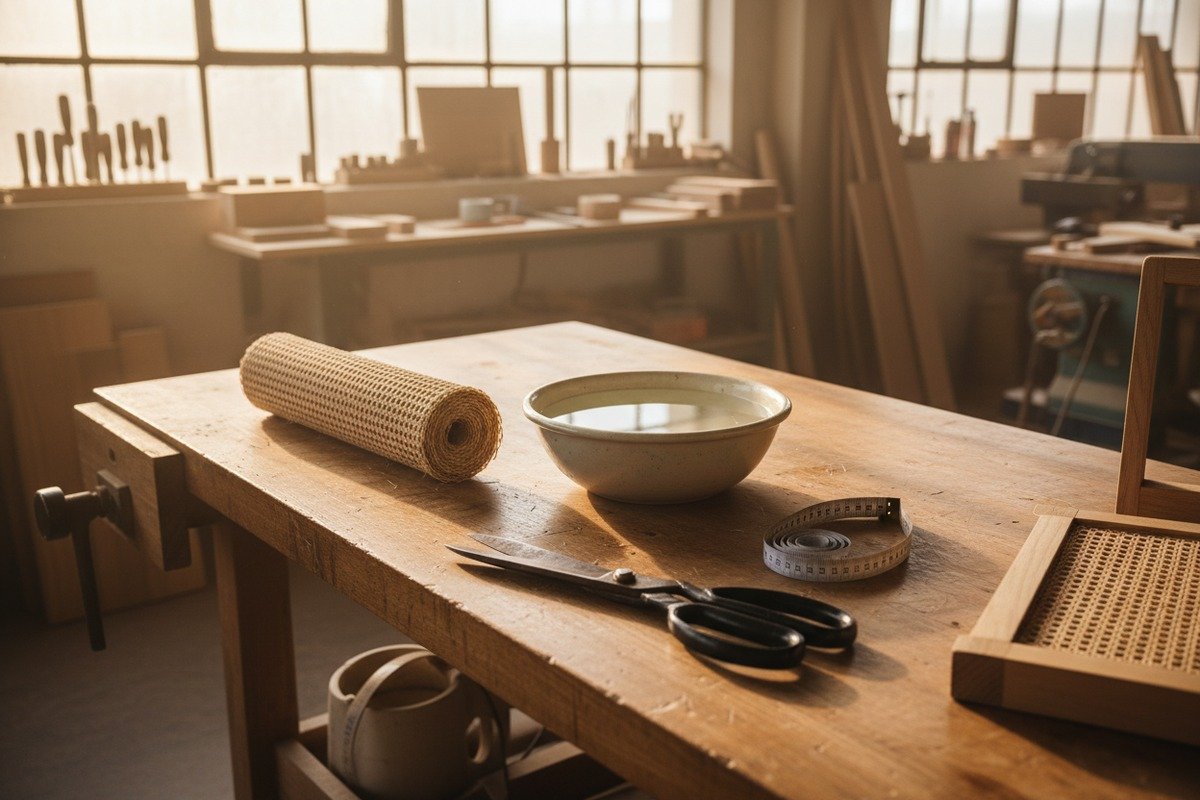
كل أسبوع في مستودعنا في فوشان، نرى عشاق الأعمال اليدوية ومصانع الأثاث على حد سواء يكافحون مع سؤال واحد: لماذا يتشقق قصب الروطان أو يترهل أو ينحني بعد التركيب؟ لفائف منسوجة مسبقًا 1؟ الإجابة دائمًا ما تعود إلى التحضير - أو عدمه. التحضير السيئ يدمر المواد الجيدة. إنه يهدر الوقت والمال والجهد. ويتركك بأثاث يبدو هاويًا بدلاً من أن يكون حرفيًا.
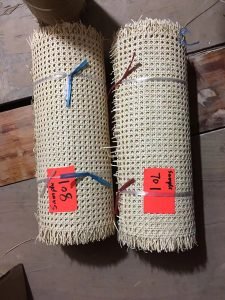
لتحضير شبكة قصب الروطان الطبيعي قبل التركيب، تحتاج إلى نقعه في ماء دافئ لمدة 30 دقيقة إلى 4 ساعات حتى يصبح مرنًا، وقياسه وقصه مع هامش إضافي يتراوح بين 2-5 سم على جميع الجوانب، وتنظيف الشبكة وفحصها بحثًا عن عيوب، ثم تثبيتها بإحكام على إطارك حتى تجف مشدودة ومستوية.
كل خطوة من هذه الخطوات لها تفاصيل مهمة. تخطي خطوة واحدة، وتخاطر بالتشقق أو الترهل أو النتائج غير المتساوية. أدناه، سأرشدك خلال عملية التحضير الكاملة، خطوة بخطوة، مستفيدًا من سنوات من إنتاج وشحن قصب الروطان لمصنعي الأثاث في جميع أنحاء الولايات المتحدة وأوروبا وجنوب شرق آسيا.
ما هي المدة التي يجب أن أنقع فيها قصب الروطان الطبيعي الخاص بي لجعله مرنًا بما يكفي لمشروعي؟
عندما بدأنا لأول مرة في شحن لفائف الروطان إلى مصانع الأثاث في هولندا وأستراليا، استمرت شكوى واحدة في العودة: كان القصب "صلبًا جدًا" أو "يتشقق أثناء التركيب". في كل مرة، كان السبب الجذري هو نفسه - النقع غير السليم. قصب الروطان الجاف هش. ينكسر تحت الشد. ولا يمكن لأي قدر من المهارة إصلاح قطعة من القصب تنكسر في منتصف التركيب.
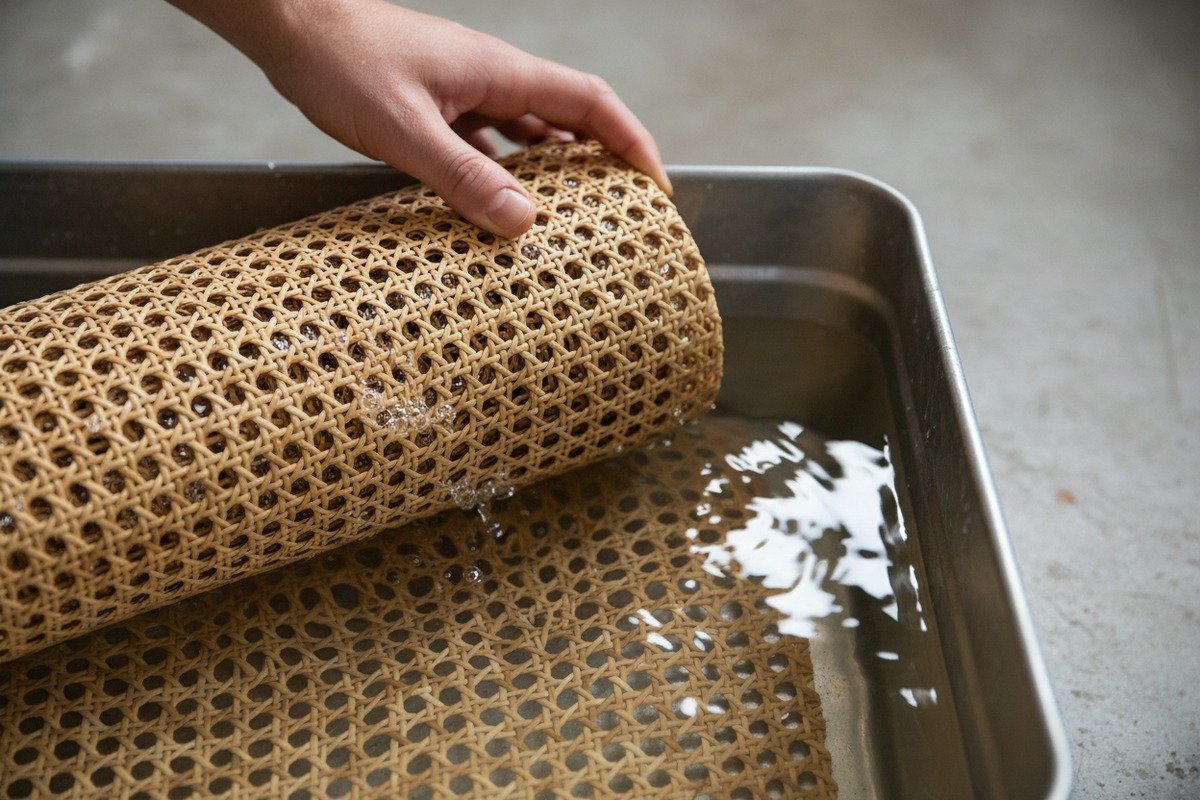
يجب نقع قصب الروطان الطبيعي في الماء الدافئ لمدة 30 إلى 60 دقيقة للفائف المنسوجة مسبقًا، أو لمدة تصل إلى 3 إلى 4 ساعات لقصب الألواح المستخدم في التنجيد التقليدي باليد. يكون القصب جاهزًا عندما ينحني بسهولة دون تشقق أو مقاومة.
لماذا النقع غير قابل للتفاوض
قصب الروطان الطبيعي يأتي من لحاء نخيل الروطان 2. إنها ألياف عضوية. عندما تكون جافة، تنكمش خلاياها وتصبح صلبة. يعيد النقع ترطيب هذه الخلايا. ترتخي الألياف. تصبح المادة ناعمة وقابلة للتشكيل. بدون النقع، ستسمع صوت فرقعة حادة في اللحظة التي تحاول فيها ثنيها أو وضعها في أخدود. هذه الفرقعة تعني أليافًا مكسورة ومواد مهدرة.
الماء الدافئ مقابل الماء البارد
يستخدم معظم المثبتين ذوي الخبرة الماء الدافئ، وليس الساخن. الماء الساخن جدًا يمكن أن يضعف ألياف الروطان أو يزيل الزيوت الطبيعية. الماء البارد يعمل ولكنه يستغرق وقتًا أطول بكثير - أحيانًا يضاعف وقت النقع الخاص بك. الماء الدافئ في نطاق 70-100 درجة فهرنهايت (21-38 درجة مئوية) هو النقطة المثالية.
مدة النقع: مرجع سريع
| نوع الروطان | وقت النقع الموصى به | درجة حرارة الماء | إشارة الاستعداد |
|---|---|---|---|
| لفائف قصب منسوجة مسبقًا | 30–60 دقيقة | دافئ (70-100 درجة فهرنهايت) | ينحني دون تشقق |
| قصب ورقي 3 (التعشيب اليدوي) | 3-4 ساعات | دافئ (70-100 درجة فهرنهايت) | ملمس ناعم ومرن |
| شريحة 4 / قصب | 10-15 دقيقة | دافئ (70-100 درجة فهرنهايت) | ينحني بسهولة في الأخدود |
| راتان صناعي (PE) | لا حاجة للنقع | غير متاح | مرن بالفعل |
نصائح للنقع المتساوي
إذا كان لفاف القصب الخاص بك أطول من حوضك، استخدم حوض استحمام أو أنبوب PVC مملوء بالماء. لقد رأينا عملاء في سوقنا بالولايات المتحدة يستخدمون مزراب المطر كأحواض نقع مؤقتة - إنها تعمل بشكل جيد بشكل مدهش. المفتاح هو الغمر الكامل. أي بقع جافة ستبقى صلبة وعرضة للتشقق.
خطر النقع الزائد
هناك خرافة شائعة مفادها أن النقع الأطول أفضل دائمًا. هذا ليس صحيحًا. النقع الزائد (أكثر من 4-5 ساعات) يمكن أن يؤدي إلى تشبع الألياف بالماء. هذا يجعلها طرية وأكثر صعوبة في الشد. في المناخات الرطبة، يصبح القصب المنقوع بشكل مفرط أيضًا أرضًا خصبة للعفن إذا لم يتم تجفيفه بشكل صحيح. اختبر القصب الخاص بك كل 15-30 دقيقة. عندما ينحني بسلاسة في يدك، يكون جاهزًا.
التأقلم قبل النقع
خطوة يتخطاها الكثيرون: اترك نسيج القصب الجاف الخاص بك في الغرفة التي ستقوم بتركيبه فيها لمدة 24 إلى 48 ساعة قبل النقع. هذا يؤقلم المادة مع الرطوبة المحلية. يقلل من خطر التمدد أو الانكماش الشديد بعد التركيب. نوصي دائمًا بذلك لمشتري الجملة لدينا، خاصة أولئك الموجودين في المناخات الجافة مثل أجزاء من إسبانيا أو المملكة العربية السعودية.
كيف أقيس وأقطع لفائف الروطان الخاصة بي بشكل صحيح لتجنب إهدار المواد أثناء التركيب؟
من خلال سنوات من تلبية الطلبات الكبيرة من تجار الجملة لمواد الأثاث، تعلمنا أن أكبر مصدر للهدر ليس المواد المعيبة - بل هو القياس السيئ. يمكن لحساب خاطئ واحد أن يحول لفة كاملة إلى خردة. وعندما تعمل مع قصب طبيعي من الدرجة الأولى، فهذا مال يُرمى بعيدًا.
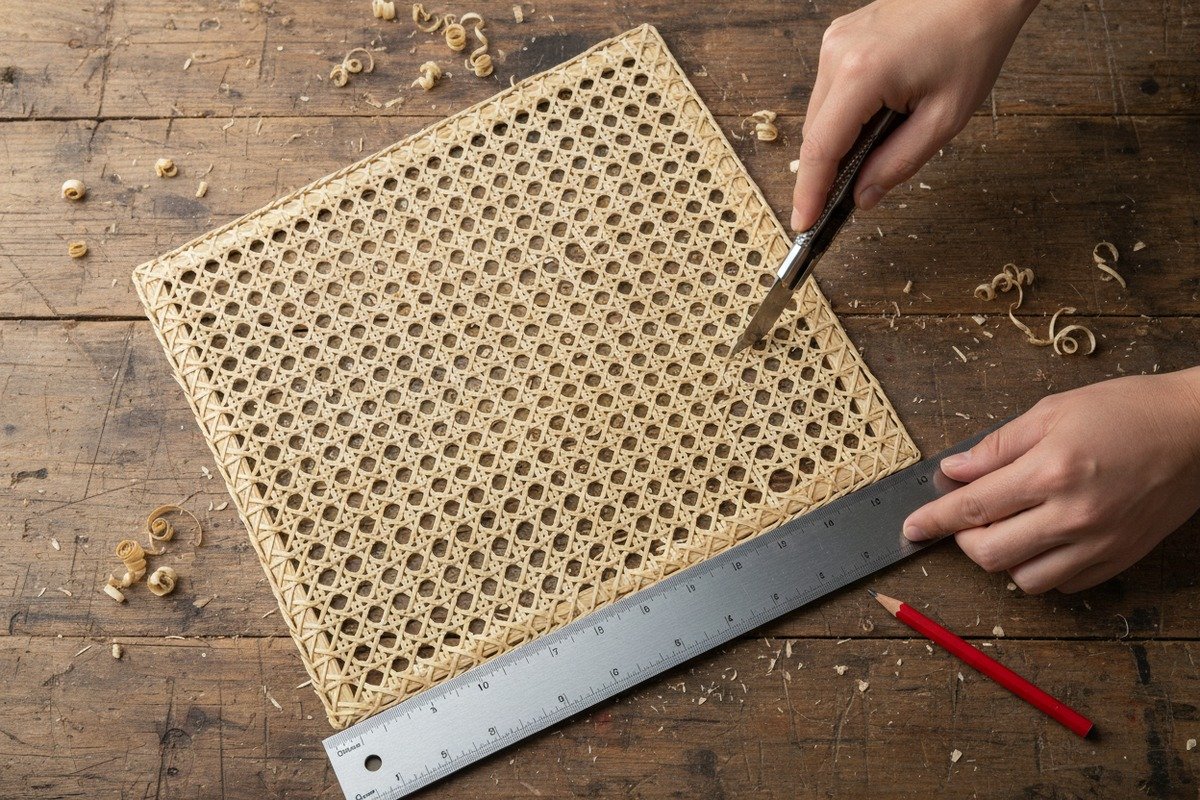
لتجنب إهدار المواد، قم بقياس فتحة الإطار بعناية، ثم أضف 2 إلى 5 سم (حوالي 1 إلى 2 بوصة) من الهامش الإضافي على جميع الجوانب. استخدم مقصًا حادًا أو سكينًا متعدد الاستخدامات على حافة مستقيمة. قم دائمًا بقص الشريط المطاطي وهو جاف قبل نقعه، وليس بعده.
قِس مرتين، واقطع مرة واحدة
هذه القاعدة القديمة للنجارين تنطبق تمامًا على القصب. قم بقياس فتحة إطارك - المسافة من الأخدود إلى الأخدود لتركيبات الشق، أو خط الدباسة لمشاريع التثبيت المباشر. اكتب الطول والعرض. ثم أضف هامشك.
ما مقدار الهامش الإضافي الذي تحتاجه؟
يعتمد الهامش على طريقة التركيب الخاصة بك. تتطلب تركيبات أخدود الشق هامشًا كافيًا ليتم دفع القصب في القناة. تتطلب طرق الدباسة والطي هامشًا كافيًا لطي نظيف. إليك دليل:
| طريقة التثبيت | الهامش الموصى به لكل جانب | لماذا |
|---|---|---|
| أخدود الشق (قناة مشكلة) | 2-3 سم (حوالي 1 بوصة) | يُدخل القصب في الأخدود؛ الكثير من الزيادة يخرج |
| طريقة الدباسة أو التثبيت | 3-5 سم (حوالي 1.5-2 بوصة) | مطلوب زيادة للطي للأسفل والدباسة |
| اللف (ألواح الخزائن) | 4-5 سم (حوالي 2 بوصة) | يلتف القصب خلف حواف الألواح |
أفضل ممارسات القطع
1. قم دائمًا بقص الخيزران عندما يكون جافًا. يتمدد الخيزران الرطب ويتشوه، لذا فإن القطع التي تُجرى على مادة رطبة غالبًا ما تكون أقصر بمجرد أن تجف القطعة. استخدم مقص قماش حادًا أو شفرة جديدة. الأدوات غير الحادة تمزق الحواف وتضعف النسيج. سكين متعدد الاستخدامات 6 2. للقطع المستقيمة، ضع النسيج بشكل مسطح على سطح نظيف. استخدم مسطرة معدنية أو مربع T كدليل لك. اقطع على طول خطوط النسيج كلما أمكن ذلك. القطع بين الخيوط المنسوجة - بدلاً من خلالها - يمنع التفكك.
3. محاذاة نمط النسيج.
4. قبل أن تقطع، انظر إلى
5. . النسيج السداسي المفتوح، والزخارف الماسية، والشبكات المربعة كلها لها حبيبات اتجاهية. قم بمحاذاة هذا النمط مع إطارك بحيث يكون النسيج مستقيمًا ومتماثلًا. النمط المائل هو أول شيء يلاحظه الناس في الأثاث المكتمل، وهو يصرخ "هاوٍ". نمط النسيج 7. 6. التعامل مع الأشكال غير المنتظمة"
7. ليس كل إطار مستطيلًا مثاليًا. بالنسبة للفتحات المقوسة أو المنحنية، قم بعمل قالب ورقي أولاً. تتبع القالب على ورقة الخيزران الخاصة بك. أضف هامشك، ثم اقطع. هذه الخطوة الإضافية توفر المواد والإحباط.
8. طول الشريحة.
9. إذا كنت تستخدم شريحة لتثبيت القصب، فاقطع شريحتك أطول بحوالي 2 بوصة من كل قسم من الأخدود. هذا يمنحك مساحة للتعديل. يحتاج كرسي طعام قياسي إلى حوالي 6 أقدام من الشريحة. انقع شريحتك لمدة 15 دقيقة تقريبًا قبل التركيب - يجب أن تكون مرنة أيضًا، ولكنها تتطلب وقت نقع أقل بكثير من النسيج نفسه.
10. يجب عليك قطع نسيج قصب الخيزران الطبيعي أثناء جفافه، قبل النقع.
ما هي أفضل طريقة لتنظيف وفحص شبكة الروطان الخاصة بي للتأكد من اتساق الجودة قبل أن أبدأ؟
15. قم بفك الخيزران الخاص بك على طاولة مسطحة أو أرضية نظيفة. تحقق من هذه المشكلات الشائعة:.
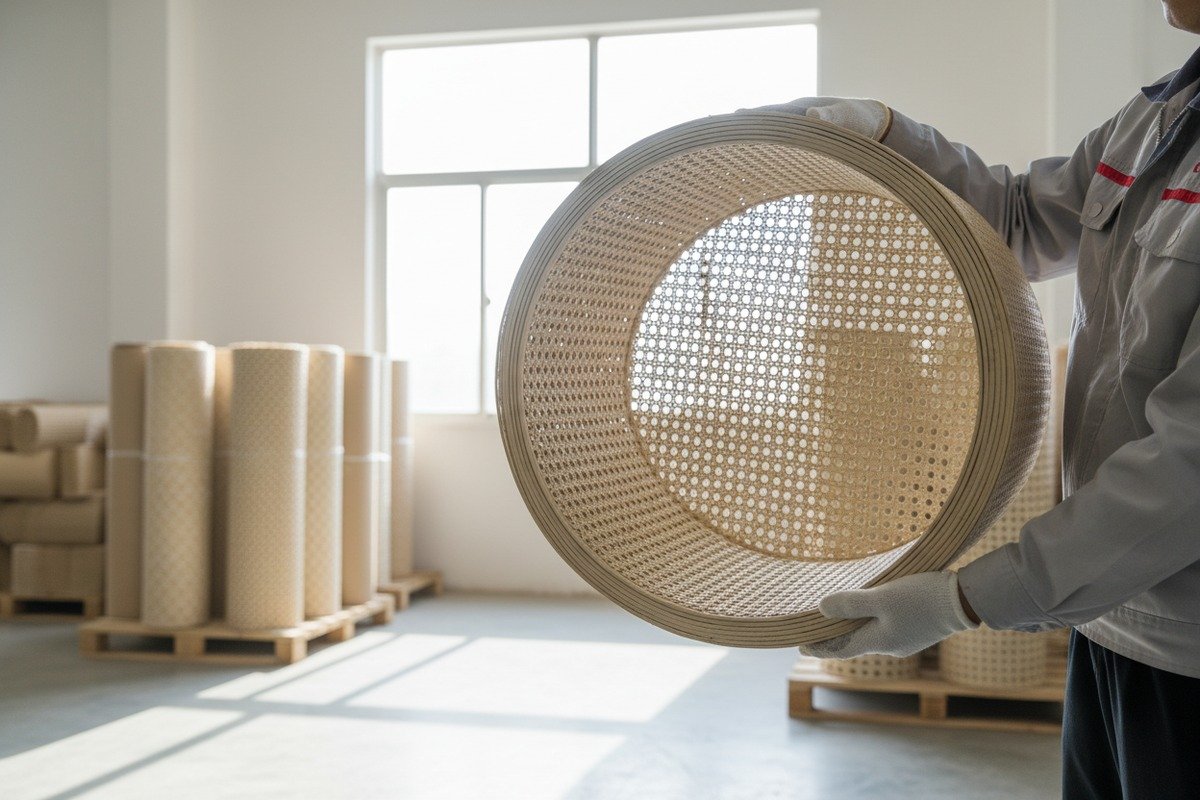
قبل التركيب، ضع قش الروطان المسطح في منطقة نظيفة وجافة وافحص كلا الجانبين بحثًا عن خيوط مكسورة أو تغير في اللون أو بقع عفن أو تلف بسبب الآفات. امسح القش برفق بقطعة قماش مبللة لإزالة الغبار، ونظف إطارك من أي غراء قديم أو طلاء أو حطام.
قائمة فحص الفحص البصري
Unroll your rattan on a flat table or clean floor. Check for these common issues:
- خيوط مكسورة — ابحث عن ألياف مقطوعة أو مهترئة في النسيج. بعض الأطراف السائبة الصغيرة على الحواف طبيعية. الخيوط المكسورة في وسط الورقة ليست كذلك.
- تغير اللون — يتراوح الخيزران الطبيعي من البيج الفاتح إلى اللون البني الرملي. قد تشير البقع الداكنة إلى العفن أو تلف المياه أثناء التخزين.
- ثقوب الآفات — يمكن أن تشير الثقوب الصغيرة جدًا إلى نشاط الحشرات. الخيزران الطبيعي عضوي، والمواد غير المعالجة يمكن أن تجذب خنافس الخشب 8 أو العث.
- اتساق النسيج — مرر يدك على السطح. يجب أن يكون النسيج متساويًا. تشير النتوءات أو الفجوات إلى عدم اتساق التصنيع.
تنظيف النسيج
استخدم قطعة قماش ناعمة ورطبة. امسح بلطف على السطح لإزالة الغبار والألياف السائبة. لا تفرك. لا تستخدم المنظفات الكيميائية أو المذيبات - يمكن أن تزيل التشطيب الطبيعي أو تترك بقايا تتداخل مع التصاق الغراء.
الجانب اللامع مقابل الجانب غير اللامع
للخيزران الطبيعي وجهان. جانب اللحاء الخارجي لامع قليلاً وأكثر نعومة. الجانب الداخلي أكثر غير لامع وخشونة. بالنسبة لمعظم تطبيقات الأثاث، يكون الجانب اللامع متجهًا للأعلى (للخارج). هذا يعطي مظهرًا أنظف وأكثر صقلًا. حدد هذا قبل أن تنقع، لأنه من الصعب معرفة الفرق بمجرد أن يصبح القصب مبللاً.
تحضير الإطار
إطارك مهم بقدر أهمية القصب الخاص بك. قبل تركيب النسيج الجديد:
- قم بإزالة كل القصب القديم، والشرائح، والمادة اللاصقة من الأخدود أو الإطار.
- قم بصنفرة الأخدود برفق لإزالة بقايا الغراء القديم.
- امسح الإطار بقطعة قماش مبللة واتركه ليجف تمامًا.
- أكمل أي إعادة تشطيب - طلاء، تلطيخ، أو إعادة لصق المفاصل المفكوكة - قبل تركيب القصب الجديد. لا تريد أن تتساقط الطلاء أو الورنيش على الشبكة الجديدة.
درجات الجودة: ما يمكن توقعه
| Quality Grade | الخصائص | الاستخدام النموذجي |
|---|---|---|
| الدرجة أ (ممتازة) | لون موحد، لا توجد خيوط مكسورة، نسيج متناسق ومحكم | أثاث راقٍ، ألواح مرئية |
| الدرجة ب (قياسية) | تباين طفيف في اللون، خيوط مفكوكة عرضية على الحواف | أثاث متوسط المدى، ألواح داخلية |
| الدرجة C (اقتصادي) | تباين ملحوظ في اللون، بعض عدم انتظام النسيج | ألواح خلفية، تطبيقات مخفية |
نقوم بشحن جميع الدرجات الثلاث حسب احتياجات العميل. بالنسبة لمقاعد الكراسي المرئية وأبواب الخزائن، فإن الدرجة A تستحق الاستثمار. بالنسبة للمواد الخلفية أو قطع التدريب، فإن الدرجة B أو C تعمل بشكل جيد وتوفر التكلفة.
المعالجة المسبقة والتلطيخ
إذا كنت تخطط لتلطيخ أو ختم الروطان الخاص بك، اختبر على قطعة خردة أولاً. ضع الصبغة قبل النقع، وليس بعده. سيؤدي النقع إلى غسل معظم معالجات السطح. بدلاً من ذلك، قم بتلطيخ وختم القطعة النهائية بعد التركيب والتجفيف الكامل. تعمل المواد المانعة للتسرب الشفافة غير الأكريليكية بشكل أفضل - فهي تحمي دون أن تتحول إلى اللون الأصفر.
كيف يمكنني التأكد من أن شبكة الروطان الخاصة بي تظل مشدودة ولا تترهل بمجرد أن تجف على إطار الأثاث الخاص بي؟
هذا هو السؤال الذي نسمعه أكثر من مشترين الجملة لدينا وعملائهم النهائيين. الحصول على شد محكم، يشبه الطبل، على شبكة القصب هو علامة العمل الاحترافي. والسر ليس في مدى قوة السحب - بل في كيفية إدارة الرطوبة والتوقيت والتقنية أثناء التركيب.
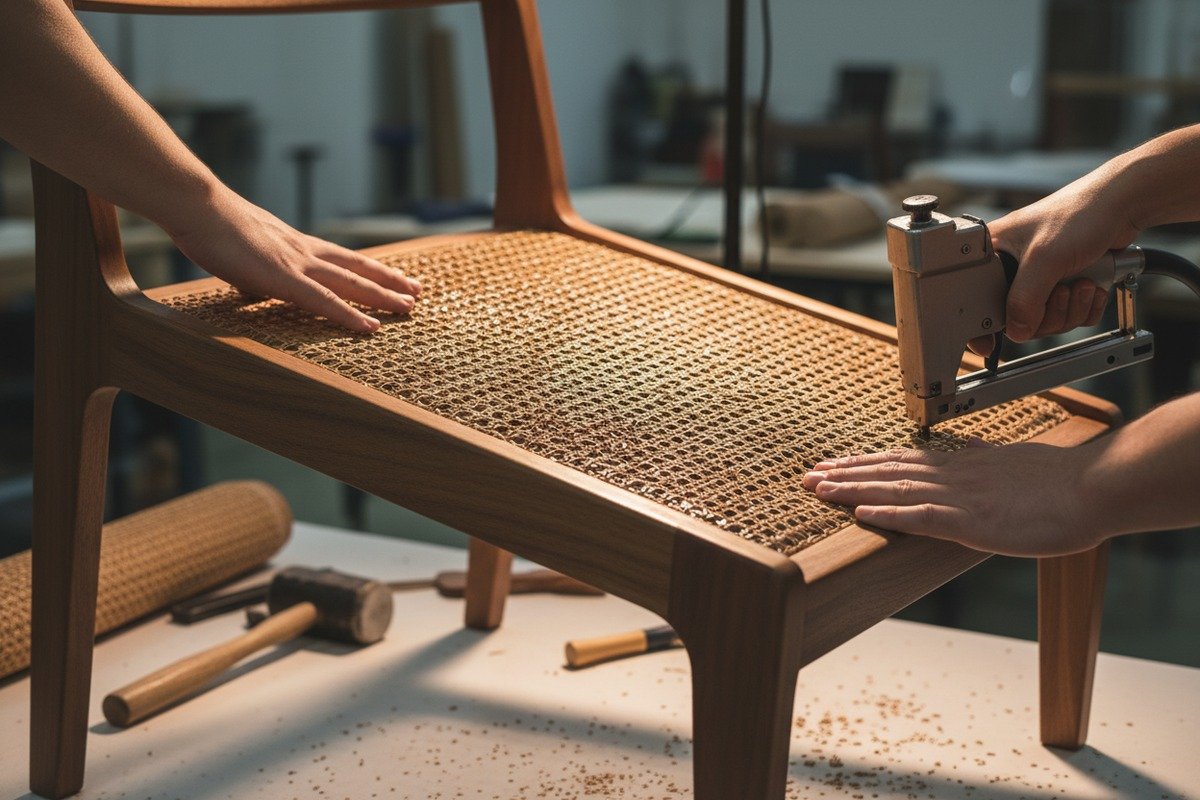
لمنع الترهل، قم بتركيب شبكة الروطان الخاصة بك بينما لا تزال رطبة من النقع، وقم بتمديدها بالتساوي عبر الإطار، وثبتها بإحكام باستخدام شريط أو دبابيس أو أوتاد. مع جفاف القصب على مدار 24 إلى 48 ساعة، فإنه يتقلص ويشد بشكل طبيعي، مما يخلق سطحًا صلبًا ومشدودًا.
علم الانكماش
يشد الروطان الطبيعي مع جفافه. هذا هو أكبر حليف لك. عندما تقوم بتركيب القصب الرطب وتثبيته بإحكام، فإن الانكماش الذي يحدث أثناء التجفيف يسحب الشبكة بإحكام عبر الإطار. إذا قمت بتركيب القصب الجاف، فإنك تفقد تأثير الشد الطبيعي هذا. النتيجة هي مقعد أو لوحة مترهلة وفضفاضة.
عملية الشد خطوة بخطوة
- ضع الشبكة الرطبة فوق فتحة الإطار. قم بمركزتها. قم بمحاذاة نمط النسيج.
- قم بتثبيت جانب واحد أولاً. بالنسبة لتركيبات الشرائح، استخدم أوتادًا خشبية لدفع القصب في الأخدود على جانب واحد. بالنسبة لتركيبات الدبابيس، قم بتثبيتها على طول حافة واحدة.
- اسحب بقوة عبر الجانب المقابل. قم بتمديد القصب باليد. تريدها أن تكون محكمة، ولكن ليست مشدودة لدرجة تشويه نمط النسيج.
- قم بتثبيت الجانب المقابل. قم بتثبيتها باستخدام الأوتاد أو الشرائح أو الدبابيس.
- كرر للجانبين المتبقيين. اعمل من المركز إلى الخارج لتوزيع الشد بالتساوي.
- قم بقص القصب الزائد بسكين حاد متعدد الاستخدامات.
الشرائح مقابل الدبابيس: أيهما يثبت بشكل أفضل؟
| عامل | طريقة أخدود الشرائح | طريقة الدباسة/الشد |
|---|---|---|
| قوة التثبيت | قوي جدًا - القصب مقفل في القناة | معتدل - يعتمد على عمق الدباسة |
| المظهر | حافة نظيفة ومخفية | دبابيس مرئية ما لم يتم تغطيتها |
| الأفضل لـ | مقاعد الكراسي، الأثاث التقليدي | ألواح الخزائن، الأسطح المسطحة |
| مستوى المهارة | متوسط | سهل للمبتدئين |
| الأدوات المطلوبة | أوتاد، مطرقة، شريحة، غراء | مسدس دباسة، مقص |
لصق الشريحة
لتركيبات الشرائح، ضع طبقة رقيقة من غراء الخشب الشفاف غير الأكريليكي في الأخدود قبل الضغط على الشريحة. يلصق الغراء الشريحة والقصب والأخدود كوحدة واحدة. تجنب الغراء القائم على الأكريليك - يصبح هشًا بمرور الوقت ويمكن أن يصفر.
التجفيف والمعالجة
بعد التركيب، اترك القطعة تجف في منطقة جيدة التهوية لمدة 24 ساعة على الأقل. لا تستخدم المراوح أو السخانات لتسريع التجفيف - الحرارة غير المتساوية تسبب انكماشًا غير متساوٍ، مما يخلق التواءات وتموجات. لتركيبات الشرائح، يمنح تثبيت القطعة لمدة 48 ساعة أقوى رابطة.
ماذا لو ظل القصب مترهلاً؟
إذا كان القصب الخاص بك مرتخيًا بعد التجفيف، قم برش السطح برفق بالماء باستخدام زجاجة رذاذ. اتركه ليجف مرة أخرى. غالبًا ما توفر دورة الترطيب والتجفيف الثانوية شدًا إضافيًا. إذا استمر الترهل، فإن المشكلة عادة ما تكون في طريقة التثبيت - لم يتم دفع القصب بعمق كافٍ في الأخدود، أو لم تمسك الدبابيس بشكل صحيح.
صيانة طويلة الأمد
الخيزران الطبيعي حساس للرطوبة. احتفظ بأثاث الخيزران في الداخل، بعيدًا عن أشعة الشمس المباشرة والمطر. امسح الانسكابات فورًا. في المناخات شديدة الجفاف، يساعد الرش الخفيف العرضي متبوعًا بالتجفيف بالهواء على منع القصب من أن يصبح هشًا للغاية. لعملائنا في المناطق الرطبة مثل تايلاند والفلبين، نوصي بضمان تدفق هواء جيد حول أثاث الخيزران لمنع العفن.
طبيعي مقابل اصطناعي: مقارنة سريعة للتوتر
الروطان الاصطناعي من البولي إيثيلين 9 لا ينكمش عند جفافه. يحتفظ بأي توتر تطبقه أثناء التركيب - لا أكثر ولا أقل. هذا يجعله أكثر تساهلاً للمبتدئين. ولكنه يعني أيضًا أنه لا يمكنك الاعتماد على الشد الطبيعي. بالنسبة للأثاث الخارجي المعرض للعوامل الجوية، فإن الخيزران الاصطناعي هو الخيار العملي. بالنسبة للقطع الداخلية التي تريد فيها تلك الدفء العضوي والملمس الأصيل، يظل الخيزران الطبيعي لا مثيل له.
خاتمة
تحضير شبكة الخيزران الطبيعي يعتمد على أربعة أساسيات: النقع بشكل صحيح، القياس بعناية، الفحص الشامل، والتثبيت بقوة. إذا قمت بهذه الأمور بشكل صحيح، ستبدو قطعتك النهائية وتشعر بأنها احترافية لسنوات.
ملاحظات سفلية
1. تم العثور على صفحة منتج عاملة على نفس النطاق لـ ‘شبكة خيزران دقيقة 1/2 بوصة’، وهي لفة منسوجة مسبقًا. ↩︎
2. يقدم وصفًا تفصيليًا لنخيل الخيزران، وأنواعه، وموطنه. ↩︎
3. يشرح ما هي ألواح الخيزران وكيف يتم تركيبها في الأثاث. ↩︎
4. تم العثور على صفحة موثوقة تعرف وتصف شرائح الخيزران من مورد ترميم أثاث عتيق. ↩︎
5. يشرح ما هي شبكة الخيزران وأصلها من نخيل الخيزران. ↩︎
6. يقدم تعريفًا عامًا واستخدامات مختلفة لسكين متعدد الاستخدامات. ↩︎
7. تم العثور على دليل شامل لأنواع نسج الخيزران، يغطي أنماطًا مختلفة وتطبيقاتها. ↩︎
8. تفاصيل الكشف عن خنافس ثاقبة الخشب وتلفها وأنواعها. ↩︎
9. يشرح ما هو خيزران PE، وتكوينه، وفوائده للأثاث الخارجي. ↩︎
10. يُعرّف الألياف الطبيعية، بما في ذلك مصدرها من النباتات أو الحيوانات. ↩︎
 English
  Español de México
  العربية
  Deutsch
  Français
  Русский