
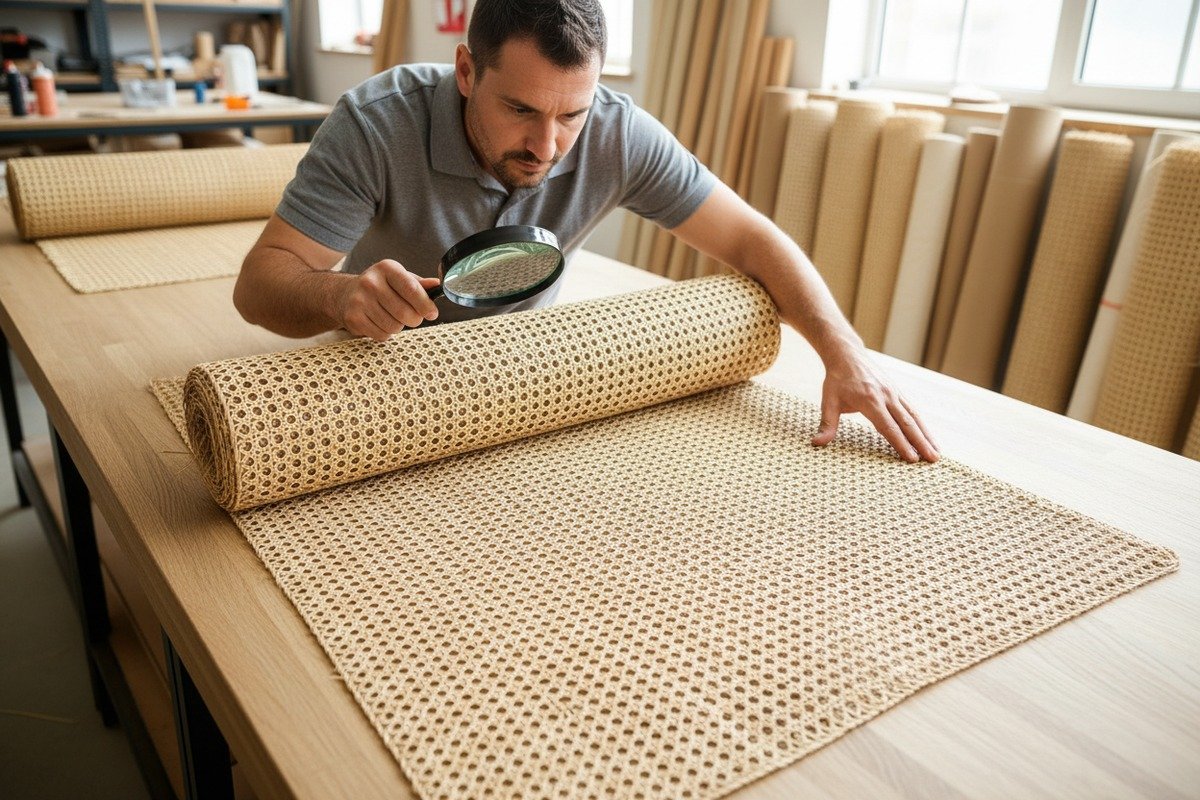
كل أسبوع، يتلقى قسم الشحن لدينا مكالمات من المشترين الذين فاتهمت علامات مبكرة لـ تلف أثناء النقل 1 على طلباتهم من قش الروطان. الإحباط حقيقي. تنتظر أسابيع لشحنتك، لتكتشف تشققات، بقع عفن، أو نسج مكسور مدفون بعمق داخل اللفة. الأسوأ من ذلك؟ إذا تخطيت نافذة الفحص، يصبح تقديم مطالبة شبه مستحيل.
لفحص شبكة قصب الروطان الطبيعي بحثًا عن تلف الشحن، افحص العبوة الخارجية بحثًا عن سحق أو علامات رطوبة أولاً، ثم قم بفك الشبكة بالكامل في مكان جاف ومضاء جيدًا. تحقق من وجود خيوط مكسورة، أو عفن، أو تغير في اللون، أو هشاشة، أو عدم اتساق في النسيج. وثق جميع الأضرار بالصور ومقاطع الفيديو فورًا.
هذا الدليل يرشدك خلال عملية واضحة خطوة بخطوة. سنغطي فحوصات التعبئة، تحديد العيوب، الرطوبة مقابل التباين الطبيعي، وكيفية بناء تقرير تلف صحيح. لنبدأ.
كيف يمكنني فحص العبوة الخارجية بحثًا عن علامات تلف أثناء النقل قبل فتح شحنة الروطان الخاصة بي؟
عندما نقوم بتعبئة قش الروطان في منشآتنا في فوشان، نستخدم أنابيب كرتونية مقواة و تغليف حاجز الرطوبة 2 لسبب. النقل قاسٍ. يتم تكديس الطرود، رميها، وتخزينها في حاويات رطبة لأسابيع. الـ تغليف خارجي 3 هو خط دفاعك الأول - وأول دليل لك.
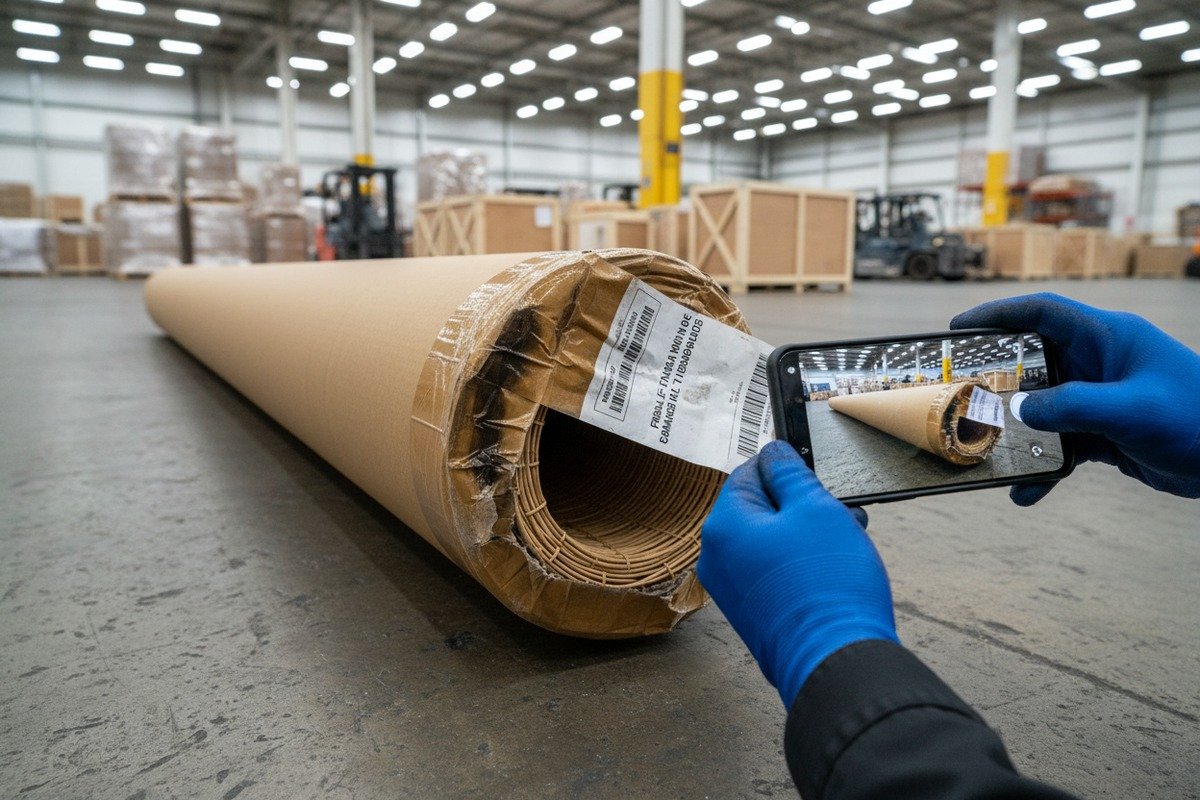
قبل فتح شحنة الخيزران الخاصة بك، افحص جميع العبوات الخارجية بحثًا عن أي سحق أو ثقوب أو تمزقات أو بقع مياه أو تشوه. تحقق من أختام الشريط بحثًا عن أي عبث. ابحث عن البقع اللينة التي تشير إلى اختراق الرطوبة. قم بتصوير العبوة من كل زاوية قبل قطعها.
ابدأ بمسح بصري كامل
ضع الطرد على سطح نظيف ومستوٍ. قم بالدوران حوله. انظر إلى الجوانب الستة كلها. تريد اكتشاف أي انبعاجات، ثقوب، أو زوايا مسحوقة. انتبه جيدًا لنهايات اللفة. لفات قش الروطان هي الأكثر عرضة للخطر عند الحواف لأن هذا هو المكان الذي قوة الضغط 4 تتركز فيه أثناء التكديس.
تحقق من مؤشرات الرطوبة
العديد من موردي الروطان المحترفين، بما في ذلك عملياتنا الخاصة، يضعون بطاقات مؤشر الرطوبة 5 داخل العبوة. إذا أظهر الغلاف الخارجي بقع ماء، بقع داكنة، أو رائحة عفن، فمن المحتمل أن الرطوبة قد تسربت أثناء النقل. هذا أمر بالغ الأهمية للروطان الطبيعي لأن الرطوبة المحتبسة تؤدي إلى نمو العفن 6 في غضون 48 إلى 72 ساعة في الظروف الدافئة.
فحص الشريط والأختام
انظر إلى شريط التعبئة. هل يتقشر؟ هل أعيد تطبيقه؟ تشير الأختام التي تم العبث بها إلى أن العبوة قد تم فتحها وإعادة إغلاقها أثناء النقل. هذا مهم لأنه قد يعني أن المحتويات تعرضت للبيئة أو تم التعامل معها بشكل غير صحيح.
علامات تلف التغليف الخارجي الشائعة
| علامة التلف | ما تشير إليه | الإجراء المطلوب |
|---|---|---|
| زوايا مسحوقة | ضرر الضغط أو التكديس بالداخل | افتح بعناية، تحقق من نهايات اللفة أولاً |
| بقع مياه على الكرتون | التعرض للرطوبة أثناء الشحن | افحص العفن والالتواء فورًا |
| ثقوب اختراق | ضرر الاصطدام، احتمال تمزق حزام | ابحث عن تمزقات في موقع الثقب |
| رائحة عفنة أو حامضة | نمو العفن أو الفطريات بالداخل | قم بفك اللفة في منطقة جيدة التهوية، ارتدِ قفازات |
| أختام مكسورة أو مُعاد لصقها | تم فتح العبوة أثناء النقل | وثّق وأبلغ البائع قبل الفتح |
| تغليف لين أو مترهل | التعرض المفرط للرطوبة | توقع التواء أو تغير اللون المحتمل |
لا تتخطى خطوة التصوير
قبل أن تقطع شريطًا لاصقًا واحدًا، التقط صورًا. التقط كل الزوايا. قم بتضمين لقطات مقربة لأي ضرر. تصبح هذه الصور ضرورية إذا احتجت إلى تقديم مطالبة شحن 7. يتطلب الناقلون وشركات التأمين دليلاً على وجود الضرر قبل فتح الصندوق. بمجرد قطع التغليف، تضيق نافذة الأدلة لديك بسرعة.
من خبرتنا في الشحن إلى أكثر من 15 دولة، رأينا أن المشترين الذين يلتقطون صورًا قبل الفتح يحلون المطالبات أسرع بـ 3 إلى 4 مرات من أولئك الذين لا يفعلون ذلك.
ما هي العيوب المحددة التي يجب أن أبحث عنها عند فك قماش الخيزران الطبيعي لأول مرة؟
يقوم فريق مراقبة الجودة لدينا بفحص كل لفة قبل مغادرتها المصنع، ولكن النقل يضيف ضغوطًا غير متوقعة. يمكن أن يتحول النسيج، ويمكن أن تنقطع الخيوط، ويمكن أن تتآكل الحواف بسبب الاهتزاز وحده. معرفة ما تبحث عنه يوفر عليك تركيب مواد تالفة.
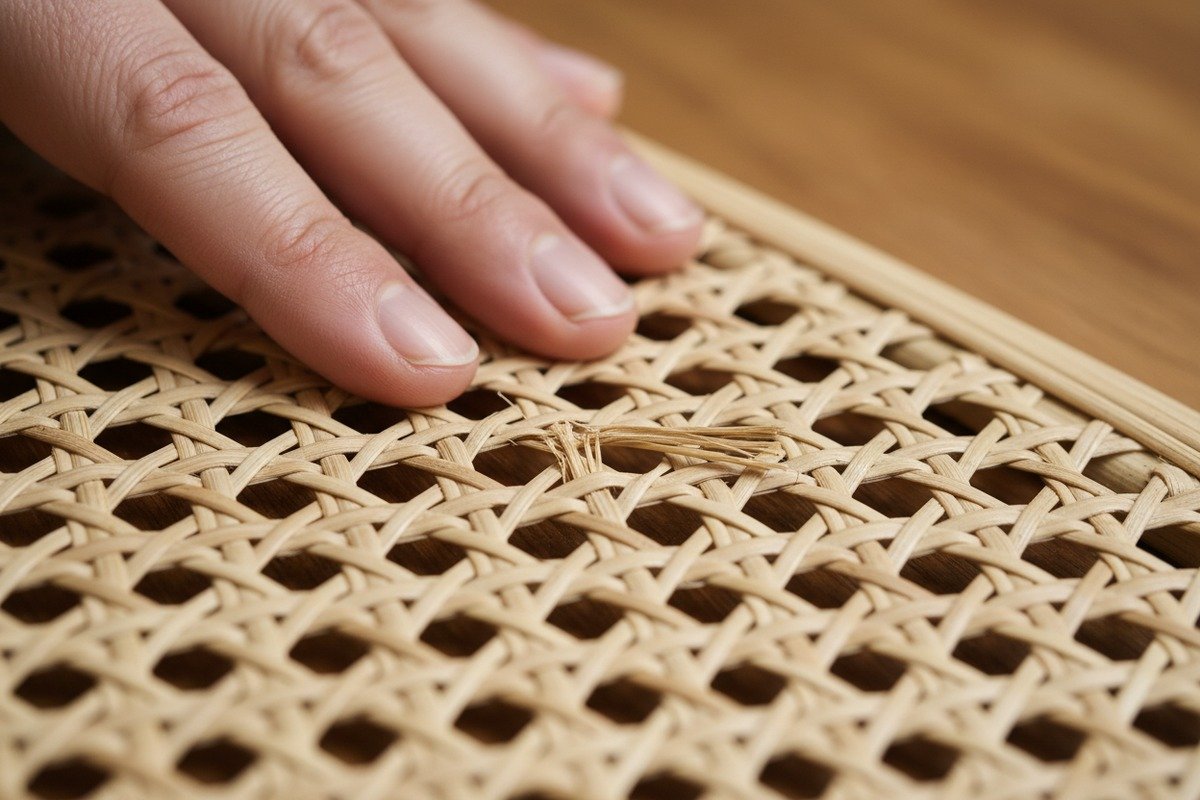
عند فك لفات قصب الخيزران الطبيعي، ابحث عن خيوط مكسورة أو مقطوعة، وألياف متشققة، وأجزاء منسوجة فضفاضة، وحواف مهترئة، وتجاعيد انضغاط، ومناطق يتشوه فيها نمط النسيج. تحقق أيضًا من الهشاشة عن طريق ثني أقسام صغيرة بلطف. أي خيط ينكسر بسهولة يشير إلى تلف ناتج عن ضغط النقل.
كيفية فك اللف بشكل صحيح
اختر غرفة جافة ومضاءة جيدًا. ضع اللفة على سطح مستوٍ وفكها ببطء، حوالي قدم واحدة في كل مرة. لا تسحب أو تشد. الخيزران الطبيعي له ذاكرة من اللف بإحكام، لذلك قد يرغب في الالتفاف مرة أخرى. اتركه يسترخي بشكل طبيعي. أثناء فك اللف، استخدم إضاءة علوية ناعمة - وليست أشعة الشمس المباشرة - لرؤية عيوب السطح دون وهج.
فحص سلامة الخيوط
مرر أصابعك برفق على السطح. أنت تشعر بالبقع الخشنة، أو الخيوط المرفوعة، أو الألياف المكسورة. الخيط السليم يبدو ناعمًا ومرنًا قليلاً. الخيط التالف يبدو خشنًا، أو يعلق بطرف إصبعك، أو ينكسر تحت ضغط خفيف.
إليك مرجع سريع لعيوب فك اللف الشائعة:
| نوع العيب | مؤشر بصري | مؤشر اللمس | شدة |
|---|---|---|---|
| خيوط مكسورة | فجوات مرئية أو ألياف مرفوعة | حواف حادة تعلق بالأصابع | عالٍ - يؤثر على السلامة الهيكلية |
| تجاعيد الضغط | خطوط مسطحة عبر النسيج | يبدو صلبًا أو مسطحًا | متوسط - قد يسترخي مع النقع |
| حواف مهترئة 8 | ألياف سائبة على حواف اللفة | الألياف تنفصل بسهولة | متوسط — قم بالتقليم إذا كان طفيفًا |
| نسج ملتوي | تشوه النمط أو تكتل | توتر غير متساوٍ عند الشد | مرتفع — لا يمكن تصحيحه |
| الهشاشة | شقوق دقيقة على السطح | ينكسر مع ثني لطيف | مرتفع — المادة متضررة |
| نسج فضفاض | فجوات أكبر من الشبكة القياسية | تتحرك الخيوط تحت ضغط خفيف | متوسط إلى مرتفع — يعتمد على مدى الضرر |
اختبار المرونة
خذ قسمًا صغيرًا بالقرب من الحافة وثبته بلطف. يتمدد الخيزران الطبيعي في حالة جيدة دون تشقق. إذا سمعت صوت طقطقة خافت أو رأيت خط إجهاد أبيض يظهر، فإن الخيزران جاف جدًا أو تعرض للتلف. هذا هو أحد أسرع الاختبارات الموثوقة التي نوصي بها لمشتري الجملة لدينا.
اختبار النقع للتلف المخفي
إذا كنت تشك في وجود تلف ولكن لا يمكنك رؤيته بوضوح، قم بقص قطعة اختبار صغيرة من الحافة. انقعها في ماء بارد لمدة 20 إلى 30 دقيقة. سيكشف الخيزران التالف عن شقوق دقيقة، أو انفصال طبقات، أو نقاط ضعف عندما يكون رطبًا. يصبح الخيزران الصحي مرنًا بشكل موحد. تلتقط هذه التقنية الكسور الدقيقة غير المرئية عندما تكون المادة جافة.
تحقق مقابل مواصفات طلبك
قارن نمط الشبكة وعرض الخيوط وأبعاد اللفة بما طلبته. ننتج أنسجة سداسية قياسية بنصف بوصة، وأنسجة سلة ضيقة، وشبكات مربعة مفتوحة، من بين أمور أخرى. إذا لم يتطابق النمط مع طلب الشراء الخاص بك، فهذه مشكلة في التنفيذ - وليست تلفًا أثناء النقل - ولكن لا يزال يتعين توثيقها.
كيف يمكنني التمييز بين الاختلافات الطبيعية في اللون والتلف الفعلي الناتج عن الرطوبة أو العفن على لفائف الخيزران الخاصة بي؟
هذا أحد أكثر الأسئلة شيوعًا التي نسمعها من المشترين لأول مرة. تتعامل منشأة معالجة الروطان لدينا في إندونيسيا مع كروم خام تختلف بشكل طبيعي في الظل. لذلك عندما يرى المشتري بقعًا داكنة على نسيجه، غالبًا ما يكون رد الفعل الأول هو الذعر. ولكن ليس كل اختلاف في اللون يعني تلفًا.
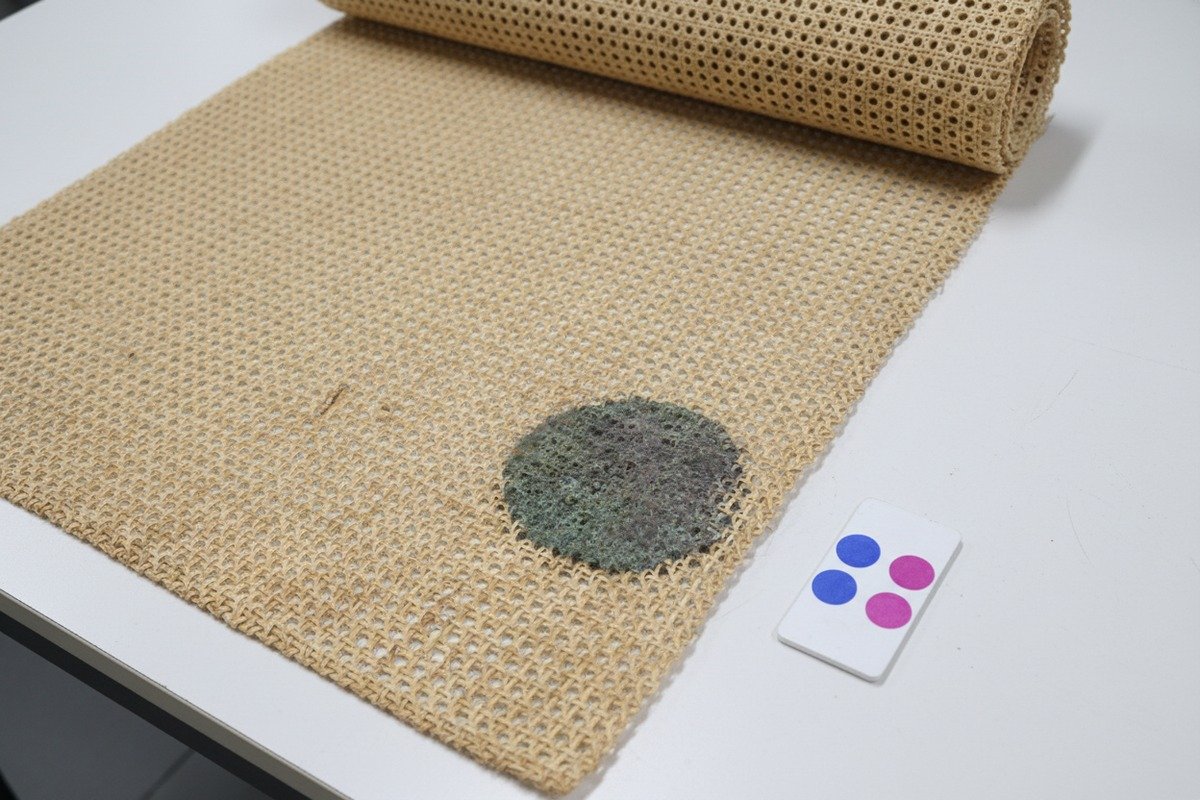
يعرض الخيزران الطبيعي اختلافات طفيفة في اللون تتراوح من اللون البني الفاتح إلى الذهبي الرملي، وهي خصائص عضوية طبيعية. يظهر تلف الرطوبة على شكل بقع بنية داكنة أو سوداء ذات ملمس ناعم أو إسفنجي، وغالبًا ما يصاحبها رائحة عفنة. يظهر العفن على شكل بقع بيضاء أو خضراء أو رمادية زغبية على السطح.
فهم نطاق الألوان الطبيعي
كروم الروطان عضوية. حتى بعد الغليان والتبييض والتجفيف، تحتفظ الخيوط الفردية بفروق دقيقة في النغمة. الروطان الطازج عادة ما يكون بلون بيج فاتح أو أصفر قش. بمرور الوقت، يصبح أغمق إلى لون عسل دافئ أو كهرماني. هذا هو التقدم الطبيعي في العمر. المفتاح هو أن تباين الألوان الطبيعي موحد وتدريجي - لا يظهر في بقع أو لطخات حادة.
كيف يبدو تلف الرطوبة مختلفًا
يخلق تلف الرطوبة بقعًا داكنة غير منتظمة الشكل. غالبًا ما تكون هذه البقع رطبة أو ناعمة عند اللمس. قد تبدو المنطقة المتأثرة أيضًا منتفخة قليلاً مقارنة بالأقسام الجافة المحيطة. إذا ضغطت على منشفة ورقية بيضاء على بقعة مشبوهة وامتصت اللون أو الرطوبة، فهذا يؤكد اختراق الرطوبة.
تحديد العفن والفطريات
يظهر العفن على الروطان كبقع زغبية أو مسحوقية، عادة ما تكون بيضاء أو خضراء أو رمادية. له رائحة عفن مميزة. ينمو العفن عندما يتم احتجاز الروطان في عبوات رطبة سيئة التهوية لفترات طويلة. إذا رأيت عفنًا، فلا تحاول مسحه على الفور. قم بتوثيقه أولاً. ثم نظف بقطعة قماش ناعمة مبللة بمحلول خفيف من الخل والماء.
دليل المقارنة السريع
| الميزة | تباين الألوان الطبيعي | تلف الرطوبة | عفن أو فطريات |
|---|---|---|---|
| المظهر | تحولات تدريجية في النغمة، من الفاتح إلى الذهبي | بقع بنية داكنة أو سوداء | بقع بيضاء زغبية أو خضراء أو رمادية |
| الملمس | ناعم، متناسق | طري، إسفنجي، أو منتفخ | طبقة سطحية بودرية أو زغبية |
| رائحة | رائحة خفيفة، ترابية، طبيعية | رائحة رطبة، كريهة | رائحة قوية عفنة أو حامضة |
| التوزيع | متساوٍ عبر الخيوط | بقع غير منتظمة، غالبًا بالقرب من الحواف | بقع متجمعة، غالبًا في الطيات |
| اختبار اللمس | منديل ورقي يبقى نظيفًا | منديل ورقي يلتقط الرطوبة أو البقعة | جراثيم تنتقل إلى القماش |
| شدة | طبيعي — لا يلزم اتخاذ إجراء | متوسط إلى مرتفع — تقييم النطاق | مرتفع — خطر صحي، تقديم مطالبة |
اختبار الرائحة مهم
لا تقلل أبدًا من شأن أنفك. الروطان الطازج له رائحة ترابية وخشبية خفيفة. إذا كانت اللفة تفوح منها رائحة حامضة أو عفنة أو مثل الورق المقوى المبلل، فقد حدث خطأ ما أثناء النقل. حتى لو لم تتمكن من رؤية العفن المرئي، فإن الرائحة القوية تشير إلى نشاط فطري تحت السطح. في تجربتنا في الشحن إلى المناخات الرطبة مثل تايلاند والفلبين، نوصي دائمًا للمشترين بفتح الشحنات في مناطق جيدة التهوية وشم اللفة قبل فكها.
عند الشك، اعزل اللفة
إذا كنت تشك في تلف بسبب الرطوبة أو العفن، فلا تخزن اللفة المشبوهة بجوار مخزونك النظيف. جراثيم العفن تنتشر. ضع اللفة المشبوهة في منطقة منفصلة وجيدة التهوية. اتركها لتتهوى لمدة 24 إلى 48 ساعة. إذا نمت بقع العفن أو اشتدت الرائحة، فقد أكدت وجود عفن نشط. وثق كل شيء واتصل بالمورد الخاص بك على الفور.
ملاحظة حول الروطان المعالج مسبقًا
بعض المنتجات الجديدة، بما في ذلك بعض الخطوط الممتازة، يتم معالجتها مسبقًا عن قصد لمحاكاة مظهر قديم. إذا طلبت روطانًا معالجًا مسبقًا، فإن الألوان الداكنة تكون مقصودة. ارجع دائمًا إلى قائمة المنتجات أو ورقة المواصفات قبل افتراض وجود تلف. عندما نوفر نسيج روطان معالج مسبقًا، فإننا نرفق بطاقة مواصفات توضح نطاق الألوان المقصود.
ما هي الوثائق التي أحتاج إلى إعدادها إذا اكتشفت تلفًا في الشحن أثناء فحص الجودة الخاص بي؟
لقد ساعدنا مئات المشترين في التعامل مع مطالبات التلف على مر السنين، وأكبر خطأ هو التوثيق السيئ. قد يكون لديك مطالبة مشروعة بمبالغ تصل إلى آلاف الدولارات، ولا تصل إلى أي مكان بسبب عدم اكتمال الأوراق. لا تدع ذلك يحدث.
في حال اكتشاف تلف في الشحن، قم بإعداد صور ومقاطع فيديو موقوتة للتغليف والنسيج التالف، وطلب الشراء الأصلي والفاتورة، وبوليصة الشحن أو إيصال الشحن، ووصف مكتوب للتلف مع القياسات، وإيصال استلام التسليم من شركة النقل. قدم جميع الوثائق للبائع وشركة النقل في غضون 24 إلى 48 ساعة من التسليم.
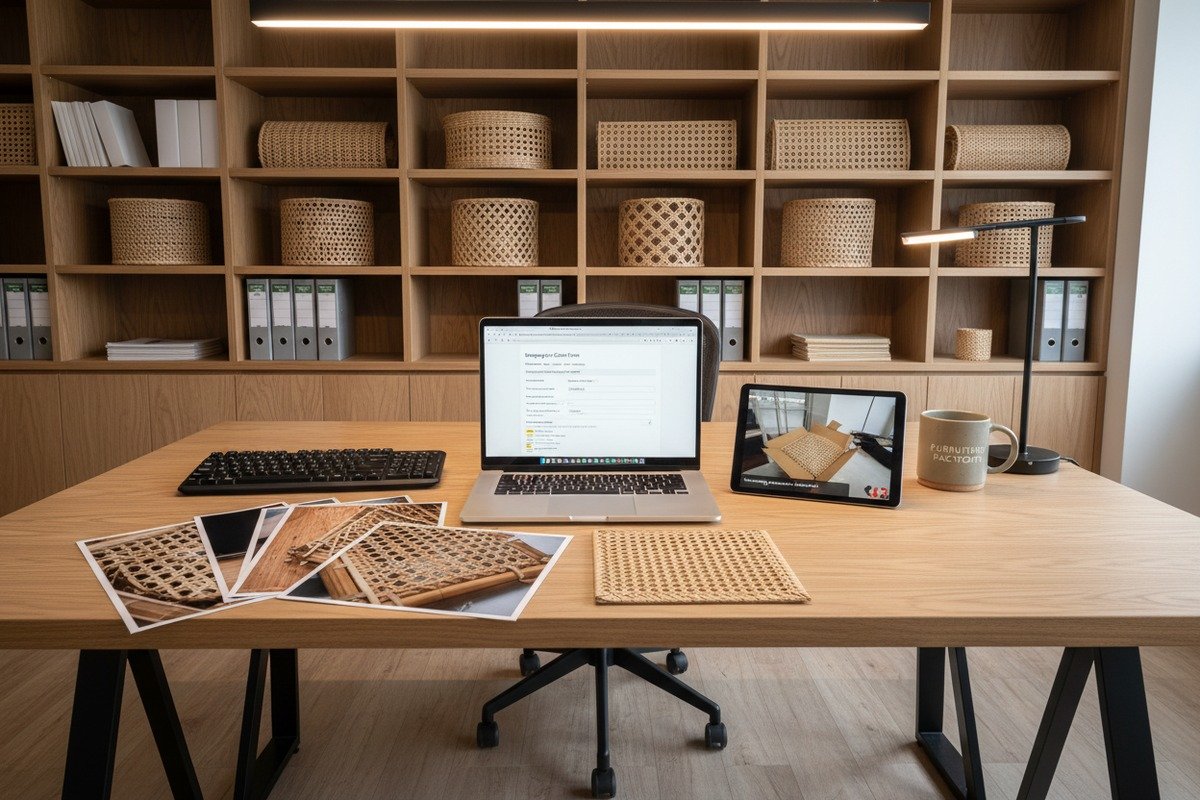
قم ببناء ملف الأدلة الخاص بك على الفور
الوقت عدوك. لدى معظم شركات النقل نوافذ صارمة - غالبًا من 24 إلى 72 ساعة - للإبلاغ عن الأضرار المرئية. قد تمتد مطالبات الأضرار المخفية إلى 5 إلى 7 أيام، ولكنك تحتاج إلى التصرف بسرعة بغض النظر. إليك ما يجب جمعه:
قائمة التحقق من الوثائق الأساسية
ابدأ بالصور. ثم توسع إلى السجلات المكتوبة. أخيرًا، قم بتجميع مستندات الشحن. يغطي هذا النهج ثلاثي الطبقات كل زاوية سيفحصها مسؤول المطالبات.
الصور ومقاطع الفيديو:
- التغليف الخارجي من جميع الزوايا قبل الفتح
- لقطات مقربة لأي تلف في التغليف (خدوش، تمزقات، علامات مائية)
- الشريط الشبكي أثناء فكه، مع إظهار التلف في سياقه
- لقطات مقربة فردية للعيب مع مسطرة أو عملة للمقياس
- مقاطع فيديو توضح اختبارات الهشاشة، مشاكل المرونة، أو مدى العفن
السجلات المكتوبة:
- تاريخ ووقت التسليم
- تاريخ ووقت الفحص
- وصف تفصيلي لكل عيب (الموقع، الحجم، النوع)
- الكمية المتأثرة (الأقدام الخطية أو الأمتار المربعة)
- ملاحظات المقارنة مقابل مواصفات الطلب الأصلي
وثائق الشحن والشراء:
- أمر الشراء أو الفاتورة الأولية
- الفاتورة التجارية
- بوليصة الشحن أو بوليصة الشحن الجوي 9
- قائمة التعبئة
- إيصال التسليم (لاحظ أي ملاحظات تلف من قبل السائق)
- شهادة التأمين إذا كانت قابلة للتطبيق
كيفية كتابة وصف للتلف
كن محددًا. لا تقل "الخيزران تالف". بدلاً من ذلك، اكتب شيئًا مثل: "اللفة 2 من 4، على بعد حوالي 3 أقدام من الطرف الخارجي، تظهر 6 خيوط مكسورة عبر قسم بطول 12 بوصة. المنطقة المتأثرة تظهر تجاعيد انضغاط واضحة وتنفصل خيطان عند ثنيهما بلطف. لم يتم اكتشاف أي عفن أو رطوبة."
هذا المستوى من التفاصيل يجعل معالجة المطالبات أسرع ويزيد من معدلات الموافقة بشكل كبير.
اتصل بالبائع والناقل في وقت واحد
لا تنتظر رد البائع قبل الاتصال بالناقل. قدم طلبًا لدى كليهما في نفس الوقت. قم بتضمين جميع وثائقك في كلا الاتصالين. عندما نتلقى تقرير تلف من أحد المشترين لدينا، يمكننا معالجته في غضون 24 ساعة إذا كانت الوثائق كاملة. التقارير غير المكتملة تؤخر كل شيء.
احتفظ بالمواد التالفة
لا تتخلص من أو تثبت النسيج التالف. قد يطلب الناقل أو شركة التأمين فحصًا ماديًا. قم بتخزين اللفات التالفة في حالتها الحالية، في منطقة جافة، حتى يتم حل المطالبة. إذا تخلصت من المواد، فإنك تفقد دليلك.
اعرف جدولك الزمني للمطالبة
تتبع معظم مطالبات الشحن الدولية هذا الجدول الزمني العام:
- اليوم 0: تم استلام التسليم. قم بتدوين أي تلف خارجي مرئي على إيصال السائق.
- اليوم 0-1: فحص كامل. أكمل جميع التصوير الفوتوغرافي والتوثيق المكتوب.
- اليوم 1-2: تقديم تقرير الضرر للبائع والناقل مع وثائق كاملة.
- اليوم 3-7: المتابعة إذا لم يكن هناك رد. تقديم معلومات إضافية إذا طُلبت.
- اليوم 7-30: فترة مراجعة المطالبة. قد يقوم الناقل أو شركة التأمين بجدولة فحص مادي.
- اليوم 30-60: الحل. إصدار بديل أو استرداد أو رصيد جزئي.
التنظيم والاستباقية في كل خطوة هو ما يميز المطالبات الناجحة عن المطالبات المرفوضة.
خاتمة
الفحص نسيج الخيزران الطبيعي 10 بعد التسليم يحمي استثمارك ويضمن بدء مشاريعك بمواد عالية الجودة. اتبع هذه الخطوات، وثّق بدقة، وتصرف بسرعة إذا ظهر ضرر.
ملاحظات سفلية
1. التعريف القانوني الموثوق لـ ‘الضرر أثناء النقل’. ↩︎
2. يشرح التعبئة والتغليف الحاجز والمواد المستخدمة للحماية من الرطوبة. ↩︎
3. يسلط الضوء على أهمية وفوائد التعبئة والتغليف الخارجي في اللوجستيات. ↩︎
4. يحدد قوة الضغط في سياق التعبئة والتغليف والاختبار. ↩︎
5. يشرح ما هي بطاقات مؤشر الرطوبة ووظيفتها. ↩︎
6. يشرح العوامل الأساسية المطلوبة لنمو العفن. ↩︎
7. يشرح ما هي مطالبات الشحن والتوثيق والعملية. ↩︎
8. يشرح ما هي الحواف المهترئة ولماذا تحدث في المنسوجات. ↩︎
9. يعرف بوليصة الشحن الجوي كإيصال وعقد نقل للشحن الجوي. ↩︎
10. يشرح ما هو نسيج القصب وأصله. ↩︎
 English
  Español de México
  العربية
  Deutsch
  Français
  Русский