
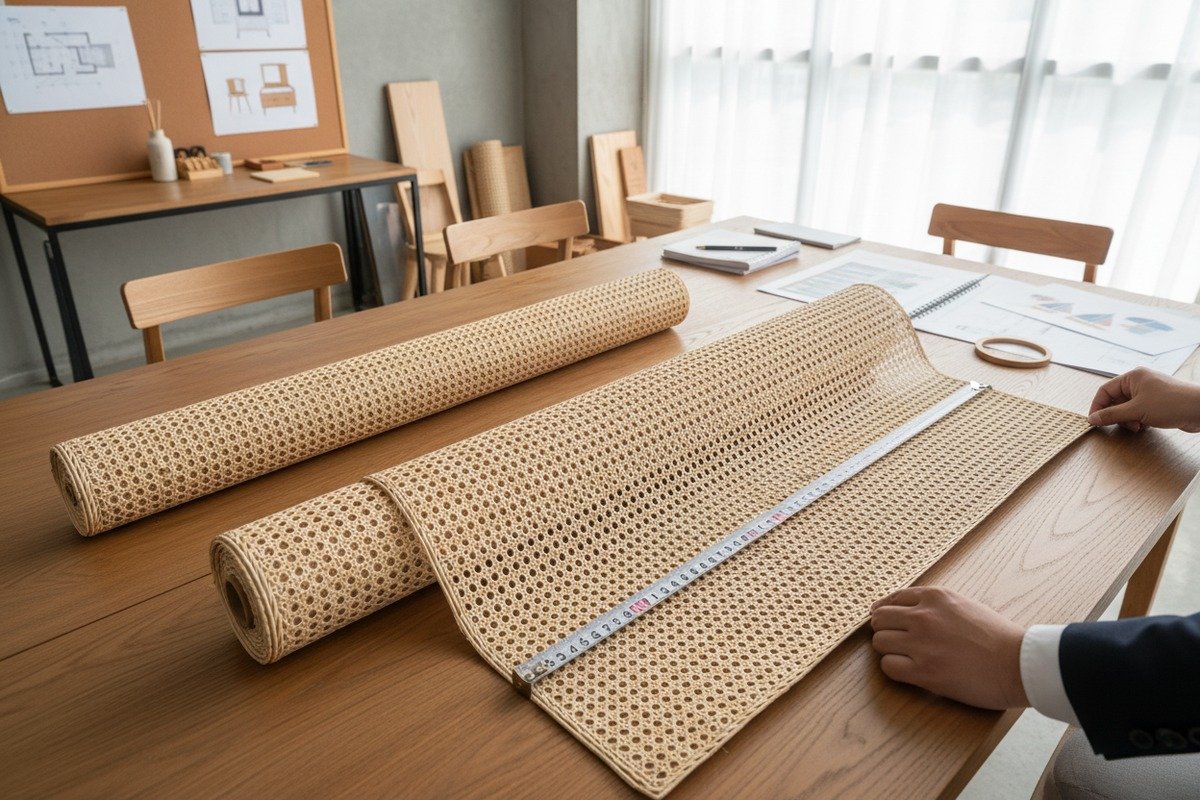
كل أسبوع، يطرح فريق المبيعات لدينا نفس السؤال من مصانع الأثاث وتجار الجملة حول العالم: “إذا احتجت إلى عرض غير قياسي، فهل سيكلف ذلك أكثر؟”
نعم، يفرض معظم الموردين رسومًا إضافية على شبكات قصب الروطان ذات العرض المخصص. عادةً ما تكلف العروض غير القياسية 20-50% أكثر لكل قدم خطي من الأحجام القياسية مثل 18 بوصة، 24 بوصة، أو 36 بوصة بسبب القطع الإضافي، وهدر المواد، وتعديلات النول، وتشغيلات الإنتاج الأصغر. ومع ذلك، يمكن لطلبات الجملة الكبيرة أن تقلل بشكل كبير أو حتى تلغي هذه العلاوة.
الصورة الحقيقية أكثر تعقيدًا من مجرد نعم أو لا فحوصات جودة 1. يعتمد التسعير على مدى ابتعاد العرض المطلوب عن الخيارات القياسية، وحجم طلبك، و نمط النسيج 2, ، وإعداد إنتاج المورد الخاص بك. دعنا نفصل بالضبط ما الذي يدفع هذه التكاليف وكيف يمكنك الحصول على مصادر بذكاء أكبر.
كم يجب أن أتوقع أن أدفع إضافيًا مقابل نسيج الخيزران المخصص العرض في طلبي بالجملة؟
عندما نقدم عروضًا بأسعار مخصصة في منشآتنا، فإن رد الفعل الأكثر شيوعًا من المشترين هو صدمة الأسعار - خاصة إذا كانوا معتادين على طلب لفات قياسية مقاس 24 بوصة أو 36 بوصة.
بالنسبة لشبكات قصب الروطان ذات العرض المخصص، توقع دفع 20-50% أكثر لكل قدم خطي مقارنة بالعروض القياسية. قد تكلف لفة مقاس 24 بوصة 1.75-4.00 دولار أمريكي/قدم بالتجزئة، بينما يمكن أن تكلف لفة مقاس 28 بوصة أو 31.5 بوصة 7-10 دولارات أمريكية/قدم. يمكن أن تقلل طلبات الجملة التي تزيد عن 100 متر العلاوات إلى 10-15% فوق الأسعار القياسية.
لماذا تكلف العروض المخصصة أكثر
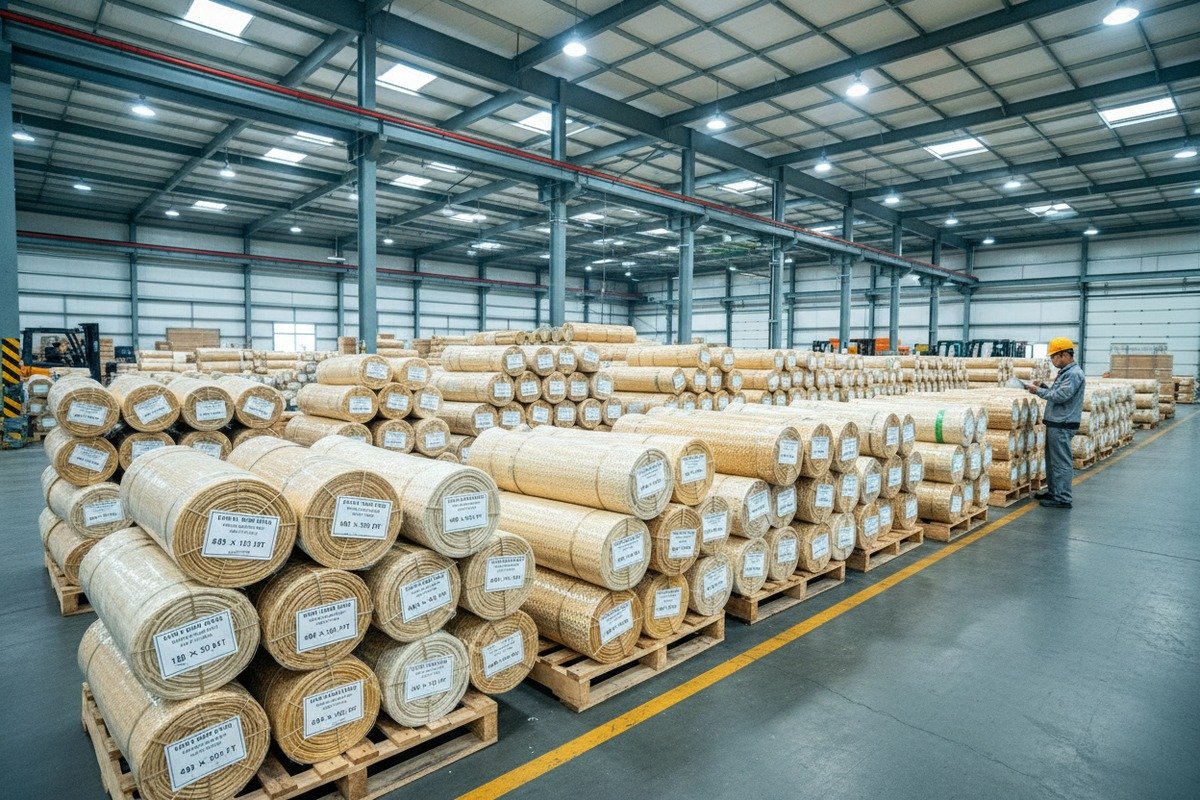
تأتي زيادة السعر من ثلاثة مجالات رئيسية. أولاً، هدر المواد. تم ضبط آلات النسيج لدينا للعروض القياسية. عندما يطلب المشتري مقاس 22 بوصة بدلاً من 24 بوصة، نقوم إما بالقص من لفة أعرض أو تعديل إعداد النول. في كلتا الحالتين، تذهب المواد المتبقية دون استخدام. ثانيًا، وقت توقف الإنتاج. التبديل من عرض إلى آخر يعني إعادة معايرة المعدات. يتم تمرير هذا الوقت الضائع إلى المشتري. ثالثًا، حجم الطلب. تباع العروض القياسية بكميات هائلة. العروض المخصصة لا تفعل ذلك. انخفاض الطلب يعني ارتفاع تكلفة الوحدة.
مقارنة الأسعار: العروض القياسية مقابل العروض المخصصة
إليك كيف تبدو الأسعار في العالم الحقيقي عبر العروض الشائعة والمخصصة:
| العرض | Type | سعر التجزئة (لكل قدم) | سعر الجملة (لكل قدم، 100 متر+) | طول اللفة |
|---|---|---|---|---|
| 18 بوصة (45 سم) | قياسي | 2.00-7.00 دولار أمريكي | 1.20-2.50 دولار أمريكي | 15 مترًا (50 قدمًا) |
| 20 بوصة (50 سم) | قياسي | 2.50–7.50 دولار | 1.50–3.00 دولار | 15 مترًا (50 قدمًا) |
| 24 بوصة (60 سم) | قياسي | 1.75–14.00 دولار | 1.30–3.50 دولار | 15 مترًا (50 قدمًا) |
| 27.5 بوصة (70 سم) | مخصص | 7.00–8.00 دولار | 3.50–5.00 دولار | 15 مترًا (50 قدمًا) |
| 31.5 بوصة (80 سم) | مخصص | 7.00 دولار - 10.00 دولار | 4.00–6.00 دولار | 15 مترًا (50 قدمًا) |
| 36 بوصة (90 سم) | قياسي | 10.00–23.00 دولار | 5.00–8.00 دولار | 15 مترًا (50 قدمًا) |
| 39.5 بوصة (100 سم) | مخصص | 20.00–40.00 دولار | 8.00–15.00 دولار | 10 متر (33 قدمًا) |
| 48 بوصة+ (120 سم+) | مخصص | 30.00–50.00 دولار+ | 12.00–20.00 دولار | 10 متر (33 قدمًا) |
كيف تقلل من العلاوة
أفضل عامل هو الحجم. عندما طلبت مصنع أثاث في هولندا 500 متر من شريط بعرض 28 بوصة منا العام الماضي، تمكنا من تخصيص تشغيل كامل لآلة النسيج لهذا العرض. انخفضت العلاوة إلى 12 دولارًا فقط فوق سعرنا القياسي لعرض 24 بوصة. استراتيجية أخرى: تحقق مما إذا كان عرض قياسي قريب يعمل. إذا كان تصميمك يتطلب 22 بوصة، فقد يكون لفافة بعرض 24 بوصة مقصوصة حسب الحجم أرخص فعليًا من تشغيل إنتاج مخصص حقيقي. نوصي دائمًا بأن يرسل المشترون لنا أبعادهم الدقيقة أولاً، وسيقوم فريقنا بحساب ما إذا كان القص أو النسيج المخصص أكثر فعالية من حيث التكلفة.
ضع في اعتبارك أيضًا نمط النسيج الخاص بك. نسيج الراديو البسيط (شبكة سداسية مفتوحة) يكلف أقل في الإنتاج بعروض مخصصة من النسيج الضيق المغلق أو نمط مثمن دقيق بعرض 1/2 بوصة. يمكن أن يؤثر تعقيد النسيج على رسوم العرض المخصص بنفس القدر الذي يؤثر به العرض نفسه.
هل سيطلب موردي حدًا أدنى للطلب أعلى إذا احتجت إلى عرض معين لإنتاج الأثاث الخاص بي؟
أحد أصعب المحادثات التي نجريها مع المشترين الجدد تحدث عندما يحبون عيناتنا ولكنهم يحتاجون إلى عرض لا يتطابق مع كتالوجنا القياسي - ثم يسمعون عن الحد الأدنى للطلب. الحد الأدنى لكميات الطلب 4
نعم، معظم الموردين يرفعون الحد الأدنى لكميات الطلب لأقمشة الروطان ذات العرض المخصص. بينما قد يتم شحن الأعرض القياسية بكميات طلب دنيا تتراوح بين 5-10 لفات، فإن الأعرض المخصصة غالبًا ما تتطلب 20-50 لفة كحد أدنى. هذا يضمن أن يكون الإنتاج مجديًا اقتصاديًا ويبرر تكاليف إعداد الآلات وتغييرها.

لماذا تزيد الحد الأدنى لكميات الطلب للعروض المخصصة
في كل مرة نقوم فيها بتبديل آلات النسيج لدينا إلى عرض غير قياسي، يستغرق فريقنا حوالي 2-4 ساعات من وقت الإعداد. هذا وقت ضائع الطاقة الإنتاجية 5. إذا كان المشتري يحتاج فقط إلى 3 لفات بعرض 27.5 بوصة، فلا يمكننا تبرير إيقاف خط إنتاج قياسي. الحسابات ببساطة لا تعمل. لذلك نحدد حدًا أدنى للطلب أعلى لضمان تغطية التشغيل المخصص لتكاليف التغيير وإعداد المواد.
يعمل مرفق المعالجة الإندونيسي لدينا بمنطق مماثل. يتم فرز قصب الروطان مسبقًا وقصه للعروض القياسية. تتطلب العروض المخصصة إعادة الفرز وأحيانًا الحصول على أطوال مختلفة قليلاً من المواد الخام، مما يضيف طبقة أخرى من الإعداد.
نطاقات الحد الأدنى للطلب النموذجية حسب نوع العرض
| نوع الطلب | الحد الأدنى للطلب للعرض القياسي | الحد الأدنى للطلب للعرض المخصص | ملاحظات |
|---|---|---|---|
| البيع بالتجزئة / Etsy | 1 قدم | 1 قدم (أحجام محدودة) | قصاصات مخصصة من اللفات المخزنة فقط |
| البيع بالجملة الصغير | 5–10 لفات | 15-25 لفة | ينطبق قسط لكل لفة أقل من الحد الأدنى للطلب |
| البيع بالجملة الكبير | 10–20 rolls | 30-50 لفة | أفضل سعر للوحدة |
| المصنع مباشرة (الصين) | 20+ لفات | 50-100 لفة | تشغيل نول مخصص، أقل تكلفة |
استراتيجيات لتلبية الحد الأدنى لكمية الطلب دون زيادة المخزون
إذا كان الحد الأدنى لكمية الطلب يبدو مرتفعًا جدًا لمشروعك الحالي، فإليك بعض الأساليب العملية التي نشاركها مع مشترين لدينا. أولاً، قم بدمج الطلبات. إذا كان لديك خطوط أثاث متعددة أو وحدات تعريف المنتج (SKUs) يمكنها استخدام نفس العرض المخصص، فقم بدمجها في طلب واحد. ثانيًا، نسق مع مشترين آخرين. لقد قمنا بتسهيل عمليات الشراء الجماعية حيث تقوم مصنعان أو ثلاثة مصانع أثاث في نفس المنطقة بتقسيم تشغيل بعرض مخصص. ثالثًا، قم بتقسيم طلباتك. قدم طلب الحد الأدنى لكمية الطلب الآن وجدول التسليمات على دفعتين أو ثلاث دفعات على مدى عدة أشهر. بهذه الطريقة، تلبي الحد الأدنى ولكن لا تخزن كل شيء دفعة واحدة.
وجد بعض شركائنا بالجملة في تركيا وأستراليا أيضًا أن طلب عرض مخصص واحد بكميات كبيرة وبناء تصميمات منتجاتهم حول هذا العرض أكثر كفاءة من طلب أحجام مخصصة متعددة. التوحيد القياسي داخليًا يقلل من تعقيد مصادرك ويحافظ على انخفاض تكاليف الوحدة.
يجدر بالذكر أيضًا أن والنسيج الصناعي للخيزران 6 عادة ما يكون لديها حد أدنى لكمية الطلب أقل للعروض المخصصة. خطوط إنتاجنا الاصطناعية أكثر مرونة لأن المادة يتم بثقها بدلاً من نسجها من قصب طبيعي. إذا كان تطبيقك يسمح بالبدائل الاصطناعية - للأثاث الخارجي، على سبيل المثال - يمكن أن يكون هذا مسارًا لطلبات مخصصة أصغر.
كيف يمكنني التأكد من أن لفائف الخيزران ذات العرض المخصص لدي تحافظ على نفس جودة الدرجة الأولى مثل الأحجام القياسية؟
تثير مخاوف الجودة قلق مديري المشتريات في الليل. أخبرنا أحد مديري المشتريات الذي نعمل معه في تايلاند - شخص يشبه إلى حد كبير مشترينا المعتاد رانو - ذات مرة: "يمكنني أن أعيش بسعر أعلى قليلاً. ما لا يمكنني قبوله هو الجودة غير المتسقة."
لضمان جودة من الدرجة الأولى في شبكات الخيزران ذات العرض المخصص، اطلب عينات ما قبل الإنتاج، وحدد معايير التصنيف في أمر الشراء الخاص بك، واطلب عمليات تفتيش جودة أثناء الإنتاج، وتأكد من أن المورد يستخدم نفس دفعة المواد الخام للتشغيلات المخصصة والقياسية. يمكن تحقيق جودة متسقة عندما يتم توثيق المواصفات مقدمًا وفرضها طوال عملية الإنتاج.
ما الذي يحدد قصب الروطان المجروش من الدرجة الأولى
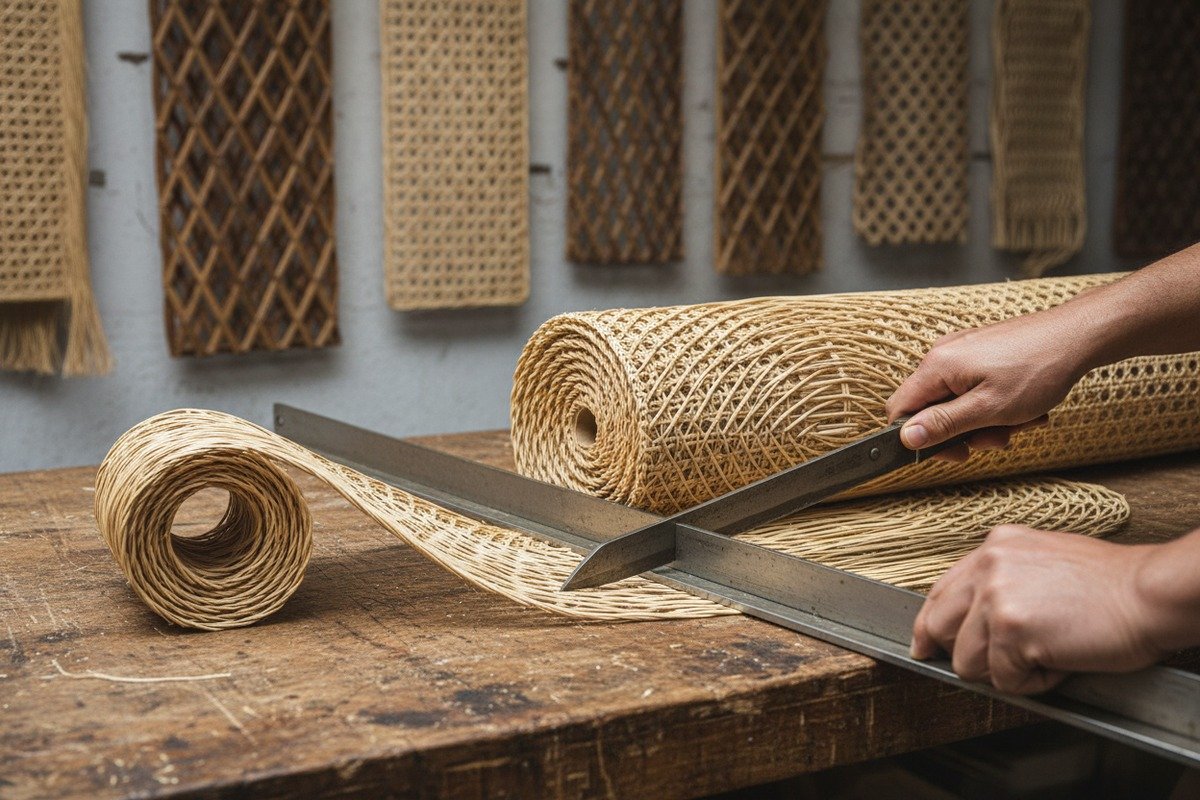
تتميز شبكات قصب الروطان من الدرجة الأولى بلون موحد (من القش الباهت إلى البيج الفاتح)، وسمك خيوط متناسق، وعدم وجود خيوط مكسورة أو مفقودة في النسيج، وأسطح ناعمة خالية من البقع الداكنة أو العفن أو بقايا اللحاء. يجب أن يكون نمط النسيج متساويًا بدون فجوات أو تكتلات. بالنسبة للنسيج الثماني الأضلاع الدقيق مقاس 1/2 بوصة، يجب أن يكون كل فتحة سداسية متناظرة. بالنسبة للنسيج الراديوي، يجب أن تكون الشبكة المفتوحة منتظمة والتقاطعات محكمة.
في مصانعنا، نقوم بتصنيف قصب الروطان الخام قبل دخوله إلى النول. يتم تحويل القصب الذي لا يلبي معايير سمك ولون الدرجة الأولى إلى إنتاج الدرجة الثانية. ينطبق هذا الفرز بالتساوي على التشغيلات ذات العرض القياسي والمخصص. ومع ذلك، فإن خطر انزلاق الجودة يزداد مع العروض المخصصة بسبب ثلاثة عوامل.
أين تنشأ مخاطر الجودة في التشغيلات المخصصة
أولاً، تشطيب الحواف. يتم نسج لفات العرض القياسي بأبعاد دقيقة. تتطلب العروض المخصصة أحيانًا القطع، ويمكن أن يؤدي القطع السيئ إلى تآكل الحواف أو تشويه نمط النسيج بالقرب من الهوامش. ثانيًا، عدم اتساق الشد. يمكن أن يؤدي ضبط النول لعرض غير قياسي إلى تغيير الشد عبر النسيج. إذا لم يقم المشغل بإعادة المعايرة بشكل صحيح، فقد تكون الخيوط أشد في جانب واحد مقارنة بالآخر. ثالثًا، أطوال لفات أقصر. غالبًا ما تأتي اللفات المخصصة الأوسع (110 سم+) بأطوال 10 أمتار بدلاً من 15 مترًا. اللفات الأقصر تعني المزيد من الوصلات إذا كنت تغطي أسطحًا كبيرة، وكل وصلة هي مشكلة جودة محتملة.
قائمة التحقق الخاصة بك لمراقبة الجودة
إليك قائمة تحقق عملية نشاركها مع كل مشترٍ ذي عرض مخصص:
- اطلب عينة ما قبل الإنتاج. لا تتخط هذه الخطوة. حتى لو أخرت طلبك لمدة أسبوع، فإن الحصول على عينة مادية للموافقة عليها يحميك من المفاجآت.
- حدد التصنيف كتابيًا. قم بتضمين متطلبات الدرجة الأولى في أمر الشراء الخاص بك: تفاوت سمك الخيط، نطاق الألوان، حدود العيوب لكل لفة.
- اطلب صور الإنتاج. تتيح لك صور المنتصف للنسيج على النول اكتشاف مشاكل الشد أو اختلاف الألوان قبل شحن اللفات.
- افحص التعبئة والتغليف. الروطان هو مسترطبة 7. يمتص الرطوبة. يجب لف اللفات بإحكام في غشاء مقاوم للرطوبة، خاصةً لـ الشحن البحري 8. يمكن أن تؤدي التعبئة السيئة إلى تدهور مادة الدرجة الأولى إلى الدرجة الثانية بحلول وقت وصولها.
- تحقق من اتجاه النسيج. نسيج الراديو والنسيج الضيق لهما اتجاه حبيبات ثابت. تأكد من أن المورد الخاص بك يحدد الاتجاه على كل لفة حتى يتمكن فريق الإنتاج الخاص بك من تثبيته بشكل صحيح.
عندما نقوم بالشحن إلى شركائنا بالجملة في هولندا وإسبانيا وأستراليا، تحصل كل لفة على علامة فحص مرئي توضح هوية المفتش والتاريخ والدرجة. كما نقدم تنسيق فحص من طرف ثالث إذا فضل المشترون فحصًا مستقلاً.
هل يطيل طلب عرض مخصص بشكل كبير من وقت التسليم عند التوريد من الصين؟
الوقت من ذهب، خاصة عندما يكون خط إنتاج الأثاث الخاص بك ينتظر المواد الخام. لقد رأينا مشترين يفقدون مواسم البيع بالتجزئة لأنهم قللوا من تقدير المدة التي سيستغرقها الطلب المخصص من الاقتباس إلى التسليم.
نعم، عادةً ما تضيف شبكة قصب الروطان ذات العرض المخصص 1-3 أسابيع إلى وقت التسليم الخاص بك مقارنة بالأحجام القياسية التي يتم الحصول عليها من الصين. تشحن العروض القياسية في غضون 7-15 يومًا من المخزون. تتطلب العروض المخصصة جدولة النول، والإنتاج، وفحوصات الجودة، مما يدفع إجمالي وقت التسليم إلى 3-6 أسابيع قبل الشحن. التخطيط المسبق وتأكيد مواعيد الإنتاج مبكرًا أمران ضروريان.

تفصيل وقت التسليم
فهم أين يذهب الوقت في طلب بعرض مخصص يساعدك على التخطيط بشكل أفضل. إليك جدول زمني واقعي من مرافق الإنتاج لدينا:
| Stage | العرض القياسي | العرض المخصص | سبب الاختلاف |
|---|---|---|---|
| الاقتباس والتأكيد | 1–2 يوم | 1–3 أيام | يحتاج التسعير المخصص إلى حساب |
| إنتاج العينات | غير متاح (من المخزون) | 3–7 أيام | إعداد الأنوال لعرض جديد |
| شحن العينات | غير متاح | 3–5 أيام (سريع) | موافقة المشتري مطلوبة |
| جدولة الإنتاج | فوري | 3–7 أيام انتظار | في قائمة الانتظار خلف التشغيلات القياسية |
| تشغيل الإنتاج | 3-5 أيام | 5–10 أيام | إعداد أطول، فحوصات مراقبة الجودة |
| التعبئة والتغليف والإعداد | 1–2 يوم | 2–3 أيام | وضع العلامات المخصصة، الفحص |
| الإجمالي قبل الشحن | 5–10 أيام | 17–35 يومًا | — |
| الشحن البحري إلى الولايات المتحدة | 25–35 يومًا | 25–35 يومًا | نفس وقت الشحن |
| الشحن البحري إلى أوروبا | 20–30 يومًا | 20–30 يومًا | نفس وقت الشحن |
تأخيرات موسم الذروة
تعمل مصانعنا بكامل طاقتها من مارس إلى أغسطس، مدفوعة بالطلب من تجار الأثاث الذين يستعدون لمجموعات الخريف. خلال هذه الفترة، يمكن أن يمتد جدولة الإنتاج للعروض المخصصة لمدة 1-2 أسبوع إضافية. يحصل المشترون الذين يقدمون طلبات في يناير أو فبراير للعروض المخصصة على جدولة ذات أولوية وسرعة في التنفيذ.
نوصي بشدة بأن يقوم المشترون المتكررون بتأمين أماكن إنتاج العروض المخصصة الخاصة بهم قبل 6-8 أسابيع على الأقل من حاجتهم للمواد في أرضية مصنعهم. هذا الهامش الزمني يأخذ في الاعتبار أخذ العينات، والإنتاج، وإعادة العمل المحتملة، ووقت العبور.
كيفية تقصير وقت التسليم المخصص الخاص بك
هناك عدة طرق عملية لتقليص الجدول الزمني. أولاً، تخطي مرحلة العينة إذا كنت قد طلبت نفس العرض المخصص من قبل ولديك عينة مرجعية معتمدة. فقط قم بتأكيد نمط النسيج والدرجة. ثانيًا، قم بالدفع المسبق أو ضع وديعة مبكرًا. العديد من الموردين - بما في ذلك نحن - يعطون الأولوية للطلبات المؤكدة على الاستفسارات. الوديعة تنقلك إلى أعلى قائمة الانتظار. ثالثًا، ضع في اعتبارك الشحن الجوي للشحنات الصغيرة العاجلة. يستغرق الشحن الجوي من الصين إلى الولايات المتحدة 5-7 أيام مقابل 25-35 يومًا بحرًا. التكلفة أعلى، ولكن بالنسبة للطلب الأول الحرج من حيث الوقت، يمكن أن يوفر جدول الإنتاج الخاص بك.
نهج آخر: تخزين مخزون احتياطي. إذا كنت تستخدم عرضًا مخصصًا محددًا بشكل متكرر، فاحتفظ بـ 2-3 لفات إضافية في مستودعك كمخزون أمان. بهذه الطريقة، حتى لو استغرق إعادة الطلب 6 أسابيع كاملة، فلن يتوقف خط الإنتاج الخاص بك.
نقدم أيضًا ترتيب "طلب متجدد" لشركائنا التجاريين المنتظمين. يلتزمون بحجم ربع سنوي لعرضهم المخصص، ونحتفظ بتكوين نولهم محفوظًا وجاهزًا. هذا يقلل من وقت انتظار جدولة الإنتاج من 3-7 أيام إلى ما يقرب من الصفر.
لنسيج الروطان الصناعي،, المهلة الزمنية 9للعروض المخصصة تكون أقصر بشكل عام - حوالي 2-3 أسابيع إجمالاً قبل الشحن. عملية البث أسرع في التعديل من نسج القصب الطبيعي، والمواد الاصطناعية لا تتطلب نفس خطوات التكييف والرتبة الرطبة.
خاتمة
نسيج قصب الروطان بعرض مخصص يكلف أكثر، ويتطلب حد أدنى للطلب أعلى، ويستغرق وقتًا أطول - ولكن استراتيجيات التوريد الذكية يمكن أن تسد هذه الفجوات بشكل كبير. إدارة سلسلة التوريد 10 خطط مبكرًا، واطلب بكميات كبيرة، ووثق مواصفات الجودة الخاصة بك، وابنِ علاقة قوية مع المورد للحصول على أفضل قيمة على كل لفة مخصصة.
ملاحظات سفلية
1. يحدد مراقبة الجودة في التصنيع وأهميتها. ↩︎
2. يصف تقنيات وأنماط نسج الروطان المختلفة. ↩︎
3. يشرح ما هو نسيج قصب الروطان واستخداماته الشائعة. ↩︎
4. يقدم تعريفًا واضحًا وشرحًا للحد الأدنى لكمية الطلب (MOQ). ↩︎
5. يحدد الطاقة الإنتاجية وأهميتها في التصنيع. ↩︎
6. يشرح ما هو الروطان الصناعي، وتكوينه، وفوائده. ↩︎
7. يقدم تعريفًا واضحًا لمصطلح استرطابي. ↩︎
8. يشرح العملية الكاملة للشحن البحري. ↩︎
9. يشرح معنى المهلة الزمنية في سياق التصنيع. ↩︎
10. يقدم تعريفًا شاملاً وأهمية إدارة سلسلة التوريد. ↩︎
 English
  Español de México
  العربية
  Deutsch
  Français
  Русский