
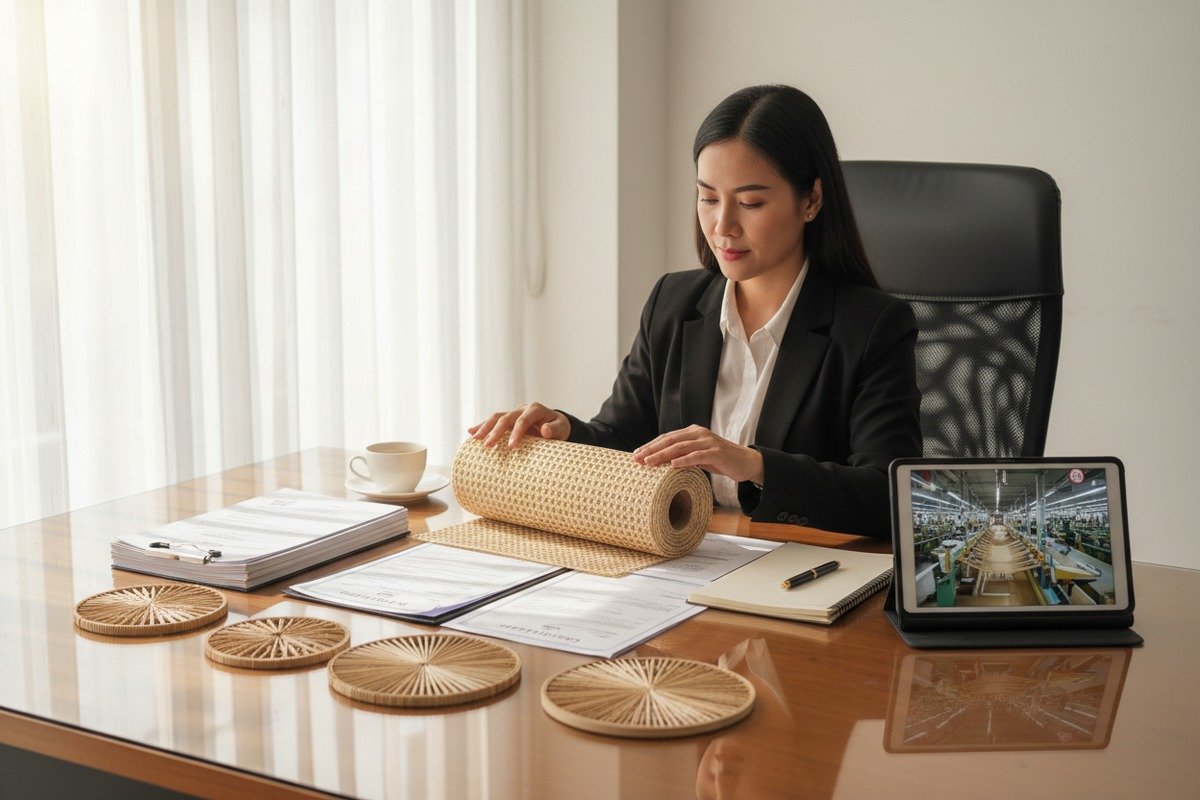
على مر السنين، شهد فريقنا عددًا لا يحصى من المشترين يعانون من جودة الروطان غير المتناسقة، وتأخر الشحنات، والموردين الذين يختفون بعد الطلب الأول.
للعثور على تجار جملة موثوقين لنسيج الروطان، تحقق من حجم المصنع الخاص بهم، واطلب عينات مادية قبل الطلبات بالجملة، وتحقق من تاريخ التصدير والشهادات، وقارن الأسعار عبر موردين متعددين، وأعط الأولوية لأولئك الذين لديهم سلسلة توريد كاملة من مصادر المواد الخام إلى تسليم المنتج النهائي.
يقدم هذا الدليل الخطوات الدقيقة التي تحتاج إلى اتخاذها إدارة سلسلة التوريد 1. سنغطي تقييم الجودة، وتوريد المصانع في الصين، واستراتيجيات التسعير، وكيفية تأمين إمدادات متسقة. يستند كل قسم إلى خبرة حقيقية في تجارة الروطان منصات B2B 2. لنبدأ.
كيف أقوم بتقييم جودة وتصنيف قش الروطان قبل تقديم طلب بالجملة؟
عندما نقوم بالشحن rattan cane webbing 3 للعملاء في هولندا أو أستراليا، فإن الاهتمام الأول الذي يثيرونه هو الجودة. دفعة واحدة من حزام الروطان دون المستوى يمكن أن تدمر مئات قطع الأثاث وتضر بعلامتك التجارية التكامل الرأسي 4.
قم بتقييم جودة قش الروطان بفحص انتظام الخيوط، وإحكام النسيج، ومحتوى الرطوبة، واتساق اللون، والمرونة. اطلب عينات من الدرجة الأولى أولاً، وتحقق من وجود العفن أو الألياف الهشة، وقارن بين أنماط النسيج المتعددة جنبًا إلى جنب قبل الالتزام بأي شراء بالجملة.
فهم درجات الخيزران
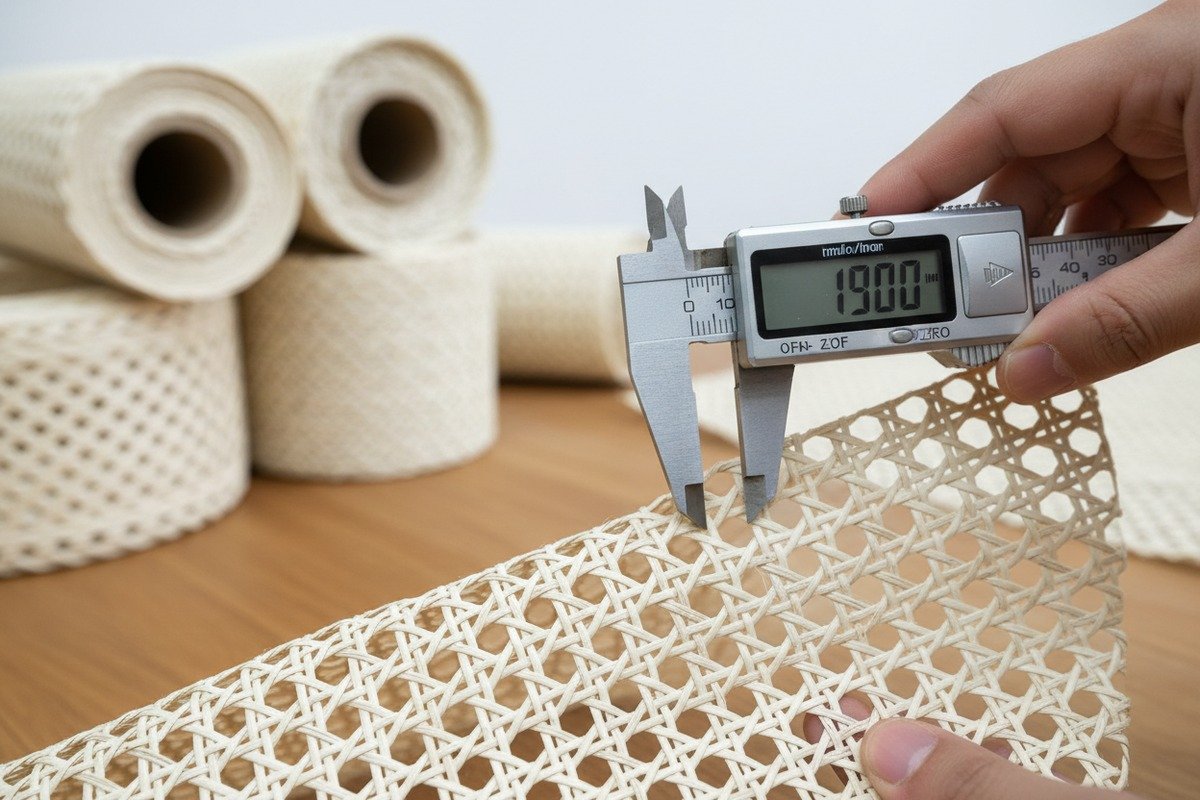
ليس كل حزام الروطان متساويًا. نظام التصنيف مهم. يتميز الروطان من الدرجة الأولى بسماكة متساوية للخيوط، وعدم وجود عقد مرئية، ولون متناسق، ومرونة عالية خصومات الحجم 5. قد تحتوي الدرجة ب على اختلافات طفيفة في اللون وبقع رفيعة عرضية. الدرجة ج أرخص ولكنها غالبًا ما تكون هشة وعرضة للتشقق في غضون أشهر.
عندما يقوم فريقنا بـ مراقبة الجودة 6 يفحص الروطان الخام الوارد من إندونيسيا، ويتحققون من كل لفة مقابل قائمة تحقق صارمة. إليك ما يجب أن تبحث عنه:
- اتساق قطر الخيوط: قم بالقياس في خمس نقاط عشوائية. تشير الاختلافات التي تتجاوز 0.5 مم إلى جودة أقل.
- محتوى الرطوبة: النطاق المثالي هو 12-15%. الجفاف الشديد يعني أليافًا هشة. الرطوبة الشديدة تجلب العفن.
- توحيد اللون: يتراوح الروطان الطبيعي من البيج الفاتح إلى الأصفر القش. تشير البقع الداكنة أو البقع الخضراء إلى تجفيف سيئ.
- شد النسيج: اسحب الشبكة بلطف. يعود حزام الروطان من الدرجة الأولى إلى شكله. الدرجات الأقل تبقى ممتدة.
أنماط النسيج الرئيسية ومؤشرات جودتها
تختلف أنماط النسيج المختلفة بمعايير جودة مختلفة. إليك مقارنة:
| نمط النسج | أفضل استخدام | تركيز فحص الجودة | العرض الشائع |
|---|---|---|---|
| نسج الراديو 7 (شبكة سداسية مفتوحة) | مقاعد الكراسي، أبواب الخزائن | تناظر سداسي، إحكام تداخل الخيوط | 40-120 سم |
| سلة مربعة منسوجة | ألواح الأثاث، مساند الرأس | محاذاة الشبكة، لا توجد فجوات بين الخيوط | 45–90 سم |
| نسج ثماني الأضلاع | ألواح زخرفية، فواصل غرف | دقة تكرار النمط، تشطيب الحواف | 60–100 سم |
| تصميم شيفرون / موجة (اصطناعي) | أثاث خارجي، مناطق رطبة | مقاومة الأشعة فوق البنفسجية، اختبار تلاشي اللون | 50–120 سم |
طبيعي مقابل اصطناعي: اختيار حاسم
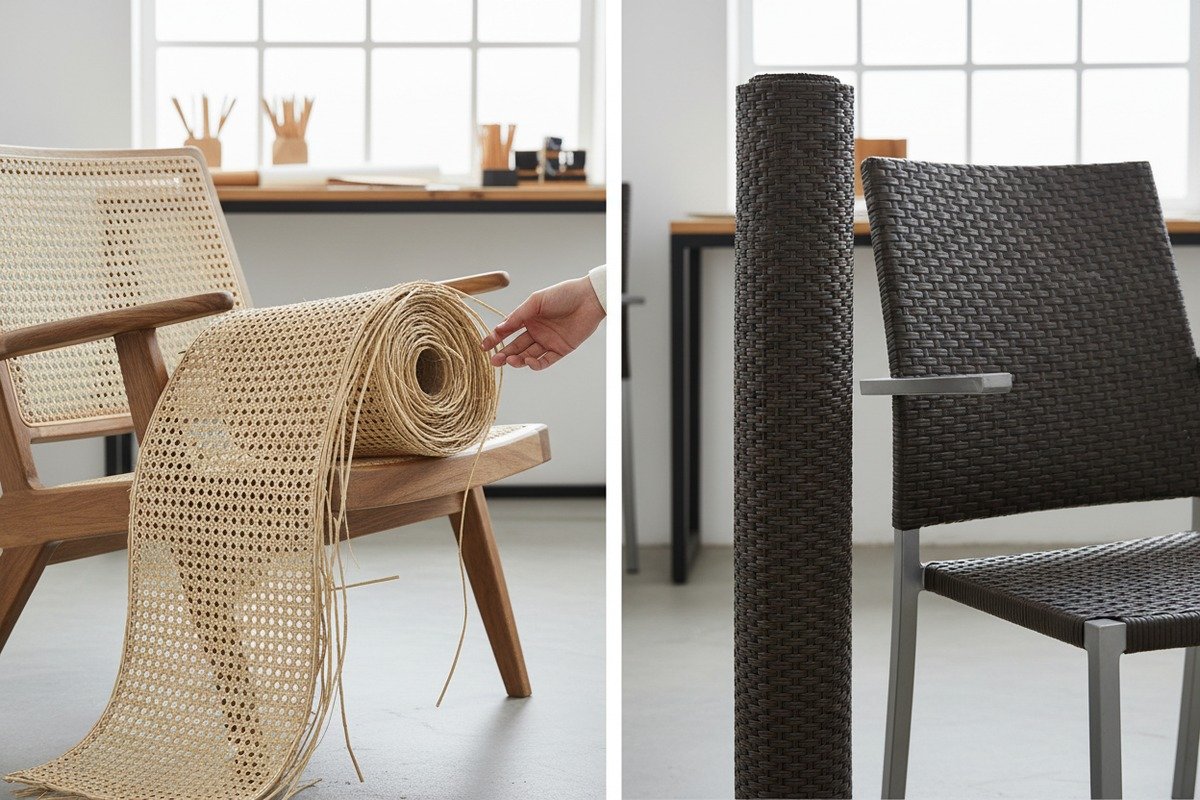
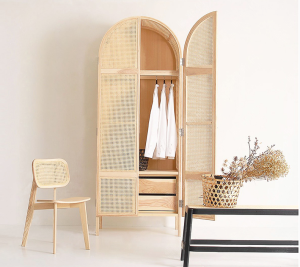
هنا يرتكب العديد من المشترين الأخطاء. يوفر قصب الروطان الطبيعي دفئًا وأصالة ومظهرًا فاخرًا. إنه يعمل بشكل جميل للأثاث الداخلي - فكر في الكراسي البوهيمية، وأبواب الخزائن في منتصف القرن، والديكور الحرفي. ومع ذلك، يعاني الروطان الطبيعي في الهواء الطلق. الرطوبة، والتعرض للأشعة فوق البنفسجية، وتقلبات درجات الحرارة تدمره بسرعة.
قماش الروطان الصناعي 8, ، خاصة الأنواع البلاستيكية الأحدث المتوفرة منذ عام 2016، تحل هذه المشاكل. يأتي بستة ألوان أو أكثر، ويقاوم الماء، ويتطلب القليل من الصيانة. منذ عام 2025، تحسن قماش الروطان الاصطناعي المخصص للاستخدام الخارجي بشكل كبير. لكن بعض المصممين يجادلون بأنه يفتقر إلى روح الروطان الحقيقي.
نصيحتنا؟ طابق المادة مع التطبيق. المشاريع الداخلية تستحق الروطان الطبيعي. البيئات الخارجية أو ذات الرطوبة العالية تتطلب الروطان الاصطناعي. ودائماً - دائماً - اطلب عينات مادية. الصور تكذب. يديك لا تكذب.
عملية طلب العينات
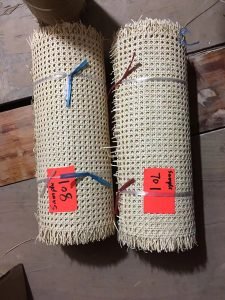
لا تتخطى هذه الخطوة أبدًا. اطلب من موردك المحتمل ثلاث لفات عينة على الأقل بدرجات وأنماط مختلفة. قارنها جنبًا إلى جنب. اثنها. شمها (العفن له رائحة مميزة عفنة). تحقق من تشطيب الحواف. سيرسل المورد الجاد عينات في غضون أسبوع، غالبًا بتكلفة بسيطة.
أين يمكنني العثور على مصانع الروطان المباشرة في الصين التي تقدم سلسلة توريد كاملة لعملي؟
يقع مصنعنا في نانهاي، فوشان، في قلب منطقة تصنيع الروطان في الصين. لقد شاهدنا هذه الصناعة تنمو لعقود، وسلسلة التوريد هنا لا مثيل لها في أي مكان آخر في العالم.
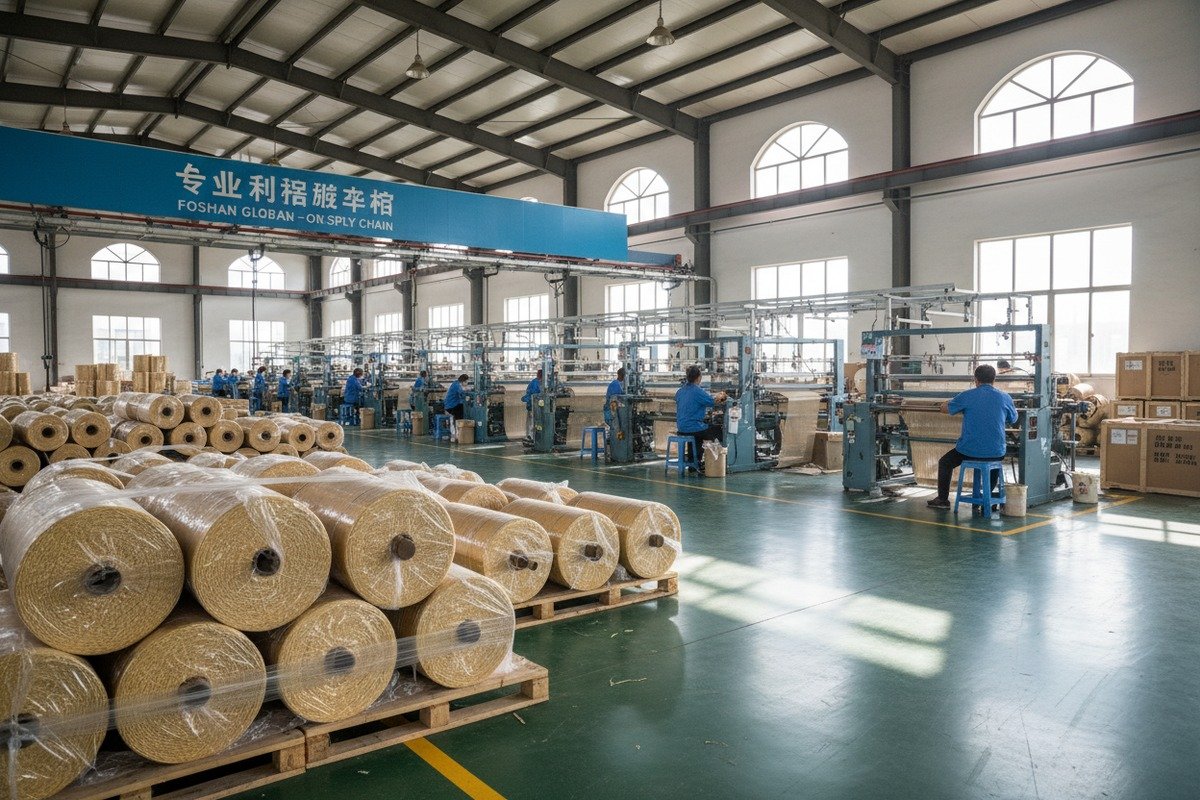
تستضيف مقاطعة قوانغدونغ الجنوبية في الصين، وخاصة مدينة فوشان، أكبر تركيز لمصانع شبكات الروطان. ابحث عن موردين لديهم مرافق معالجة خاصة بهم، ومصادر مواد خام إندونيسية، وأكثر من 30 مصنعًا شريكًا لضمان سلسلة توريد كاملة من أعمدة المواد الخام إلى لفات الشبكات النهائية.
لماذا تهيمن الصين على إنتاج شبكات الروطان
الصين هي المركز العالمي لتصنيع شبكات قصب الروطان. الأرقام تتحدث عن نفسها. يدرج موقع علي بابا وحده أكثر من 4600 مورد لشبكات قصب الروطان، بما في ذلك 576 مزودًا لـ OEM و 145 مزودًا لـ ODM. تدير المصانع الكبرى مرافق تمتد على مساحة 10000 متر مربع، وتشغل أكثر من 165 آلة، وتنتج 3500 طن من المنتجات شهريًا.
ولكن هذا ما لا يدركه معظم المشترين: أفضل المصانع الصينية لشبكات الروطان تحصل على موادها الخام من إندونيسيا. تنتج إندونيسيا أقوى وأكثر أعمدة الروطان امتلاءً في العالم. استثمر أذكى المصنعين - بما في ذلك عملياتنا - في مرافق المعالجة الخاصة بهم في إندونيسيا. هذا يمنح تحكمًا مباشرًا في جودة المواد الخام من الخطوة الأولى.
كيفية البحث عن المصانع المباشرة
إليك خارطة طريق عملية:
- ابدأ بمنصات B2B. يدرج موقع علي بابا و Made-in-China و Global Sources آلاف الموردين. قم بالتصفية حسب "المصنع" بدلاً من "شركة تجارية"."
- قم بزيارة مواقع الموردين مباشرة. تحتفظ المصانع الجادة مثل مصنعنا (rattanwholesaler.com) بكتالوجات منتجات مفصلة وصور للمصنع وتواريخ التصدير.
- تحقق من خبرة التصدير. المصانع التي تصدر منذ التسعينيات نجت من عمليات تدقيق الجودة من المشترين الغربيين لعقود. هذا السجل مهم.
- اسأل عن التكامل الرأسي. هل المصنع يمتلك مصادر المواد الخام الخاصة به؟ هل يقوم بالمعالجة والنسيج والشحن من منشآته الخاصة؟ أم أنه يتعاقد من الباطن على كل شيء؟
مقارنة خيارات التوريد
| قناة التوريد | الإيجابيات | السلبيات | الأفضل لـ |
|---|---|---|---|
| مصنع صيني مباشر (منطقة فوشان) | أفضل الأسعار، تخصيص كامل، قدرة إنتاجية عالية | يتطلب التحقق، قد يكون الحد الأدنى للطلب أعلى | مصانع الأثاث، تجار الجملة الكبار |
| Alibaba / منصة B2B | سهولة المقارنة، خيارات كثيرة | خطر شركات التجارة التي تتظاهر بأنها مصانع | البحث الأولي، طلبات صغيرة إلى متوسطة |
| فيتنام / إندونيسيا مباشرة | أقرب إلى المواد الخام، جودة حرفية | نطاق أصغر، نطاق منتجات محدود | خيزران طبيعي متخصص أو فاخر |
| تجار التجزئة الغربيون (الولايات المتحدة/الاتحاد الأوروبي) | موثوق للطلبات الصغيرة، شحن سريع | أسعار أعلى، تنوع أقل | مشاريع افعلها بنفسك، ورش عمل صغيرة |
علامات حمراء يجب الانتباه إليها
ليست كل قائمة على Alibaba كما تدعي. انتبه لهذه العلامات التحذيرية:
- لا توجد صور أو مقاطع فيديو للمصنع. المصانع الحقيقية فخورة بمنشآتها.
- أسعار منخفضة للغاية. إذا بدا الأمر جيدًا لدرجة يصعب تصديقها، فإن الجودة ستعاني.
- أوقات استجابة بطيئة. يستجيب الموردون الموثوقون في غضون ساعات، وليس أيامًا. معيارنا هو نافذة استجابة مدتها 3 ساعات خلال ساعات العمل.
- لا توجد سياسة عينات. المصنع الذي يرفض إرسال عينات لديه ما يخفيه.
- ادعاءات غامضة حول القدرة الإنتاجية. اطلب أرقامًا محددة: الآلات، العمال، الإنتاج الشهري، حجم المستودع.
النهج الأكثر أمانًا؟ اجمع بين البحث عبر الإنترنت والتواصل المباشر. اتصل بالمصنع. قم بإجراء محادثة فيديو مع فريق المبيعات. إذا أمكن، قم بزيارة شخصيًا. نرحب بزيارات المصنع لأن الشفافية تبني الثقة.
كيف يمكنني تأمين أسعار جملة تنافسية دون المساس بمتانة مواد الروطان الخاصة بي؟
مفاوضات الأسعار هي جزء من كل طلب بالجملة نتعامل معه. يرغب العملاء من تركيا والولايات المتحدة وإسبانيا في نفس الشيء: أقل سعر ممكن مع جودة من الدرجة الأولى. الخبر السار هو أن هذه الأهداف ليست متعارضة.
تأمين أسعار تنافسية لبيع الروطان بالجملة عن طريق الطلب بكميات كبيرة للاستفادة من خصومات الحجم، واختيار الأحجام القياسية وأنماط النسيج، وبناء علاقات طويلة الأمد مع الموردين، والتفاوض مباشرة مع المصانع التي تتحكم في مصادر المواد الخام الخاصة بها - مما يلغي الوسطاء الذين يضخمون التكاليف.
توازن السعر والجودة
دعني أكون مباشرًا. أرخص نسيج روطان سيكلفك أكثر على المدى الطويل. تتكسر الخيوط الهشة أثناء التركيب. الحجم غير المتناسق يهدر المواد. يؤدي التغليف السيئ إلى تلف أثناء الشحن. يشتكي عملاؤك النهائيون. سمعتك تتأثر.
في منشآتنا، نقدم خيارات راقية ومتوسطة النطاق واقتصادية. كل مستوى له مواصفات جودة واضحة. الميزانية لا تعني سيئًا - بل تعني عددًا أقل من التحسينات الجمالية، وليس ضعفًا هيكليًا. المفتاح هو فهم ما تدفع مقابله.
ما الذي يحرك أسعار نسيج الروطان؟
تحدد عدة عوامل سعر الجملة:
- أصل المواد الخام. أعواد الروطان الإندونيسية تكلف أكثر ولكنها توفر قوة ومرونة فائقة.
- تعقيد النسيج. الأنماط المنسوجة يدويًا ذات اللونين تكلف أكثر من النسيج الراديوي المنتج آليًا.
- أبعاد اللفة. الأحجام القياسية (بعرض 40 سم، 60 سم، 90 سم في لفات 15 مترًا أو 30 مترًا) أرخص من القطع المخصصة.
- نوع المادة. قشر الروطان الطبيعي يكلف أكثر من حبال البلاستيك الاصطناعية لكل متر مربع، ولكن للحبال الاصطناعية عمر أطول في الهواء الطلق.
- حجم الطلب. هذا هو أكبر رافعة لديك.
مستويات خصم الحجم
إليك إطار تسعير عام نستخدمه. تعتمد الأرقام الدقيقة على المنتج، لكن الهيكل يظل صحيحًا عبر الصناعة:
| حجم الطلب | الخصم النموذجي | المهلة الزمنية | التخصيص متاح |
|---|---|---|---|
| طلب عينة (1-5 لفات) | السعر الأساسي | 3-5 أيام | محدود |
| دفعة صغيرة (50-200 لفة) | خصم 5-10% | 7-14 يومًا | الأنماط/الألوان القياسية |
| متوسط المدى (200-1000 لفة) | خصم 10-18% | 14–21 يومًا | عروض مخصصة، ألوان مختارة |
| كميات كبيرة (1000+ لفة) | 18–30% إيقاف التشغيل | 21–35 يومًا | OEM/ODM كامل، تغليف مخصص |
نصائح تفاوضية تعمل حقًا
- الالتزام بعلاقة طويلة الأمد. يكافئ الموردون الولاء. يحصل المشتري الذي يطلب كل ربع سنة على شروط أفضل من المشتري لمرة واحدة.
- كن مرنًا بشأن أوقات التسليم. الطلبات المتسرعة تكلف أكثر. امنح المورد الخاص بك 3-4 أسابيع وينخفض السعر.
- تجميع المنتجات. إذا كنت بحاجة إلى شرائط الخيزران، وأعمدة الخيزران، وألواح الخوص، فاطلبها من مورد واحد. تقلل الطلبات المجمعة من تكاليف الخدمات اللوجستية وتحسن موقفك التفاوضي.
- اسأل عن أسعار خارج الموسم. تبلغ ذروة الطلب قبل معارض الأثاث الرئيسية. اطلب خلال الأشهر الأبطأ للحصول على أسعار أفضل.
- لا تضغط بشدة. سيقوم المورد الذي يعمل بهامش ربح صفر بقص الزوايا. التسعير العادل يحمي الجودة.
تكاليف التعبئة والشحن
ينسى العديد من المشترين أن التعبئة تؤثر على التكلفة الإجمالية. تؤدي التعبئة السيئة إلى تلف اللفائف، وتلف المياه، وعمليات الإرجاع من العملاء. نستثمر في أنابيب كرتونية مقواة، ولفائف بلاستيكية، وحواجز للرطوبة. تضيف هذه تكلفة صغيرة لكل لفة ولكنها توفر آلافًا في تكاليف الاستبدال. اسأل تاجر الجملة الخاص بك عن معايير التعبئة الخاصة بهم قبل الانتهاء من التسعير.
ما هي الخطوات التي يجب أن أتخذها لضمان قدرة تاجر الجملة للخيزران على الحفاظ على جودة متسقة وأوقات تسليم موثوقة؟
نخدم أكثر من 10,000 عميل في أكثر من اثنتي عشرة دولة. أولئك الذين ينجحون على المدى الطويل هم الذين يعاملون إدارة الموردين كعملية مستمرة، وليس قرارًا لمرة واحدة. الاتساق أصعب من الجودة. يمكن لأي شخص إنتاج دفعة جيدة واحدة. إنتاج كل دفعة جيدة - هذا يتطلب أنظمة.
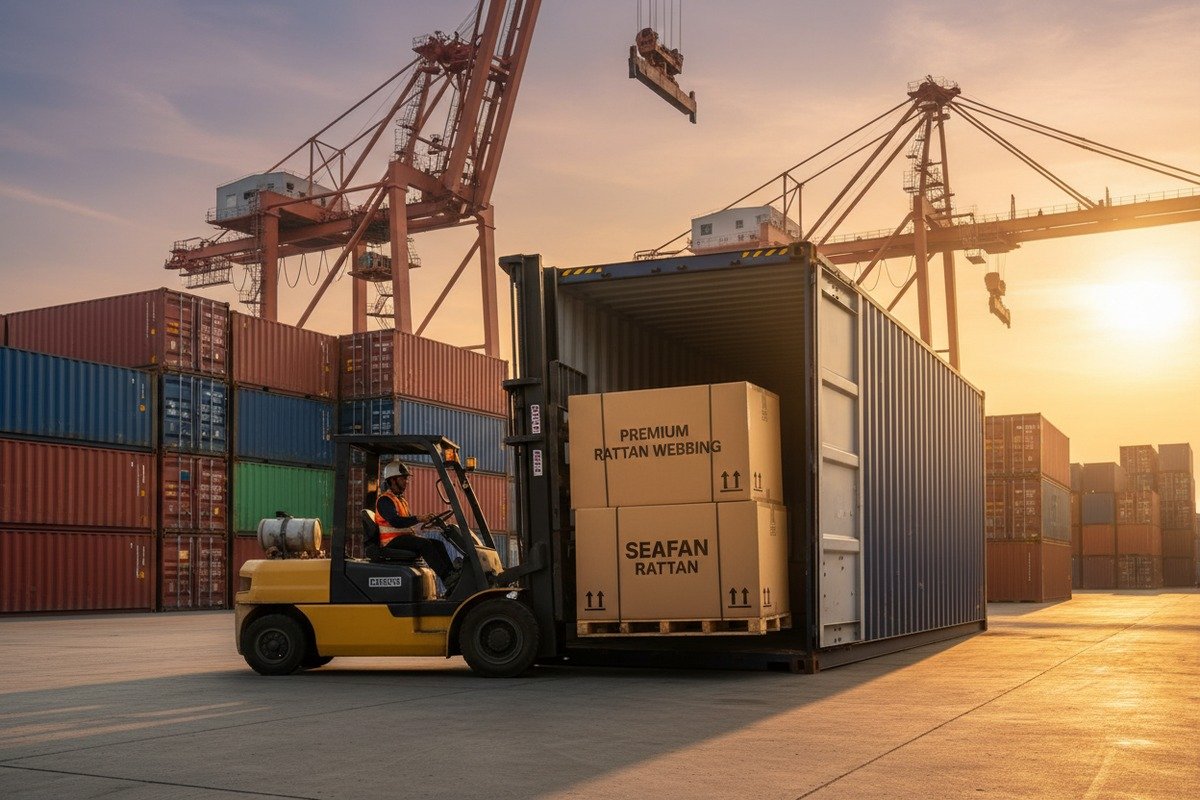
ضمان جودة متسقة وأوقات تسليم موثوقة من خلال وضع مواصفات جودة واضحة كتابيًا، وإجراء عمليات تدقيق دورية للمصانع، وطلب عمليات تفتيش قبل الشحن، وبناء مخزون احتياطي للطلب المرتفع، والحفاظ على قنوات اتصال مفتوحة مع تاجر الجملة الخاص بك طوال دورة الطلب.
بناء اتفاقية جودة
قبل طلبك الأول بالجملة، ضع توقعاتك كتابيًا. يجب أن تتضمن اتفاقية الجودة ما يلي:
- مواصفات المواد: الدرجة، نطاق قطر الخيط، حدود محتوى الرطوبة.
- تفاصيل نمط النسيج: اسم النمط، حجم فتحة الشبكة، طريقة تشطيب الحافة.
- أبعاد اللفة: العرض والطول الدقيقان، والتفاوت المقبول (على سبيل المثال، ± 1 سم).
- معايير الألوان: رقم العينة المرجعية، نطاق الظل المقبول.
- متطلبات التعبئة والتغليف: قطر الأنبوب، طبقات التغليف، تنسيق الملصقات.
- عتبات العيوب: الحد الأقصى لمعدل العيوب المقبول لكل لفة (على سبيل المثال، أقل من 2%).
يصبح هذا المستند معيارك. يتم قياس كل شحنة مقابلها. لا غموض. لا جدال.
قائمة فحص ما قبل الشحن
لا تعتمد أبدًا فقط على فحوصات الجودة الداخلية لموردك. قم بتعيين مفتش طرف ثالث أو قم بتدريب فريقك الخاص للتحقق من كل شحنة. فحص ما قبل الشحن 10 إليك ما يجب التحقق منه:
- افتح 10-15% من الكراتين بشكل عشوائي.
- قم بفك عينات من مواضع مختلفة في الشحنة (الأمام، الوسط، الخلف للحاوية).
- قم بقياس الأبعاد بشريط قياس فولاذي.
- تحقق من نمط النسيج مقابل العينة المعتمدة.
- اختبر المرونة عن طريق ثني الخيوط بزاوية 90 درجة. يجب ألا تتشقق الدرجة أ.
- افحص العفن أو تغير اللون أو تلف الحشرات.
- تحقق من سلامة التعبئة - لا توجد أنابيب مسحوقة، ولا رطوبة داخل الغلاف.
التواصل هو كل شيء
أفضل علاقات الموردين تعتمد على التواصل الواضح والمتكرر. إليك ما ينجح:
- استخدم واتساب أو وي شات للتحديثات اليومية. البريد الإلكتروني بطيء جدًا لمشاكل الإنتاج.
- اطلب صورًا أسبوعية للإنتاج. خلال دورة طلبك.
- تعيين فحوصات المعالم الرئيسية: تأكيد الطلب، وصول المواد الخام، بدء النسيج، اكتمال النسيج، التعبئة، الشحن.
- ناقش المشاكل فوراً. تأخير 24 ساعة في الإبلاغ عن مشكلة جودة يمكن أن يعني مئات اللفات المعيبة.
إدارة أوقات التسليم
تعتمد موثوقية وقت التسليم على شيئين: القدرة الإنتاجية لموردك وتخطيطك.
على جانب المورد، ابحث عن مصانع ذات نطاق جاد. المرافق التي تعمل بـ 165+ آلة بسعة 3500 طن شهرياً نادراً ما تواجه اختناقات إنتاجية. المصانع الشريكة المتعددة تضيف تكراراً - إذا تعطل خط واحد، يلتقط خط آخر زمام الأمور.
على جانبك، خطط مسبقاً. قدم الطلبات قبل 4-6 أسابيع من حاجتك للتسليم. قم ببناء مخزون احتياطي يكفي لمدة 2-3 أسابيع من الإمداد لأكثر منتجاتك مبيعاً. شارك توقعاتك الفصلية مع موردك حتى يتمكن من حجز فتحات إنتاجية.
متى يجب التفكير في مورد احتياطي
حتى أفضل مورد يمكن أن يواجه اضطرابات - نقص المواد الخام، إغلاق الموانئ، كوارث طبيعية. المشترون الأذكياء يحافظون على علاقات مع موردين مؤهلين على الأقل. هذا لا يعني تقسيم كل طلب. هذا يعني وجود بديل تم اختباره وجاهز للتفعيل عند الحاجة.
نحن نتفهم هذه الحقيقة. العديد من عملائنا يطلبون بشكل أساسي منا ولكنهم يحتفظون بمصدر ثانوي لمنتجات معينة. نحن لا نأخذ الأمر بشكل شخصي. إنها أعمال جيدة.
خاتمة
يتطلب العثور على موزع موثوق لنسيج قصب الروطان جهدًا مبدئيًا ولكنه يؤتي ثماره لسنوات. قم بتقييم الجودة بالعينات، واستورد من مصانع مثبتة، وتفاوض بإنصاف، وقم ببناء أنظمة للاتساق.
ملاحظات سفلية
1. يحدد إدارة سلسلة التوريد ودورها الحاسم في الاقتصادات العالمية. ↩︎
2. HTTP 429 ↩︎
3. يقدم نظرة عامة شاملة على نسيج قصب الروطان، وأصله، وإنتاجه. ↩︎
4. يقدم تعريفًا من ويكيبيديا للتكامل الرأسي وفوائده في سلاسل التوريد. ↩︎
5. يحدد خصومات الحجم وكيف تحفز المشتريات الأكبر في أسواق الجملة. ↩︎
6. يحدد أدوار ومسؤوليات فريق مراقبة الجودة في التصنيع. ↩︎
7. يصف خصائص واستخدامات نمط نسج الراديو في نسيج الروطان. ↩︎
8. يسلط الضوء على متانة ومقاومة الروطان الاصطناعي للعوامل الجوية للتطبيقات الخارجية. ↩︎
9. يشرح أهمية التحكم في محتوى الرطوبة لجودة ومتانة الأثاث. ↩︎
10. يشرح الغرض وخطوات فحص ما قبل الشحن لمراقبة الجودة. ↩︎
 English
  Español de México
  العربية
  Deutsch
  Français
  Русский