
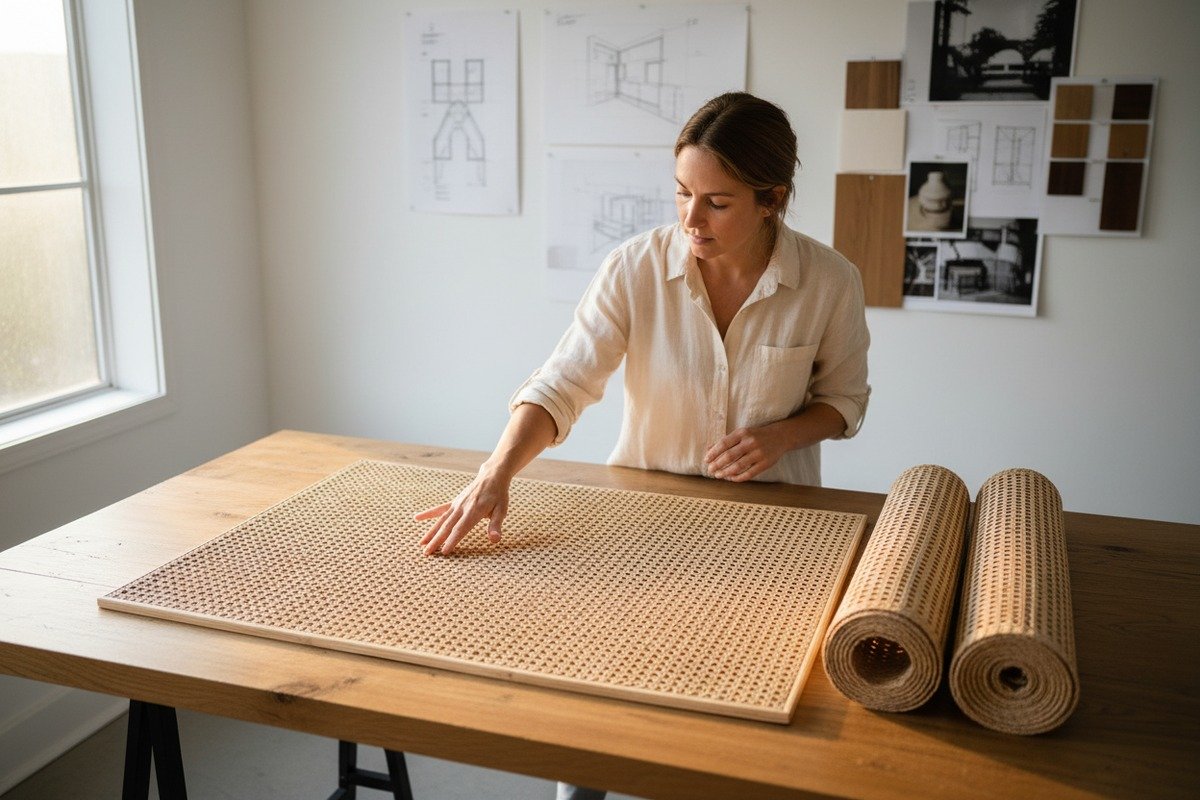
Choosing the right weave pattern can make or break a furniture project close-woven patterns 1. Over the years running our rattan production lines, we have seen buyers struggle with this exact decision — hexagonal, square, close-woven, or open grid? Pick wrong, and you face aesthetic mismatches, durability complaints, or inflated costs that eat into your margins.
Hexagonal weave natural rattan cane webbing stands out from other patterns through its open, star-like geometric design, superior decorative appeal, and balanced airflow. Compared to square or close-woven patterns, it offers a more intricate texture ideal for premium furniture and interior design projects, though it requires more labor-intensive production.
In this article, we break down the hexagonal weave 2 against every major alternative — square, radio, close-woven, and open grid. You will find side-by-side comparisons on durability, cost, aesthetics, and practical use so you can make a confident sourcing decision.
Why should I choose hexagonal weave over square or radio patterns for my furniture manufacturing?
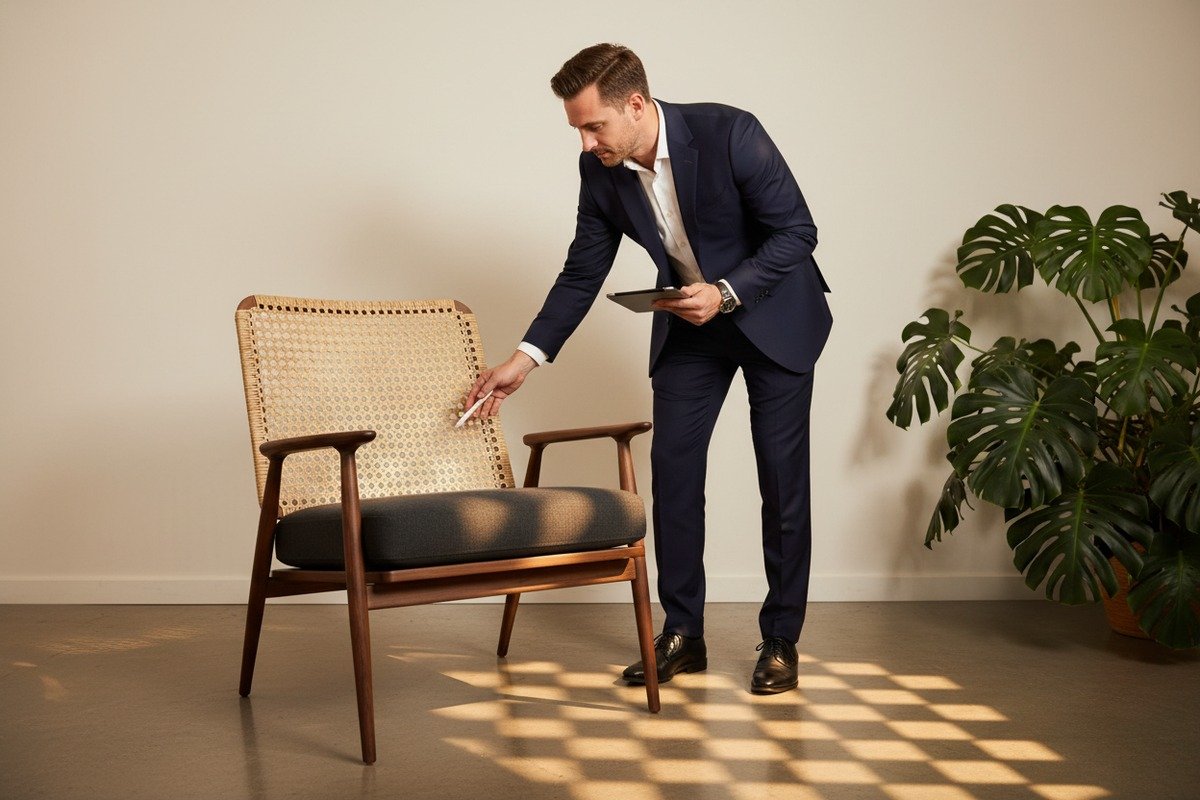
When we consult with furniture factory buyers across Europe and Southeast Asia, the first question is almost always about pattern choice interior design projects 3. Many default to square weave 4 because it feels safe. But safe does not always mean profitable — and it rarely means memorable on the showroom floor.
Hexagonal weave should be your choice over square or radio patterns when your furniture line targets mid-to-premium markets that value decorative texture, visual depth, and artisan craftsmanship. It creates an airy, star-like openness that square weaves simply cannot replicate, elevating the perceived value of finished pieces.
How the Weaving Process Differs
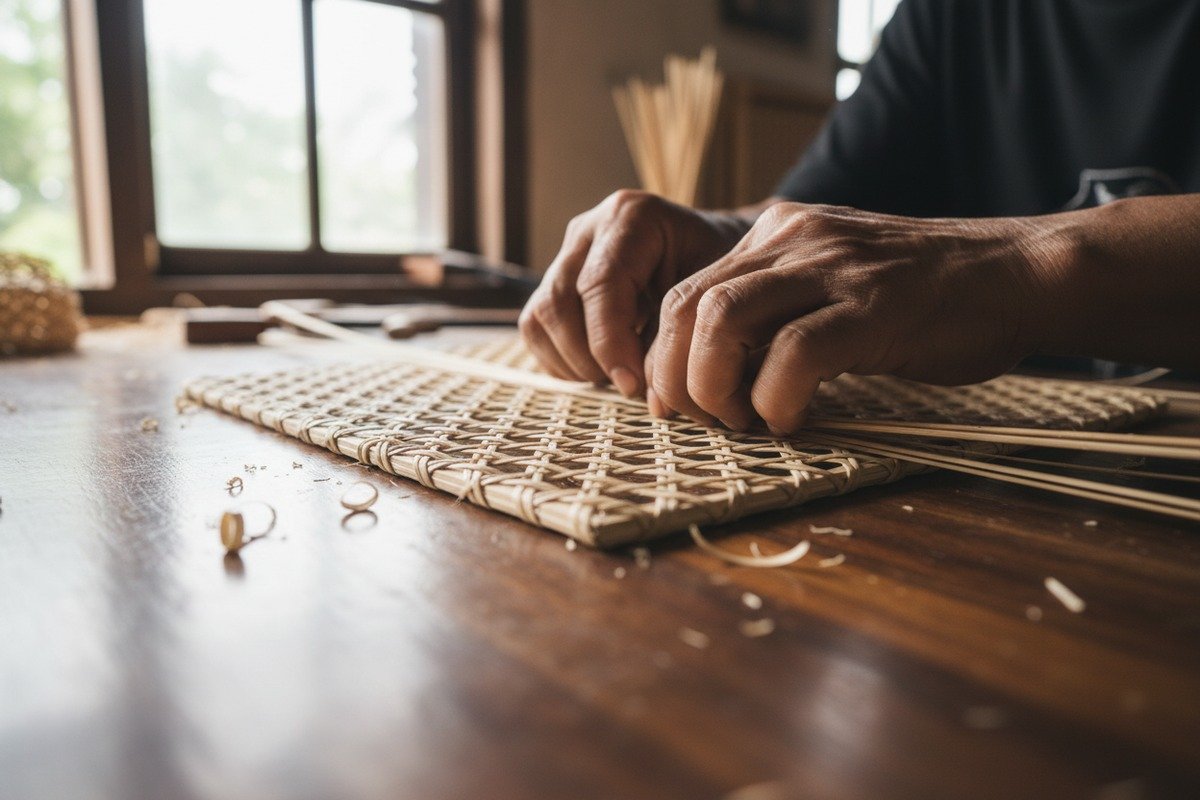
The square or radio weave is the simplest form of rattan cane webbing 5. Artisans lay horizontal and vertical strips in a basic grid. The result is a tight, uniform pattern with square openings. It is fast to produce and easy to scale.
Hexagonal weave starts with this same square base. But then artisans manually insert additional cane strips at 45-degree angles. These diagonal insertions create the hollow hexagon or octagon voids that define the pattern. This extra step doubles the weaving complexity.
In our Indonesian processing facility, a skilled weaver produces roughly 30% less hexagonal webbing per day compared to square. That is the trade-off. You pay more in labor, but you get a pattern that stops people in their tracks.
Pattern Comparison at a Glance
| الميزة | نسيج سداسي | مربع / نسيج راديو | منسوج بإحكام |
|---|---|---|---|
| الانفتاح البصري | High — airy, star-like voids | Medium — uniform square gaps | Low — solid, continuous surface |
| Production complexity | High — requires 45° diagonal inserts | Low — basic grid weaving | Medium — tight, dense weaving |
| Labor time per meter | 1.5–2× longer than square | خط الأساس | 1.2–1.5× longer than square |
| الأنسب لـ | Cabinet doors, screens, premium chairs | General furniture panels, seats | Shutters, cabinet panels, modern furniture |
| Beginner DIY friendliness | معتدل | مرتفع | معتدل |
| Airflow & breathability | ممتاز | جيد | الحد الأدنى |
When Square Weave Makes More Sense
Square weave is not inferior. It is different. If your production runs demand thousands of identical panels with tight tolerances, square gives you speed and uniformity. For chair seats where structural consistency matters more than decorative flair, square is practical.
But here is the reality we see in our order books: buyers who switch from square to hexagonal for their premium lines report stronger sell-through rates. The pattern photographs well for e-commerce catalogs. It catches light differently. Interior designers specifically request it for boho, tropical, and biophilic projects.
Radio Cane — A Quick Clarification
Some buyers confuse radio cane with square weave. They are essentially the same thing. "Radio cane" is an older term from the era when woven cane covered radio speaker fronts. If a supplier offers "radio weave," expect a standard square grid pattern.
The hexagonal pattern is sometimes also called open weave, star pattern, or hex circle grid. Different names, same product. When sourcing, always request a physical sample or high-resolution photo to confirm the exact pattern.
How does the durability of hexagonal rattan webbing compare to other weaves for my high-end projects?
Durability is always the second question after aesthetics. Our quality control team tests every batch before it ships, and we have accumulated years of comparative data across weave types. The answer is more nuanced than most suppliers will tell you.
Hexagonal rattan webbing offers comparable structural durability to square weave for indoor applications, with its interlocking diagonal strips adding lateral stability. However, its open structure makes it slightly more vulnerable to snag damage and environmental stress than close-woven alternatives, so proper installation and indoor placement are critical for longevity.
Structural Integrity of the Hex Pattern
The hexagonal weave is often underestimated for its strength. Because it incorporates strips running in three directions — horizontal, vertical, and diagonal — the load distribution is actually more balanced than a simple two-direction square weave. Think of it like a truss structure in engineering. The triangulated geometry resists deformation.
That said, the open voids mean less material per square meter. In tension tests at our facility, hexagonal webbing shows about 10–15% less tensile resistance per unit area compared to close-woven cane. For decorative panels, screens, and cabinet inserts, this difference is negligible. For seat bottoms under heavy daily use, it matters.
Environmental Vulnerability
All natural rattan cane shares the same weaknesses: moisture, prolonged التعرض للأشعة فوق البنفسجية 6, and extreme temperature swings. The weave pattern does not change the material itself. However, the open structure of hexagonal weave means more surface area of each strip is exposed to air and light. This can accelerate fading if placed in direct sunlight.
Our recommendation for high-end projects is straightforward. Use hexagonal weave indoors or in covered outdoor spaces. If your client insists on full outdoor exposure, consider synthetic rattan with the hexagonal pattern — we produce both at our Foshan facilities.
Durability by Weave Pattern
| عامل المتانة | نسيج سداسي | نسيج مربع | منسوج بإحكام | Open Grid (9mm hex circle) |
|---|---|---|---|---|
| قوة الشد 7 per unit area | جيد | جيد | ممتاز | معتدل |
| Sag resistance over time | Good — diagonal strips help | معتدل | ممتاز | Lower — larger openings |
| UV fade resistance | Moderate — more exposed surface | معتدل | Better — less exposed | معتدل |
| Moisture resistance (untreated) | منخفض | منخفض | منخفض | منخفض |
| Snag and puncture resistance | معتدل | معتدل | مرتفع | منخفض |
| Recommended lifespan (indoor) | 8-15 سنة | 8-15 سنة | 10-20 سنة | 5-10 سنوات |
نصائح الصيانة لطول العمر
Keep hexagonal webbing away from direct water contact. Wipe with a damp cloth, never soak it. A light coat of clear lacquer or rattan sealant every two to three years extends life significantly. For our clients who supply building materials, we often recommend including a simple care card with each roll sold — it reduces after-sale complaints dramatically.
One common myth we hear: "Hexagonal weave is weaker because it has holes." This misunderstands the geometry. The strength comes from the interconnected cane strips, not from solid coverage. A well-woven hexagonal panel, graded AAA with proper cane thickness, will outlast a poorly woven close-woven sheet every time.
Stiffening for Easier Installation
Many of our wholesale clients now request pre-stiffened hexagonal webbing. We apply a light starch-based stiffener during processing. This makes the webbing easier to cut, handle, and install into frames without distortion. It does not affect long-term durability. Once installed and slightly moistened, the cane relaxes and conforms to the frame shape naturally.
Can I get better pricing and quality consistency with hexagonal weave compared to alternative patterns?
Pricing conversations with our B2B buyers always come down to the same equation: unit cost versus perceived value. When we quote hexagonal webbing alongside square, the price gap triggers questions. But the real question should be about margin, not just cost.
Hexagonal weave costs 20–40% more per linear meter than square weave due to higher labor intensity, but it delivers stronger retail margins and market differentiation. Quality consistency depends heavily on supplier capability — working with manufacturers who control their own weaving facilities ensures uniform grading, strip width, and pattern accuracy across large orders.
فهم هيكل التكلفة
The price difference between hexagonal and square weave comes almost entirely from labor. The raw material — natural rattan cane strips peeled from نخيل الروطان 8 — is identical. The same AAA-grade, semi-bleached strips go into both patterns. What changes is weaving time.
At our partner factories in Vietnam and our own facility in Indonesia, hexagonal weave requires experienced artisans. Not every weaver can produce consistent hex patterns. The 45-degree diagonal insertions must be precise. Too tight, and the hexagons collapse. Too loose, and the pattern looks uneven. This skill premium gets built into the price.
Price Comparison by Pattern
| نمط | Avg. Price Range (USD/linear meter, 24" width) | كثافة العمالة | Skill Level Required | الحد الأدنى لمرونة الطلب |
|---|---|---|---|---|
| مربع / نسيج راديو | $3.50 – $6.00 | منخفض | Entry-level weaver | High — easy to scale |
| سداسي / نسيج مفتوح | $5.00 – $8.50 | مرتفع | Experienced artisan | Moderate — limited by skilled labor |
| منسوج بإحكام | $4.50 – $7.50 | متوسط إلى مرتفع | متوسط | معتدل |
| Open Grid (9mm hex circle) | $4.00 – $7.00 | متوسط | متوسط | معتدل |
These ranges reflect FOB pricing from Southeast Asian origins. Actual landed costs depend on your shipping terms, order volume, and any finishing treatments like stiffening or custom coloring.
Quality Consistency Challenges
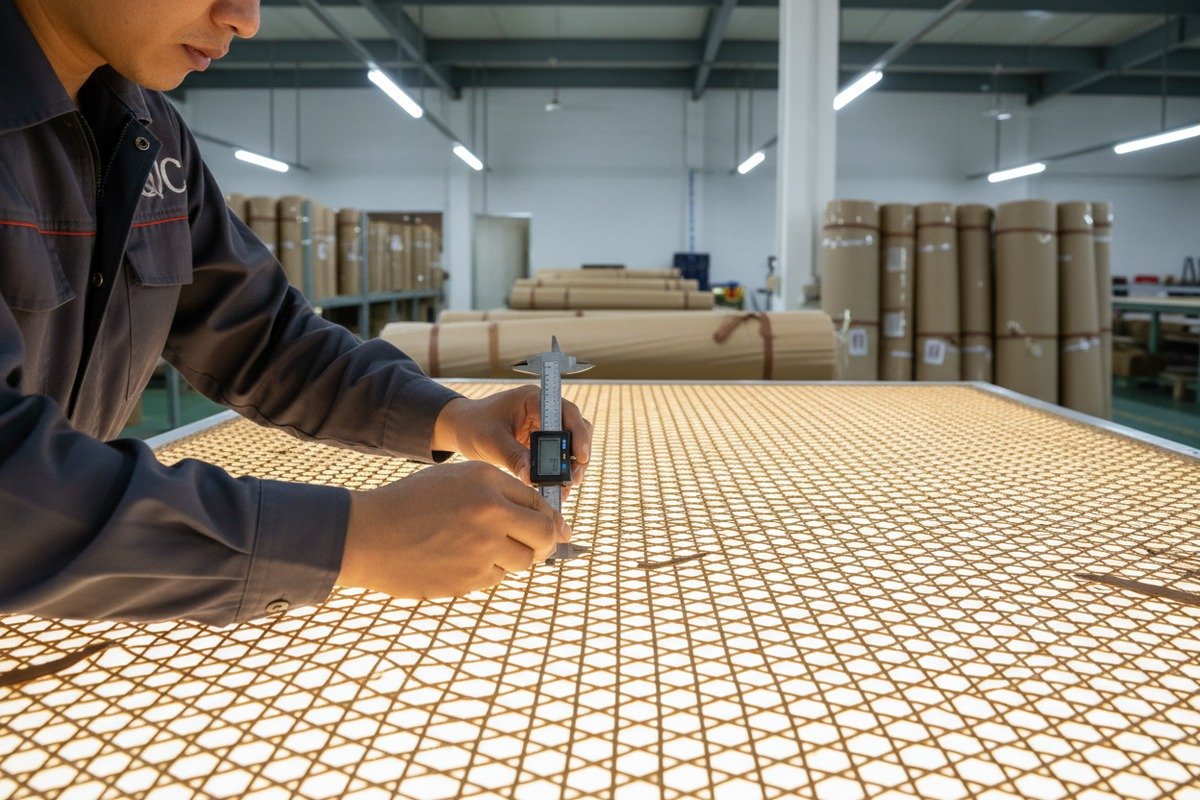
Quality inconsistency is the number one pain point our purchasing manager clients report. With hexagonal weave, the risks include uneven hexagon sizing, inconsistent strip spacing, and color variation between rolls.
Here is how we address this at Seafan Rattan. First, we source only AAA-grade cane strips with uniform width and thickness. Second, our quality inspectors check pattern consistency every five meters during production. Third, we maintain a color-matching system for semi-bleached and brown finishes to minimize batch-to-batch variation.
If you are buying from a trader who sources from multiple small workshops, expect inconsistency. The workshops use different strip widths, different tension during weaving, and different moisture content in the cane. This is why working directly with a manufacturer who controls the full chain 9 matters so much for hexagonal weave specifically.
اعتبارات التعبئة والشحن
Hexagonal webbing's open structure makes it slightly more vulnerable to crushing during transit than close-woven alternatives. We ship in reinforced cardboard tubes for rolls and use rigid flat-pack crating for sheet orders. Packaging durability is a real concern — we have seen competitors lose entire shipments to moisture damage from poor wrapping.
For high-volume buyers, we recommend palletized shipping with moisture-barrier wrap and silica gel packs. The extra $0.15–$0.30 per roll in packaging cost prevents thousands of dollars in claims.
Which weaving pattern offers the best aesthetic value for my building material supply business?
Our building material wholesale clients think differently from furniture manufacturers. They need patterns that appeal to the broadest possible customer base — interior designers, contractors, DIY enthusiasts, and retail consumers. From what we have shipped to the Netherlands, Australia, and the Middle East, aesthetic versatility drives repeat orders more than any single feature.
For building material supply businesses, hexagonal weave offers the strongest aesthetic value due to its versatile appeal across boho, tropical, vintage, and biophilic design trends. Its intricate geometric pattern photographs exceptionally well for catalogs and e-commerce, creating perceived premium value that supports higher retail margins compared to simpler square or close-woven options.
The Visual Impact Factor
Aesthetic value is subjective, but market data is not. The current interior design landscape is dominated by sustainability-driven trends — التصميم الحيوي 10, boho-chic, Japandi minimalism, and tropical modern. Hexagonal weave fits naturally into all of these.
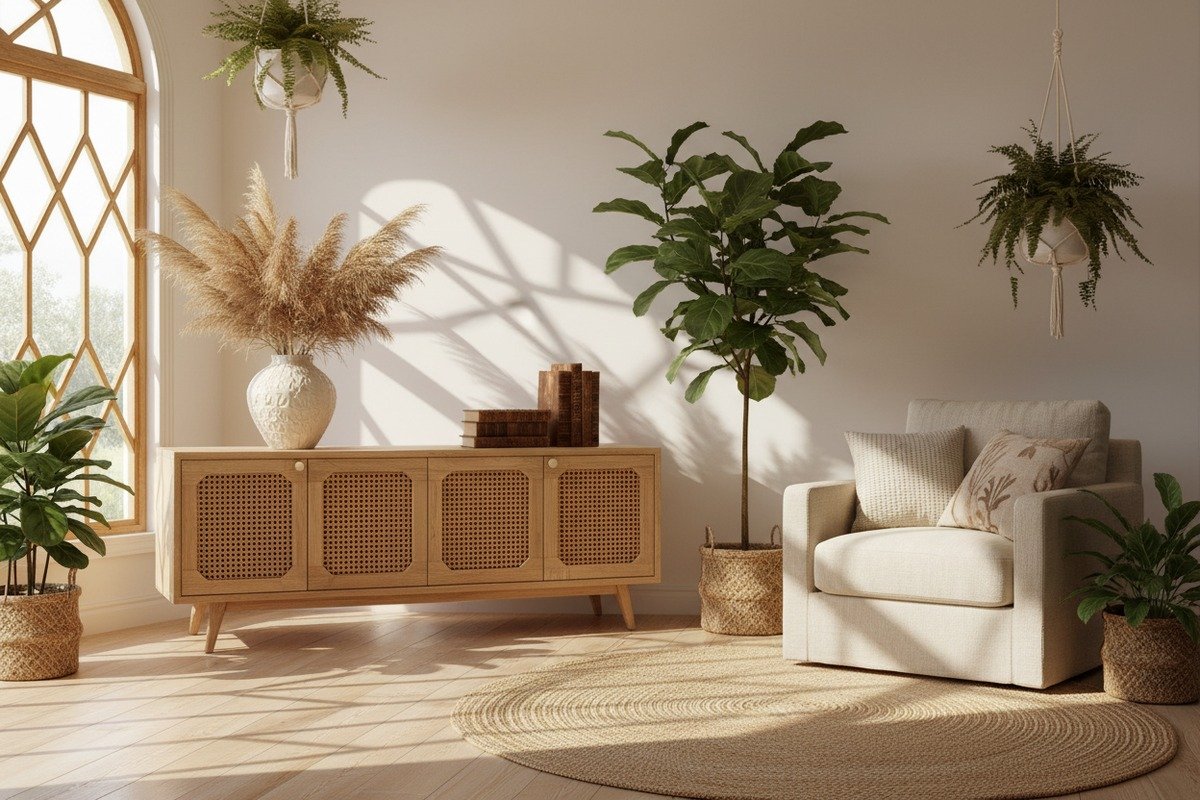
The star-like voids catch light and create shadow patterns that change throughout the day. This dynamic visual quality makes hexagonal webbing a favorite for decorative screens, room dividers, cabinet door inserts, and pendant light shades. Square weave, while clean and orderly, lacks this dimensional quality.
Close-woven cane serves a different purpose. It provides a solid, uniform surface that works beautifully for shutter panels and modern cabinet fronts where you want texture without visual complexity. It is the quiet option. Hexagonal is the statement piece.
Trend Alignment by Pattern
The rise of DIY furniture repair and upcycling has been enormous for the rattan webbing market. Platforms like Etsy, Pinterest, and Instagram drive demand for specific patterns. Hexagonal weave is the most photographed and shared pattern in this space.
For your supply business, this means stocking hexagonal weave gives you access to the fastest-growing customer segment. DIY customers search for "hexagonal rattan cane webbing" specifically. They want to transform IKEA cabinets, build headboards, and create decorative panels.
Application Suitability by Pattern
Beyond pure aesthetics, each pattern suits certain applications better than others.
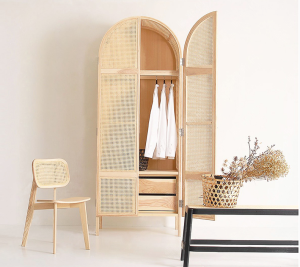
Hexagonal weave excels in cabinet doors where light needs to pass through, media console fronts where airflow and subtle sound transmission are desired, and decorative wall panels. Its open structure even allows for creative backlighting installations — a growing trend in hospitality design.
Square weave works best for chair seats, general furniture panels, and projects where a cleaner, more traditional look is needed. It is also the easier pattern for customers to work with in DIY repairs.
Close-woven cane dominates in applications requiring visual solidity — shutters, sliding doors, and modern furniture where the rattan texture is desired but not the openness.
Customization and Innovation Opportunities
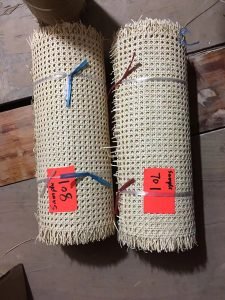
One area where hexagonal weave shines for building material suppliers is customization. We now offer hexagonal webbing in multiple finishes: natural semi-bleached, brown, dark walnut stain, and even white wash. Width options range from 16 inches to 36 inches, with 24 inches being the standard.
Some of our more creative clients layer hexagonal webbing over colored fabric or translucent panels to create entirely new visual effects. Others request our pre-stiffened version for easier retail packaging and customer handling. These value-added options differentiate your supply business from commodity sellers.
The key insight from our experience across 15+ export markets is this: hexagonal weave gives your business a story to tell. It connects to artisan traditions in Southeast Asia. It speaks to sustainability because rattan is a renewable climbing palm that grows without replanting. These narratives matter enormously to today's end consumers.
خاتمة
Hexagonal weave natural rattan cane webbing earns its premium through superior aesthetics, balanced durability, and strong market demand — making it the pattern most likely to elevate your product line and profit margins.
ملاحظات سفلية
1. Explains how fabrics are woven, with density being a key characteristic of close-woven patterns. ↩︎
2. Details the hexagonal plaiting technique, its unique three-directional structure, and applications. ↩︎
3. Discusses current and emerging trends relevant to interior design projects and aesthetics. ↩︎
4. Wikipedia provides a comprehensive and authoritative definition of plain weave, which is synonymous with square weave in textile terminology. ↩︎
5. Explains what rattan cane webbing is and its historical use in furniture. ↩︎
6. Discusses how UV light affects materials, leading to degradation and property changes. ↩︎
7. Explains what tensile strength is and its importance in evaluating material durability. ↩︎
8. Provides a comprehensive overview of rattan, its species, and traditional uses. ↩︎
9. Defines supply chain management and its coordination of production flow. ↩︎
10. Outlines the core principles and benefits of biophilic design in built environments. ↩︎
 English
  Español de México
  العربية
  Deutsch
  Français
  Русский