
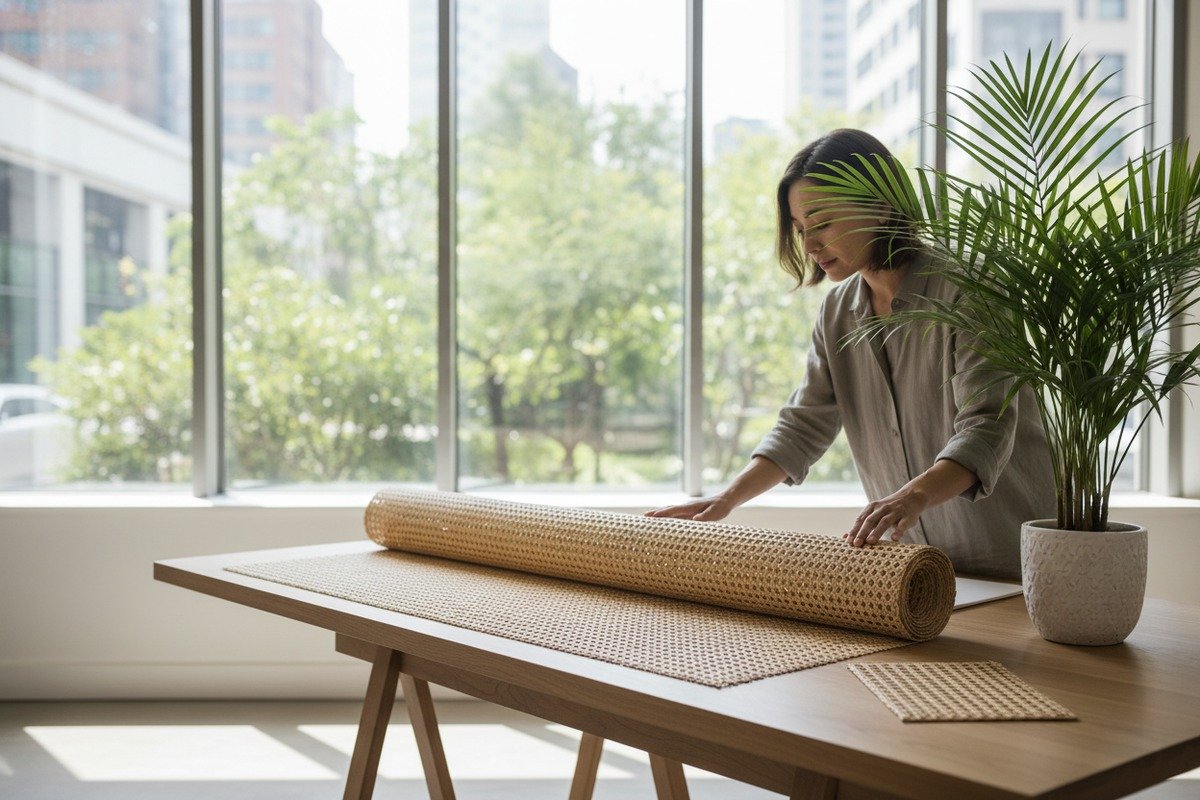
كل أسبوع في أرض الإنتاج لدينا في فوشان، نتعامل مع أطنان من rattan cane webbing 1 — ويتزايد طلب المشترين منا على سؤال واحد: ما هي التكلفة الحقيقية لهذا المادة على الكوكب؟
إن إنتاج شبكات قصب الروطان له تأثير بيئي منخفض بشكل عام مقارنة بالبدائل الاصطناعية. فهو يستخدم أشجار الروطان سريعة النمو والمتجددة التي تنضج في غضون 2-7 سنوات دون الحاجة إلى إزالة الغابات، وينتج منتجات قابلة للتحلل بالكامل، ويتضمن الحد الأدنى من المعالجة الكيميائية في جميع أنحاء سلسلة التوريد.
لكن “التأثير المنخفض” لا يعني “انعدام التأثير”. من الحصاد في الغابات الاستوائية إلى حاويات الشحن عبر المحيطات، هناك تكاليف بيئية حقيقية تستحق الفحص. الغابات المطيرة الاستوائية 2 دعنا نفصل كل مرحلة من مراحل العملية حتى تتمكن من اتخاذ قرارات توريد مستنيرة.
كيف يؤثر حصاد الروطان لنسيج القصب الخاص بي على الغابات المطيرة الاستوائية؟
عندما تزور فرقنا منشأة معالجة الروطان لدينا في إندونيسيا، نمشي عبر الغابات حيث تتسلق أشجار الروطان بجانب أشجار الخشب الصلب الشاهقة. العلاقة بين حصاد الروطان وصحة الغابات أكثر دقة مما يدركه معظم المشترين.
حصاد الروطان لا يتطلب بشكل عام قطع الأشجار أو تجريف الأراضي. الروطان هو نخيل متسلق ينمو داخل مظلات الغابات الموجودة، ويقوم الحصادون المهرة بسحب القصب دون إسقاط الأشجار المضيفة، مما يجعله أحد أقل المنتجات الحرجية تدميراً المتاحة.
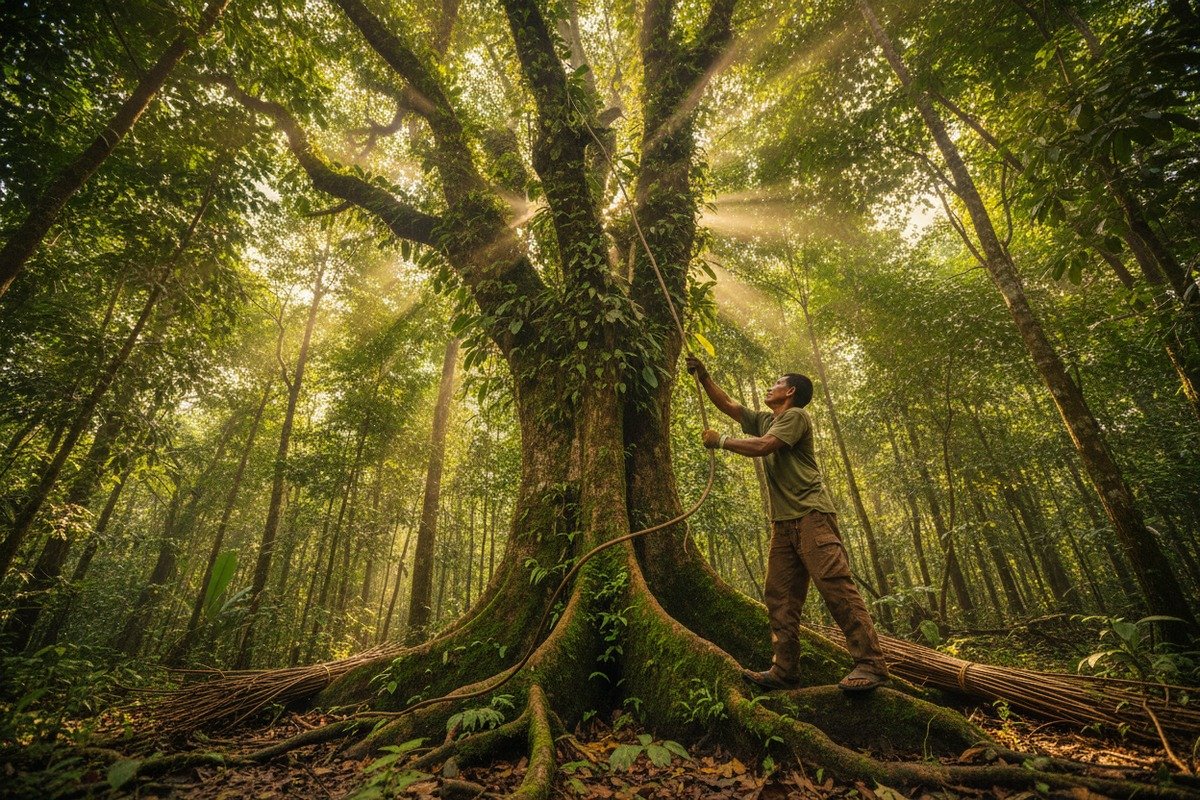
كيف ينمو الروطان في البرية
الروطان ليس شجرة. إنه نخيل متسلق 3 يلتف حول الأشجار الأخرى أثناء نموه نحو ضوء الشمس. هناك أكثر من 600 نوع من الروطان 4. تنمو معظم الأصناف التجارية في جنوب شرق آسيا — إندونيسيا، الفلبين، ماليزيا، وأجزاء من فيتنام. تنضج النبتة في غضون 2 إلى 7 سنوات فقط، مقارنة بـ 20 إلى 30 عامًا للأخشاب الصلبة الشائعة مثل خشب الساج أو الماهوجني. تعني دورة النمو السريعة هذه أن الغابات يمكن أن تجدد مخزون الروطان بشكل أسرع بكثير من موارد الأخشاب.
ما يجعل الروطان فريدًا هو أن الحصادين لا يحتاجون إلى إزالة الأراضي. يدخلون الغابة، ويقطعون كرمة الروطان من قاعدتها، ويسحبونها من المظلة. تبقى الشجرة المضيفة واقفة. يبقى نظام الجذور سليمًا. تنمو براعم جديدة من نفس النبات. بهذه الطريقة، يمكن أن يوفر حصاد الروطان حافزًا اقتصاديًا للمجتمعات المحلية للحفاظ على الغابات الواقفة بدلاً من تحويلها إلى زراعة أو مزارع زيت النخيل.
خطر الحصاد المفرط
ومع ذلك، ليس كل حصاد متساوٍ. في المناطق التي تفتقر إلى الإدارة السليمة، انخفضت أعداد الروطان البري بشكل كبير. عندما يقطع الحصادون الكثير من السيقان من منطقة واحدة، لا يمكن للنباتات أن تتجدد بالسرعة الكافية. في بعض الحالات، يتلف الحصادون أو حتى يقطعون الأشجار المضيفة للوصول إلى الروطان الذي ينمو عالياً في المظلة. هذا يلغي الميزة الأساسية التي تجعل الروطان مستدامًا.
| عامل | الحصاد المستدام | الحصاد غير المستدام |
|---|---|---|
| تأثير الشجرة | الأشجار المضيفة المتروكة واقفة | الأشجار المضيفة تُقطع أحيانًا للوصول إليها |
| معدل إعادة النمو | براعم جديدة في غضون موسم إلى موسمين | مخزونات مستنفدة، تعافي بطيء |
| التنوع البيولوجي | النظام البيئي للغابات محفوظ | اضطراب الموائل للحياة البرية |
| منفعة مجتمعية | دخل طويل الأجل للحصادين | مكسب قصير الأجل، خسارة طويلة الأجل |
| الشهادات | معتمد من FSC أو ما يعادله | لا يوجد تحقق من طرف ثالث |
لماذا يهم الاعتماد لسلسلة التوريد الخاصة بك
من تجربتنا في التصدير إلى أسواق هولندا وأستراليا والولايات المتحدة، رأينا متطلبات المشترين تتغير بشكل كبير. يطلب المزيد من مديري المشتريات الآن شهادة مجلس رعاية الغابات (FSC) 5 أو وثائق معادلة. تتحقق هذه الشهادة من أن الروطان تم حصاده من مصادر مُدارة بمسؤولية. تضمن عدم حدوث قطع أشجار غير قانوني. تؤكد أن المجتمعات المحلية استفادت بشكل عادل.
إذا لم يتمكن المورد الخاص بك من تقديم وثائق التتبع، فلا يوجد ضمان بأن الروطان جاء من مصدر مُدار جيدًا. نوصي دائمًا بطلب سجلات سلسلة العهدة 6. سيقوم تاجر الجملة ذو السمعة الطيبة بتجهيز هذه.
الروطان مقابل الأخشاب: مقارنة تأثير الغابات
ضع في اعتبارك الصورة الأوسع. مصنع أثاث يتحول من ألواح الخشب الصلب إلى حشوات شبكية من قصب الروطان يحدث فرقًا قابلاً للقياس. يتطلب الخشب الصلب قطع الأشجار الناضجة. الروطان لا يفعل ذلك. غالبًا ما تحل مزارع الأخشاب محل الغابات الأصلية. ينمو الروطان داخل الغابات الأصلية. الخيار واضح عندما تنظر إلى البيانات - الروطان، عند الحصول عليه بشكل صحيح، يدعم الحفاظ على الغابات بدلاً من تدميرها.
ما هي المواد الكيميائية المستخدمة أثناء معالجة مواد الروطان الخاصة بي؟
في أرضية مصنعنا، نقوم بمعالجة أعواد الروطان الخام إلى ألواح شبكية من القصب النهائية ولفائف يوميًا. أحد أكثر الأسئلة تكرارًا من المشترين - خاصة أولئك الذين يخدمون السوق الأوروبية - يتعلق باستخدام المواد الكيميائية. قد تفاجئك الإجابة.
يتطلب نسيج قصب الروطان الطبيعي الحد الأدنى من المعالجة الكيميائية. تتضمن عملية الإنتاج إزالة اللحاء الخارجي ميكانيكيًا، وتقطيعه إلى شرائط منتظمة، ونقعه في الماء لجعله مرنًا، ونسجه يدويًا في ألواح. لا توجد حاجة لمواد كيميائية صناعية ضارة لنسيج التشطيب الطبيعي القياسي.
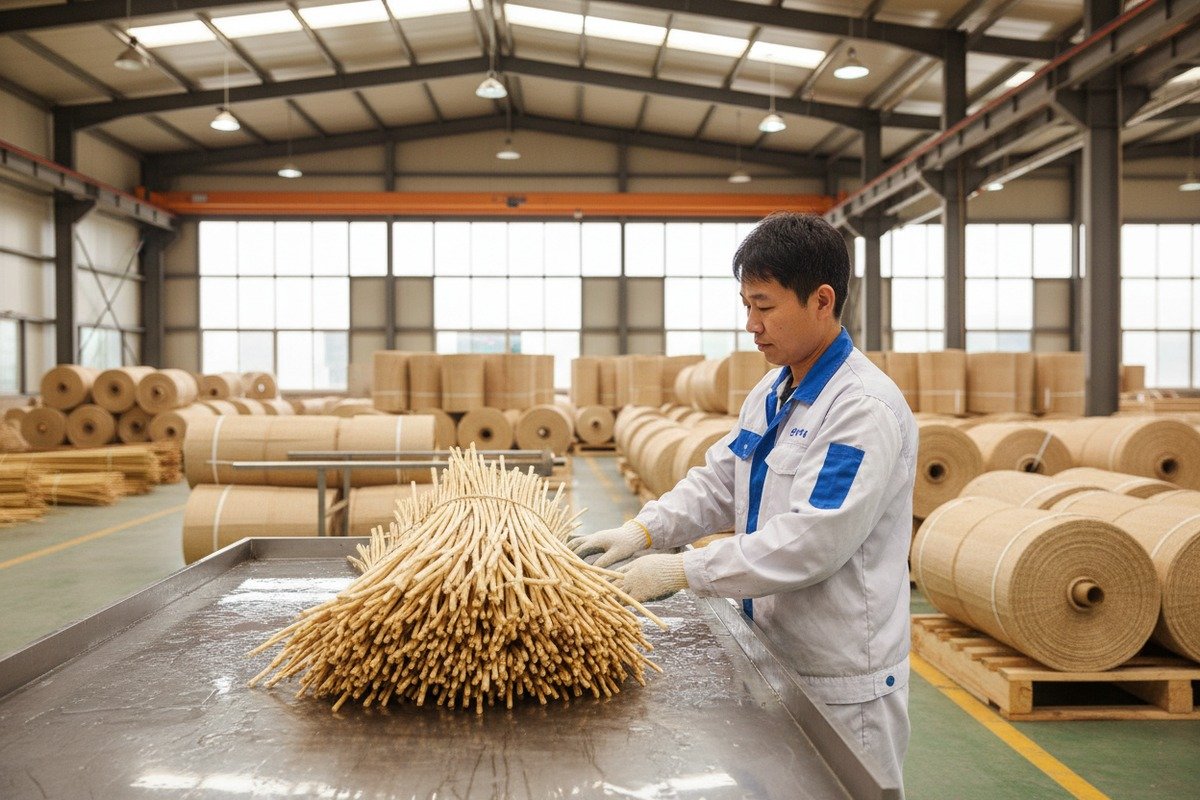
عملية الإنتاج القياسية
دعنا نمر عبر كيفية تحويلنا لعصا الروطان الخام إلى لوح شبكي تستلمه. أولاً، يتم تقشير اللحاء الخارجي - طبقة القصب - من العصا باستخدام أدوات بسيطة. هذا الجلد هو أقوى جزء من الروطان. يصبح المادة الخام لشبكة القصب. بعد ذلك، يقوم العمال بقطع اللحاء إلى شرائط موحدة بعرض محدد. يتم نقع هذه الشرائط في الماء العادي لجعلها مرنة. ثم يقوم النساجون المهرة بنسجها في أنماط - شبكة مفتوحة سداسية، أو نسج سلة مربع ضيق، أو زخارف ماسية. يتم تجفيف الألواح النهائية وفحصها وتعبئتها.
في أي نقطة في هذه العملية الأساسية لا نحتاج إلى إضافة مواد كيميائية صناعية. المادة قوية ومرنة بشكل طبيعي. الماء هو عامل المعالجة الأساسي. هذا يتناقض بشكل صارخ مع مواد مثل MDF، أو الخشب الرقائقي، أو المنسوجات الصناعية التي تتطلب مواد لاصقة قائمة على الفورمالديهايد 7, ، أو أصباغ كيميائية، أو راتنجات مشتقة من البترول.
عندما تدخل المواد الكيميائية في الصورة
هناك مواقف تدخل فيها المواد الكيميائية بالفعل. فهم هذه الاستثناءات يساعدك على اتخاذ قرارات شراء أفضل.
| مرحلة المعالجة | المواد الكيميائية المستخدمة | الغرض | المخاوف البيئية |
|---|---|---|---|
| التبييض | Hydrogen peroxide 8 أو الكبريت | تفتيح اللون الطبيعي | يمكن للكبريت أن يطلق انبعاثات SO₂؛ تحتاج مياه الصرف الصحي إلى معالجة |
| الصباغة/التلوين | أصباغ مائية أو مذيبة | تخصيص اللون | تحتوي الأصباغ المذيبة على مركبات عضوية متطايرة؛ الأصباغ المائية أكثر أمانًا |
| التشطيب/الطلاء | ورنيش، أو طلاء، أو بولي يوريثان | حماية من الرطوبة | تطلق الطلاءات الاصطناعية مركبات عضوية متطايرة؛ الزيوت الطبيعية أكثر أمانًا |
| معالجة الآفات | محاليل قائمة على البورون | منع تلف الحشرات | سمية منخفضة ولكنها تتطلب تعاملاً حذراً |
| منع العفن | مبيدات الفطريات أثناء التخزين | منع العفن في المناخات الرطبة | يمكن أن تترك بقايا إذا تم تطبيقها بشكل مفرط |
اختيار الطبيعي بدلاً من المعالج
نسيج الخيزران المبيض لدينا، على سبيل المثال، يخضع لعملية تفتيح باستخدام بيروكسيد الهيدروجين - وهو نفس المركب المستخدم في المنتجات المنزلية. هذا ألطف بكثير من تبييض الكلور المستخدم في صناعة الورق. للمشترين الذين يريدون أفتح لون ممكن بدون مواد كيميائية، نوصي بنسيجنا الطبيعي غير المبيض.
النقطة الرئيسية هي هذه: كلما ظل الخيزران أقرب إلى حالته الطبيعية، قلت المواد الكيميائية المتضمنة. إذا طلبت نسيج الخيزران الطبيعي بدون صبغة، بدون تبييض، وبدون تشطيب اصطناعي، فأنت تحصل على منتج معالج بالماء وأشعة الشمس - لا شيء أكثر.
الخيزران الاصطناعي: قصة كيميائية مختلفة
نسيج الخيزران الاصطناعي الخاص بنا - مصنوع من البولي إيثيلين (PE) البلاستيكي 9 - يحكي قصة كيميائية مختلفة تمامًا. تُصنع هذه المنتجات من بوليمرات مشتقة من البترول. تتطلب عملية البثق طاقة كبيرة. المنتج النهائي، على الرغم من متانته ومقاومته للعوامل الجوية، غير قابل للتحلل البيولوجي. سيظل في مدافن النفايات لقرون. عندما يطلب منا المشترون مقارنة الاثنين، نكون شفافين: الخيزران الطبيعي هو الفائز الواضح من حيث التأثير الكيميائي، بينما يتمتع الخيزران الاصطناعي بمزايا فقط في مقاومة العوامل الجوية الخارجية.
انبعاثات المركبات العضوية المتطايرة وجودة الهواء الداخلي
بالنسبة لمصانع الأثاث التي تنتج سلعًا للاستخدام الداخلي، فإن انبعاثات المركبات العضوية المتطايرة مهمة للغاية. يطلق الخيزران الطبيعي غير المعالج صفر المركبات العضوية المتطايرة 10. يساهم في جودة هواء داخلي أكثر صحة. هذه نقطة بيع يهتم بها عملاؤك النهائيون بشكل متزايد، خاصة في أسواق مثل ألمانيا واسكندنافيا والولايات المتحدة حيث معايير جودة الهواء الداخلي صارمة.
هل يعتبر قش الروطان خيارًا أكثر استدامة لإنتاج الأثاث الخاص بي من البلاستيك؟
نقوم بشحن حاويات من شرائط الروطان الطبيعية والاصطناعية إلى مصانع الأثاث في جميع أنحاء العالم. عندما يسألنا مشترٍ جديد في تركيا أو هولندا أي خيار هو "أكثر صداقة للبيئة"، فإن المحادثة تعود دائمًا إلى التفكير في دورة الحياة.
يعتبر قماش الروطان الطبيعي أكثر استدامة بشكل كبير من البدائل البلاستيكية لإنتاج الأثاث. ينمو بشكل متجدد في غضون 2-7 سنوات، ويتحلل بيولوجيًا في نهاية عمره، ويتطلب الحد الأدنى من الطاقة للمعالجة، ويدعم المجتمعات التي تعتمد على الغابات - وهي مزايا لا يمكن للبلاستيك القائم على البترول أن تضاهيها ببساطة.
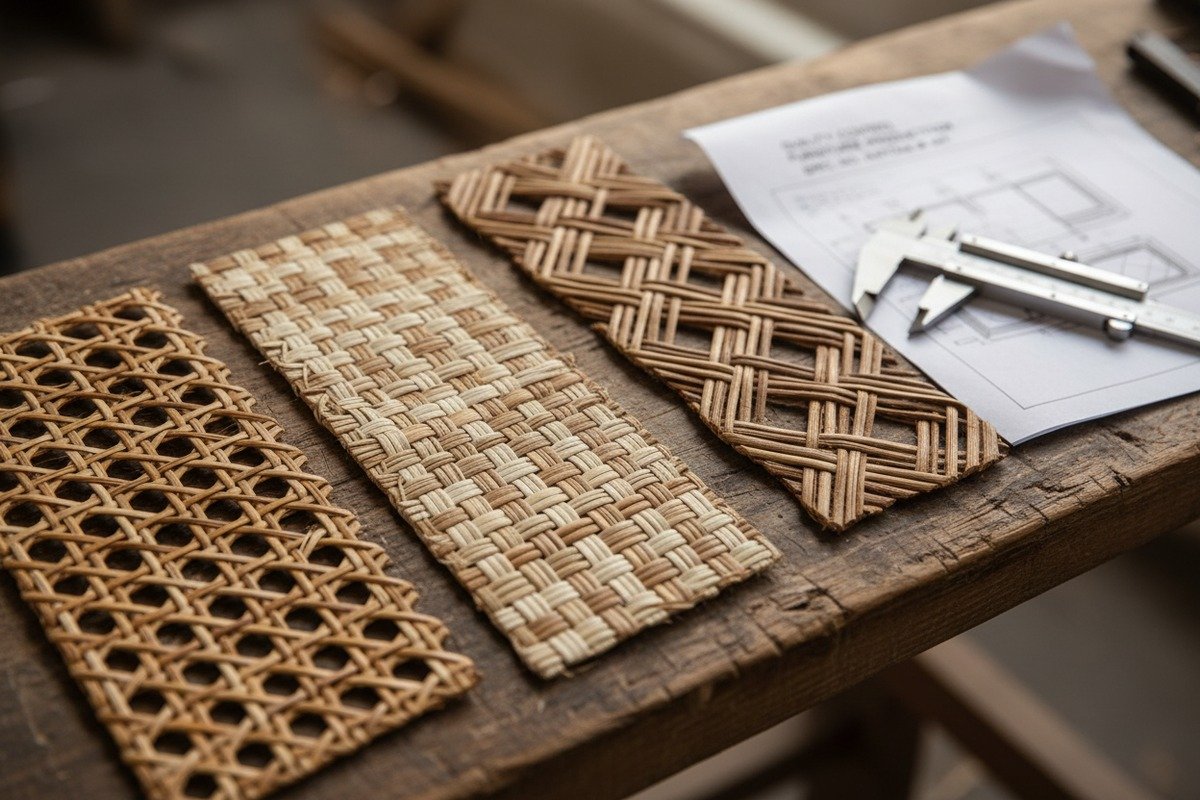
مقارنة دورة الحياة الكاملة
الاستدامة لا تتعلق فقط بالمواد الخام. إنها تشمل كل مرحلة - المصادر، التصنيع، الاستخدام، والتخلص. دعنا نقارن شرائط قصب الروطان الطبيعي مقابل روطان البولي إيثيلين الاصطناعي عبر دورة الحياة الكاملة.
| مرحلة دورة الحياة | Natural Rattan Cane Webbing | شرائط روطان اصطناعية (بولي إيثيلين) |
|---|---|---|
| مصدر المواد الخام | نخيل متسلق متجدد، دورة حياة من 2 إلى 7 سنوات | بترول، وقود أحفوري غير متجدد |
| الطاقة في الإنتاج | منخفضة - تقشير يدوي، نقع بالماء، نسج يدوي | عالية - بثق، قولبة، معالجة كيميائية |
| الكربون أثناء النمو | يمتص ثاني أكسيد الكربون عبر التمثيل الضوئي | لا يوجد امتصاص للكربون |
| مدخلات كيميائية | الحد الأدنى أو لا شيء للتشطيب الطبيعي | بوليمرات مشتقة من البترول، مثبتات الأشعة فوق البنفسجية، ملونات |
| Durability | سنوات مع العناية المناسبة؛ حساسة للرطوبة | مقاومة ممتازة للعوامل الجوية؛ مثبتة بالأشعة فوق البنفسجية |
| الوزن | خفيفة الوزن - انبعاثات شحن أقل | أثقل قليلاً أو مماثل حسب التصميم |
| نهاية العمر | قابلة للتحلل بالكامل، قابلة للتحويل إلى سماد | تستمر في مكب النفايات لقرون |
| قابلية إعادة التدوير | يمكن تحويلها إلى سماد أو إعادة استخدامها | قابلة لإعادة التدوير تقنيًا ولكن نادرًا ما يتم إعادة تدويرها عمليًا |
| التأثير المجتمعي | تدعم مجتمعات الحصاد الريفية | منتج في المصنع، فائدة مجتمعية محدودة |
أين يتفوق الروطان الطبيعي
المزايا ساحقة في معظم الفئات. الروطان الطبيعي يخزن الكربون أثناء نموه. تتم معالجته بأقل قدر من الطاقة. يتحلل بشكل طبيعي عند التخلص منه. بالنسبة للأثاث الداخلي - الكراسي، وحشوات الخزائن، وألواح الرأس، وقواطع الغرف - فإن شبكة الروطان الطبيعي هي الخيار المستدام الواضح.
من بيانات إنتاجنا، تتطلب لفة قياسية من شبكة الروطان الطبيعي جزءًا بسيطًا من الطاقة اللازمة لإنتاج لفة اصطناعية مكافئة. تستخدم عملية الحياكة اليدوية المهارة البشرية، وليس الآلات التي تستهلك الكهرباء. يعمل نساجوننا في المصانع الشريكة باستخدام إطارات وأدوات بسيطة.
أين يكون للروطان الاصطناعي مكانه
لن نكون صادقين إذا لم نعترف بالاستخدامات المشروعة للخيزران الصناعي. الأثاث الخارجي المعرض للمطر والرطوبة وأشعة الشمس المباشرة سيتلف الخيزران الطبيعي بسرعة. الخيزران الصناعي القائم على البولي إيثيلين يتحمل هذه الظروف دون أن يتعفن أو يتشقق. بالنسبة لمشاريع الضيافة - مناطق حمامات السباحة في الفنادق، ومقاعد المطاعم الخارجية - غالبًا ما يكون الخيزران الصناعي هو الخيار العملي.
لكن العملية والاستدامة هما حديثان مختلفان. إذا كان مشروعك يسمح بالاستخدام الداخلي أو المناطق الخارجية المغطاة، فإن الخيزران الطبيعي يوفر دفئًا جماليًا ومسؤولية بيئية.
زاوية الاقتصاد الدائري
أحد الاتجاهات التي نراها تنمو بين مشترينا الأوروبيين هو التفكير في الاقتصاد الدائري. الخيزران الطبيعي يناسب هذا النموذج بشكل جميل. يمكن إزالة ألواح شبكات الخيزران القديمة واستبدالها. يمكن إعادة تجديد أثاث الخيزران القديم بدلاً من التخلص منه. في نهاية عمره الإنتاجي، يمكن تحويل الخيزران الطبيعي إلى سماد. يعود إلى الأرض دون ترك جزيئات بلاستيكية دقيقة أو بقايا سامة خلفه.
الخيزران الصناعي، على الرغم من تسميته "قابل لإعادة التدوير"، نادرًا ما يدخل في تيارات إعادة التدوير عمليًا. ينتهي معظم أثاث الخيزران الصناعي في مكبات النفايات. يتحلل المادة إلى جزيئات بلاستيكية دقيقة على مدى عقود، مما يلوث أنظمة التربة والمياه.
كيف يمكنني التأكد من أن مورد الخيزران الخاص بي يحافظ على بصمة كربونية منخفضة أثناء التصدير؟
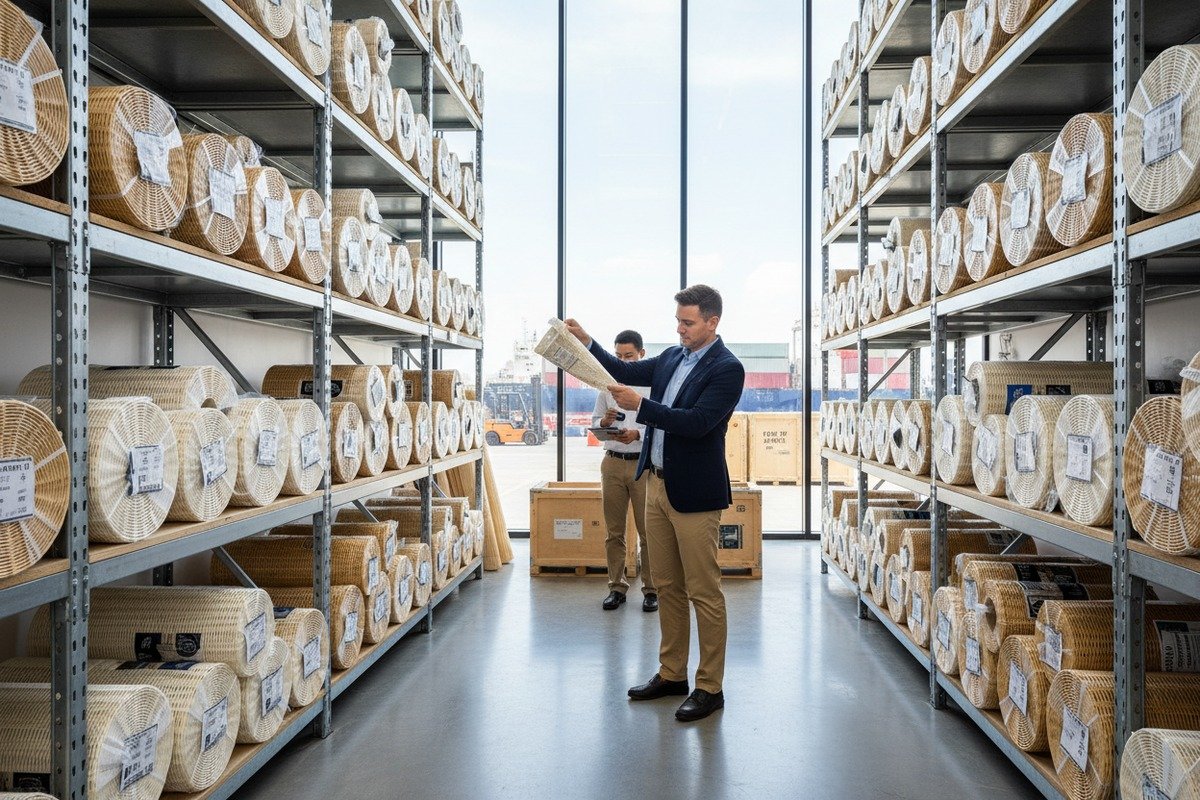
عندما نقوم بتجهيز حاوية بحجم 20 قدمًا من شبكات الخيزران للشحن من مستودعنا في فوشان إلى روتردام أو لوس أنجلوس، نعلم أن النقل هو المساهم الأكبر في البصمة الكربونية الإجمالية للمنتج. هذا هو الفيل في الغرفة لجميع المواد الاستوائية.
لضمان أن مورد الخيزران الخاص بك يحافظ على بصمة كربونية منخفضة، تحقق من قرب مصادرهم من مرافق المعالجة، واطلب توحيد الشحنات لزيادة كفاءة الحاويات إلى أقصى حد، واطلب برامج تعويض الكربون، وأعط الأولوية للموردين الحاصلين على شهادة FSC ووثائق سلسلة التوريد الشفافة.
فهم من أين تأتي الانبعاثات
ينمو الخيزران نفسه محايدًا للكربون. يمتص ثاني أكسيد الكربون أثناء نموه. تستخدم المعالجة الحد الأدنى من الطاقة. ولكن بمجرد أن تحتاج الشبكة النهائية إلى السفر من إندونيسيا أو الصين إلى مستودعك في أوروبا أو الأمريكتين أو الشرق الأوسط، تدخل الوقود الأحفوري في المعادلة. الشحن البحري، والشاحنات إلى الموانئ، والتسليم النهائي كلها تولد انبعاثات.
إليك تفصيل عملي لمصادر الانبعاثات في سلسلة توريد الخيزران النموذجية:
مصادر الانبعاثات الرئيسية في تصدير الخيزران
يسافر الخيزران الخام من الغابات في كاليمانتان أو سولاويزي إلى مراكز المعالجة. من هناك، تنتقل شرائط الخيزران شبه المصنعة إلى مرافق النسيج. ثم يتم شحن الشبكة النهائية إلى مدن الموانئ مثل سورابايا أو فوشان. أخيرًا، يحمله الشحن البحري عبر العالم. كل مرحلة تضيف الكربون.
ما الذي يجب أن تسأله لموردك
بناءً على سنوات خبرتنا في التصدير إلى أكثر من اثنتي عشرة دولة، إليك خطوات ملموسة يمكنك اتخاذها:
طلب حمولات حاويات كاملة (FCL). تعني الشحنات الجزئية إهدار مساحة الحاوية وزيادة الانبعاثات لكل وحدة. نشجع المشترين دائمًا على تجميع الطلبات - بدمج أنماط وأحجام مختلفة من الأشرطة في حاوية واحدة - لزيادة الكفاءة إلى أقصى حد.
اسأل عن موقع المعالجة بالنسبة لمصدر المواد الخام. يقع مصنع معالجة الخيزران الخاص بنا في إندونيسيا بالقرب من مناطق الحصاد. هذا يقلل مسافة النقل البري بشكل كبير مقارنة بالموردين الذين يستوردون الخيزران الخام عبر البلدان قبل المعالجة.
ابحث عن تغليف خفيف الوزن. الخيزران خفيف الوزن بطبيعته، وهذا بالفعل ميزة. لكن التغليف المفرط يضيف وزنًا وهدرًا. نستخدم الحد الأدنى من التغليف القابل لإعادة التدوير - أنابيب كرتونية للفائف، غلاف انكماشي فقط حيث تكون الحماية من الرطوبة ضرورية.
تحقق من الشهادات. شهادة سلسلة الحفظ FSC هي المعيار الذهبي. إنها تتتبع موادك من الغابة إلى المصنع إلى الميناء. إذا كان لدى المورد الخاص بك هذه الشهادة، فلديك سلسلة توريد موثقة وقابلة للتدقيق. إذا لم يكن الأمر كذلك، فاسأل عن السبب.
قائمة تحقق عملية للمشترين
إليك قائمة تحقق سريعة يمكنك استخدامها عند تقييم الالتزام البيئي لأي مورد للخيزران:
- هل لدى المورد شهادة غابات FSC أو ما يعادلها؟
- هل يقع مرفق المعالجة بالقرب من مصدر المواد الخام؟
- هل يمكن للمورد تقديم تقدير للبصمة الكربونية لكل شحنة؟
- هل يقدم المورد تجميعًا لحمولات الحاويات الكاملة؟
- هل التغليف بسيط وقابل لإعادة التدوير؟
- هل يشارك المورد في برامج تعويض الكربون؟
- هل يمكن للمورد تقديم وثائق تتبع المواد؟
الصورة الأكبر للشحن
يجدر بالذكر أن الطبيعة خفيفة الوزن للخيزران تمنحه ميزة طبيعية على المواد الأثقل. حاوية من نسيج الخيزران تزن أقل بكثير من حاوية من ألواح الخشب الصلب أو بلاط السيراميك أو المكونات المعدنية. وهذا يترجم مباشرة إلى استهلاك وقود أقل لكل وحدة أثناء الشحن البحري. في حين أننا لا نملك أرقامًا مئوية دقيقة تم التحقق منها علنًا، فإن الفيزياء بسيطة: الأحمال الأخف تحرق وقودًا أقل.
يطلب بعض المشترين لدينا ذوي الرؤية المستقبلية في أوروبا الآن الشحن البحري حصريًا بدلاً من الشحن الجوي، ويقبلون أوقات تسليم أطول مقابل انبعاثات أقل بكثير. نحن ندعم هذا النهج. التخطيط لطلباتك مسبقًا - على سبيل المثال 8 إلى 12 أسبوعًا بدلاً من 4 - يسمح للشحن البحري بالعمل دون التأثير على جدول الإنتاج الخاص بك.
التحول نحو المعالجة المحلية في آسيا يساعد أيضًا. من خلال معالجة الخيزران بالقرب من مكان نموه، تقلل الصناعة المسافة الإجمالية التي تسافرها المواد قبل الوصول إلى مينائك. تم تصميم نموذجنا المتكامل - الحصاد في إندونيسيا، والمعالجة الأولية في مكان قريب، وتجميع المنتج النهائي في فوشان - مع وضع هذا المبدأ في الاعتبار.
خاتمة
يظل نسيج الخيزران أحد أكثر المواد المسؤولة بيئيًا المتاحة لمصنعي الأثاث اليوم. اختر الموردين المعتمدين، وقم بتوحيد الشحنات، وأعط الأولوية للتشطيبات الطبيعية لزيادة ميزتك في الاستدامة.
ملاحظات سفلية
1. يشرح ما هو نسيج الخيزران، وأصوله، واستخداماته الشائعة في الأثاث والديكور. ↩︎
2. تم استبداله بمصدر موثوق (بريتانيكا) يقدم معلومات شاملة عن الغابات الاستوائية المطيرة، بما يتماشى مع سياق المقال. تم تعديل النص المرتبط قليلاً لتحسين التحديد. ↩︎
3. يعرف الخيزران بأنه نخيل متسلق، ويفصل عادات نموه وتصنيفه. ↩︎
4. يؤكد عدد أنواع الخيزران وتوزيعها في المناطق الاستوائية في العالم القديم. ↩︎
5. يشرح الغرض والفوائد من شهادة مجلس رعاية الغابات (FSC) للغابات المسؤولة. ↩︎
6. يشرح أنظمة سلسلة الحيازة لتتبع المواد والتحقق من ادعاءات الاستدامة. ↩︎
7. تم الاستبدال بصفحة وكالة حماية البيئة الرسمية والموثوقة حول الفورمالديهايد، والتي تغطي المعلومات ذات الصلة للمواد اللاصقة القائمة على الفورمالديهايد. ↩︎
8. يصف بيروكسيد الهيدروجين كمركب كيميائي يستخدم كعامل مؤكسد وعامل تبييض. ↩︎
9. تم الاستبدال بمصدر موثوق (Britannica) يقدم معلومات شاملة عن بلاستيك البولي إيثيلين، حيث كان عنوان URL الأصلي غير متاح. ↩︎
10. يشرح ماهية المركبات العضوية المتطايرة (VOCs) وتأثيرها على جودة الهواء الداخلي. ↩︎
 English
  Español de México
  العربية
  Deutsch
  Français
  Русский