
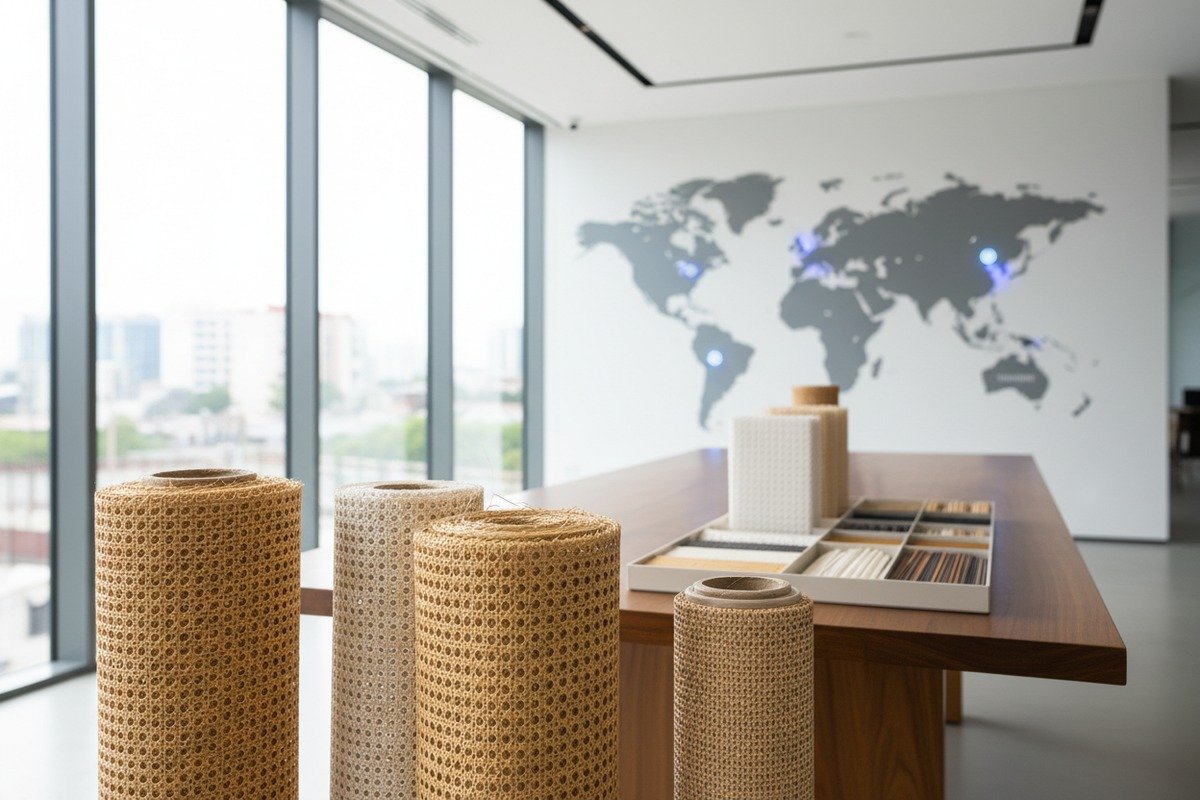
Finding the right production hub for rattan cane webbing 1 can feel overwhelming when so many suppliers claim top quality but deliver inconsistent results. Having operated our own rattan processing facility in Indonesia and three factories in Foshan, we have seen firsthand how geography shapes product quality, pricing, and reliability منصات B2B 2. Many buyers waste months chasing leads across multiple countries, only to end up with webbing that cracks, discolors, or falls apart under load.
The main production hubs for sourcing rattan cane webbing are Indonesia, China, and Vietnam. Indonesia supplies the highest-quality raw rattan material. China, especially Foshan, leads in large-scale manufacturing and export. Vietnam offers competitive pricing with growing quality standards. Together, these three regions dominate the global rattan cane webbing supply chain.
Each hub plays a different role in the supply chain وثائق التصدير 3. إدارة سلسلة التوريد 4 Understanding these differences helps you choose the right partner, avoid costly mistakes, and secure the exact grade you need. Let’s break down what makes each region unique and how to navigate your sourcing decisions with confidence.
Why should I source my rattan cane webbing from Indonesia versus other production hubs?
When we first invested in our own rattan processing facility in Indonesia years ago, it was because no other country could match the raw material quality coming from its الغابات الاستوائية 5. Many buyers start their search on Alibaba or Google and end up confused by similar-looking products at wildly different prices. The root cause is almost always the origin of the raw rattan itself.
Indonesia is the world's premier source of raw rattan material, offering superior fiber strength, natural flexibility, and sustainable harvesting. Sourcing from Indonesia ensures access to Grade A rattan that other hubs like China and Vietnam often import as their base material before processing into finished webbing.
Why Indonesia Leads in Raw Rattan Quality
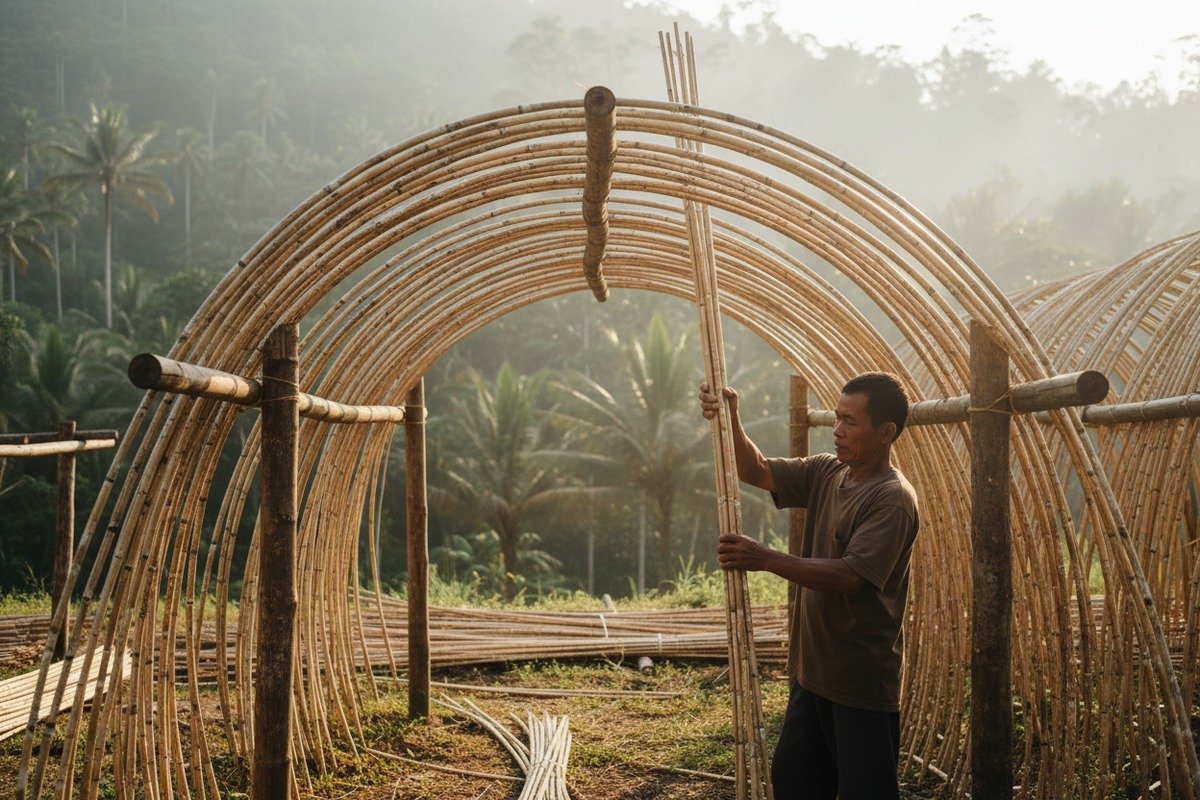
Indonesia's tropical rainforests provide the ideal climate for rattan palms. The combination of humidity, rainfall, and soil conditions produces rattan with longer fibers and greater قوة الشد 6. This matters because rattan cane webbing must be strong enough to hold a person's weight while remaining flexible enough to wrap around wooden frames without cracking.
At our Indonesian facility, we hand-select raw rattan before it enters the processing line. Not every stalk makes the cut. The best rattan has consistent diameter, minimal scarring, and a tight grain. These traits come directly from the growing environment, which is why Indonesian rattan commands a premium.
Sustainability Advantage
Rattan harvesting in Indonesia is far less destructive than timber logging. Rattan is a climbing palm. Harvesting it does not require cutting down trees. In fact, rattan cultivation 7 gives local communities an economic reason to preserve forests rather than clear them. For buyers who market eco-friendly or sustainable furniture, this origin story is powerful and authentic.
Indonesia vs. Other Hubs: A Quick Comparison
| عامل | إندونيسيا | الصين | فيتنام |
|---|---|---|---|
| Primary Role | Raw material supplier | Manufacturing & export | Manufacturing & re-export |
| Rattan Quality | Highest-grade natural rattan | Depends on imported material | Depends on imported material |
| Sustainability Credentials | Strong — forest preservation incentive | معتدل | معتدل |
| Finished Webbing Production | محدود | Dominant | ينمو |
| Price for Raw Material | Competitive at source | Higher due to import costs | Higher due to import costs |
When to Source Directly from Indonesia
If you are a مصنع أثاث 8 that does your own weaving, buying raw rattan or semi-processed cane directly from Indonesia can cut costs. You skip the middleman markup that Chinese or Vietnamese factories add. However, if you need finished webbing rolls ready to install, Indonesia alone may not be your best option. That is where manufacturing hubs like Foshan come in.
The key takeaway is simple. Indonesia is where the best rattan begins its journey. Every other hub depends on Indonesian material to some degree. Knowing this gives you leverage in negotiations and helps you ask the right questions about material origin.
How can I find a reliable rattan factory in Foshan to manage my bulk supply needs?
Over the past decade, we have built partnerships with more than 30 factories across Foshan's Nanhai district. We know which ones deliver on time and which ones cut corners. For buyers searching from overseas, finding a trustworthy Foshan factory without local knowledge can feel like gambling. The city has hundreds of rattan-related operations, but not all of them are equal.
To find a reliable rattan factory in Foshan, verify their production capacity through factory audits, request physical samples before committing to bulk orders, check export documentation history, and prioritize factories with vertically integrated operations that control quality from raw material intake through final packaging and shipping.
Why Foshan Dominates Rattan Manufacturing
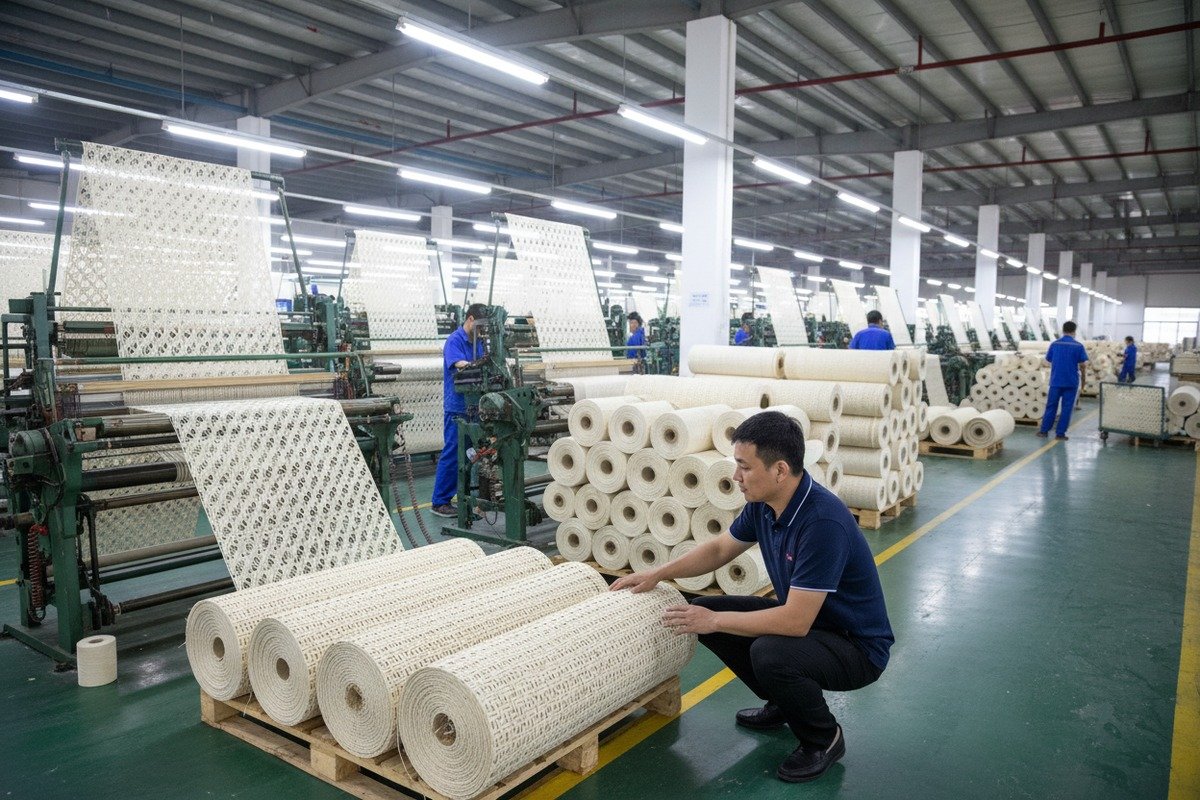
Foshan, located in Guangdong province, has developed into China's rattan manufacturing capital. The city benefits from excellent port access, a deep pool of skilled workers, and decades of furniture industry infrastructure. Factories here can handle orders ranging from a few hundred meters to container-loads of webbing in multiple patterns.
What sets Foshan apart is vertical integration. The best factories import raw rattan from Indonesia, process it through cooking, bleaching, and anti-mildew treatment, weave it into cane webbing, and package it for export — all under one roof. This control over every step means fewer quality surprises for you.
Step-by-Step Guide to Finding the Right Factory
Step 1: Start with B2B platforms. Alibaba and Made-in-China list many Foshan rattan suppliers. Filter by "verified supplier" and "trade assurance" to narrow your search.
Step 2: Request samples. Never commit to a bulk order based on photos alone. Order samples of your target patterns — whether it is open hexagonal mesh, tight square basketweave, or diamond motif — and test them physically for flexibility, color consistency, and strand strength.
Step 3: Ask about raw material origin. A factory that sources Grade A rattan from Indonesia is more likely to produce quality webbing than one using mixed or unknown sources.
Step 4: Conduct a factory visit or third-party audit. If you cannot visit Foshan personally, hire an inspection company to verify production lines, worker conditions, and مراقبة الجودة 9.
Step 5: Check export history. Ask for customs documentation or references from previous international buyers. A factory with a strong export track record to markets like the US, Europe, or Australia has already met rigorous standards.
What to Look For in a Foshan Factory
| المعايير | What It Tells You |
|---|---|
| Vertically integrated operations | They control quality end-to-end |
| On-site quality inspection team | Defects get caught before shipping |
| Multiple pattern capabilities | They can serve diverse product needs |
| Anti-mildew and bleaching facilities | Proper treatment extends product lifespan |
| Custom packaging options | They understand export logistics |
| Export licenses and documentation | They are legitimate and experienced |
أخطاء شائعة يجب تجنبها
Some Foshan operations are trading companies disguised as factories. They take your order, outsource production to the cheapest available workshop, and add their margin. The webbing arrives with inconsistent weave tension, color variation between rolls, or inadequate packaging that leads to damage during shipping.
Another risk is factories that mix Grade A and Grade B rattan in the same order. The first few rolls look perfect. The rest do not. This is why ongoing quality inspection — not just pre-shipment checks — matters.
At our Nanhai headquarters, we address these problems by running our own quality control at every production stage. We also offer buyers the option to visit our partner factories and see production firsthand. Transparency builds trust, and trust builds long-term business.
What quality differences will I encounter when sourcing rattan from different global regions?
When we ship rattan cane webbing to clients in the Netherlands, Australia, and the US, the quality expectations vary — but the complaints about inconsistency are almost always the same. A buyer in Spain once received a shipment from a different supplier where half the rolls had a golden tone and the other half were grayish. That kind of mismatch can ruin a production run and damage your brand reputation.
Quality differences across rattan sourcing regions include variations in fiber strength, color consistency, weave uniformity, mildew resistance, and treatment standards. Indonesian raw rattan offers the strongest fibers. Chinese factories provide the most consistent finished products. Vietnamese suppliers deliver good quality at competitive prices but may vary between manufacturers.
Understanding the Quality Variables
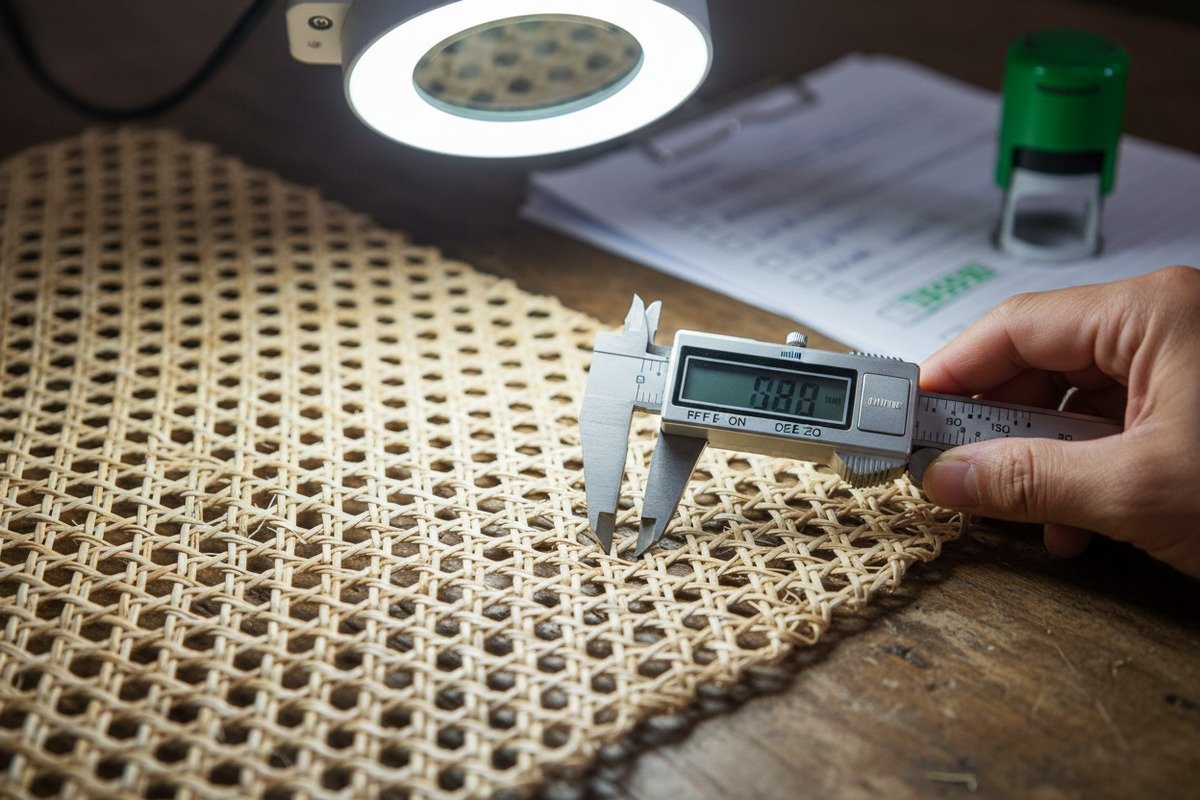
Rattan cane webbing quality is not just about how it looks. It involves multiple measurable factors that affect performance, durability, and appearance over time. Here are the key variables:
Fiber strength. This determines whether the webbing can support weight without sagging or snapping. Indonesian rattan fibers tend to be the strongest because of their growing conditions.
اتساق اللون. Natural rattan varies in color. But good processing — proper bleaching, cooking, and drying — minimizes roll-to-roll variation. Chinese factories with advanced equipment tend to produce the most uniform color output.
Weave uniformity. Hand-woven webbing always has slight variations. Machine-assisted weaving produces tighter, more consistent patterns. The best factories combine both methods — hand selection of strands paired with mechanical weaving precision.
Treatment quality. Raw rattan is susceptible to mold, especially in humid climates. Proper anti-mildew treatment, UV resistance coatings, and moisture barriers extend product lifespan. Factories that skip these steps produce cheaper but less durable webbing.
Regional Quality Comparison
| عامل الجودة | Indonesia (Raw) | China (Foshan) | فيتنام | Malaysia/Philippines |
|---|---|---|---|---|
| Fiber Strength | ممتاز | Good to Excellent | جيد | معتدل |
| اتساق اللون | Varies (less processed) | High (advanced treatment) | معتدل إلى مرتفع | معتدل |
| انتظام النسيج | N/A (raw material) | High (machine-assisted) | معتدل إلى مرتفع | معتدل |
| Mildew Treatment | أساسي | متقدم | جيد | أساسي |
| مقاومة للأشعة فوق البنفسجية | الحد الأدنى | متوفر | متوفر | الحد الأدنى |
| نقطة السعر | Low (raw) | Mid to High | 有竞争力 | Variable |
Natural vs. Synthetic: A Growing Distinction
Some Chinese factories now produce حصائر الخيزران الاصطناعية 10 that mimics the look of natural cane. These plastic-based alternatives offer advantages in moisture resistance and UV stability. They work well for outdoor or semi-outdoor applications. However, they lack the authentic feel, warmth, and artisanal character that natural rattan provides. For high-end furniture and interior design projects, natural rattan remains the preferred choice.
Bleached rattan cane webbing is another variation to consider. Bleaching creates a lighter, more uniform appearance but can weaken fibers if overdone. The best manufacturers balance aesthetic appeal with structural integrity during the bleaching process.
How to Test Quality Before You Buy
Ask your supplier for test rolls. Check these points:
- Bend a strand around a sharp corner. It should flex without cracking.
- Hold a roll up to light. The weave pattern should look consistent across the entire surface.
- Smell the webbing. A strong chemical odor suggests over-treatment. A musty smell suggests poor drying.
- Compare two rolls side by side. The color should match closely.
In our experience shipping to over a dozen countries, the buyers who invest time in pre-order testing avoid the most expensive mistakes. A $50 sample order can save you $5,000 in rejected shipments.
How do I ensure my chosen production hub can provide the Grade A rattan quality I require?
We receive this question from nearly every new client, especially purchasing managers who have been burned by previous suppliers. One client in Turkey told us he had ordered "Grade A" webbing from three different suppliers. Each one delivered a different quality level. The problem was not dishonesty — it was the lack of a universal grading standard in the rattan industry.
To ensure Grade A rattan quality, establish clear specifications with your supplier including fiber diameter, strand count per meter, color range, tensile strength thresholds, and treatment requirements. Request certified test reports, conduct pre-shipment inspections, and start with trial orders before scaling to full container volumes.
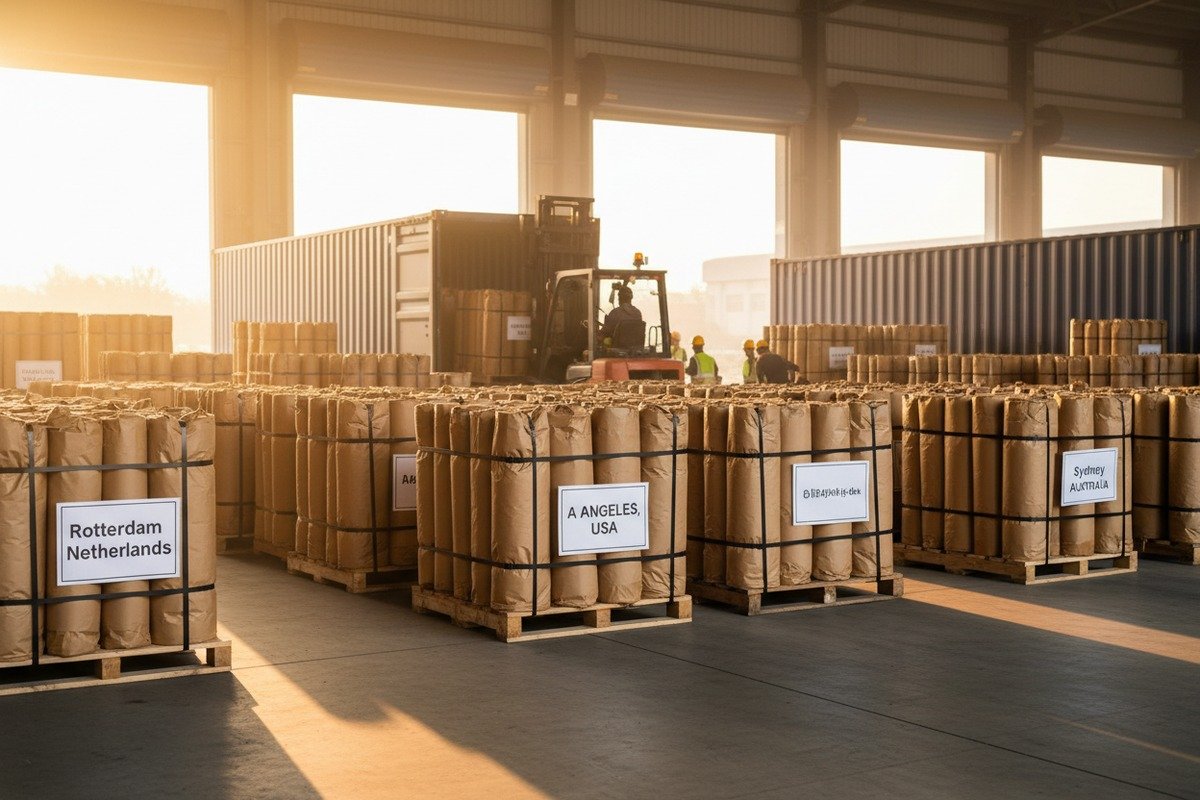
Define "Grade A" in Writing
The rattan industry does not have a single international grading standard like steel or lumber. What one factory calls "Grade A" might be another factory's "Grade B." This is why you must define your own quality specifications in writing before placing any order.
Your specification sheet should include:
- Strand diameter range (e.g., 2.0–2.5mm)
- Color tolerance (provide a physical or digital color reference)
- نمط النسيج وحجم الشبكة (exact dimensions)
- Minimum tensile strength (measured in newtons or kilograms)
- Treatment requirements (anti-mildew, UV protection, bleach level)
- Packaging specifications (roll length, protective wrapping, carton strength)
When we onboard a new client, we walk through each of these points together. We create a product specification agreement that both sides sign. This document becomes the benchmark for every inspection.
Implement a Multi-Stage Quality Control Process
Relying on a single final inspection is risky. Quality problems that start at raw material selection compound at every subsequent stage. A better approach uses multiple checkpoints.
| مرحلة الفحص | ما الذي يجب فحصه | Who Should Do It |
|---|---|---|
| استلام المواد الخام | Fiber quality, diameter, moisture content | فريق مراقبة الجودة بالمصنع |
| Post-treatment | Color uniformity, mildew resistance, flexibility | فريق مراقبة الجودة بالمصنع |
| النسيج | Pattern consistency, strand tension, defect count | Line supervisors |
| Pre-packaging | Overall appearance, measurement accuracy | QC team or third-party inspector |
| ما قبل الشحن | Random sampling, packaging integrity, labeling | Third-party inspector or buyer representative |
Use Third-Party Inspection Services
If you cannot visit the factory yourself, hire a third-party inspection company. Companies like SGS, Bureau Veritas, or smaller specialized firms operate throughout Foshan and can conduct inspections on your behalf. The cost is modest compared to the risk of receiving a defective shipment.
We welcome third-party inspectors at all of our facilities. In fact, we encourage it. Buyers who verify quality independently tend to become long-term partners because they build confidence in the process.
Start Small, Scale Gradually
Never place a full container order with a new supplier on the first try. Start with a trial order — even just a few rolls. Evaluate the product in your own workshop. Test it on your furniture frames. Check how it performs after a few weeks of use. If everything meets your standards, increase the volume gradually.
This approach protects your cash flow and gives you negotiating power. A supplier who knows you are testing them will put their best work forward. A supplier who refuses a trial order is waving a red flag.
بناء علاقة طويلة الأمد
The most reliable supply chains are built on relationships, not transactions. Visit your supplier when possible. Share feedback openly. Pay on time. In return, you will get priority production scheduling, better pricing on larger orders, and advance notice of raw material price changes.
At our Foshan headquarters, we maintain dedicated account managers for our key clients. They know each client's specifications, preferred patterns, and shipping schedules. This level of personalization only comes from long-term partnerships.
خاتمة
Sourcing rattan cane webbing successfully means understanding what each production hub offers. Indonesia provides the best raw material. Foshan delivers manufacturing scale and consistency. Vietnam offers competitive alternatives. Define your quality standards clearly, verify suppliers thoroughly, and build lasting partnerships to secure the Grade A webbing your business demands.
ملاحظات سفلية
1. Explains what rattan cane webbing is and its origin as a woven material. ↩︎
2. Explains what B2B platforms are and their role in business transactions. ↩︎
3. Provides an authoritative overview of common export documents and their purposes. ↩︎
4. Provides a comprehensive definition and components of supply chain management. ↩︎
5. Describes the significance and characteristics of Indonesia’s tropical forests. ↩︎
6. Defines tensile strength as a material property and its measurement. ↩︎
7. Explains sustainable rattan cultivation methods and their environmental benefits. ↩︎
8. Provides an overview of the furniture manufacturing industry and its processes. ↩︎
9. Details the importance and implementation of quality control in manufacturing. ↩︎
10. Explains what synthetic rattan is, its properties, and versatility in design. ↩︎
 English
  Español de México
  العربية
  Deutsch
  Français
  Русский