
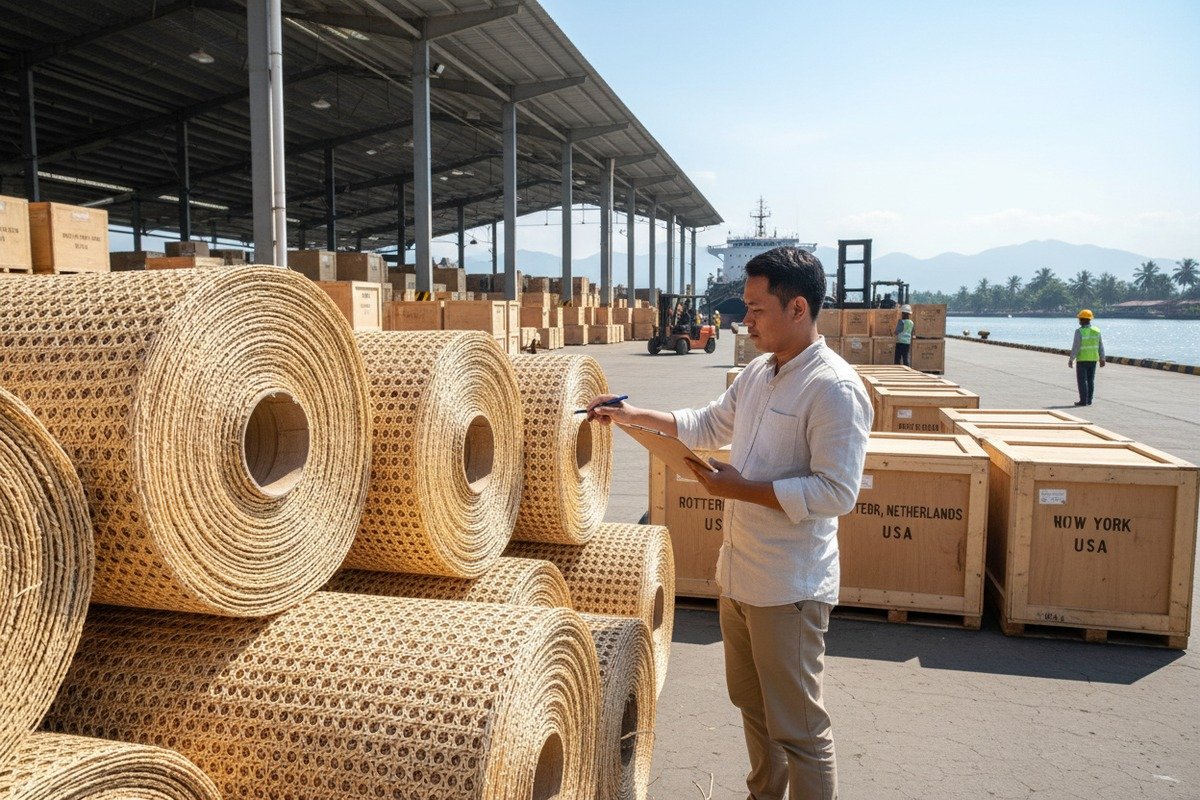
Every week, our warehouse team in Foshan inspects incoming shipments of raw rattan from multiple origins tropical Southeast Asian countries 1. Some rolls arrive with perfect consistency. Others show uneven color, brittle strands, or irregular widths Indonesia leads global production 2. The difference almost always comes down to one thing: where the rattan was grown and harvested.
The raw materials for rattan cane webbing come primarily from tropical Southeast Asian countries. Indonesia leads global production with roughly 70% of the world’s rattan supply, followed by Vietnam, the Philippines, and Malaysia. Smaller quantities come from India, Sri Lanka, Laos, Ghana, and Cameroon.
Knowing where your rattan comes from is not just a sourcing detail domestic value-added processing 3. It directly shapes the quality, price, and reliability of every roll of cane webbing you buy. Let me walk you through the key producing countries and what each one means for your business.
Where can I find the highest quality raw rattan for my cane webbing production?
Our production teams have tested rattan from over a dozen origins across Asia and Africa. The quality gap between sources is real, measurable, and affects everything from weaving efficiency to final product durability.
The highest quality raw rattan for cane webbing production is found in Indonesia, particularly from the islands of Borneo, Sulawesi, and Sumbawa. Indonesian rattan offers superior strand consistency, natural color uniformity, and tensile strength, making it the top choice for premium furniture manufacturers worldwide.
Understanding Rattan as a Raw Material
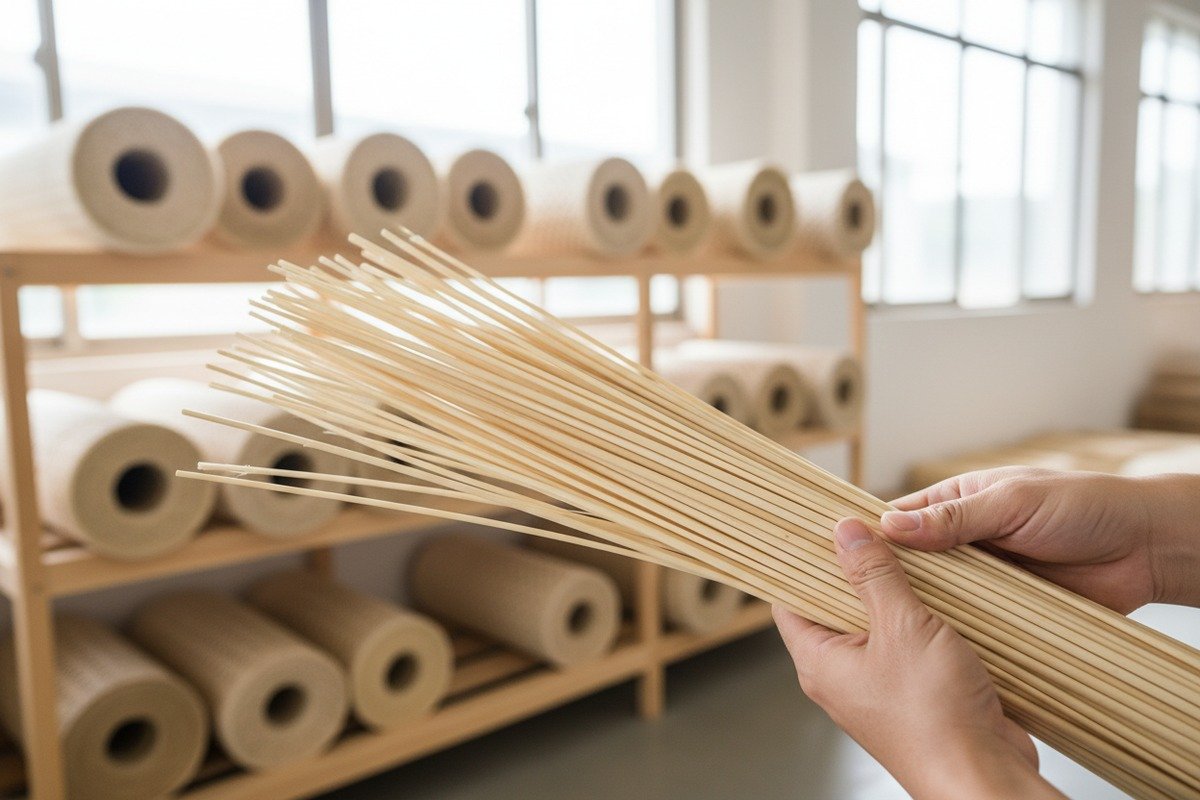
Rattan is not wood. It is a نخيل متسلق 4 that grows in tropical rainforests. There are over 600 known species 5, but only about 20% are commercially viable for cane webbing production. The plant needs five to seven years to reach harvestable maturity. Workers cut the stems, strip the outer bark, split the material into uniform strands, and then dry them before weaving.
This entire process is labor-intensive. Machines cannot replace skilled hands in most steps. That is why the country of origin matters so much. Local expertise, climate conditions, and species availability all shape the final product.
Top Producing Countries at a Glance
| Country | Share of Global Supply | Key Growing Regions | الاستخدام الأساسي |
|---|---|---|---|
| إندونيسيا | ~70% | Borneo, Sulawesi, Sumbawa | Premium cane webbing, furniture frames |
| فيتنام | ~10-12% | Central Highlands, Mekong Delta | Budget to mid-range webbing |
| الفلبين | ~5-7% | Mindanao, Palawan | Traditional furniture, craft webbing |
| ماليزيا | ~3-5% | Sarawak, Sabah (Borneo) | Mixed quality webbing, local use |
| India | ~2-3% | Assam, Northeast states | Regional furniture, handicrafts |
| Others (Laos, Sri Lanka, Ghana, Cameroon) | ~3-5% | Various tropical zones | Small-scale, niche products |
Premium Rattan Varieties
Not all rattan is equal. The species determines diameter, flexibility, and strength. Here are the key commercial varieties:
- Manau — Large diameter (up to 4 inches), extremely strong. Ideal for furniture frames and structural components.
- Batang — Medium diameter, good flexibility. Used for both frames and webbing strips.
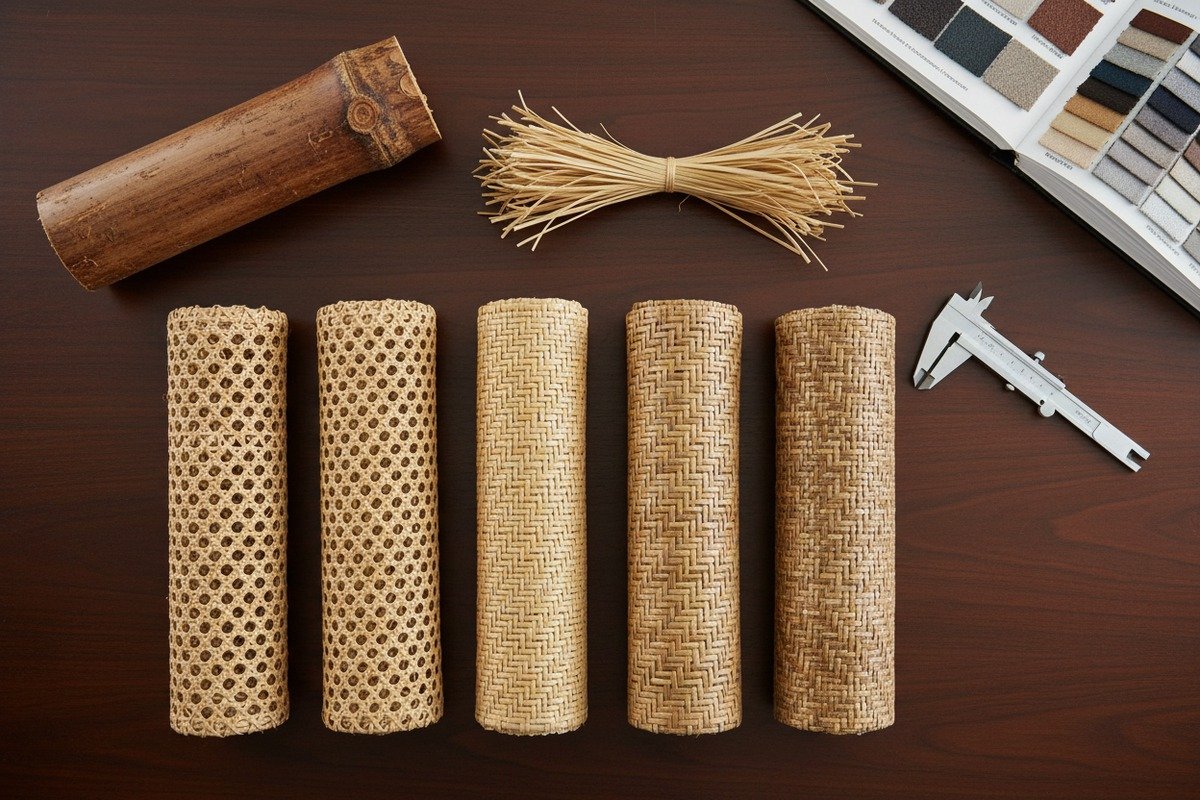
- Sega (Saga) — Thin, fine strands. Perfect for detailed weaving and decorative webbing patterns.
- Tohiti — Smooth surface, consistent color. Popular for high-end woven sheets.
Indonesian forests contain the widest variety of these species. This diversity is one reason the country dominates quality rankings. When we source Manau rattan from Kalimantan (Indonesian Borneo), the strands arrive with minimal color variation and excellent tensile properties. Compare that with rattan from some African sources, which often requires extensive sorting and grading before it can enter our weaving lines.
Wild Harvesting vs. Cultivation
Nearly all commercial rattan is still wild-harvested. Despite over 30 years of cultivation experiments in Indonesia and the Philippines, plantation output remains a small fraction of total supply. Wild rattan grows as part of a complex rainforest ecosystem. Cultivation efforts face challenges: slow growth cycles, land competition, and the difficulty of replicating forest conditions.
Some Indonesian provinces now require harvesting permits and enforce annual cutting limits. This adds cost but helps preserve long-term supply. For buyers, it means the best rattan comes with a sustainability story — but also a higher price tag.
Why should I prioritize Indonesian rattan for my furniture manufacturing needs?
When we set up our own rattan processing facility in Indonesia several years ago, the decision was driven by one simple fact: no other country could match the volume, variety, and consistency that Indonesian rattan forests provide.
You should prioritize Indonesian rattan because it offers unmatched strand uniformity, superior tensile strength, the widest species diversity, and the largest available supply volume. These factors translate directly into fewer production defects, less material waste, and a more premium finished product for your furniture line.
Scale That No Other Country Can Match
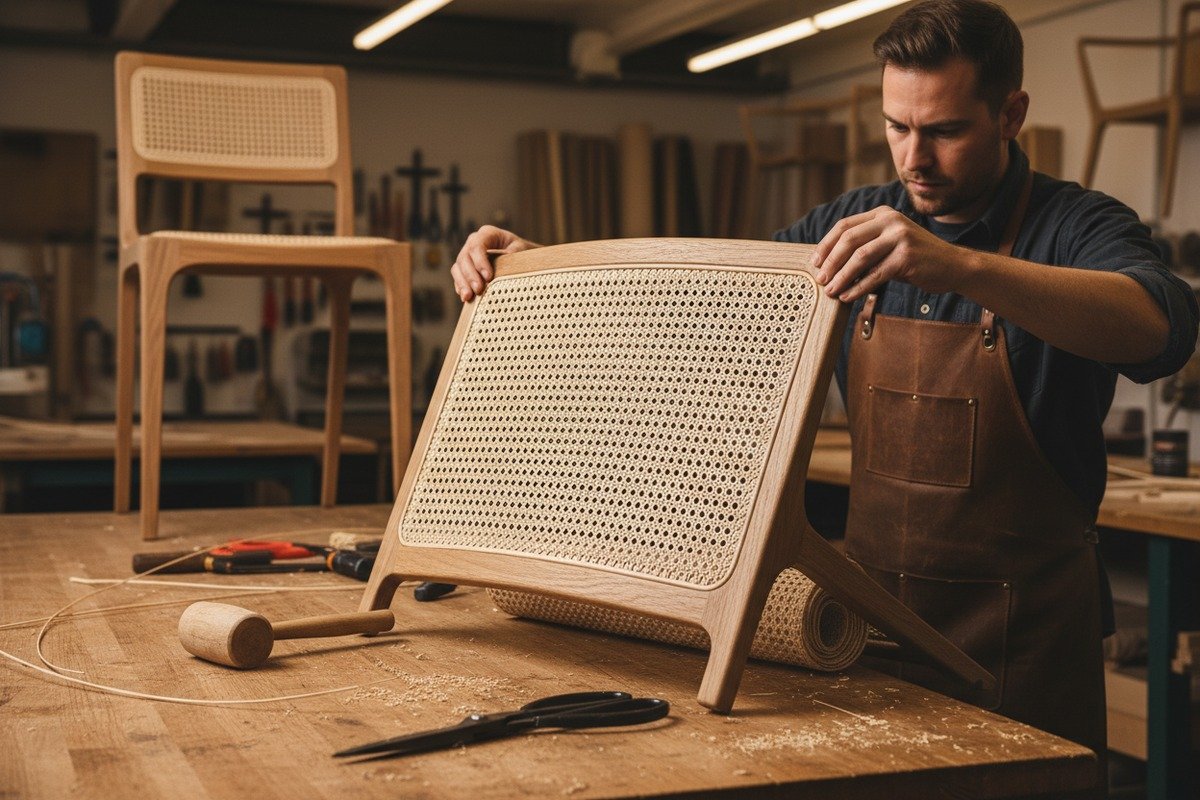
Indonesia's rattan forests span millions of hectares across Kalimantan, Sulawesi, Sumatra, and the Lesser Sunda Islands. This geographic spread means that even when one region faces seasonal weather disruptions, others can compensate. For large-volume buyers — furniture factories ordering thousands of rolls per month — this redundancy is critical.
Our Indonesian facility processes over 10,000 square meters of raw material at any given time. That scale is only possible because the raw supply exists nearby in sufficient quantity. Try sourcing that volume from the Philippines or Laos, and you will face months of delays and inconsistent batch quality.
Quality Characteristics of Indonesian Rattan
| عامل الجودة | Indonesian Rattan | الروطان الفيتنامي | Philippine Rattan |
|---|---|---|---|
| اتساق اللون | Excellent — minimal variation | Moderate — requires sorting | Good — some batch variation |
| قوة الشد | High (Manau, Tohiti grades) | متوسط | متوسط إلى مرتفع |
| Strand Diameter Uniformity | متناسق جدًا | Variable | معتدل |
| نعومة السطح | عقد قليلة، ناعمة | خشن قليلاً | معتدل |
| Availability of Premium Species | Widest variety | محدود | محدود |
| Price Range | Mid to Premium | Budget to Mid | Mid |
The Export Ban Effect
Indonesia implemented a raw rattan export ban in 2011 6, later modified to encourage domestic value-added processing. This policy forced the development of local processing infrastructure. Today, Indonesian factories can deliver semi-finished and finished rattan webbing — not just raw poles. For buyers like our wholesale clients, this means you can source processed cane webbing directly from origin, cutting out intermediate steps.
The ban also improved quality standards within Indonesia. Factories had to compete on processing quality, not just raw material volume. The result is a more professional supply base with better grading, drying, and packaging practices.
Sustainability Credentials
Indonesian rattan, when properly sourced, is one of the most sustainable materials in the furniture industry 7. Rattan is a منتج غابات غير خشبي 8. Harvesting it does not require cutting down trees. The palm regenerates after cutting. And because it grows as part of a living rainforest, rattan harvesting actually gives local communities an economic incentive to preserve forest land rather than clear it for agriculture.
That said, overharvesting remains a real concern. Buyers should ask suppliers for documentation on sourcing regions and harvesting permits. At our Indonesian facility, we maintain relationships with certified harvesting cooperatives in Kalimantan and Sulawesi to ensure traceability.
How do different regional origins affect the quality and price of my rattan materials?
Through years of processing rattan from multiple countries in our Foshan facilities, we have built a detailed understanding of how origin shapes both performance and cost. The differences are not subtle.
Regional origin directly impacts rattan quality through variations in species availability, climate conditions, harvesting practices, and processing standards. Indonesian rattan commands premium prices for its consistency, while Vietnamese rattan offers budget-friendly options with trade-offs in color uniformity and strand texture. Philippine and Malaysian rattan fall in between, each with distinct characteristics.
Climate and Growing Conditions
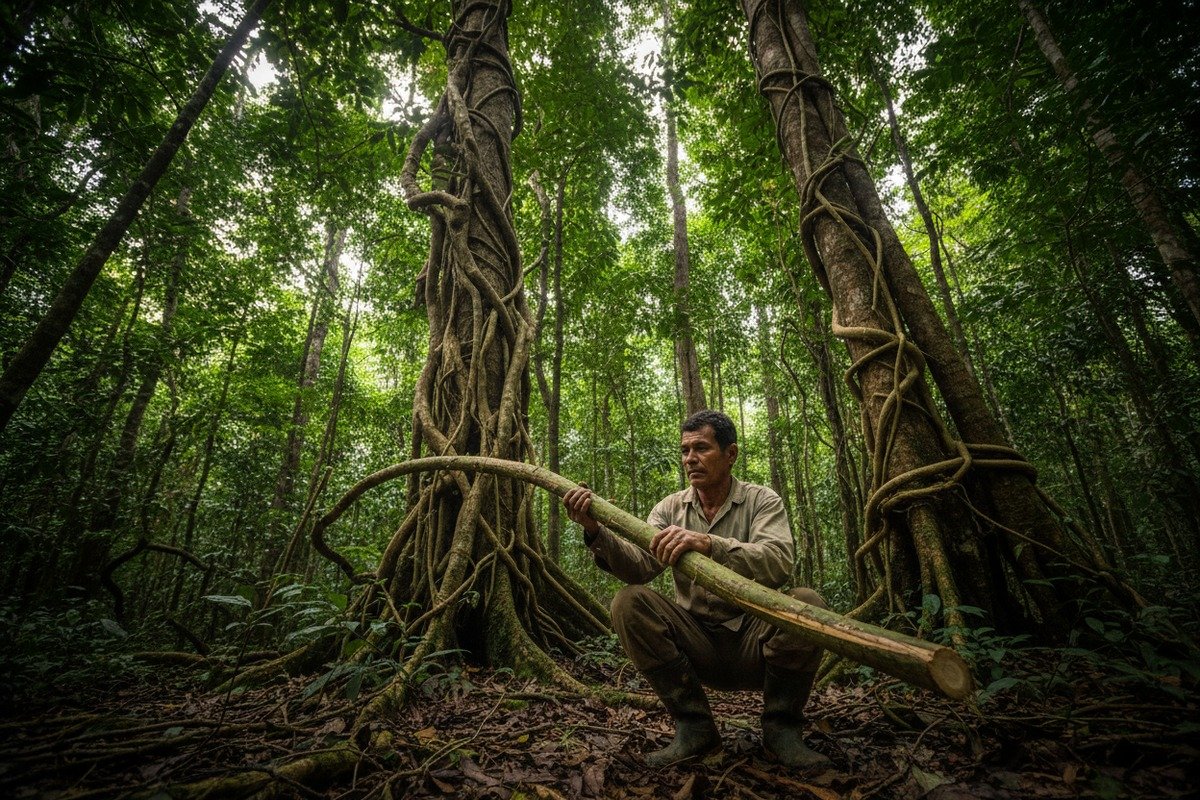
Rattan thrives in humid tropical climates with consistent rainfall. The equatorial forests of Borneo and Sulawesi provide nearly ideal conditions: high humidity, steady temperatures, and rich biodiversity that supports healthy rattan growth. Rattan from these regions tends to have tighter fiber structure and better natural moisture resistance.
Move further from the equator — to northern Vietnam or the Indian state of Assam — and conditions change. Seasonal temperature swings and drier periods produce rattan with slightly different fiber characteristics. The strands may be more brittle or less uniform in color. This does not make the material unusable, but it does change how it performs in weaving and finishing.
Price Drivers by Region
Price is not just about quality. It reflects labor costs, transportation infrastructure, export policies, and supply chain complexity. Here is what drives pricing from each major source:
| Price Factor | إندونيسيا | فيتنام | الفلبين | India/Others |
|---|---|---|---|---|
| تكلفة المواد الخام | معتدل | منخفض | معتدل | منخفض إلى متوسط |
| Labor Cost | منخفض إلى متوسط | منخفض | معتدل | منخفض |
| Processing Infrastructure | متقدم | ينمو | Basic-Moderate | أساسي |
| Export Policy Impact | Adds cost (value-added processing required) | Minimal restrictions | Some permits required | Varies by state/country |
| Transportation to China/Asia Hubs | Short sea routes | Short land/sea routes | Moderate sea routes | Longer routes, higher freight |
| Typical Wholesale Price (per roll) | $12-25 | $9-15 | $10-18 | $8-14 |
Natural vs. Synthetic: The Origin Factor
Regional origin matters most for شبكة الروطان الطبيعي الخاصة بنا 9. When you move to synthetic or plastic rattan alternatives — like the chevron wave or UV-resistant outdoor webbing we also supply — the origin story shifts from raw material source to manufacturing capability.
Natural cane webbing in hexagonal open-mesh (radio weave), dense square basketweave, or diamond geometric patterns all depend on the quality of the raw rattan strands. Synthetic alternatives mimic these patterns using plastic polymers. They cost less per roll, resist moisture better, and last longer outdoors. But they lack the warmth, texture, and artisanal character that makes natural rattan so popular in bohemian and mid-century furniture design.
Processing Quality Varies by Country
Even identical rattan species can produce different webbing quality depending on how the material is processed. Indonesian and Chinese factories typically have the most advanced processing — including precision splitting, controlled drying, and automated quality checks. Vietnamese processing is improving rapidly but still shows more variation in strand width and surface finish.
For bleached rattan cane webbing — which requires careful chemical treatment to achieve a consistent white or light cream color — processing expertise matters even more. Uneven bleaching creates blotchy patterns that reduce the material's market value. Our facilities use controlled bleaching protocols developed over years of testing to ensure every roll meets Grade A standards.
Sorting and Grading Costs
One hidden cost of sourcing from lower-price origins is sorting. When rattan arrives with inconsistent color, varying strand thickness, or surface imperfections, someone has to sort it. That takes labor and time. A batch of Vietnamese rattan priced at $9 per roll may actually cost $12 per roll after sorting and waste removal. Indonesian premium rattan at $15 per roll might require minimal sorting, making the effective cost nearly identical.
Smart buyers calculate total landed cost, not just unit price.
Can I get better supply chain stability by sourcing from a wholesaler with Indonesian factories?
Supply disruptions have become our clients' number one concern over the past few years. Weather events, shipping delays, and raw material shortages have all hit the rattan industry. When we invested in our own Indonesian factory, the primary goal was not cost savings — it was supply chain control.
Yes, sourcing from a wholesaler that owns or operates factories in Indonesia provides significantly better supply chain stability. Direct factory access eliminates intermediary delays, ensures consistent material grading, and allows for buffer inventory management that protects against seasonal harvesting fluctuations and shipping disruptions.
Why Intermediaries Create Risk
Most rattan reaches international buyers through a chain of middlemen: forest harvesters sell to local collectors, who sell to regional traders, who sell to exporters, who sell to importers, who sell to wholesalers. Each link adds cost, delay, and quality uncertainty. When any link breaks — a trader defaults, a shipment is delayed, a batch fails inspection — the entire chain suffers.
A wholesaler with its own Indonesian processing facility removes several of these links. Raw material goes from forest to factory to your door. Fewer handoffs mean fewer failure points.
The One-Stop Advantage
At our operation, we maintain three self-invested factories plus over 30 partner factories in Foshan. Our Indonesian facility handles raw material processing. Our Foshan plants handle advanced weaving, finishing, and packaging. This vertical integration means we control quality at every stage.
For buyers, this translates into practical benefits:
- Consistent quality — Same grading standards applied from raw material selection through finished webbing.
- Flexible order sizes — We can adjust production runs because we control factory scheduling.
- Custom patterns — Our weaving facilities run advanced machines including multi-eye tape knitters that produce custom webbing patterns on demand.
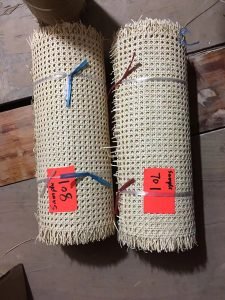
- Buffer stock — We maintain over 10,000 square meters of raw rattan inventory and 3,000+ square meters of finished webbing ready to ship.
Comparing Supply Models
| Supply Chain Model | المهلة الزمنية | Quality Control | Price Stability | مستوى الخطر |
|---|---|---|---|---|
| Direct from forest harvesters | 8-16 weeks | Minimal — buyer must inspect | Volatile — seasonal fluctuation | مرتفع |
| Through trading intermediaries | 6-12 weeks | Variable — depends on trader | Moderate — markup buffers some volatility | متوسط إلى مرتفع |
| From wholesaler with own factories | 3-6 weeks | Consistent — factory QC at origin | Stable — inventory buffers | منخفض-متوسط |
| Spot market purchasing | 1-4 weeks | غير متوقع | Highest volatility | مرتفع |
Real-World Supply Challenges
Climate change is already affecting rattan supply 10. Extended dry seasons in parts of Borneo have reduced harvesting windows. Flooding in Vietnam's Mekong Delta has damaged stored raw materials. These are not hypothetical risks. They happened in recent years and affected deliveries to our clients.
Having a factory in Indonesia means we can respond to these disruptions faster. When one harvesting region is affected, we shift sourcing to alternative regions within Indonesia. Our local team has relationships with harvesting cooperatives across multiple provinces. A buyer working through a distant trading company does not have this flexibility.
Packaging and Shipping Expertise
Rattan is a natural material. It absorbs moisture. It can crack if over-dried. It attracts mold if stored improperly. Proper packaging for international shipping requires expertise that many small suppliers lack.
Our facilities use moisture-controlled packaging with protective wrapping designed to maintain optimal humidity during transit. We ship to over 30 countries — from the Netherlands and Spain to Australia, Saudi Arabia, and the USA. Each destination has different climate conditions on arrival, and our packaging protocols account for this.
Packaging durability is a pain point we hear about constantly from new clients. They have received rattan from other suppliers that arrived damaged, moldy, or warped. Vertical integration lets us control packaging quality because we are the factory, the processor, and the shipper.
Future-Proofing Your Supply
The global rattan market is shifting. Demand for sustainable, eco-friendly materials continues to grow. European and American buyers increasingly require documentation on sourcing practices. Synthetic rattan alternatives — like the UV-resistant plastic webbing in chevron and wave patterns — are gaining market share for outdoor applications.
A wholesaler with deep roots in Indonesian production can navigate these shifts. We are already working on cultivation partnerships, expanded synthetic lines, and improved traceability documentation. Buyers who establish relationships with vertically integrated suppliers now will be better positioned as the market evolves through 2025 and beyond.
خاتمة
The countries behind your rattan cane webbing determine its quality, price, and supply reliability. Choose your source wisely, and your entire production benefits.
ملاحظات سفلية
1. Wikipedia provides a comprehensive overview of rattan’s origin and distribution. ↩︎
2. ITTO offers data on Indonesia’s dominant share in global rattan production. ↩︎
3. CIFOR discusses the impact of Indonesia’s ban on domestic rattan processing. ↩︎
4. Wikipedia defines rattan as a climbing palm, aligning with the article’s description. ↩︎
5. Wikipedia confirms the approximate number of rattan species. ↩︎
6. CIFOR analyzes Indonesia’s policy to ban raw rattan exports in 2011. ↩︎
7. WWF highlights rattan’s importance as a sustainable material for furniture. ↩︎
8. Wikipedia identifies rattan as a valuable non-timber forest product. ↩︎
9. Wikipedia provides information on rattan as a material used for woven products like webbing. ↩︎
10. CIFOR research examines how climate change impacts rattan supply. ↩︎
 English
  Español de México
  العربية
  Deutsch
  Français
  Русский