
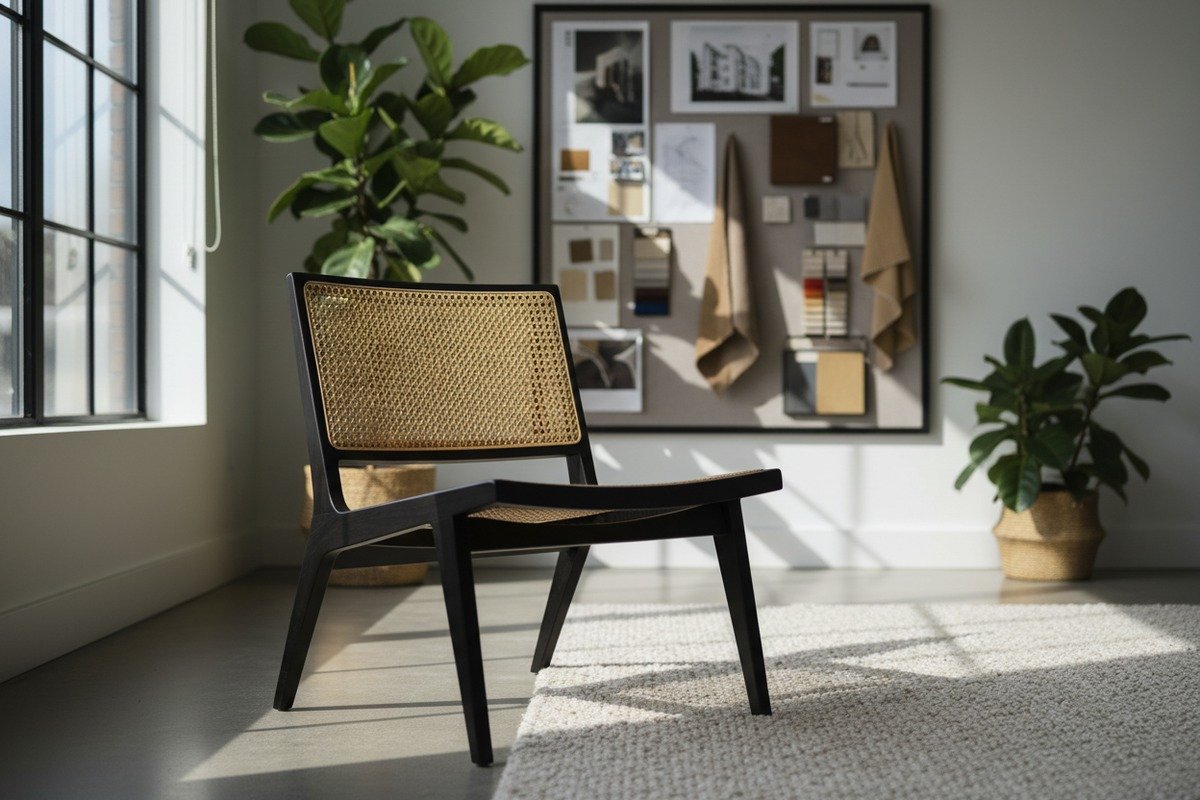
Every week, our sales team fields calls from luxury furniture brands struggling to find materials that look premium, feel natural, and hold up over years of use.
Rattan cane webbing is popular for high-end furniture because it combines natural aesthetic warmth, exceptional breathability, proven durability, and sustainable sourcing. Its handwoven texture adds artisanal character that elevates furniture designs, while its flexibility allows integration across diverse luxury styles from minimalist to mid-century modern.
Below, we break down what makes rattan cane webbing a top choice for premium furniture lines — and how to source it right profit margins 1. Let’s walk through grading standards, design value, factory-direct pricing, and مراقبة الجودة 2 for large-scale production.
How can I ensure the rattan cane webbing I buy meets Grade A standards for my luxury furniture line?
We have spent over a decade refining our grading process across three factories, and the most common complaint we hear from new buyers is this: they received "Grade A" rattan that looked nothing like the sample. It hurts margins. It damages brand trust. And it is entirely preventable when you know what to look for.
To ensure Grade A standards, inspect rattan cane webbing for uniform strand thickness, consistent color tone, tight and even weave patterns, absence of black spots or mold, and minimal broken strands. Request factory sample panels, verify grading certificates, and establish clear specifications in your purchase contract.
ما الذي يحدد نسيج قصب الروطان من الدرجة الأولى؟
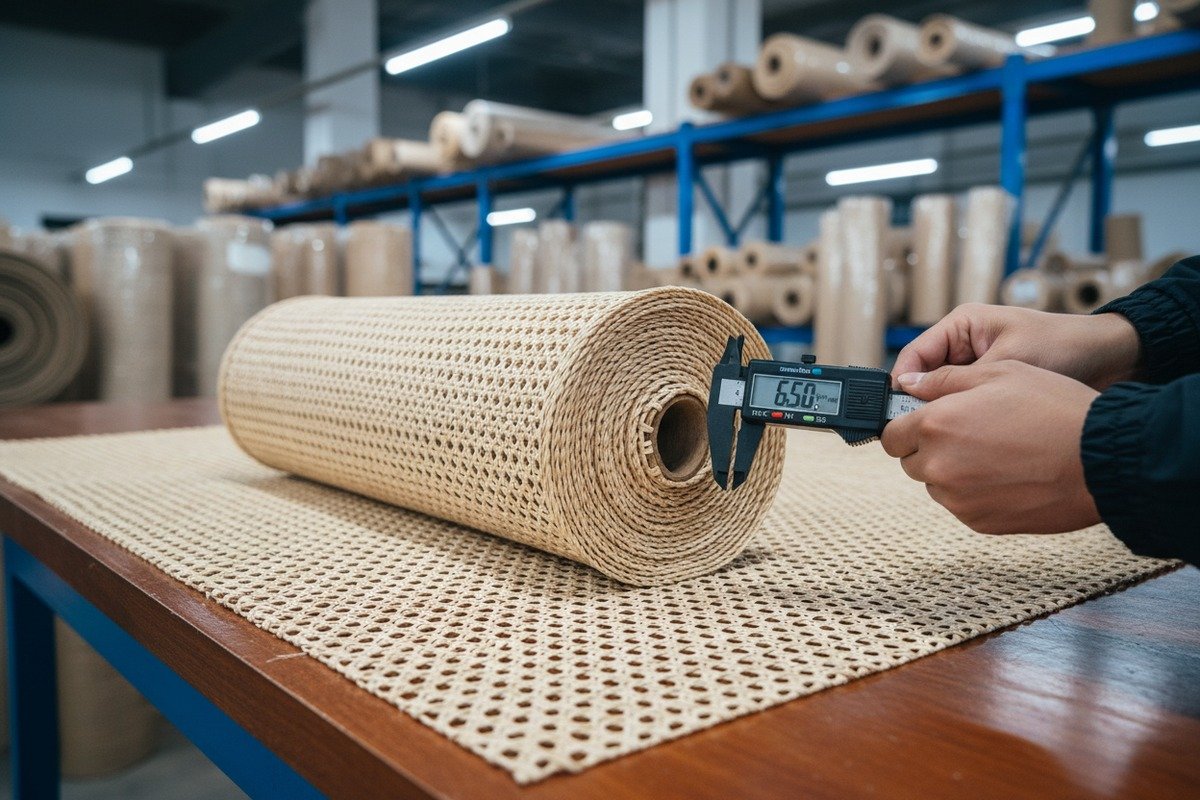
Grade A is not a universal certification. It is a trade standard that varies between suppliers. That is exactly why you need to define it in writing before placing any order. At our Foshan facility, we classify Grade A rattan webbing using five measurable criteria. Each one directly affects how the finished furniture looks and performs.
Here is how we break down the grading:
| المعايير | معيار الدرجة الأولى (Grade A) | Common Grade B Issues |
|---|---|---|
| سمك الخيوط | Uniform, ±0.2mm tolerance | Visible variation, thin spots |
| اتساق اللون | Even straw-yellow to light beige | Dark patches, uneven bleaching |
| إحكام النسيج | No gaps, symmetrical pattern | Loose intersections, uneven spacing |
| عيوب السطح | No black spots, mold, or cracks | Occasional spotting, rough edges |
| Strand Integrity | Less than 1% broken strands per m² | 3–5% broken strands per m² |
كيفية التحقق من الجودة قبل الطلب بالجملة
Do not rely on photos alone. Our recommendation to every new buyer is simple: order a physical sample panel, at least 50cm × 50cm. Hold it up to natural light. Run your fingers across the weave. Check both sides, not just the face side. The back of the webbing tells you more about craftsmanship than the front.
Ask the factory for a batch inspection report. If they cannot provide one, that is a red flag. At our processing facility in Indonesia, we photograph every roll before shipping and tag it with a batch number. This traceability matters when you are building a luxury product line and need to reorder the same quality six months later.
Setting Specifications in Your Contract
Be specific. Do not just write "Grade A" in your purchase order. Spell out the strand width, the acceptable color range using a Pantone 3 or natural reference sample, and the weave pattern code. Include the maximum defect rate per square meter.
We also advise clients to agree on a dispute resolution process upfront. For example, if more than 5% of a shipment fails inspection at your warehouse, what happens? A clear agreement protects both sides and keeps the relationship professional.
Common Mistakes Buyers Make
Many first-time buyers skip the pre-production sample approval step. They see a nice photo on Alibaba, place a 500-meter order, and then discover the actual product is thinner or darker than expected. Another mistake is ignoring storage conditions. Even Grade A rattan can develop mold if stored in a damp warehouse without ventilation. We always include storage guidelines with our shipments to help buyers protect their investment.
What unique aesthetic value does natural rattan webbing add to my high-end furniture designs?
When we first started supplying rattan to European furniture studios fifteen years ago, many designers treated it as a "budget-friendly filler." Today, those same studios use our rattan webbing as the centerpiece of their most expensive collections. The shift has been dramatic, and the reason is clear: natural rattan brings something no synthetic material can replicate.
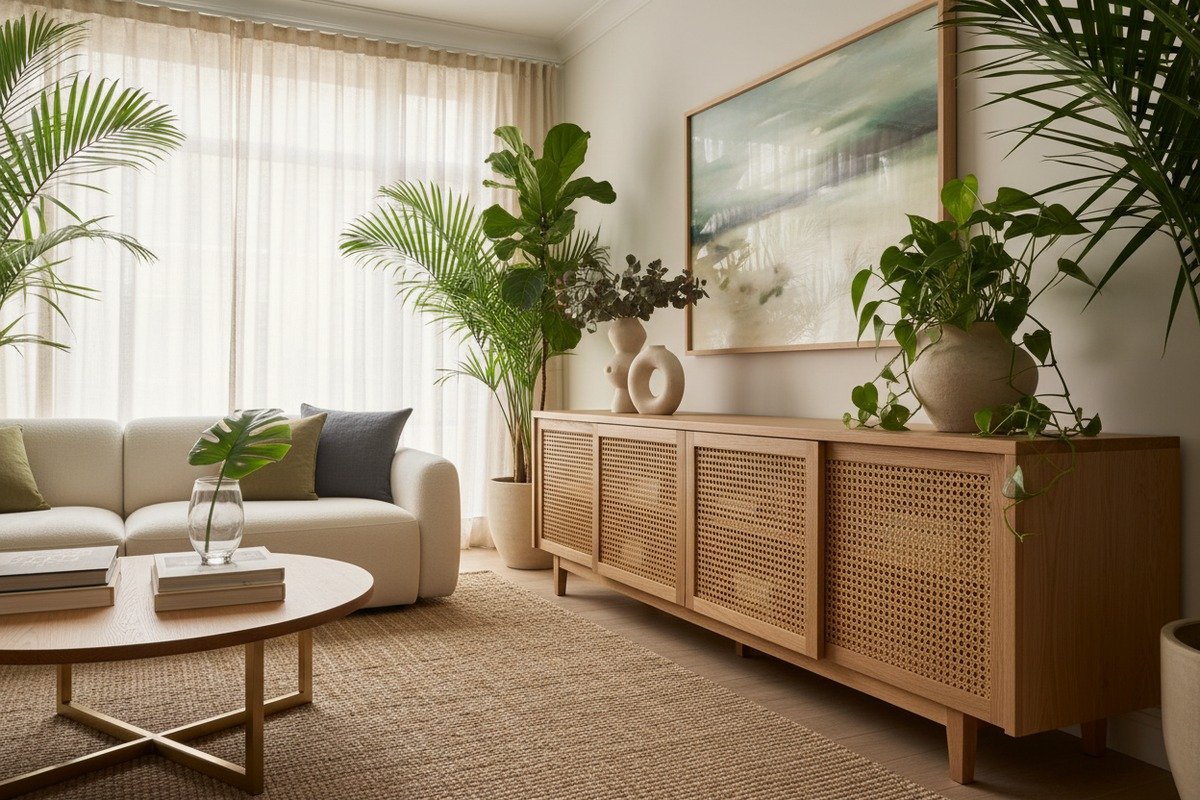
Natural rattan webbing adds unique aesthetic value through its organic texture, warm earthy tones, and handwoven irregularities that create visual depth and artisanal character. It bridges rustic warmth with contemporary minimalism, making furniture pieces feel both timeless and sophisticated in luxury interior settings.
The Visual Language of Natural Rattan
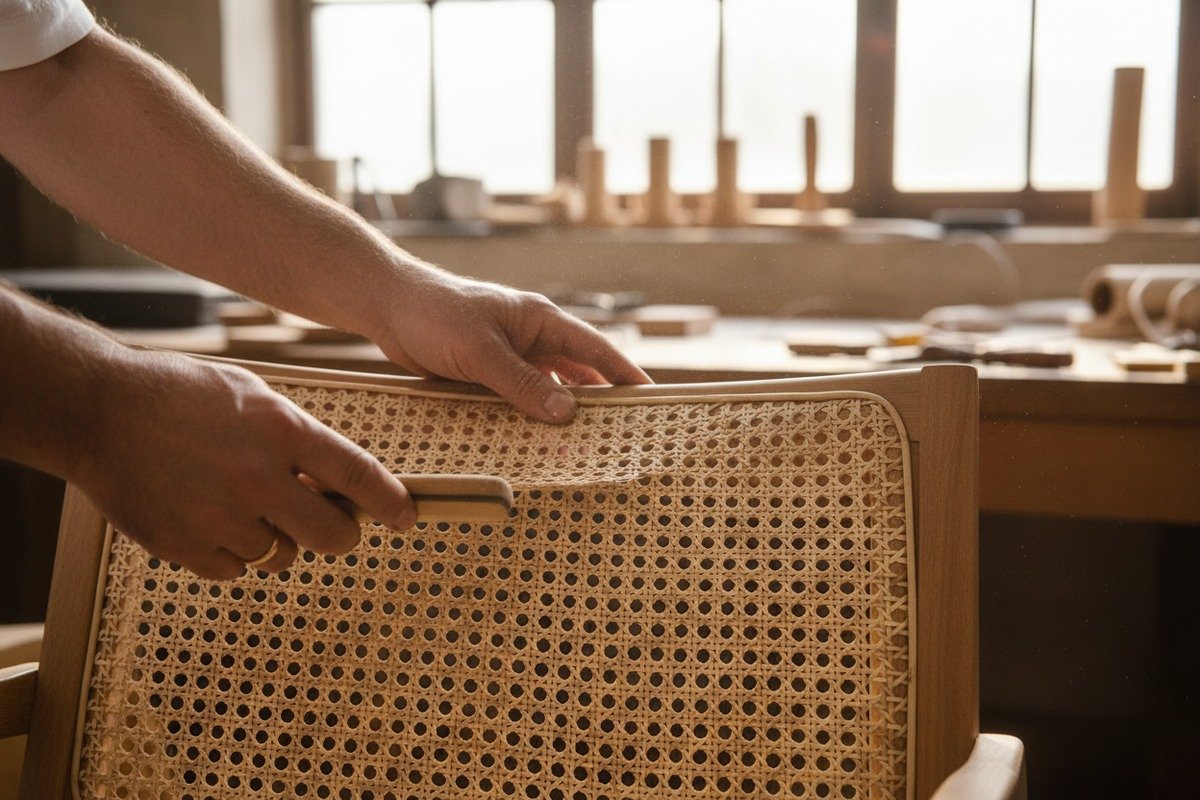
Rattan cane webbing speaks a visual language that resonates across cultures. Its light beige and straw-yellow tones bring warmth without heaviness. The woven patterns — whether hexagonal open-mesh, tight basketweave, or intricate diamond motifs — add geometric interest that catches the eye without overwhelming a room.
Each strand carries subtle color variations. These are not defects. They are the fingerprints of a natural material. High-end consumers recognize and value these organic imperfections. They signal authenticity in a market flooded with factory-perfect synthetics.
How Rattan Complements Different Design Styles
One of the strongest advantages of rattan webbing is its chameleon-like ability to fit multiple aesthetics. Here is how it integrates across popular luxury design styles:
| نمط التصميم | Rattan Application | التأثير |
|---|---|---|
| Scandinavian Minimalist | Light-toned open weave on dining chairs | Adds warmth to clean lines |
| مودرن منتصف القرن | Radio weave on cabinet doors and sideboards | Evokes retro sophistication |
| Bohemian Luxury | Dense basketweave on headboards and screens | Creates layered, textured depth |
| Contemporary Coastal | Bleached rattan panels on accent furniture | Brings relaxed elegance |
| Japandi | Fine hexagonal mesh on room dividers | Balances simplicity with craft |
Pairing Rattan with Premium Materials
Rattan webbing shines brightest when paired with contrasting materials. Our clients in the Netherlands and Spain have achieved stunning results combining rattan with black steel frames, solid walnut, polished brass hardware, and marble surfaces. The contrast between industrial or refined materials and the organic softness of rattan creates visual tension that elevates the entire piece.
The tactile quality also matters. When a customer runs their hand across a rattan panel set within a smooth wooden frame, the sensory contrast registers as luxury. It is a detail that photographs cannot fully capture but that showroom visitors notice immediately.
The Timeless Factor
Rattan cane webbing has appeared in furniture design for centuries. It featured prominently in Victorian parlor chairs, Bauhaus experiments, and the iconic mid-century designs of Hans Wegner and Marcel Breuer. This historical pedigree gives rattan a timelessness that trend-dependent materials lack. Furniture makers investing in rattan are not chasing a fad. They are connecting to a design tradition that has proven itself across generations.
Today, rattan also resonates with biophilic design principles 4 — the idea that incorporating natural elements into interior spaces improves well-being. For luxury hospitality projects, this is a selling point. Hotels and resorts want guests to feel calm and connected to nature. Rattan webbing delivers that feeling effortlessly.
Over the past five years, we have helped dozens of furniture material wholesalers — from Turkey to Australia — cut their rattan procurement costs by 20–35% simply by removing middlemen from the supply chain. The math is straightforward, but many buyers still hesitate because they do not understand where the savings actually come from.
Sourcing directly from a Chinese factory improves profit margins by eliminating trading company markups, reducing per-unit costs through bulk production, enabling custom specifications without extra fees, and shortening the communication chain. Direct access to factory pricing typically saves buyers 20–35% compared to purchasing through intermediaries.
Where the Cost Savings Actually Live
When you buy rattan through a trading company, you are paying for their margin, their overhead, and their risk buffer. A typical trading company adds 15–30% on top of factory prices. They also tend to round up on shipping estimates and charge handling fees for quality inspection services that the factory already performs.
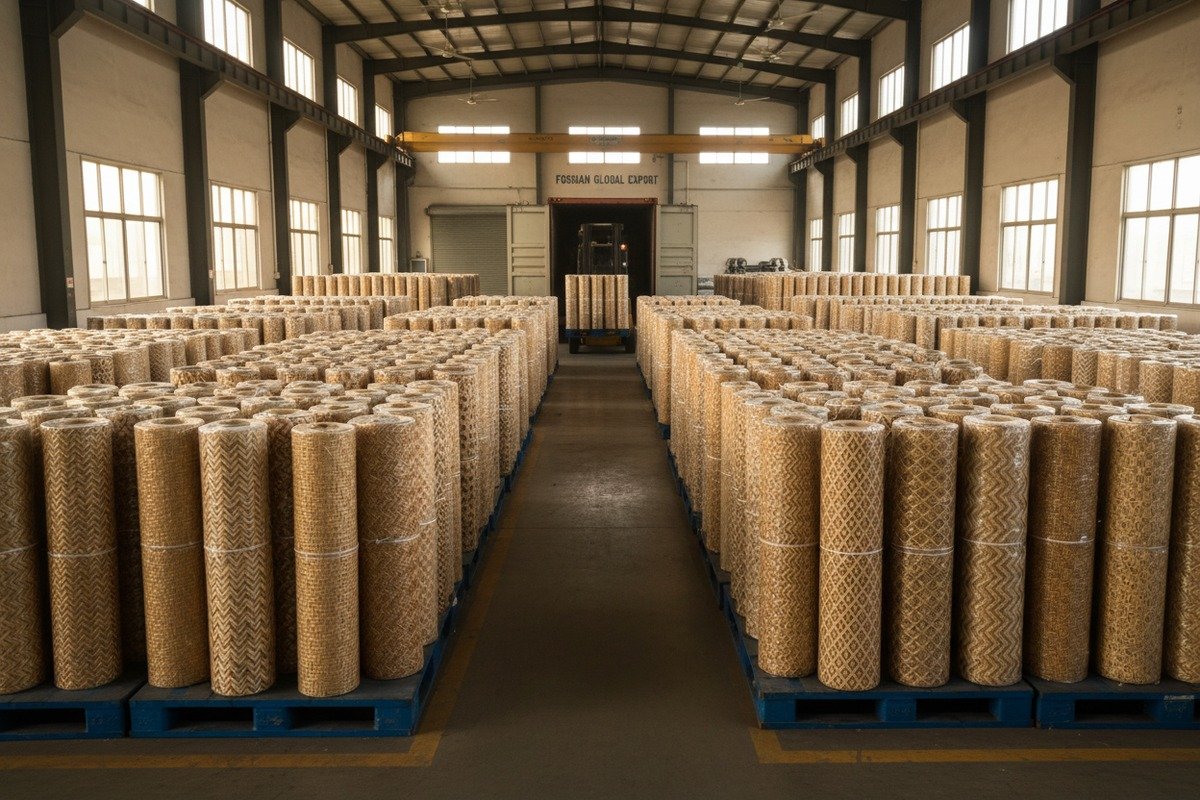
By working directly with our Foshan headquarters, buyers skip all of that. They get factory-gate pricing. They communicate directly with our production team. And they receive quality reports generated in-house, not relayed through a third party.
Cost Comparison: Direct vs. Intermediary
Here is a real-world breakdown based on our export data for standard hexagonal rattan cane webbing:
| مكون التكلفة | Direct Factory Price | عبر شركة تجارية |
|---|---|---|
| Raw material + weaving | $3.50/m² | $3.50/m² |
| Factory margin | $0.70/m² | $0.70/m² |
| Trading company markup | $0.00/m² | $1.20/m² |
| فحص الجودة | متضمن | $0.15/m² additional |
| Communication & handling | Direct | $0.10/m² additional |
| Total per m² | $4.20/m² | $5.65/m² |
That is a 25.6% saving per square meter. On a 10,000 m² annual order, the difference is $14,500 — money that goes straight to your bottom line.
Beyond Price: The Hidden Benefits
Cost savings are the headline, but the operational advantages of direct sourcing matter just as much. When our clients in the USA or Saudi Arabia need a custom weave width or a specific bleaching treatment, they tell our production manager directly. There is no game of telephone. Changes happen faster. Misunderstandings are rare.
Direct factory relationships also give you priority during peak seasons. Trading companies distribute orders across multiple factories, and your job may not be their priority. When you are our direct client, your order has a name and a timeline attached to it on our production floor.
Customization Without Premiums
Many trading companies charge extra for non-standard specifications — unusual widths, specific color treatments, or custom roll lengths. We handle these requests as part of normal production. Our rattan processing facility in Indonesia prepares the raw material to your exact specifications, and our Foshan weaving partners execute the patterns. There is no custom surcharge because the customization happens within our existing workflow.
Managing Logistics and Payment
Some buyers worry that direct factory sourcing means more logistical complexity. In practice, we handle وثائق التصدير 5, arrange container loading, and coordinate with وكلاء الشحن 6 daily. Our team has exported to over a dozen countries. We know the paperwork for each destination. Payment terms are flexible — we typically work with T/T deposits and balance against bill of lading, or L/C for larger orders.
The key is finding a factory that treats export as a core competency, not a side activity. Our entire business model is built around international trade, so every process — from quoting to shipping — is designed for overseas buyers.
How do I maintain quality consistency across my large-scale rattan furniture production?
This is the question that keeps purchasing managers up at night. We know because we hear it in almost every first call with a new client. They have been burned before — the first batch was perfect, the second batch was darker, and the third batch had loose weaving. Scaling rattan furniture production without losing quality requires systems, not luck.
To maintain quality consistency at scale, establish detailed material specifications with your supplier, implement incoming inspection protocols, require batch-matched shipments, control storage conditions at your facility, and build a long-term relationship with a single-source factory that understands your standards and can replicate them order after order.
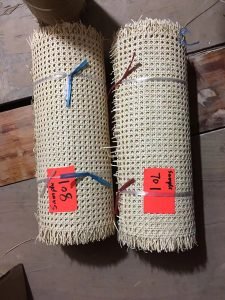
The Root Causes of Inconsistency
Quality variation in rattan webbing comes from three main sources: raw material differences, تقنية نسج 7 variation, and environmental factors during storage and transit.
Rattan is a natural product. Two batches harvested from different regions or seasons will differ in color and flexibility. المواد الطبيعية 8 This is unavoidable. What is avoidable is failing to sort and grade the raw material before weaving. At our Indonesian processing facility, we sort rattan poles by diameter, color, and flexibility before they enter the production line. This sorting step is where consistency begins.
Weaving technique matters too. Different weavers apply different tension. If a factory rotates workers without standardizing technique, the weave tightness will vary between rolls. We address this by training all weavers to the same tension standard and using jigs to maintain pattern accuracy.
Building a Quality Control System
For buyers producing luxury furniture at scale, we recommend a three-stage quality control approach:
Stage 1: Pre-Production Approval. Before every production run, approve a reference sample panel. This panel becomes the benchmark for the entire batch. Keep one at your facility and leave one with the factory.
Stage 2: In-Production Checks. Inspect webbing at three points during production — after the first 10% is woven, at the midpoint, and before final packing. Check strand color, weave tension, and pattern accuracy against the reference sample.
Stage 3: Pre-Shipment Inspection. Randomly select rolls from the finished batch. Unroll them fully. Measure strand thickness at multiple points. Compare color under standardized lighting. Count defects per square meter. Only approve shipment if defect rates fall below your agreed threshold.
Storage and Handling Best Practices
Even perfect rattan can degrade if stored incorrectly. Rattan cane webbing is sensitive to humidity and temperature 9. Too much moisture causes mold. Too little causes brittleness and cracking. Here are the storage conditions we recommend to all our clients:
- Keep relative humidity between 40% and 60%.
- Store rolls upright, not stacked flat, to prevent compression marks.
- Avoid direct sunlight, which causes uneven fading.
- Maintain stable temperatures between 15°C and 30°C.
- Keep storage areas well-ventilated to prevent moisture buildup.
The Value of a Long-Term Supplier Relationship
Switching suppliers frequently is one of the fastest ways to lose consistency. Every factory has its own raw material sources, processing methods, and quality culture. When you commit to a long-term relationship, your supplier learns your standards. They know your color preference. They understand your tolerance for variation. And they invest in meeting your expectations because they value the ongoing business.
We have clients who have ordered from us for eight or ten years. Their reorders arrive matching the original samples because our team knows exactly what they need. That kind of institutional knowledge is impossible to build with a new supplier every season.
Batch Matching for Color Consistency
Color matching across batches is the single most common challenge in large-scale rattan furniture production. Natural rattan changes shade depending on harvest season, drying conditions, and age. To minimize visible differences in finished furniture, we recommend ordering all the webbing for a single furniture collection in one batch. If that is not possible, request batch-matched rolls where the factory sorts finished rolls by color tone and groups similar shades together.
This approach ensures that all pieces in a furniture collection — the dining chairs, the sideboard, the room divider — share a cohesive color story. The difference between batch-matched and random-matched rattan is the difference between a luxury product line and a disjointed assortment.
خاتمة
Rattan cane webbing earns its place in high-end furniture through natural beauty, proven durability, المصادر المستدامة 10, and design versatility that no synthetic material can match. Choose the right supplier, set clear quality standards, and this timeless material will elevate every piece you produce.
ملاحظات سفلية
1. Replaced with an authoritative definition from Wikipedia. ↩︎
2. Explains quality control in manufacturing, its processes, and benefits for product standards. ↩︎
3. Describes the Pantone Color System, its purpose, and importance for color consistency across industries. ↩︎
4. Defines biophilic design, its origins, and its core idea of human connection to nature. ↩︎
5. Replaced with an authoritative government resource on common export documents from Trade.gov. ↩︎
6. Defines freight forwarders as third parties organizing shipments and providing logistics advice. ↩︎
7. Describes weaving as fabric production by interlacing yarns and outlines basic weave types. ↩︎
8. Replaced with an authoritative definition from Wikipedia, and updated anchor text to ‘natural materials’ for better context. ↩︎
9. Explains how humidity and temperature affect material preservation, including mold, brittleness, and dimensional changes. ↩︎
10. Replaced with an authoritative definition from EcoVadis, a business sustainability rating organization. ↩︎
 English
  Español de México
  العربية
  Deutsch
  Français
  Русский