
Sind Sie ein Möbelhersteller oder Designer, der unsicher ist, welche Rohrschilfart er für sein nächstes Projekt verwenden soll? Viele finden es schwierig, zwischen Arten und Qualitäten zu unterscheiden, was zu kostspieligen Fehlern führt.
Die Auswahl des richtigen Rohrschilfs für die Möbelherstellung erfordert das Verständnis seiner verschiedenen Formen wie Gurtband, Kern und Stangen sowie ihrer spezifischen Qualitäten. Wir bieten authentisches Naturrohr und innovative Kunststoffalternativen, die Haltbarkeit und Stil für alle Ihre Möbelbedürfnisse gewährleisten.
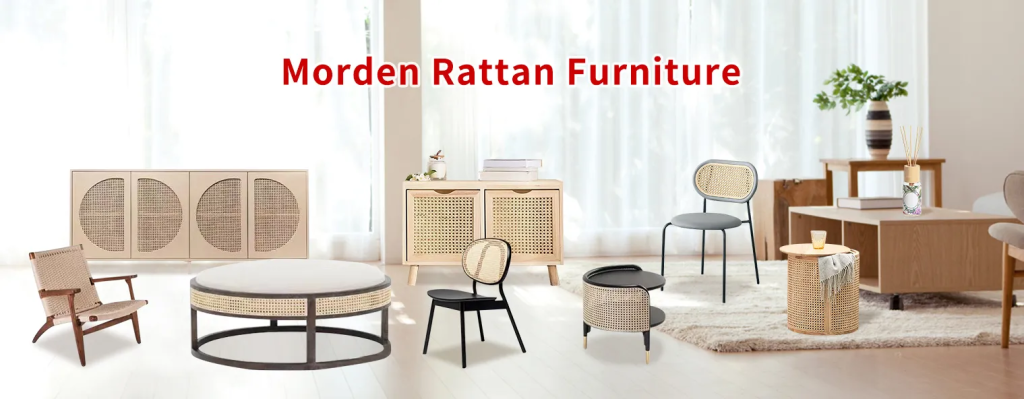
Bei SeaFan Rattan begann meine Reise 1995. Ich habe mich dem Verständnis aller Aspekte des Rohrmaterials gewidmet. Ich helfe Möbelherstellern und Designern weltweit, genau das zu finden, was sie für ihre Projekte benötigen.
Welche Art von Rohrschilf wird zur Herstellung von Möbeln verwendet?
Fragen Sie sich, welche spezifischen Arten von Rohrschilf sich am besten für den Bau haltbarer und schöner Möbel eignen? Die große Auswahl kann die Auswahl verwirrend machen und die Qualität Ihres Endprodukts beeinträchtigen.
In der Möbelherstellung werden hauptsächlich Rohrschilf-Gurtbänder für Sitze und Paneele, Rohrschilf-Kern zum Weben und Befestigen sowie Rohrschilf-Stangen für strukturelle Rahmen verwendet. Jede Form hat spezifische Qualitäten und Anwendungen, wobei natürliche Rohrschilf der Qualität C oft ideal für kostengünstige, starke Stuhlsitze ist.
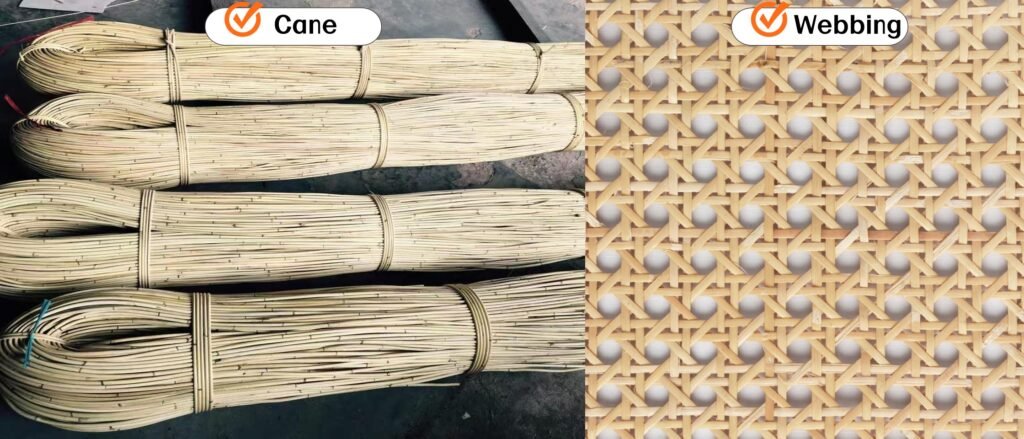
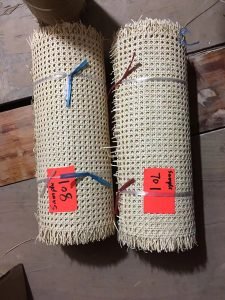
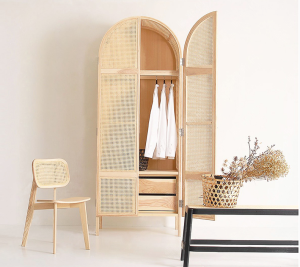
Wenn ein Möbelhersteller wie Jacky mich fragt, welche Art von Rohrschilf er verwenden soll, ist das immer ein ausführliches Gespräch. Wir verwenden verschiedene Teile der Rattanpflanze. Das wichtigste ist Rohrschilf-Gurtband. Dies ist ein entscheidendes Material für Stuhlsitze, Schranktüren und dekorative Paneele. Wir verwenden auch Rohrschilf-Kern. Dieser dient zum Weben und zur Befestigung von Gurtbändern in Möbelrahmen. Rohrschilf-Stangen sind für die Hauptstruktur von Möbeln. Sie geben Stärke. Dann gibt es Rohrschilf-Stuhlrohr, das dünner ist und zum Handweben detaillierter Muster auf Stühlen verwendet wird. Wir stellen auch Rohrmatten und vollständige Rohrschilf-Paneele für verschiedene Verwendungszwecke her. Natürliches Rattan ist ein umweltfreundliches Produkt. Es ist ein Naturmaterial, aber seine Versorgung kann manchmal knapp sein. Ich erkläre immer unser Klassifizierungssystem. Rattanmaterial hat vier Qualitäten: A, B, C und D. Qualität A ist die beste. Sie ist am teuersten und hat ein sehr sauberes Aussehen. Qualität B ist eine mittlere Qualität. Sie bietet gutes Aussehen und Preis. Qualität C ist stark genug. Sie hat normalerweise grüne Rinde. Ich sage Kunden oft, dass Qualität C die beste Wahl für die Herstellung von Rattan-Stühlen ist. Besonders wenn Ihre Rattanmöbel oder Ihr Rattan-Stuhl eine dunkle Farbe verwenden. Sie ist stark genug für Stuhlsitze und kostet weniger. Die grüne Rinde wird nicht sichtbar, sobald der Stuhl dunkel ist. Sie ist jedoch nicht beliebt für Möbel, die eine helle, natürliche Farbe benötigen, wegen der grünen Rinde. Rattan der Qualität D hat eine schöne Farbe. Es ist gut für Dekorationen, aber nicht stark genug für Möbel. Es bricht leicht. Daher eignet es sich besser für Projektdekorationen, wie Wand- oder Deckenpaneele. Seit 2018 haben wir auch mehr Farbauswahl für unser natürliches Rohrschilf-Gurtband entwickelt, was jetzt sehr beliebt ist.
- Arten von Rohrschilf für Möbel:
- Rattan-Rohrgeflecht1: Für Sitze, Rückenlehnen, Schrankeinsätze, dekorative Paneele.
- Rattan Core2: Wird als Spline verwendet, um Gurtband an Ort und Stelle zu halten, oder für Webprojekte.
- Rattan Chair Cane3: Dünne Stränge für aufwendige Handwebmuster.
- Rattan-Stange: Strukturelle Unterstützung für Möbelrahmen.
- Rattan-Matten/Paneele: Größere vorgefertigte Gewebeflächen für größere Oberflächen.
- Rattan-Bewertungssystem:
- Klasse A: Spitzenqualität, höchster Preis, sauberstes Aussehen.
- Klasse B: Mittelklassequalität, gutes Aussehen und Preisgleichgewicht.
- Klasse C: Stark, kostengünstig für dunkle Möbel, kann grüne Rinde aufweisen. Empfohlen für Stuhlsitze, wenn dunkel gebeizt.
- Klasse D: Nur zur Dekoration, schöne Farbe, aber nicht stark für Möbel.
Was ist der Unterschied zwischen Rohrschilf und Rattan?
Sind Sie verwirrt von den Begriffen "Rohr" und "Rattan", wenn es um Möbelmaterialien geht? Viele Leute verwenden sie austauschbar, aber es gibt einen klaren Unterschied, der Ihre Materialwahl beeinflusst.
Rattan ist der allgemeine Begriff für die kletternde Palmenpflanze. Rohr ist speziell die äußere Rinde oder Haut der Rattansorte, die zu Gewebe oder als einzelne Stränge gewebt wird. Rohr ist also ein bestimmter Teil oder ein Produkt, das aus der größeren Rattanenpflanze gewonnen wird.
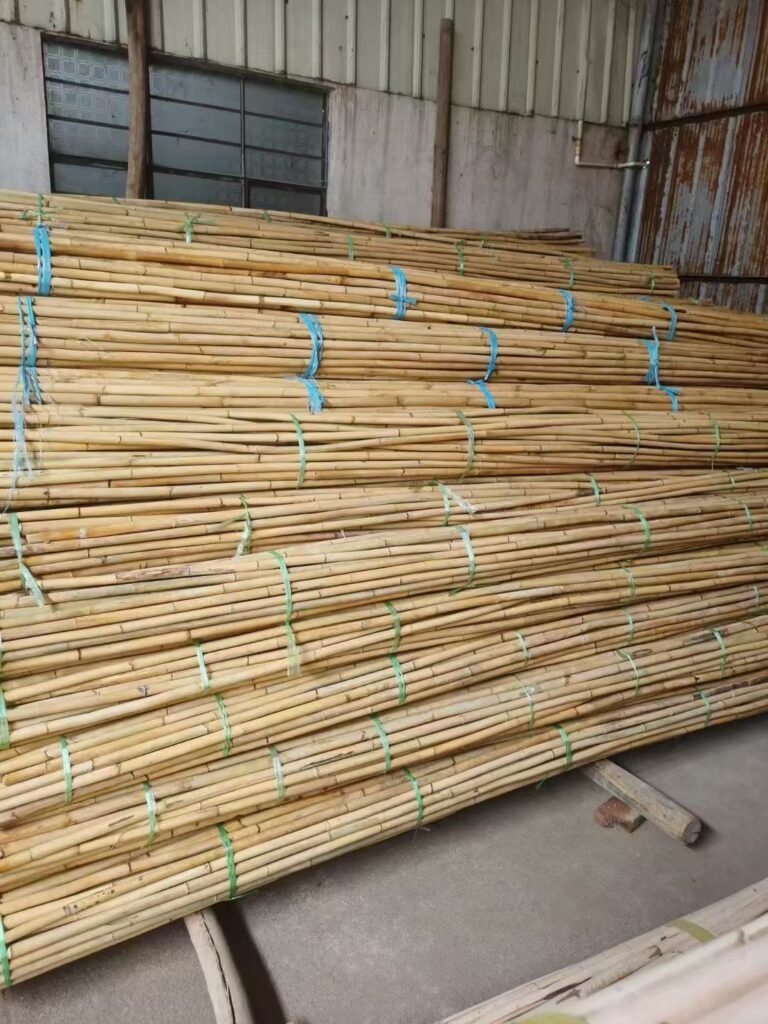
Ich kläre diesen Punkt oft für meine Kunden. Rattan bezieht sich auf die gesamte Pflanze. Es ist eine Art kletternde Palme. Rohr ist eigentlich die äußere Haut der Rattansorte. Wir schälen diese Haut vom Rattanstamm ab. Dann verwenden wir dieses Rohr auf verschiedene Weise. Wir weben es zu Rattangewebe. Wir verwenden es auch als einzelne Stränge, die wir Rattanstuhlrohr nennen, zum Handweben. Der innere, weichere Teil des Rattanstamms, nachdem die Haut entfernt wurde, wird zu Rattankern verarbeitet. Der gesamte Stamm wird natürlich als Rattanstämme für starke Möbelrahmen verwendet. Sie sehen also, Rohr ist "Rattan", aber es ist ein bestimmter Teil der Rattanenpflanze. Rattan als Ganzes ist ein umweltfreundliches Produkt, natürlich und schön. Meine Fabrik, Baizhao Rattan Cane Webbing Factory, arbeitet seit 1995 mit all diesen Teilen der Rattanenpflanze. Wir haben gesehen, wie sich der globale Markt für diese Materialien verändert hat. Zum Beispiel hat Indonesien seit 2018 den Export von rohem Rattane-Rohmaterial verboten. Dies führte zu einem Mangel auf dem chinesischen Markt. Es verteuerte alle Rattanprodukte sehr stark. Diese Veränderung der Rohmaterialversorgung wirkt sich auf alles aus, vom gesamten Rattanstamm bis zum dünnen Rattandrohr, das wir zum Weben verwenden. Wir haben uns angepasst, indem wir starke Lieferketten in China aufgebaut haben, um diese Veränderungen zu bewältigen und sicherzustellen, dass unsere Kunden weiterhin qualitativ hochwertige Produkte erhalten.
- Rattan vs. Rohr:
- Rattan: Die gesamte tropische kletternde Palmenpflanze.
- Rohr: Die äußere, zähe Rinde oder Haut der Rattansorte.
- Verwendungen verschiedener Rattan-Teile:
- Rohr (Haut): Wird zum Weben von Rattangewebe oder als dünne Stränge (Stuhlrohr) zum Handweben verwendet.
- Rattan-Kern (Innenteil): Wird als Spline zur Befestigung von Geflecht oder zum Weben verwendet.
- Rattan-Stangen (ganzer Stiel): Wird für tragende Möbelrahmen verwendet.
- Marktauswirkungen:
- Die natürliche Rattanversorgung steht aufgrund von Rohstoffverboten vor Herausforderungen.
- Dies wirkt sich auf die Kosten und die Verfügbarkeit aller Rattanteile aus, einschließlich Peddigrohr.
Was ist der Nachteil von Rattan?
Wägen Sie die Vor- und Nachteile der Verwendung von Rattan ab und sind Sie besorgt über seine potenziellen Nachteile? Das Verständnis der Nachteile ist entscheidend für fundierte Materialentscheidungen für Ihre Möbelprojekte.
Die Hauptnachteile von natürlichem Rattan sind hohe Kosten aufgrund von Rohstoffknappheit, inkonsistente Versorgung und begrenzte Eignung für den Außenbereich. Diese Nachteile werden jedoch zunehmend durch innovative Kunststoff-Rattan-Peddigrohr-Alternativen angegangen, die Haltbarkeit und Kosteneffizienz bieten.

Wenn ich mit Möbelherstellern oder sogar Großhändlern wie Adel spreche, diskutieren wir oft die Herausforderungen von natürlichem Rattan. Ein großer Nachteil sind die Kosten. Seit 2018 hat die indonesische Regierung den Export von rohem Rattanmaterial verboten. Dies führte zu einem enormen Mangel an rohem Rattanrohr in China. Aus diesem Grund sind die Kosten aller Rattanprodukte sehr hoch gestiegen. Dies machte es für viele unserer Kunden schwierig, die hohen Preise zu akzeptieren. Ein weiterer Nachteil ist, dass natürliches Rattan traditionell nicht sehr gut für den Außenbereich geeignet ist. Es kann in heißen oder feuchten Umgebungen schnell zerfallen. Außerdem ist die Versorgung mit hochwertigem natürlichem Rattan instabil, was die Planung großer Bestellungen erschwert.
Wir bei SeaFan Rattan arbeiten jedoch hart daran, diese Nachteile zu überwinden. Wir haben unsere Plastic Rattan Cane Webbing4 als Schlüssellösung entwickelt. Dieses innovative Material kostet etwa die Hälfte des Preises von natürlichem Peddigrohrgeflecht. Wir haben auch viele Farben und Webmuster dafür entwickelt, um den Wünschen von Möbelherstellern und Hotelprojektgestaltern wie Peter entgegenzukommen. Dies bietet eine stabile Versorgung und mehr Designflexibilität. Mit Blick auf 2025 sind unsere Fortschritte noch bedeutender. Wir entwickeln mehr als 10 Arten unseres Kunststoff-Rattan-Peddigrohrgeflechts speziell für Gartenmöbel. Wir haben Prüfberichte, die zeigen, dass es auch in heißen Umgebungen lange hält. Die Verwendung dieses Kunststoff-Peddigrohrgeflechts für den Außenbereich hilft den Herstellern, viel menschliche Webarbeit an Stühlen zu vermeiden. Dies kann bis zu 80% der Arbeitskosten für das Weben einsparen. Es bietet mehr Farbauswahl und ist perfekt für KD (zerlegbare) Rattan-Gartenmöbel. Während natürliches Rattan also seine Nachteile hat, bieten wir starke, kostengünstige Alternativen, die diese Probleme lösen.
- Nachteile von natürlichem Rattan:
- Hohe Kosten: Deutlich gestiegen nach dem indonesischen Exportverbot für Rohmaterialien im Jahr 2018.
- Lieferengpass: Schwierigkeiten bei der gleichmäßigen Beschaffung von Rohmaterial.
- Eignung für den Außenbereich: Traditionell nicht langlebig für langfristige Außenexposition.
- Inkonsistente Einstufung: Natürliche Variationen (z. B. grüne Schale in Klasse C).
- SeaFan Rattan's Lösungen für Nachteile:
- Kunststoff-Rattan-Rohrgeflecht:
- Kosten: Halb so teuer wie natürlich.
- Versorgung: Stabile Produktion aus unseren Fabriken.
- Haltbarkeit: Verbessert, mit über 10 Außentypen ab 2025, getestet für heiße Umgebungen.
- Design: Viele Farben, gemischte Muster, Verbundoptionen.
- Effizienz: Spart 80% an Webkosten für Outdoor-Möbel; geeignet für KD-Möbel.
- Kunststoff-Rattan-Rohrgeflecht:
Wie befestigt man Rattan an Möbeln?
Sind Sie neu in der Arbeit mit Rattan und unsicher über die besten Methoden, um es sicher an Ihren Möbelstücken zu befestigen? Eine ordnungsgemäße Haftung ist der Schlüssel zu einem dauerhaften und professionellen Finish.
Um Rattanrohrgeflecht an Möbeln zu befestigen, beinhaltet die gängigste Methode das Einpassen des vorgeweichten Geflechts in eine gefräste Nut unter Verwendung eines Rattankerns (Leiste5) und Klebstoff. Für andere Rattanformen wie Stangen oder dekorative Paneele werden spezielle Klebstoffe, Schrauben oder Flechttechniken verwendet.
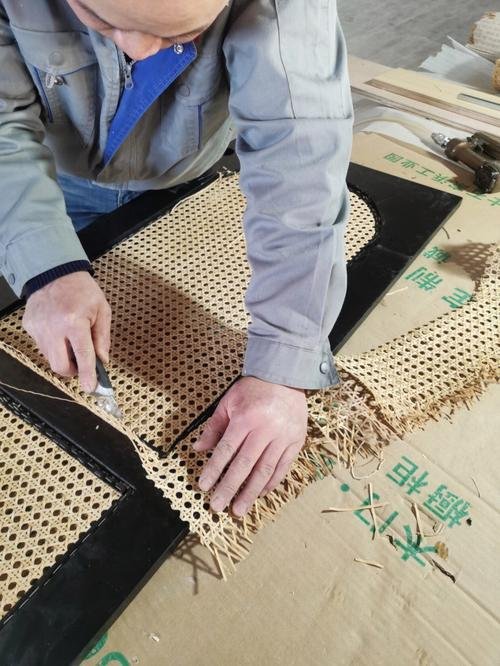
Wenn Möbelhersteller Rattanrohrgeflecht befestigen müssen, verwenden sie normalerweise eine klassische Methode. Sie ergibt eine sehr starke und saubere Oberfläche. Zuerst müssen Sie den Möbelrahmen vorbereiten. Das bedeutet, dass um die Öffnung, in die das Geflecht kommt, eine gefräste Nut vorhanden sein muss. Vor Beginn muss das natürliche Rattanrohrgeflecht etwa 30 Minuten lang in warmem Wasser eingeweicht werden. Das macht es weich und biegsam. Es ermöglicht auch, dass sich das Geflecht beim Trocknen strafft und eine straffe Oberfläche ergibt. Nach dem Einweichen legen Sie das nasse Geflecht über die Öffnung. Dann drücken Sie die Kanten des Geflechts vorsichtig in die Nut. Sie verwenden einen dünnen Streifen Rattan-Kern, auch Spline genannt, um das Geflecht fest in die Nut zu drücken. Ein kleiner Hammer und ein Keilwerkzeug helfen dabei. Sie tragen auch Holzleim in die Nut auf, bevor Sie den Spline einsetzen. Das verriegelt alles an Ort und Stelle. Sobald der Spline vollständig in der Nut sitzt, schneiden Sie überschüssiges Geflecht ab. Für andere Rattanmaterialien, wie z. B. Rattanrohre, werden diese normalerweise mit Schrauben, Dübeln oder starken Holzleimen verbunden. Für dekorative Rattan-Geflechtpaneele, die nicht tragend sind, können Sie Kontaktkleber oder spezielle Klebstoffe verwenden. Für feineres Rattan-Stuhlgeflecht wird es direkt auf den Rahmen geflochten, oft durch gebohrte Löcher. Meine Fabriken stellen auch vollständige Rattan-Geflechtpaneele her, die einfacher mit Klebstoff und kleinen Nägeln oder Klammern befestigt und dann mit einer Zierleiste abgedeckt werden können, um ein fertiges Aussehen zu erzielen. Dieser Prozess stellt sicher, dass das Rattan lange Zeit fest an seinem Platz bleibt.
- Methoden zur Befestigung von Rattan:
- Für Rattanrohrgeflecht (traditionell):
- Schritt 1: Vorbereitung: Weichen Sie das Geflecht in warmem Wasser ein, um es biegsam zu machen und ein Straffen zu ermöglichen.
- Schritt 2: Nutinstallation: Legen Sie das nasse Geflecht über eine gefräste Möbelöffnung.
- Schritt 3: Spline & Kleber: Drücken Sie das Geflecht mit einem Rattan-Kern (Spline) und Holzleim in die Nut.
- Schritt 4: Fertigstellung: Überschüssiges Geflecht abschneiden.
- Für Rattanrohre (strukturell):
- Verwendet mit Schrauben, Dübeln oder starken Holzleimen.
- Für dekorative Paneele/Matten:
- Kann mit Kontaktkleber, speziellen Klebstoffen oder kleinen Befestigungselementen befestigt werden, die oft von einer Zierleiste verdeckt werden.
- Für Rattan-Stuhlgeflecht (handgeflochten):
- Direkt durch vorgebohrte Löcher im Möbelrahmen gewebt.
- Für Rattanrohrgeflecht (traditionell):
Conclusion
Die Herstellung von Möbeln aus Rattanrohr erfordert die Auswahl des richtigen Materials, das Verständnis seiner Formen und die Kenntnis seiner Anwendung. Wir bieten sowohl natürliches als auch Kunststoff-Rattan an, um Ihre Projekte stark und schön zu machen.
-
Entdecken Sie die Vielseitigkeit von Rattanrohrgeflecht, das für die Herstellung schöner und langlebiger Möbel unerlässlich ist. ↩
-
Erfahren Sie mehr über die Rolle von Rattanrohrkern bei der Befestigung von Geflecht und der Verbesserung der Haltbarkeit von Möbeln. ↩
-
Entdecken Sie die Vorteile von Rattanrohr für Stühle für filigrane Designs in Möbeln. ↩
-
Finden Sie heraus, wie Kunststoff-Rattanrohrgeflecht eine kostengünstige und langlebige Alternative zu natürlichem Rattan sein kann. ↩
-
Erfahren Sie mehr über die Rolle von Dübeln bei der Möbelherstellung und wie sie die Haltbarkeit von Rattanbefestigungen verbessern. ↩
 English
  Español de México
  العربية
  Deutsch
  Français
  Русский