
Importverzögerungen und hohe Mindestbestellmengen können eine Saison ruinieren. Ich kümmere mich zuerst um die Dokumente, dann können Sie Artikel mischen, um die Mindestbestellmenge mit geringem Risiko zu erreichen.
Sie benötigen eine Geschäfts-ID, Angaben zum Empfänger und zur Steuer sowie HS-Codes mit einer sauberen Importdatei. Meine Basis-Mindestbestellmengen sind pro Artikel: Kunststoffgeflecht nach kg, natürliches Rattan nach Rollen und Rattan-Kern nach kg oder Bündelanzahl, mit Mischregeln, die die Kosten niedrig halten.
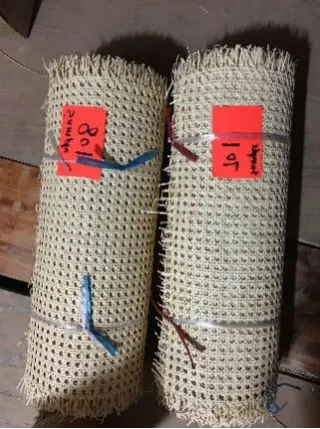
Mindestbestellmenge: 1 Rolle
Ich werde die Importschritte, die ich mit neuen Käufern verwende, teilen. Dann werde ich Mischregeln, artikelspezifische Mindestbestellmengen, wie Lagerbestand und Wiederholungen die Mindestbestellmenge senken und wie kundenspezifische Farben oder spezielle Schnittbreiten die Mindestbestellmenge und die Zeit ändern, erklären.
Kann ich Größen, Muster und Farben mischen, um die Mindestbestellmenge pro Bestellung zu erreichen?
Sie möchten keine Haufen eines einzigen SKU. Sie möchten, was Ihre Linie diesen Monat verwenden wird.
Ja. Ich erlaube das Mischen, um die Mindestbestellmenge zu erreichen. Sie können Breiten, Muster und Farben mischen1 innerhalb einer Familie. Ich verpacke projektbezogen, damit Ihr Team einen Karton öffnet und mit weniger Abfall arbeiten kann.
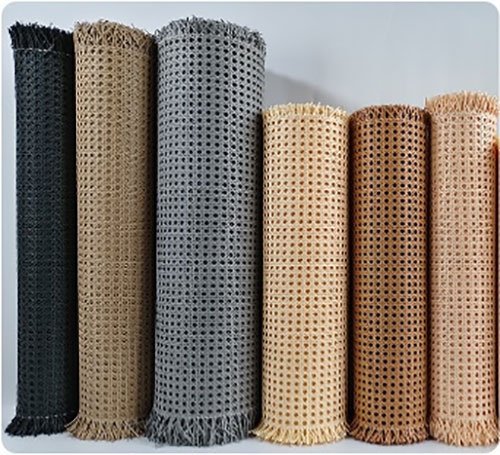
Mix MOQ akzeptiert: Jeder Artikel 1 Rolle
Tauchen Sie tiefer ein: Mix-Familien, Kartonplanung und Qualitätsauswahl
Ich gruppiere Mindestbestellmengen nach Produktfamilie, damit Sie klug und nicht zufällig mischen. Für Kunststoff-Rattan-Geflecht zählen wir die Mindestbestellmenge nach Farb- und Musterfamilie. Ein normales Ziel sind 100–200 kg pro Farbe/Muster. Innerhalb dessen können Sie über Breiten von 45–120 cm aufteilen, um Ihrer Zuschnittliste zu entsprechen. Dies hält die Masterbatch-Farbe stabil und vermeidet kleine Restrollen. Für natürliches Rattan-Geflecht legen wir die Mindestbestellmenge pro Rollenanzahl pro Muster fest, normalerweise 30–50 Rollen. Sie können Standardbreiten wie 45, 60, 70 und 90 cm in einer Bestellung mischen. Ich biete Qualität B für Frontprojekte und Qualität C für dunkel gebeizte Stühle oder Sitzflächen an, bei denen die Festigkeit wichtiger ist als eine reine helle Farbe. Für Rattan-Kerne und Stuhlgeflecht legen wir 100–150 kg pro Durchmesser-Mix-Tier fest und lassen Sie 2,0–5,0 mm kombinieren, um den Schwellenwert zu erreichen. Ich baue Kartons projektbezogen mit einer gedruckten Kommissionierkarte, was die Produktion beschleunigt und Verschnitt in Ihrem Geschäft reduziert.
Haben verschiedene Artikel wie Kunststoffgeflecht und natürliches Rattan separate Mindestbestellmengen?
Ja, Sie können mit verschiedenen Artikeln aller Art trennen. Rattan-Gewebe2.
Jede Zeile hat eine andere Einrichtung und Qualitätskontrolle. Ich halte MOQs separat, damit Farbe und Qualität eng beieinander bleiben.
Ja. Die MOQs für Kunststoffgeflecht sind in Kilogramm pro Farbe/Muster angegeben. Die MOQs für Naturrohrgeflecht sind in Rollen pro Muster angegeben. Die MOQs für Rattankerne und Stuhlrohr sind in Kilogramm oder Bündelzahlen nach Durchmesser angegeben.
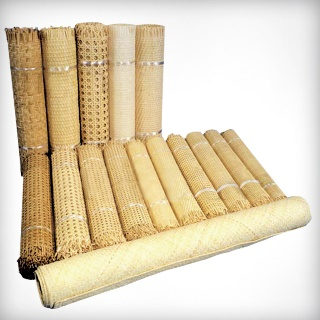
Tauchen Sie tiefer ein: Warum MOQs unterschiedlich sind und typische Bereiche
Kunststoff-Rattan-Rohrgeflecht wird auf automatischen Webstühlen mit Masterbatch-Farbdosierung verarbeitet. Um Farbabweichungen zu vermeiden, lege ich die MOQ auf 100–200 kg pro Farbe/Muster für Innenbereiche und 150–250 kg für Außenbereiche mit UV-Schutz fest. Helle oder sehr reine Töne liegen am oberen Ende. Natur-Rattan-Rohrgeflecht wird von Hand sortiert, mit mehr Variation. Ich lege 30–50 Rollen pro Muster pro Bestellung fest, damit die Sortiercrews ein einheitliches Aussehen beibehalten. Das Mischen von Breiten ist innerhalb desselben Musters in Ordnung. Rattankerne und Stuhlrohr folgen den Durchmesserlinien. Ich verwende 100–150 kg über eine Mischung von Durchmessern, damit Sie die kleinen Größen abdecken, ohne zu viel zu kaufen. Diese Trennungen schützen, was Ihnen wichtig ist: Farbkonstanz bei Kunststoffen, Qualität der Oberfläche von Naturrohr und Kernfestigkeit. Sie vereinfachen auch die Planung, wenn Ihre Möbelserie sowohl Schrankpaneele als auch Sitzflächen in einer Lieferung benötigt.
Ist die Mindestbestellmenge für vorrätige Artikel oder Wiederholungsbestellungen niedriger?
Ja, niedriger mit 1 Rolle MOQ für Lagerartikel und Wiederholungsbestellungen.
Die Einrichtung ist für Lagerbestände und Wiederholungen bereits erfolgt. Ich gebe diese Einsparung an Sie weiter.
Ja. Lagerartikel und Wiederholungsbestellungen haben niedrigere MOQs und schnellere Liefertermine. Ich kann die MOQs bei Lager-SKUs um 30–50 % und bei Wiederholungen mit gesperrten Spezifikationen um 20–30 % senken.
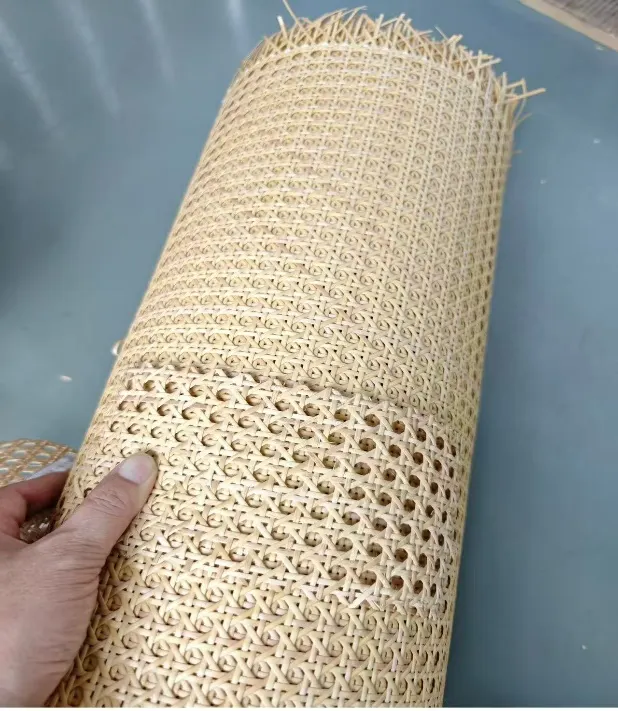
Tauchen Sie tiefer ein: Lagerpolitik, Wiederholungsspuren und Lieferzeiten
Ich führe einen rollierenden Lagerbestand der Bestseller: natürliche Sechseckmuster in 45/60/70/90 cm und Kunststoffgeflecht in über 20 Mustern mit 10–15 Farben. Für diese erlaube ich kleinere Abnahmen, da ich aus Regalen greife und hinter Ihnen auffülle. Die Lieferzeit beträgt 7–10 Tage nach Zahlung und Buchung. Für Wiederholungsbestellungen lege ich eine “gesperrte Spezifikations”-Spur fest, sobald wir Ihre Musterkarte genehmigt haben. Ich lagere Ihre Muster und Chargennotizen. Dann akzeptiere ich Nachbestellungen unterhalb der normalen MOQ, um Lücken zwischen den Hauptchargen zu schließen. Typische Wiederholungslieferzeiten betragen 15–25 Tage für Kunststoffe und 20–30 Tage für Naturmaterialien, abhängig vom Schiffsraum. Ich beschrifte Kartons mit Breite, Muster, Qualität und Charge, damit Ihr Team Wiederholungen über verschiedene Wochen hinweg ohne Farb- oder Oberflächenüberraschungen abgleichen kann. Diese Politik hält Ihr Kapital gering und Ihre Serie stabil.
Wie ändert sich die Mindestbestellmenge, wenn ich eine kundenspezifische Farbe oder einen speziellen Schnitt benötige?
Bei kundenspezifischer Farbe, MOQ: 50 Rollen
Sonderanfertigungen erfordern eine Einrichtung und verursachen Abfall. Die MOQ steigen und die Zeit wächst. Ich mache die Regeln klar, bevor Sie sich verpflichten.
Kundenspezifische Farben und Sonderbreiten haben höhere MOQs. Kunststoffe steigen auf 200–300 kg pro Farbe/Muster. Naturmaterialien steigen auf 60–80 Rollen, wenn wir auf nicht standardmäßige Breiten zuschneiden oder spezielle Bindungen vornehmen. Ich liefere Vorproduktionsmuster zur Genehmigung.
Tauchen Sie tiefer ein: Farbfreigaben, Schnittabfall und Outdoor-Optionen
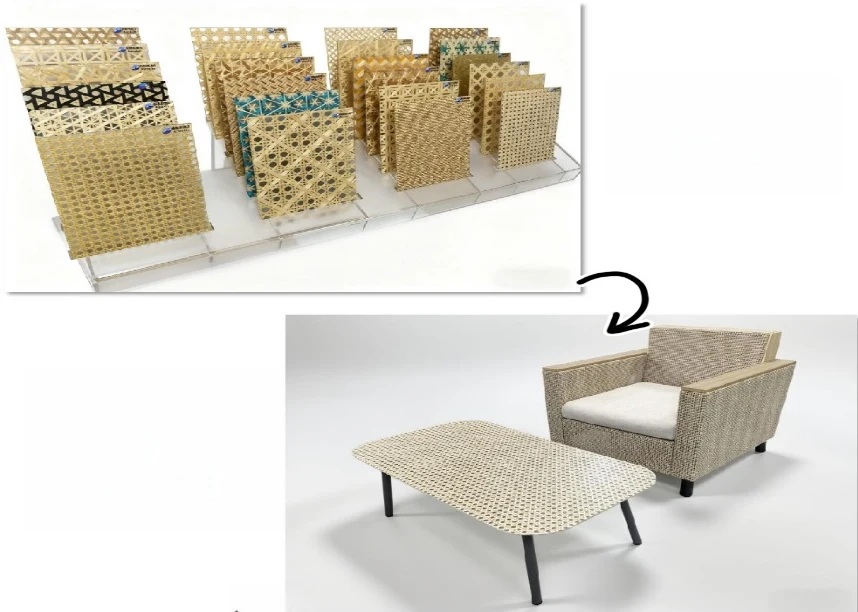
Für kundenspezifische Kunststofffarben führe ich Labordips nach Ihren Pantone/RAL-Vorgaben durch und sende gewebte Muster. Nachdem Sie das Muster unterzeichnet haben, halte ich die Delta-E-Werte innerhalb des Ziels und plane 200–300 kg pro Farbe/Muster. Neue Webmuster oder gemischte Farbstreifen benötigen möglicherweise den oberen Bereich der MOQ zur Stabilisierung. Die Lieferzeit beträgt 25–40 Tage, wobei Außenbereiche mit UV-Schutz zusätzliche 3–5 Tage für Tests benötigen. Für natürliche Rohrgeflecht-Sonderbreiten schneide ich von 90 oder 120 cm großen Meisterstücken und binde die Kanten neu. Dies verursacht zusätzlichen Abfall und Inspektionszeit, daher lege ich 60–80 Rollen fest, um die Kosten zu decken. Ich biete Reststücke für Schubladen oder Seitenwände zu einem Rabatt an, damit Sie nicht für Verschnitt bezahlen. Wenn Sie die Qualität C für dunkel gebeizte Stuhlsitze verwenden, weise ich auf Farbabweichungen hin, bestätige aber, dass die Festigkeit gut ist. Für Gartenmöbel biete ich jetzt über 10 Kunststoffgeflecht-Optionen an, die für Hitze und Sonne geeignet sind. Diese sparen bis zu 80 % Webkosten im Vergleich zu vollständigen Handwebkonstruktionen und eignen sich für KD-Rahmen.
Conclusion
Sie benötigen saubere Importpapiere und einen flexiblen MOQ-Plan. Ich erlaube Ihnen, innerhalb von Familien zu mischen, separate MOQs pro Artikel festzulegen, MOQs für Lagerbestände und Wiederholungen zu senken und kundenspezifische MOQ mit klaren Genehmigungen zu erklären.
 English
  Español de México
  العربية
  Deutsch
  Français
  Русский