

Jede Woche nimmt unser Produktionsteam in Foshan Anrufe von Möbelherstellern entgegen, die wunderschöne Rattan-Rohrgeflecht 1 aus der Verpackung holten, auf einen Rahmen tackerten und innerhalb weniger Tage sahen, wie es Wellen schlug, sich verbog oder durchhing. Der Frust ist real. Eine einzige zerknitterte Platte kann stundenlange Handwerkskunst ruinieren und hochwertiges Material verschwenden, das ein Möbelstück aufwerten sollte.
Um Falten und Durchhängen bei Rattan-Rohrgeflecht zu vermeiden, müssen Sie das Material vor der Installation 30 bis 60 Minuten in warmem Wasser einweichen, es mit gleichmäßiger Spannung von der Mitte nach außen befestigen und 24 bis 48 Stunden natürlich trocknen lassen, damit sich die Fasern zu einer straffen, flachen Oberfläche zusammenziehen.
Unten erläutern wir jeden kritischen Schritt – von Einweichzeiten und Spannmethoden bis hin zu Materialqualitäten und Nachbesserungen nach der Installation. Egal, ob Sie eine Möbelfabrik leiten oder die Beschaffung für einen Großhändler verwalten, dieser Leitfaden spart Ihnen Zeit, Geld und Ausschussware.
Wie lange sollte ich mein Rattanrohrgeflecht einweichen, damit es trocken und flach trocknet?
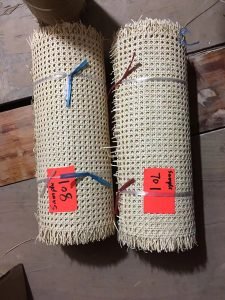
Wenn wir Rollen von natürliches Rattan 2 Rohrstuhlgeflecht an Kunden in den USA, Australien und Europa versenden, ist der häufigste Installationsfehler, von dem wir hören, das Überspringen oder Verkürzen des Einweichens. Trockenes Rohrstuhlgeflecht ist steif. Steifes Rohrstuhlgeflecht wellt sich. Gewelltes Rohrstuhlgeflecht trocknet zu permanenten Falten, die kein Besprühen beheben kann.
Weichen Sie natürliche Rattanrohrgeflecht in warmem Wasser (nicht heiß) für 30 bis 60 Minuten für Standard-Gewebe mit offener Webart ein. Maschinell gewebte oder dicht gemusterte Rohrgeflechtbögen benötigen möglicherweise 2 bis 4 Stunden. Das Wasser entspannt die Fasern, dehnt das Geflecht und ermöglicht es dem Rohr, beim Trocknen an der Luft gleichmäßig zu schrumpfen.
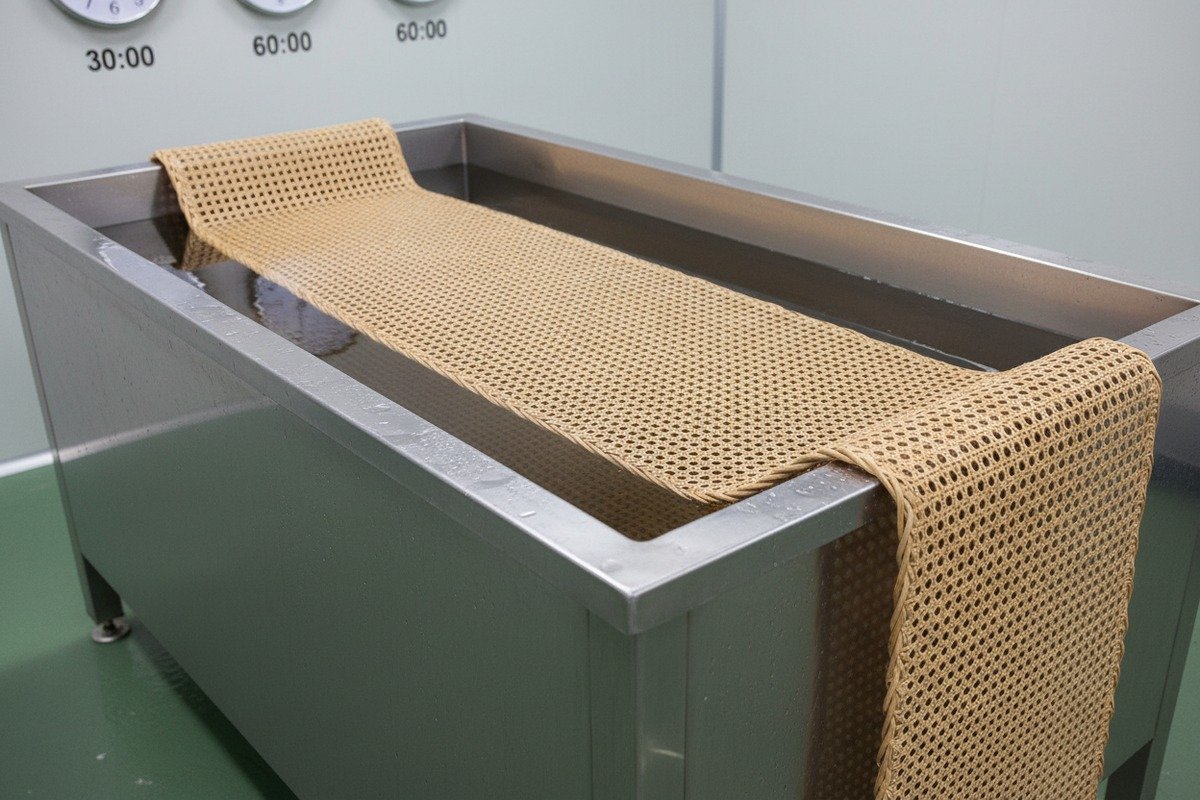
Warum Einweichen auf Faserebene wichtig ist
Natürliches Rattan ist eine palmbasierte Faser 3. Im trockenen Zustand sind ihre Zellwände steif und widerstehen dem Biegen. Warmes Wasser dringt in diese Zellwände 4 ein und macht sie biegsam. Das Geflecht lockert sich leicht – dehnt sich etwa 10 bis 20 Prozent aus –, was Ihnen die nötige Lockerheit gibt, um das Geflecht zu positionieren, auszurichten und zu befestigen, ohne es zu erzwingen. Sobald das Wasser über 24 bis 48 Stunden verdunstet ist, ziehen sich diese Fasern wieder zusammen. Diese Kontraktion ist es, die Ihre Platte straff und flach zieht.
Einweichzeitrichtlinien nach Rohrstuhlgeflecht-Typ
| Rohrtyp | Empfohlene Einweichzeit | Wassertemperatur | Anmerkungen |
|---|---|---|---|
| Offenes Sechseckgeflecht 5 (Radio-Geflecht) | 30–45 Minuten | Warm (ca. 30–40 °C) | Häufigste DIY- und Fabrikanwendung |
| Dichtes quadratisches Korbflechtmuster | 45–60 Minuten | Warm | Engeres Geflecht benötigt mehr Sättigung |
| Maschinell gewebtes Blatt-Rohr 6 | 1–4 Stunden | Warm bis lauwarm | Dickere Stränge; Flexibilität alle 30 Minuten prüfen |
| Gebleichtes Rattan-Rohrgeflecht | 20–30 Minuten | Nur lauwarm | Bleichen schwächt Fasern; zu langes Einweichen birgt Bruchgefahr |
| Synthetische Rattanmatte 7 | Kein Einweichen nötig | N/A | Kunststoff nimmt kein Wasser auf |
Praktische Einweichtipps
Verwenden Sie einen Behälter, der groß genug ist, um das Blatt flach auszulegen. Eine Badewanne eignet sich gut für kleinere Stücke. Für lange Rollen verwendet unser Werkstattteam PVC-Rohrstücke, die mit warmem Wasser gefüllt sind – dies verhindert Falten, die entstehen, wenn Sie eine Rolle in einen Eimer falten. Niemals kochendes Wasser verwenden. Hohe Hitze kann natürliche Öle aus dem Rattan entfernen und es nach dem Trocknen spröde machen.
Heben Sie das Blatt nach dem Einweichen heraus und lassen Sie überschüssiges Wasser einige Minuten abtropfen. Das Rohr sollte sich weich und flexibel, aber nicht matschig anfühlen. Wenn es an einigen Stellen noch steif ist, geben Sie ihm weitere 15 Minuten. Wenn es sich übermäßig schlaff anfühlt und sich die Stränge leicht trennen, haben Sie zu lange eingeweicht. Arbeiten Sie schnell, sobald das Rohr aus dem Wasser ist – Sie möchten es installieren, solange es noch feucht ist.
Ein Hinweis zur Luftfeuchtigkeit am Arbeitsplatz
Umgebungsbedingungen sind wichtig. In einer trockenen Werkstatt mit Klimaanlage trocknet das Rohr schneller und kann sich ungleichmäßig straffen, wenn eine Seite trocknet, bevor Sie die andere fertig befestigen. In einer feuchten Umgebung verlangsamt sich die Trocknung, was Ihnen mehr Arbeitszeit gibt, aber die endgültige Straffheit verzögert. Streben Sie eine moderate Luftfeuchtigkeit – etwa 40 bis 60 Prozent – für die besten Ergebnisse an.
Welche Techniken kann ich am besten anwenden, um während meiner Installation eine gleichmäßige Spannung aufrechtzuerhalten?
Nach unserer Erfahrung beim Export in über ein Dutzend Länder verursachen Spannungsprobleme mehr Ausschussplatten als jedes andere einzelne Problem. Selbst perfekt eingeweichtes Rohr kann wellig werden, wenn der Installateur eine Kante stärker zieht als die andere oder die Ecken sichert, bevor die Mitte befestigt ist.
Die beste Technik ist, in der Mitte jeder Seite mit der Befestigung zu beginnen und zu den Ecken hin zu arbeiten, wobei Sie das feuchte Rohr dabei straff – nicht fest – ziehen. Verwenden Sie Klammern im Abstand von 2 bis 3 Zoll oder drücken Sie das Rohr mit Keilen in eine gefräste Nut, bevor Sie die Leiste einsetzen. Diese Methode von der Mitte nach außen verteilt die Spannung gleichmäßig über die gesamte Platte.
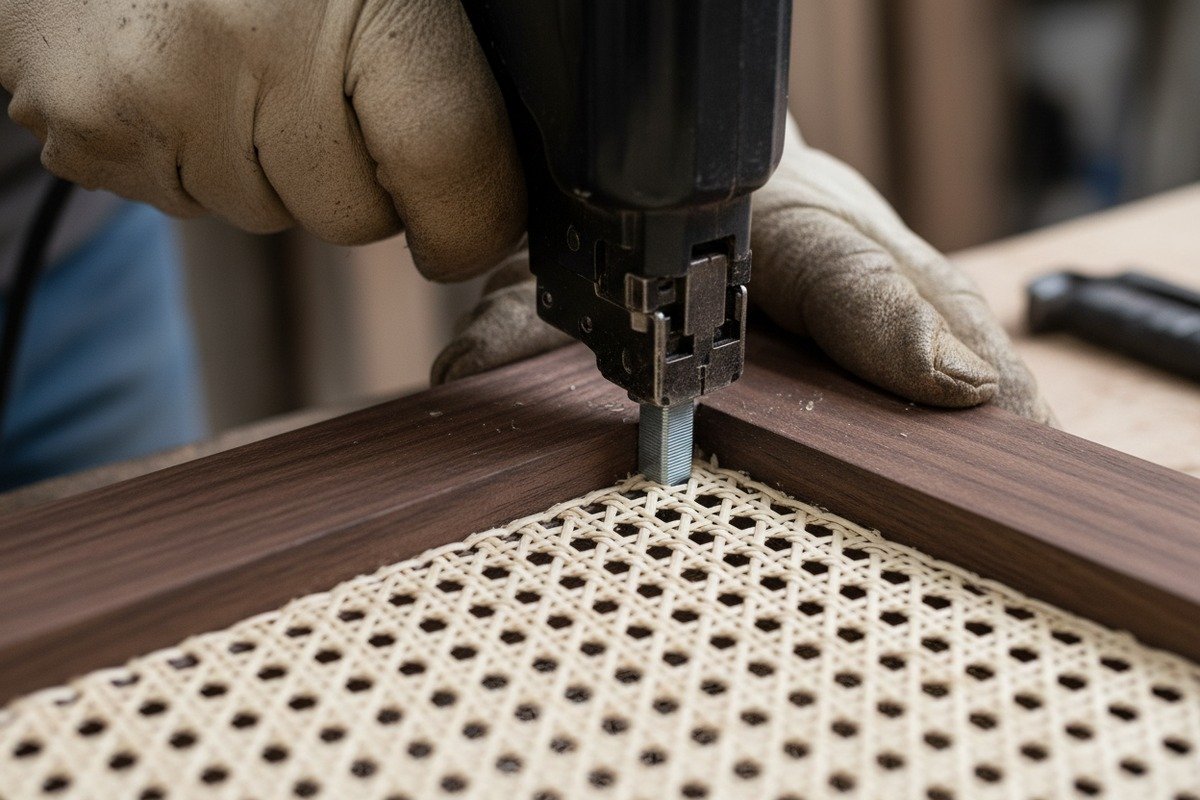
Zwei Hauptinstallationsmethoden
Es gibt zwei weit verbreitete Ansätze, und die richtige Wahl hängt von Ihrem Projekt, Ihrem Können und Ihren Werkzeugen ab.
Methode 1: Klammern und Rückwandstreifen (Anfängerfreundlich)
Diese Methode eignet sich am besten für flache Paneele wie Schranktüren, Kopfteile und Tischplatten. Schneiden Sie Ihr getränktes Rohr mit zusätzlichen 1 bis 2 Zoll an allen Seiten. Zentrieren Sie das Blatt über dem Rahmen, die glänzende Seite nach oben. Klammern Sie zuerst den Mittelpunkt einer langen Kante fest. Gehen Sie zur gegenüberliegenden langen Kante, ziehen Sie das Rohr straff und klammern Sie es dort in der Mitte fest. Wiederholen Sie dies für die beiden kurzen Kanten. Füllen Sie nun die Klammern alle 2 bis 3 Zoll auf und arbeiten Sie immer von der Mitte nach außen. Trimmen Sie überschüssiges Rohr und bedecken Sie die rohen Kanten mit einem Rückwandstreifen oder einer dekorativen Schilfrohr.
Methode 2: Nut und Feder (Profi-Qualität)
Dies ist die traditionelle Technik, die bei Sitzflächen von Stühlen, hochwertigen Schränken und Restaurierungsarbeiten verwendet wird. Der Rahmen hat eine gefrästen Nut 8—typischerweise 5/16 Zoll breit und 5/16 Zoll tief. Legen Sie das getränkte Rohr über die Öffnung. Verwenden Sie einen stumpfen Keil oder den Griff eines Buttermessers, um das Rohr in die Nut zu drücken, beginnend in der Mitte einer Seite. Gehen Sie zur gegenüberliegenden Seite, ziehen Sie das Rohr vorsichtig und verkeilen Sie es. Arbeiten Sie rundherum. Tragen Sie dann eine dünne Schicht Holzleim in die Nut auf und drücken Sie eine Rohrkeil 9 mit einem Hammer darauf. Die Feder verriegelt das Rohr dauerhaft an seinem Platz.
Vergleich der Installationsmethoden
| Faktor | Klammern & Rückwandstreifen | Nut & Feder |
|---|---|---|
| Fähigkeitsstufe | Beginner | Mittel bis Fortgeschritten |
| Tools needed | Tacker, Cuttermesser, Lineal | Oberfräse, Hammer, Keile, Feder, Kleber |
| Faltenrisiko | Moderat (abhängig vom Klammerabstand) | Gering (Nut nimmt Rohr vollständig auf) |
| Langzeit-Durchhangfestigkeit | Moderat (Rückseitenstreifen hilft) | Hoch (Nut + Kleber fixiert Fasern) |
| Best for | Flache Paneele, Schranktüren, schnelles Heimwerken | Stuhlflächen, geschwungene Rahmen, Erbstücke |
| Reversibility | Leicht zu entfernende Klammern | Erfordert Ausdampfen der Nut |
Kritische Spannungsregeln
- Ziehen Sie Rattan niemals straff, wenn es nass ist. Ziehen Sie es straff – das bedeutet glatt und flach ohne Durchhang –, aber dehnen Sie es nicht. Übermäßiges Dehnen von nassem Rattan führt dazu, dass es beim Trocknen zu stark schrumpft, was neue Durchhanglinien erzeugt.
- Halten Sie das Webmuster quadratisch. Überprüfen Sie vor dem Befestigen visuell, ob die horizontalen und vertikalen Stränge parallel zu den Rahmenkanten verlaufen. Ein schiefes Muster erzeugt diagonale Spannungsungleichgewichte.
- Für Kurven Schnitte zur Entlastung machen. Wenn Ihr Rahmen abgerundete Ecken hat, schneiden Sie kleine umgekehrte V-förmige Kerben auf der Unterseite der Nut, damit sie sich glatt biegt, ohne herauszuspringen. Am Rattan selbst können Sie winzige Entlastungsschnitte an der Kurve machen, um Knäuelbildung zu verhindern.
- Keile als temporäre Anker verwenden. Bei der Nut-Methode schieben Sie alle 10 bis 15 cm Holzkeile in die Nut, um das Rattan an Ort und Stelle zu halten, während Sie zur nächsten Seite wechseln. Entfernen Sie sie erst, wenn Sie die Nut einsetzen.
Häufige Spannungsfehler vermeiden
Hektik ist der Feind. Viele Installateure versuchen, den gesamten Befestigungsprozess in weniger als zehn Minuten abzuschließen. Das Rohr beginnt in dieser Zeit zu trocknen, und teilweise trockenes Rohr widersetzt sich der Neupositionierung. Arbeiten Sie methodisch. Wenn sich das Rohr steifer anfühlt, bevor Sie fertig sind, besprühen Sie es leicht mit einer Sprühflasche, um es biegsam zu halten.
Ein weiterer Fehler ist die Verwendung von zu wenigen Klammern. Drei Klammern pro Seite halten die Spannung auf einer 24-Zoll-Platte nicht. Sie benötigen etwa alle 2 bis 3 Zoll eine Klammer. Mehr Kontaktpunkte bedeuten eine gleichmäßigere Spannungsverteilung und weniger Lücken, in denen sich Falten bilden können.
Wie wirkt sich die Qualität des von mir bezogenen Rattanmaterials auf die endgültige Glätte meiner Möbel aus?
Unsere Rattan-Verarbeitungsanlage in Indonesien bewertet jede Charge, bevor sie versandt wird, und wir können Ihnen aus jahrelangen Qualitätskontrolldaten sagen, dass die Materialqualität einer der größten versteckten Faktoren hinter faltigen Platten ist. Eine Möbelfabrik kann jeden Installationsschritt perfekt befolgen und trotzdem Falten bekommen, wenn das Rohr selbst inkonsistent ist.
Hochwertige Rattanrohrgeflechte – typischerweise als Klasse A oder Premium gekennzeichnet – verwenden Stränge mit gleichmäßigem Durchmesser und minimalen Knoten, Spalten oder Farbabweichungen. Diese Konsistenz gewährleistet eine gleichmäßige Wasseraufnahme beim Einweichen, ein gleichmäßiges Schrumpfen beim Trocknen und ein glattes, ebenes Finish. Geringere Qualitäten mit unregelmäßigen Strängen nehmen Wasser ungleichmäßig auf, schrumpfen unterschiedlich schnell und ergeben sichtbare Falten oder Beulen.
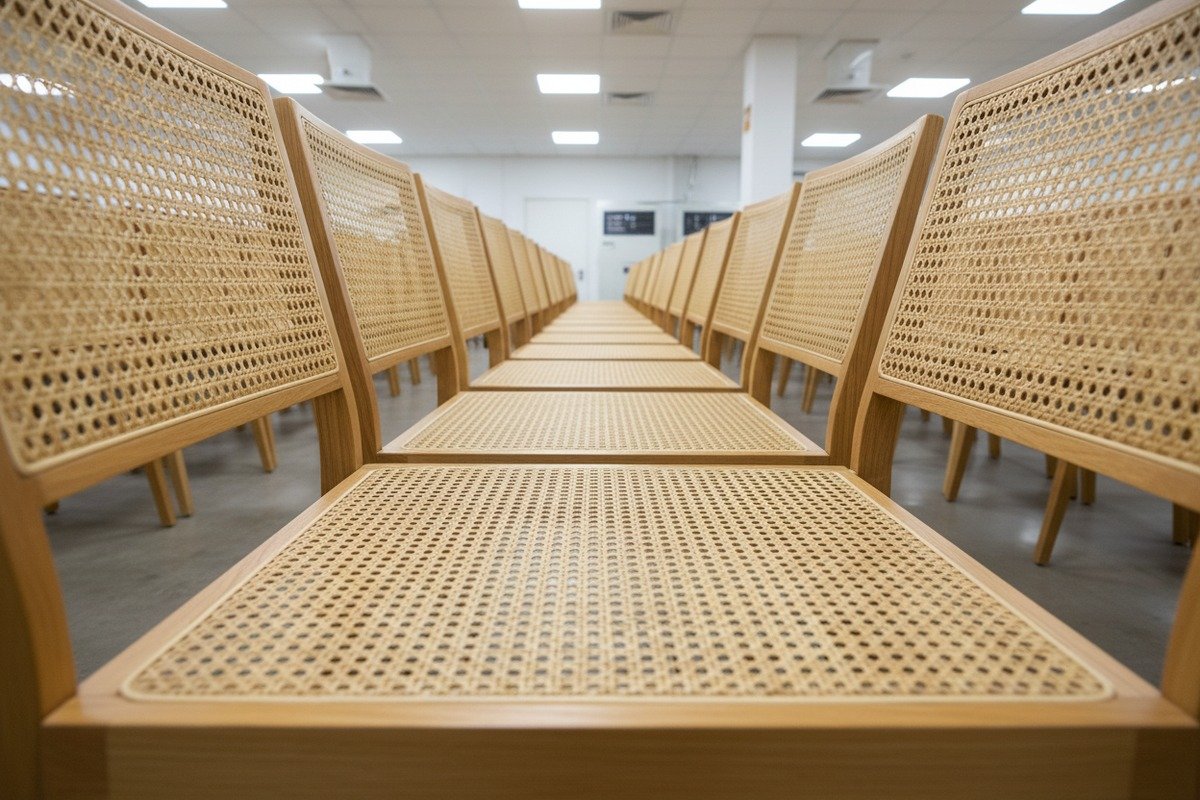
Was definiert Rattan-Qualität?
Die Rattan-Bewertung wird nicht von einem einzigen globalen Standard geregelt, aber die Branche bewertet diese Faktoren im Allgemeinen:
- Gleichmäßigkeit des Strangdurchmessers: Rohr von höchster Qualität hat Stränge, die über das gesamte Blatt hinweg nahezu identisch dick sind.
- Knoten- und Spaltfrequenz: Weniger natürliche Knoten und keine Spalten bedeuten glattere Oberflächen.
- Farbgleichmäßigkeit: Gleichmäßige Farbe zeigt konsistentes Trocknen und Verarbeiten an der Quelle an.
- Webfestigkeit: Richtig gespanntes Weben in der Fabrik verhindert lose Stellen, die später durchhängen.
- Feuchtigkeitsgehalt beim Versand: Mit 8 bis 12 Prozent Feuchtigkeitsgehalt versandtes Rohr lagert gut, ohne spröde zu werden oder Schimmel zu entwickeln.
Einfluss der Güteklasse auf die Installationsergebnisse
| Qualität | Stranggleichmäßigkeit | Einweichverhalten | Trocknungsschwund | Faltenrisiko | Typische Verwendung |
|---|---|---|---|---|---|
| Güteklasse A / Premium | Hochgradig einheitlich | Gleichmäßige Absorption in 30–45 Min. | Gleichmäßige Kontraktion | Sehr gering | Hochwertige Möbel, Exportqualitätspanel |
| Güteklasse B / Standard | Größtenteils gleichmäßig, geringfügige Abweichungen | Leicht ungleichmäßig; benötigt möglicherweise 45–60 Min. | Geringfügige Inkonsistenzen | Niedrig bis moderat | Mittelklasse-Möbel, Schranktüren |
| Güteklasse C / Economy | Deutliche Abweichungen, einige Äste | Ungleichmäßig; dünne Stränge übermäßig eingeweicht, dicke untereingeweicht | Unregelmäßig | Moderat bis hoch | Budgetprojekte, abgedeckte oder lackierte Paneele |
Warum billiger nicht immer billiger ist
Wir haben gesehen, wie Einkaufsmanager den günstigsten Rohrstock wählten, um ein Budgetziel zu erreichen, nur um Ablehnungsraten von 15 bis 20 Prozent bei fertigen Paneelen aufgrund von Falten und Beulen zu verzeichnen. Wenn man die Arbeitskosten für die Nacharbeit oder den Austausch dieser Paneele berücksichtigt, verschwinden die "Einsparungen". Eine Rolle der Klasse A kann pro Quadratmeter 20 bis 30 Prozent mehr kosten, lässt sich aber schneller verlegen, wird seltener abgelehnt und liefert ein Finish, das Käufer in Märkten wie den Niederlanden, Australien und den USA erwarten.
So prüfen Sie die Klasse vor dem Kauf
Wenn Sie von einem Großhändler oder direkt von einer Fabrik wie unserer beziehen, fragen Sie nach folgenden Dingen:
- Musterstücke: Fordern Sie ein physisches Muster an und prüfen Sie die Strangdicke mit einem Messschieber. Eine Abweichung von mehr als 0,3 mm über das Blatt hinweg ist ein Warnsignal.
- Feuchtigkeitsbericht: Zuverlässige Lieferanten testen den Feuchtigkeitsgehalt vor dem Versand. Achten Sie auf 8 bis 12 Prozent.
- Chargenfotos: Bitten Sie um Nahaufnahmen der tatsächlichen Produktionscharge, nicht nur um Katalogbilder.
- Webspannungsprüfung: Drücken Sie mit dem Finger in die Mitte des Musters. Rohrstock der Klasse A sollte sofort zurückfedern. Wenn er eingedrückt bleibt, ist die Webung zu locker.
Natürlich vs. Synthetisch: Eine Überlegung zur Klasse
Synthetische Rattan-Matten – hergestellt aus strapazierfähigem Kunststoff, der natürliche Holzfasern nachahmen soll – müssen nicht eingeweicht werden und schrumpfen nicht. Sie behalten ihre Form unabhängig von der Luftfeuchtigkeit. Allerdings fehlt ihnen die authentische Textur und Wärme, die natürliches Rattan bietet. Für Möbelhersteller, die Premium-Märkte ansprechen, bleibt natürliches Rattan die bevorzugte Wahl. Der Schlüssel liegt darin, die richtige Klasse für die jeweilige Anwendung zu beschaffen. Gebleichter Rattan-Rohrstock-Webstoff durchläuft beispielsweise einen zusätzlichen chemischen Prozess, der die Fasern schwächen kann. Er sollte schonender behandelt werden – kürzere Einweichzeiten, geringere Spannung –, um Schäden zu vermeiden.
Welche Schritte sollte ich unternehmen, wenn ich feststelle, dass mein Rattan-Geflecht nach dem Trocknen anfängt durchzuhängen?
Wenn unser Team Kundendienst leistet, kommen Reklamationen wegen Durchhängen normalerweise zwei bis vier Wochen nach der Installation. Der Kunde hat die Schritte befolgt, die Platte sah am ersten Tag großartig aus, und dann zogen Schwerkraft, Feuchtigkeitswechsel oder eine lockere Kante das Geflecht nach unten. Es ist behebbar. Aber schnelles Handeln ist wichtig.
Wenn Ihr Rattan-Geflecht nach dem Trocknen durchhängt, besprühen Sie die betroffene Stelle leicht mit warmem Wasser, lassen Sie sie 15 bis 20 Minuten einwirken und spannen Sie sie dann neu, indem Sie Klammern anbringen, die Federleiste festziehen oder eine neue Federleiste mit frischem Kleber einsetzen. Lassen Sie das neu befeuchtete Rohr 24 bis 48 Stunden trocknen und schrumpfen. Bei starkem Durchhängen entfernen Sie die Platte vollständig, weichen Sie sie erneut ein und installieren Sie sie neu.
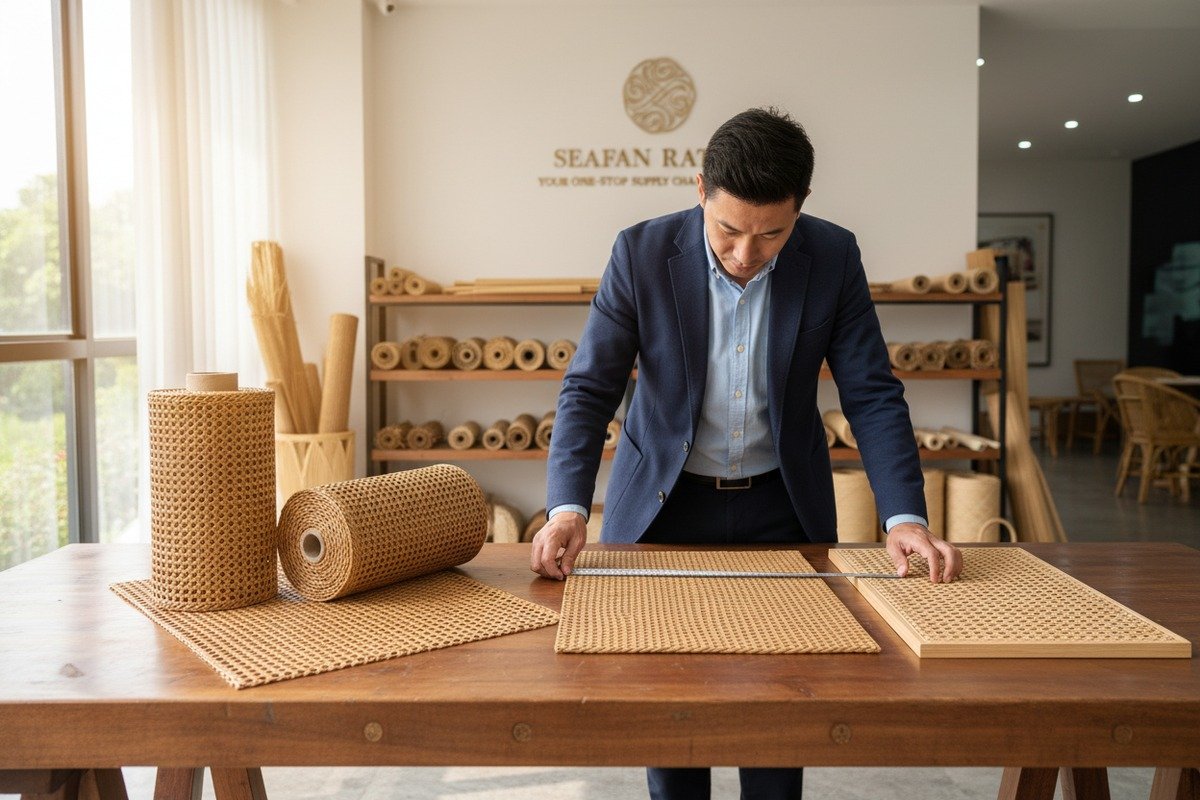
Ursachen für Durchhängen diagnostizieren
Bevor Sie zu einer Sprühflasche greifen, finden Sie heraus, warum das Durchhängen aufgetreten ist. Unterschiedliche Ursachen erfordern unterschiedliche Lösungen.
Lockere Kanten: Wenn das Durchhängen in der Nähe einer Seite auftritt, sind wahrscheinlich die Klammern oder die Nut auf dieser Seite versagt. Überprüfen Sie auf herausgezogene Klammern oder eine Nut, die sich aus der Rille gelöst hat.
Feuchtigkeitsänderungen: Rattan ist hygroskopisch – es nimmt Feuchtigkeit aus der Luft auf und gibt sie ab. Eine in einer trockenen Werkstatt installierte Platte, die in einen feuchten Ausstellungsraum gebracht wird, kann sich entspannen und durchhängen. Das Gegenteil kann auch passieren: Eine in feuchten Bedingungen installierte Platte kann sich in einer trockenen Umgebung zu stark straffen und reißen.
Unzureichende anfängliche Spannung: Wenn die gesamte Platte weich und federnd statt trommelhart ist, wurde das Geflecht bei der Installation nicht straff genug gezogen oder zu langsam getrocknet.
Minderwertiges Material: Wie oben besprochen, schrumpfen ungleichmäßige Fasern ungleichmäßig. Einige Bereiche bleiben straff, während andere sich entspannen.
Schritt-für-Schritt-Lösung für geringes Durchhängen
- Legen Sie das Möbelstück nach Möglichkeit flach hin, damit die Schwerkraft nicht gegen Sie arbeitet.
- Füllen Sie eine Sprühflasche mit warmem Wasser. Besprühen Sie den durchhängenden Bereich gleichmäßig. Nicht durchnässen – nur die Oberfläche anfeuchten.
- Warten Sie 15 bis 20 Minuten. Die Fasern werden leicht weich.
- Wenn Sie die Heftklammer-Methode verwenden, ziehen Sie das weiche Rohr zum Rand und fügen Sie neue Heftklammern zwischen die vorhandenen ein. Verteilen Sie sie im Problembereich alle 1 bis 2 Zoll.
- Wenn Sie die Nut-und-Feder-Methode verwenden, hebeln Sie die Feder vorsichtig mit einem Schlitzschraubendreher entlang der durchhängenden Seite hoch. Stampfen Sie das Rohr wieder tiefer in die Nut. Tragen Sie frischen Holzleim oder Knochenleim 10 und drücken Sie die Feder wieder hinein.
- Lassen Sie die Platte 24 bis 48 Stunden vollständig an einem gut belüfteten Ort trocknen.
Schritt-für-Schritt-Reparatur bei starkem Durchhängen
Wenn das Besprühen und erneute Heften das Problem nicht löst, ist möglicherweise eine vollständige Neuinstallation erforderlich. Entfernen Sie alle Heftklammern oder ziehen Sie die Feder heraus. Ziehen Sie das Rohr vom Rahmen ab. Weichen Sie es 30 bis 45 Minuten lang in warmem Wasser ein. Überprüfen Sie auf beschädigte oder gebrochene Stränge – wenn mehr als 10 Prozent des Gewebes beschädigt sind, ersetzen Sie das Blatt. Installieren Sie es mit der Technik von innen nach außen neu und lassen Sie eine vollständige Trocknungszeit von 48 Stunden.
Vorbeugende Maßnahmen für langfristige Straffheit
Nachdem Sie ein Durchhängen erfolgreich behoben haben, ergreifen Sie diese Maßnahmen, um zu verhindern, dass es erneut auftritt:
- Tragen Sie eine klare matte Oberfläche auf: Eine leichte Schicht Polyurethan oder Lack versiegelt die Fasern und reduziert die Feuchtigkeitsaufnahme aus der Umgebung.
- Verwenden Sie Rückseitenstreifen auf gehefteten Platten: Ein dünner Holzstreifen, der über die rohe Kante geklebt und geheftet wird, verteilt die Belastung auf eine größere Fläche.
- Kontrollieren Sie die Lagerfeuchtigkeit: Wenn Sie ein Großhändler oder eine Fabrik sind, die fertige Platten lagert, lagern Sie diese in einem Raum mit einer relativen Luftfeuchtigkeit von 40 bis 60 Prozent.
- Knochenleim für Reversibilität wählen: Knochenleim wird durch Hitze und Feuchtigkeit weich, was zukünftige Reparaturen erleichtert als bei permanentem Holzleim. Dies ist eine Lieblingstechnik von Restaurierungsprofis.
Wann man ersetzen statt reparieren sollte
Wenn das Rattan-Geflecht monatelang durchgehangen hat, können sich die Fasern dauerhaft gedehnt haben. Wiederholte Nass- und Trocknungszyklen schwächen die Stränge im Laufe der Zeit. Wenn Sie Ausfransungen, Risse oder eine matschige Textur im nassen Zustand bemerken, ist es Zeit für eine neue Bahn. Die gute Nachricht ist, dass hochwertiges Rattan-Rohrgeflecht erschwinglich ist – typischerweise 20 bis 50 € pro Rolle, je nach Größe und Qualität –, sodass der Austausch oft schneller und kostengünstiger ist als umfangreiche Reparaturarbeiten.
Conclusion
Das Verhindern von Falten und Durchhängern beruht auf vier Säulen: richtiges Einweichen, gleichmäßige Spannung, Qualität des Materials und rechtzeitige Reparaturen. Befolgen Sie diese Schritte, wählen Sie die richtige Qualität von Rattan-Rohrgeflecht, und Ihre Panels trocknen flach und bleiben jahrelang straff.
Fußnoten
1. Bietet einen umfassenden Überblick über Rattan-Rohrgeflecht als Material. ↩︎
2. Erklärt den botanischen Ursprung und die Eigenschaften von natürlichem Rattan. ↩︎
3. Beschreibt die allgemeinen Eigenschaften und Verwendungen von Palmenfasern. ↩︎
4. Erklärt die Struktur und Funktion von Pflanzenzellwänden, relevant für die Biegsamkeit von Fasern. ↩︎
5. Hat eine relevante Produktseite für ‘Open Hexagonal Webbing’ gefunden. ↩︎
6. Beschreibt den Herstellungsprozess und die Eigenschaften von maschinell gewebtem Rohrgeflecht. ↩︎
7. Beschreibt synthetische Rattan-Materialien, ihre Eigenschaften und den Vergleich mit natürlichem Rattan. ↩︎
8. Erklärt den Prozess und die Werkzeuge zur Erstellung einer gefrästen Nut in der Holzbearbeitung. ↩︎
9. Beschreibt das Material und seine Verwendung bei traditioneller Stuhlrohrgeflecht und Reparatur. ↩︎
10. Beschreibt die Eigenschaften und Anwendungen von Knochenleim, einschließlich seiner Umkehrbarkeit. ↩︎

 English
  Español de México
  العربية
  Deutsch
  Français
  Русский