

Jede Woche bearbeitet unser Versandteam in Foshan Dutzende von Bestellungen für Rattan-Rohrgeflecht, die für Häfen auf der ganzen Welt bestimmt sind. Die immer wiederkehrende Frage neuer Käufer betrifft die Papiere. Wenn ein einziges Dokument fehlt, kann Ihr Container wochenlang im Hafen stehen, was zu Liegegebühren führt und Ihren Projektzeitplan zunichte macht.
Die Zollabfertigung von natürlichem Rattanrohrgeflecht erfordert eine Handelsrechnung, ein Packliste, ein Konnossement, ein Begasungszertifikat, ein Pflanzengesundheitszeugnis und eine Ursprungszeugnis. US-Importeure benötigen außerdem eine Lacey Act-Erklärung. Einige Länder benötigen möglicherweise CITES-Genehmigungen, abhängig von der beteiligten Rattanart.
Jedes Importland hat seine eigenen Besonderheiten bei diesen Anforderungen. Im Folgenden erläutern wir jedes benötigte Dokument, erklären, warum es wichtig ist, und zeigen Ihnen, wie Sie die häufigsten Fehler vermeiden, die die Zollabfertigung verzögern.
Welche wichtigen Dokumente muss ich für den Import von Rattanrohrgeflecht vorbereiten?
Wenn wir Exportlieferungen aus unserem Nanhai-Lager vorbereiten, überprüfen wir jedes Dokument immer doppelt anhand der Anforderungen des Käuferlandes. Ein fehlendes Formular kann zu einer Zollbeschlagnahme führen, was Lagergebühren, verärgerte Endkunden und Vertrauensverlust bedeutet. Das Problem ist real. Die Lösung beginnt damit, genau zu wissen, welche Papiere Sie benötigen, bevor Ihre Waren das Werkstor verlassen.
Sie benötigen sechs Kerndokumente für den Import von natürlichem Rattanrohrgeflecht: eine Handelsrechnung, eine Packliste, ein Konnossement oder Luftfrachtbrief, ein Begasungszertifikat, ein Pflanzengesundheitszeugnis und eine Ursprungszeugnis. US-Käufer müssen eine Lacey Act-Erklärung hinzufügen, und einige Sendungen erfordern CITES-Genehmigungen.
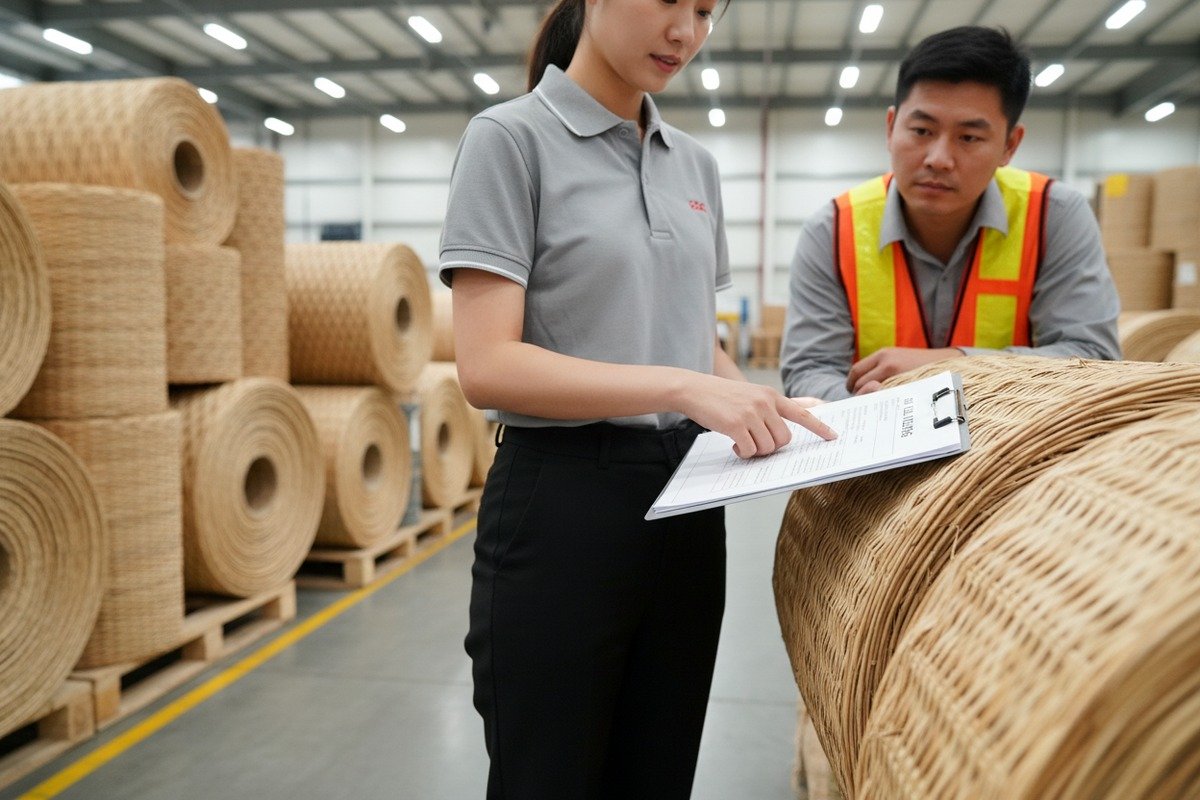
Die sechs Kern-Dokumente erklärt
Lassen Sie uns jedes Dokument einzeln durchgehen.
Handelsrechnung. Dies ist Ihr wichtigstes Zolldokument. Es listet Verkäufer, Käufer, Produktbeschreibung, Menge, Stückpreis, Gesamtwert und Zahlungsbedingungen auf. Für Rattan-Rohrgeflecht müssen Sie den HS-Code angeben. Der häufigste Code für Rattan-Rohrgeflechtprodukte ist 4602.12.2500, der in den USA einen Zollsatz von 18% auf den Warenwert hat.
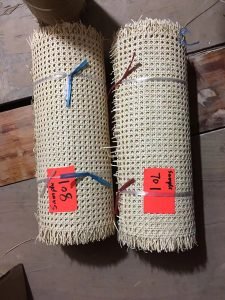
Packliste. Dieses Dokument beschreibt, wie Ihre Waren verpackt sind 1. Es zeigt die Anzahl der Rollen, Abmessungen, Nettogewicht, Bruttogewicht und die Anzahl der Kartons oder Paletten. Unsere Standardrollen sind 50 Fuß lang mit Breiten ab 22 Zoll. Zollbeamte verwenden dies, um zu überprüfen, ob die Sendung mit der Rechnung übereinstimmt.
Frachtbrief (B/L) oder Luftfrachtbrief. Dies ist Ihr Versandnachweis 2. Der Seefrachttransport von Guangzhou oder Shenzhen dauert in einem 20'GP-Container in der Regel 10–20 Tage oder in einem 40'HC-Container 20–30 Tage. Der B/L ist auch ein Eigentumsdokument, was bedeutet, dass derjenige, der ihn besitzt, die Ware besitzt.
Begasungszertifikat. Dies ist für alle obligatorisch natürliches Rattan 3. Da Rattan ein organisches Pflanzenmaterial ist, kann es Insekten, Larven oder Pilze enthalten. Das Begasungszertifikat beweist, dass die Ware behandelt wurde, normalerweise mit Methylbromid oder Wärmebehandlung. Unsere indonesische Verarbeitungsanlage kümmert sich darum vor dem Export.
Pflanzengesundheitszeugnis. Ausgestellt von der exportierenden Pflanzenschutzbehörde 4, des Landes, bestätigt dieses Zertifikat, dass das Rattan frei von Quarantäneschädlingen und -krankheiten ist. Wir behandeln dies im nächsten Abschnitt ausführlicher.
Ursprungszeugnis (C/O). Dieses Dokument beweist, wo die Waren hergestellt wurden 5. Es kann unter Freihandelsabkommen niedrigere Zollsätze ermöglichen. Wir besprechen dies weiter unten.
Zusätzliche Dokumente für bestimmte Märkte
| Dokument | Erforderlich für | Zweck |
|---|---|---|
| das Lacey Act 6 Erklärung | Vereinigte Staaten | Deklariert Artennamen, Herkunftsland, Menge des Pflanzenmaterials |
| CITES-Genehmigung | Alle Länder (falls gefährdete Arten) | Beweist, dass die Rattanart nicht geschützt oder legal gehandelt wird |
| ISPM-15-Konformitätskennzeichnung | Alle Länder (Holzverpackungen) | Bestätigt, dass Holzpaletten/-kisten gegen Schädlinge behandelt wurden |
| Einfuhrgenehmigung | Australien, Neuseeland | Vorabgenehmigung der Biosicherheitsbehörde vor Ankunft der Sendung |
Warum ISPM-15 für Verpackungen wichtig ist
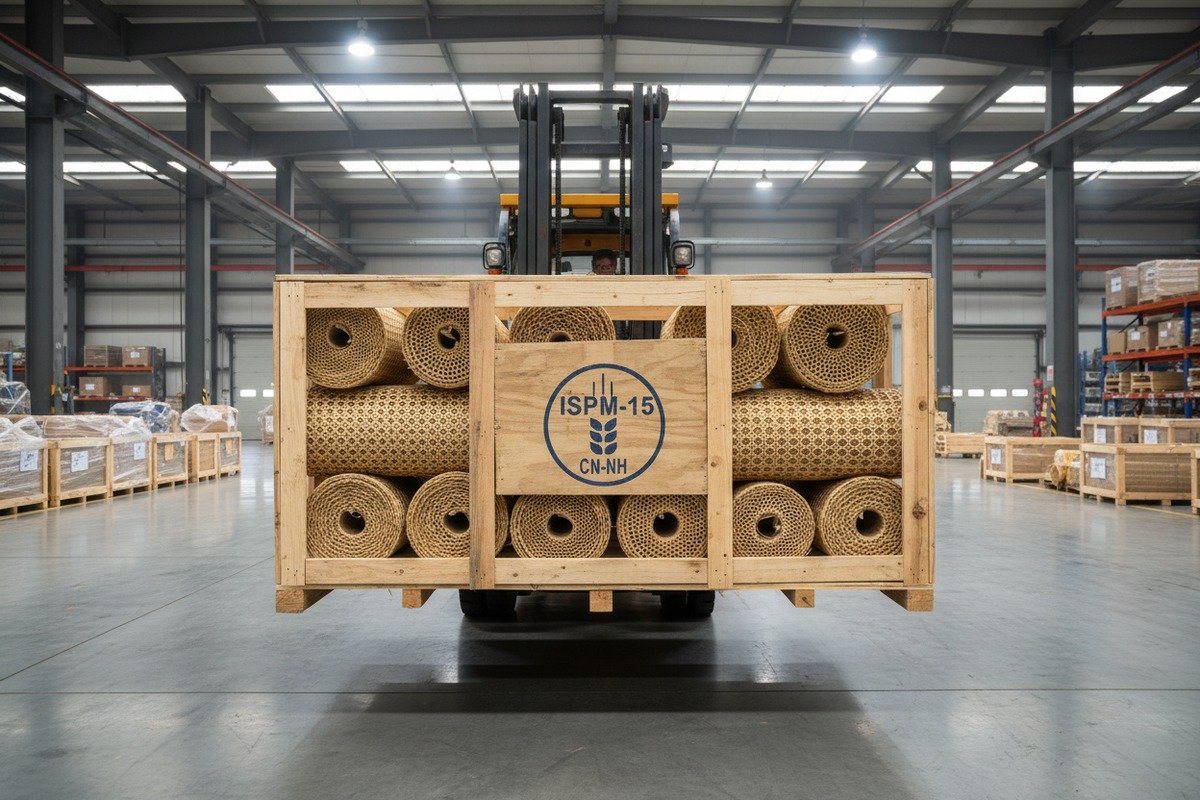
Viele Importeure vergessen die Verpackung selbst. Wenn Ihr Rattangeflecht auf Holzpaletten oder in Holzkisten versendet wird, muss diese Verpackung den internationalen Standards ISPM-15 7. entsprechen. Das bedeutet, dass das Holz wärmebehandelt oder begast und mit dem ISPM-15-Zeichen gestempelt werden muss. Nicht konforme Verpackungen können dazu führen, dass Ihre gesamte Sendung an der Grenze abgewiesen wird, selbst wenn jedes andere Dokument perfekt ist.
Der Lacey Act: Eine US-spezifische Anforderung
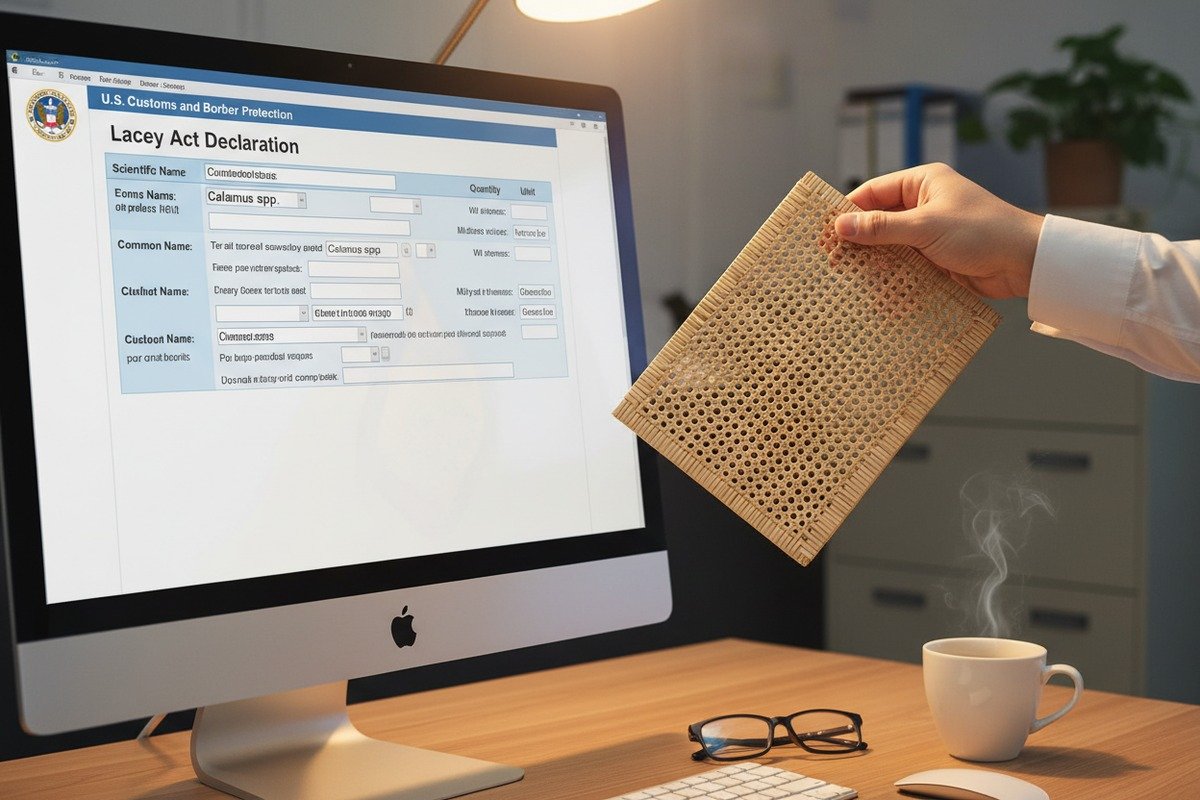
Seit Oktober 2024 gilt der US-amerikanische Lacey Act auch für alle pflanzlichen Produkte, einschließlich Rattan. Sie müssen den gebräuchlichen Namen (z. B. Rattan), den wissenschaftlichen Namen (z. B., Calamus spp.), das Herkunftsland der Ernte und die Menge in Kilogramm oder Quadratmetern angeben. Diese Erklärung wird in Systeme wie Tradestone eingegeben. Nichteinhaltung kann zu Verzögerungen bei der Zollabfertigung oder zu Geldstrafen führen.
Aus unserer Erfahrung beim Versand an US-Käufer stellen wir diese Informationen immer proaktiv auf dem Handelsrechnung 8. Es spart Zeit und vermeidet Hin- und Her-Kommunikation mit Zollagenten.
Benötige ich ein Pflanzengesundheitszeugnis für meine natürlichen Rattanmaterialien?
Unser Team in der indonesischen Verarbeitungsanlage kümmert sich wöchentlich um phytosanitäre Inspektionen. Käufer verwechseln dieses Zertifikat oft mit dem Begasungszertifikat, aber es handelt sich um zwei verschiedene Dokumente, die zwei verschiedene Zwecke erfüllen. Wenn dies falsch gemacht wird, kann dies zu wochenlangen Verzögerungen im Hafen führen.
Ja, für natürliche Rattanrohrgeflechte ist in den meisten Einfuhrländern ein Pflanzengesundheitszeugnis erforderlich. Es wird von der Pflanzenschutzbehörde des Exportlandes ausgestellt und bescheinigt, dass das Rattan vor dem Versand inspiziert und für frei von regulierten Schädlingen und Krankheiten befunden wurde.
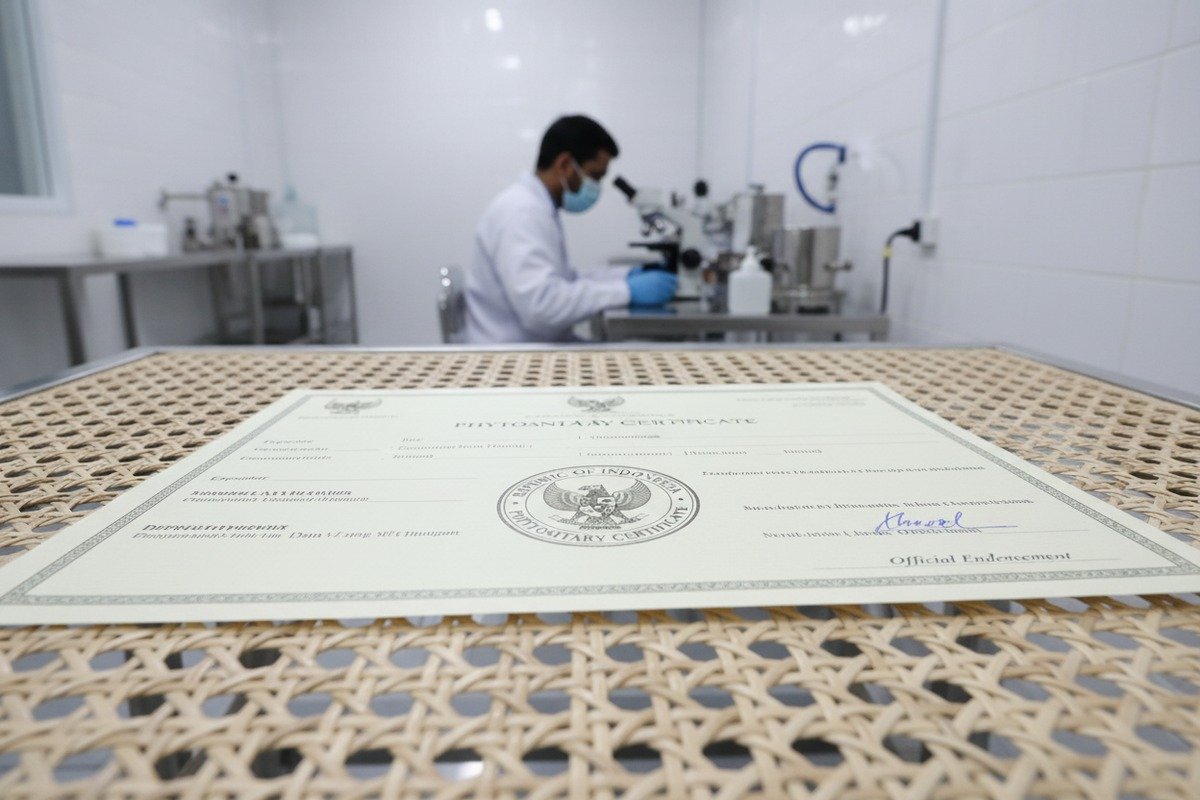
Begasungszertifikat vs. Phytosanitäres Zertifikat
Diese beiden Dokumente arbeiten zusammen, sind aber nicht dasselbe. Hier ist eine klare Aufschlüsselung:
| Merkmal | Begasungszertifikat | Pflanzengesundheitszeugnis |
|---|---|---|
| Ausgestellt von | Lizenzierte Begasungsfirma | Staatliche Pflanzenschutzbehörde |
| Zweck | Bescheinigt, dass das Produkt gegen Schädlinge behandelt wurde | Bescheinigt, dass das Produkt inspiziert wurde und schädlingsfrei ist |
| Behandlungsmethode | Methylbromid, Wärmebehandlung oder andere zugelassene Methoden | Visuelle Inspektion + Labortests bei Bedarf |
| Wann ausgestellt | Nach Begasungsbehandlung | Nach Inspektion, normalerweise innerhalb von 48 Stunden nach dem Versand |
| Gültigkeit | Typischerweise 21–30 Tage | Normalerweise 14 Tage ab Ausstellungsdatum gültig |
| Kosten | Variiert je nach Sendungsgröße | Regierungsgebühr, normalerweise gering |
Beide Dokumente werden benötigt. Das Begasungszertifikat beweist, dass Sie das Rattan behandelt haben. Das Pflanzengesundheitszeugnis beweist, dass ein Regierungsinspektor die Behandlung überprüft hat und die Ware sauber ist.
Welche Länder benötigen es?
Fast jedes Land, das natürliche Pflanzenmaterialien importiert, benötigt ein Pflanzengesundheitszeugnis. Die Strenge variiert jedoch erheblich.
Vereinigte Staaten. Das USDA APHIS verlangt Pflanzengesundheitszeugnisse für alle pflanzenbasierten Importe. Inspektoren können zusätzliche Kontrollen am Einfuhrhafen durchführen. Ab Januar 2026 betont die APHIS-Richtlinie, dass Importeure alle pflanzenbasierten Artikel deklarieren müssen, auch wenn die Möglichkeit besteht, dass sie abgelehnt werden.
Australien und Neuseeland. Diese Länder haben einige der strengsten Biosicherheitsvorschriften der Welt. Sie benötigen ein Pflanzengesundheitszeugnis, eine Einfuhrgenehmigung, die vor dem Versand eingeholt wurde, und die Ware kann bei Ankunft einer zusätzlichen Quarantäneinspektion unterzogen werden.
Europäische Union. EU-Länder verlangen für viele Pflanzenprodukte Pflanzengesundheitszeugnisse. Die spezifischen Anforderungen hängen von der Risikokategorie des Produkts ab. Rattan-Gewebe fällt im Allgemeinen unter die Standard-Pflanzengesundheitsvorschriften.
Wie wir die phytosanitäre Konformität handhaben
In unserer Rattanverarbeitungsanlage in Indonesien koordinieren wir uns direkt mit dem örtlichen Pflanzenschutzamt. Wir planen Inspektionen 3–5 Tage vor dem geplanten Versanddatum. Dies gibt uns einen Puffer für den Fall, dass eine Nachinspektion erforderlich ist. Wir bewahren auch digitale Kopien jedes Zertifikats auf und teilen sie sofort mit unseren Käufern, damit deren Zollagent im Voraus vorbereiten kann.
Die aufkommende Sorge: Mikrobielle Kontamination
Es gibt einen wachsenden Trend bei Zollvorschriften, der über Insekten hinausgeht. Einige Länder beginnen, mikrobielle Verunreinigungen wie Schimmel und Pilze zu berücksichtigen, insbesondere bei natürlichen Materialien, die über feuchte Versandrouten transportiert werden. Obwohl dies in den meisten Ländern noch keine formelle Anforderung ist, empfehlen wir Käufern, eine Dokumentation der Feuchtigkeitsgehaltsprüfung anzufordern. Rattanband, das bei einem Feuchtigkeitsgehalt von unter 12 % gelagert und versendet wird, reduziert das Risiko von Schimmelbildung während des Transports erheblich.
Wie kann ich überprüfen, ob die Unterlagen meines Lieferanten den Zollbestimmungen meines Landes entsprechen?
Wir haben erlebt, dass Sendungen an Häfen feststeckten, weil der Käufer den Dokumenten eines Lieferanten vertraute, ohne sie vorher zu überprüfen. In einem Fall erhielt ein Käufer in den Niederlanden ein Begasungszertifikat, das die falsche Behandlungschemikalie auflistete – eine, die in der EU verboten war. Der gesamte Container wurde 18 Tage lang festgehalten. Überprüfung ist keine Option. Sie ist Versicherung.
Um die Unterlagen Ihres Lieferanten zu überprüfen, gleichen Sie jedes Dokument mit den Einfuhrbestimmungen Ihres Landes ab, bestätigen Sie die Echtheit von Zertifikaten bei den ausstellenden Behörden, nutzen Sie Online-Datenbanken wie APHIS oder CITES zur Validierung von Arten und Genehmigungen und fordern Sie Dokumentenkopien mindestens zwei Wochen vor dem Versand zur Überprüfung durch den Broker an.
Schritt-für-Schritt-Überprüfungsprozess
Hier ist ein praktischer Prozess, den wir jedem Käufer empfehlen:
Schritt 1: Holen Sie sich frühzeitig Dokumentenkopien. Bitten Sie Ihren Lieferanten mindestens 14 Tage vor dem geplanten Versanddatum um Entwürfe aller Zertifikate. Dies gibt Ihnen Zeit, Probleme zu überprüfen und zu melden.
Schritt 2: Senden Sie die Dokumente an Ihren Zollagenten. Ihr Agent kennt die spezifischen Anforderungen Ihres Landes. Er kann Probleme erkennen, die Sie möglicherweise übersehen, wie z. B. falsche HS-Codes oder fehlende Felder auf Rechnungen.
Schritt 3: Überprüfen Sie das Begasungszertifikat. Überprüfen Sie, ob die Behandlungsmethode in Ihrem Land zugelassen ist. Zum Beispiel hat die EU die Verwendung von Methylbromid eingeschränkt. Wenn Ihr Lieferant Methylbromid verwendet hat, akzeptieren einige EU-Länder dies möglicherweise nicht. Die Hitzebehandlung (HT) ist universell anerkannt.
Schritt 4: Validieren Sie das Format des phytosanitären Zertifikats. Die Pflanzenschutzbehörde jedes Landes hat ein Standardformat. Gefälschte oder nicht standardmäßige Zertifikate existieren. Sie können die ausstellende Behörde kontaktieren, um zu bestätigen, dass die Zertifikatsnummer gültig ist.
Schritt 5: Überprüfen Sie die CITES-Listen. Gehen Sie zur CITES-Datenbank 9 (checklist.cites.org) und suchen Sie nach der auf Ihren Unterlagen aufgeführten Rattanart. Die meisten kommerziellen Rattanarten wie Calamus spp. sind nicht CITES-gelistet, aber Sie sollten dies für jede Bestellung überprüfen. Wenn die Art falsch identifiziert ist, kann dies eine Zolluntersuchung auslösen.
Schritt 6: Überprüfen Sie die Lacey Act-Erklärung (nur USA). Stellen Sie sicher, dass der wissenschaftliche Name, der gebräuchliche Name, das Ursprungsland und die Menge mit der Handelsrechnung und der Packliste übereinstimmen. Inkonsistenzen sind ein Warnsignal für die US-Zoll- und Grenzschutzbehörde.
Häufige Warnsignale in Lieferantendokumenten
| Red Flag | Was es bedeutet | Was zu tun ist |
|---|---|---|
| Begasungszertifikat, ausgestellt mehr als 30 Tage vor dem Versand | Möglicherweise abgelaufen; Wirksamkeit der Behandlung fraglich | Fordern Sie eine erneute Begasung und ein neues Zertifikat an |
| Wissenschaftlicher Artname fehlt oder als "unbekannt" aufgeführt" | Lacey Act Nichteinhaltung; CITES-Verifizierung unmöglich | Lieferanten um genaue Artenidentifizierung bitten |
| Phytosanitäres Zertifikat von einem privaten Unternehmen ausgestellt | Nicht gültig; muss von einer Regierungsbehörde stammen | Ablehnen und ordnungsgemäßes, von der Regierung ausgestelltes Zertifikat anfordern |
| HS-Code auf der Rechnung unterscheidet sich von der Klassifizierung Ihres Brokers | Risiko falscher Zollsätze oder Zollbeschlagnahmung | Vor dem Versand mit dem Broker auf den korrekten HS-Code abstimmen |
| Keine ISPM-15-Markierung für Holzverpackungen erwähnt | Holzpaletten/-kisten können an der Grenze zurückgewiesen werden | Verpackungskonformität bestätigen oder auf Nicht-Holzverpackungen umsteigen |
Digitale Werkzeuge für die Compliance nutzen
Die Landschaft der Handelskonformität wird jedes Jahr digitaler. Mehrere Werkzeuge können Ihnen bei der Überprüfung von Dokumenten helfen:
- APHIS-Datenbank: Überprüfen Sie die US-Importanforderungen für Pflanzenprodukte.
- CITES Species+ Datenbank: Überprüfen Sie, ob eine Rattanart unter eine Schutzklasse fällt.
- Tradestone / ACE (USA): Lacey Act-Erklärungen elektronisch einreichen.
- Nationale Single-Window-Plattformen: Viele Länder bieten mittlerweile Online-Portale an, über die Sie Dokumente zur Validierung vorab einreichen können.
Wir ermutigen unsere Käufer stets, diese Tools proaktiv zu nutzen. 30 Minuten Überprüfung sparen 30 Tage Hafenverzögerungen.
Wann Sie von einem Lieferanten Abstand nehmen sollten
Wenn ein Lieferant keine klaren, überprüfbaren Dokumente vorlegen kann, ist dies ein ernstes Warnsignal. Seriöse Hersteller und Exporteure unterhalten etablierte Beziehungen zu Begasungsunternehmen und staatlichen Inspektionsstellen. In unserer Zentrale in Foshan führen wir ein vollständiges Dokumentenarchiv für jede Sendung, das Jahre zurückreicht. Jeder seriöse Lieferant sollte in der Lage sein, dasselbe zu tun.
Welche spezifischen Ursprungszeugnisse helfen mir, meine Einfuhrabgaben zu senken?
Unser Vertriebsteam wird häufig von Käufern gefragt, ob sie ihre Landekosten senken können. Die Antwort ist fast immer ja – wenn Sie das richtige Ursprungszeugnis verwenden. Wir haben Käufern in der Türkei, Australien und der EU geholfen, Tausende von Dollar bei einem einzigen Container zu sparen, indem wir den richtigen Ursprungszeugnistyp ausgewählt haben. Der Schlüssel liegt darin, das Zertifikat an das Handelsabkommen zwischen dem Export- und dem Importland anzupassen.
Ursprungszeugnisse, die Ihre Einfuhrzölle senken können, umfassen Präferenzzeugnisse im Rahmen von Freihandelsabkommen wie dem RCEP-Formular, dem ASEAN-China-Formular E, dem GSP-Formular A und EU-Vietnam-FTA-Zertifikaten. Das richtige Formular hängt davon ab, in welchem Land die Rattanware hergestellt wurde und in welches Land Sie sie importieren.
Arten von Ursprungszeugnissen
Es gibt zwei Hauptkategorien: nicht-präferenziell und bevorzugt Zertifikate.
A nicht-präferenzielles Ursprungszeugnis gibt einfach an, wo die Waren hergestellt wurden. Es reduziert Ihren Zollsatz nicht. Es wird immer noch von vielen Zollbehörden für Aufzeichnungen und Handelsstatistiken benötigt.
A präferenzielles Ursprungszeugnis ist an ein bestimmtes Freihandelsabkommen (FTA) gebunden. Wenn Sie dieses Zertifikat vorlegen, wendet der Zoll anstelle des Standardtarifs einen reduzierten oder Nullzollsatz an.
Welches Zertifikat sollten Sie verwenden?
Dies hängt von zwei Faktoren ab: wo die Rattan verarbeitet wurde und wohin Sie es importieren. Hier ist eine Anleitung für gängige Handelsrouten:
| Importland/Region | Exportland | Anwendbares FTA / Zertifikat | Möglicher Zollvorteil |
|---|---|---|---|
| Vereinigte Staaten | China | Derzeit keine (Standard 18% Zoll auf HS 4602.12.2500) | Kein präferenzieller Satz verfügbar |
| Vereinigte Staaten | Indonesien | GSP (aktuellen Status prüfen) | Reduzierter oder Nullzoll, wenn GSP für diesen HS-Code aktiv ist |
| Europäische Union | Indonesien | EU-Indonesien-Verhandlungen (anhängig) | Überwachung auf zukünftige Vorteile |
| Europäische Union | Vietnam | EU-Vietnam-Freihandelsabkommen (EVFTA) | Reduzierter Zoll mit EUR.1-Zertifikat |
| Australien | China | ChAFTA (China-Australien-Freihandelsabkommen) | Reduzierter Zoll mit ChAFTA C/O |
| Australien | Indonesien | IA-CEPA | Reduzierter Zoll mit IA-CEPA-Zertifikat |
| ASEAN-Länder | China | ACFTA (ASEAN-China-Freihandelsabkommen) | Reduzierter oder Nullzoll mit Formular E |
| RCEP-Mitgliedsländer | China oder Indonesien | RCEP | Reduzierter Zoll mit RCEP C/O |
Wie wir Käufern helfen, bei Zöllen zu sparen
Da wir Fabriken sowohl in China (Foshan) als auch in Indonesien betreiben, können wir Käufern manchmal helfen, den besten Ursprung für ihre Sendung zu wählen, basierend auf den Handelsabkommen des Ziellandes. Zum Beispiel kann ein Käufer in Australien, der Rattan-Gewebe importiert, vom IA-CEPA-Abkommen profitieren, wenn wir von unserer indonesischen Anlage statt von China versenden.
Hier geht es nicht darum, das System zu manipulieren. Es geht darum, legitime Handelsabkommen voll auszuschöpfen. Die Ursprungszeugnisse müssen genau widerspiegeln, wo die Waren im Wesentlichen hergestellt oder verarbeitet wurden. Falsche Ursprungserklärungen haben schwere Strafen zur Folge, einschließlich Geldstrafen und Einfuhrverboten.
So beantragen Sie ein Präferenzursprungszeugnis
Der Prozess ist unkompliziert:
- Bestimmen Sie, welches FTA für Ihre Handelsroute gilt.
- Bestätigen Sie, dass der HS-Code Ihres Produkts im Zolltarifermäßigungsplan des FTA enthalten ist.
- Stellen Sie sicher, dass die Waren die Ursprungsregeln des FTA erfüllen (z. B. ausreichende lokale Verarbeitung).
- Beantragen Sie das Zeugnis bei der autorisierten Ausstellungsbehörde des Exportlandes (normalerweise die Handelskammer oder das Handelsministerium).
- Legen Sie das Zeugnis zusammen mit Ihren anderen Einfuhrdokumenten Ihrem Zollagenten vor.
Der Nachhaltigkeitsaspekt
Mit Blick auf die Zukunft gibt es eine wachsende Diskussion über dynamische Zolltarifanpassungen, die an die Umweltauswirkungen gekoppelt sind. Einige Handelspolitikexperten prognostizieren, dass Produkte mit nachgewiesener nachhaltiger Beschaffung – wie FSC-zertifiziertes Rattan – in Zukunft für eine präferenzielle Zolltarifbehandlung in Frage kommen könnten. Obwohl dies noch keine gängige Praxis ist, sollten vorausschauende Importeure jetzt mit der Sammlung von Nachhaltigkeitsdokumenten beginnen. Dies schafft eine Papierspur, die sich als wertvoll erweisen kann, wenn sich die Vorschriften weiterentwickeln.
Natürliches Rattan ist bereits als umweltfreundliches, erneuerbares Material positioniert. Die Kombination dieser Geschichte mit der richtigen Zertifizierung stärkt sowohl Ihre Zollkonformität als auch Ihre Marktpositionierung.
Conclusion
Damit Ihr Rattanrohrgeflecht reibungslos durch den Zoll kommt, ist Vorbereitung entscheidend. Kennen Sie Ihre Dokumente, überprüfen Sie sie frühzeitig und gleichen Sie Ihre Zertifikate mit den richtigen Handelsabkommen ab. Wenn Sie bei einem dieser Schritte Hilfe benötigen, steht Ihnen unser Team bei Seafan Rattan jederzeit zur Verfügung.
Fußnoten
1. Beschreibt die Bedeutung und den Inhalt einer Packliste für internationale Sendungen. ↩︎
2. Definiert ein Konnossement als rechtliches Dokument, Quittung, Vertrag und Eigentumsnachweis für Waren. ↩︎
3. Bescheinigt, dass Waren zur Schädlingsbekämpfung behandelt wurden, um die Einhaltung internationaler Versandvorschriften zu gewährleisten. ↩︎
4. Offizielles Dokument der nationalen Pflanzenschutzorganisation, das bestätigt, dass pflanzliche Produkte die Einfuhr-Pflanzenschutzanforderungen erfüllen. ↩︎
5. Bescheinigt das Herkunftsland der Waren, was sich auf Zölle und Handelsabkommen auswirkt. ↩︎
6. US-Gesetz, das die Deklaration des wissenschaftlichen Namens, des Erntelandes und der Menge für importierte pflanzliche Produkte vorschreibt. ↩︎
7. Globaler Standard für Holzverpackungsmaterialien zur Verhinderung der Ausbreitung von Schädlingen im internationalen Handel. ↩︎
8. Maßgebliche .gov-Quelle, die Handelsrechnungen für den Zoll erklärt. ↩︎
9. Internationales Abkommen zur Regulierung des Handels mit gefährdeten wildlebenden Tier- und Pflanzenarten, um deren Überleben zu sichern. ↩︎
10. Maßgebliche .gov-Quelle, die einen Überblick über Freihandelsabkommen gibt. ↩︎

 English
  Español de México
  العربية
  Deutsch
  Français
  Русский