
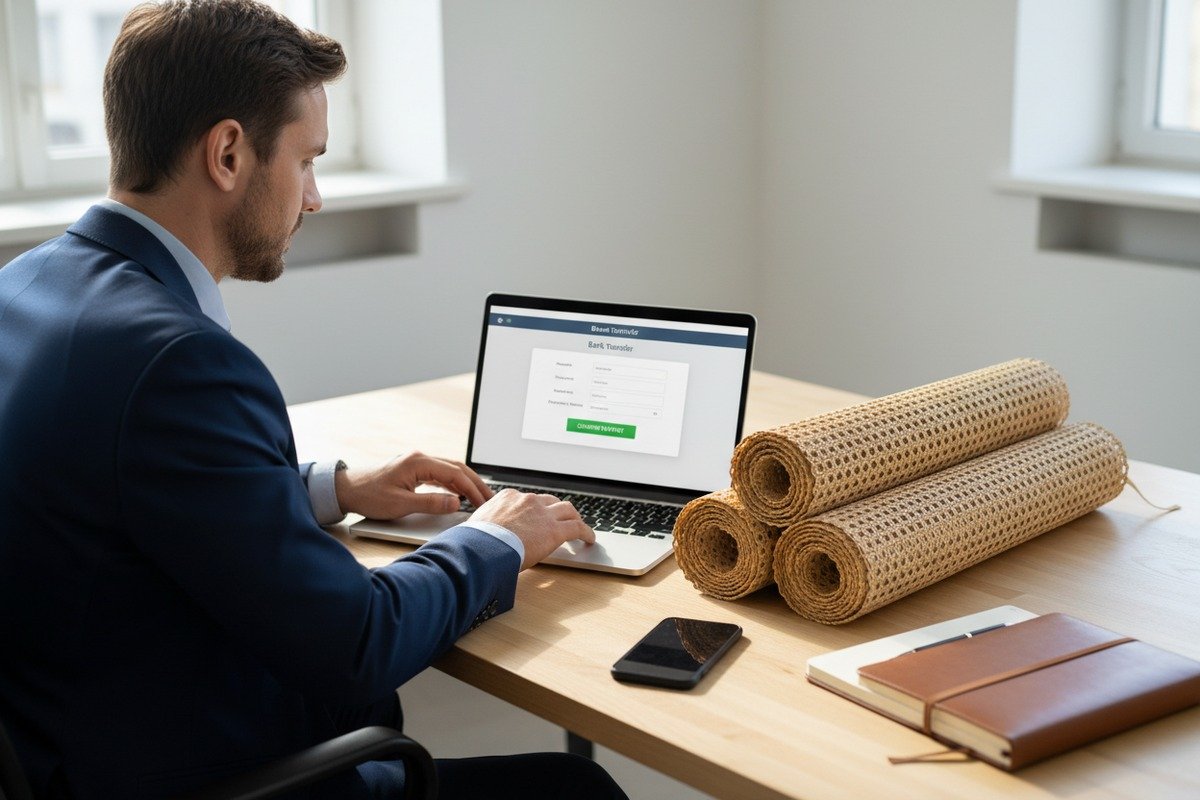
Die Zahlungsseite von Rattan-Rohrgeflecht 1 Beschaffung kann überwältigend sein, besonders wenn Sie zum ersten Mal bei Lieferanten aus dem Ausland einkaufen. Im Laufe der Jahre hat unser Team Tausende von internationale Bestellungen 2 aus unseren Fabriken in Foshan und Indonesien abgewickelt, und wir haben Käufer gesehen, die Geld verloren haben, nur weil sie die falsche Zahlungsmethode gewählt haben. Das Risiko ist real – Drahtbetrug 3, Qualitätsstreitigkeiten ohne Rechtsmittel und versteckte Gebühren, die die Margen auffressen. Aber die gute Nachricht ist, dass die richtige Zahlungsstrategie Ihr Geld und Ihre Lieferkette schützt.
Die besten Zahlungsmethoden für die Beschaffung von Rattanrohrgeflecht umfassen Banküberweisungen (T/T) mit gestaffelten Zahlungen, unwiderrufliche Akkreditive für Großaufträge, Handelsversicherungsplattformen wie Alibaba und Treuhanddienste. Jede Methode bietet ein unterschiedliches Gleichgewicht zwischen Sicherheit, Kosten und Komfort, abhängig von Ihrer Bestellgröße und Ihrer Lieferantenbeziehung.
Dieser Leitfaden erläutert jede wichtige Zahlungsmethode, erklärt, wann jede einzelne verwendet werden sollte, und zeigt Ihnen, wie Sie Ihr Unternehmen bei jedem Schritt schützen können Lieferanten-Anmeldeinformationen 4. Gehen wir ihn Abschnitt für Abschnitt durch.
Wie kann ich sicherstellen, dass meine Zahlung sicher ist, wenn ich Rattanrohrgeflecht von einem ausländischen Lieferanten beziehe?
Als wir anfingen, Rattanrohrgeflecht an Käufer in den Niederlanden und den USA zu exportieren, sagten uns viele von ihnen, dass sie zuvor schlechte Erfahrungen gemacht hätten – sie hatten die volle Zahlung im Voraus an einen Lieferanten geleistet, der dann minderwertiges Material versandte oder ganz verschwand. Zahlungssicherheit ist die wichtigste Sorge für jeden internationalen Käufer, und das sollte sie auch sein.
Um die Zahlungssicherheit beim Bezug von Rattanrohrgeflecht aus Übersee zu gewährleisten, verwenden Sie gestaffelte T/T-Zahlungen (30 % Anzahlung, 70 % gegen Wechsel, unwiderrufliche Akkreditive oder Trade-Assurance-Plattformen. Zahlen Sie niemals 100 % im Voraus und überprüfen Sie immer die Lieferantenqualifikationen, bevor Sie Gelder überweisen.
Warum 100% Vorauszahlung ein Warnsignal ist
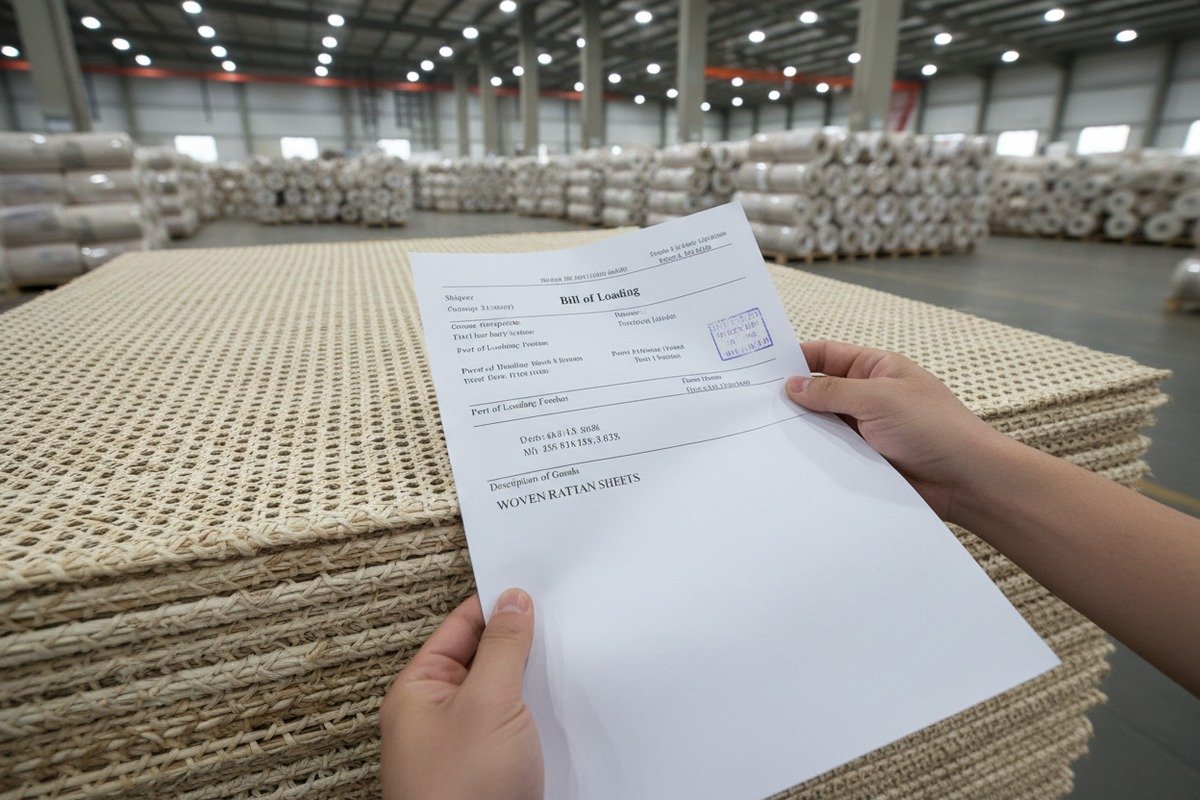
Wenn ein Lieferant Sie auffordert, den vollen Betrag zu bezahlen, bevor die Produktion beginnt, gehen Sie weg. Seriöse Rattan-Großhändler verstehen, dass Vertrauen im Laufe der Zeit aufgebaut wird. Ein üblicher und sicherer Ansatz ist die 30/70-Aufteilung: Sie zahlen 30% als Anzahlung zur Bestätigung der Bestellung und zur Deckung der anfänglichen Materialkosten, dann zahlen Sie die restlichen 70%, nachdem Sie einen Versandnachweis erhalten haben, typischerweise eine Kopie des Konnossement 5 (B/L).
Diese Struktur gibt beiden Seiten ein Interesse am Spiel. Der Lieferant weiß, dass Sie engagiert sind. Sie wissen, dass Ihr Geld an die tatsächliche Lieferung gebunden ist.
Akkreditive für hochwertige Bestellungen
Für Bestellungen über 20.000 € oder 30.000 € ist ein unwiderrufliches Akkreditiv (L/C) eine der sichersten Optionen. Akkreditive 6 Ihre Bank garantiert die Zahlung an die Bank des Lieferanten, jedoch erst, nachdem der Lieferant verifizierte Versanddokumente vorgelegt hat. Dieser Bank-zu-Bank-Mechanismus eliminiert persönliches Vertrauen und ersetzt es durch dokumentierte Beweise.
Akkreditive sind jedoch mit Bearbeitungsgebühren verbunden und erfordern eine präzise Dokumentation. Selbst kleine Fehler in den Unterlagen können zu Zahlungs- und Lieferverzögerungen führen. Wir empfehlen Erstnutzern von Akkreditiven immer, eng mit dem Handelsteam ihrer Bank zusammenzuarbeiten 7.
Trade Assurance Plattformen
Alibabas Trade Assurance Programm 8 ist bei Käufern von Rattan-Rohrgeflecht beliebt. Mit über 4.600 auf Alibaba gelisteten Rattan-Rohrgeflecht-Lieferanten hält diese Plattform Ihre Zahlung treuhänderisch und gibt sie erst an den Lieferanten frei, nachdem Sie bestätigt haben, dass die Bestellung den vereinbarten Spezifikationen entspricht. Bei Streitigkeiten bietet Alibaba ein Lösungsverfahren an.
Dies ist eine solide Option für kleine bis mittelgroße Bestellungen, insbesondere wenn Sie zum ersten Mal mit einem neuen Lieferanten zusammenarbeiten.
Schritte zur Lieferantenverifizierung
Bevor Sie Geld senden, unternehmen Sie diese Schritte:
- Fordern Sie eine Gewerbe- und Exportlizenz an.
- Bitten Sie um Referenzen von anderen internationalen Käufern.
- Prüfen Sie, ob der Lieferant ein verifiziertes Profil auf Alibaba oder Global Sources hat.
- Fordern Sie einen Videoanruf oder eine virtuelle Werksbesichtigung an.
- Beginnen Sie mit einer Musterbestellung, bevor Sie sich zu einer Großbestellung verpflichten.
| Zahlungsmethode | Sicherheitsstufe | Am besten geeignet für | Hauptrisiko |
|---|---|---|---|
| 100% T/T im Voraus | Sehr gering | Nie empfohlen | Totalverlust bei Lieferantenausfall |
| 30/70 T/T-Aufteilung | Mittel-Hoch | Standard-Großbestellungen | Anzahlung gefährdet, wenn Lieferant ausfällt |
| Unwiderrufliches Akkreditiv (L/C) | Sehr hoch | Große Bestellungen ($20K+) | Hohe Bankgebühren, komplexer Papierkram |
| Alibaba Trade Assurance | Hoch | Neue Lieferantenbeziehungen | Beschränkt auf die Alibaba-Plattform |
| PayPal | Mittel | Muster und Kleinbestellungen | Hohe Gebühren, begrenzt für hohe Beträge |
| Treuhandservice | Hoch | Kundenspezifische oder risikoreiche Bestellungen | Langsamere Bearbeitungszeit |
Vermeiden Sie diese Zahlungsmethoden für Unternehmen
Western Union und MoneyGram sind für persönliche Überweisungen konzipiert. Sie bieten keinen Käuferschutz. Sobald das Geld gesendet wurde, ist es weg. Wir haben Geschichten von Käufern gehört, die auf diese Weise Tausende verloren haben. Egal wie überzeugend ein Lieferant klingt, nutzen Sie diese Dienste niemals für Handelsgeschäfte.
Welche Zahlungsmethoden helfen mir, Transaktionsgebühren bei meinen Großhandelsbestellungen von Rattan zu minimieren?
Von unseren Produktionsstätten in Foshan versenden wir Rattanrohrgeflecht in über ein Dutzend Länder. Eine Sache, die wir häufig von Einkaufsmanagern hören, ist die Frustration über versteckte Gebühren – Währungsumrechnungsgebühren, Zwischenbankgebühren 9, und Plattformprovisionen, die die Kosten pro Rolle leise in die Höhe treiben.
Um die Transaktionsgebühren bei Großbestellungen von Rattan zu minimieren, nutzen Sie direkte Banküberweisungen (T/T) mit einer klaren Vereinbarung darüber, wer die Gebühren der Zwischenbanken übernimmt. Für mittelgroße Bestellungen bieten Payoneer oder spezielle Handelsfinanzierungslösungen niedrigere Gebühren als PayPal oder Kreditkartenabwicklung, die jeder Transaktion 3–5 % hinzufügen können.
Aufschlüsselung der tatsächlichen Kosten jeder Methode
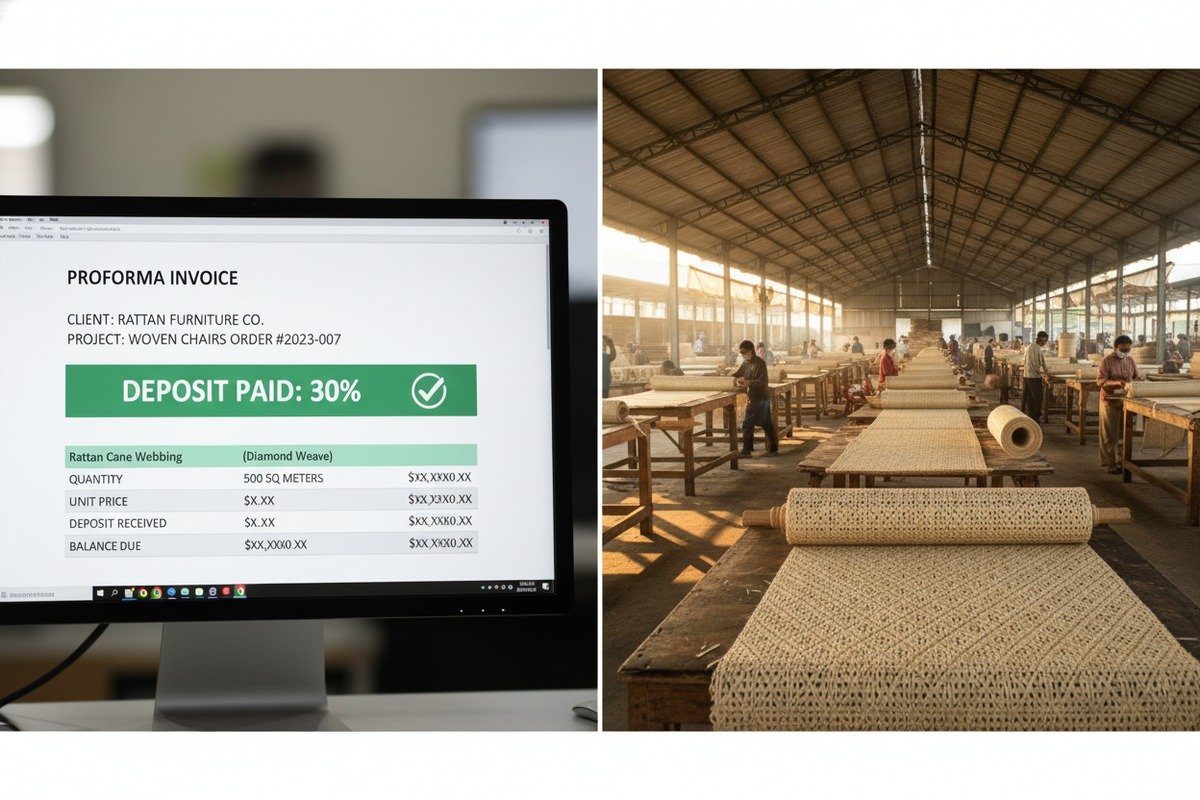
Nicht alle Zahlungsmethoden kosten gleich viel. Eine Gebühr von 3 % auf eine Musterbestellung von 500 € beträgt nur 15 €. Aber die gleiche 3 % auf eine Großlieferung von 50.000 € beträgt 1.500 € – genug, um eine zusätzliche Palette Geflecht abzudecken. Die Wahl der richtigen Methode ist am wichtigsten, wenn die Bestellwerte steigen.
Gebührenvergleich über Methoden hinweg
| Zahlungsmethode | Typischer Gebührenbereich | Kosten für Währungsumrechnung | Geschwindigkeit |
|---|---|---|---|
| Banküberweisung (T/T) | 15–50 € pauschal pro Überweisung | 0,5–1 % (variiert je nach Bank) | 1–5 Werktage |
| PayPal | 2,9–4,4 % + feste Gebühr | Im Wechselkurs enthalten | Sofort bis 3 Tage |
| Payoneer | 1–2% | 0,5–1,5 % | 1–3 Werktage |
| Akkreditiv | 200–1.000 €+ (Bankgebühren) | Mit der Bank verhandelt | 5–14 Tage |
| Alibaba Trade Assurance | 0–3 % (abhängig von der Methode) | Plattformrate gilt | Variiert |
| Kreditkarte | 2,5–3,5% | 1–3% Auslandstransaktionsgebühr | Sofort |
Warum T/T bei großen Bestellungen gewinnt
Bei Bestellungen über $10.000 ist eine direkte Banküberweisung fast immer die kostengünstigste Option. Die Pauschalgebührenstruktur bedeutet, dass die Kosten nicht mit der Bestellgröße skalieren. Eine $30 Überweisungsgebühr bei einer Bestellung von $40.000 entspricht effektiv 0,075%. Vergleichen Sie das mit PayPal mit 3%, was $1.200 kosten würde.
Der Schlüssel liegt darin, sich im Voraus mit Ihrem Lieferanten darüber zu einigen, wer die Gebühren der Zwischenbanken bezahlt. Bei internationalen Überweisungen können ein oder zwei Zwischenbanken unterwegs Gebühren abziehen. Wir raten unseren Kunden in der Regel, die Anweisung "OUR" bei der Überweisung zu verwenden, was bedeutet, dass der Absender alle Bankgebühren übernimmt, sodass der Lieferant den vollen Betrag erhält. Dies vermeidet Streitigkeiten über zu geringe Zahlungen.
Wann PayPal und Payoneer Sinn machen
PayPal ist nützlich für Musterbestellungen und Erstkäufe unter $1.000. Der Käuferschutz ist ein gutes Sicherheitsnetz, wenn Sie einen neuen Lieferanten testen. Aber bei wiederholten Großbestellungen summieren sich die Gebühren schnell.
Payoneer ist ein besserer Mittelweg. Viele chinesische und indonesische Rattanlieferanten haben bereits Payoneer-Konten. Die Gebühren sind niedriger als bei PayPal und die Plattform unterstützt mehrere Währungen. Es ist besonders beliebt bei kleinen und mittelgroßen Exporteuren.
Versteckte Kosten, auf die Sie achten sollten
Achten Sie neben der Transaktionsgebühr selbst auf:
- Aufschläge für Währungsumrechnung: Einige Banken berechnen 2–3% zusätzlich zum Mittelkurs. Aufschläge für Währungsumrechnung 10
- Gebühren der Empfängerbank: Die Bank Ihres Lieferanten kann $10–$30 von der eingehenden Überweisung abziehen.
- Plattform-Abhebungsgebühren: Auf Alibaba oder Payoneer können Lieferanten Abhebungsgebühren über leicht höhere Produktpreise an Sie weitergeben.
Bitten Sie Ihren Lieferanten immer um eine Aufschlüsselung der Landungskosten. Ein guter Lieferant wird transparent über die Preise sein und Ihnen helfen, den kostengünstigsten Zahlungsweg zu finden.
Welche Standardzahlungsbedingungen sollte ich erwarten, wenn ich mit einem Großhändler für Rattanmaterial arbeite?
Wenn sich unser Vertriebsteam mit einem neuen Käufer zusammensetzt – sagen wir, einem Großhändler für Möbelmaterialien in der Türkei oder einem Händler für Baumaterialien in Australien –, ist eine der ersten Fragen, die sie stellen, nach den Zahlungsbedingungen. Die Antwort hängt von der Bestellgröße, der Beziehungshistorie und der Art des beteiligten Rattanprodukts ab. Aber es gibt Branchennormen, die Sie kennen sollten, bevor Sie mit den Verhandlungen beginnen.
Standard payment terms with a rattan material wholesaler typically include a 30% deposit via T/T before production, with the 70% balance paid against a copy of the Bill of Lading. For established relationships, some wholesalers offer Net 30 or Net 60 terms. Letters of Credit are standard for orders exceeding $20,000.
Die 30/70-Aufteilung: Industriestandard
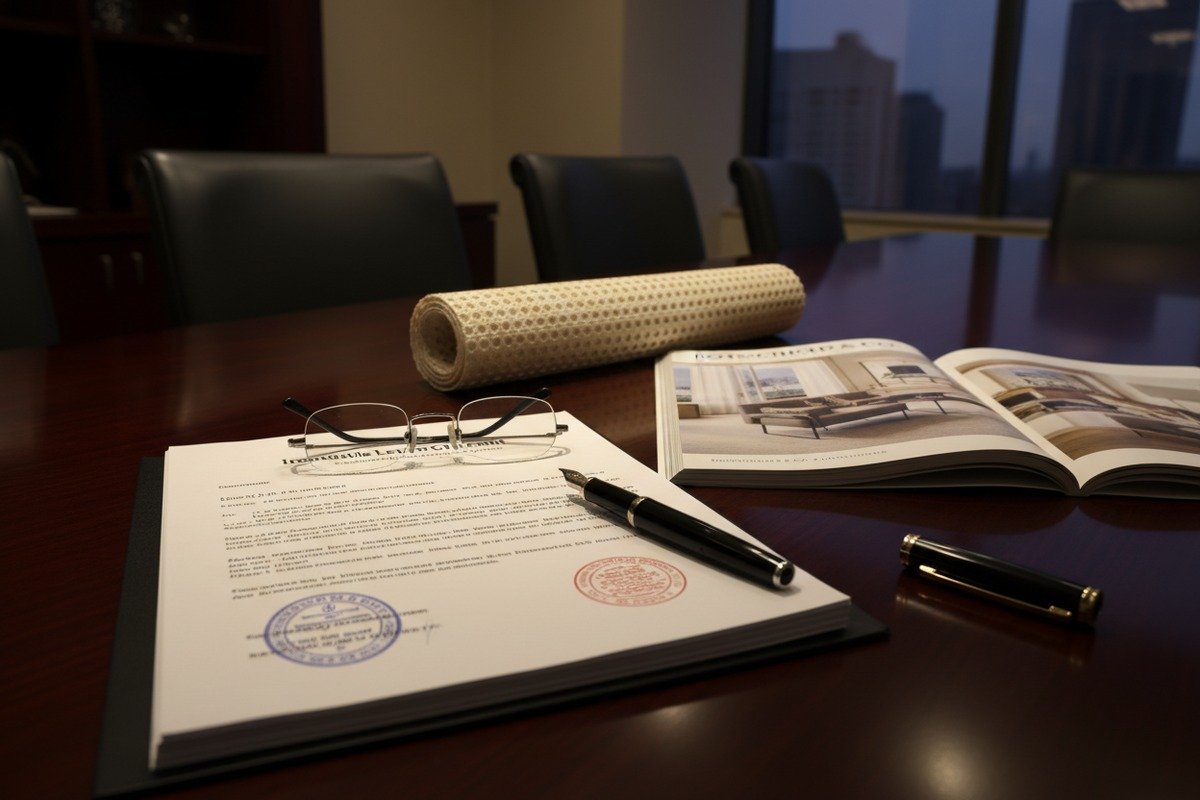
Die 30 % Anzahlung und 70 % Restzahlung gegen Versanddokumente ist mit Abstand die gängigste Struktur im Handel mit Rattan-Rohrgeflecht. Dies gilt, unabhängig davon, ob Sie natürliche sechseckige Radio-Webart, dichte quadratische Korbflechtung, gebleichtes Rattan-Rohrgeflecht oder synthetische Rattan-Matten kaufen.
Die Anzahlung deckt die Beschaffung von Rohmaterialien und die anfänglichen Produktionskosten ab. Die Restzahlung wird ausgelöst, wenn der Lieferant eine Kopie des Frachtbriefs vorlegt, die beweist, dass die Ware auf das Schiff verladen wurde. Einige Käufer bitten zu diesem Zeitpunkt auch um eine Kopie der Handelsrechnung und der Packliste.
Zahlungsbedingungen nach Bestellgröße und Beziehung
| Bestellwert | Konditionen für Neukunden | Konditionen für Bestandskunden | Empfohlene Methode |
|---|---|---|---|
| Unter 1.000 € | 100% im Voraus oder PayPal | 100% im Voraus oder PayPal | PayPal, Payoneer |
| $1,000–$10,000 | 30% Anzahlung, 70% gegen B/L | 30/70 oder Netto 30 | T/T, Payoneer |
| $10,000–$30,000 | 30/70 T/T | Netto 30 oder 20/80 Aufteilung | T/T |
| $30,000+ | L/C oder 30/70 T/T | L/C, Netto 30 oder Netto 60 | L/C, T/T |
| Kundenspezifische/OEM-Bestellungen | 40–50% Anzahlung, Restbetrag vor Versand | 30/70 mit Inspektionsmeilenstein | T/T, L/C |
Anzahlungen für Sonderanfertigungen
Wenn Sie Rattan-Rohrgeflecht in Sondergrößen bestellen oder spezifische Webmuster wünschen – zum Beispiel ein Fischgrätmuster in synthetischem Rattan oder ein Rautenmuster in natürlichem Rattan – müssen Sie mit einer höheren Anzahlung rechnen. Viele Lieferanten verlangen bei Sonderanfertigungen 40–50 % im Voraus, da diese Materialien bei Stornierung der Bestellung nicht einfach an einen anderen Käufer weiterverkauft werden können.
In unserer Anlage in Foshan produzieren wir eine breite Palette von Mustern und Farboptionen. Für Sonderanfertigungen verlangen wir in der Regel eine Anzahlung von 40 %, wobei der Restbetrag nach Genehmigung der Produktionsmuster durch den Käufer und nach Vereinbarung des Versands zu zahlen ist.
Zahlungsziele und Kreditkonten
Netto 30 oder Netto 60 Zahlungsziele sind für langjährige Käufer mit nachgewiesener Erfolgsbilanz reserviert. Das bedeutet, dass der Käufer die Ware zuerst erhält und die vollständige Rechnung innerhalb von 30 oder 60 Tagen bezahlt. Diese Bedingungen sind ein Zeichen des Vertrauens und erfordern in der Regel mindestens 6–12 Monate konsistente Bestellhistorie.
Wenn Sie ein neuer Käufer sind, erwarten Sie nicht sofort Netto-Zahlungsbedingungen. Bauen Sie zunächst eine Beziehung durch einige erfolgreiche Bestellungen im Rahmen der 30/70-Struktur auf. Mit zunehmendem Vertrauen werden die meisten zuverlässigen Großhändler schrittweise günstigere Konditionen anbieten.
FOB vs. CIF und Zahlungsfolgen
Ihre Wahl der Versandbedingungen beeinflusst, wann und wie viel Sie bezahlen.
- FOB (Frei an Bord): Sie bezahlen die Ware bis zu dem Punkt, an dem sie auf das Schiff verladen wird. Sie arrangieren und bezahlen den Versand separat. Dies gibt Ihnen mehr Kontrolle über die Frachtkosten.
- CIF (Kosten, Versicherung und Fracht): Der Lieferant schließt Versand und Versicherung in den Preis ein. Dies vereinfacht Ihre Kostenberechnung, kann aber eine Aufschlag auf die Fracht beinhalten.
Die meisten Käufer von Rattan-Rohrgeflecht in Westeuropa und den USA bevorzugen FOB-Bedingungen, da sie bereits Beziehungen zu Spediteuren haben, die wettbewerbsfähige Preise anbieten.
Wie kann ich meine Zahlungsmethode nutzen, um mein Unternehmen vor Qualitäts- und Lieferrisiken zu schützen?
Aus unserer Erfahrung im Versand von Rattan-Geflecht auf vier Kontinenten sind Qualitäts- und Lieferstreitigkeiten die beiden Probleme, die Käufer-Lieferanten-Beziehungen am meisten schädigen. Eine Rolle natürliches Rattan-Rohrgeflecht kann mit inkonsistenter Strangdicke ankommen. Eine Lieferung von gebleichtem Rattan kann Verfärbungen aufweisen. Oder ein Container kann zwei Wochen zu spät ankommen und Ihren Produktionsplan durcheinanderbringen. Ihre Zahlungsmethode ist in all diesen Situationen Ihr stärkstes Druckmittel.
Sie können Ihr Unternehmen vor Qualitäts- und Lieferrisiken schützen, indem Sie Zahlungsmethoden verwenden, die integrierte Streitbeilegungsmechanismen beinhalten – wie z. B. Akkreditive mit Inspektionsklauseln, Alibaba Trade Assurance oder Treuhandservices. Die gestaffelte Zahlung um Produktionsmeilensteine und Qualitätsinspektionen durch Dritte stellt sicher, dass Sie nur für Waren bezahlen, die Ihren Spezifikationen entsprechen.
Zahlungen an Qualitätsinspektionen koppeln
Das Klügste, was Sie tun können, ist, Ihre Zahlungsmeilensteine an Qualitätskontrollpunkte zu koppeln. Hier ist eine Struktur, die für viele unserer langjährigen Käufer gut funktioniert hat:
- 30% Anzahlung — Bezahlt nach Auftragsbestätigung.
- Produktionsmusterfreigabe — Der Lieferant sendet Fotos und Muster vor der vollständigen Produktion. Noch keine zusätzliche Zahlung, aber die Produktion wird erst nach Käuferfreigabe fortgesetzt.
- Inspektion vor dem Versand — Ein unabhängiges Inspektionsunternehmen (wie SGS, Bureau Veritas oder ein lokaler Inspektor) besucht die Fabrik und prüft die Ware anhand Ihrer Spezifikationen. Sie erhalten einen Inspektionsbericht.
- 70% Restzahlung — Nur bezahlt, nachdem der Inspektionsbericht zufriedenstellend ist und die Versanddokumente ausgestellt wurden.
Dieser gestaffelte Ansatz bedeutet, dass Ihr Geld immer an nachgewiesenen Fortschritt gebunden ist. Wenn das Rattan-Geflecht nicht Ihren Qualitätsstandards entspricht – sei es die Webdichte, die Farbkonstanz oder die Rollenabmessungen –, haben Sie das Recht, die Zahlung zurückzuhalten, bis das Problem gelöst ist.
Wie jede Zahlungsmethode mit Streitigkeiten umgeht
Nicht alle Zahlungsmethoden bieten Ihnen den gleichen Schutz, wenn etwas schiefgeht. Hier ist ein Vergleich:
| Zahlungsmethode | Streitbeilegung | Rückerstattungswahrscheinlichkeit | Käufermacht |
|---|---|---|---|
| T/T (Banküberweisung) | Kein eingebauter Mechanismus | Niedrig (erfordert rechtliche Schritte) | Moderat (nur bei gestaffelten Zahlungen) |
| Akkreditiv | Bank prüft Dokumente; Abweichungen blockieren Zahlung | Hoch (wenn Dokumente nicht übereinstimmen) | Sehr hoch |
| Alibaba Trade Assurance | Plattform vermittelt Streitfall | Mittel-Hoch | Hoch |
| PayPal | Käuferschutzanspruch innerhalb von 180 Tagen | Mittel | Mittel |
| Treuhandservice | Neutrale dritte Partei hält Gelder | Hoch | Sehr hoch |
Inspektionen durch Dritte sind jeden Cent wert
Eine Inspektion vor dem Versand kostet zwischen $200 und $400, abhängig vom Standort und Umfang. Bei einer Bestellung von Rattanrohrgeflecht im Wert von $15.000 sind das etwa 2% des Bestellwerts. Es ist eine günstige Versicherung.
Der Inspektor prüft:
- Genauigkeit des Webmusters (sechseckig, Korbflechtart, Rautenmuster, Fischgrätenmuster usw.)
- Farbgleichheit über Rollen hinweg
- Rollenabmessungen und Gewicht
- Feuchtigkeitsgehalt (wichtig für natürliches Rattan)
- Verpackungsqualität (doppelt geprüft gemäß Ihren Verpackungsanforderungen)
Wenn die Inspektion fehlschlägt, können Sie den Lieferanten auffordern, die defekten Rollen nachzuarbeiten oder zu ersetzen, bevor Sie die Restzahlung freigeben.
Verwendung von Akkreditivklauseln für maximalen Schutz
Ein Akkreditiv kann sehr spezifische Bedingungen enthalten. Sie können beispielsweise vom Lieferanten verlangen, Folgendes vorzulegen:
- Ein reines Konnossement
- Eine Ursprungszeugnis
- Ein Inspektionszertifikat eines Drittanbieters
- Eine Handelsrechnung, die den vereinbarten Spezifikationen entspricht
Wenn eines dieser Dokumente fehlt oder falsch ist, zahlt die Bank keine Zahlung aus. Dies verschafft Ihnen enormen Verhandlungsspielraum und stellt sicher, dass der Lieferant Qualität und Dokumentation ernst nimmt.
Was ist mit Lieferverzögerungen?
Zum Schutz der Lieferung nehmen einige Käufer Strafklauseln in ihre Kaufverträge auf. Eine gängige Struktur ist ein Rabatt von 1–2% auf den Bestellwert für jede Woche der Verzögerung über das vereinbarte Versanddatum hinaus. Obwohl dies eher eine vertragliche Angelegenheit als ein Merkmal der Zahlungsmethode ist, schafft die Verknüpfung dieser Strafen mit der Restzahlung echte Rechenschaftspflicht.
In unseren Einrichtungen bieten wir unseren Kunden regelmäßige Produktionsaktualisierungen und Versandpläne. Transparenz schafft Vertrauen und reduziert die Notwendigkeit von gegnerischen Vertragsbedingungen. Aber wenn Sie mit einem neuen Lieferanten zusammenarbeiten, ist es einfach kluges Geschäftsgebaren, diese Schutzmaßnahmen schriftlich zu haben.
Treuhandservices für Erstbestellungen
Wenn Sie Ihre erste Bestellung bei einem unbekannten Lieferanten aufgeben und der Bestellwert erheblich ist, sollten Sie einen unabhängigen Treuhandservice in Anspruch nehmen. Unternehmen wie Escrow.com halten Ihre Zahlung auf einem sicheren Konto. Das Geld wird erst an den Lieferanten freigegeben, nachdem Sie den Erhalt und die Qualität der Ware bestätigt haben. Dies eliminiert fast jedes finanzielle Risiko aus der Transaktion.
Der Nachteil sind langsamere Bearbeitung und höhere Gebühren im Vergleich zu einer einfachen Überweisung. Aber für eine Erstbestellung im Wert von $10.000 oder mehr ist die Beruhigung es wert.
Conclusion
Die Wahl der richtigen Zahlungsmethode für die Beschaffung von Rattanrohrgeflecht ist nicht nur eine Frage der Bequemlichkeit – sie wirkt sich direkt auf Ihre Sicherheit, Kosten und Verhandlungsposition aus. Passen Sie Ihre Methode an Ihre Bestellgröße, Ihre Lieferantenbeziehung und Ihre Risikobereitschaft an, und Sie werden sowohl Ihr Geld als auch Ihre Lieferkette schützen.
Fußnoten
1. Wikipedia bietet einen umfassenden Überblick über Rattan, seine Verwendung und Eigenschaften. ↩︎
2. Die Internationale Handelskammer bietet Ressourcen zur Handelsfinanzierung für internationale Bestellungen. ↩︎
3. HTTP 403-Link durch eine maßgebliche akademische Quelle ersetzt, die eine Definition von Drahtbetrug liefert. ↩︎
4. CIPS bietet Anleitungen zur Lieferantenauswahl und -bewertung, einschließlich Verifizierungsschritten. ↩︎
5. Investopedia bietet eine klare Definition und Erklärung eines Frachtbriefs. ↩︎
6. Die ICC Uniform Customs and Practice for Documentary Credits (UCP 600) regelt Akkreditive. ↩︎
7. J.P. Morgan erklärt die Rolle und Dienstleistungen eines Handelsfinanzierungsteams. ↩︎
8. Offizielle Informationen direkt von Alibaba über ihr Trade Assurance-Programm. ↩︎
9. Wikipedia erklärt Korrespondenzkonten, die für Bankgebühren von Intermediären bei internationalen Überweisungen zentral sind. ↩︎
10. Investopedia erklärt, wie Devisengebühren und Währungsumrechnungsaufschläge funktionieren. ↩︎
 English
  Español de México
  العربية
  Deutsch
  Français
  Русский