
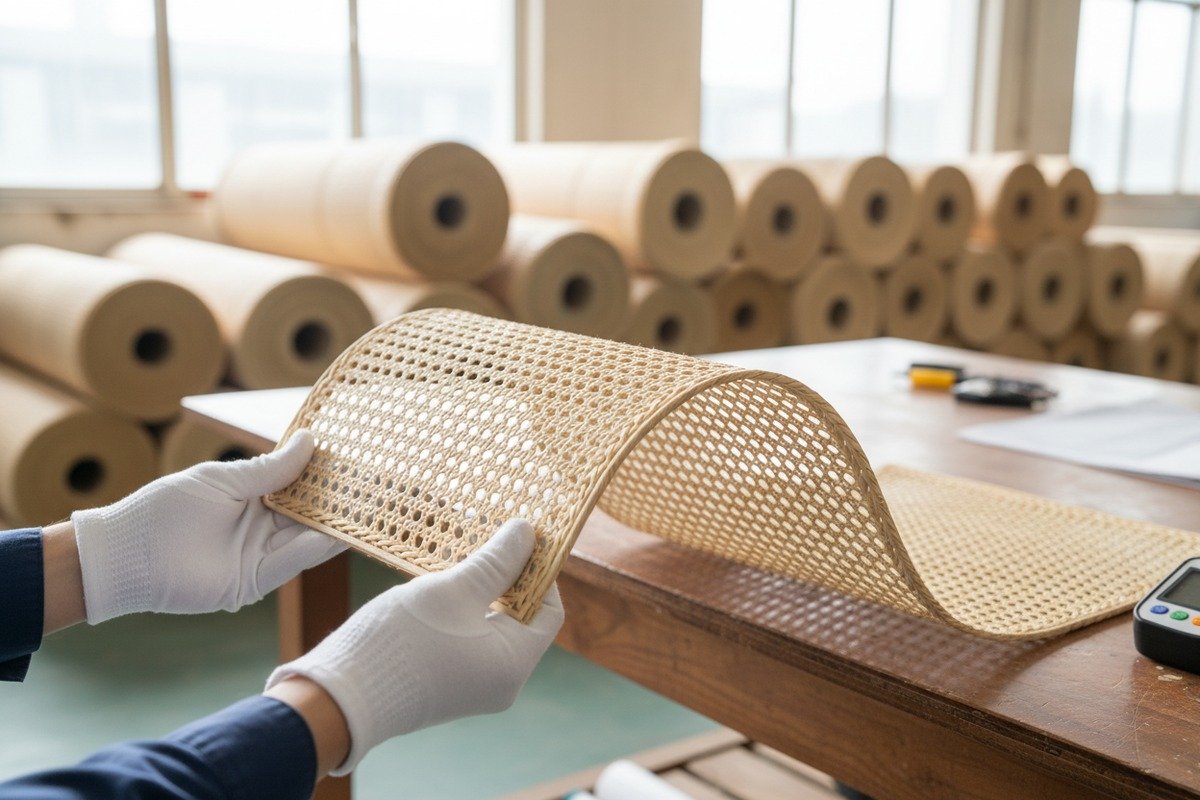
Cada semana, nuestro equipo de control de calidad 1 en Foshan inspecciona cientos de tejido de caña de ratán 2 rolls before they ship to furniture factories worldwide. The problem? Not all rattan is treated equally. Poorly processed webbing leads to cracking, mold, and costly returns that damage your reputation with end customers.
Properly treated natural rattan cane webbing shows a consistent light tan color, feels supple without brittleness, has moisture content below 12%, resists mold and pests, absorbs water slowly, and returns to its original shape after gentle bending. These signs confirm correct processing and conditioning.
In this guide, we break down the exact visual checks, hands-on tests, and supplier questions you need to confirm your rattan webbing meets high-end furniture standards estándares de calidad 3. Let’s walk through each step.
How can I visually inspect my rattan cane webbing for signs of professional treatment?
When we unroll a fresh batch of rattan cane webbing at our processing facility in Indonesia, the first thing our inspectors do is a thorough visual check. This step catches 80% of quality problems before any physical test even begins. If you skip this, you risk accepting material that looks fine on the surface but fails within months.
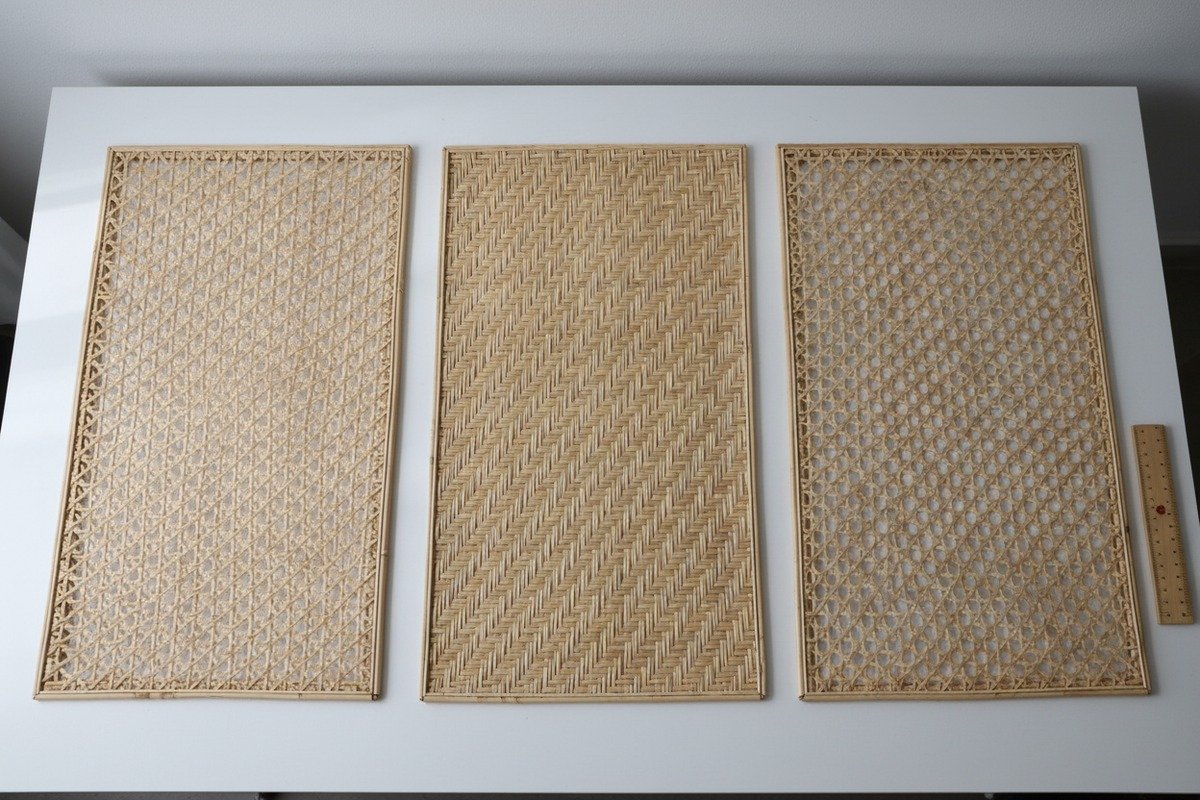
You can visually inspect rattan cane webbing by checking for a consistent buttery tan color, an even weave with no loose or broken strands, a subtle natural sheen without artificial gloss, and the complete absence of mold spots, gray discoloration, or insect damage across the entire roll.
What Color Tells You About Treatment Quality
Fresh, properly treated rattan cane webbing has a light buttery tan color. This is its natural state. Over time, it darkens evenly — and that is normal. What is not normal is gray patches, black spots, or uneven yellowing.
Gray discoloration usually means the rattan was over-soaked during processing. Black spots point to crecimiento de moho 4 from poor drying. Uneven yellowing can indicate that the rattan sat in direct sunlight before packaging.
When our team receives raw rattan from our Indonesian facility, we grade it by color consistency first. Grade A material shows uniform color across the full roll. Grade B may have slight variations. Anything with blotchy or uneven tones gets rejected.
The Weave Pattern Check
A properly treated roll of rattan cane webbing holds its weave tight and even. patrón de tejido 5 Each strand should sit flush against the next. Gaps, loose ends, or fraying edges suggest the material dried unevenly or was handled roughly during processing.
Run your hand across the surface. It should feel smooth. You should not feel raised fibers or rough patches. These are signs that the rattan was exposed to extreme temperatures or soaked in water that was too hot.
Surface Sheen vs. Artificial Gloss
Properly conditioned rattan has a subtle, healthy sheen. It looks alive. This comes from aceites naturales 6 in the rattan fiber being preserved during treatment. If the surface looks overly shiny or plastic-like, it may have been coated with a heavy sealant. Heavy sealants block the rattan's ability to breathe and expand naturally, which leads to cracking over time.
| Indicador visual | Properly Treated | Poorly Treated |
|---|---|---|
| Color | Consistent buttery tan | Gray, blotchy, or unevenly yellowed |
| Tejido | Tight, even, no loose strands | Gaps, fraying, broken strands |
| Tacto de la superficie | Smooth with subtle sheen | Rough, raised fibers, or overly glossy |
| Mold/mildew | No visible | Dark spots, fuzzy patches |
| Grosor de la hebra | Uniforme en todo | Inconsistent, thin weak spots |
Checking the Edges
The edges of a roll tell a story. Slightly frayed edges are normal for natural rattan webbing — it is a natural material, after all. But if the edges are crumbling or the strands snap when you bend them at the edge, the moisture was not managed correctly during treatment.
At our Foshan warehouse, we always unroll at least two meters and inspect both edges and the center. Problems often hide in the middle of a roll where air circulation was poorest during drying.
What are the red flags I should look for to avoid mold or pest issues in my rattan?
Our export records to the Netherlands and Australia show that mold and pest issues 7 are the top two reasons for cargo rejection at customs. We learned early on that controlling moisture during processing is the single most important factor. If your supplier gets this wrong, you pay for it — literally.
Key red flags include visible mold spots or fuzzy white patches, a musty or sour smell, moisture content above 12%, tiny bore holes from insect infestation, sticky or damp surfaces, and packaging without ventilation. Any of these signs indicate the rattan was improperly dried, stored, or treated before shipment.
Moho: El destructor silencioso
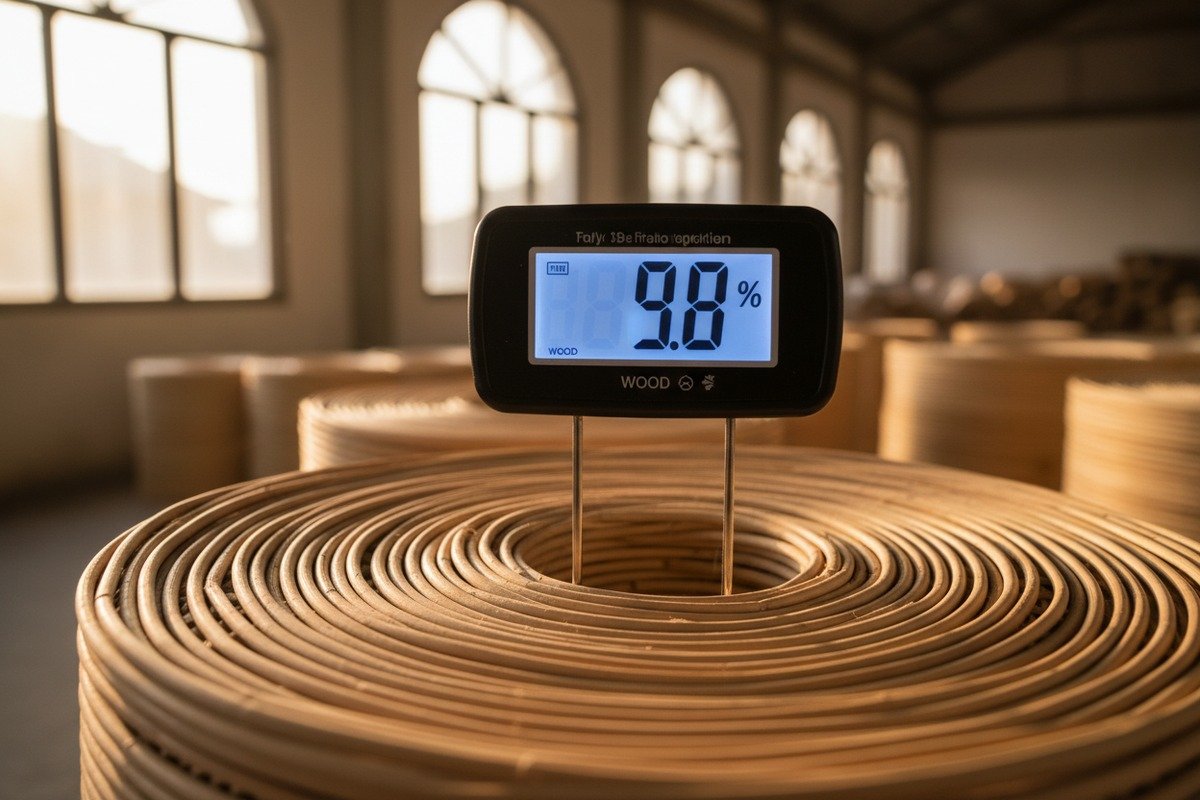
Mold grows when rattan retains too much moisture after processing. Natural rattan is not chemically treated with anti-fungal agents in most cases, so proper drying is the only defense. At our processing facility, we dry rattan to below 12% contenido de humedad 8 and verify with a pin-type moisture meter before packaging.
Here is what mold looks like on rattan:
- Small dark spots, often green-black or gray
- Fuzzy white or green patches, especially in tight weave areas
- A musty, damp smell when you unroll the material
If you see any of these, do not try to clean the rattan and use it anyway. Mold penetrates the fibers. Surface cleaning only removes what you can see, not the root system inside the material.
Pest Damage: What Boring Insects Leave Behind
Rattan comes from tropical forests. Insects like escarabajos de la carcoma 9 and rattan weevils are natural predators. Properly treated rattan goes through a controlled drying process that eliminates larvae and eggs. Some facilities also use heat treatment or fumigation.
Look for these pest signs:
- Tiny round holes (1-2mm diameter) in the strands
- Fine powdery dust near the holes
- Strands that crumble when pressed
Environmental Storage Red Flags
Even properly treated rattan can develop mold if stored incorrectly after processing. When we ship to clients in humid climates like Thailand or the Philippines, we always advise on storage conditions.
| Señal de alerta | Qué significa | Qué hacer |
|---|---|---|
| Musty smell on arrival | Moisture trapped in packaging | Reject or request replacement |
| Damp or sticky surface | Moisture content too high | Test with moisture meter; if >12%, reject |
| Tiny bore holes with dust | Active insect infestation | Quarantine immediately; do not mix with other stock |
| White fuzzy patches | Active mold growth | Reject entirely; mold spores spread |
| Packaging has no ventilation | Risk of condensation during transit | Discuss packaging standards with supplier |
| Uneven color with dark rings | Water damage during storage | Inspect full roll; partial use may be possible |
La prueba del olfato
This is simple but effective. Open the packaging and smell the rattan. Properly treated natural rattan smells faintly earthy or has almost no smell at all. If it smells sour, musty, or chemical, something went wrong. A chemical smell could mean the rattan was fumigated with harsh chemicals that may off-gas into finished furniture.
We encourage every buyer to make the smell test part of their incoming quality check. It takes five seconds and catches problems that visual inspection 10 alone can miss.
How do I ensure my supplier's treatment process meets my quality standards for high-end furniture?
Working with furniture factories across Europe and the Middle East has taught us one clear lesson: trust but verify. Many buyers accept supplier claims at face value and only discover problems after their finished furniture reaches end customers. Setting clear standards upfront saves money, time, and business relationships.
To ensure your supplier's treatment process meets high-end furniture standards, request detailed process documentation including drying methods and target moisture levels, ask for third-party quality certificates, conduct on-site audits or video inspections, define acceptance criteria in your purchase contract, and test samples before placing bulk orders.
Ask the Right Questions Before You Order
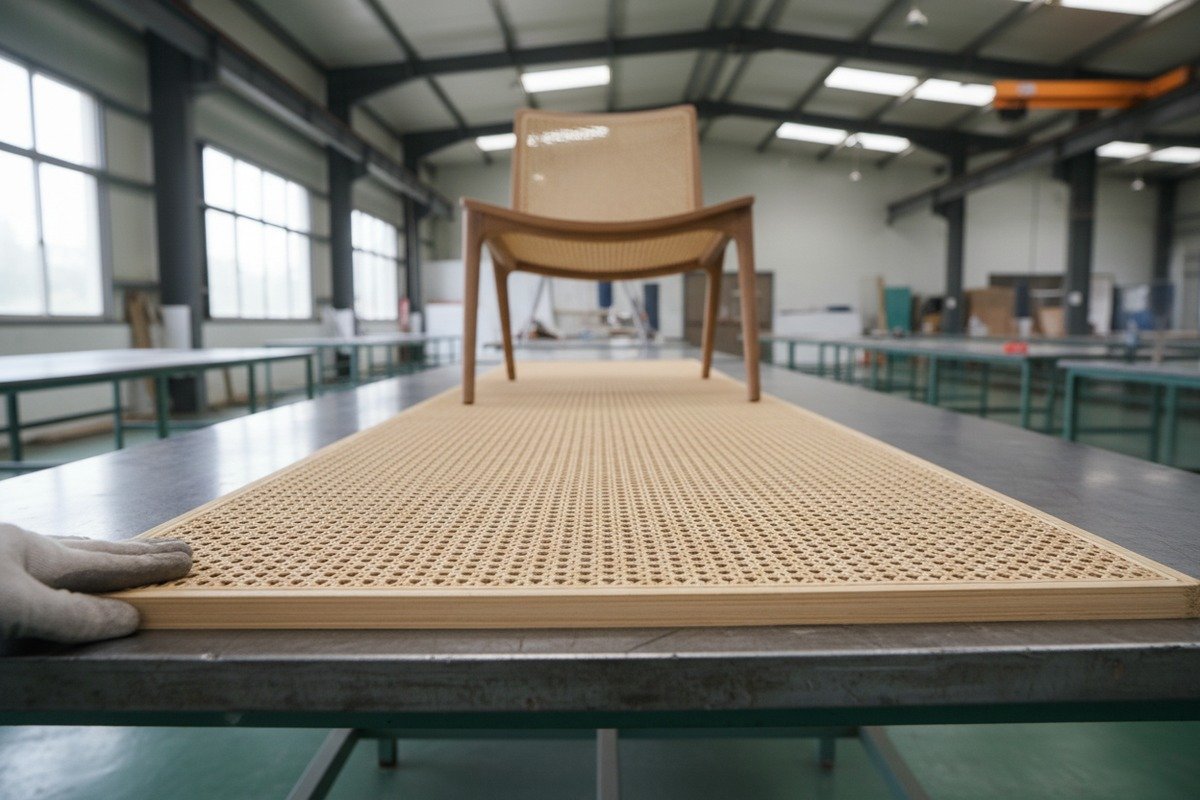
Before placing your first order, send your supplier a list of specific questions. Vague answers are a red flag. A professional rattan supplier should be able to tell you:
- What is the target moisture content after drying?
- What drying method do you use — sun drying, kiln drying, or a combination?
- Do you apply any oils or conditioning treatments? If so, what type?
- How do you control for mold and pests during storage?
- What is your defect rate, and how do you handle quality claims?
At our factories, we welcome these questions. We can share our drying logs, moisture readings, and even live video of our processing lines. Any supplier that gets defensive about process questions is not confident in their quality.
Define Your Acceptance Criteria in Writing
High-end furniture requires Grade A rattan. But "Grade A" means different things to different suppliers. You need to define it yourself. Put these specifications in your purchase order or contract:
- Moisture content: ≤ 12%
- Color: Consistent buttery tan, no gray or dark spots
- Weave: Even, tight, no gaps or loose strands
- Flexibility: No cracking when bent at a 90-degree angle
- Smell: Neutral or faintly earthy
- Pests: Zero tolerance for bore holes or powder residue
Sample Testing Protocol
Always request samples before a bulk order. Here is the testing protocol we recommend to our clients:
| Prueba | Método | Criterios de aprobación |
|---|---|---|
| Moisture content | Pin-type moisture meter at 3 points | ≤ 12% at all points |
| Flexibilidad | Bend single strand 90° and release | Returns to shape, no cracking |
| Consistencia del color | Compare 5 random sections under natural light | No significant variation |
| Mold check | Visual + smell inspection | No spots, no musty odor |
| Weave integrity | Pull test on 3 strands | No loosening or separation |
| Water absorption | Place 5cm sample in room-temp water for 10 min | Slow, controlled absorption |
On-Site Audits and Video Inspections
If you are placing large orders, visit the factory. We host buyers from the USA, Australia, and Europe regularly at our Foshan headquarters and our Indonesian processing facility. If travel is not possible, ask for a live video call walkthrough of the production line.
During the visit or video call, pay attention to:
- How raw rattan is stored before processing
- The drying area — is it clean, well-ventilated, temperature-controlled?
- How finished rolls are packaged and labeled
- Whether workers handle the material with care
Building Long-Term Quality Partnerships
Quality is not a one-time check. It is a relationship. The best buyer-supplier partnerships include regular quality reviews, shared feedback on defects, and continuous improvement. When our clients in Spain or Turkey report an issue, we trace it back to the specific batch and production date. This level of traceability is what separates professional suppliers from commodity traders.
We also recommend that buyers request a Certificate of Compliance (CoC) with each shipment. This document should state the moisture content, treatment method, and grade of the rattan in that specific order.
Can I test the flexibility and moisture content of my rattan webbing to confirm it was processed correctly?
On our production floor, we run flexibility and moisture tests on every batch before it gets packaged. These two tests are the most reliable indicators of proper treatment — and the good news is that you can run simplified versions of them at your own warehouse without expensive lab equipment.
Yes, you can test flexibility by bending individual strands at a 90-degree angle — properly treated rattan springs back without cracking or permanent creasing. Moisture content can be verified using an affordable pin-type moisture meter, with readings at or below 12% confirming correct drying and conditioning during processing.
The Bend Test: Your Simplest Quality Tool
This test takes seconds. Pick a single strand from the edge of the roll. Bend it slowly to about 90 degrees. Hold it for two seconds. Release it.
What should happen:
- The strand bends smoothly without a snapping sound
- It returns to near its original position
- No white stress marks appear at the bend point
- No cracking or splitting occurs
What should not happen:
- The strand snaps or cracks
- It stays bent permanently (no fiber memory)
- White lines or fractures appear at the bend point
- It feels rigid and dry, like a dry twig
If the rattan fails the bend test, the moisture was removed too aggressively during drying, or the material was stored in a very dry environment for too long. Either way, it will not perform well in furniture applications.
Measuring Moisture Content
A pin-type moisture meter costs between $20 and $50. It is one of the best investments a furniture material buyer can make. Push the pins into a rattan strand and read the percentage.
Here is how to do it properly:
- Test at least three different locations on the roll — near the outside, in the middle, and near the core
- Test at room temperature (extreme cold or heat can affect readings)
- Record all three readings
The target is 12% or below at all points. If one reading is 10% and another is 16%, the drying was uneven. That roll will behave unpredictably — some areas will be flexible, others will crack.
The Water Absorption Test
This test reveals whether the rattan has a protective natural oil layer from proper conditioning. Cut a small piece (about 5cm x 5cm) and place it in room-temperature water.
- Properly treated rattan absorbs water slowly and evenly over 10-15 minutes
- Untreated or over-dried rattan absorbs water immediately and may swell unevenly
- Over-treated rattan with heavy sealant barely absorbs any water at all
The ideal result is controlled, gradual absorption. This means the rattan can still breathe and respond to humidity changes — which is exactly what you want in furniture applications.
The Snap-Back Test for Weave Integrity
Press your thumb firmly into the center of a flat section of webbing. Push it down about 1-2cm. Remove your thumb.
Properly treated webbing snaps back to flat within a few seconds. The weave holds its shape. If the webbing stays dented or the strands shift permanently, the material lacks proper tension and moisture balance.
Comparing Soaking Methods and Their Effects
Understanding how different soaking approaches affect rattan helps you judge whether your supplier chose the right method.
| Soaking Method | Water Temp | Duración | Effect on Properly Treated Rattan | Risk if Done Wrong |
|---|---|---|---|---|
| Cool water rinse | Room temp | 2-5 min | Flattens webbing, removes dust | Minimal risk |
| Warm water soak | 30-35°C | 20-30 min | Softens for weaving, good pliability | Slight graying if too long |
| Hot water soak | >50°C | Any duration | Not recommended | Raises fibers, causes discoloration |
| Prolonged soak | Any temp | >45 min | Over-saturates fibers | Graying, swelling, weakened structure |
The Oil Absorption Test
Apply a small amount of mineral oil or linseed oil to the underside of a test piece. Wait 10 minutes.
If the oil absorbs evenly and the surface feels lightly moisturized without being sticky, the rattan is properly conditioned. If the oil sits on top and beads up, a heavy sealant is blocking absorption. If the oil soaks in instantly and the rattan still feels dry, the material is severely dehydrated and was not conditioned during treatment.
This test is especially useful when evaluating rattan from a new supplier. It tells you more about the treatment history than any certificate can.
Environmental Resilience Check
Place a small sample near a window with indirect sunlight for 48 hours. Check it after this period. Properly treated rattan should show no cracking, curling, or significant color change. If it curls at the edges or develops fine cracks, its moisture content was not stabilized during processing.
We run this test on samples from every new partner factory before approving them as part of our supply chain. It simulates real-world conditions that furniture will face in homes and commercial spaces.
Conclusión
Identifying properly treated rattan cane webbing comes down to simple, repeatable checks — visual inspection, flexibility testing, moisture measurement, and honest supplier communication. Apply these methods consistently, and your furniture quality will speak for itself.
Notas al pie
1. Explains the responsibilities and functions of a quality control team. ↩︎
2. Replaced HTTP 403 with a comprehensive guide on rattan cane webbing from a commercial but informative source. ↩︎
3. Defines quality standards and their importance in manufacturing. ↩︎
4. Explains conditions for mold growth and prevention from a government source. ↩︎
5. Describes how weave patterns are created and their impact on fabric. ↩︎
6. Provides general information about rattan, including its natural properties. ↩︎
7. Identifies common pests affecting wood furniture and signs of infestation. ↩︎
8. Provides a technical definition and importance of moisture content in wood. ↩︎
9. Provides detailed information on powderpost beetles from an academic extension. ↩︎
10. Defines visual inspection as a critical quality control step. ↩︎

 English
  Español de México
  العربية
  Deutsch
  Français
  Русский