
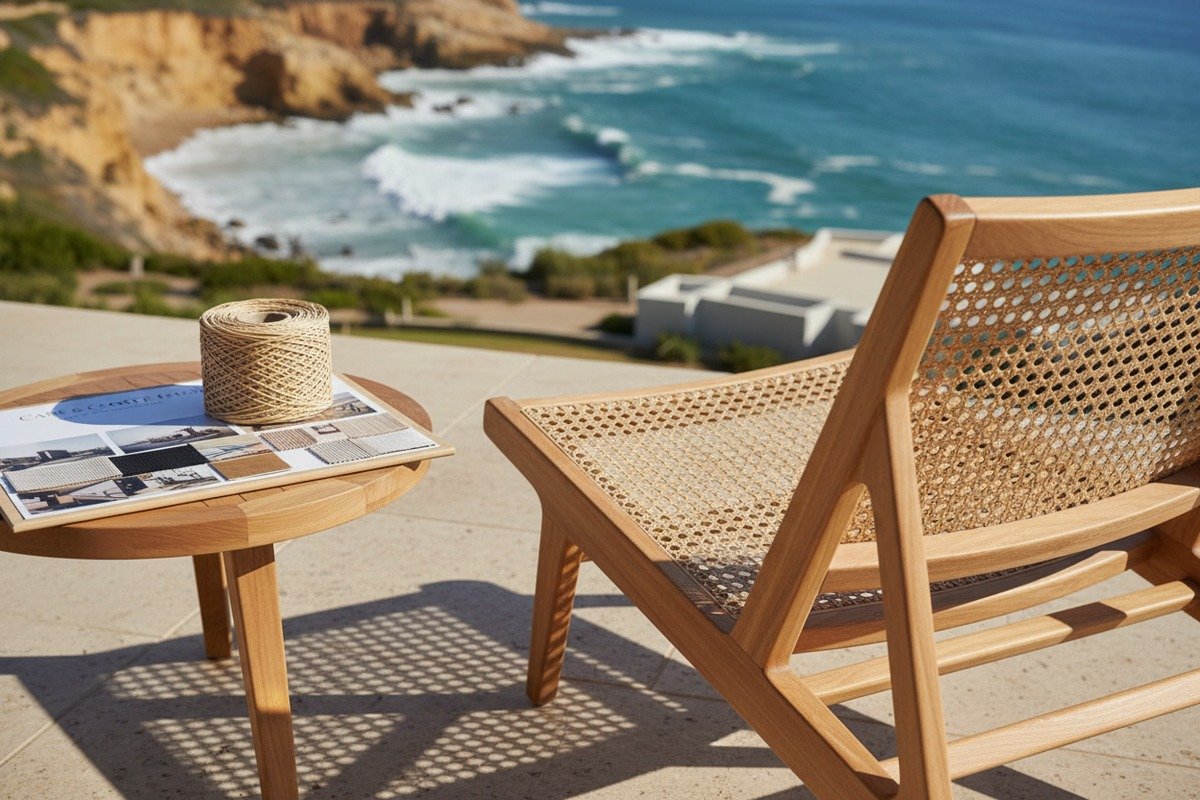
Every week, our sales team in Foshan fields the same question from furniture factories and wholesalers around the world: can rejilla de ratán natural 1 survive outdoors? It is a fair question. The warm, organic beauty of real cane is hard to resist. But when you ship containers of rattan webbing to clients in humid Southeast Asia or sun-drenched Australia, you learn fast what works and what does not natural oils 2. The problem is real—natural rattan looks stunning, but outdoor weather can destroy it in a single season. The stakes are high when your client’s end customers start complaining about sagging, cracking, or moldy chairs.
Natural rattan cane webbing is not recommended for permanent outdoor furniture. It is sensitive to moisture, UV rays, and temperature swings, which cause cracking, warping, and mold. For outdoor use, synthetic PE rattan webbing offers far better durability while closely imitating the natural look.
That said, the answer is not as simple as “never use it outside.” There are protective measures, smart material choices, and sourcing strategies that matter. Let me walk you through each factor so you can make the right call for your projects and your clients.
How can I protect my natural rattan cane webbing from sun and rain damage?
We have tested dozens of protective coatings in our factory before shipping rattan to clients in Spain and Australia. Sun and rain are the two biggest enemies of natural cane webbing. Without protection, your beautiful rattan furniture will fade, crack, and fall apart within months.
To protect natural rattan cane webbing from sun and rain, apply UV-resistant lacquer or marine-grade sealant, keep furniture under covered areas like pergolas, and use waterproof furniture covers when not in use. Regular oiling with linseed or mineral oil also helps maintain flexibility.
Understanding UV Damage to Natural Cane
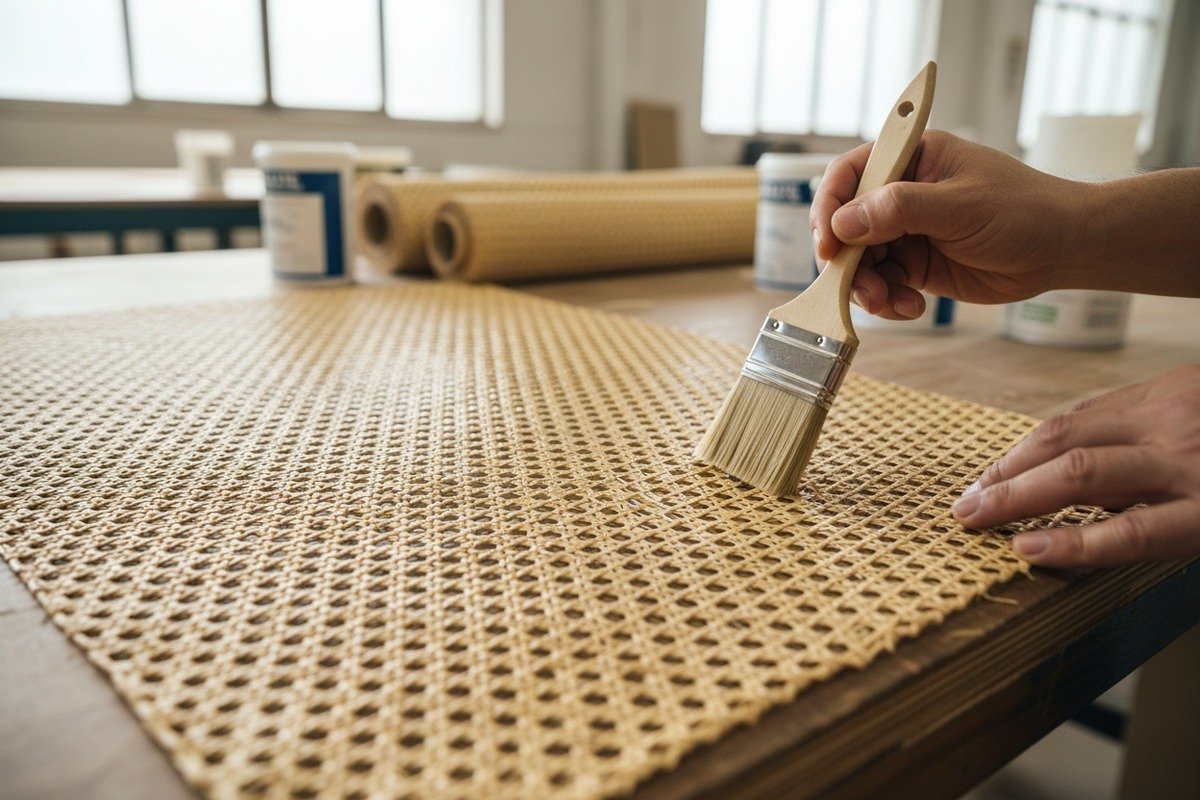
Sunlight breaks down natural rattan fibers 3 at the molecular level. The UV rays 4 dry out the natural oils in the cane. Once those oils evaporate, the rattan becomes brittle. Brittle cane cracks. Cracked cane snaps. This process happens faster than most people expect—sometimes in as little as 8 to 12 weeks of direct sun exposure.
Our production team has found that a clear UV-resistant polyurethane finish 5 can slow this degradation significantly. Two to three thin coats provide a barrier against UV penetration without hiding the natural grain and color of the cane. However, this is not a permanent fix. The coating itself degrades over time and needs reapplication every 6 to 12 months.
Rain and Moisture: The Silent Destroyer
Rain does something different to rattan than sun. Water causes the natural fibers to swell. When they dry, they shrink. This repeated swelling and shrinking cycle loosens the weave pattern. Over time, the webbing sags and loses its structural tension. Worse, trapped moisture leads to rot and mold, which we will discuss in the next section.
Here is a practical breakdown of protection methods and their effectiveness:
| Protection Method | UV Protection | Rain Protection | Reapplication Frequency | Cost Level |
|---|---|---|---|---|
| UV-resistant polyurethane lacquer | Alto | Medio | Cada 6–12 meses | Medio |
| Marine-grade sealant | Alto | Alto | Every 12–18 months | Alto |
| Linseed oil treatment | Bajo | Low–Medium | Cada 3–6 meses | Bajo |
| Waterproof furniture cover | High (indirect) | Alto | Replace as needed | Bajo |
| Covered patio placement | High (indirect) | Medium–High | N/A | N/A |
A Practical Protection Routine
If your clients insist on using natural cane webbing in a semi-outdoor setting—like a covered patio or screened porch—here is the routine we recommend:
- Apply two coats of UV-resistant lacquer before installation.
- Oil the underside of the webbing with mineral oil every three months.
- Wipe with a clean, lint-free towel after oiling. Let it dry for several hours.
- Use waterproof covers during rainy seasons or when not in use.
- Inspect monthly for early signs of cracking or discoloration.
Even with all these steps, natural cane webbing in a semi-outdoor space will not last as long as the same webbing used indoors. Indoors, properly cared-for cane can last decades—even centuries, based on antique pieces we have seen. Outdoors, even with protection, expect a lifespan of two to four years at best.
The honest truth is this: protection helps, but it cannot change the fundamental nature of the material. Natural cane absorbs moisture. It reacts to heat. No coating fully eliminates these properties. You can slow the damage, but you cannot stop it entirely.
How do I prevent my natural rattan webbing from molding in high-humidity climates?
When we ship rattan webbing to clients in Thailand, the Philippines, and India, mold prevention is always part of the conversation. High humidity 6 turns natural rattan into a breeding ground for mold and mildew. The damage is not just cosmetic—mold weakens the fibers from the inside out.
To prevent mold on natural rattan webbing in humid climates, ensure good air circulation around the furniture, apply anti-fungal spray treatments, keep rattan dry by wiping off moisture promptly, and store pieces in ventilated areas. Avoid placing rattan furniture directly against damp walls or on wet floors.
Why Rattan Attracts Mold
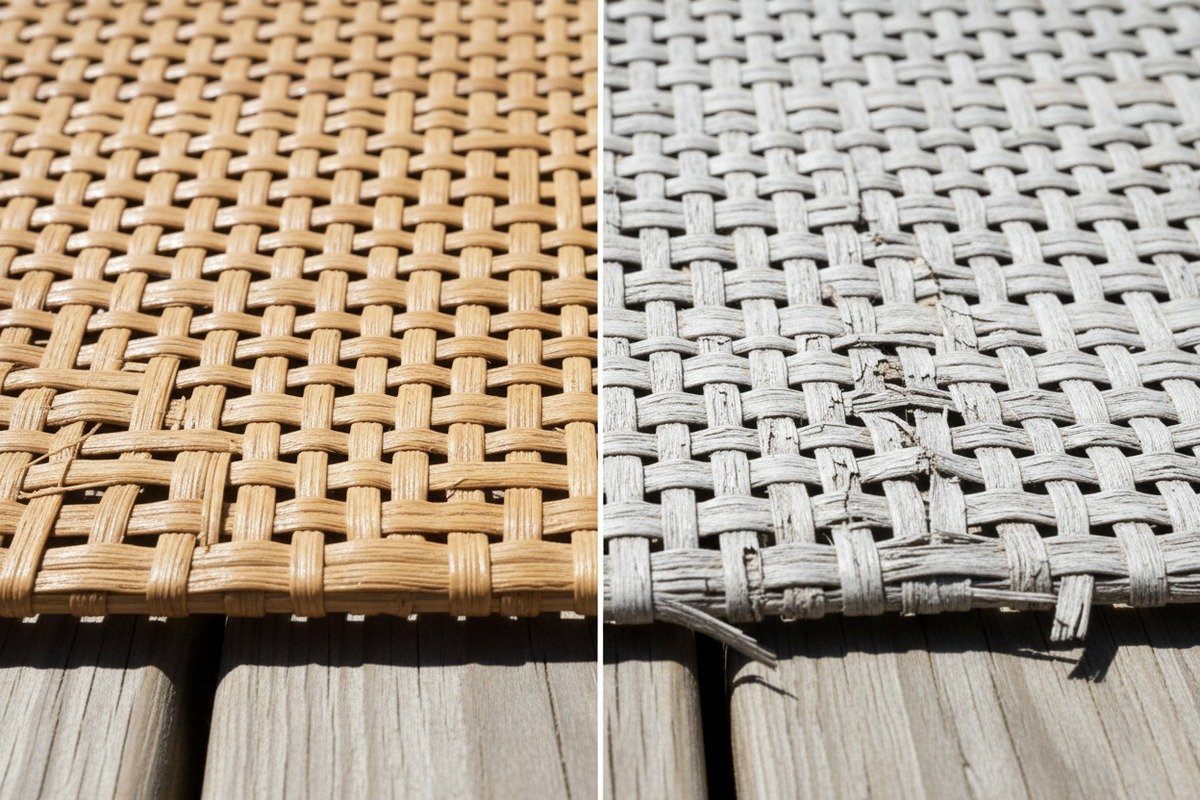
Mold needs three things to grow: moisture, warmth, and organic material. Natural rattan provides all three. The cane fibers are organic. Tropical and subtropical climates are warm and wet. And rattan's woven structure traps air pockets where moisture can sit for extended periods.
In our rattan processing facility in Indonesia, we see this challenge firsthand. Raw rattan arrives from the forest with high moisture content. We dry it carefully before processing. But once the finished webbing reaches a high-humidity environment, it can reabsorb moisture from the air. This is why climate matters so much when choosing materials.
Anti-Mold Treatment Options
There are several approaches to fighting mold on natural rattan. Here is what we have seen work in practice:
| Treatment | How It Works | Effectiveness in High Humidity | Application Method |
|---|---|---|---|
| Anti-fungal spray 7 (commercial) | Kills mold spores on contact | High (needs reapplication) | Spray every 2–3 months |
| White vinegar solution (1:1 with water) | Natural mold inhibitor | Medio | Wipe on, let dry |
| Tea tree oil solution | Natural anti-fungal | Medio | Mix with water, spray lightly |
| Silica gel packets (for storage) | Absorbs ambient moisture | High (for stored pieces) | Place near stored rattan |
| Industrial anti-mold treatment at factory | Penetrates fibers during manufacturing | Alto | Applied before shipping |
At our Foshan facility, we offer factory-level anti-mold treatment before export. This involves dipping or spraying the rattan with industrial-grade anti-fungal solutions during the finishing process. Many of our clients who resell into Southeast Asian markets request this treatment as standard.
Ventilation Is Non-Negotiable
No spray or treatment replaces good airflow. Mold thrives in stagnant, damp air. If rattan furniture sits in a corner with no ventilation, mold will find it. We always advise our wholesale clients to include ventilation guidance with their products.
For covered outdoor spaces, position rattan furniture where breezes can reach it. Elevate it off the ground if possible. Never stack rattan pieces tightly during storage in humid warehouses—leave gaps between items so air can circulate.
When Mold Has Already Appeared
If you catch mold early, you can often save the piece. Brush off surface mold with a soft brush outdoors (to avoid spreading spores indoors). Wipe the area with a mild bleach solution—one tablespoon of bleach per quart of water. Let it dry completely in the sun. Then apply an anti-fungal spray. However, if mold has penetrated deep into the fibers and the rattan feels soft or spongy, the structural integrity is compromised. At that point, replacement is the better option.
The key takeaway is this: in high-humidity climates, natural rattan demands constant attention. For outdoor applications in tropical regions, the maintenance burden often becomes impractical. This is precisely why many of our clients in Thailand and India have shifted to synthetic PE rattan for their outdoor product lines.
Should I choose natural cane or synthetic PE rattan for my outdoor furniture projects?
This is the question we discuss most often with our clients—furniture factories in Europe, wholesalers in the Middle East, and procurement managers 8 across Asia. Both materials have clear strengths. The right choice depends on your specific project, your end market, and how much maintenance your customers are willing to handle.
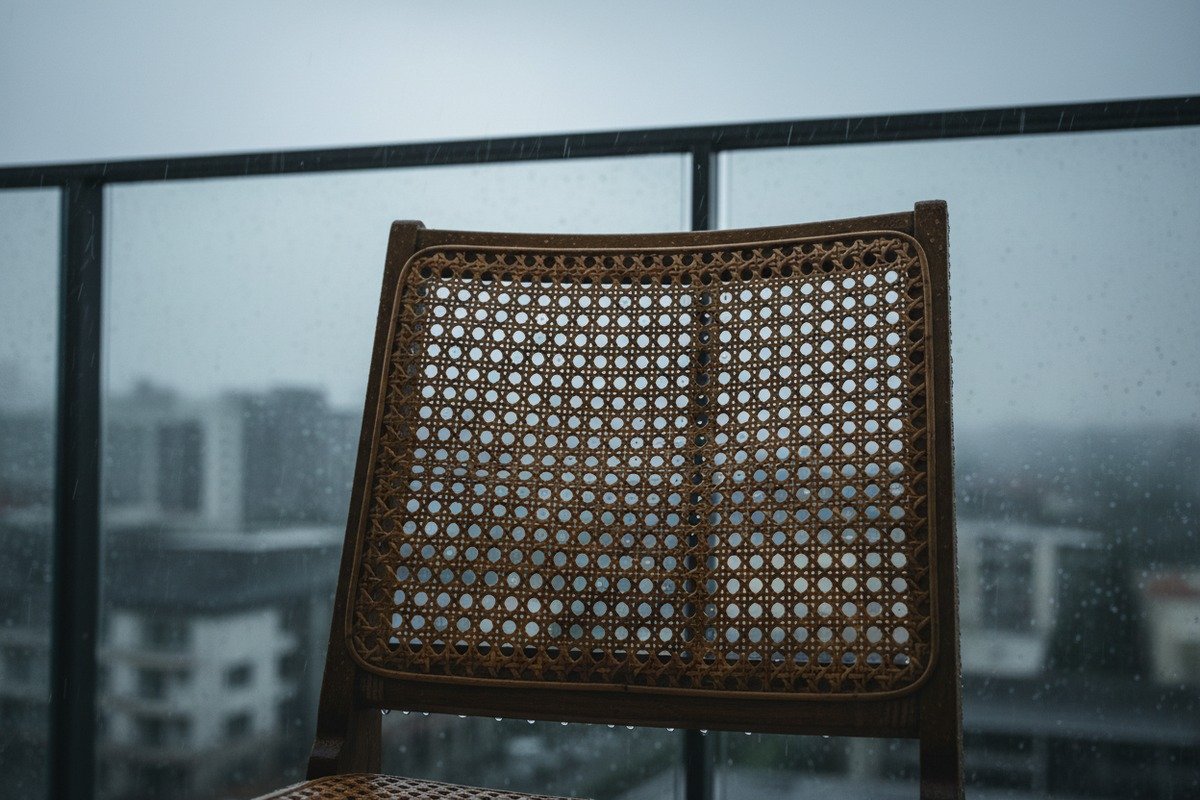
For outdoor furniture projects, synthetic PE rattan is the better choice due to its superior UV resistance, waterproof properties, and low maintenance. Natural cane webbing is best reserved for indoor furniture where its unmatched organic beauty and tactile warmth can be fully appreciated without weather-related damage.
A Direct Comparison
Let me lay out the key differences in a format that makes the decision easier. We built this comparison table based on feedback from over 200 of our export clients across 15 countries:
| Característica | Natural Cane Webbing | Ratán sintético de PE |
|---|---|---|
| Resistencia a los rayos UV | Low — fades and cracks in direct sun | High — UV-stabilized during manufacturing |
| Water resistance | Low — absorbs moisture, swells | High — waterproof, does not absorb water |
| Mold resistance | Low — organic material attracts mold | High — inorganic, mold cannot feed on it |
| Sensación estética | Warm, organic, authentic texture | Imitates natural look; improving but not identical |
| Tactile warmth | High — feels natural and refined | Medium — feels like plastic to the touch |
| Impacto ambiental | Renewable, biodegradable | Petroleum-based; some recycled options emerging |
| Installation ease | Requires soaking before installation | No soaking needed; faster to install |
| Lifespan (outdoor) | 1–4 years with heavy maintenance | 5–15 years with minimal maintenance |
| Lifespan (indoor) | 10–50+ years with basic care | 15–30 years |
| Cost per square meter | Lower initial cost | Higher initial cost, lower long-term cost |
| Pattern variety | Classic weave patterns | Growing range of patterns and colors |
The Aesthetic Argument
There is no denying that natural rattan has a feel that synthetic materials 9 struggle to replicate. The grain of real cane, the slight color variations, the way it ages and darkens gracefully—these qualities attract designers and high-end furniture makers. When a client in the Netherlands orders natural rattan cane webbing for a boutique hotel's indoor dining chairs, the decision makes perfect sense. The material shines in controlled environments.
But aesthetics mean nothing if the product falls apart in six months. We have had clients try natural cane on resort poolside furniture. Within one rainy season, the webbing sagged, discolored, and in some cases, snapped. The replacement cost—plus the damage to their brand reputation—far outweighed the savings from choosing natural over synthetic.
The Sustainability Angle
This is where the decision gets nuanced. Natural rattan is a renewable resource. It grows fast. It is biodegradable. Our rattan processing facility in Indonesia sources from sustainably managed forests. For eco-conscious brands, this matters.
Synthetic PE rattan, on the other hand, is petroleum-based. It does not biodegrade easily. However, some newer synthetic webbings 10 use recycled plastics, and they last much longer outdoors. So the question becomes: is it more sustainable to replace a natural rattan chair three times in five years, or to use one synthetic chair that lasts the full five years?
There is no universal answer. It depends on how your clients define sustainability and what their end customers value.
The Practical Recommendation
For pure outdoor furniture—patio sets, garden chairs, poolside loungers—choose synthetic PE rattan. The durability advantage is too large to ignore.
For indoor furniture, vintage restoration, and covered semi-outdoor settings—choose natural cane webbing. Its beauty and authenticity are unmatched.
For clients who want the best of both worlds, consider a hybrid approach: natural cane webbing on indoor-facing surfaces, synthetic on weather-exposed surfaces. Some of our furniture factory clients in Turkey have adopted this strategy for hotel furnishing projects with great success.
How do I source Grade A natural rattan that meets my clients' outdoor durability standards?
Our three factories—including our rattan processing plant in Indonesia—give us a close-up view of what separates Grade A rattan from everything else. For procurement managers and wholesalers, sourcing quality rattan is often the most stressful part of the supply chain. Inconsistent grading, hidden defects, and packaging failures can cost you your client's trust.
To source Grade A natural rattan for durability, work with suppliers who own or control their processing facilities, request sample inspections before bulk orders, verify that rattan is properly dried and treated, and insist on protective packaging that prevents moisture damage during shipping.
¿Qué hace que el ratán sea "Grado A"?
Grade A rattan is not just a marketing label. It refers to specific material qualities that affect both appearance and performance. Here is what to look for:
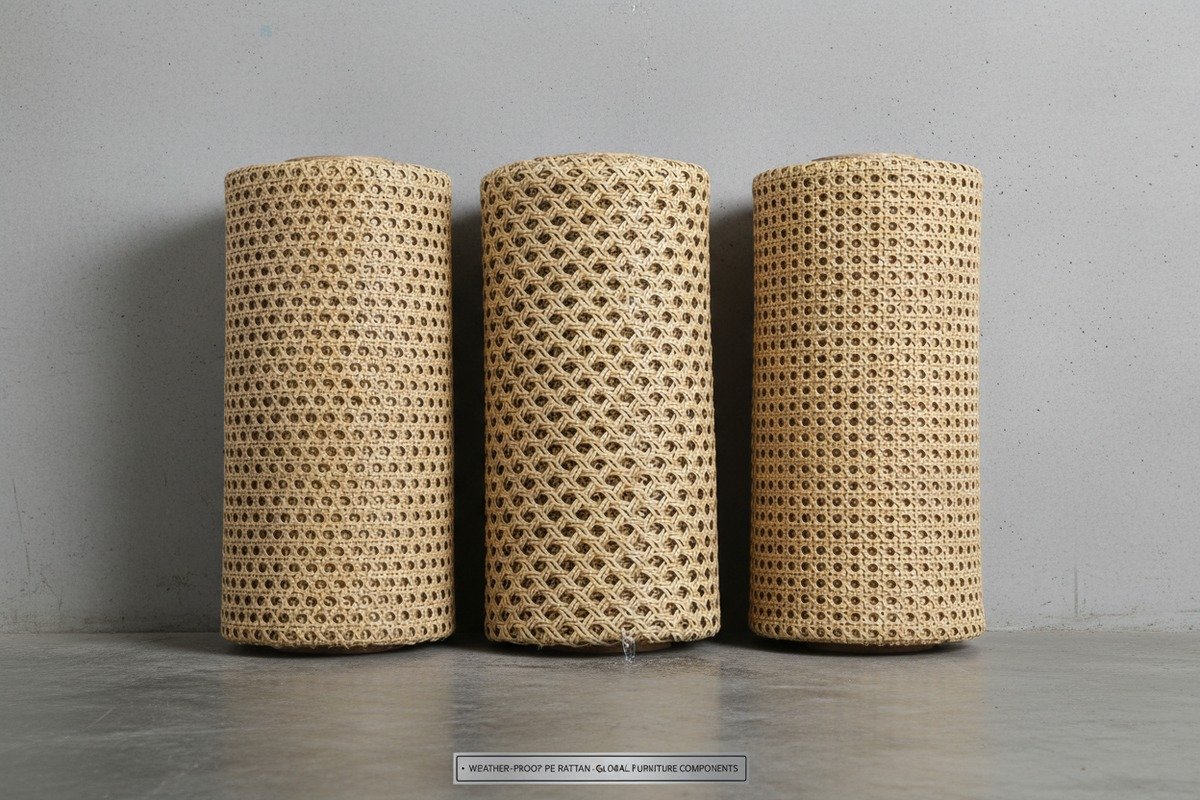
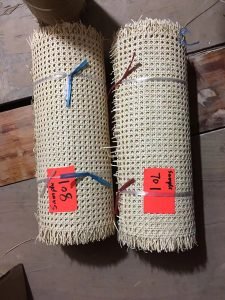
Fiber consistency. Grade A cane has uniform thickness across the entire sheet or roll. Thin spots create weak points. Thick spots look uneven. When we process rattan at our Indonesian facility, we sort fibers by diameter before weaving to ensure consistency.
Color uniformity. Natural rattan has slight color variations—that is part of its charm. But Grade A webbing should not have dark spots, stains, or patches that indicate mold, insect damage, or improper drying.
Flexibility without brittleness. Properly dried and processed Grade A rattan bends without cracking. If cane snaps easily when flexed, it was either over-dried or poorly stored. This is a critical test you can perform on samples before committing to a bulk order.
Tight, even weave. The weave pattern should be consistent with no gaps, loose strands, or misaligned intersections. An uneven weave signals rushed production or unskilled labor.
Red Flags When Evaluating Suppliers
Not all rattan suppliers are equal. Based on our experience competing and cooperating in this market for years, here are common warning signs:
- The supplier cannot provide photos or videos of their processing facility.
- They offer prices significantly below market average. Cheap rattan usually means poor drying, no anti-mold treatment, and low-grade fibers.
- They cannot provide specific details about cane thickness, weave dimensions, or material origin.
- Packaging arrives with moisture damage, crushed edges, or no protective wrapping.
Key Questions to Ask Your Supplier
Before placing a bulk order, ask these questions:
- Where is the rattan harvested and processed?
- What is the moisture content of the finished webbing?
- Do you apply anti-mold or anti-insect treatment?
- What is your standard packaging method for export?
- Can you provide Grade A certification or independent quality reports?
- What is your defect tolerance rate per roll or sheet?
At Seafan Rattan, we welcome these questions because transparency builds long-term partnerships. Our clients in the USA, Australia, and Europe have specific quality standards, and we have built our entire quality control process around meeting them.
Packaging Matters More Than You Think
Even Grade A rattan can arrive damaged if packaging is poor. Moisture infiltration during ocean shipping is the most common cause of quality degradation after the product leaves the factory. We use moisture-barrier wrapping, desiccant packets, and reinforced cartons for all export shipments. Some clients request wooden crate packaging for extra protection on longer shipping routes.
For procurement managers reading this: always specify packaging requirements in your purchase order. Do not assume. A simple conversation about packaging can prevent thousands of dollars in claims and returns.
Matching Material to Application
Even the best Grade A natural rattan has limits outdoors. Be transparent with your clients about what natural cane can and cannot do. If they need outdoor durability, guide them toward synthetic PE rattan or a hybrid solution. If they need authentic beauty for indoor projects, Grade A natural cane is the clear winner.
The mark of a great supplier is not just selling product—it is helping clients choose the right material for the right application. That is how we have built relationships with wholesalers and factories across more than 15 countries.
Conclusión
Choosing between natural rattan cane webbing and synthetic PE rattan comes down to application, climate, and maintenance commitment. Use natural cane indoors where it shines. Choose synthetic for true outdoor durability. And always source from suppliers who prioritize transparency, quality control, and proper material treatment.
Notas al pie
1. Replaced with a Wikipedia page that specifically defines caning in furniture and its origin from rattan, providing an authoritative and relevant source. ↩︎
2. Overview of natural drying oils and their role in preserving organic fibers and wood. ↩︎
3. Replaced with the main Wikipedia page for Rattan, which is an authoritative source providing comprehensive information about rattan as a plant and its fibers. ↩︎
4. WHO fact sheet explaining the effects of ultraviolet radiation on organic and biological materials. ↩︎
5. Technical background on polyurethane polymers used for protective coatings in manufacturing. ↩︎
6. Replaced with a direct CDC page on mold, which is highly authoritative and directly addresses mold prevention and control in relation to humidity. ↩︎
7. EPA list of registered disinfectants and fungicides for material protection. ↩︎
8. WTO report on global value chains and supply chain management in international trade. ↩︎
9. Materials science overview of synthetic polymers and their industrial applications. ↩︎
10. Engineering perspective on polyethylene fibers used in synthetic furniture production. ↩︎
 English
  Español de México
  العربية
  Deutsch
  Français
  Русский