
Plastic Cane Webbing Sheets: The Perfect Blend of Style and Strength
Introducción
Plastic cane webbing sheets are becoming a favorite among furniture makers, interior designers, and DIY lovers. They mimic the classic beauty of natural cane while providing superior durability and flexibility. Whether you’re looking to create a modern chair, a stylish cabinet, or a decorative wall panel, plastic cane webbing adds a unique charm that’s hard to beat.
What is Plastic Cane Webbing?
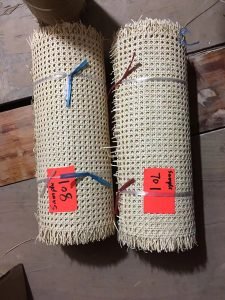
Plastic cane webbing is a synthetic version of traditional rattan webbing. It’s made from high-quality PVC or polyethylene materials designed to look like natural cane. Unlike real rattan, it doesn’t fade, crack, or mold when exposed to moisture, making it an ideal choice for outdoor and indoor applications alike.
History and Evolution of Cane Webbing
Cane webbing dates back centuries, used in classic furniture design from Asia to Europe. Traditionally made from rattan palm, it became a symbol of craftsmanship and luxury. Over time, synthetic innovations introduced plastic webbing — offering the same elegant look but with greater resilience and affordability.
Types of Plastic Cane Webbing Sheets
Flat Plastic Cane Webbing
This type has a smooth surface and works best for modern furniture designs.
Hexagonal Pattern Webbing
Inspired by natural cane, the hexagonal pattern offers a vintage look perfect for cabinets and chairs.
Open Mesh Webbing
This style allows better airflow and visibility — great for decorative dividers.
Closed Mesh Webbing
For applications requiring privacy or a denser look, closed mesh webbing is a go-to option.
Benefits of Using Plastic Cane Webbing Sheets
1. Durability
Plastic cane webbing doesn’t rot or crack, even in humid conditions. It’s designed to last for years without losing shape.
2. Weather Resistance
Unlike natural cane, plastic webbing stands strong against rain, sun, and UV exposure — perfect for patio or garden furniture.
3. Easy Maintenance
Just a quick wipe with a damp cloth keeps it clean. No polishing or repainting required.
4. Cost-Effective
You get a luxurious look for less. Plastic webbing sheets are budget-friendly without compromising on appearance.
Common Uses of Plastic Cane Webbing
- Muebles – chairs, cabinets, and headboards
- Interior Design – wall panels and ceiling décor
- DIY Projects – baskets, lamps, and craft accents
- Commercial Spaces – café partitions and hotel lobbies
Plastic Cane Webbing vs. Natural Rattan Webbing
| Característica | Plastic Cane Webbing | Estera de ratán natural |
|---|---|---|
| Material | PVC / Synthetic | Rattan Palm |
| Durabilidad | Alto | Moderada |
| Weather Resistance | Excelente | Pobre |
| Mantenimiento | Bajo | Alto |
| Price | Affordable | Expensive |
Both have their charm — but for outdoor or high-traffic use, plastic clearly wins in practicality.
How to Use Plastic Cane Webbing Sheets
Step 1: Measure the Area
Take accurate measurements of your chair seat, cabinet door, or panel space.
Step 2: Cut the Webbing
Use a sharp scissor or utility knife for a clean edge.
Step 3: Soften (Optional)
If your sheet feels stiff, warm it slightly with a hairdryer to make it more flexible.
Step 4: Attach Securely
Staple, glue, or weave it into the frame depending on your design.
Step 5: Trim and Finish
Cut off excess and smooth the edges for a professional look.
Maintenance and Cleaning Tips
Plastic cane webbing is incredibly easy to care for. Use mild soap and water for regular cleaning. Avoid harsh chemicals that could dull the surface. For outdoor furniture, rinse occasionally to remove dust buildup.
Impacto ambiental
Although made of plastic, many modern webbing sheets are recyclable and eco-conscious. Some manufacturers now produce webbing using recycled PVC or biodegradable alternatives — helping reduce environmental footprint.
Top Industries Using Plastic Cane Webbing
From luxury resorts to café interiors, plastic cane webbing is widely used in:
- Furniture manufacturing
- Interior and hospitality design
- Crafts and DIY projects
Its versatility makes it a staple across creative industries.
Buying Guide: How to Choose the Right Plastic Cane Webbing
- Size Matters: Measure your frame carefully before purchasing.
- Color Coordination: Choose shades that complement your space — natural beige, white, or bold black.
- UV Protection: For outdoor use, pick UV-resistant sheets to prevent fading.
Top Suppliers and Manufacturers
Many online wholesalers offer quality plastic cane webbing at competitive prices. Look for reputable suppliers specializing in furniture materials or rattan alternatives. Buying in bulk can save costs for large projects.
Cost and Availability
Prices typically range from $2 to $10 per foot , depending on the pattern, thickness, and color. You can easily find them online through platforms like Alibaba, Amazon, or specialized craft stores.
Conclusión
Plastic cane webbing sheets offer the perfect mix of elegance, durability, and affordability. Whether you’re revamping old furniture or adding stylish accents to your décor, they deliver outstanding results with minimal effort. Their modern versatility makes them a top choice for both DIY enthusiasts and professional designers.
FAQs
1. Can plastic cane webbing be used outdoors?
Yes, it’s UV-resistant and weatherproof — perfect for patio or garden furniture.
2. Is plastic cane webbing easy to install?
Absolutely! It can be stapled, glued, or woven into furniture frames with minimal tools.
3. How long does plastic cane webbing last?
With proper care, it can last 5–10 years or more.
4. Can I paint or dye plastic cane webbing?
Most come pre-colored, but you can spray-paint them with plastic-safe paint if desired.
5. Where can I buy plastic cane webbing sheets?
They’re available from furniture supply stores, online marketplaces, and rattan wholesalers.

 English
  Español de México
  العربية
  Deutsch
  Français
  Русский