

Choosing the right material can make or break a furniture project patrón de malla abierta hexagonal 1. After years of processing rattan at our facilities in Indonesia and supplying furniture factories worldwide, we know that tejido de caña de ratán 2 remains one of the most misunderstood yet versatile materials on the market.
The best furniture applications for rattan cane webbing include chair seats and backrests, cabinet and wardrobe door inserts, bed headboards, sofa armrests, and room partitions. Its lightweight flexibility, natural breathability, and sustainable appeal make it ideal for both residential and commercial furniture projects.
In this guide, we will walk you through the most popular furniture applications for rattan cane webbing, share practical installation tips, and help you select the right weaving pattern and grade for your specific project needs chair seats and backrests 3. Whether you run a furniture factory or a material wholesale business, this article will give you clear, actionable insights.
How can I use rattan cane webbing to enhance my cabinet and wardrobe designs?
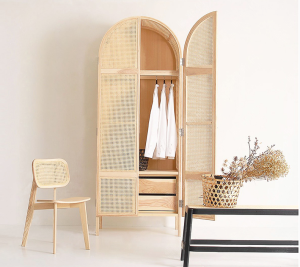
We have shipped thousands of rolls of cane webbing to cabinet makers in the Netherlands, Spain, and Australia bed headboard manufacturing 4. The most common problem we hear? Their designs look flat and lifeless. Adding rattan cane webbing to cabinet and wardrobe doors 5 instantly creates visual depth, texture, and warmth.
Rattan cane webbing enhances cabinet and wardrobe designs by serving as elegant door panel inserts that add natural texture, promote airflow inside enclosed storage, and create a sophisticated contrast against wooden or painted frames. The hexagonal open-mesh pattern is the most popular choice for this application.
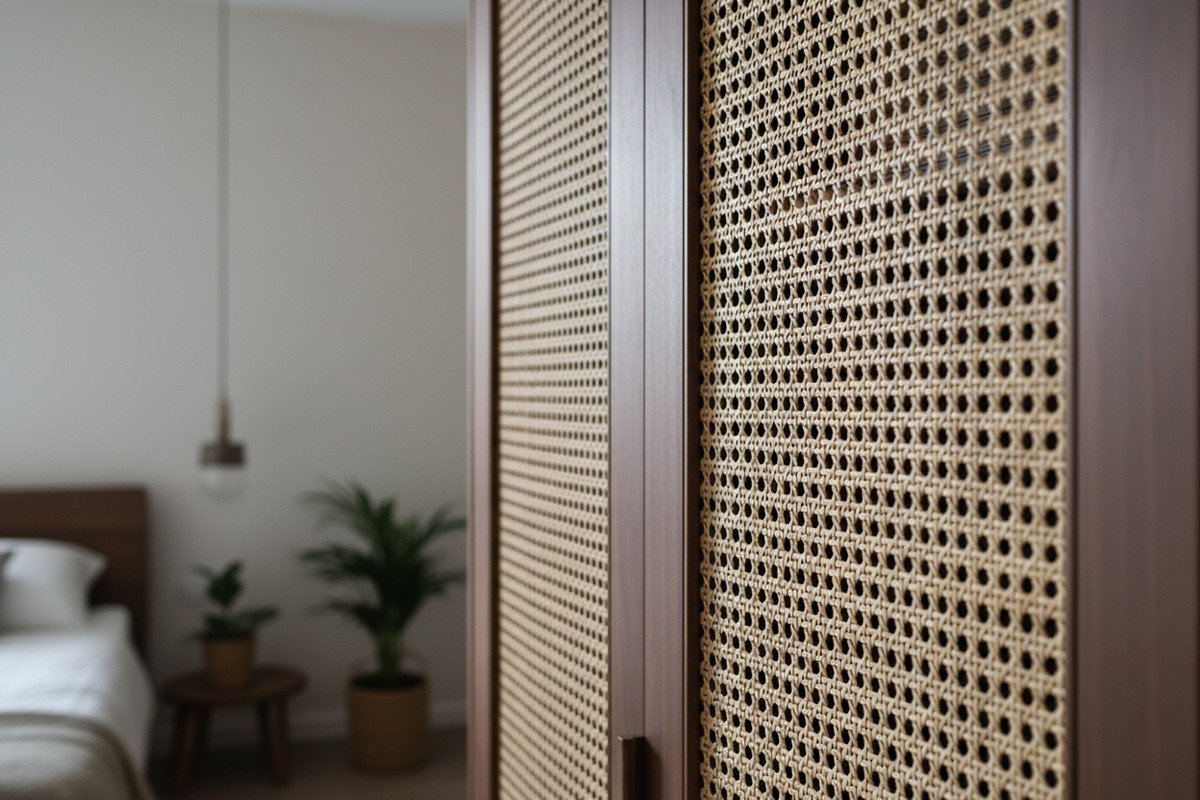
Why Cabinets Love Rattan Webbing
Cabinets and wardrobes are enclosed spaces. Moisture builds up. Odors get trapped. Rattan cane webbing solves both problems at once. The open weave allows air to circulate freely. This prevents mildew, keeps clothing fresh, and reduces the need for chemical deodorizers tensile strength testing 6. At the same time, the semi-transparent mesh hides clutter while still offering a hint of what is inside.
From our production line, we see the hexagonal "radio weave" pattern dominating cabinet orders. It provides the best balance between airflow and visual coverage. But we also supply dense square basketweave 7 for clients who want a more solid, upscale look. The choice depends on the cabinet's purpose and the designer's intent.
Choosing the Right Pattern for Cabinets
| Tipo de Patrón | Mejor caso de uso | Nivel de flujo de aire | Visual Transparency |
|---|---|---|---|
| Hexagonal Open Mesh | Kitchen cabinets, bathroom vanities | Alto | Semi-transparent |
| Tejido de cesta cuadrado | Wardrobe doors, bedroom sideboards | Medio | Low transparency |
| Geométrico de diamante | Boutique retail displays, accent cabinets | Medio-Alto | Moderada |
| Paper Cane Webbing 8 | Minimalist cabinetry, Japandi style | Bajo-Medio | Low transparency |
Installation Tips for Cabinet Doors
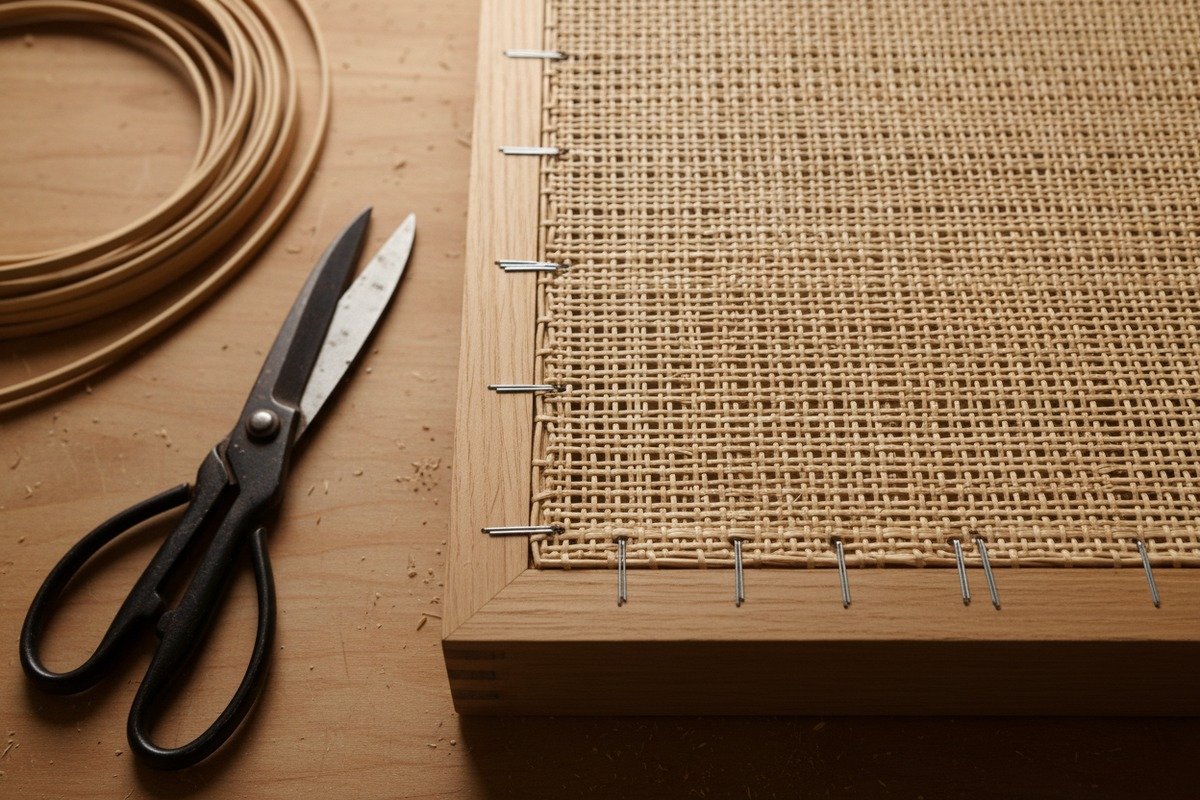
The process is straightforward. First, remove the cabinet door and clean the frame thoroughly. Measure the inner panel opening. Cut the webbing with about 2 cm of extra material on each side. Soak natural rattan webbing in warm water for 20–30 minutes to make it pliable. Stretch it across the opening and staple it from the center outward, pulling gently to avoid sagging.
Edge the visible staples with round reed or thin wooden trim for a clean finish. For synthetic rattan matting, soaking is not necessary. The material holds its shape well and works best in high-humidity environments like kitchens and laundry rooms.
One detail many factory buyers overlook is frame depth. We recommend at least 8 mm of frame channel depth to properly seat the webbing and trim. Too shallow and the webbing pops out under pressure. Too deep and the trim sits unevenly.
Trending Styles for 2025–2026
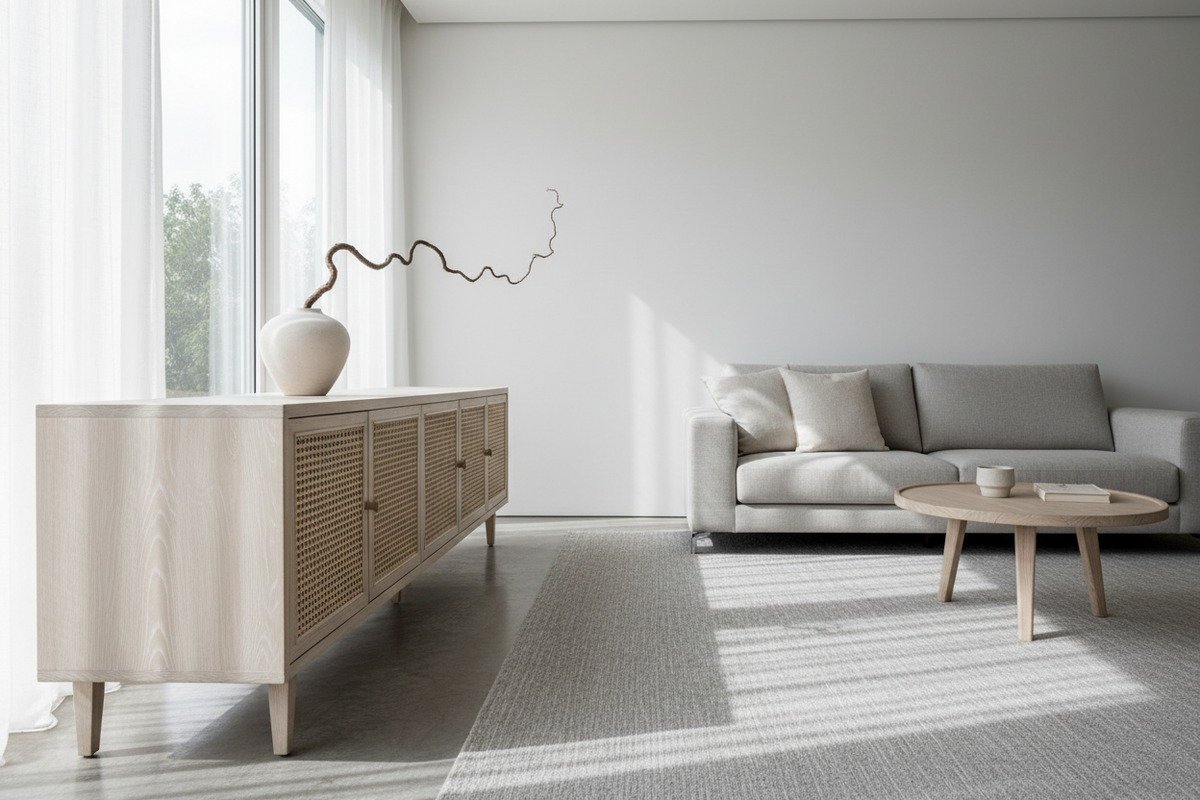
El Japandi and Scandinavian-minimal movements 9 have pushed cane webbing cabinets to the forefront. We have seen a 40% increase in orders for bleached rattan webbing, which offers a lighter, more neutral tone that pairs well with white oak and ash wood frames. Boutique hotels and high-end cafes are also adopting cane-front sideboards for their lobbies. The effect is both rustic and refined — exactly what biophilic design demands.
What are the best ways to apply rattan webbing to my chair seats and backrests?
On our factory floor in Foshan, we test rattan webbing samples against repeated stress and flex cycles before shipping. Chairs are the number-one application our clients ask about. The concern is always the same — will it hold up under daily use?
The best ways to apply rattan webbing to chair seats and backrests include press-in caning with a spline groove, staple-and-trim attachment for flat frames, and wrap-around methods for curved designs. Pre-woven hexagonal webbing offers the fastest installation while delivering a classic artisanal aesthetic.
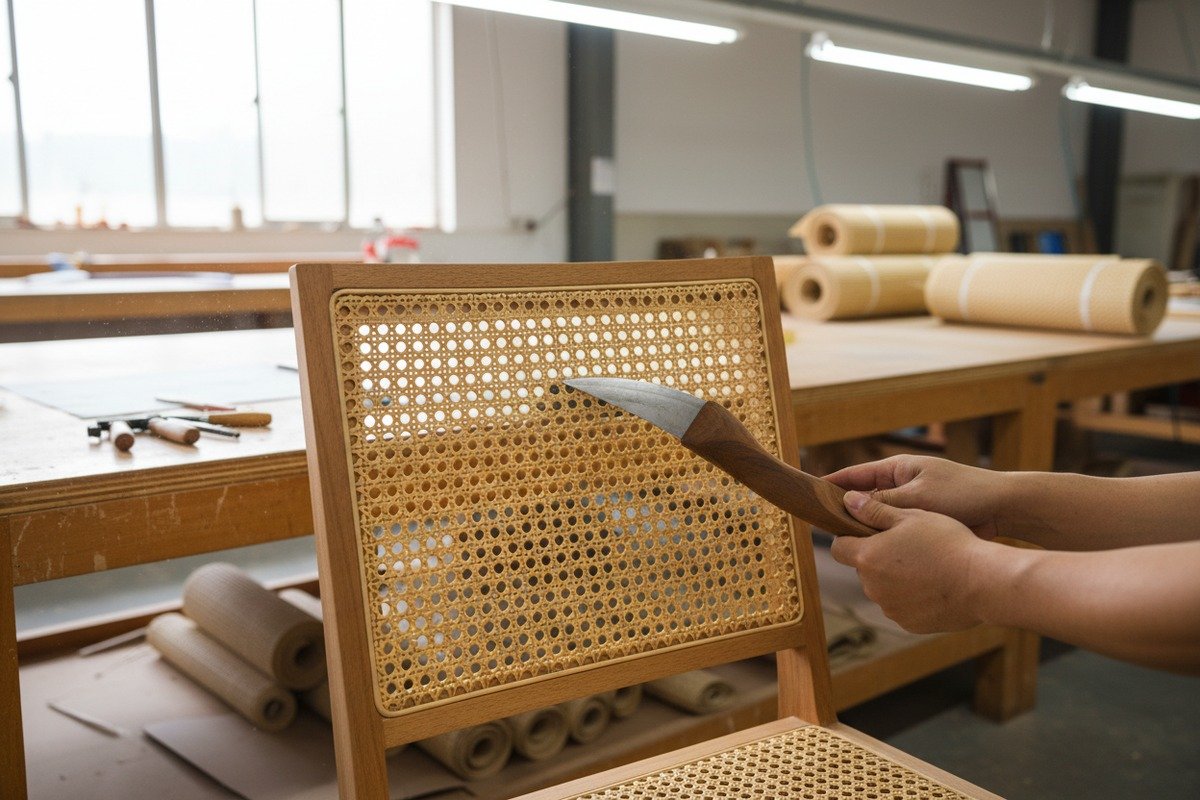
Press-In Caning vs. Staple-and-Trim
There are two main attachment methods. Press-in caning 10 is the industry standard for chairs with a routed groove around the seat opening. You soak the webbing, lay it over the groove, and press it in with a spline (a thin reed wedge). This creates a tight, drum-like surface that looks seamless from the front.
Staple-and-trim works better for flat or angular frames without a groove. You stretch the webbing over the opening, staple it to the back of the frame, and cover the staples with trim or upholstery fabric. This method is faster and more forgiving for DIY projects or small-batch production.
Step-by-Step Chair Application
- Remove the old seat material if retrofitting.
- Sand the frame lightly and wipe clean.
- Soak natural rattan webbing in warm water for 15–30 minutes.
- Center the webbing over the seat opening with even overlap on all sides.
- For groove method: press webbing into the groove using a wedge tool, then tap the spline into place.
- For staple method: pull the webbing taut from the center of each side first, then work toward corners.
- Trim excess webbing with a sharp utility knife.
- Let it dry for 24 hours. The webbing shrinks slightly as it dries, creating a firm, taut surface.
Comparing Webbing Types for Chairs
| Tipo de tela | Durabilidad | Estética | Mejor para |
|---|---|---|---|
| Natural Hexagonal Cane | High (with proper care) | Classic, artisanal | Mid-century and boho chairs |
| Paper Cane Webbing | Muy Alto | Uniform, modern | Commercial seating, cafes |
| Synthetic Rattan Matting | Más alto | Clean, consistent | Outdoor chairs, high-traffic areas |
| Natural Square Weave | Medio-Alto | Dense, traditional | Dining chairs, formal settings |
Why Paper Cane Is Gaining Ground
One trend we see from our European buyers is the shift toward paper cane webbing for commercial chair projects. Paper cane has no front-back distinction. It is more uniform in texture and color. It resists humidity better than natural rattan. And it withstands the repeated compression that restaurant and cafe chairs endure. For purists who want that organic, imperfect look, natural cane is still king. But for volume production with consistent quality, paper cane is a smart choice.
Design Considerations
When specifying rattan webbing for chairs, think about the user. A dining chair seat faces downward pressure from body weight. A backrest faces outward pressure from leaning. Both need a taut installation. But the backrest can use a slightly thinner or more open weave because it carries less load. We always recommend our clients test a sample panel on a prototype before committing to a full production run. It saves time, money, and headaches.
Can I use rattan cane webbing for my high-end bed headboard manufacturing?
Some of our most exciting recent projects have involved headboard production for boutique hotels in Dubai and resort properties in Thailand. The demand surprised us at first. Now headboards represent a fast-growing segment in our order book.
Yes, rattan cane webbing is an excellent choice for high-end bed headboard manufacturing. It creates a warm, earthy focal point that pairs beautifully with wooden frames and plush bedding. The hexagonal and diamond patterns are particularly popular for luxury hotel and residential headboard designs.
Why Headboards Are a Perfect Fit
A headboard does not bear structural weight like a chair seat. It serves a primarily visual and tactile purpose. This makes rattan cane webbing ideal. The material brings texture, warmth, and a sense of craftsmanship to any bedroom. It catches light beautifully. It adds depth without visual clutter. And it pairs with almost any design language — from coastal resort to urban minimalist.
From our experience shipping to hotel procurement teams, the most requested combination is a solid hardwood frame (teak or walnut) with a large hexagonal cane webbing panel in the center. The webbing panel is usually 80–120 cm tall and spans the full width of the headboard. Some designers add a second layer of padding behind the webbing for comfort when sitting up in bed.
Headboard Pattern Recommendations
For a clean, contemporary look, the hexagonal open mesh delivers. For a more intricate, statement piece, the diamond geometric pattern stands out. We have also seen growing interest in the chevron "wave" pattern from our synthetic rattan line, especially for modern hotel rooms that want durability with zero maintenance.
Installation for Headboard Panels
Headboard installation is simpler than chair caning. The webbing is mounted to a flat rectangular frame. No curves, no grooves. Cut the webbing to size with a 3 cm overlap. Staple it to the back of the frame. Apply trim or molding to the front for a finished edge. The key is keeping tension even. Uneven tension creates visible waves and sags that ruin the upscale look.
For bleached rattan webbing — which we process at our Indonesian facility — the lighter color gives headboards a fresh, airy feel. It works exceptionally well in rooms with neutral palettes, linen bedding, and soft ambient lighting. The organic color variations in natural cane add character that no printed material can replicate.
Scaling Headboard Production
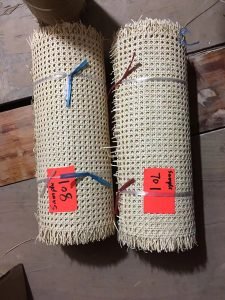
For factory buyers producing headboards in volume, we recommend ordering webbing in full rolls (typically 45–60 cm or 60–90 cm widths and 15–20 meter lengths). This minimizes waste and keeps per-unit costs low. We also provide custom width cutting at our Foshan facility for clients with non-standard frame dimensions. Consistency across rolls is critical for hotel projects where every room must look identical. Our grading team sorts each roll by color uniformity and weave tightness before packing.
How do I ensure the rattan webbing I choose is durable enough for my commercial furniture projects?
We get this question weekly from purchasing managers. They have been burned before — receiving webbing that cracks after six months or fades unevenly in sunlight. After running our own rattan processing facility, we understand exactly where durability starts and where it fails.
To ensure rattan webbing durability for commercial projects, select Grade A material with uniform strand thickness, verify the weaving tightness, choose the right type (natural, paper, or synthetic) for the application environment, and confirm the supplier's quality control process covers moisture content, color grading, and tensile strength testing.
Understanding Material Grades
Not all rattan webbing is created equal. The quality starts at the source — rattan harvesting in Indonesia. The outer skin of the rattan palm is peeled, sorted by diameter, and processed into thin strips for weaving. Grade A webbing uses strands of consistent diameter and color. Lower grades mix thicker and thinner strands, creating weak points in the weave.
At our facility, we sort rattan strands into three quality tiers before weaving begins. This is where most quality problems originate. A supplier that skips this step will deliver webbing with visible inconsistencies, uneven tension, and premature breakage.
Durability Comparison by Webbing Type
| Factor | Ratán natural | Paper Cane Webbing | Synthetic Rattan Matting |
|---|---|---|---|
| Resistencia a la tracción | Alto | Muy Alto | Más alto |
| Resistencia a la humedad | Moderada (necesita cuidado) | Bueno | Excelente |
| Resistencia a los rayos UV | Bajo-Moderado | Moderada | Alto |
| Vida útil (Interior) | 8–15 años | 10–20 años | 15–25 años |
| Lifespan (Outdoor) | 2–5 años | 5–8 años | 10–20 años |
| Authentic Natural Look | Excelente | Bueno | Moderada |
| Ecológico | Completamente biodegradable | Mayormente biodegradable | No biodegradable |
Key Durability Checks Before Ordering
Here are the steps we recommend to every commercial buyer:
- Request a sample roll, not just a swatch. Swatches hide roll-to-roll variation.
- Check strand uniformity. Hold the webbing up to light. Consistent gaps mean consistent weaving.
- Test flex resistance. Bend a section back and forth 20 times. Quality webbing should not crack.
- Ask about moisture content. Properly dried rattan should be 8–12% moisture. Too dry and it becomes brittle. Too wet and it molds in transit.
- Verify packaging. Rolls should be wrapped in protective plastic with cardboard cores. Poor packaging leads to crushing and crease damage during shipping.
Environment Matters
The application environment dictates the material choice. For indoor residential furniture — chairs, cabinets, headboards — natural rattan cane webbing performs beautifully with minimal maintenance. For commercial spaces with high traffic, humidity, or sun exposure — restaurants, hotel lobbies, outdoor patios — synthetic rattan matting or paper cane webbing is the safer investment.
We always ask our clients three questions before recommending a product: Where will it be used? How much wear will it see? And what is the desired aesthetic? The answers guide us to the right material, pattern, and grade every time.
Maintenance for Longevity
Even the best rattan webbing needs basic care. Dust regularly with a soft brush. Wipe with a slightly damp cloth — never soaking wet. Keep away from direct heat sources like radiators. For commercial settings, apply a thin coat of clear lacquer or sealant to protect against moisture and UV damage. This simple step can extend the webbing's life by several years.
One common mistake we see is using thick rattan rolls in applications designed for thin cane webbing. Thick rattan rolls are structural — meant for furniture frames. Thin cane webbing is decorative and light-structural. Confusing the two leads to poor results and wasted material. If you are unsure, send us your project specifications and we will match you with the right product.
Conclusión
Rattan cane webbing remains one of the most versatile and rewarding materials for furniture manufacturing. From cabinet doors to chair seats, headboards to commercial seating, the right webbing transforms ordinary designs into distinctive, market-ready products. Choose your pattern, grade, and type wisely — and build furniture that lasts.
Notas al pie
1. Describes the characteristics of open weave hexagonal cane patterns. ↩︎
2. Comprehensive guide on rattan cane webbing material and production. ↩︎
3. Offers detailed instructions for traditional hand-caning chair seats. ↩︎
4. Replaced with a step-by-step DIY guide on how to make a rattan headboard. ↩︎
5. Replaced with a detailed step-by-step tutorial on installing cane webbing in cabinet doors. ↩︎
6. Replaced with an authoritative explanation of tensile testing, its properties, and uses from a research and technology organization. ↩︎
7. Discusses square mesh paper webbing, a type of basketweave pattern. ↩︎
8. Details the features and advantages of paper cane webbing as a material. ↩︎
9. Explains the Japandi interior design style, blending Japanese and Scandinavian aesthetics. ↩︎
10. Illustrates the process of installing cane webbing using a spline in a groove. ↩︎
 English
  Español de México
  العربية
  Deutsch
  Français
  Русский