
I have been in the rattan business since 1995. I have seen the prices change dramatically. The cost of rattan is usually a big question for my buyers, like Adel, the rattan material wholesaler, and Jacky, the furniture factory purchase manager. The increase in price is a complex issue.
As China do not have rattan raw material[^1], all the material must import from Indonesia, but the rattan raw material is ban for export by Indonesia goverment. So, all the raw material have to smuggle from Indonesia to Malaysia and then export to China.So the most cost is smuggle.
Second, 80% of rattan products have to make by hands,so human cost is another big cost of rattan.
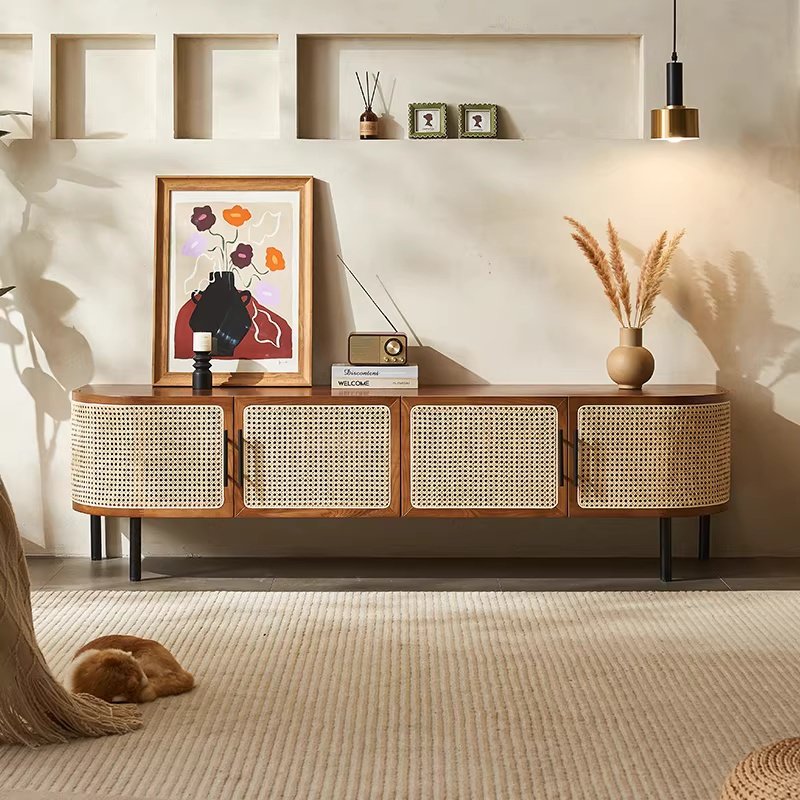
Are you wondering why stunning rattan furniture comes with a high price tag? Many factors contribute to its cost.
The price of rattan reflects its natural origins, the labor-intensive harvesting and crafting processes, and its increasing demand as a sustainable material[^2].
Is rattan furniture in style in 2025?
Yes, rattan furniture is definitely still in style in 2025. Its natural look and sustainable qualities align perfectly with current interior design trends.
Designers and homeowners continue to embrace rattan for its versatility, ability to bring warmth to spaces, and its eco-friendly appeal.
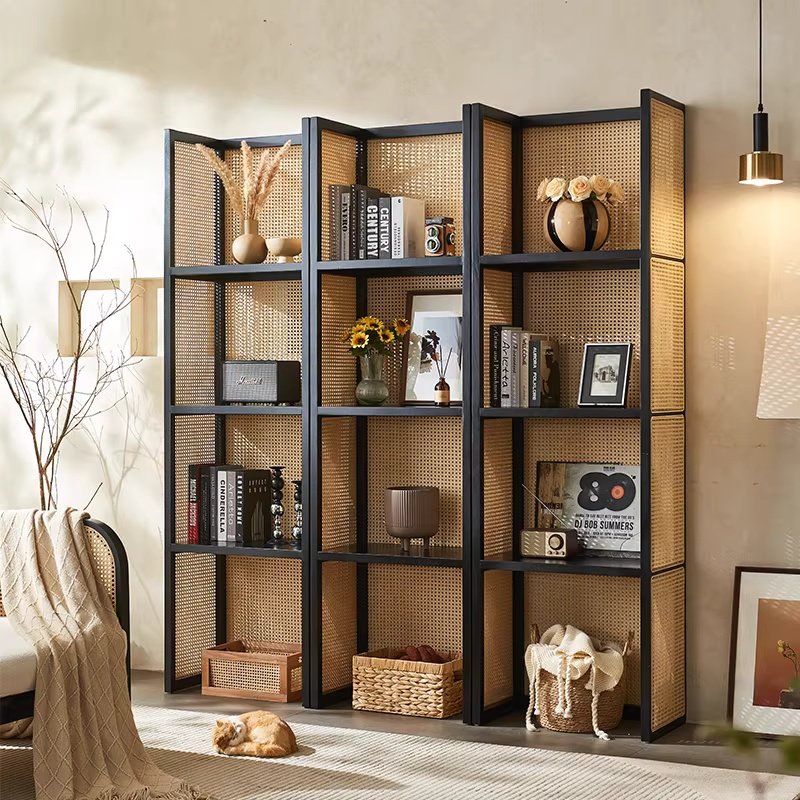
From my perspective, rattan’s popularity is not just a trend; it’s a long-term shift towards natural, sustainable, and handmade products. In 2025, rattan is more fashionable than ever. Its earthy texture and varied weaving patterns allow it to fit into many design styles, from bohemian to minimalist, and even modern luxury. Many designers, including Peter, the hotel project designer, are increasingly using rattan to create inviting and authentic spaces. The demand for natural, eco-friendly materials continues to grow. This strong demand influences the price of raw materials and finished products because the supply of natural rattan is limited.
What are the disadvantages of rattan furniture?
While beautiful, rattan furniture does have some disadvantages. These drawbacks are mainly related to its natural properties and maintenance requirements.
Understanding these points helps buyers make informed decisions, especially concerning indoor versus outdoor use and long-term care.

When Jacky asks me about the challenges of working with rattan, I am always honest. One common disadvantage is that natural rattan is sensitive to the elements. It can dry out and become brittle in direct sunlight, or grow mold in high humidity. This means natural rattan furniture is best for indoor or covered outdoor spaces. Proper maintenance, like occasional cleaning and conditioning, is also needed to keep it looking good. For outdoor furniture, this has led us to develop plastic rattan cane webbing. This material solves many of the disadvantages of natural rattan, as it is weather-resistant and requires less maintenance, but still gives the look of rattan. This is why we have 10+ kinds of outdoor-grade plastic rattan cane webbing in 2025. It can save a lot on human weaving costs.
Conclusión
Rattan is expensive due to its natural, specific origin, the labor-intensive process of harvesting and crafting, and the current high demand for natural and sustainable materials. Its disadvantages, primarily sensitivity to elements, are often mitigated by synthetic alternatives.
---

[^1]: Understanding the export status of rattan raw material can provide insights into pricing and availability.
[^2]: Discovering the sustainability of rattan can enhance your appreciation for eco-friendly furniture choices.
 English
  Español de México
  العربية
  Deutsch
  Français
  Русский