

Flat, lifeless walls can drain the personality out of any room eco-friendly material 1. Many homeowners and designers search for materials that add warmth without overwhelming a space. Having shipped rattan webbing to decorators across the US, Australia, and Europe from our production lines, we see this question come up constantly.
Yes, rattan cane webbing is an excellent choice for interior wall decoration. It adds natural texture, warmth, and organic character to any room. This lightweight, flexible, and eco-friendly material works beautifully as accent walls, statement panels, and ceiling features in both residential and commercial spaces.
Below, we break down exactly how to install rattan webbing on walls, why Grade A quality matters, how to get custom dimensions, and where to find a reliable wholesale supplier acoustic benefits 2. Let’s get into the details.
How do I properly install rattan cane webbing on my interior walls?
Poor installation ruins even the best materials. We have seen customers waste high-quality rattan webbing because they skipped a simple soaking step. From our warehouse in Foshan, we always include installation guidance with every shipment to help buyers get the best results.
To install rattan cane webbing on interior walls, soak the webbing in warm water for 15–30 minutes to soften it. Then stretch it across a wooden frame or directly onto the wall surface, securing it with staples, spline, or adhesive. The webbing tightens naturally as it dries.
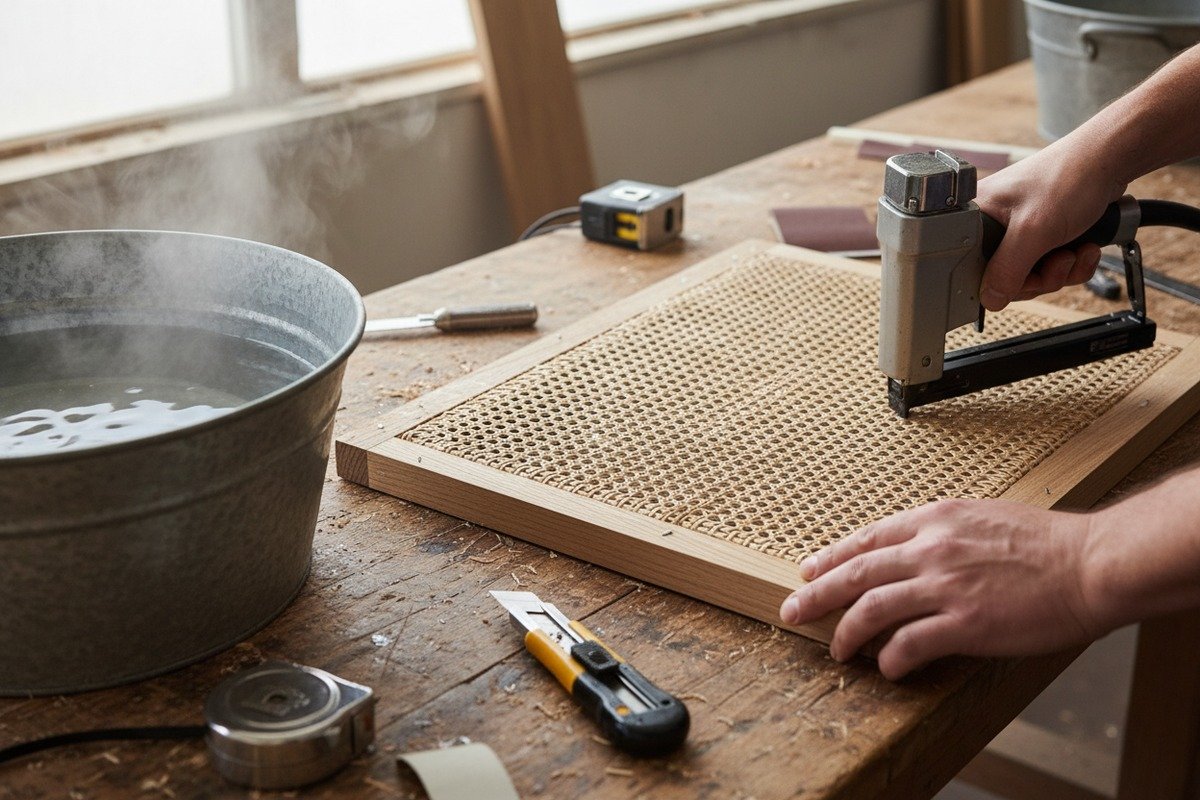
Getting the installation right is not complicated. But each step matters. Let's walk through the full process so you can avoid common mistakes.
Tools and Materials You Will Need
Before you start, gather everything in one place. This saves time and prevents interruptions mid-install.
| Tool / Material | Purpose | Notes |
|---|---|---|
| Rattan cane webbing 3 roll | Main decorative material | Grade A recommended for walls |
| Warm water basin or tub | Soaking the webbing | Large enough to submerge the full piece |
| Wooden frame 4 or battens | Mounting structure | Pine or oak work well |
| Staple gun 5 or spline | Securing the webbing | Pneumatic staple gun is faster |
| Utility knife or scissors | Cutting to size | Sharp blade prevents fraying |
| Sandpaper (fine grit) | Smoothing frame edges | Prevents snagging the rattan |
| Wood stain or paint | Optional finishing | Test on a small section first |
| Level and measuring tape | Alignment | Critical for a professional look |
Step-by-Step Installation Process
Step 1: Measure your wall area. Measure the height and width where you want the rattan panel. Add 2–3 inches on each side for wrapping and securing.
Step 2: Build or prepare your frame. Cut wooden battens to match your measurements. Sand all edges smooth. You can mount the frame directly to the wall using screws and wall anchors, or build a freestanding panel.
Step 3: Soak the webbing. Submerge the rattan cane webbing in warm water for 15 to 30 minutes. This makes the fibers pliable and easier to stretch. Do not over-soak, as excessive water exposure can weaken the weave.
Step 4: Stretch and staple. Start from one corner. Pull the webbing taut across the frame. Staple every 1 to 2 inches along the edge. Work from the center outward to distribute tension evenly. Alternate sides—secure the top, then the bottom, then the left, then the right.
Step 5: Trim the excess. Once the webbing is firmly in place, use a sharp utility knife to trim the overhanging material. Be careful not to cut too close to the staples.
Step 6: Let it dry. The rattan will shrink slightly as it dries. This natural tightening creates a drum-like tension that looks clean and professional. Allow 24 hours for full drying.
Step 7: Finish and mount. You can now stain, paint, or seal the webbing if desired. Mount the panel to your wall using brackets, French cleats, or direct screws.
Common Installation Mistakes to Avoid
Do not skip the soaking step. Dry rattan webbing cracks and splits when you try to stretch it. Also, avoid using too few staples. Gaps between staples lead to sagging over time. Finally, always check your frame is level before securing the webbing. A crooked frame makes the entire wall panel look off.
One creative option we have seen our European buyers use is backlighting. By placing LED strips behind the rattan panel, the woven pattern casts beautiful shadows on the surrounding wall. This works especially well in bedrooms and living rooms where ambient lighting sets the mood.
What are the benefits of using Grade A rattan webbing for my wall decor projects?
Not all rattan webbing is created equal. When our quality control team sorts incoming material at our processing facility in Indonesia, the difference between Grade A and lower grades is immediately visible. Choosing the wrong grade for a wall project leads to disappointment.
Grade A rattan webbing offers superior consistency in color, weave density, and strand thickness. It resists cracking and sagging better than lower grades, ensures a polished appearance on visible wall surfaces, and provides longer durability—making it the ideal choice for high-visibility interior wall decoration projects.
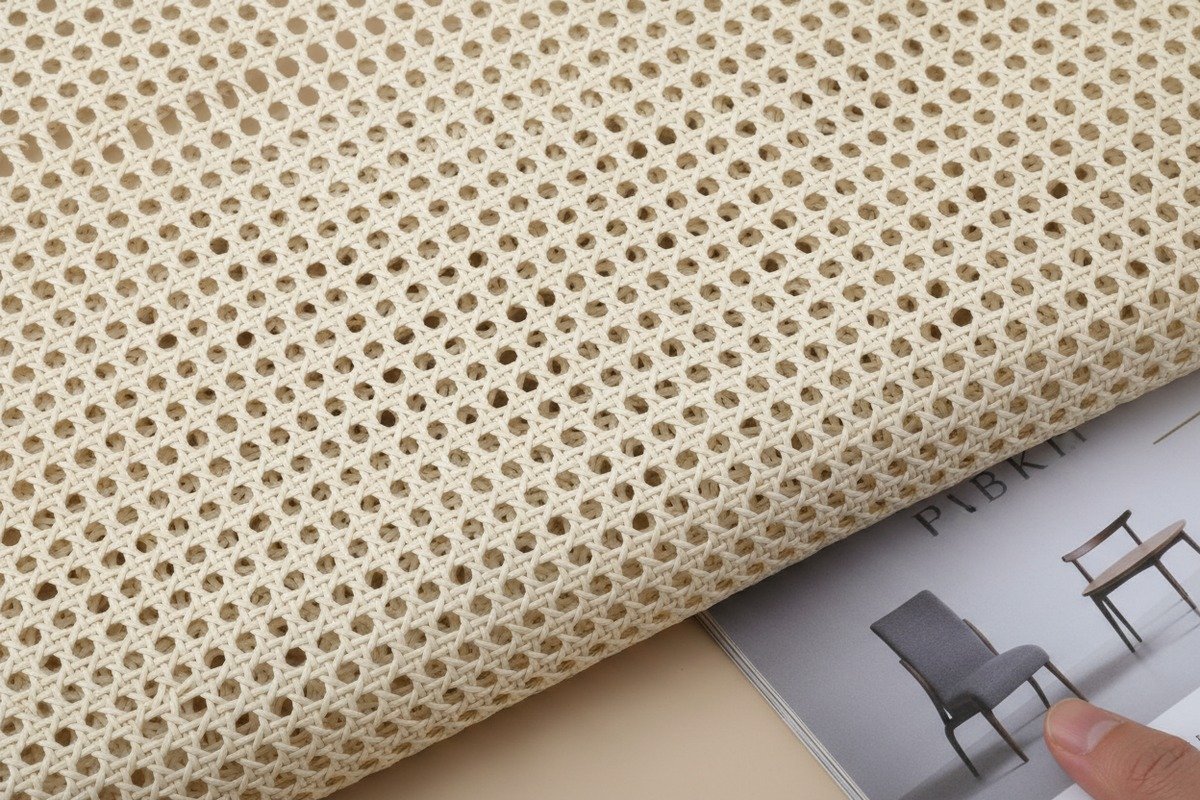
Understanding why grade matters helps you make a smarter purchasing decision. Let's look at the specific advantages.
What Makes Rattan "Grade A"?
Grade A rattan webbing is selected from the outer skin of mature rattan palms 6. The strands are uniform in width, free from dark spots, and consistent in their natural color—typically a warm beige, straw yellow, or cream tone. The weave is tight and even, with no loose or broken strands.
Lower grades often have visible imperfections: uneven coloring, thinner strands mixed with thicker ones, or inconsistent weave tension. These issues are less noticeable in hidden applications like the backs of drawers. But on a wall panel that catches direct light, every flaw shows.
Grade A vs. Lower Grades: A Direct Comparison
| Feature | Grade A | Grade B / C |
|---|---|---|
| Color consistency | Uniform warm beige tones | Noticeable color variation |
| Strand thickness | Even and consistent | Mixed thick and thin strands |
| Weave tightness | Tight, uniform pattern | Some loose or irregular areas |
| Surface finish | Smooth, minimal rough spots | Rougher texture, occasional splinters |
| Durability on walls | 5–10+ years with care | May sag or discolor faster |
| Best use | Visible wall panels, accent walls | Furniture backing, hidden surfaces |
Key Benefits for Wall Decoration
Visual appeal. Grade A webbing looks clean and intentional. The uniform color and pattern create a refined, designer-quality finish. This matters because wall panels are viewed up close and at eye level.
Longevity. Thicker, more consistent strands resist wear over time. They hold their shape better, which means your wall panels stay taut and attractive for years without needing replacement.
Staining and painting results. When you apply stain or paint to Grade A webbing, the finish absorbs evenly. With lower grades, uneven strand density causes patchy color results. If you plan to customize the color of your wall panels, starting with Grade A gives you the best canvas.
Sustainability. Grade A rattan comes from properly harvested mature plants. Rattan is a rapidly renewable resource 7—it grows much faster than hardwood trees. It is biodegradable and free from plastics or chemical coatings. Using it in your interior design aligns with eco-friendly building practices.
Acoustic benefits. The woven structure of rattan webbing provides subtle sound dampening. While it won't replace proper acoustic panels, it does soften echoes and reduce ambient noise in rooms with hard floors and minimal soft furnishings. This is a bonus that many designers overlook.
The Aging Factor
One benefit unique to natural rattan is how it ages. Over time, exposure to natural and artificial light deepens the color slightly, giving the webbing a rich, golden patina. Many designers actually prefer this aged look. It adds character and warmth that synthetic materials cannot replicate. If you embrace materials that evolve over time rather than staying static, Grade A rattan webbing is an excellent match for your design philosophy.
Can I customize the dimensions of rattan webbing for my specific wall paneling needs?
Standard roll widths don't always fit. We hear this from buyers weekly—especially interior designers working with non-standard ceiling heights or accent wall dimensions. Our production team in Foshan handles custom sizing requests daily, so we understand the constraints and possibilities well.
Yes, rattan cane webbing dimensions can be fully customized to match your specific wall paneling requirements. Reputable suppliers offer custom widths, lengths, and even pattern selections. Custom sizing reduces material waste, simplifies installation, and ensures your wall panels fit perfectly without awkward seams or excessive trimming.
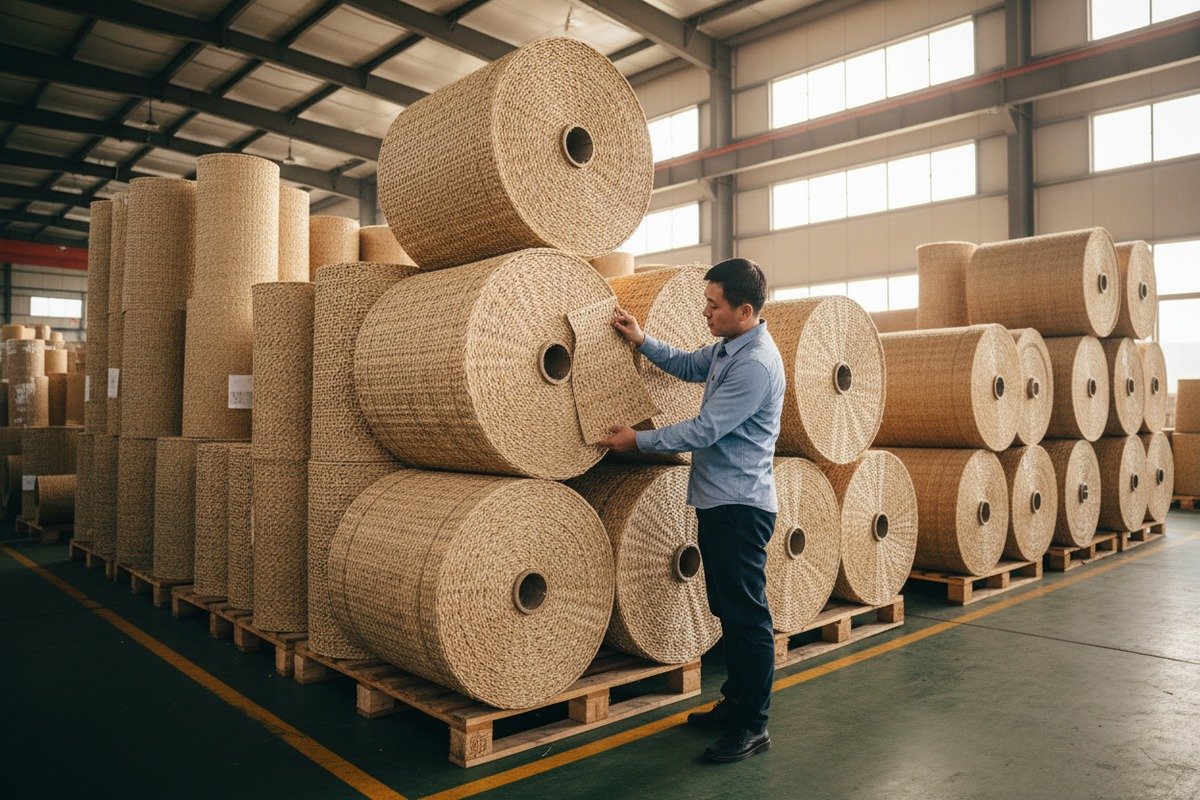
Customization goes beyond just cutting material to size. Let's explore what is possible and what you should consider when ordering.
Standard vs. Custom Dimensions
Most rattan cane webbing is sold in standard roll widths—commonly 18 inches, 24 inches, or 36 inches wide. Roll lengths typically range from 3 to 50 feet depending on the supplier. For small DIY projects, standard sizes often work fine.
But for wall paneling, standard sizes frequently cause problems. Walls are rarely a convenient 24 or 36 inches wide. You end up with visible seams where two pieces meet, or you waste significant material from cutting oversized rolls to fit.
Custom orders solve this. When you work directly with a manufacturer or wholesaler, you can specify the exact width and length you need.
What Can Be Customized?
| Customization Option | Details | Typical Lead Time |
|---|---|---|
| Width | Any width up to maximum loom capacity (varies by pattern) | 2–4 weeks |
| Length | Continuous rolls or pre-cut panels | 2–4 weeks |
| Weave pattern | Hexagonal open mesh, square basketweave 8, diamond motif, chevron | Depends on availability |
| Material type | Natural cane, bleached cane, synthetic rattan | 1–3 weeks |
| Color treatment | Natural, bleached, stained, or custom-dyed | Additional 1–2 weeks |
How to Order Custom Dimensions
Start by measuring your wall precisely. Include ceiling height, wall width, and any obstructions like outlets, switches, or built-in shelving. Provide these measurements to your supplier along with the weave pattern you prefer.
At our facilities, we ask buyers to include a simple sketch or diagram. This helps our production team understand the layout and recommend the most efficient cutting plan. For large-scale projects—like a hotel lobby or restaurant feature wall—we often suggest a consultation call to discuss pattern alignment and seam placement.
Minimum Order Quantities
Keep in mind that custom dimensions usually require a minimum order quantity. This varies by supplier. For our production lines, the MOQ depends on the weave pattern and material type. Simple patterns in natural cane have lower minimums. Complex patterns or bleached material may require larger orders because of the additional processing steps involved.
If you need only a small quantity for a single room, consider working with a wholesaler who stocks a wider range of standard sizes. This can be more cost-effective for small projects.
Pattern Selection for Wall Applications
Not all weave patterns look the same on a wall. The classic hexagonal open-mesh 9 "radio weave" is the most popular for wall panels because it offers visual depth while allowing some light transmission—perfect for backlit installations. The dense square basketweave creates a more solid, textured surface that works well as a full accent wall. Diamond and chevron motifs add geometric interest and pair well with modern or mid-century interior styles.
We recommend requesting physical samples before committing to a large order. Seeing and touching the material in your actual space, under your lighting conditions, makes a big difference in the final decision.
How do I find a reliable wholesaler to supply rattan webbing for my large-scale interior designs?
Finding a supplier who delivers consistent quality at scale is harder than it sounds. Over the years, we have worked with procurement managers from the Netherlands, the US, Turkey, and Australia who came to us after frustrating experiences with unreliable vendors. The common complaints are always the same: inconsistent quality, late deliveries, and damaged packaging.
To find a reliable rattan webbing wholesaler, look for suppliers with their own production facilities, verified export history to multiple countries, transparent grading standards, and the ability to provide samples before large orders. A trustworthy wholesaler will also offer custom sizing, consistent packaging, and clear communication throughout the supply chain.

Let's break down the exact criteria you should evaluate when choosing a wholesale supplier for your interior design projects.
Key Criteria for Evaluating a Wholesaler
Own production facilities. A wholesaler who owns or directly manages factories has more control over quality and lead times. At Seafan Rattan, for example, we operate three self-invested factories including our own rattan processing facility in Indonesia. This means we control the supply chain 10 from raw material to finished product.
Verified export history. Ask for references or case studies from projects in your region. A supplier who regularly exports to your country understands the shipping logistics, customs requirements, and packaging standards needed to deliver goods in good condition.
Transparent grading system. A reliable supplier will clearly explain how they grade their materials. They should be able to show you the difference between Grade A, B, and C, and they should never try to pass off lower-grade material as premium.
Sample availability. Always request samples before placing a large order. A trustworthy supplier will happily send samples—often at no charge or at a nominal fee. This lets you verify color, texture, weave quality, and pattern before committing your budget.
Red Flags to Watch For
Be cautious if a supplier cannot answer specific questions about their material sourcing. Be wary of prices that seem too good to be true—extremely low pricing often indicates lower-grade material or inconsistent quality. Watch for vague delivery timelines. Shipping rattan internationally typically takes 4–8 weeks depending on the destination. A supplier who promises delivery in one week for an overseas order may not be realistic.
Where to Search
Google search. Use specific queries like "rattan cane webbing wholesaler" or "rattan webbing manufacturer B2B." Suppliers with professional websites, detailed product pages, and clear contact information are generally more established.
Alibaba and trade platforms. These platforms offer supplier verification badges and transaction histories. Look for Gold Suppliers or Verified Manufacturers with strong ratings.
Industry trade shows. Events like the Canton Fair in Guangzhou or furniture material expos in Southeast Asia are excellent places to meet suppliers face-to-face, inspect product quality, and build relationships.
Direct outreach. If you find a supplier's website that looks promising—like www.rattanwholesaler.com—reach out directly via email or WhatsApp. A responsive supplier who answers your questions quickly and thoroughly is a good sign.
What to Expect From a Quality Wholesaler
A dependable partner will offer more than just material. They should provide guidance on installation, help you choose the right weave pattern for your application, offer competitive pricing across different quality tiers, and ensure packaging that protects the material during long-distance shipping. Packaging durability is a real concern—rattan is a natural material that can be damaged by moisture, crushing, or improper stacking during transit.
For large-scale interior design projects, look for a wholesaler who can serve as a one-stop supplier. This means they offer the full range of rattan products: natural cane webbing, bleached options, synthetic alternatives, and various weave patterns. Working with a single supplier simplifies logistics, reduces shipping costs, and ensures consistency across your entire project.
Conclusion
Rattan cane webbing is a proven, versatile, and sustainable material for interior wall decoration. From proper installation techniques to sourcing reliable wholesale partners, every step matters for a successful project.
Footnotes
1. Explains rattan’s sustainability, rapid renewability, and low environmental impact. ↩︎
2. Lists and describes various materials known for their sound-absorbing properties and acoustic benefits. ↩︎
3. Provides a comprehensive guide to what cane webbing is, its origins, and uses. ↩︎
4. Offers a clear definition of a wooden frame in the context of construction. ↩︎
5. Describes how staple guns work, their types, and common applications. ↩︎
6. Details Calamus, the genus of climbing palms known as rattan palms. ↩︎
7. Emphasizes rattan’s rapid growth rate, making it a quickly renewable resource. ↩︎
8. Discusses various rattan weave types, including basket weaves, for furniture and decor. ↩︎
9. Describes the classic hexagonal design as a common pattern in cane webbing. ↩︎
10. Defines supply chain management as coordinating production flow from raw materials to delivery. ↩︎

 English
  Español de México
  العربية
  Deutsch
  Français
  Русский