Rattan Chair Cane & Rattan Peel for Weaving

WHOLESALE NATURAL RATTAN MATERIAL

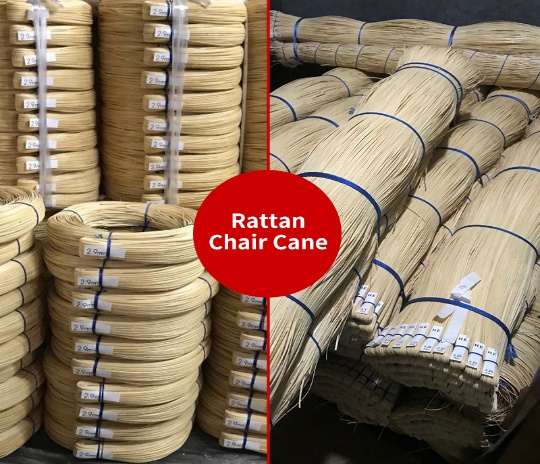
Rattan Chair Cane
for Reliable Weaving

Consistent natural cane strips made from Indonesian rattan peel—selected for chair seating, restoration, binding and basket weaving.
CLEAR SPECIFICATIONS.

REAL PRODUCT PHOTOS.

MATERIAL

Indonesian Rattan

STANDARD WIDTH

2.0–3.0 mm

COLOR

Natural

MOQ

From 10 kg

MATERIAL RELATIONSHIP

From Natural Rattan Sticks to Finished Applications

A clear view of the two material families and their most common uses.

NATURAL RATTAN STICKS

01 CHAIR CANE

2.0–3.0 mm smooth, narrow cane strip

CHAIR CANING

RESTORATION

FINE BINDING

02 RATTAN PEEL

Shaved or unshaved wider natural strip

RATTAN WEAVING

BASKET MAKING

WICKER FURNITURE

PRODUCT RANGE

Chair Cane

Complete product view for furniture makers, restoration specialists and material buyers.

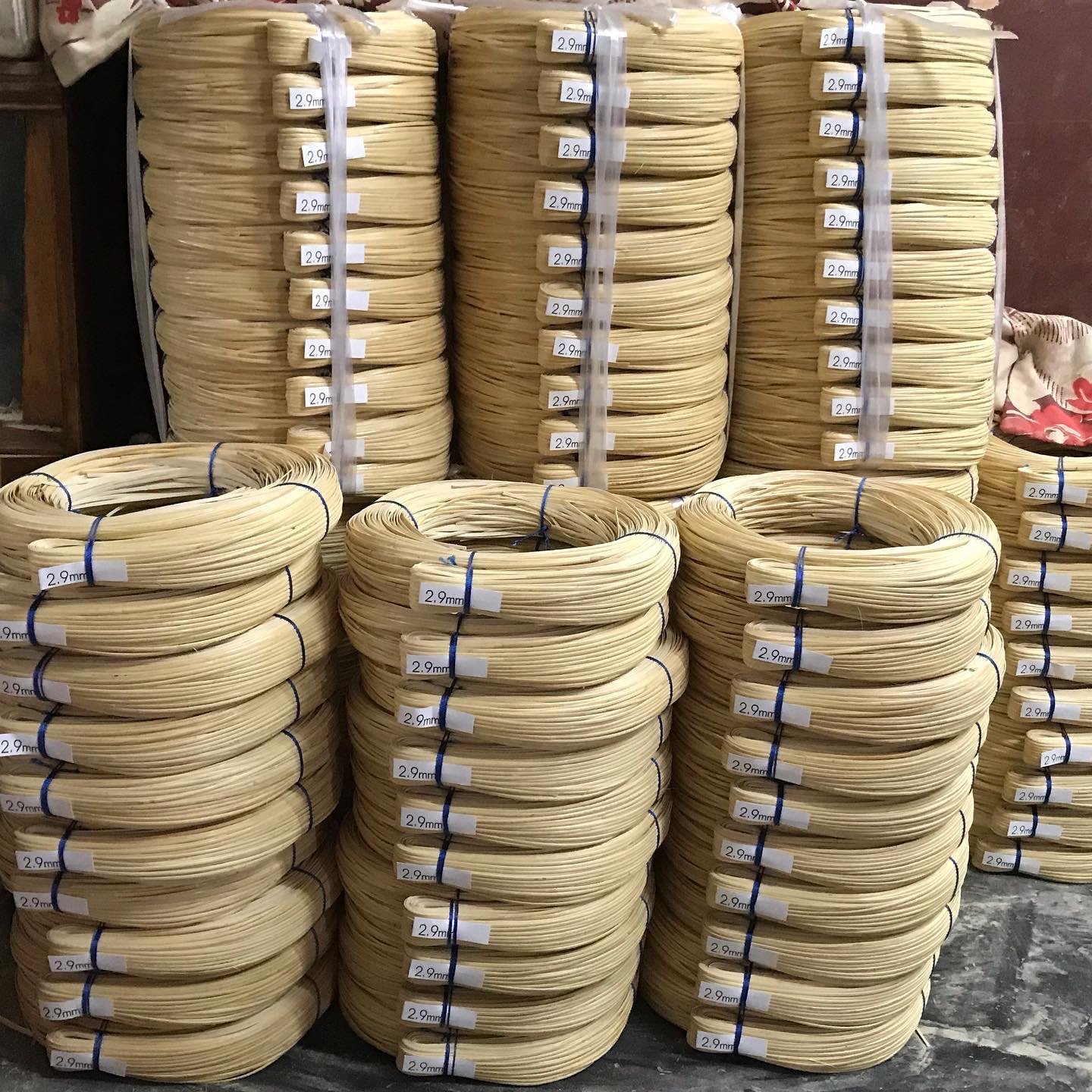
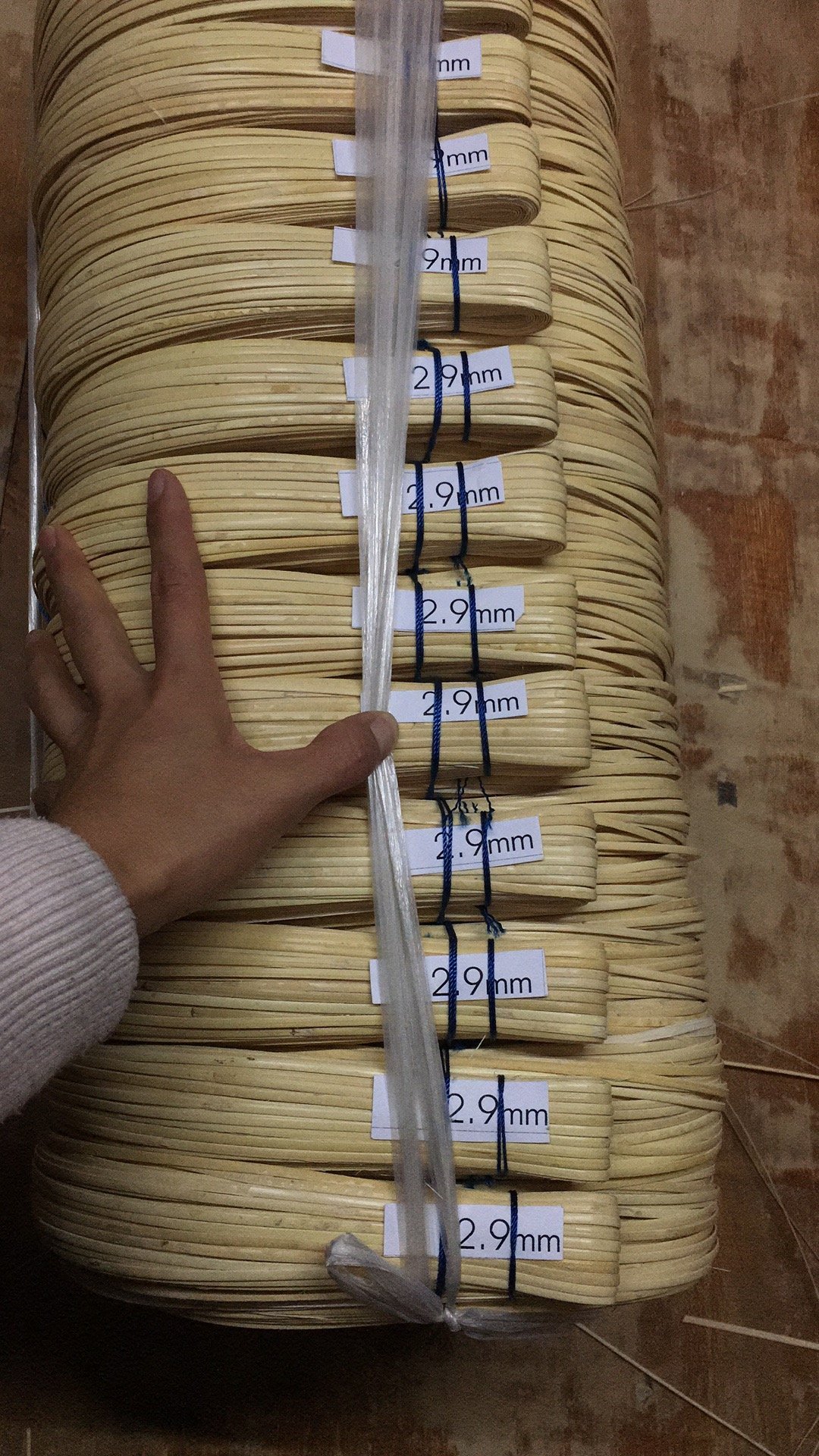
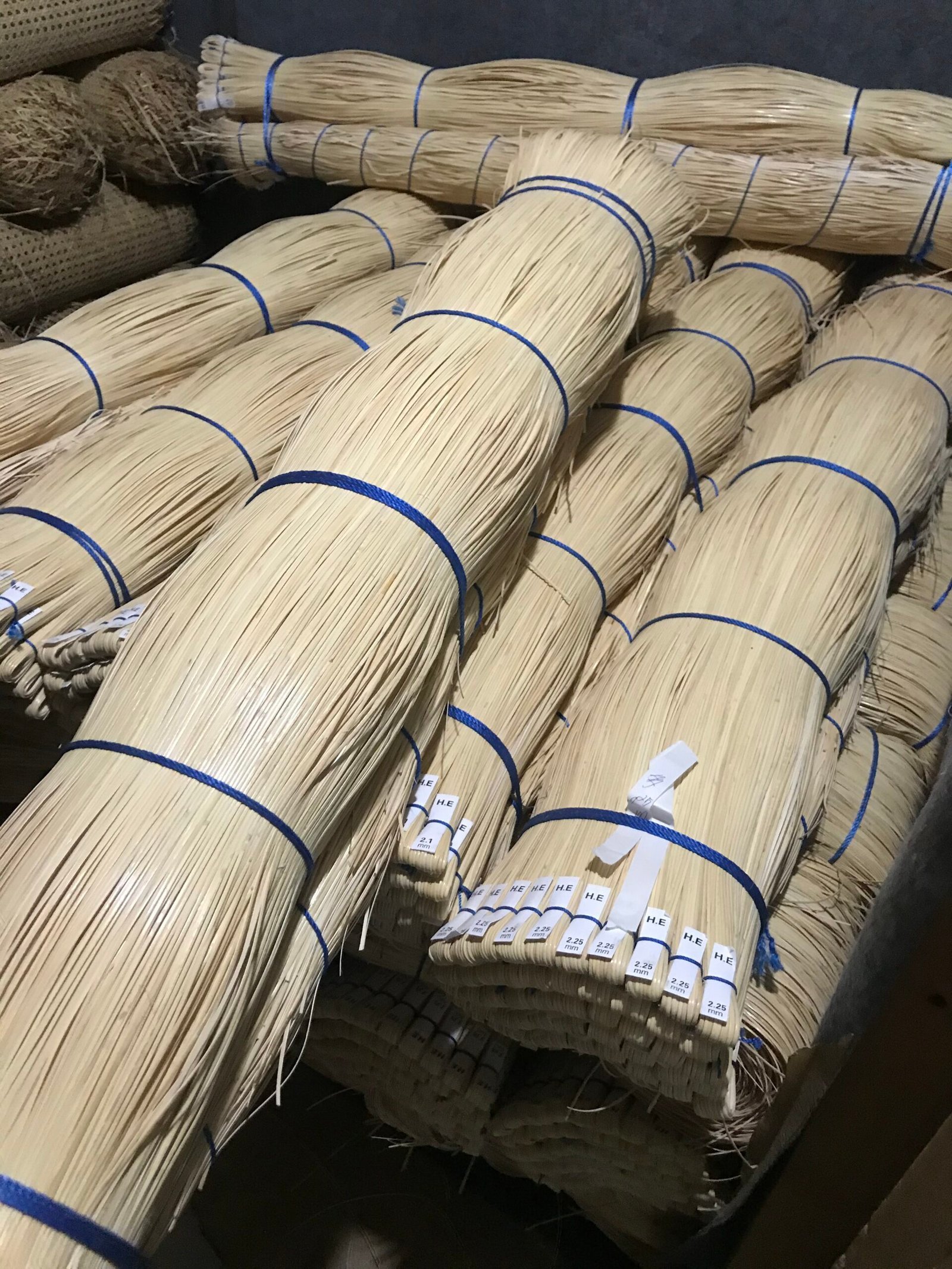
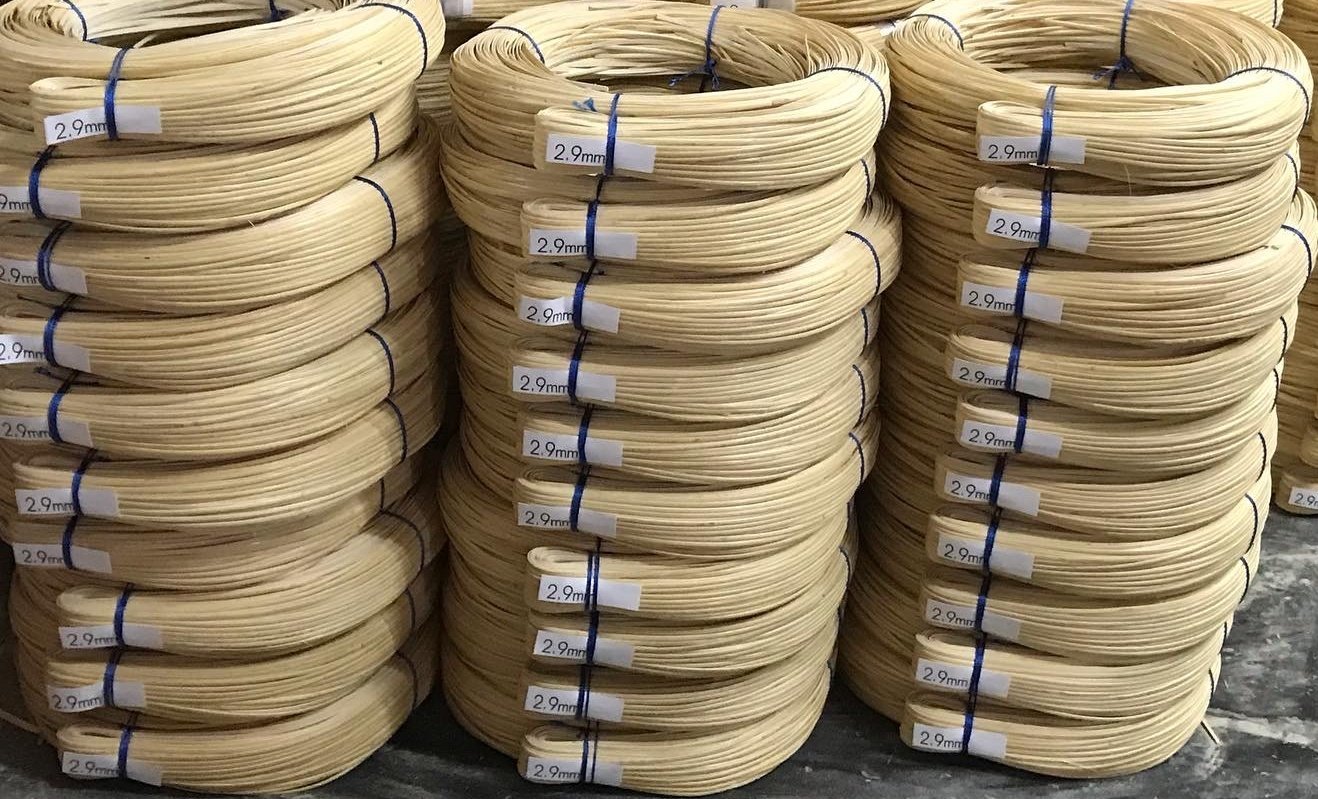
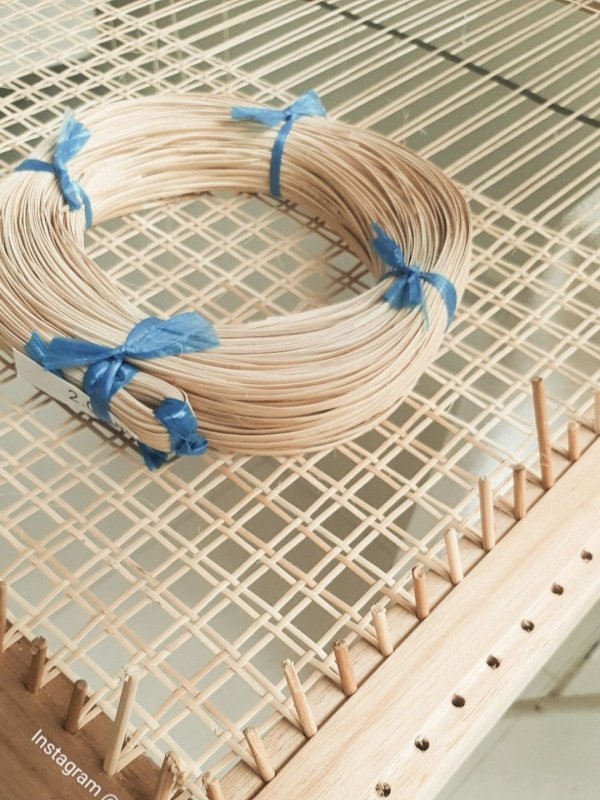
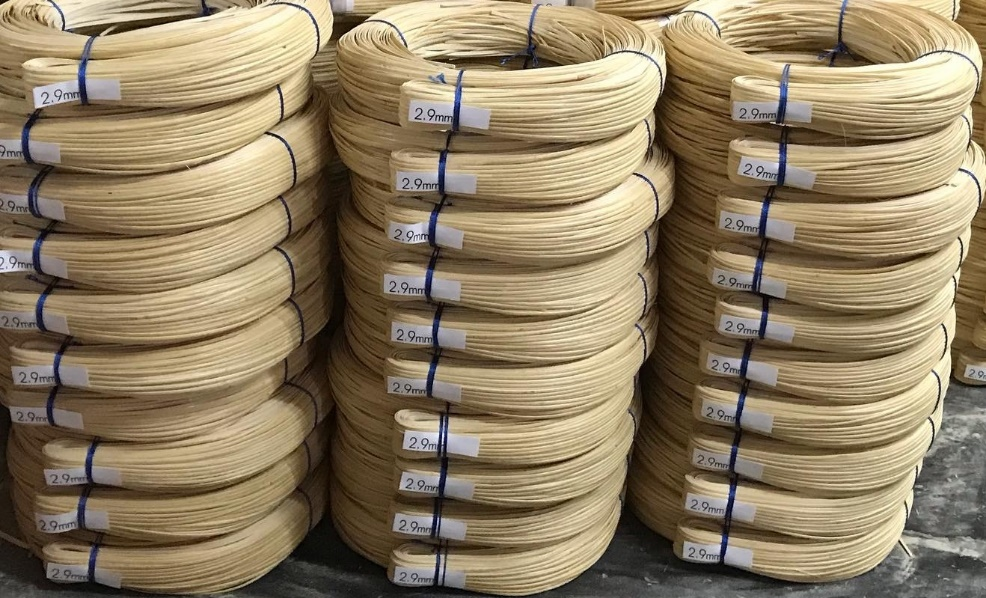
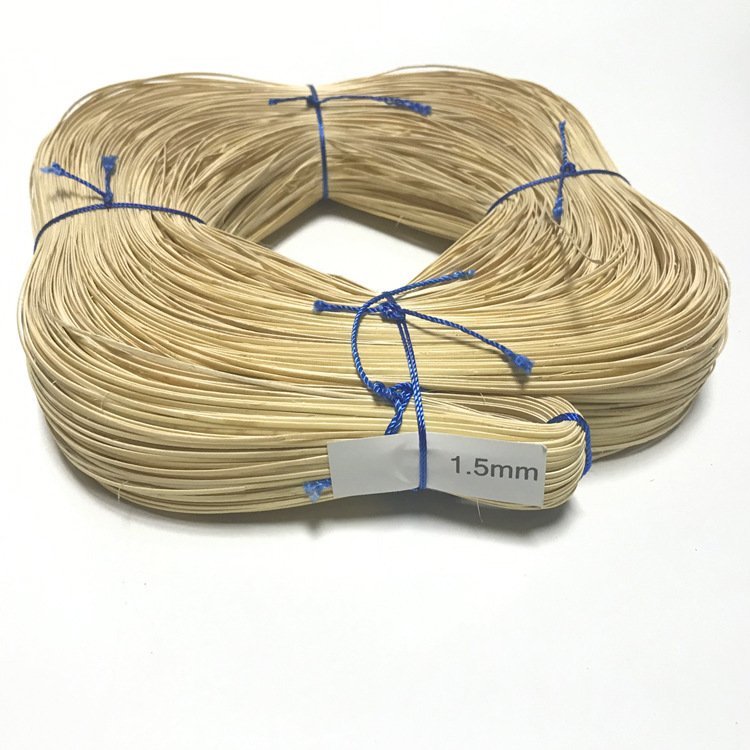
Chair cane 500G/Coil
01 MAIN CATEGORY

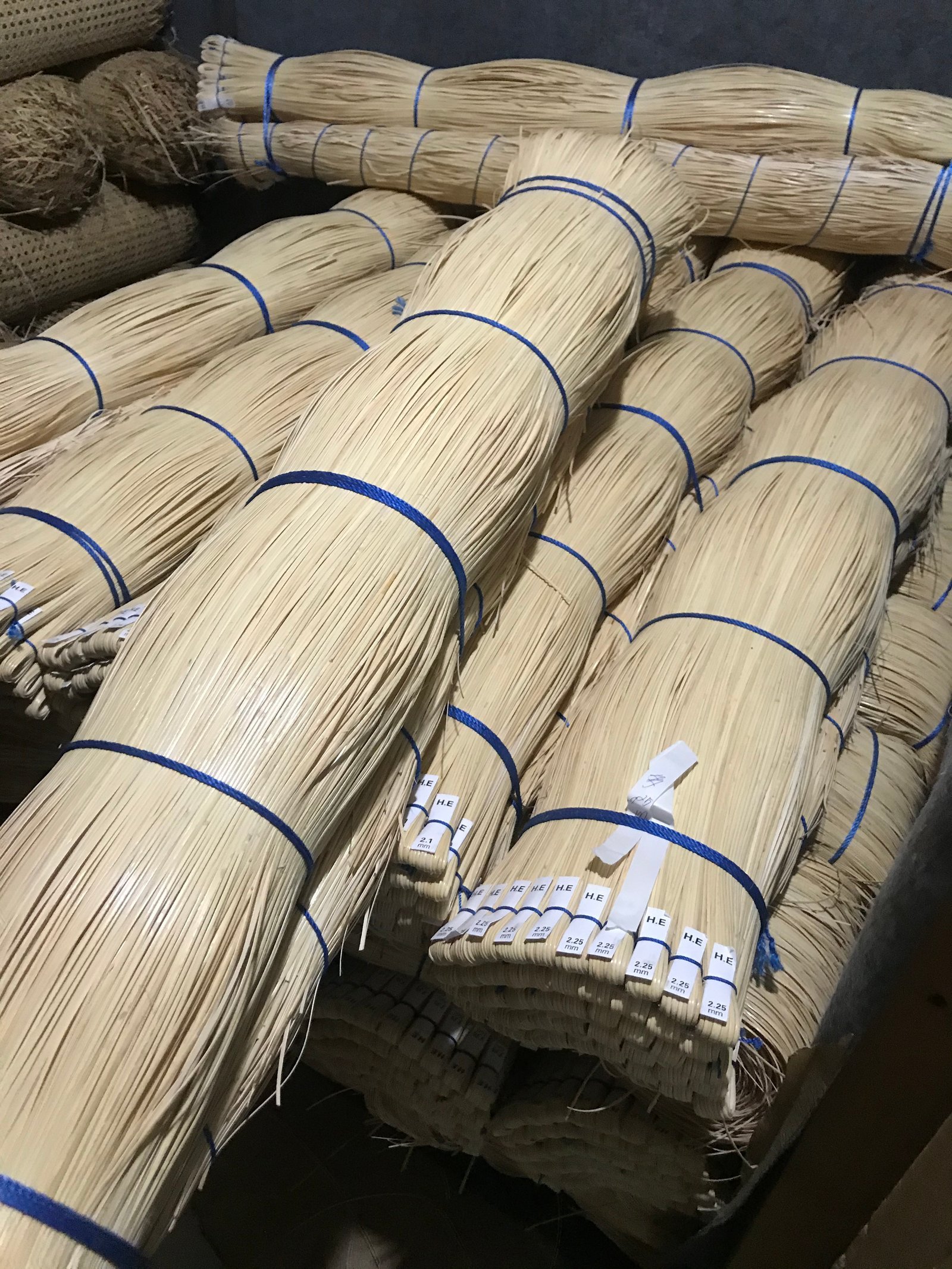
Natural Rattan Chair Cane

Smooth, machine-sized natural rattan peel for chair seating, chair backs, restoration and fine binding.

Material
Indonesian natural rattan
Size
1.5/2.0 / 2.2 / 2.25 / 2.5 / 3.0 mm
Thickness
0.55 / 0.60 / 0.70 / 0.80 mm
Grades
AA · A · AB · B · C
Packing
Approx. 500 g / coil
APPLICATIONS

Chair seats · Chair backs · Restoration · Fine binding

rattan chair cane
02 MAIN CATEGORY

Rattan Peel

Natural rattan peel for basket weaving, furniture binding and decorative applications.

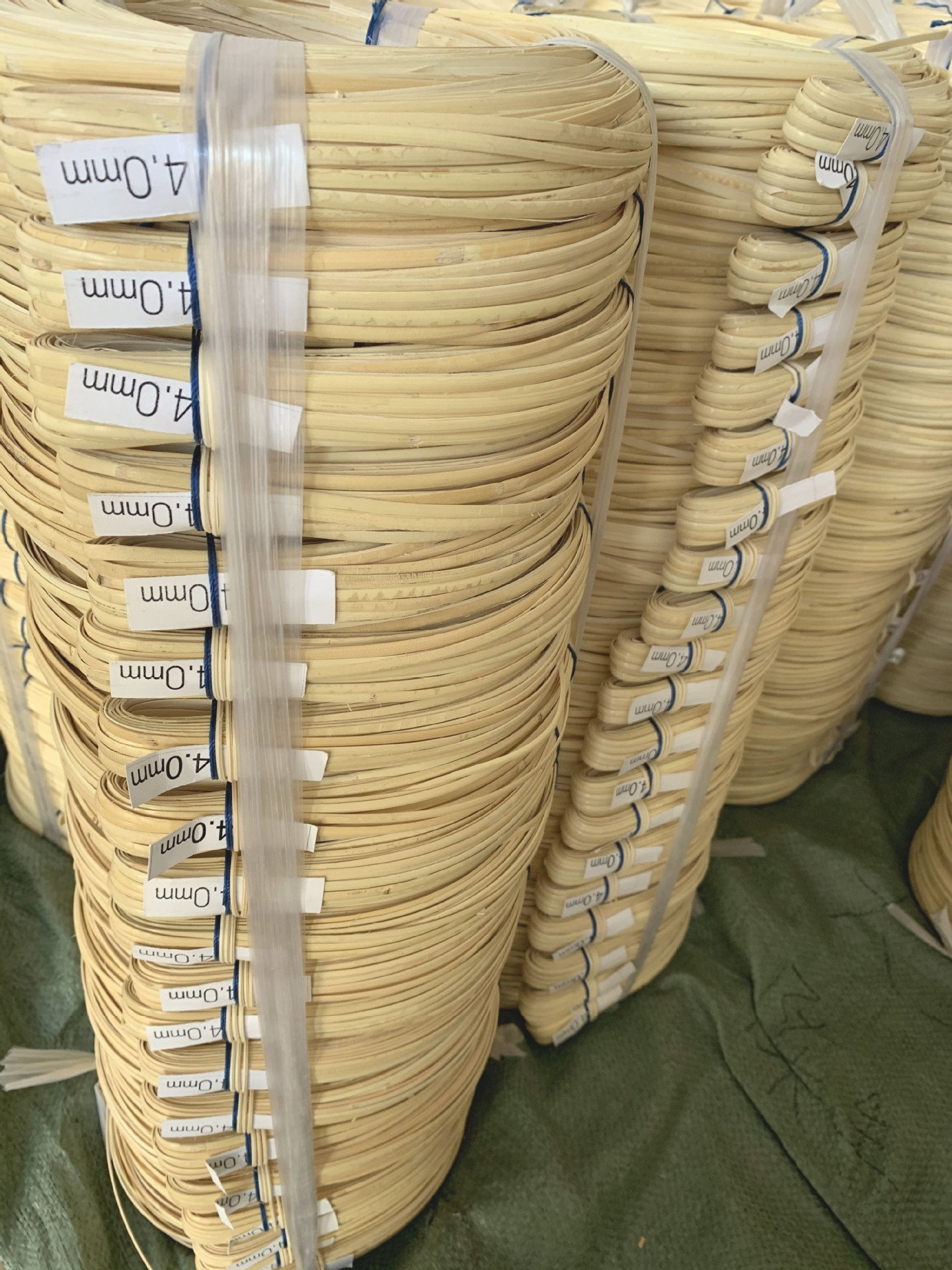
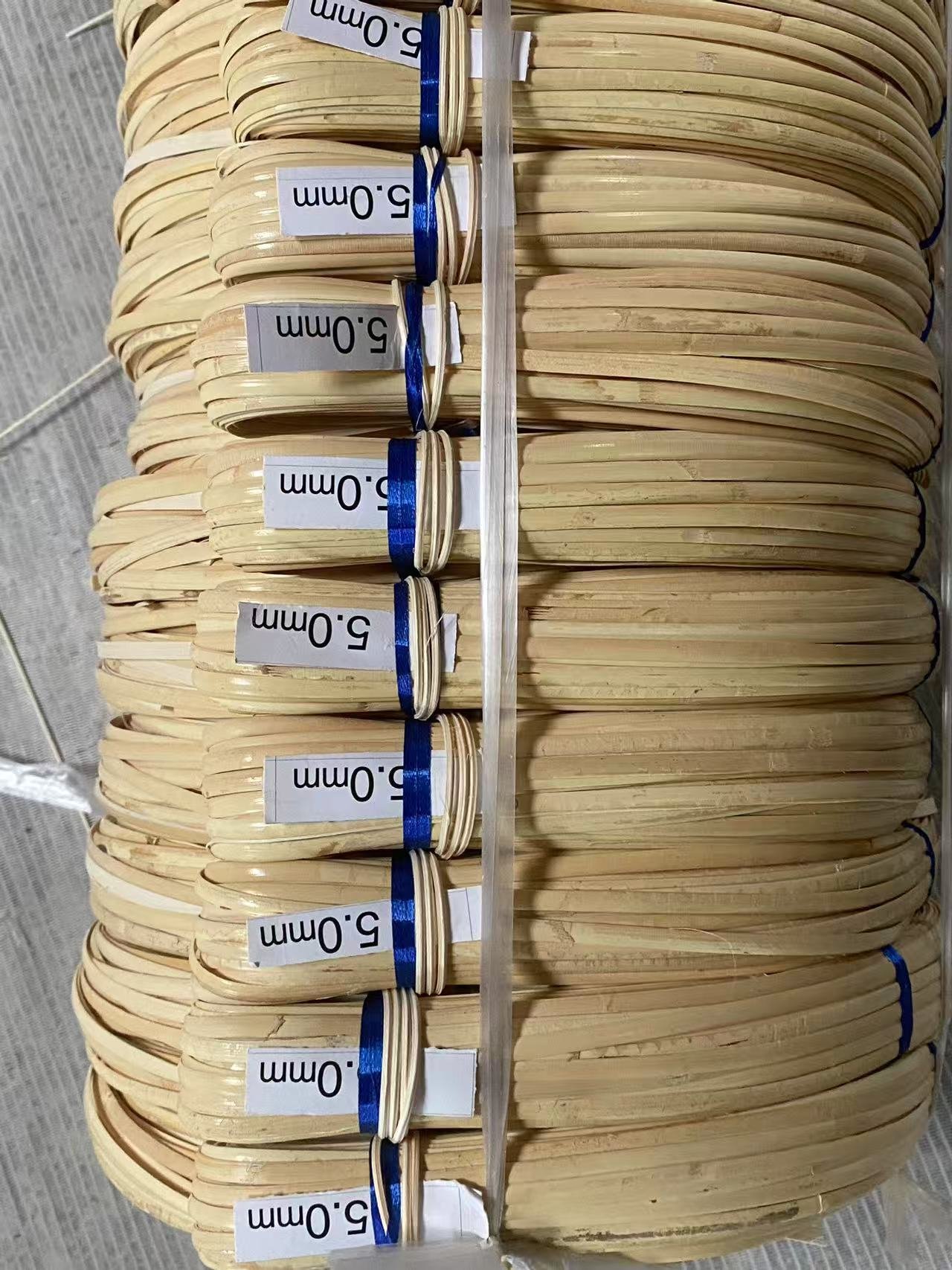
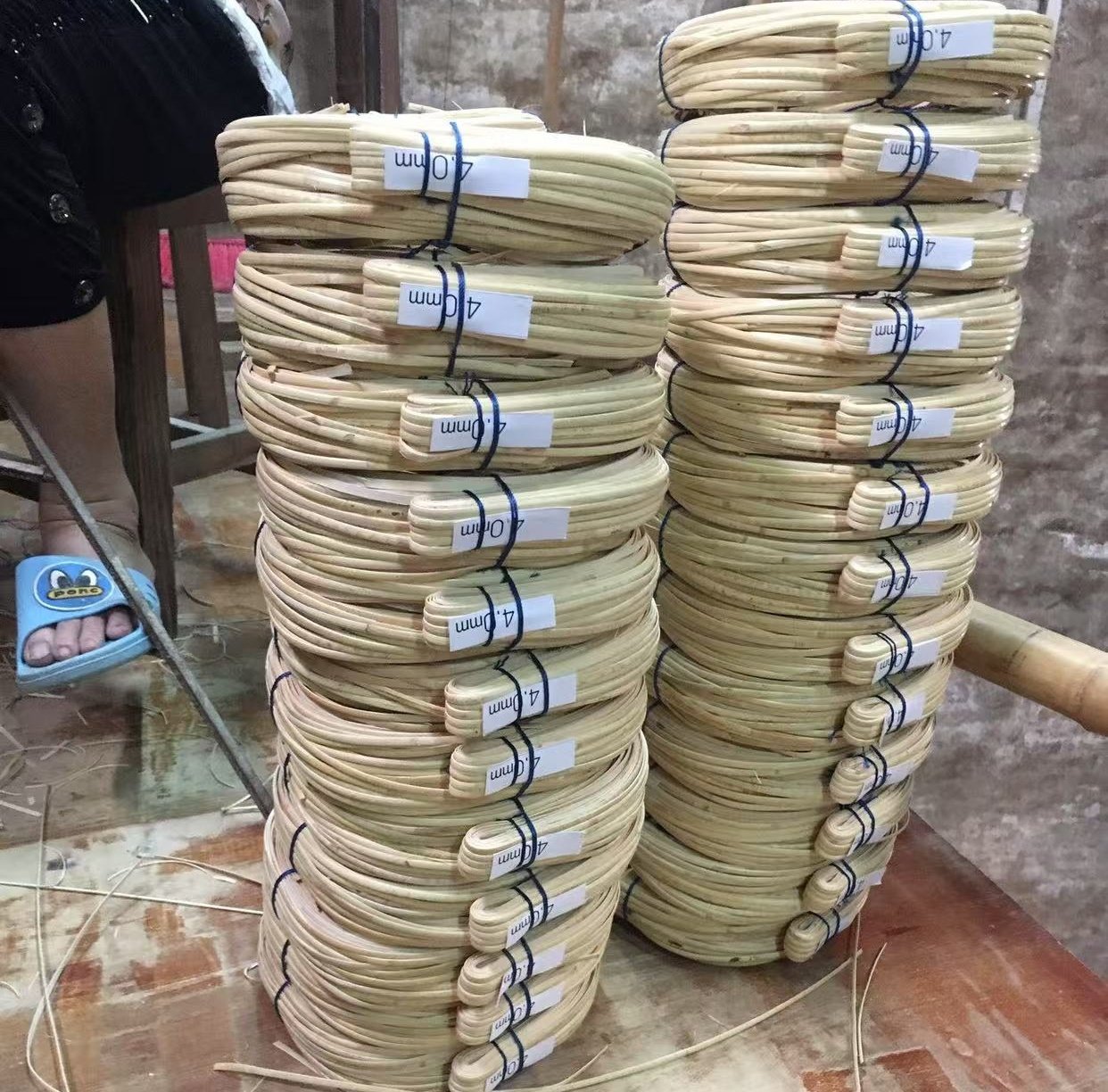
Shaved natural rattan peel for furniture binding
SMOOTH FINISH

Shaved Rattan Peel

Clean-edge peel for furniture binding and a smoother visible finish.

Width
4 / 5 / 6 mm
Surface
Shaved clean edge
Grades
AA · A · AB · B · C
Use
Binding · decorative weaving
REAL PRODUCT DETAILS
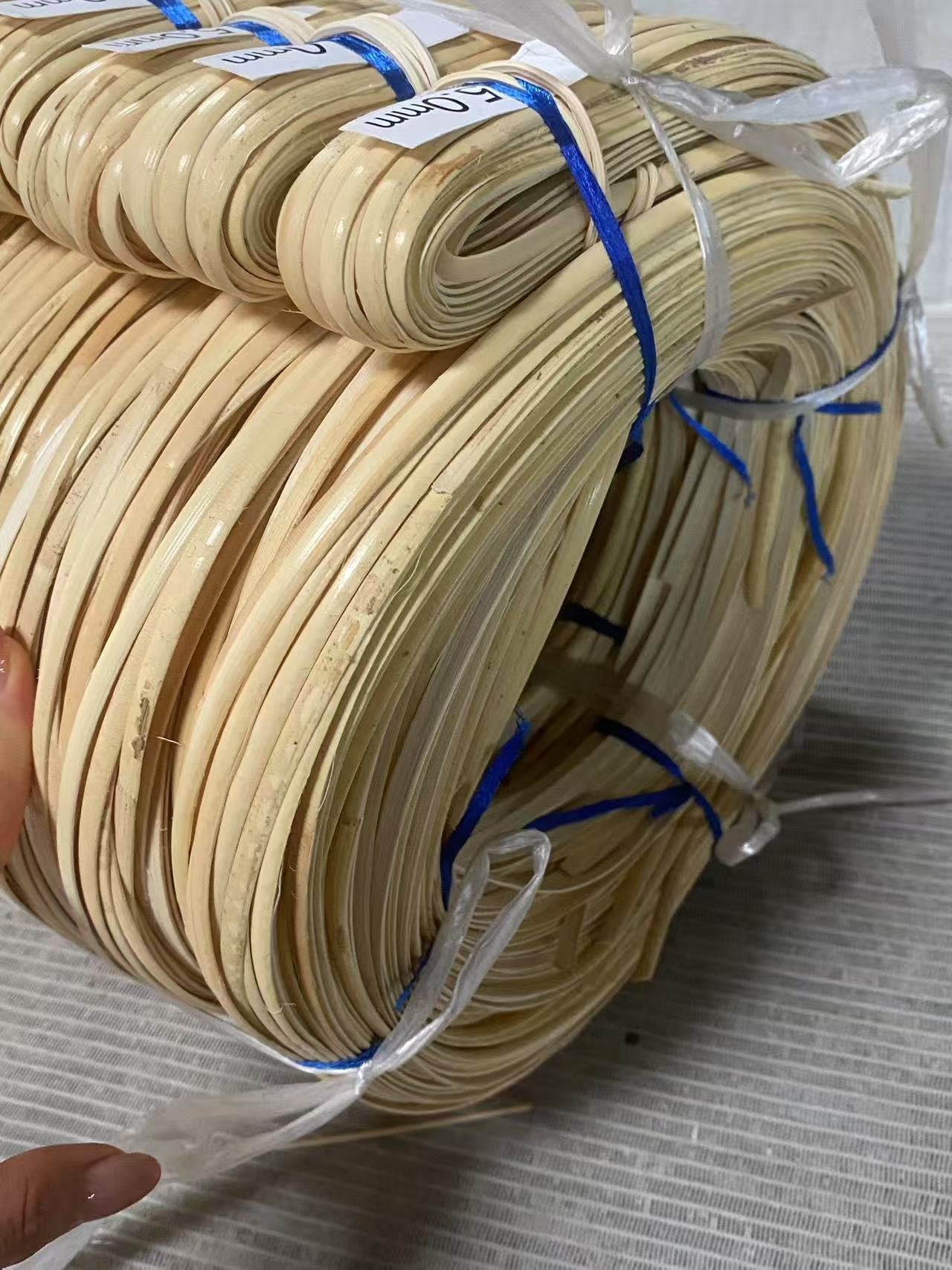
5/6 mm rattan peel
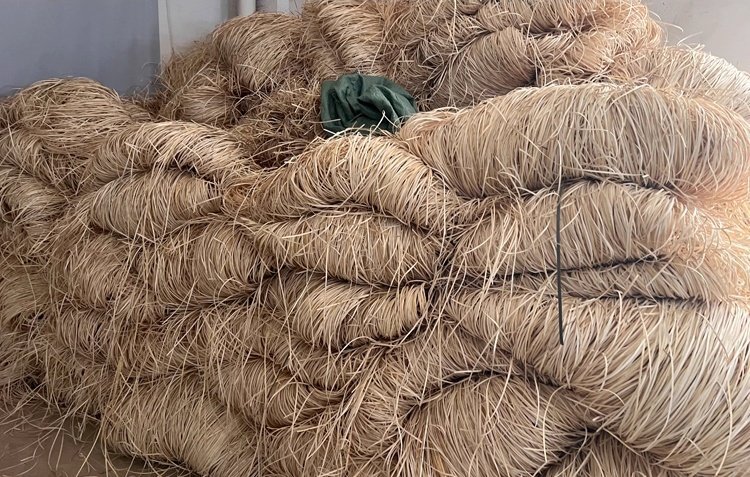
budle rattan peel
Shaved natural rattan peel for furniture binding
NATURAL FINISH

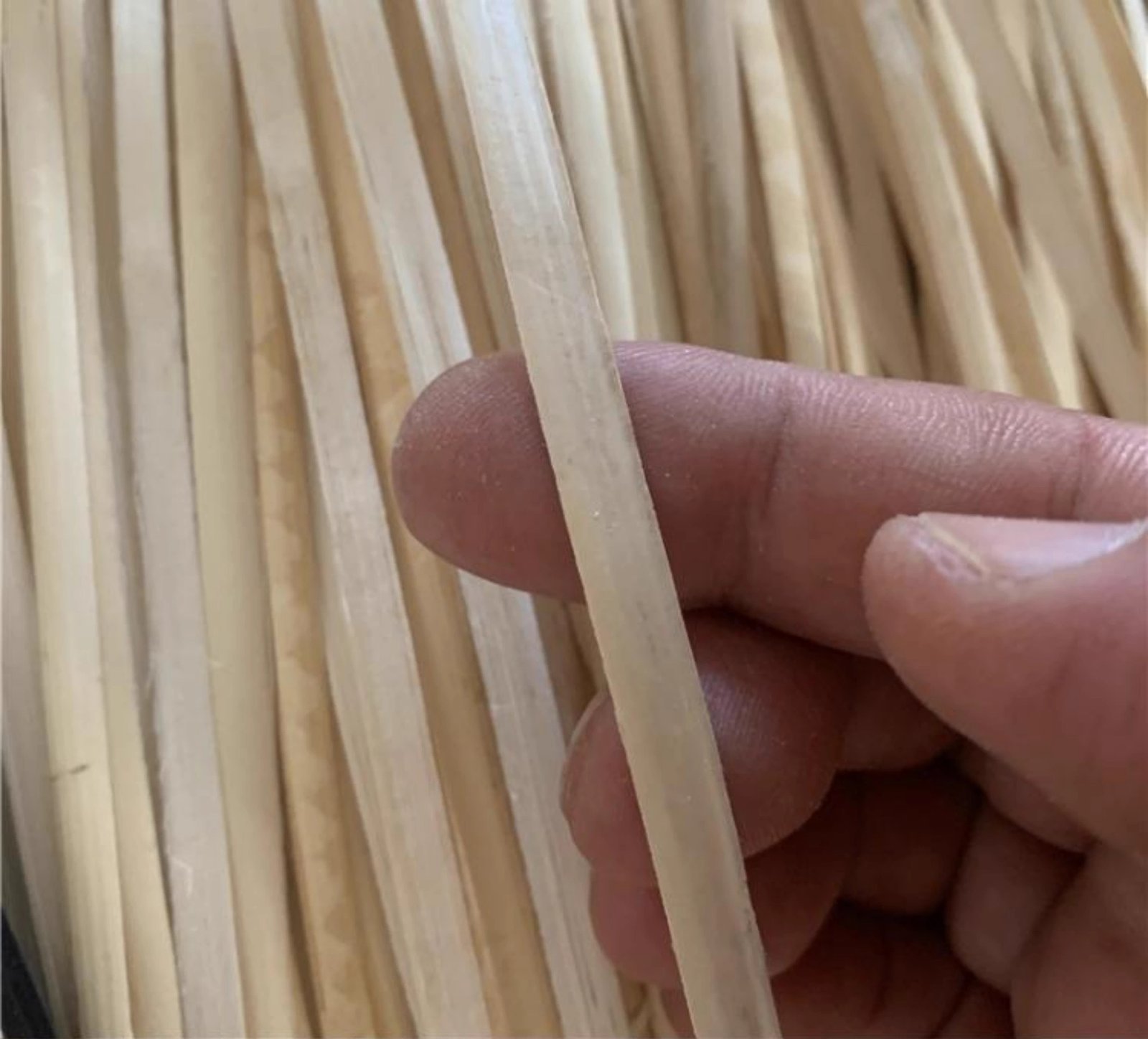
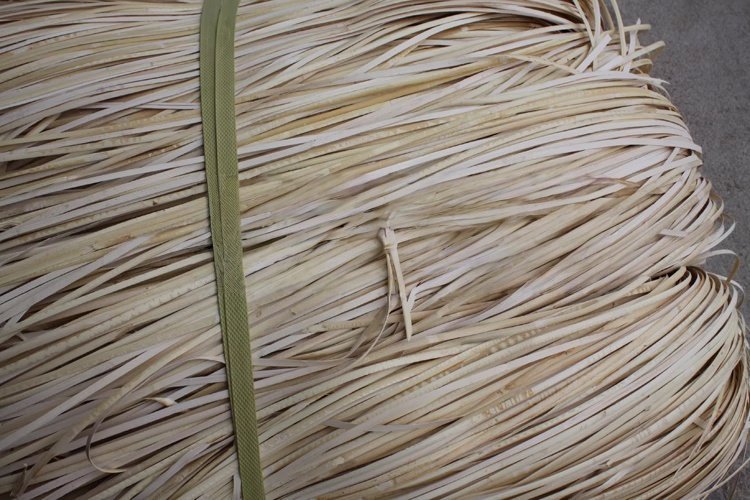
Unshaved Rattan Peel

Natural-edge peel for baskets, traditional weaving and rustic furniture details.

Width
4 / 5 / 6 mm
Surface
Unshaved natural edge
Grades
AA · A · AB · B · C
Use
Baskets · handmade products
REAL PRODUCT DETAILS
Shaved natural rattan peel for furniture binding 3
Shaved natural rattan peel for furniture binding
MATERIAL GUIDE

Chair Cane or Rattan Peel?

Both come from rattan cane bark, but width, edge finish and application differ.

Chair Cane

Narrow, carefully sized strip for fine chair caning.

Rattan Peel

Wider shaved or unshaved peel for visible weaving lines.

PACKAGING OPTIONS

Packaging Changes Loading Space—and Cost

We confirm packing format before the final quotation.

coil packing

Coil Packaging

FLEXIBLE OPTION

Convenient for distribution, workshops and mixed-size orders.

PACKING BASIS

Confirm size · grade · quantity · destination

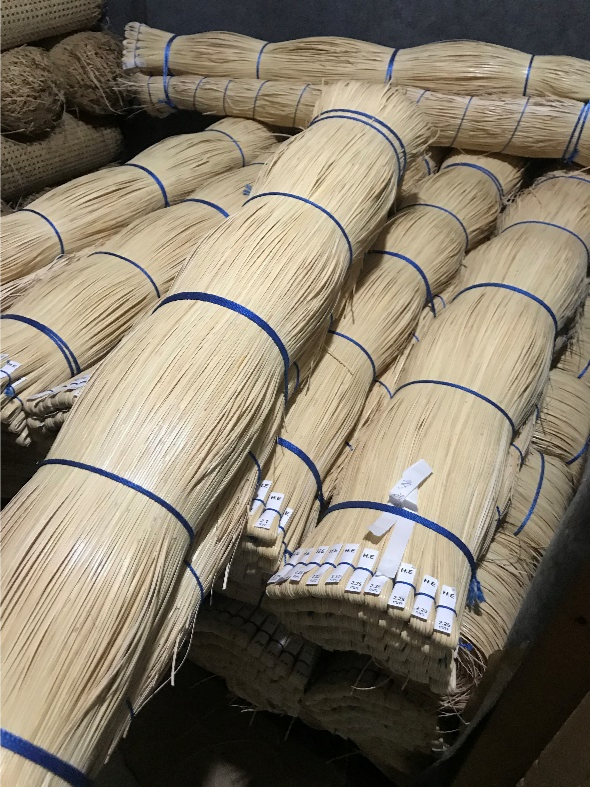
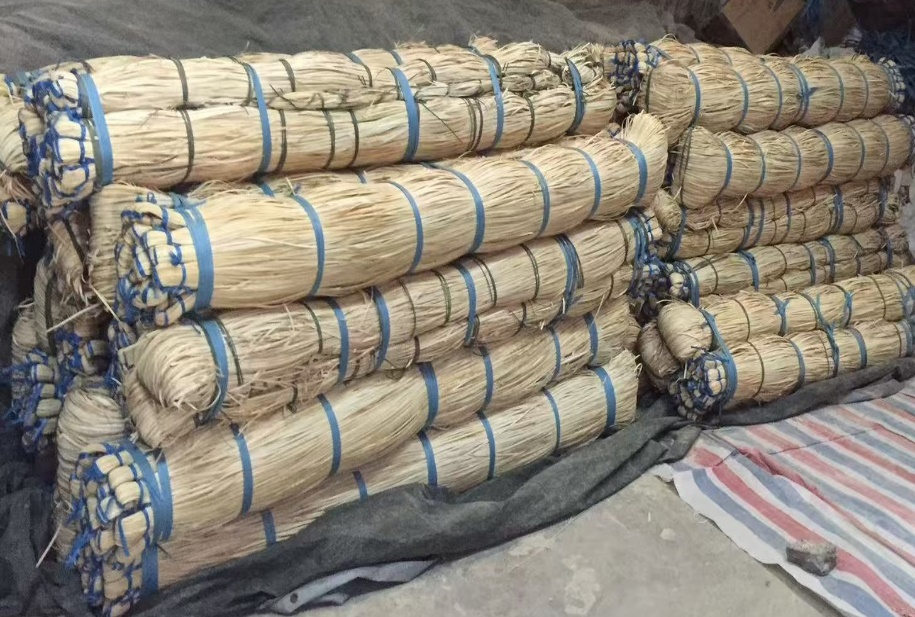
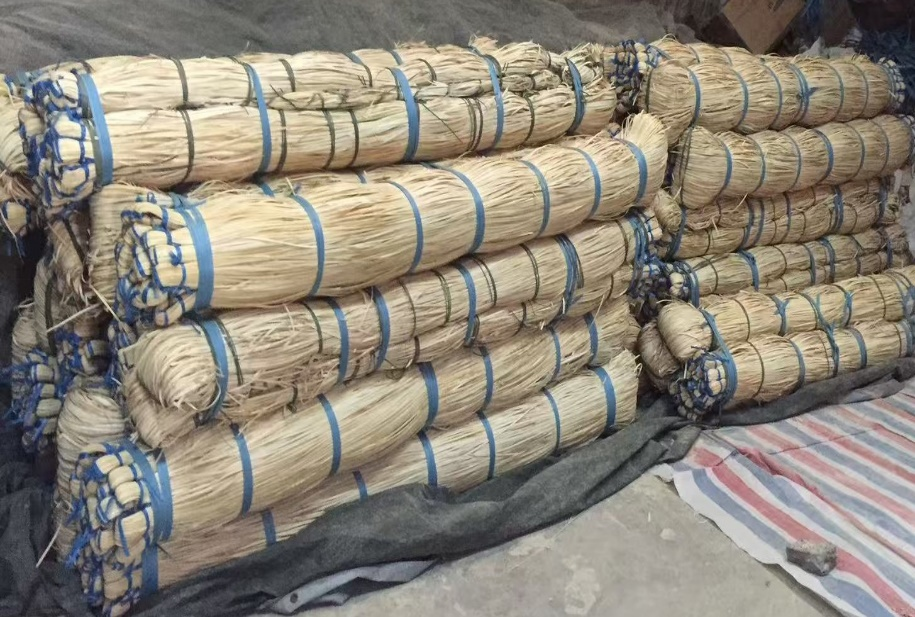
Straight Bale Packing

CONTAINER LOADING

Available in 1.5 m or 3 m straight lengths for factory use.

PACKING BASIS

Confirm size · grade · quantity · destination

FOR AN ACCURATE QUOTE: size · grade · quantity · coil or straight format · destination port

Frequently Asked Questions

1. What is a cane on a chair?
Cane refers to the rattan palm’s outer bark, woven into seats/backs for rattan chair cane furniture. This traditional technique creates durable, breathable seating with natural flexibility.

Yes. Rattan is the plant’s solid core used for frames, while premium chair cane comes from its peelable bark for weaving. Both are durable but serve different structural purposes.

Properly maintained woven rattan cane lasts 10+ years. It resists splitting better than bamboo but avoid excess moisture and weight to prevent sagging over time.
Unfinished rattan chair canes are porous and vulnerable to humidity. Without regular care (oiling/UV protection), prolonged exposure may cause cracking or mold in damp climates.
High-grade rattan chair cane has uniform thickness, tight weaves without gaps, and a smooth finish. Avoid pieces with splinters or uneven coloring, indicating poor processing.
With proper care, handwoven cane chairs can last decades. Keep them indoors, clean gently with mild soap, and apply linseed oil annually to maintain flexibility.
Cane is ideal for intricate weaving (chair seats), while solid rattan cane framing offers structural support. For durability, many quality pieces combine both materials strategically.
Yes. Oiling natural rattan cane annually with teak or linseed oil prevents drying/cracking. Focus on high-friction areas like seat edges to maintain luster and longevity.
REQUEST A QUOTE

Tell Us What You
Need to Weave

Send your specification or a clear application photo. We confirm product, grade and packing basis before pricing.
CHAIR CANE KNOWLEDGE BASE

Rattan Chair Cane Quick Answers

Clear material guidance for furniture makers, restorers and rattan buyers.

DIRECT ANSWER

Rattan chair cane is a narrow weaving strip made from the outer peel of natural rattan. It is used for chair seats, chair backs, furniture restoration and fine binding.

Visible HTML answers

Buyer-focused · AI-readable

01

What is rattan chair cane?

Rattan chair cane is a smooth, narrow strip made from the outer peel of natural rattan and sized for fine furniture weaving.

02

How is chair cane different from rattan peel?

Cane is a processed part of rattan, usually taken from the outer peel. Rattan can refer to the whole plant or to other processed rattan materials.

03

What is the size difference between chair cane and rattan peel?

Chair cane is narrow and precisely sized, commonly from 2.0 to 3.0 mm. Rattan peel is a broader material category and may be shaved or unshaved.

04

What chair cane sizes are available?

Common widths are 2.0, 2.2, 2.25, 2.5 and 3.0 mm, with thicknesses from approximately 0.55 to 0.80 mm.

05

What is natural chair cane used for?

Typical uses include chair seats, chair backs, furniture restoration, fine wrapping and decorative binding.

06

What grades and packing are available?

Common grades include AA, A, AB, B and C. A common packing format is approximately 500 g per coil. Grade and current order requirements should be confirmed before purchase.

07

Can natural chair cane be used outdoors?

Natural chair cane is suitable for indoor use or protected, covered locations. It should not be continuously exposed to rain and strong sunlight.

08

How do I choose replacement chair cane?

Match the original width, thickness, hole or groove size and weave pattern. Send measurements and a close-up photo before ordering for a more accurate recommendation.

Family rattan webbing experience since 1995 · Seafan Rattan established in 2016

REVIEWED 2026

PRODUCTION PROCESS

The Complete Production Journey

Each step in our process requires specialized skills, premium materials, and meticulous attention to detail. This comprehensive approach ensures exceptional quality while explaining the premium investment required.

RAW RATTAN

STEP 01

Premium Indonesian Rattan Import

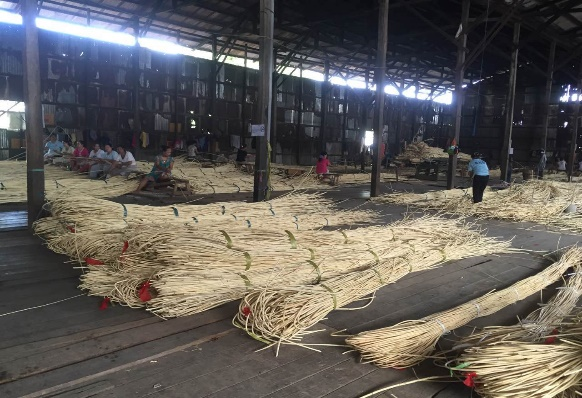
We exclusively import raw rattan material (rattan sticks) from Indonesia, the world’s premier source for high-quality rattan. Only Indonesian rattan possesses the ideal fiber density, flexibility, and natural oils necessary for superior webbing production.

Our Indonesian Operations

Through our partner raw material factories in Indonesia, we ensure direct access to the finest rattan forests. However, supply stability remains challenging due to seasonal variations and environmental factors, contributing to year-over-year price increases.

100%

Indonesian Source

Grade A

Premium Quality

15–20%

Annual Cost Rise

01

Indonesian Raw Materials

Premium rattan sticks sourced exclusively from our Indonesian partner factories

Washing & Initial Sorting

Thorough cleaning and initial size separation process

02

STEP 02

Comprehensive Washing & Initial Sorting

Every rattan stick undergoes intensive washing to remove natural oils, dirt, and surface impurities. Simultaneously, we perform initial size separation to categorize materials by diameter and quality grade, ensuring optimal processing efficiency in subsequent steps.

Multi-Stage Cleaning Process

Our washing system includes soaking baths, rotating brush stations, and controlled drying chambers. This process takes 4–6 hours per batch and requires skilled operators to monitor water quality and cleaning effectiveness.

6h

Process Time

5

Size Categories

99%

Purity Rate
STEP 03

Precision Core & Peel Separation

Specialized machinery separates each rattan stick into its core and peel components. The rattan peel, which becomes our weaving material, is then processed into precise 2.2–2.5mm strips. This mechanical process requires constant calibration and skilled operation to maintain consistency.

Advanced Separation Technology

Our German-engineered separation machines use adjustable blade systems to achieve precise strip widths. Each machine requires a dedicated operator and produces approximately 500 strips per hour with minimal waste.

2.2–2.5mm

Strip Width

500/h

Production Rate

3%

Material Waste

03

Precision Separation

Mechanical separation of rattan core and peel components

Precision Size Control

Final sizing and measurement against the required specification

04

STEP 04

Precision Size Standardization

The rattan peel strips undergo final sizing through specialized machinery to achieve our exact 2.2–2.4mm specification. This critical step ensures uniform weaving tension and consistent final product quality. Any deviation in strip width affects the entire webbing structure.

High-Precision Calibration

Our calibration machines use laser measurement systems to verify each strip meets our exacting standards. Strips outside tolerance are automatically rejected, maintaining our 99.5% consistency rate but adding to material costs.

±0.1mm

Tolerance

99.5%

Accuracy Rate

800/h

Processing Speed
STEP 05

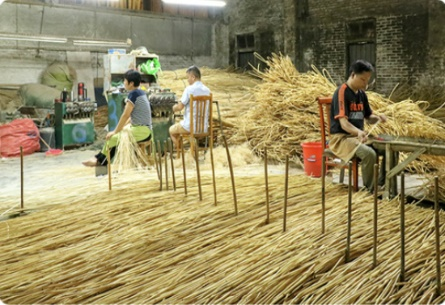
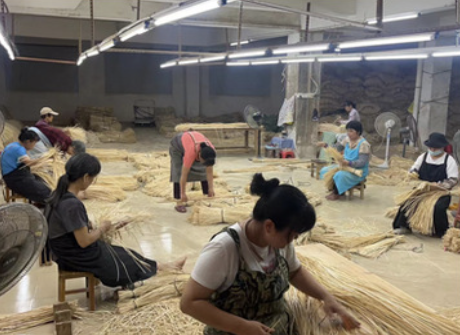
Meticulous Hand Selection

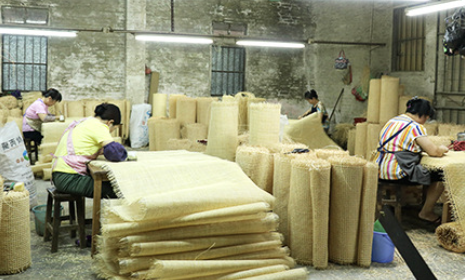
Our skilled quality control specialists manually inspect every rattan strip, removing any pieces with imperfections, inconsistent color, or structural weaknesses. This entirely manual process ensures only premium-grade materials proceed to weaving, directly impacting our labor costs.

Expert Quality Assessment

Each quality control specialist undergoes 6 months of training to identify subtle defects. They can process approximately 2,000 strips per day, rejecting 10–15% of materials to maintain our quality standards.
100%

Manual Check

10–15%

Rejection Rate

2000/day

Inspector Output

05

Manual Quality Control

Hand-sorting to remove defective strips and ensure premium quality

Roll Preparation

Hand-rolling 300 individual strips required for each machine setup

06

STEP 06

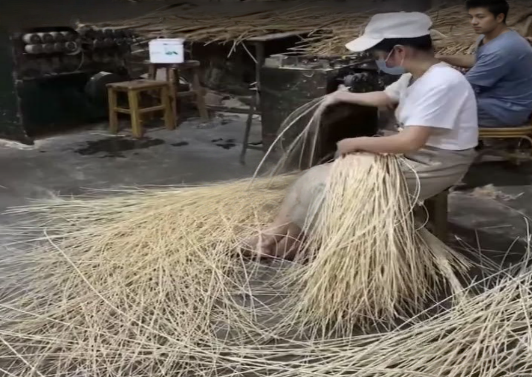
Labor-Intensive Roll Preparation

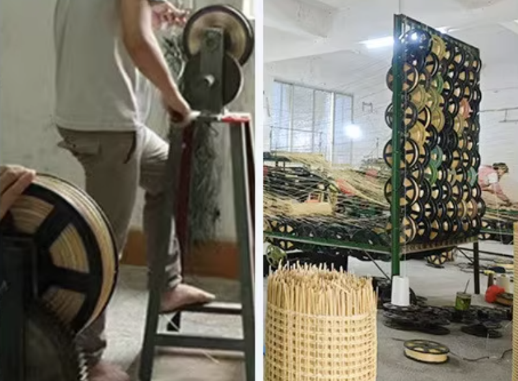
Workers must hand-roll the approved rattan strips into individual coils. Each weaving machine requires approximately 300 prepared rolls before operation can begin. This preparatory work is entirely manual and represents a significant portion of our labor investment.

Skilled Manual Labor

Each worker can prepare 60–80 rolls per day, meaning a full machine setup requires 4–5 worker-days of preparation time. The rolls must be perfectly uniform to ensure smooth machine operation and consistent tension.

300

Rolls / Machine

70/day

Worker Output

4–5 days

Setup Time
STEP 07

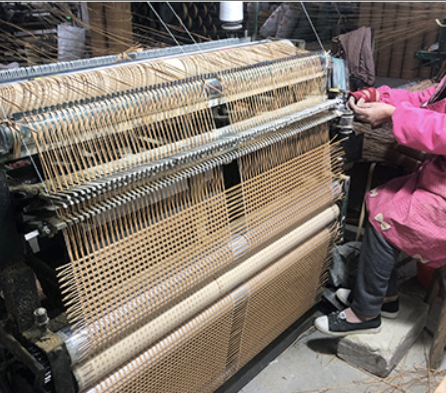
Precision Machine Weaving

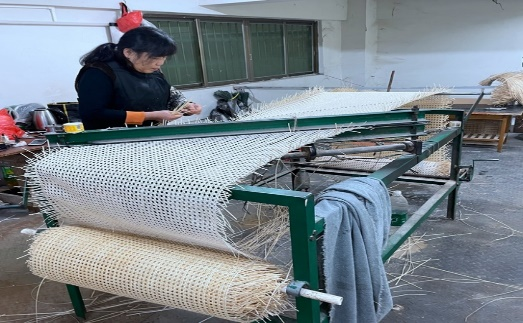
Our specialized weaving machines create the foundational structure of the rattan webbing. Each machine can produce approximately 20 rolls per day, requiring constant operator supervision and frequent adjustments. The limited daily output directly contributes to our pricing structure.

Complex Machine Operations

Each weaving machine requires a skilled operator who monitors tension, adjusts weave patterns, and performs real-time quality control. Machine maintenance and setup changes add significant overhead to production costs.

20

Rolls / Day

1:1

Operator Ratio

8h

Operation Time

07

Machine Weaving

Specialized machinery producing 20 rolls per day per machine

Master Hand Weaving

Skilled artisans completing intricate weaving details by hand

08

STEP 08

Master Hand Weaving Craftsmanship

We exclusively import raw rattan material (rattan sticks) from Indonesia, the world’s premier source for high-quality rattan. Only Indonesian rattan possesses the ideal fiber density, flexibility, and natural oils necessary for superior webbing production.

Artisan Expertise

Our master weavers train for 2–3 years to achieve the precision and speed required for this work. Each artisan produces only 1 standard roll per day, making skilled labor our most significant cost factor.

1 roll

Daily Output

2–3 years

Training Time

2+ days

Large Roll Time
STEP 09

Comprehensive Quality Control & Repair

Every completed webbing undergoes thorough inspection for structural integrity, pattern consistency, and material flaws. Because rattan is a natural material, minor imperfections are inevitable and must be skillfully repaired before shipment, adding additional labor costs.

Multi-Point Inspection

Our quality control team inspects every square inch of webbing, checking for loose weaves, broken strips, and pattern irregularities. Repairs require the same skill level as original weaving.

100%

Inspection Rate

20–30%

Repair Required

2h

Avg Repair Time

09

Quality Inspection & Repair

Comprehensive quality check and skilled repair of any imperfections

Solar Drying & Packaging

Natural sun-drying and careful packaging for shipment

10

STEP 10

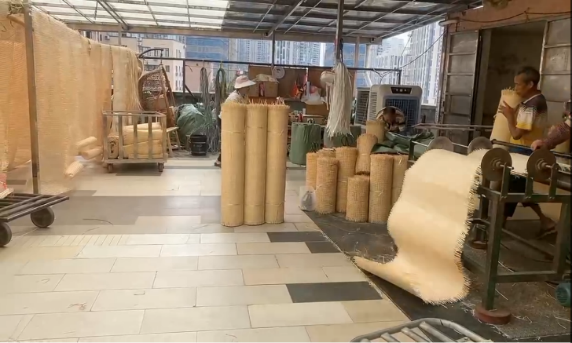
Final Solar Drying & Packaging

All completed webbing undergoes natural solar drying to achieve optimal moisture content for long-term stability. The drying process takes 2–3 days depending on weather conditions, after which we carefully package each roll for safe international shipment.

Climate-Controlled Process

Our solar drying facility covers 2,000㎡ with adjustable ventilation and weather protection. Each roll is positioned and monitored to ensure uniform drying without warping or cracking.

2–3 days

Drying Time

12–15%

Final Moisture

2,000㎡

Drying Area

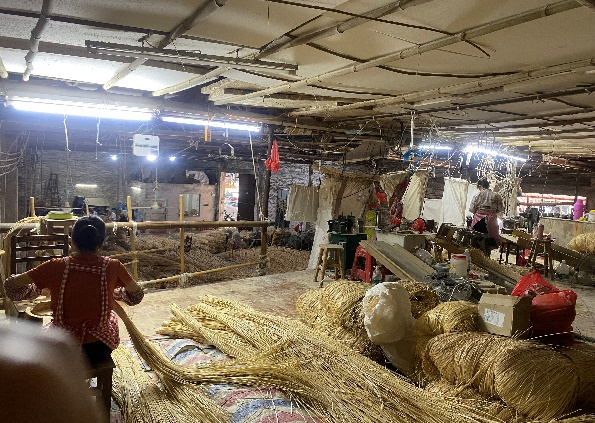
Real Production · Skilled Work · Consistent Quality

Every stage contributes to the final quality, consistency and production cost.
FROM RAW RATTAN

TO READY-TO-SHIP WEBBING