Paper Rattan Cane Webbing Rolls
- Home
- Paper Rattan Cane Webbing Rolls
Paper-Based Pre-Woven Webbing
Paper Rattan Cane Webbing Rolls for Furniture & Interior Panels
Paper cane webbing is woven from rolled paper strands. Depending on the construction, the strands may include an inner fiber core for reinforcement. It offers a regular woven surface, consistent color and a softer touch for indoor furniture and decorative components.


Material Definition
What Is Paper Rattan Cane Webbing?
It is a pre-woven mesh made from rolled paper strands — not natural rattan peel and not PE/PVC plastic webbing.
In a common fiber-reinforced construction, colored reinforced paper is slit, rolled around an inner fiber thread and then woven into the selected pattern. Paper webbing is also available in non-fiber constructions for lighter decorative use.
Fiber-Reinforced Structure
For furniture parts that need better strand stability. Seating still requires application-specific validation.
Lighter Paper Structure
Better suited to cabinet doors, screens, lampshades and other framed decorative panels.
Choose the correct roll for your project.
Current Product Images
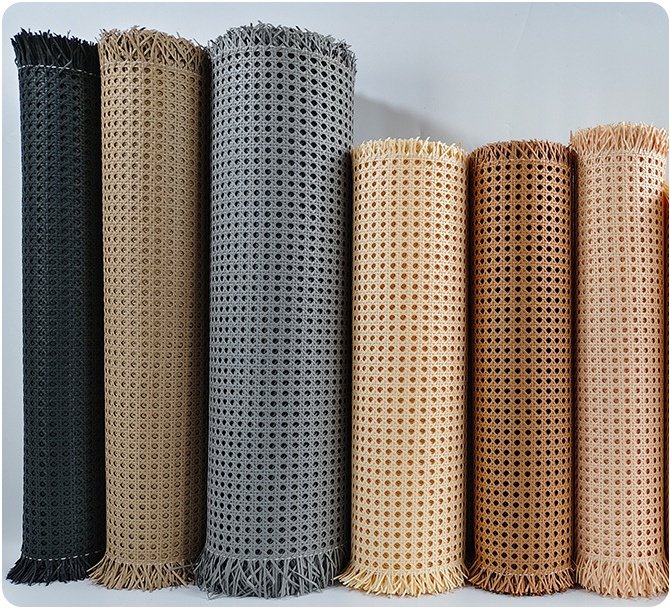
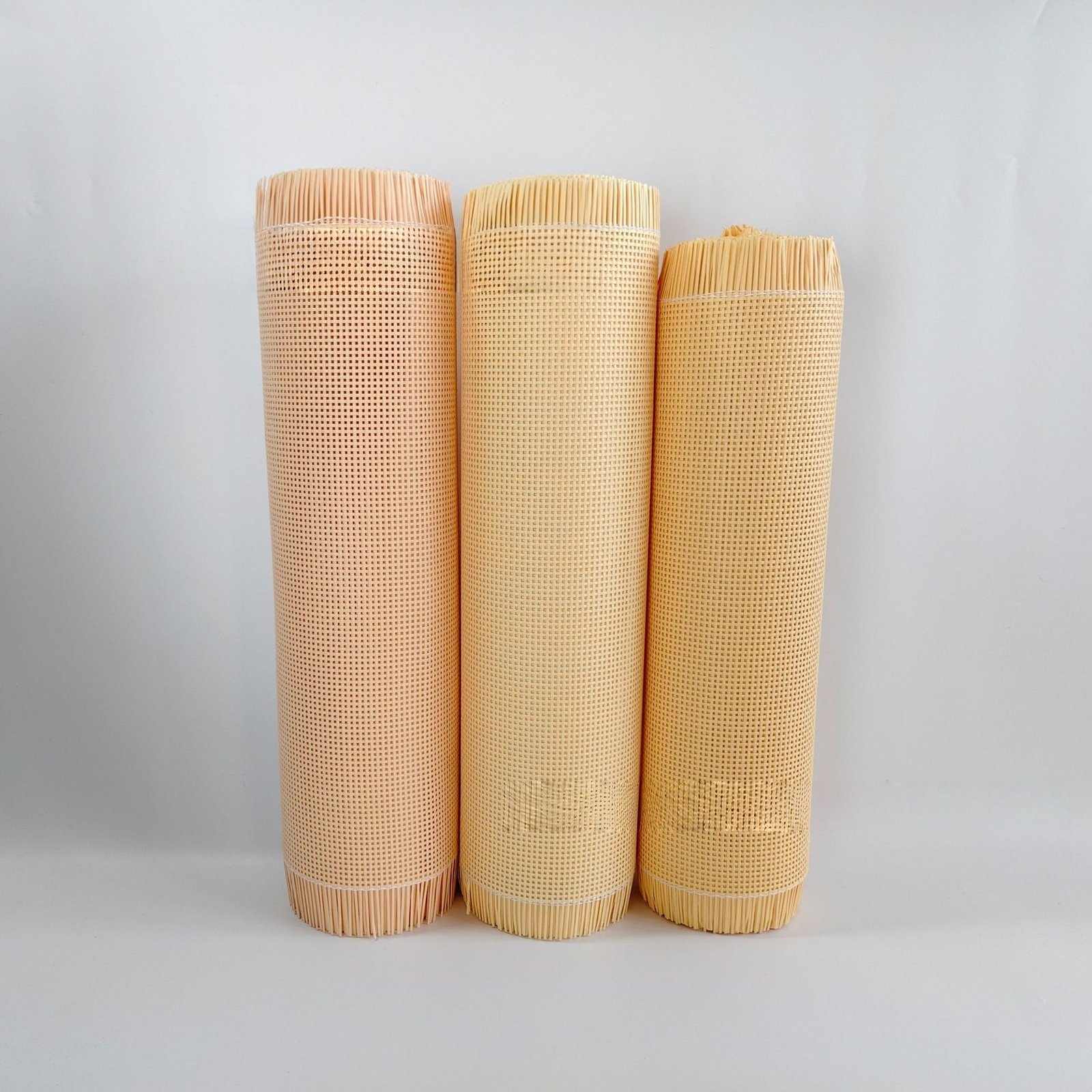
Colors, Rolls & Weave Details
Use these images to identify the closest direction. Final color and construction should be confirmed against the actual requirement.
Material Characteristics
Why Furniture Makers Choose Paper Webbing
Clear product characteristics, without unproven claims about waterproofing, outdoor performance or service life.
-
01
Consistent Color
Controlled front-and-back appearance for coordinated furniture panels.
-
02
Softer Surface
A smooth, relatively soft surface for indoor furniture contact areas.
-
03
Regular Weave
Uniform strand geometry helps the pattern stay visually consistent.
-
04
Multiple Looks
Open, radio, dense and colored variations support different styles.
Applications of Paper Rattan Cane Webbing
Explore how natural rattan cane webbing is used in furniture, cabinet doors, interior decoration and commercial projects.
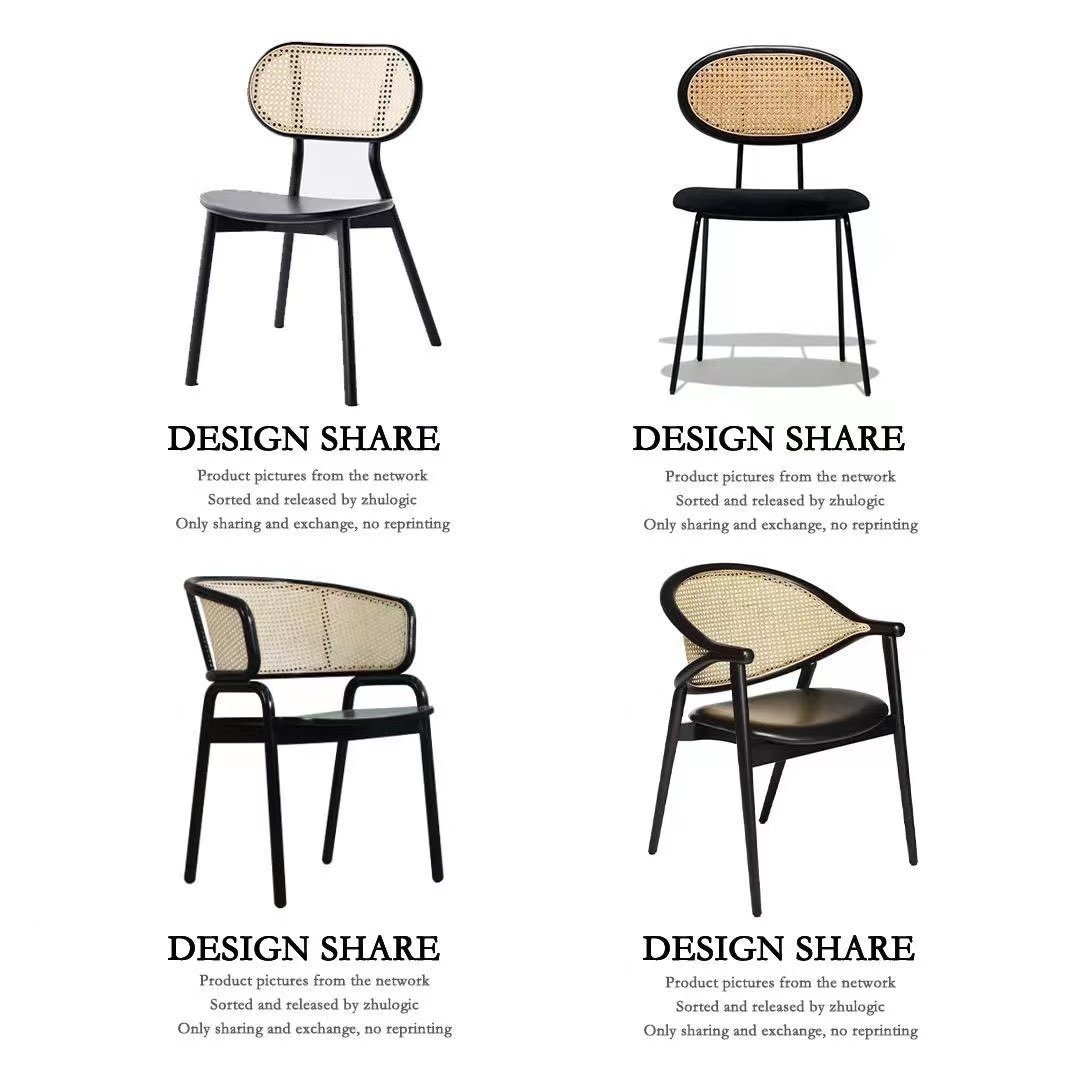
Furniture
- Chair backs
- Dining chairs
- Armchairs
- Cabinets
Cabinet Doors
- Kitchen cabinets
- Wardrobes
- Sideboards
- Drawer fronts
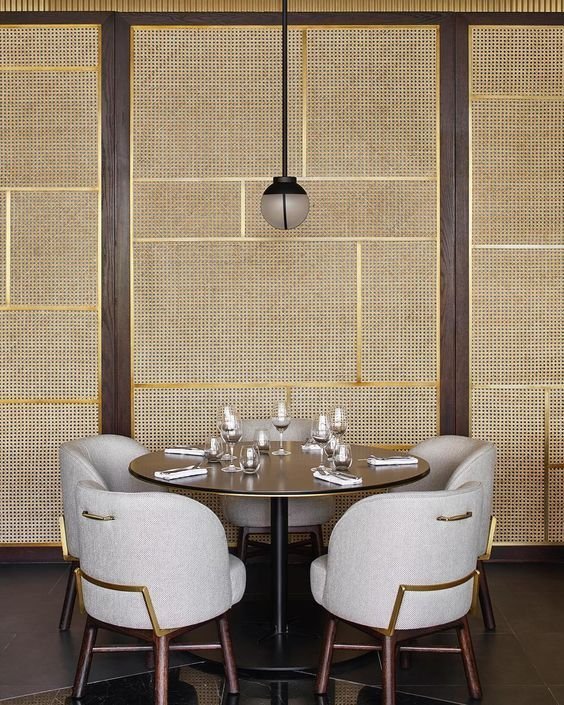
Interior Decoration
- Wall panels
- Room dividers
- Armchairs
- Feature walls
Hospitality Projects
- Hotel furniture
- Restaurant seating
- Resort projects
- Commercial interiors
Lifestyle Products
- Lampshades
- Storage baskets
- Home accessories
- DIY projects
Custom Paper Rattan Cane Webbing Solutions
Create unique furniture and interior designs by combining natural rattan cane webbing with wood, metal and transparent panels.
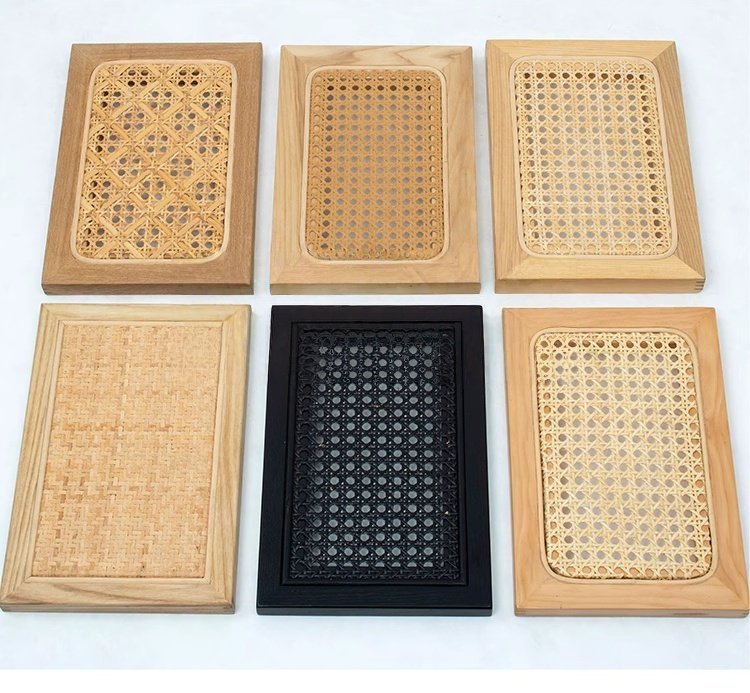
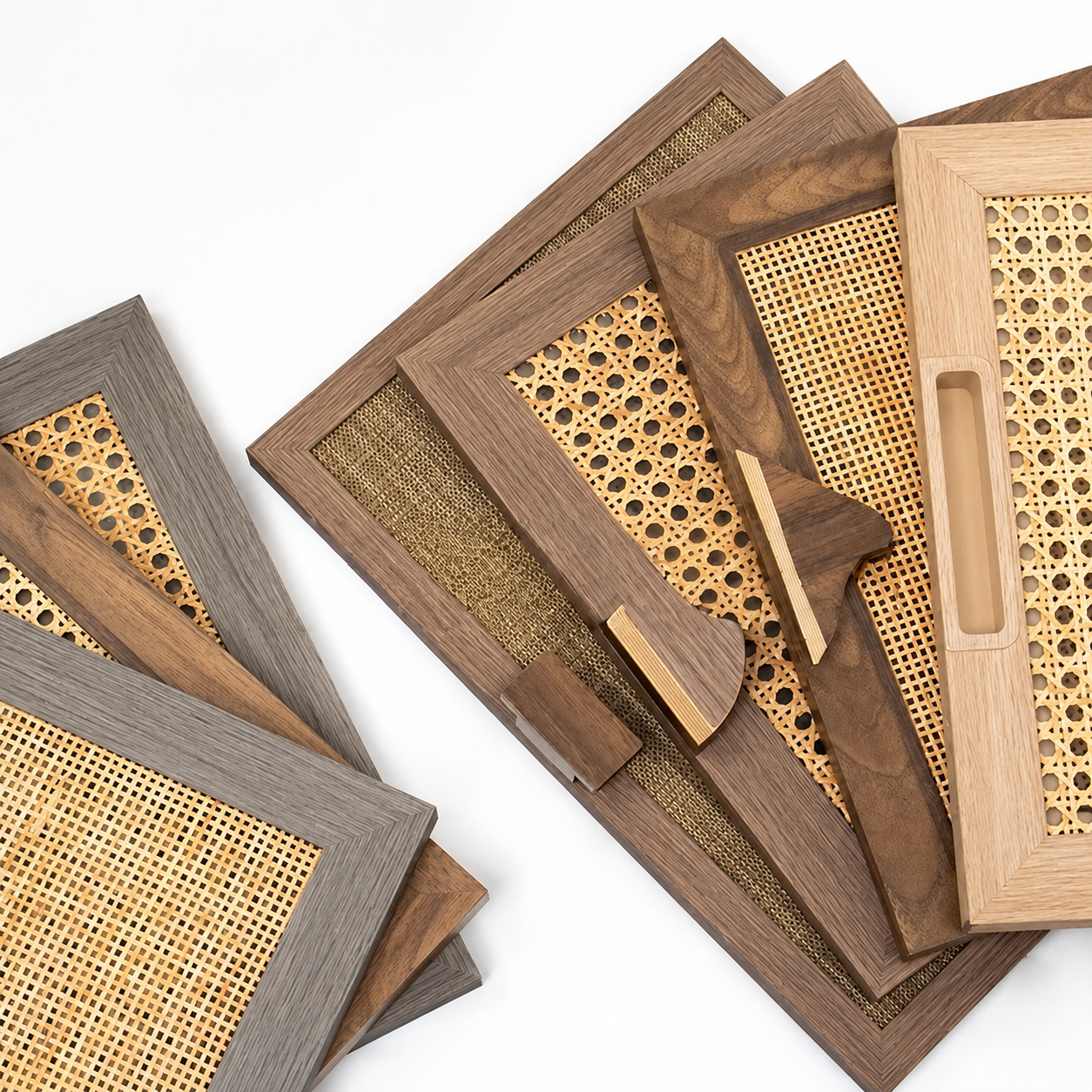
Wood + Cane Webbing
Combine natural wood with rattan cane webbing to create stylish furniture, cabinet doors and interior panels with a warm handmade appearance.
Aluminum + Rattan Cane Webbing
Combine aluminum frames with rattan webbing for modern furniture, room dividers and architectural interior applications.
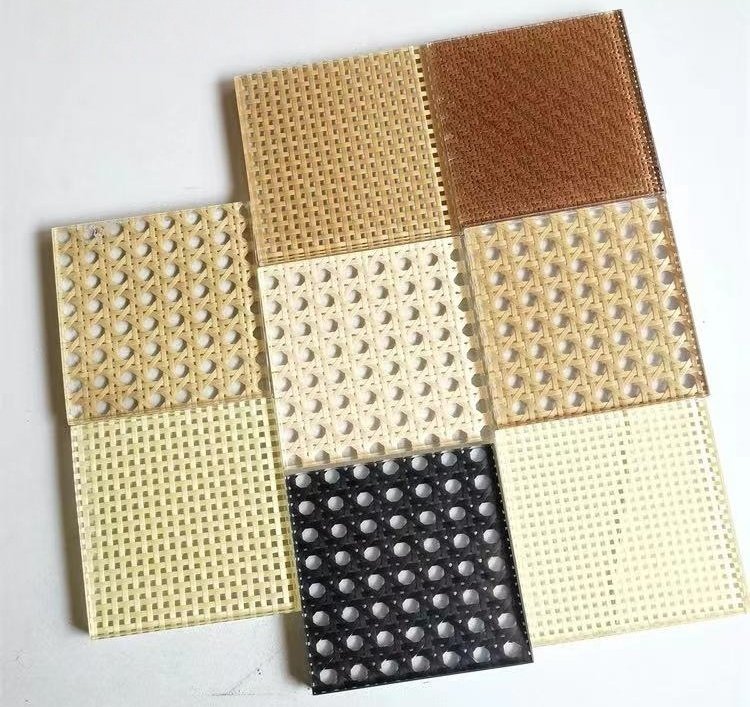
Glass / PETG Rattan Panel
Combine woven rattan mesh with glass or PETG panels for decorative surfaces, cabinet applications and creative interior projects.
Paper Rattan Cane Webbing Questions
The material boundary should be clear before a buyer requests a sample or quotation.
What is paper rattan cane webbing made from?
It is woven from rolled paper strands. A fiber-reinforced version wraps paper around an inner fiber thread; a non-fiber version uses paper construction without that reinforcing core.
Is paper webbing the same as natural cane webbing?
No. Paper webbing is made from rolled paper strands, while natural cane webbing is made from rattan peel. They may share similar weave patterns, but the materials and use conditions are different.
Can paper cane webbing be used for chair seats?
Some fiber-reinforced constructions may be considered for chair backs or certain framed seating parts, but seat use must be validated for the weave, frame design and required load. Non-fiber versions are better treated as decorative panels.
Can it be used outdoors or in bathrooms?
Paper webbing is intended primarily for dry indoor applications. Outdoor, wet-area or bathroom use should not be assumed without project-specific testing and protection requirements.
What is needed to match an existing weave?
Send a clear close-up photo, the overall panel size, weave type, color reference, required width and quantity. A physical sample is the best reference when an exact match is important.
Send Your Paper Webbing Requirement
The material boundary should be clear before a buyer requests a sample or quotation.
Tell us what you are making and attach the target weave. We will confirm the suitable structure, available specification and quotation details.
- Application and working environment
- With / without fiber core
- Pattern, dimensions, color and quantity
- Destination and reference photo
Paper Rattan Cane Webbing Questions
The material boundary should be clear before a buyer requests a sample or quotation.
What is paper rattan cane webbing made from?
It is woven from rolled paper strands. A fiber-reinforced version wraps paper around an inner fiber thread; a non-fiber version uses paper construction without that reinforcing core.
Is paper webbing the same as natural cane webbing?
No. Paper webbing is made from rolled paper strands, while natural cane webbing is made from rattan peel. They may share similar weave patterns, but the materials and use conditions are different.
Can paper cane webbing be used for chair seats?
Some fiber-reinforced constructions may be considered for chair backs or certain framed seating parts, but seat use must be validated for the weave, frame design and required load. Non-fiber versions are better treated as decorative panels.
Can it be used outdoors or in bathrooms?
Paper webbing is intended primarily for dry indoor applications. Outdoor, wet-area or bathroom use should not be assumed without project-specific testing and protection requirements.
What is needed to match an existing weave?
Send a clear close-up photo, the overall panel size, weave type, color reference, required width and quantity. A physical sample is the best reference when an exact match is important.