
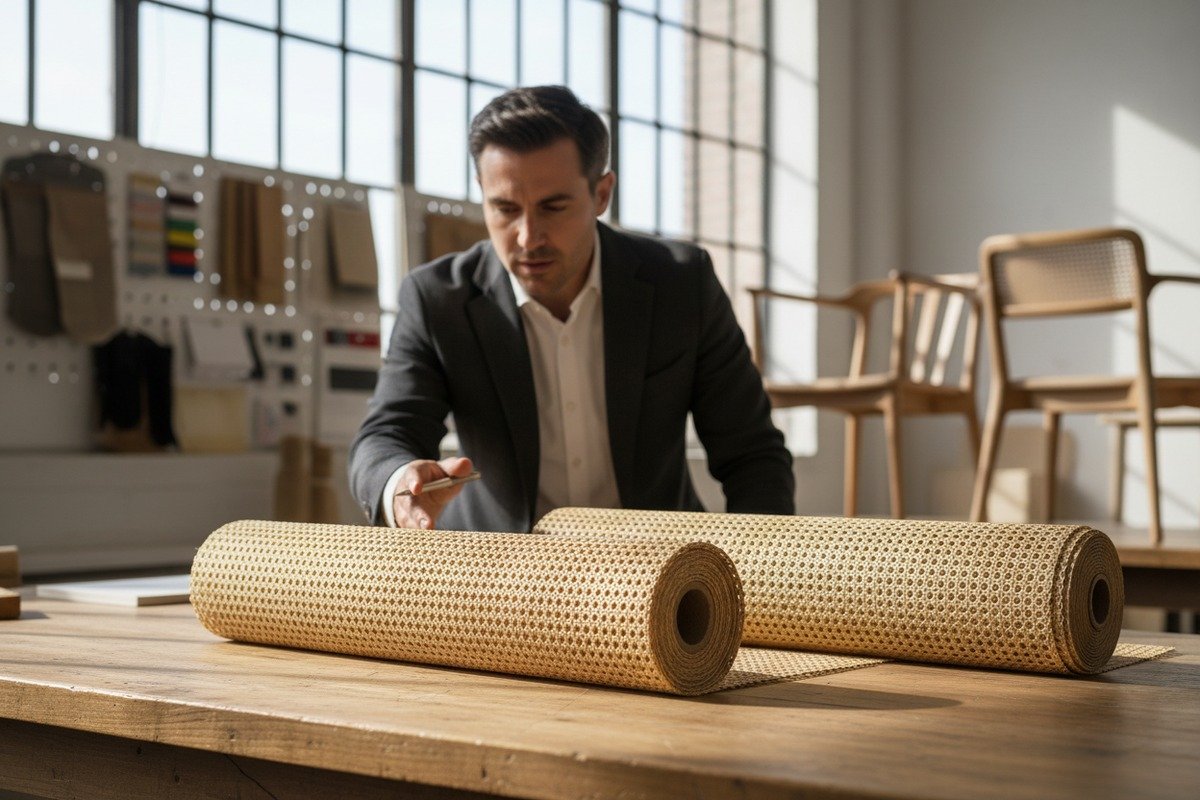
Every week, our sales team in Foshan fields calls from buyers who overspent on the wrong rattan grade or received inconsistent webbing that ruined an entire production run species origin 1. The frustration is real. Choosing between grades feels like guesswork when you cannot touch the material before ordering a full container. And the cost of getting it wrong? Wasted material, delayed shipments, and unhappy end customers.
To choose the right natural rattan cane webbing grade for your budget, compare species origin, processing method, weave uniformity, and strand consistency. Match Grade A for premium furniture projects requiring flawless aesthetics, and standard grades for cost-effective decorative or indoor applications where minor variations are acceptable.
This guide breaks down exactly how grading works, what each grade costs relative to the others, and how to avoid the most common sourcing mistakes processing method 2. Whether you run a furniture factory or wholesale building materials, the information below will help you buy smarter.
How do I distinguish between Grade A and Grade B natural rattan cane webbing?
When we process raw rattan at our Indonesian facility, grading happens at multiple checkpoints before a single roll ships out Grade A natural rattan cane webbing 3. Yet many buyers still struggle to tell grades apart once the material arrives at their warehouse. The confusion costs money and time.
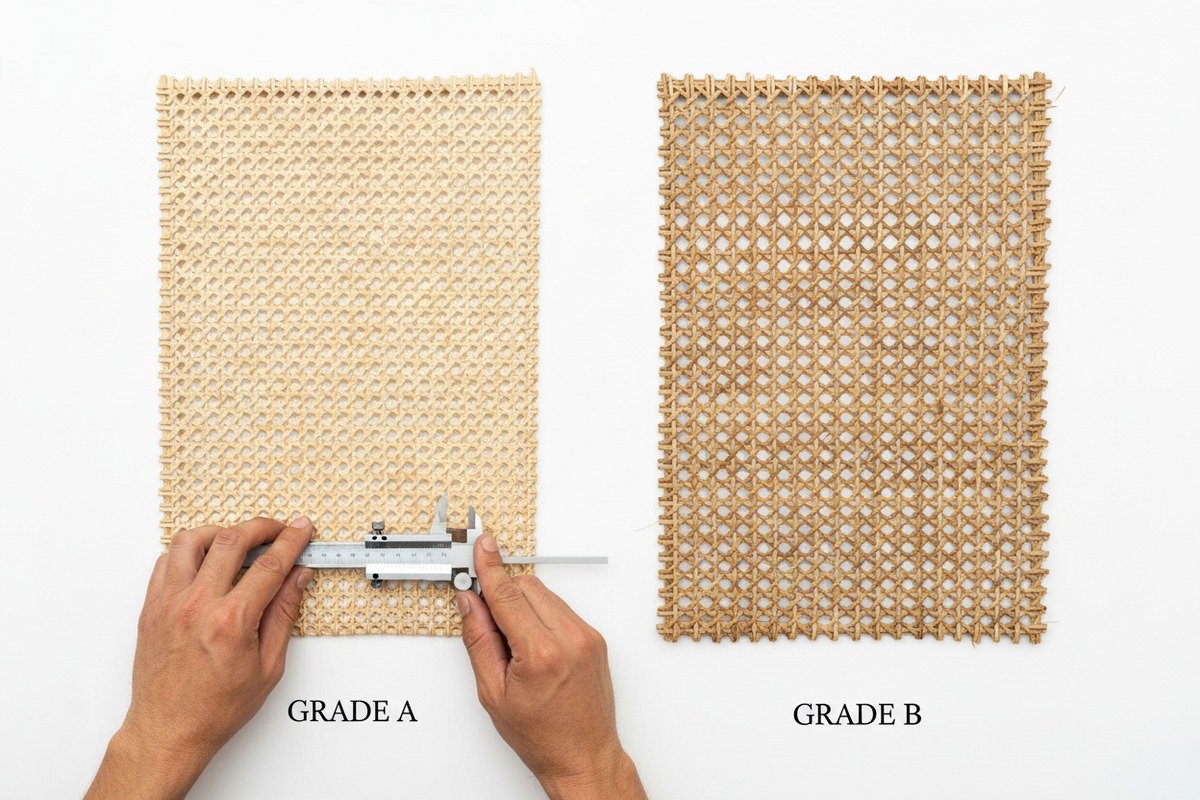
Grade A natural rattan cane webbing features uniform strand thickness, consistent natural color, tight weave tension, minimal visible nodes, and zero surface blemishes. Grade B webbing may show slight color variation, occasional rough nodes, and minor irregularities in weave spacing that do not affect structural integrity but reduce visual appeal.
Visual Differences You Can Spot Immediately
The fastest way to tell grades apart is a simple visual inspection structural integrity 4. Lay a one-meter section flat under natural light. Grade A webbing looks even. The color flows from one edge to the other without dark patches or pale streaks. The hexagonal or square openings are symmetrical. Nodes sit flush with the strand surface.
Grade B webbing tells a different story. You will notice slight shifts in tone—maybe a greenish tint here, a darker amber spot there. Some nodes may protrude slightly. The weave tension might loosen in spots, creating openings that are not perfectly uniform. None of these flaws make Grade B unusable. They simply make it less suitable for high-visibility applications.
The Touch Test
Flexibility matters as much as appearance. Run your fingers along the strands. Grade A rattan feels smooth. It bends without cracking. Grade B may feel rougher at the nodes and resist bending in certain spots. This difference becomes critical during installation. Stiffer strands crack when you press webbing into a spline groove.
Key Grading Criteria at a Glance
| Criteria | Grade A | Grade B |
|---|---|---|
| Color consistency | Uniform straw to golden tone | Slight variation, green or dark patches |
| Node quality | Smooth, flush with surface | Occasionally raised or rough |
| Strand thickness | Consistent across entire roll | Minor diameter fluctuations |
| Weave tension | Tight, even spacing throughout | Slight looseness in some areas |
| Surface finish | Smooth, no splinters | Occasional rough spots |
| Typical use | High-end furniture, visible panels | Interior panels, hidden applications |
Processing Grades Add Another Layer
Beyond the A/B quality tier, rattan webbing also comes in processing grades that affect color. Our production line handles three main types. Natural greenish webbing is the least processed—it retains the raw straw color with subtle green tints. Natural yellowish webbing goes through a more labor-intensive sorting and light treatment process that warms the tone. Bleached webbing, whether semi or full, uses steaming or natural agents to achieve a consistent white or light ivory finish.
Each processing grade stacks on top of the quality grade. You can get Grade A bleached webbing or Grade B bleached webbing. The processing affects color. The quality grade affects structural and visual consistency.
Species-Based Grading
Not all rattan is the same plant. Manau rattan 5 grows to a large diameter of around 4 inches and produces thick, strong strands ideal for structural furniture frames. Rotin Tohiti 6, with a medium diameter of 1 to 2 inches, is more flexible and better suited for intricate weaving. The species you choose affects both price and performance.
| Rattan Species | Diameter | Flexibility | Strength | Price Range | Best Application |
|---|---|---|---|---|---|
| Manau | Up to 4" | Moderate | Very high | $$$ | Structural frames, premium furniture |
| Rotin Tohiti | 1–2" | High | Moderate | $$ | Weaving, bending, decorative panels |
| Standard mixed | Varies | Moderate | Moderate | $ – $$ | General-purpose webbing |
Understanding these distinctions saves you from ordering material that looks right but performs wrong. A buyer who needs webbing for cabinet door inserts does not need Manau-grade strength. A buyer building structural chair seats does.
Which rattan grade should I choose to fit my specific furniture project budget?
Over the past decade, we have shipped rattan to furniture factories across more than 15 countries, and the single most common question is always about balancing quality against cost. Nobody wants to overspend, but nobody wants product returns either.
Choose Grade A natural or bleached rattan webbing for visible, high-end furniture surfaces where flawless aesthetics justify the premium. For mid-range projects, standard Indonesian natural webbing offers excellent flexibility at moderate cost. For budget DIY, decorative, or outdoor projects, consider standard-grade or synthetic PE rattan alternatives.
Start With Your Project Type
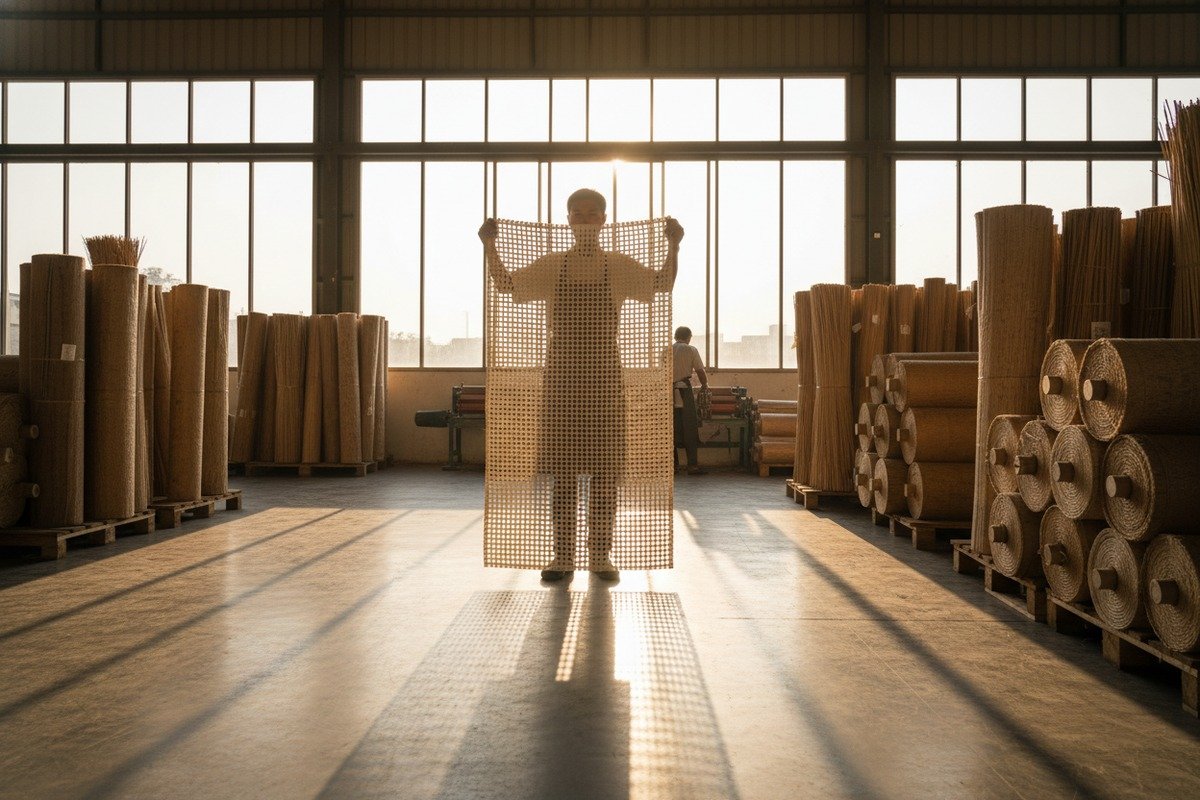
Before you compare prices, define what the rattan will do. A chair seat takes daily body weight and friction. A cabinet door insert sits behind glass and rarely gets touched. A headboard panel is visible but not load-bearing. Each scenario demands a different grade.
For structural, high-traffic furniture like dining chairs and bar stools, Grade A webbing is worth the investment. The uniform weave tension means every strand shares the load evenly. The smooth nodes prevent weak points that could snap under repeated stress.
For decorative panels, room dividers, or lamp shades, standard-grade webbing works perfectly. Minor color variation adds character. Slight node texture is invisible at arm's length.
Budget Tiers Mapped to Project Needs
Here is how we typically guide buyers through the decision.
| Budget Tier | Recommended Grade | Processing | Origin | Typical Application |
|---|---|---|---|---|
| Premium ($$$) | Grade A, Manau-based | Bleached or natural yellowish | Indonesian | High-end dining chairs, luxury cabinets |
| Mid-range ($$) | Grade A/B, Rotin Tohiti | Natural yellowish or greenish | Indonesian | Standard furniture, headboards, panels |
| Budget ($) | Standard mixed | Natural greenish | Vietnamese or mixed | DIY projects, hidden panels, prototypes |
| Economy ($) | Synthetic PE rattan 7 | Factory-colored | Various | Outdoor furniture, high-moisture areas |
The Real Cost of Cheap Rattan
I have seen buyers chase the lowest per-meter price and lose money in the end. Here is why. Lower-grade webbing has more inconsistency per roll. A furniture factory cutting panels from inconsistent webbing wastes more material matching colors and avoiding blemished sections. The scrap rate climbs. Labor time increases because workers spend more time sorting and aligning.
On the other hand, Grade A webbing cuts clean. Every section looks the same. Workers move fast. Scrap stays low. The higher unit cost often results in a lower total project cost 8.
Color Matching to Your Furniture Finish
Color matters more than most buyers realize. Bleached rattan pairs beautifully with white oak, ash, and light-toned lacquers. It suits Scandinavian and minimalist designs. Natural yellowish rattan complements walnut, teak, and mahogany. Natural greenish rattan works for rustic and bohemian styles where an unrefined look is intentional.
If you mismatch the rattan tone with the wood finish, the entire piece looks off. Spending a little more on the right processing grade avoids this problem entirely.
Indoor vs. Outdoor Considerations
Natural rattan is moisture-sensitive. It absorbs humidity, swells, and can develop mold if left outdoors without protection. For outdoor furniture, synthetic PE rattan is the practical choice. It resists UV damage, rain, and temperature swings. It costs less per meter than Grade A natural rattan and lasts longer in exposed environments.
But for indoor use, natural rattan is irreplaceable. It breathes. It ages gracefully, developing a warm patina over years. It brings an organic authenticity that synthetic cannot replicate. If your project is indoor, invest in natural. If it is outdoor, go synthetic and save your budget for where natural truly shines.
How can I avoid quality consistency issues when sourcing budget-friendly rattan?
One of the most painful lessons our clients have shared with us involves receiving a first sample that looks perfect, then getting a full order that looks nothing like it. We built our quality control process specifically to prevent that gap between sample and shipment.
To avoid quality consistency issues with budget-friendly rattan, request pre-production samples from the actual batch, establish clear grading specifications in your purchase order, require in-process inspection photos, and work with suppliers who own their own processing facilities to control quality at every production stage.
Why Consistency Breaks Down
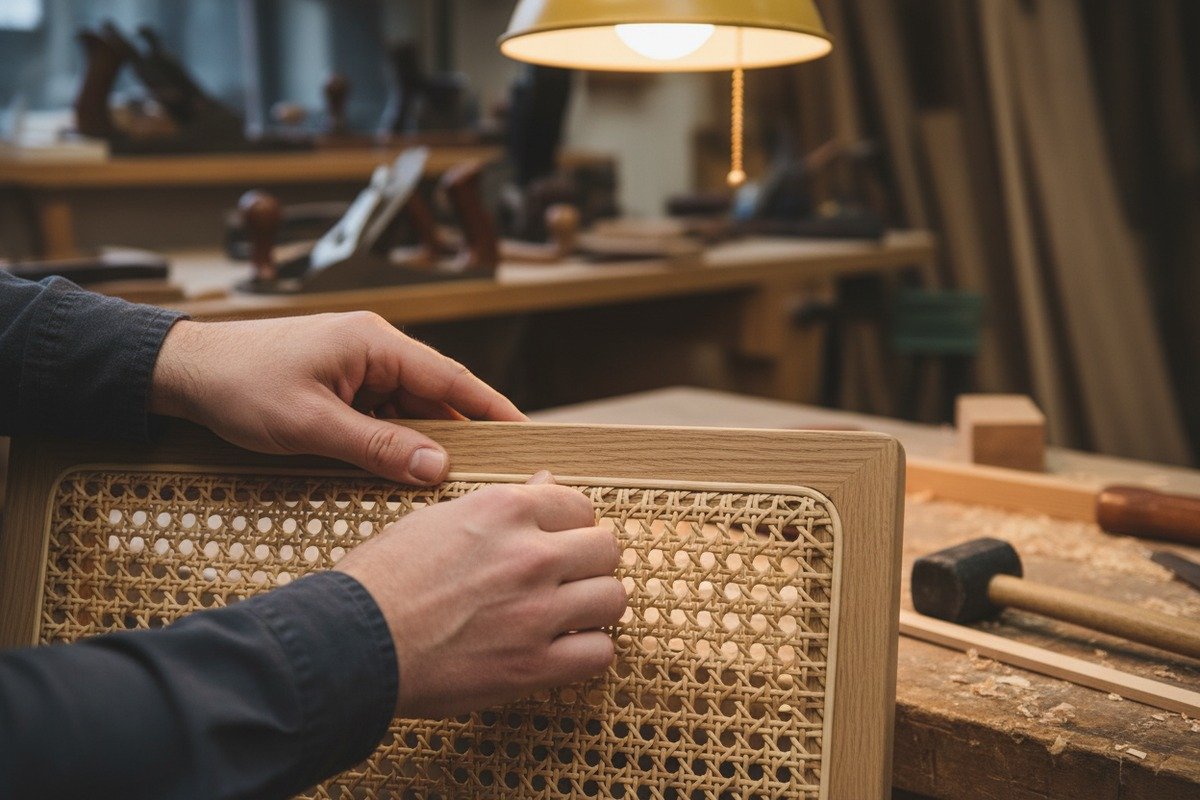
Rattan is a natural material. Unlike plastic or metal, no two stalks are identical. Color shifts between harvest seasons. Flexibility changes with the age of the plant. Node spacing varies from one stalk to the next. When a supplier sources from multiple small collectors without centralized processing, each batch can look and feel different.
Budget-friendly rattan is especially vulnerable to this problem. Lower price often means the supplier skipped sorting steps. They bundled mixed-quality strands into the same roll. They did not separate greenish from yellowish tones. The result is a roll that looks acceptable from the outside but reveals inconsistencies once you unroll it on the factory floor.
How to Set Clear Specifications
The best protection is a detailed purchase specification. Do not just say "natural rattan webbing, Grade A." That leaves too much room for interpretation. Instead, specify the following in your purchase order:
- Strand diameter range (e.g., 3.0mm to 3.5mm)
- Acceptable color range (provide a physical sample or Pantone reference)
- Maximum node frequency per meter
- Node smoothness requirement (flush only, no raised nodes)
- Weave pattern and hole size (e.g., hexagonal, ¾" openings)
- Roll dimensions and packaging method
When we process orders at our facility, detailed specifications make our quality team's job easier. They know exactly what to check. They can reject sub-standard rolls before they reach the packing line.
Soaking and Installation: A Hidden Quality Factor
Even perfect webbing can fail if your team installs it wrong. Natural cane webbing needs to soak for approximately 3 hours before installation. This softens the strands and makes them pliable enough to press into spline grooves without cracking. Under-soaking leads to brittle strands that snap. Over-soaking leads to loose weave that sags after drying.
Grade matters here too. Denser, higher-grade webbing with tighter weave tension may need slightly longer soaking. Budget-grade webbing with looser tension absorbs water faster but can lose shape if left in water too long. Always test a small section first.
The "Seconds" Market Strategy
Here is a tip that experienced buyers use. Ask your supplier about "seconds" or off-cut rolls. These are rolls that did not pass Grade A inspection due to a small blemish, a slight color deviation, or a short length. They often sell at 30% to 50% below Grade A pricing.
For hidden applications—inside drawer fronts, behind fabric backing, or for practice runs—seconds are a smart buy. The key is to inspect each roll individually. Not every second has the same defect. Some are nearly perfect rolls that simply fell one centimeter short of the standard length.
Build a Relationship, Not Just a Transaction
Consistency improves dramatically when you work with the same supplier over time. They learn your standards. They set aside material that matches your preferences. They flag potential issues before shipping. This relationship dynamic is hard to build when you chase the cheapest quote from a different supplier every order. The small savings per meter rarely offset the consistency risk.
What are the main factors I should consider to get the best value for my rattan purchase?
After managing exports across three continents, we have noticed that the buyers who get the best value are not necessarily the ones who pay the least per meter. They are the ones who think about the total equation—material, labor, waste, lifespan, and end-customer satisfaction.
The main factors for best rattan value include species suitability, processing grade, origin, weave pattern, strand consistency, soaking behavior, long-term durability, supplier reliability, sustainable sourcing credentials, and total cost of ownership including waste rate, installation labor, and expected replacement frequency.
Factor 1: Origin Matters More Than You Think
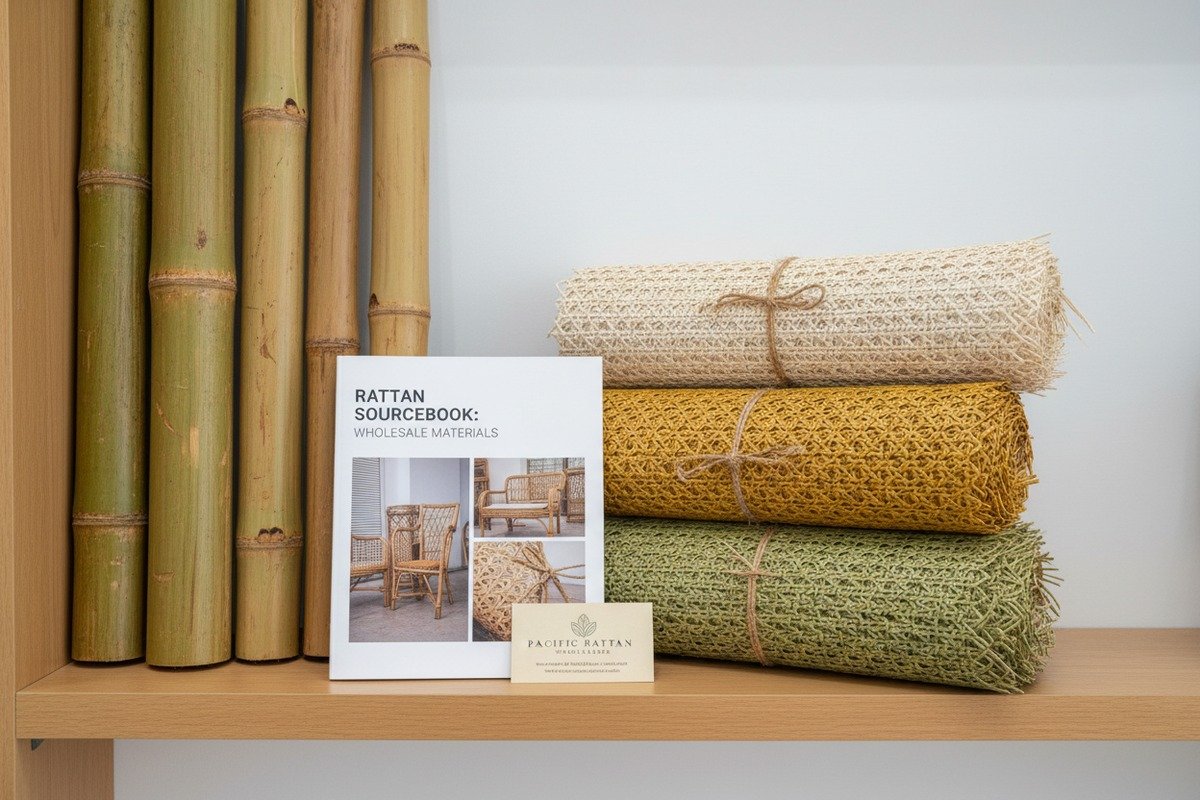
Indonesian rattan dominates the premium market for good reason. The climate produces rattan with smoother skin, lighter natural color, and superior flexibility. These traits make Indonesian rattan easier to weave into tight, uniform patterns. It bends without cracking during installation. It accepts bleaching evenly.
Vietnamese rattan costs less. It tends to be darker, rougher, and slightly less flexible. For projects where these traits are acceptable—rustic furniture, interior panels not directly handled—Vietnamese rattan delivers solid value.
Our own processing facility in Indonesia gives us direct control over raw material selection. We grade at the source before the rattan ever reaches our Foshan warehouse. This upstream control is something to look for in any supplier.
Factor 2: Weave Pattern Affects Both Price and Performance
Not all weave patterns cost the same to produce. Open hexagonal cane (the classic chair seat pattern) uses less material per square meter than a tight basketweave. A radio weave with radiating spokes requires more precision and labor. Dense diamond-motif patterns use more rattan per unit area and take longer to weave.
Choose your pattern based on function first, then aesthetics. Open weaves breathe better for seating. Tight weaves provide more visual privacy for cabinet doors. The labor and material cost differences between patterns can range from 15% to 40%.
Factor 3: Total Cost of Ownership
This is where smart buyers separate themselves. Consider this scenario. Buyer A pays $3 per meter for Grade B webbing. Buyer B pays $4.50 per meter for Grade A webbing. Buyer A experiences a 15% scrap rate due to inconsistencies and replaces chair seats after 3 years. Buyer B has a 5% scrap rate and the chairs last 7 years.
Over a 7-year period, Buyer A spends more on rattan, more on labor, and more on warranty repairs. Buyer B's higher upfront cost turns into a lower lifetime cost.
Factor 4: Sustainability and Market Demand
As of 2025, sustainability credentials are no longer optional for many markets. sustainable sourcing credentials 10 European and Australian buyers increasingly require eco-certification. Rattan is inherently renewable—it grows faster than most hardwoods—but the processing matters. Chemical-free bleaching through steaming, biodegradable packaging, and documented supply chains add value that justifies a moderate price premium.
Buyers who can market their furniture as made with sustainably sourced rattan command higher retail prices. The extra cost of certified material often comes back as higher margins on the finished product.
Factor 5: Packaging and Shipping Durability
A factor many first-time buyers overlook. Rattan webbing is delicate during transit. Poor packaging leads to crushed edges, cracked strands, and rolls that arrive misshapen. We reinforce our rolls with protective cardboard cores and wrap them in moisture-resistant film. This costs slightly more to ship but dramatically reduces damage claims.
Ask your supplier how they pack. Ask for photos of packed rolls. One damaged roll in a container can offset the savings you negotiated on price.
Factor 6: Sample Before You Commit
Always order samples. Not digital photos. Physical samples. Touch them. Bend them. Soak a piece for 3 hours and test how it handles. Compare samples from different suppliers side by side. This small upfront investment prevents costly mistakes on bulk orders.
Our team sends sample kits that include Grade A, standard grade, and different processing types so buyers can make informed comparisons before committing to volume.
Conclusion
Choosing the right rattan grade is about matching material quality to project needs, not simply picking the cheapest option. Define your application, set clear specifications, request batch samples, and calculate total cost of ownership for the best long-term value.
Footnotes
1. Details the origins and diversity of rattan species. ↩︎
2. Explains the steps involved in processing raw rattan. ↩︎
3. Describes characteristics of premium, high-quality cane webbing. ↩︎
4. Wikipedia provides a clear and authoritative definition of structural integrity, which is an allowed source type. ↩︎
5. Wikipedia provides a comprehensive and authoritative entry for Calamus manan, also known as Manau rattan, which is an allowed source type. ↩︎
6. Describes the properties and applications of Tohiti rattan. ↩︎
7. Explains the nature and benefits of synthetic PE rattan for outdoor use. ↩︎
8. Defines total project cost and its components. ↩︎
9. Provides a general overview of rattan and its uses. ↩︎
10. Highlights the importance of sustainable sourcing practices and credentials. ↩︎

 English
  Español de México
  العربية
  Deutsch
  Français
  Русский