
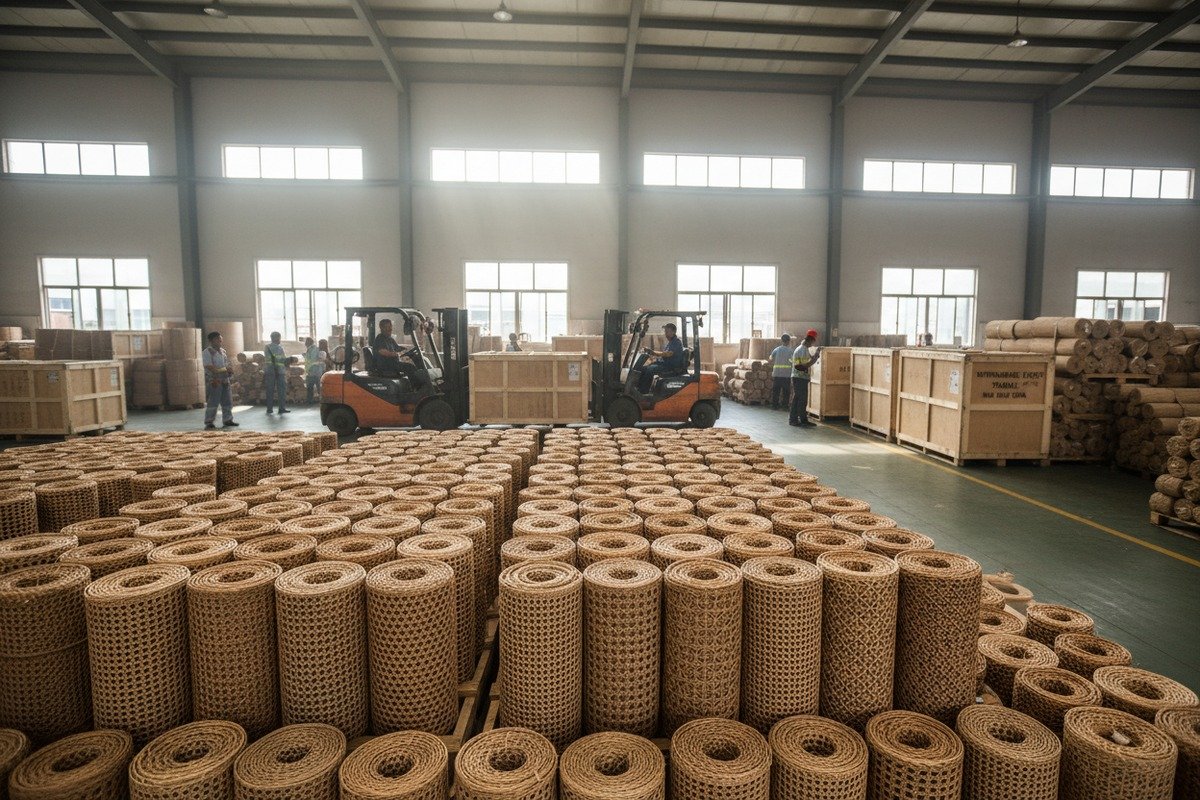
Every year around September, our order board at the Foshan warehouse starts filling up faster than our weavers can keep pace eight distinct stages 1. Buyers who waited too long suddenly face sticker shock and pushed-back ship dates. The pattern repeats like clockwork, yet many importers still get caught off guard.
Peak and off-peak seasons create significant swings in natural rattan cane webbing pricing and lead times. During high-demand months, prices can rise 30–60% while lead times stretch from 2–4 weeks to 10–12 weeks. Off-peak windows offer lower costs and faster turnaround for buyers who plan ahead.
Understanding why these shifts happen—and what you can do about them—can save your business thousands of dollars per container Indonesian export regulations 2. Below, we break down the key factors driving seasonal changes and share practical strategies drawn from years of shipping rattan webbing to over a dozen countries.
How much more will I pay for rattan cane webbing if I order during the peak season?
When we review our price sheets each quarter, the difference between a July quote and an October quote can shock first-time buyers. The numbers are not random. They reflect real pressure on raw materials, labor, and logistics that stack up during the busiest months of the year.
During peak season, natural rattan cane webbing prices typically increase 30–60% compared to off-peak rates. A roll that costs $1.50–$2.00 per square foot in quieter months can climb to $2.50–$4.00 per square foot when demand surges and raw material supply tightens.
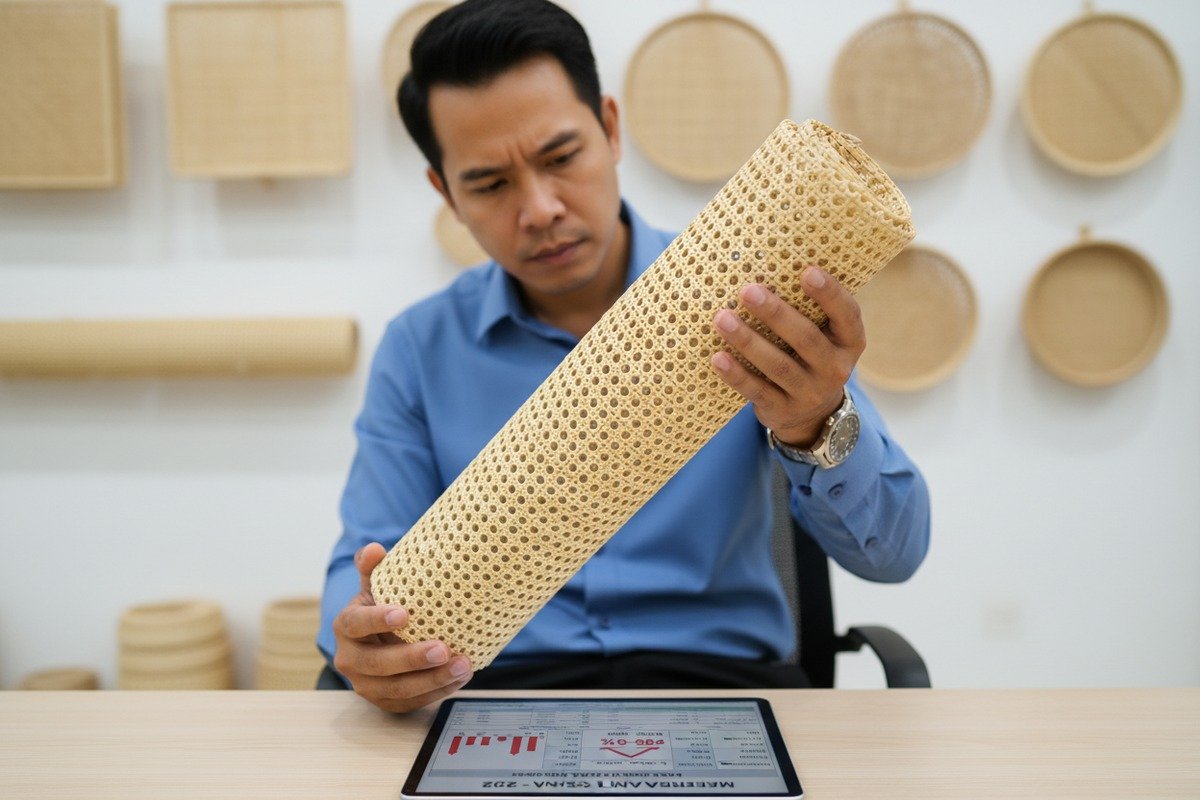
What Drives Peak Season Prices Up?
Several forces push prices higher at the same time. First, raw rattan harvesting 3 in Indonesia follows tropical weather cycles. The dry season runs roughly from May to October. That is when collectors head into the forests. But here is the catch: even though raw rattan arrives in bulk during these months, processing capacity cannot keep up. Our own rattan processing facility in Indonesia faces the same bottleneck. Sorting, peeling, boiling, and drying take time. When orders flood in for Q4 holiday furniture production and Q1 spring home refresh lines, factories compete for finished material.
Second, labor costs spike. A skilled weaver produces one 16-inch roll per day in the handmade "LaHua" finishing phase. You cannot rush that step. During peak months, overtime premiums add 15–25% to labor costs alone.
Third, shipping rates climb. Ocean freight 4 from Southeast Asia to Europe or North America gets more expensive in Q3 and Q4. Container bookings fill fast. Bulky rattan rolls compete for limited space.
Peak vs. Off-Peak Price Breakdown
| Cost Factor | Off-Peak (Jan–Apr) | Peak (Aug–Dec) | Change |
|---|---|---|---|
| Raw rattan per kg | $0.80–$1.20 | $1.20–$1.80 | +40–50% |
| Weaving labor per roll | $3.00–$4.50 | $4.50–$6.00 | +30–35% |
| Bleaching/treatment | $0.50–$0.80 | $0.80–$1.20 | +40–50% |
| Ocean freight (per CBM) | $35–$55 | $55–$90 | +50–65% |
| Final price per sq ft | $1.50–$2.00 | $2.50–$4.00 | +30–60% |
Can You Negotiate During Peak Season?
Honestly, leverage drops when every factory is booked. We tell our long-term partners in the Netherlands and Australia to lock in pricing before August. Spot buyers in October face the highest premiums. The furniture material wholesalers who fare best are those who commit volumes early with a deposit. That gives us a reason to reserve raw material and block weaver schedules before the rush.
One more thing: sustainability certifications 5 are adding a new layer. Indonesian export regulations now require more documentation for legally harvested rattan. During peak season, certification bottlenecks add 1–2 weeks and extra processing fees. This is a cost that did not exist five years ago, but it is real now.
How can I manage my production schedule when lead times increase during busy months?
Our export team fields the same panicked message every November: "We need 500 rolls by Christmas—can you do it?" The honest answer is almost always no. Lead time management is not about finding a faster factory. It is about planning before the crunch hits.
When lead times stretch from 2–4 weeks to 10–12 weeks during peak months, you can protect your production schedule by placing orders 3–4 months ahead, splitting shipments into staged deliveries, and maintaining a buffer stock of your most-used weave patterns.

Why Do Lead Times Expand So Dramatically?
The production of natural rattan cane webbing 6 involves eight distinct stages: sorting, polishing, peeling, drying, splicing, machine weaving, handmade finishing (LaHua), and quality inspection. Each stage depends on the previous one. A delay in drying—common during humid months—cascades through the entire line. In our three factories, we track each stage daily, and we still see 2–3 day slippages per stage during peak season. Multiply that across eight stages for a large order and you are looking at weeks of added time.
Labor availability also plays a role. Many rattan weavers in both Indonesia and China's Foshan region are seasonal or part-time workers. During harvest season or major holidays like Chinese New Year 7 (late January or February), our workforce can shrink by 20–30%.
Practical Strategies for Lead Time Management
Strategy 1: Order in rolling batches. Instead of one massive order in September, place three smaller orders in June, July, and August. This spreads the production load and ensures you receive partial shipments earlier.
Strategy 2: Keep safety stock. We advise our furniture factory clients to maintain 4–6 weeks of safety stock 8 for their top three webbing patterns. The cost of warehousing is far less than the cost of a stopped production line.
Strategy 3: Use off-peak months for custom orders. If you need a special weave pattern, bleached finish, or non-standard width, order it between January and April. Custom work requires more setup time. During peak season, factories prioritize standard products.
Lead Time Comparison by Order Size
| Order Size (Rolls) | Off-Peak Lead Time | Peak Lead Time | Recommended Order Window |
|---|---|---|---|
| 50–100 | 2–3 weeks | 6–8 weeks | 3 months before need |
| 100–300 | 3–4 weeks | 8–10 weeks | 3–4 months before need |
| 300–500 | 4–5 weeks | 10–12 weeks | 4–5 months before need |
| 500+ | 5–6 weeks | 12–14 weeks | 5–6 months before need |
What About Expedited Orders?
Some factories offer rush processing for a premium. In our experience, the surcharge runs 15–25% on top of peak pricing. Even then, "rush" means shaving 1–2 weeks off, not cutting lead time in half. The handmade weaving and drying steps simply cannot be compressed beyond a certain point without compromising quality. A buyer in Turkey once asked us to skip the anti-mildew boiling step to save three days. We refused. That roll would have arrived with mold spots within a month of ocean transit.
Communication is your best tool. We send weekly production updates to our key accounts during busy months. If your supplier does not do this, ask for it. Knowing where your order sits in the pipeline lets you adjust your own production schedule in real time.
What steps should I take to secure my inventory before the off-peak season ends?
We track a clear pattern in our order books: smart buyers place their biggest orders in February and March. They pay less, receive faster, and walk into peak season fully stocked. The buyers who wait until the off-peak window closes end up competing with everyone else for limited supply.
To secure inventory before off-peak ends, place bulk orders by March or early April, lock in pricing with a deposit, confirm shipping schedules with your freight forwarder, and request anti-mildew treatment for any stock that will sit in storage through humid summer months.
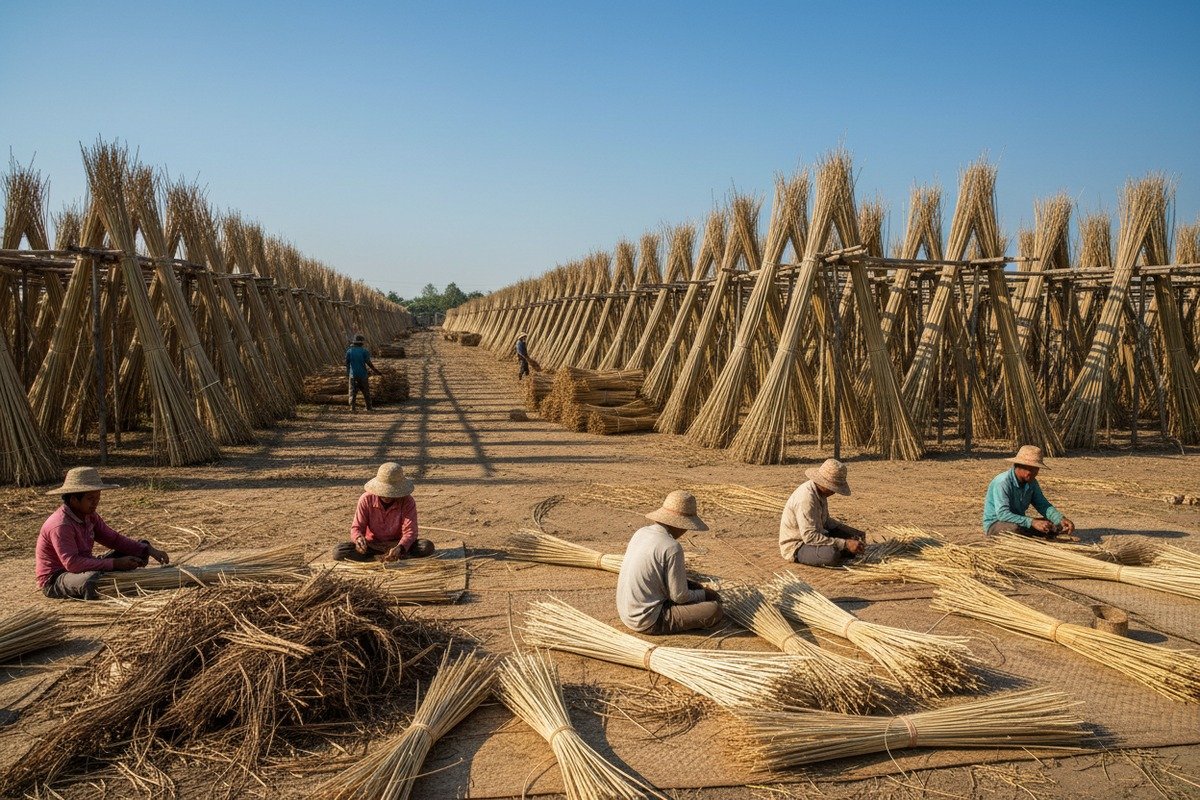
Timing Your Off-Peak Purchases
Off-peak for rattan cane webbing generally falls between November and April. However, the sweet spot for ordering is January through March. Here is why:
- November–December: Factories are still finishing peak season backlogs. Prices start dropping, but lead times remain moderate.
- January–February: Chinese New Year disrupts production for 2–3 weeks. Order before the holiday break to get in the queue early.
- March–April: The best window. Factories are back at full capacity with lighter order books. Prices are at their lowest, and lead times are shortest.
Your Off-Peak Inventory Checklist
- Audit your current stock. Count every roll by weave pattern, width, and finish (natural, bleached, treated). Identify which SKUs run out first during peak demand.
- Forecast peak season needs. Look at your sales data from the previous year. Add 10–15% as a buffer for growth or unexpected orders from your own customers.
- Request quotes early. Contact your supplier in January. At our company, we offer early-bird pricing for orders confirmed before March 15.
- Negotiate payment terms. Off-peak is when you have the most leverage. A 30% deposit with balance before shipment is standard, but some suppliers will offer 60-day terms for large commitments.
- Arrange warehousing. If you do not have your own warehouse, book third-party storage. Make sure the facility has humidity control 9. Rattan absorbs moisture and can develop mildew if stored improperly.
- Specify treatment. For stock that will sit for months, request boiling and anti-mildew treatment. This adds $0.30–$0.50 per square foot but prevents costly damage.
Off-Peak Buying Advantages
| Factor | Off-Peak Advantage | Notes |
|---|---|---|
| Price | 20–40% lower | Factories clear inventory and fill idle capacity |
| Lead time | 2–4 weeks | Minimal order backlog |
| Customization | Easier to accommodate | Weavers have bandwidth for special patterns |
| Quality control | More thorough | Inspectors not rushed; fewer defects |
| Negotiation leverage | Higher | Suppliers eager to book orders |
| Shipping rates | Generally lower | Less container competition |
What If You Miss the Window?
If April passes and you have not placed your order, you are not out of luck—but your options narrow. May and June orders still benefit from moderate pricing, but lead times start creeping up as factories begin booking peak season capacity. By July, you are essentially paying peak rates even though the calendar says summer.
One approach we suggest to our building material wholesaler clients is to maintain a standing annual contract. We agree on volumes and pricing tiers at the start of each year. You call off quantities as needed. This gives you off-peak pricing even during peak months, because we have already allocated your material. It requires commitment, but for buyers doing consistent volumes, it is the most cost-effective strategy.
Why does the Indonesian rainy season matter for my rattan material quality and delivery?
Our processing facility in Indonesia sits right in the supply chain's most weather-sensitive zone. When the monsoon rains arrive in November and do not let up until March or April, everything from harvesting to drying changes. Buyers who ignore this climate reality often pay for it—in delayed shipments, inconsistent material quality, or unexpected cost adjustments.
Indonesia's rainy season (November–April) directly impacts rattan cane webbing by reducing raw material harvesting volumes, extending natural drying times by 1–3 weeks, increasing mildew risk during transit and storage, and sometimes degrading cane flexibility and color consistency.

How Rainfall Affects the Rattan Supply Chain
Rattan grows wild in tropical forests across Kalimantan, Sulawesi, Sumatra, and other Indonesian islands. Collectors—often local villagers—venture into these forests to cut and haul rattan canes. During heavy rains, forest roads become impassable. Rivers flood. Collectors cannot reach the deeper forest areas where the best-quality rattan grows. The result is a 30–50% drop in raw material collection volume during the wettest months.
Even the rattan that does get harvested faces problems. Freshly cut canes have high moisture content. Under normal dry-season conditions, sun-drying takes 3–5 days. During the rainy season, drying can stretch to 10–14 days, or factories must invest in mechanical dryers that increase costs. If canes are not dried properly, they become brittle or develop dark spots that weaken the final webbing product.
Quality Risks from Wet-Season Rattan
From years of running quality checks at our Indonesian facility, we have identified the most common wet-season quality issues:
- Color inconsistency: Rattan dried unevenly shows patches of darker and lighter tones. This is especially noticeable in bleached webbing, where base-color uniformity matters.
- Mildew and fungal growth: High humidity during processing and storage encourages mold. Without proper anti-mildew boiling treatment, spores can develop during the 3–5 week ocean shipment.
- Reduced tensile strength: Over-moisturized canes that are force-dried tend to lose elasticity. The finished webbing may crack or snap when stretched over furniture frames.
- Dimensional instability: Wet rattan shrinks as it dries. If a roll is woven from partially dried canes, it may tighten and distort after reaching the buyer's drier warehouse environment.
How We Mitigate Rainy Season Impact
At our facility, we take several precautions during the wet months. We pre-purchase and stockpile dry-season rattan in large covered warehouses between July and October. This reserve stock carries us through most of the rainy season. We also use dehumidified drying rooms to maintain consistent moisture levels. Every batch gets a moisture meter reading before it enters the weaving stage. Anything above 14% moisture content goes back to drying.
For buyers, the practical takeaway is this: if you order rattan cane webbing that will be processed during November through March, ask your supplier three questions.
- Was the raw rattan harvested during the dry season or the wet season?
- What drying method was used—sun drying, covered air drying, or mechanical?
- Has the finished webbing received anti-mildew treatment?
These questions can prevent quality complaints months down the line.
Delivery Delays Caused by Weather
Beyond quality, the rainy season creates logistics headaches within Indonesia. Trucks carrying raw rattan from rural collection points to coastal factories face road closures and flooding. Port congestion in Surabaya and Jakarta increases during monsoon months. We have seen inland transport times double from 3 days to 6–7 days during heavy rain periods. Add that to already-longer drying schedules, and it is easy to see why rainy season orders take 2–4 weeks longer than dry season ones.
Global shipping compounds the problem. The period from November through February is already a high-traffic window for ocean freight. Combine that with delayed factory output, and you get a perfect storm for missed delivery dates.
Planning around the Indonesian climate is not optional—it is essential for any serious buyer of natural rattan cane webbing.
Conclusion
Seasonal cycles in harvesting, production, and global demand create real price and lead time swings for natural rattan cane webbing. Plan early, buy during off-peak windows, and choose suppliers who manage climate risks at the source.
Footnotes
1. Outlines the comprehensive production workflow for rattan furniture. ↩︎
2. Explains government policies affecting rattan trade and export. ↩︎
3. Describes the sustainable raw rattan harvesting process, including details about cutting vines and regeneration, from an authoritative source. ↩︎
4. Explains the global method of transporting goods by sea. ↩︎
5. Discusses standards and labels for environmentally responsible rattan. ↩︎
6. Defines the core product material and its characteristics. ↩︎
7. Explains the holiday’s impact on manufacturing production and lead times. ↩︎
8. Provides a clear and authoritative definition of safety stock as extra inventory held to reduce the risk of stockouts. ↩︎
9. Essential for preserving product quality in storage and preventing damage. ↩︎
10. Defines a material’s resistance to breaking or permanent deformation under tension. ↩︎

 English
  Español de México
  العربية
  Deutsch
  Français
  Русский