
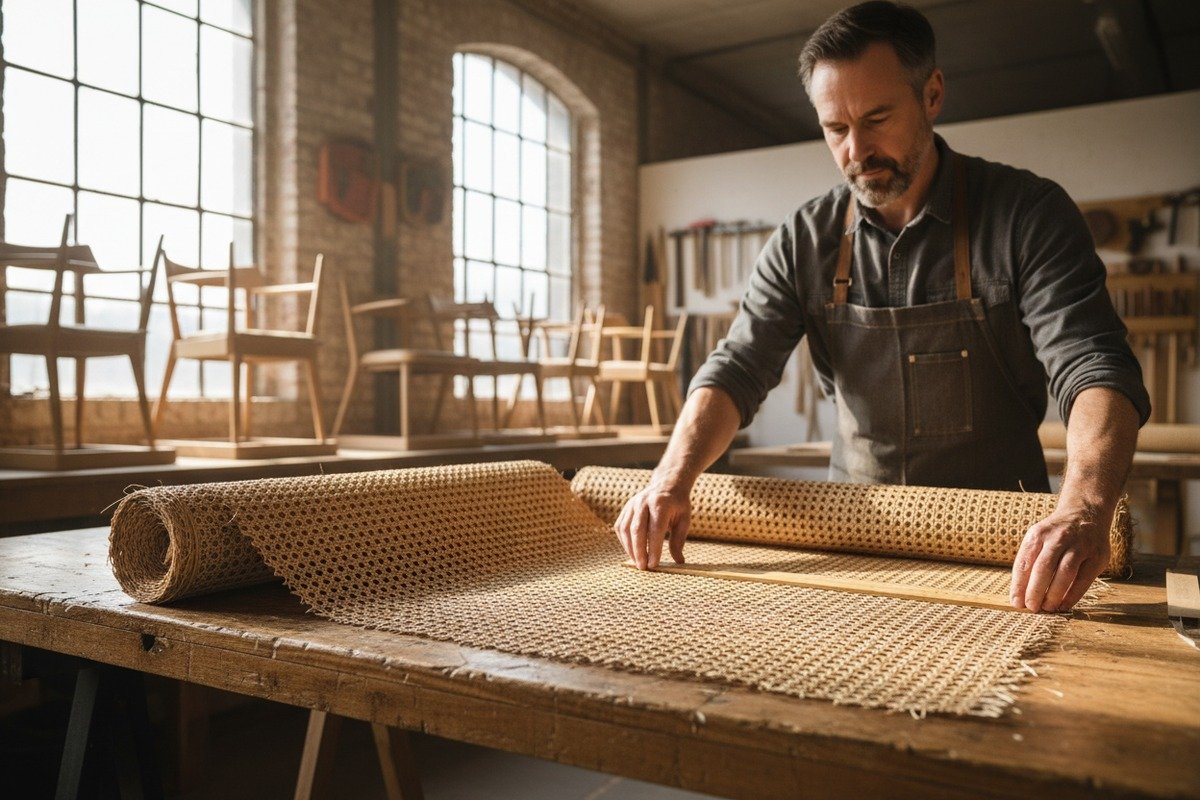
Every week, our production floor ships out thousands of meters of rattan cane webbing 1 to furniture restorers across the globe. Yet the most common question we hear from buyers is deceptively simple: how do I pick the right one? The wrong choice leads to cracked seats, mismatched patterns, and wasted money.
To choose natural rattan cane webbing for furniture restoration, assess the material’s quality grade, select a weave pattern that matches the original design, measure accurately with overhang allowance, and source from a reputable wholesaler who guarantees Grade A consistency and sustainable harvesting practices.
This guide walks you through every decision point. We will cover quality grading, weave patterns, durability factors, and how to find a supplier you can trust. Let’s start with the basics.
How do I identify high-quality Grade A natural rattan cane webbing for my furniture restoration?
When we grade rattan at our processing facility in Indonesia, even small differences in raw material quality can change the final product dramatically. Many restorers buy webbing based on price alone and end up with brittle, uneven cane that splits within months.
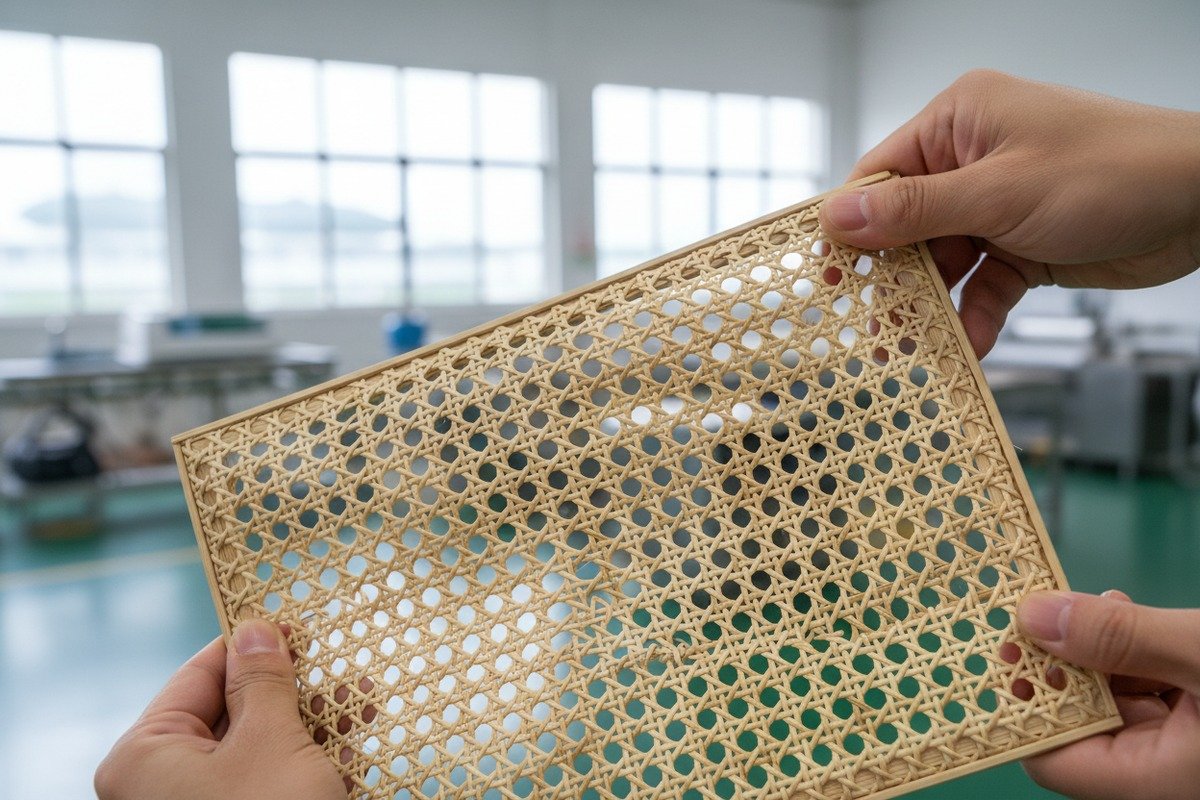
Grade A natural rattan cane webbing has a smooth, glossy surface from the plant's outer skin, consistent strand thickness, uniform color in a light buttery tan, high elasticity when flexed, and no visible knots, cracks, or dark spots across the entire sheet or roll.
What Makes Rattan "Grade A"?
Rattan cane webbing comes from the outer skin of the rattan palm 2. This outer layer is the strongest part of the plant. Grade A material 3 uses only this premium skin, peeled and processed with minimal chemical treatment.
Here is what to look for when inspecting a sample:
- Surface texture. Run your finger along the strands. Grade A feels smooth. Lower grades feel rough or splintery.
- Color uniformity. The webbing should be an even, light tan. Dark patches or white spots signal inconsistent processing.
- Flexibility. Bend a strand gently. Grade A cane flexes without snapping. If it cracks dry, the quality is low.
- Strand width consistency. Each strand in the weave should be roughly the same width. Irregular widths mean the rattan was poorly sorted.
Grading System Explained
Not all suppliers use the same grading language. Here is a quick reference to help you compare.
| Grade | Surface Quality | Elasticity | Color | Typical Use |
|---|---|---|---|---|
| AAA / Premium | Flawless, glossy | Excellent | Even light tan | High-end vintage restoration |
| A / Standard | Smooth, minor marks | Good | Mostly uniform | General furniture restoration |
| B / Economy | Some roughness, small knots | Moderate | Slight variation | Budget projects, practice pieces |
| C / Utility | Rough, visible defects | Low | Uneven, dark spots | Craft projects, non-structural use |
Natural vs. Synthetic: Know the Difference
One common mistake is confusing natural rattan webbing with synthetic alternatives 4. Natural cane comes from the rattan plant. It is biodegradable, breathable, and develops a warm patina over time. Synthetic webbing is made from plastic polymers. It resists UV light and moisture but lacks the authentic feel. For indoor furniture restoration, especially vintage or mid-century pieces, natural rattan is almost always the right call.
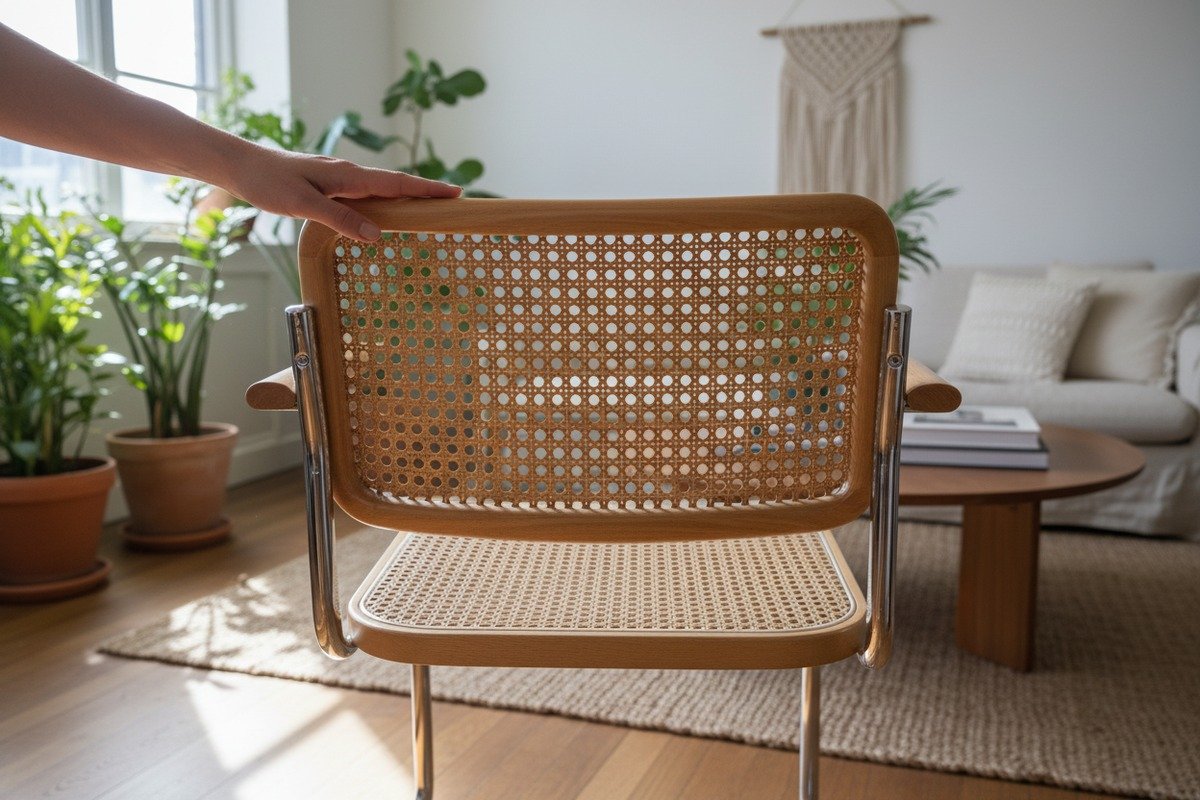
Our team has seen synthetic cane crack in dry indoor environments because it lacks the micro-flexibility that real rattan offers. If you are restoring a Breuer Cesca chair 5 or a classic dining set, always go natural.
Pre-Finished vs. Raw Rattan
You will also need to decide between pre-finished and raw webbing. Pre-finished cane has a light factory coating. It resists stains but is harder to customize with dyes or stains. Raw rattan absorbs stain more evenly but requires sealing after installation. If your goal is to match an existing furniture finish, raw rattan gives you more control.
Which weave pattern and roll size should I choose for my specific restoration project?
Over the years, we have helped furniture factories in the Netherlands, the US, and Australia match weave patterns to hundreds of different chair and cabinet designs. The wrong pattern can make even great rattan look out of place.
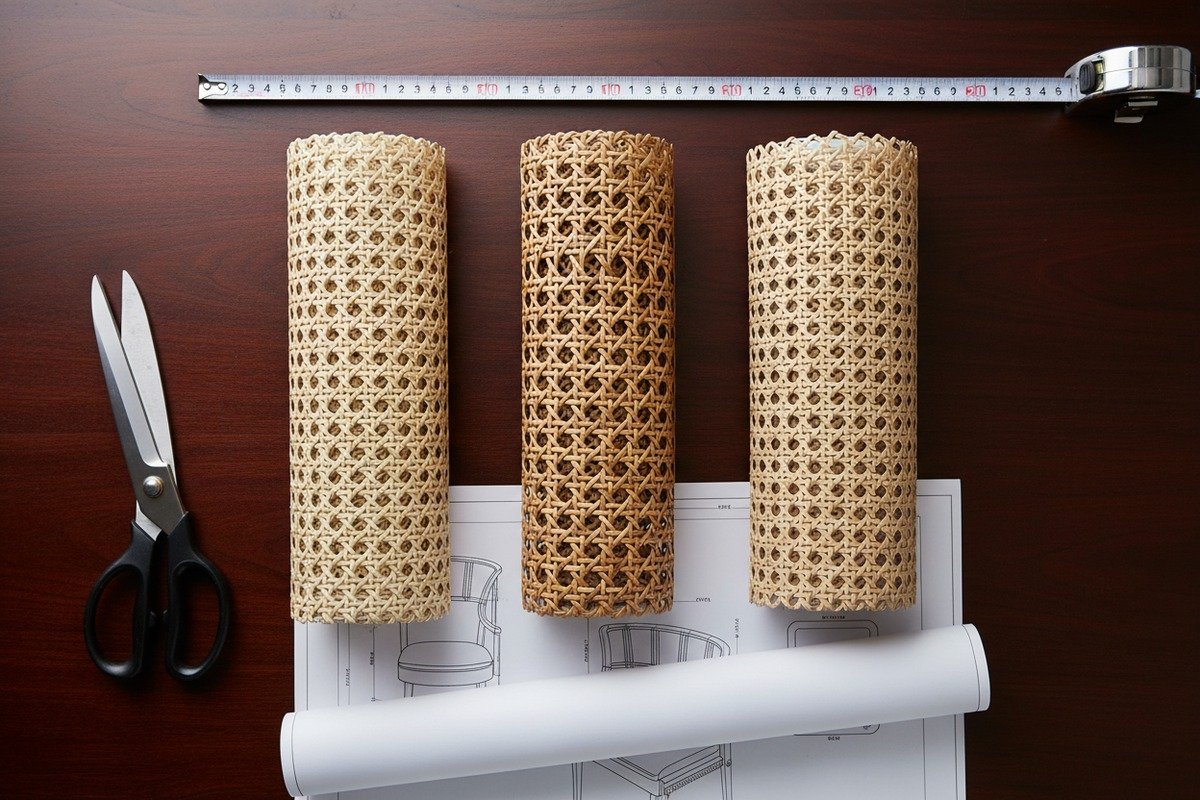
Choose your weave pattern based on the furniture's original design: fine 1/2" hexagonal (octagonal) weave for classic chair seats, herringbone or diamond for decorative panels, and open square grid for modern accents. Measure the groove or opening and add 1–2 inches on each side for installation overhang.
Common Weave Patterns
The weave pattern is the single most visible decision you will make. Here is a breakdown of the most popular options.
| Weave Pattern | Mesh Size | Best For | Style |
|---|---|---|---|
| Fine Hexagonal (Octagonal) | 1/2" | Chair seats, Cesca chairs, vintage dining chairs | Classic, traditional |
| Medium Hexagonal | 3/4" | Larger chair backs, room dividers | Transitional |
| Herringbone / Diamond | Tight weave | Cabinet doors, headboards | Decorative, bohemian |
| Open Square Grid | 1/2"–1" | Modern accent panels, speaker covers | Contemporary, minimalist |
| Closed / Tight Basketweave | Very tight | Luggage, small boxes, decorative trays | Rustic, artisan |
The fine 1/2" hexagonal weave is the gold standard worldwide. It is used in the majority of professional restorations and is the pattern you will find on iconic mid-century modern chairs. If you are unsure, this is almost always the safe choice.
How to Measure for the Right Roll Size
Getting the size right saves time and money. Here is a simple process.
- Measure the groove. If your furniture has a routed groove (most pressed-cane chairs do), measure the inside length and width of the groove channel.
- Add overhang. Add 1 to 2 inches on every side. This extra material tucks into the groove and is secured with a reed spline 6.
- Check roll width. Our rolls come in standard widths, typically 18", 24", and 36". Pick the width closest to your measurement without going under.
- Estimate total length. If you are restoring multiple pieces, calculate total linear feet needed and add 10% for waste and trimming.
Matching Pattern to Period
Authenticity matters in restoration. A 1920s bentwood chair calls for a traditional hexagonal weave. A 1970s cabinet might use a tighter basketweave or herringbone. When our clients send us photos of the original piece, we can usually identify the correct pattern within minutes. If you are unsure, take a close-up photo of any remaining original cane on the furniture and compare it to supplier samples.
Sheet vs. Roll
For single-chair projects, a pre-cut sheet is convenient. For multiple pieces or ongoing workshop use, rolls offer better value per square foot. Most wholesalers, including our operation, sell by the linear foot or by the roll. Rolls typically range from 15 to 100 linear feet.
How can I ensure the natural rattan webbing I buy is durable enough for long-term use?
We test every batch of rattan that comes through our Indonesian processing facility. Even with Grade A material, how you install, finish, and maintain the webbing determines whether it lasts 5 years or 25 years. Many restorers do everything right at purchase but skip the care steps.
To ensure long-term durability, soak the webbing in warm water for 20–30 minutes before installation, use white PVA glue with a reed spline for secure attachment, allow 24 hours of drying time, avoid direct sunlight exposure, and periodically moisturize with diluted Murphy's oil soap or raw linseed oil.
Installation Best Practices
Proper installation is the foundation of durability. Here is the process that our clients and professional restorers follow.
- Soak the webbing. Submerge the cut piece in warm water for 20 to 30 minutes. This makes the cane pliable and prevents cracking during installation.
- Position and press. Lay the wet webbing over the groove, centering the pattern. Press it gently into the channel.
- Apply glue. Use white PVA glue 8 inside the groove. Do not use hide glue, carpenter's glue, or polyurethane adhesive. PVA stays flexible when cured, which is critical because cane expands and contracts.
- Insert the spline. Tap the reed spline into the groove with a mallet and wedge tool. The spline locks the cane in place.
- Trim excess. Use a sharp utility knife to trim the overhanging cane flush with the groove edge.
- Dry fully. Allow 24 hours. As the cane dries, it tightens like a drum. This natural tension is what gives cane seats their strength and spring.
Choosing the Right Glue
This is a topic where we see a lot of confusion. Here is a comparison.
| Glue Type | Flexibility | Water Resistance | Bond on Wet Cane | Recommended? |
|---|---|---|---|---|
| White PVA Glue | High (rubbery when dry) | Low | Excellent | Yes |
| Yellow Carpenter's Glue | Medium | Medium | Poor | No |
| Hide Glue | Low | Very low | Poor | No |
| Polyurethane Glue | Very low (rigid) | High | Fair | No |
White PVA is universally recommended by restorers and suppliers. It bonds well to wet cane, remains flexible after curing, and allows future removal if the cane needs replacement in 15 or 20 years.
Finishing for Protection
After the cane dries, you have options. You can leave it natural for a classic look. The light buttery tan will darken into a warm amber patina over years. If you want to stain it, test on a scrap piece first. Factory-finished cane has a thin coating that resists stain penetration. Lightly sanding or using a de-glosser helps the stain absorb more evenly.
For a protective finish, a thin coat of clear polyurethane or lacquer works well. Apply it after the cane is fully dry and any staining is complete.
Ongoing Maintenance
Sunlight is the number one enemy of natural rattan. UV exposure 9 makes cane brittle over time. Position caned furniture away from windows or use curtains to filter direct sun.
Every few months, wipe the cane with a cloth dampened with diluted Murphy's oil soap 10. This cleans and moisturizes the fibers. For cane that has become dry or dull, raw linseed oil works well. Apply a thin coat, wait 15 minutes, then wipe off the excess thoroughly. Leaving excess oil causes sticky residue. Two to three light coats over a week can revive even decades-old cane.
Mineral oil is a milder alternative for routine maintenance. It moisturizes without the buildup risk of linseed oil.
Environmental Factors
Rattan performs best in stable humidity. Extremely dry environments, such as heated rooms in winter, can cause cane to shrink and loosen. A small room humidifier helps. Conversely, high humidity environments can cause sagging. The key is consistency.
Where can I find a reliable wholesaler to guarantee the quality consistency of my rattan materials?
When we first started supplying rattan materials over a decade ago, the biggest frustration our customers had was inconsistency. One batch would be perfect. The next would arrive with uneven strands and off-color sheets. This is still the number one pain point we hear from purchasing managers around the world.
Find a reliable rattan wholesaler by verifying they own or control their processing facilities, requesting Grade A samples before ordering, checking export experience to your region, confirming sustainable sourcing practices, and ensuring they offer consistent quality across batches with clear grading standards and responsive communication.
What to Look For in a Supplier
Not every rattan seller is a rattan specialist. Many are trading companies that buy from whoever offers the lowest price that week. This creates the inconsistency problem. Here is what separates a reliable wholesaler from a middleman.
- Own production or direct factory partnerships. A supplier who controls the processing can control quality. Our operation, for example, runs our own rattan processing facility in Indonesia plus three self-invested factories and over 30 partner factories in Foshan.
- Sample policy. A confident supplier will send samples. Ask for samples of the exact grade and weave you plan to order. Compare multiple batches if possible.
- Export track record. Suppliers who regularly export to the US, Europe, and Australia understand the quality expectations of those markets. Ask about their export countries and client references.
- Communication speed. A good wholesaler responds quickly and clearly. Platforms like WhatsApp make real-time communication easy. If a supplier takes days to answer basic questions, that is a red flag.
Red Flags to Avoid
Watch out for these warning signs.
- No physical samples available.
- Inconsistent product photos that look like stock images.
- No clear grading system or refusal to discuss grades.
- Extremely low prices with no explanation. Grade A rattan costs more to produce. If the price seems too good, the quality probably is too.
- No information about sourcing origin or sustainability practices.
Sustainability and Ethical Sourcing
Rattan is a rapidly renewable resource. It grows in tropical forests and can be harvested without cutting down trees. However, not all harvesting is sustainable. Responsible suppliers source from managed forests and ensure replanting. Ask your supplier about their sourcing chain. Ethical sourcing is not just good for the planet. It is increasingly a requirement from end consumers and retailers in Western markets.
Building a Long-Term Relationship
The best approach is to start with a small trial order. Test the material on a few projects. Evaluate the quality, consistency, packaging durability, and delivery timeline. If everything checks out, negotiate pricing for larger volumes. Long-term partnerships benefit both sides. You get priority access to the best material, and the supplier gets a stable, predictable order flow.
Our most successful partnerships, whether with furniture material wholesalers in the Netherlands or building material distributors in Dubai, started with a single sample request. Consistency comes from relationships, not just contracts.
Packaging and Shipping Considerations
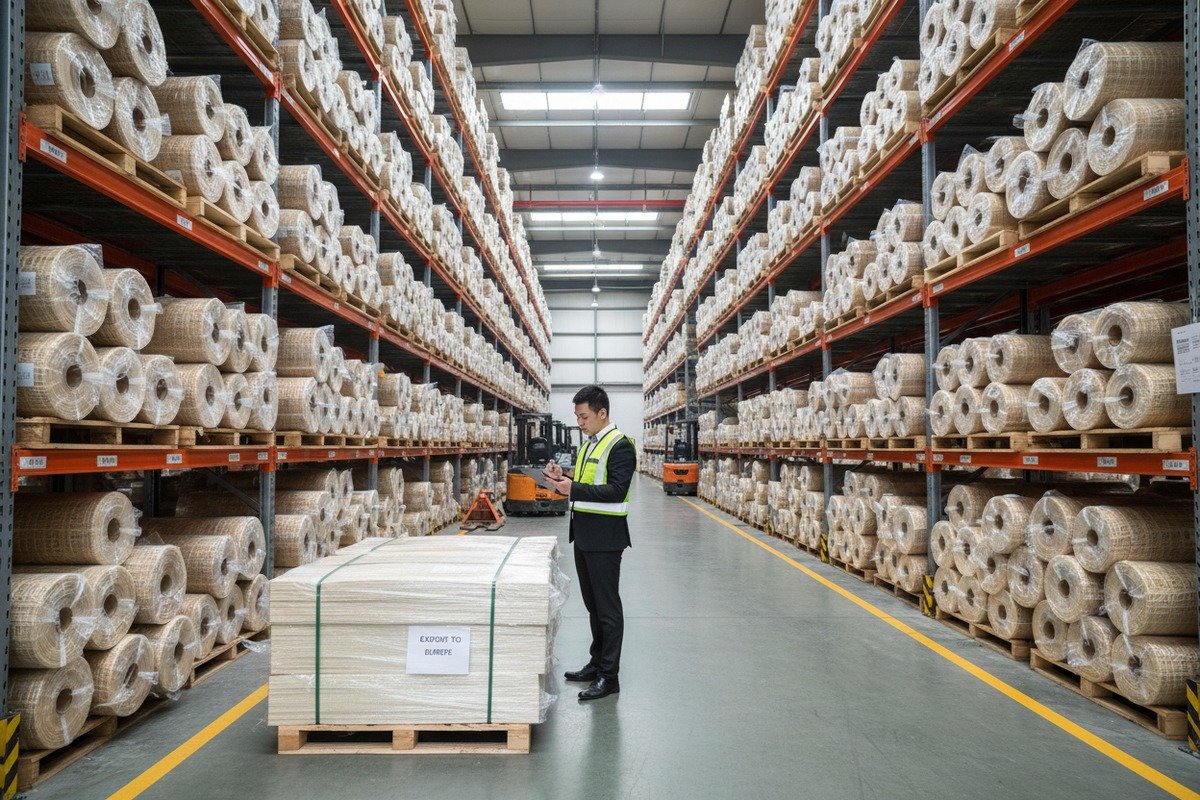
Rattan webbing is flexible but can be damaged by compression, moisture, or rough handling during transit. A reliable wholesaler uses proper packaging: rolls wrapped in protective film, placed in sturdy cartons, and palletized for container shipping. Ask about packaging specifications before you order. This is one of the overlooked details that separates a professional supplier from an amateur one.
Conclusion
Choosing the right natural rattan cane webbing comes down to four decisions: quality grade, weave pattern, durability practices, and a trustworthy supplier. Get these right, and your restoration will last for decades.
Footnotes
1. Provides a comprehensive overview of rattan cane webbing, its origins, and uses. ↩︎
2. Offers botanical information about the rattan palm, its species, and growth habits. ↩︎
3. Details the characteristics and standards for Grade A rattan webbing quality. ↩︎
4. Compares natural rattan with synthetic alternatives, highlighting differences in material and properties. ↩︎
5. Provides historical and design context for the iconic Breuer Cesca chair. ↩︎
6. Explains the purpose and installation of reed spline in cane webbing projects. ↩︎
7. Illustrates and describes the common hexagonal weave pattern used in rattan webbing. ↩︎
8. Recommends white PVA glue for rattan installation and explains its suitability. ↩︎
9. Details the damaging effects of UV radiation on rattan furniture over time. ↩︎
10. Suggests Murphy’s oil soap as a cleaning and moisturizing agent for wicker and rattan. ↩︎

 English
  Español de México
  العربية
  Deutsch
  Français
  Русский