
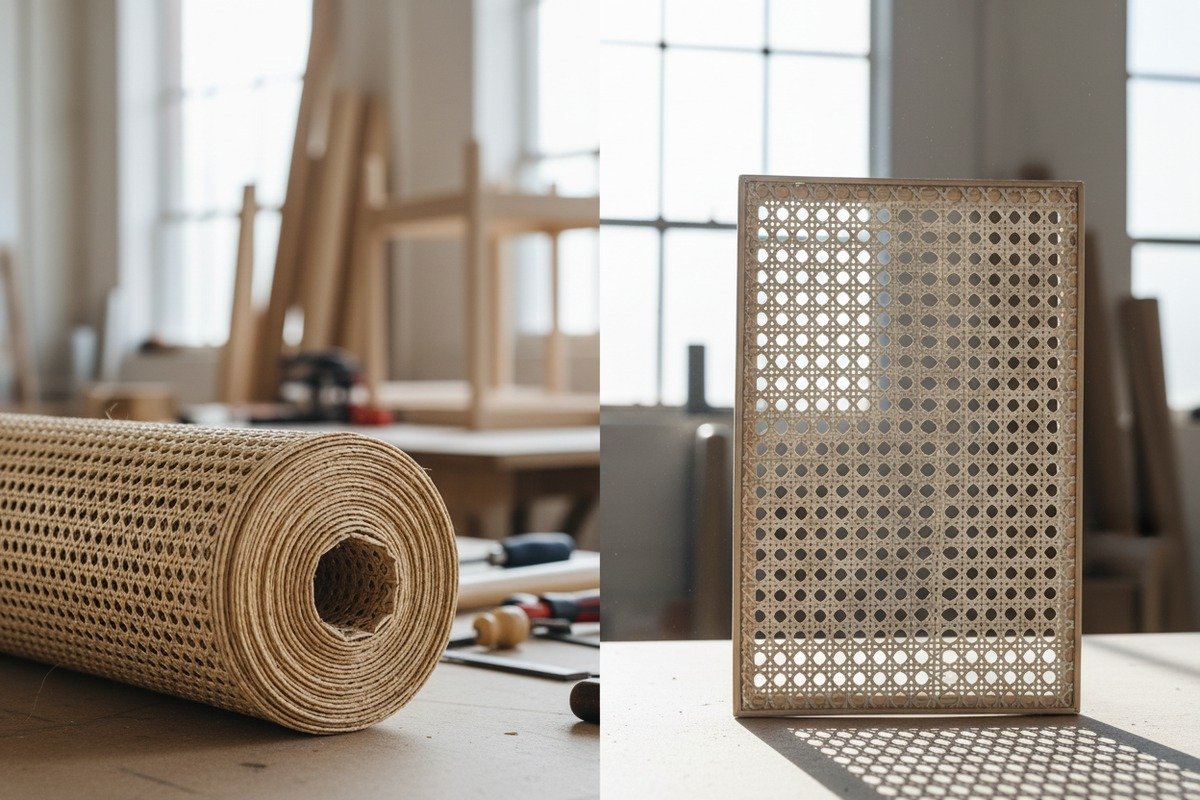
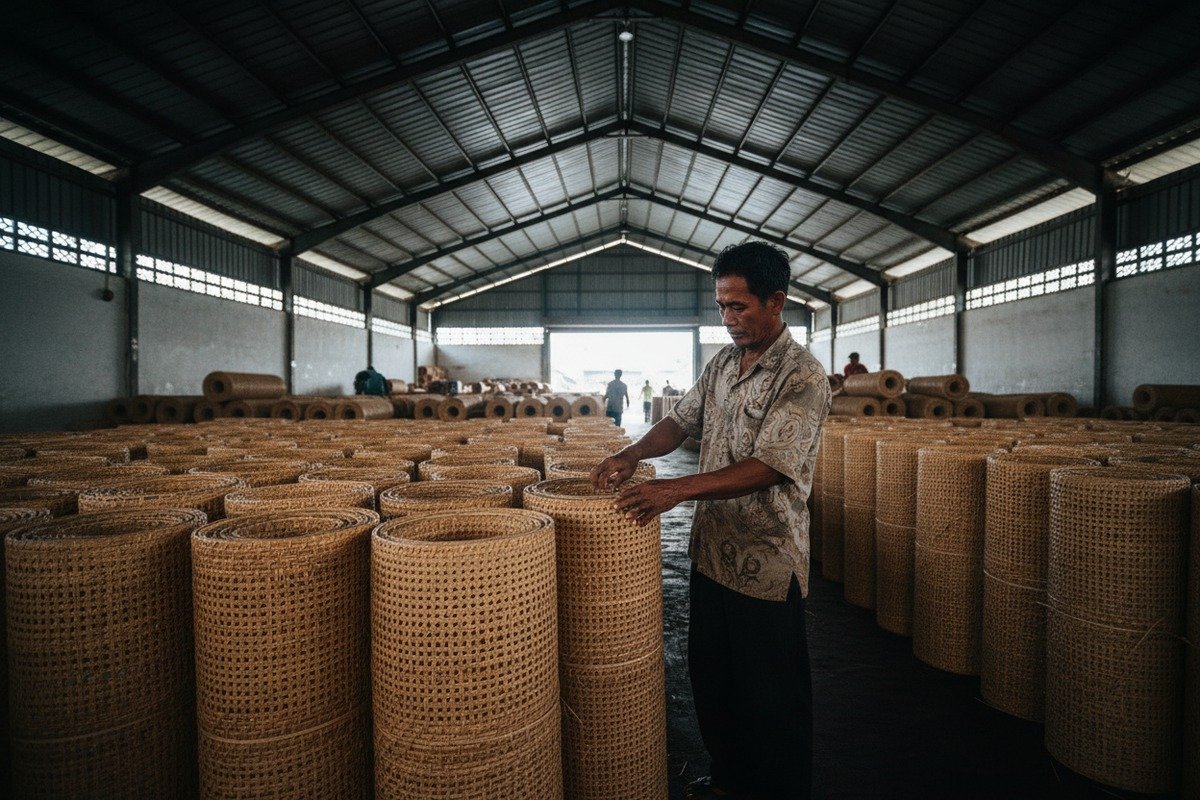
Every year, our production team in Indonesia inspects thousands of rattan cane rolls before shipping them worldwide tensile strength 1. One pattern we see again and again is this: customers who place natural rattan in direct sunlight contact us months later about fading and cracking. The problem is real, and it costs money.
Yes, direct sunlight significantly accelerates the aging of natural rattan cane webbing. UV radiation breaks down the cellulose and lignin in rattan fibers, causing color fading, moisture loss, brittleness, and cracking. Without proper protection, sun-exposed rattan can deteriorate within just a few months rather than lasting years.
So what exactly happens at the fiber level? And more importantly, what can you do about it? Below, we break down the science, share what we have learned from decades of processing rattan, and give you practical steps to protect your investment.
How does prolonged UV exposure affect the structural integrity of my natural rattan cane webbing?
When we test rattan samples at our Foshan facility, the difference between sun-exposed and shaded pieces is striking even after just a few weeks Linseed oil 2. If you have ever left a piece of rattan furniture near a south-facing window, you already know the early signs: a slight color shift and a dry, stiff feel.
Prolonged UV exposure degrades the lignin and cellulose that give natural rattan its strength and flexibility. Over time, this causes fiber breakdown, surface cracking, color fading from golden to a pale gray, and a significant loss of tensile strength that makes the webbing brittle and prone to snapping.
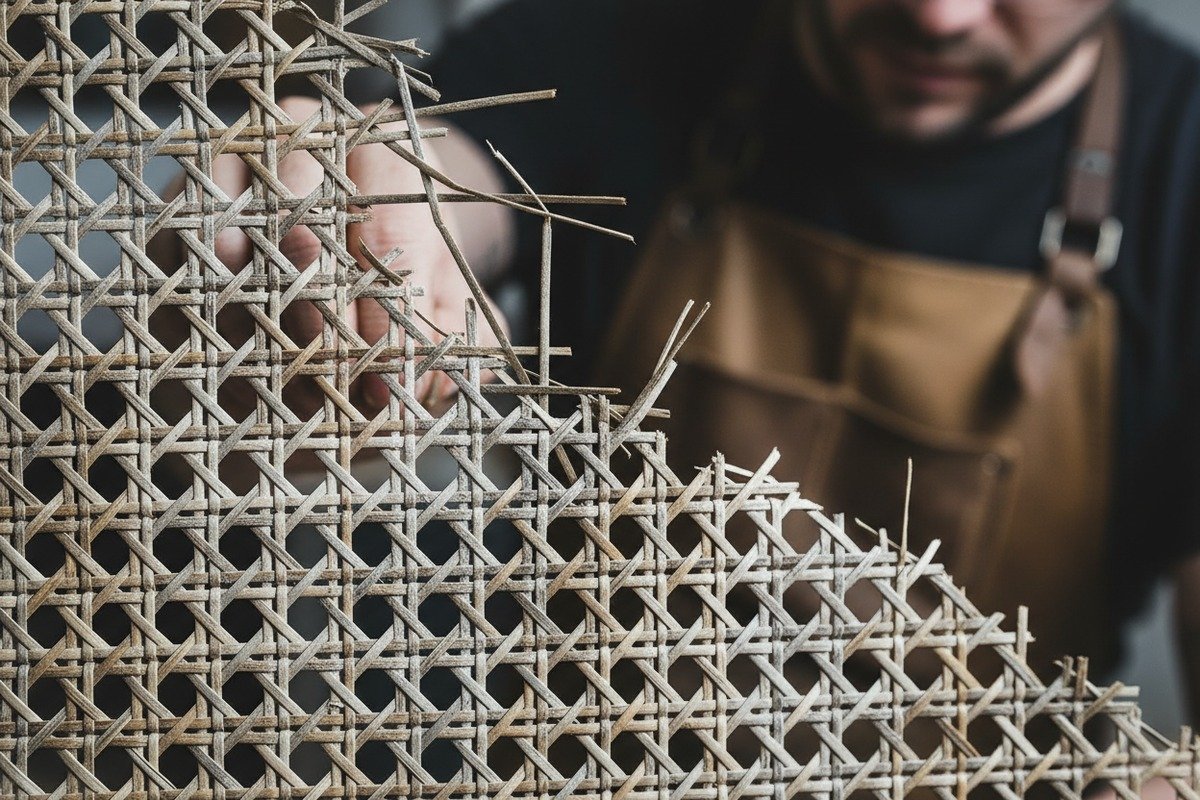
The Science Behind UV Degradation
Natural rattan is a plant-based material. Its structural backbone comes from two key components: cellulose and lignin 3. Cellulose provides tensile strength. Lignin acts as the glue that binds fibers together and gives rattan its natural golden-brown color.
When UV rays hit rattan, they start a photochemical reaction 4. Lignin absorbs UV light and begins to decompose. This is the same process that causes untreated wood decks to turn gray. As lignin breaks down, the fibers lose their binding agent. The result is surface erosion, micro-cracks, and eventual structural failure.
How Heat Compounds the Problem
Sunlight does not just bring UV. It brings heat. Heat causes rattan fibers to expand. When the sun sets, they contract. This daily expansion-contraction cycle creates internal stress. Over weeks and months, tiny cracks form. These cracks then become entry points for moisture and mold spores, which accelerate biological degradation even further.
In our experience shipping to hot climates like Saudi Arabia and Australia, customers who use rattan outdoors without shade report visible cracking within three to six months. Customers who keep the same product indoors or under covered patios report years of trouble-free use.
Timeline of UV Damage
| Exposure Period | Visible Effects | Structural Impact |
|---|---|---|
| 0–4 weeks | Slight color lightening | Minimal; fibers still flexible |
| 1–3 months | Noticeable fading; surface feels drier | Early micro-cracking; reduced flexibility |
| 3–6 months | Significant discoloration; gray patches | Fiber brittleness; risk of snapping under stress |
| 6–12 months | Pale gray color; visible surface cracks | Major structural weakness; webbing may tear |
| 12+ months | Severe degradation; powdery surface | Webbing failure; replacement needed |
Moisture Loss Is the Hidden Killer
Fresh rattan contains natural oils and moisture that keep it supple. UV and heat strip these away. Once the internal moisture drops below a critical level, the fibers cannot flex without breaking. Think of it like skin aging: without moisture, wrinkles and cracks appear. Rattan behaves the same way.
We always tell our wholesale partners: UV is the trigger, but moisture loss 5 is what actually kills the webbing. Address both, and your rattan lasts dramatically longer.
What are the best ways for me to protect my rattan furniture from sun-induced fading and brittleness?
Over the years, we have worked closely with furniture factories in the Netherlands, Spain, and the US to develop care recommendations for their end customers. The solutions are simpler and more affordable than most people expect.
To protect rattan furniture from sun damage, position it away from direct sunlight or use shading solutions like curtains and awnings. Apply UV-resistant sealants or natural oil treatments every six to twelve months. Use breathable furniture covers during peak sun hours, and rotate pieces periodically to ensure even exposure.
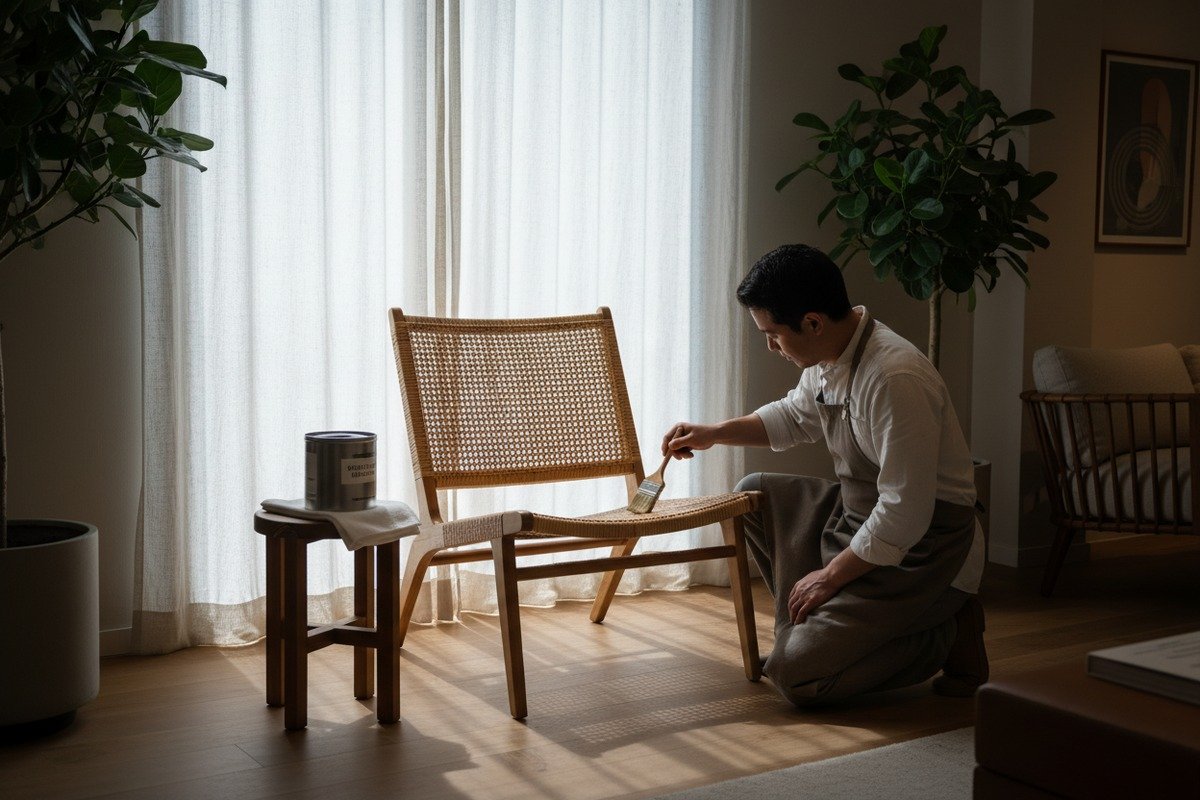
Physical Shading: Your First Line of Defense
The most effective protection is also the simplest: keep rattan out of direct sun. Place furniture under a covered patio, pergola, or shade sail. Indoors, use UV-filtering window film or sheer curtains. This single step can extend the life of natural rattan webbing by three to five times compared to full sun exposure.
For our customers in Dubai and Australia, we always recommend covered outdoor setups. Even partial shade makes a dramatic difference.
Chemical Protection: Sealants and Oils
When shading is not an option, surface treatments are your next best tool. Here is a comparison of common options:
| Protection Method | UV Blocking | Moisture Retention | Reapplication Frequency | Cost Level |
|---|---|---|---|---|
| Polyurethane sealant (clear) | High | Moderate | Every 12–18 months | Medium |
| UV-resistant lacquer spray | High | Low | Every 6–12 months | Low–Medium |
| Tung oil 7 or linseed oil | Low–Moderate | High | Every 3–6 months | Low |
| Beeswax-based polish | Low | Moderate | Every 2–3 months | Low |
| Nanotechnology UV coating | Very High | High | Every 18–24 months | High |
Our factory in Indonesia pre-treats certain rattan grades with a light lacquer coat before shipping. This gives buyers a baseline level of protection right out of the box. But for long-term outdoor use, additional treatment by the end user is essential.
Seasonal Maintenance Routine
Here is a simple schedule that works well for most climates:
- Spring: Clean with a damp cloth. Apply your chosen sealant or oil treatment.
- Summer: Use covers during peak afternoon sun. Mist lightly with water once a week in dry climates.
- Fall: Inspect for cracks or fading. Reapply oil if needed. Bring outdoor pieces inside if winter is harsh.
- Winter: Store in a cool, dry place. Avoid heated rooms that dry out the air.
Rotation and Positioning
If you have rattan pieces near windows, rotate them every few weeks. This prevents one side from taking all the UV damage. It sounds simple, but it works. We have seen wholesale customers in Greece reduce customer complaints by 40% just by including a care card with this tip.
Emerging Solutions: Nano-Coatings
One exciting development is nanotechnology-based clear coatings 8. These create an invisible UV-blocking and hydrophobic barrier on the rattan surface. They last longer than traditional sprays and do not alter the natural look of the material. We are currently testing several nano-coating products with our R&D team and expect to offer pre-treated options to our wholesale partners by late 2025.
Does the quality grade of my rattan material determine how well it withstands direct sunlight?
When we grade rattan at our processing facility, we sort by diameter consistency, surface smoothness, flexibility, and natural oil content. Our wholesale buyers in Thailand and the Philippines often ask whether paying for Grade A material actually makes a practical difference in durability. The answer is nuanced.
Higher-quality rattan grades generally withstand sunlight better than lower grades due to denser fiber structure, higher natural oil content, and fewer surface imperfections. However, no grade of untreated natural rattan is truly sun-proof. Even Grade A material will fade and crack under prolonged direct UV exposure without protective measures.
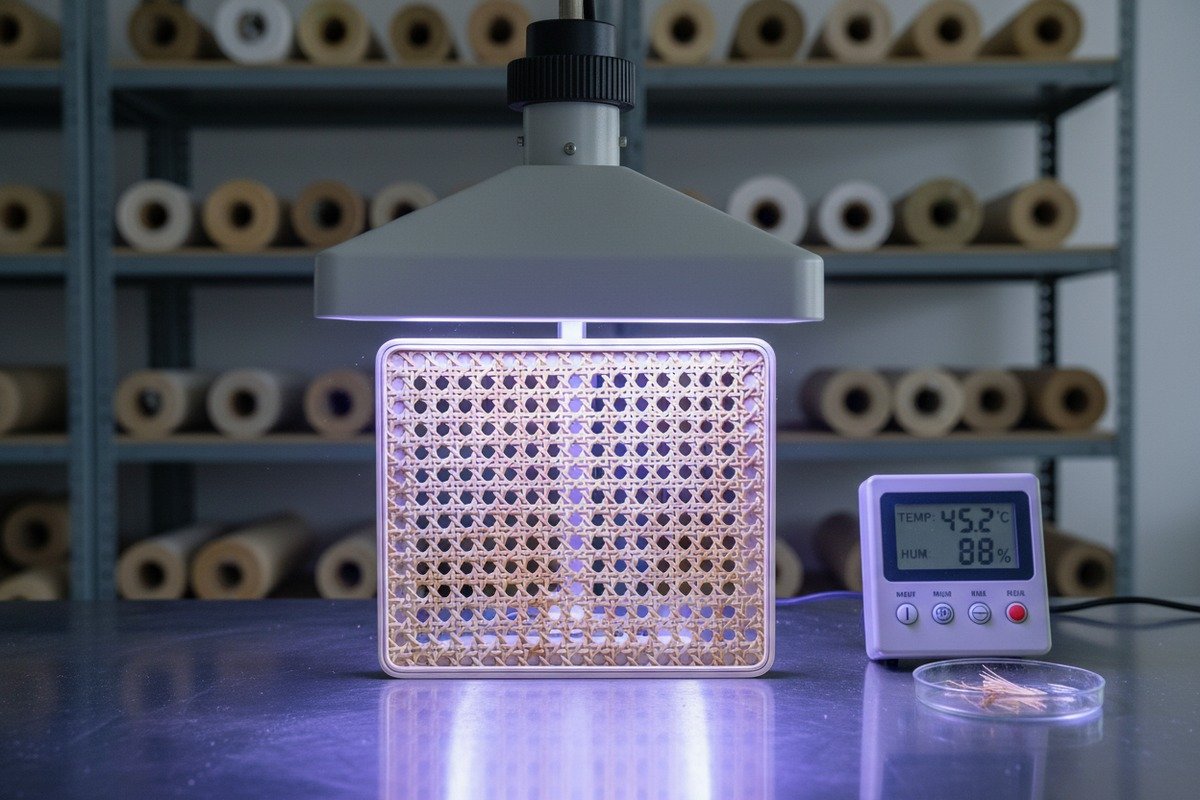
What Defines Rattan Quality Grades?
Not all rattan is created equal. The vine's age at harvest, the species, and the processing method all affect the final quality. Here is how we classify our material:
| Quality Factor | Grade A | Grade B | Grade C |
|---|---|---|---|
| Fiber density | High; tight grain | Medium; moderate grain | Low; loose grain |
| Natural oil content | High; supple feel | Moderate | Low; dry feel |
| Surface defects | Minimal; smooth | Some knots, minor marks | Noticeable flaws |
| Color consistency | Uniform golden tone | Slight variation | Uneven; mixed tones |
| Flexibility | Excellent | Good | Fair; stiffer |
| UV resistance (untreated) | Moderate | Low–Moderate | Low |
| Price point | Premium | Mid-range | Budget |
Why Density Matters
Denser fibers absorb less UV radiation per unit of depth. Think of it like thick versus thin skin. A thick-skinned rattan vine takes longer to degrade because the UV has more material to penetrate before it reaches the structural core. Grade A rattan, harvested from mature vines, naturally has this advantage.
In our testing, Grade A samples retained flexibility for roughly 30–40% longer than Grade C samples under identical sun exposure conditions. That said, both eventually failed without protective treatment. Quality buys you time. It does not buy you immunity.
The Role of Natural Oils
Fresh, high-quality rattan contains more natural oils. These oils serve as an internal moisturizer and provide a mild barrier against environmental stress. When we process rattan in Indonesia, we take care not to over-dry the material during curing. Over-dried rattan, regardless of its original grade, enters the market already partially compromised.
This is one of the key pain points we hear from purchasing managers like our partners in Thailand. They want Grade A quality and high natural oil content, but some suppliers cut corners by accelerating the drying process. The result is rattan that looks good on arrival but cracks sooner than expected.
Species Variation
Different rattan species 9 have slightly different fiber compositions. Some species native to the Philippines and Indonesia produce denser canes with higher lignin content. While this means more material for UV to degrade, it also means the vine holds together longer under stress. We source from specific Indonesian regions where the vine quality is consistently high.
Bottom Line on Quality and Sunlight
Investing in higher-grade rattan is worth it. But grade alone is not a complete solution. Even our best Grade A webbing, the material we ship to high-end furniture factories in the Netherlands, needs UV protection if it will face direct sun. Quality gives you a stronger starting point. Protection gives you longevity.
How can I maintain the natural moisture of my rattan webbing to prevent it from cracking in the sun?
At our rattan processing facility, we measure moisture content at every stage — from raw vine to finished webbing roll. We know from experience that moisture is the single most important factor in rattan longevity. When our export partners ask us for one piece of advice, we always say: keep your rattan hydrated.
To maintain natural moisture in rattan webbing, apply natural oils like tung or linseed oil every three to six months, mist the surface lightly with water during dry periods, avoid placing rattan near heat sources or in arid rooms, and use a humidifier in low-humidity environments. Consistent moisture management prevents the drying and cracking caused by sun exposure.
Why Moisture Is Everything
Rattan is hygroscopic. It absorbs and releases moisture from the surrounding air. In a balanced environment, this keeps the fibers flexible and resilient. But when direct sunlight heats the surface, it accelerates evaporation. The fibers dry from the outside in. Once the outer layer becomes brittle, even gentle use can cause cracks to form and spread.
We have observed this pattern repeatedly in shipments to dry climates like Iran and Saudi Arabia. The webbing arrives in perfect condition. Within weeks of unprotected outdoor use, customers report cracking. The root cause is almost always moisture loss, not structural defect.
Oil Treatments: Your Best Moisture Tool
Natural oils penetrate rattan fibers and create an internal moisture reserve. They also form a thin surface film that slows evaporation. Here are the best options:
- Tung oil: Excellent penetration, dries to a natural matte finish. Food-safe. Apply every 3–4 months for outdoor use.
- Linseed oil (boiled): Good penetration, slightly glossy finish. Apply every 4–6 months.
- Coconut oil: Mild moisturizer, pleasant scent. Better for indoor pieces. Apply monthly for best results.
- Commercial rattan oil blends: Formulated specifically for woven materials. Convenient but more expensive.
When applying oil, use a soft cloth or brush. Work the oil into the weave pattern, making sure it reaches the joints and crossover points where stress is highest. Wipe off any excess after 15–20 minutes.
Misting and Humidity Control
In very dry climates or during winter heating season, light misting helps. Use a spray bottle with clean water and mist the rattan surface once or twice a week. Do not soak it. Excess water can cause swelling and promote mold. The goal is to replace surface moisture lost to evaporation.
For indoor settings, a room humidifier set to 40–60% relative humidity 10 creates an ideal environment for rattan. We recommend this to our furniture factory partners who display rattan pieces in showrooms with air conditioning, which tends to strip humidity from the air.
What to Avoid
- Heaters and radiators: Placing rattan near direct heat sources is as damaging as sunlight. The dry heat sucks moisture out rapidly.
- Air conditioning vents: Constant airflow over the surface accelerates drying.
- Pressure washing: High-pressure water damages the fiber structure. Stick to gentle hand cleaning.
- Silicone-based sprays: These coat the surface without penetrating, trapping moisture unevenly and potentially causing mold underneath.
Signs Your Rattan Needs Moisture
Learn to read your rattan. If the surface feels rough and scratchy when you run your hand over it, the fibers are drying out. If you see small hairline cracks at weave joints, moisture loss has already begun. If the color has shifted from warm golden to a dull, pale tone, UV and dryness are working together.
Catching these signs early and responding with an oil treatment or misting routine can reverse early-stage drying. Once cracks deepen and fibers snap, the damage is permanent.
A Note on Indoor vs. Outdoor Use
From our perspective as a supplier who ships to over a dozen countries, we always recommend natural rattan primarily for indoor or covered outdoor use. Synthetic rattan — which we also produce — is the better choice for fully exposed outdoor settings. But when customers insist on natural rattan outdoors, moisture management is the key to making it work. With proper care, even outdoor natural rattan can last five or more years.
Conclusion
Direct sunlight is the primary enemy of natural rattan cane webbing. But with the right grade, proper shading, regular oil treatments, and consistent moisture management, your rattan can stay beautiful and strong for years. Protect it wisely, and it will reward you with lasting natural elegance.
Footnotes
1. Wikipedia provides a clear and comprehensive definition of ultimate tensile strength, applicable to various materials including wood. ↩︎
2. Provides detailed information on linseed oil, its composition, drying properties, and applications. ↩︎
3. Details the structural role of cellulose and lignin as key components of plant cell walls. ↩︎
4. Wikipedia provides a comprehensive and accessible explanation of photochemical reactions. ↩︎
5. Examines the critical role of moisture in the degradation of wood and lignocellulosic materials. ↩︎
6. Explains how solar UV radiation affects organic materials and degradation mechanisms. ↩︎
7. Comprehensive overview of tung oil, its properties, and traditional uses as a wood finish. ↩︎
8. Reviews the development of nano-coatings for UV protective textiles and material enhancement. ↩︎
9. General information on rattan, including its classification, diversity, and various species. ↩︎
10. Explains relative humidity, its definition, and importance in various environmental contexts. ↩︎
 English
  Español de México
  العربية
  Deutsch
  Français
  Русский