
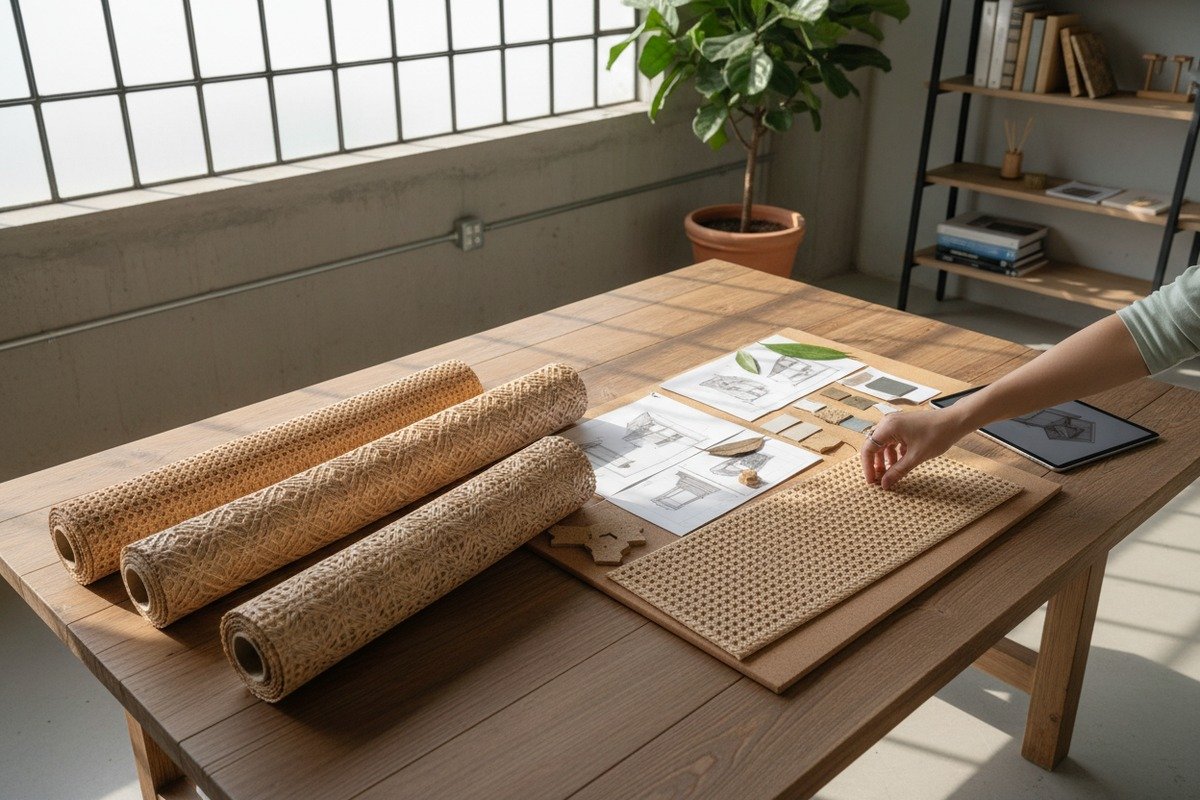
Every week, our sales team fields the same question from buyers around the world—”Why did the price change again?” Rattan cane webbing costs have become unpredictable sustainability trends 1. Buyers who locked in great rates last year now face quotes that look nothing like before. The frustration is real, and the confusion runs deep.
Global wholesale prices for natural rattan cane webbing currently range from $35 to $160 per standard roll of 15–20 meters. Prices vary by weave pattern, width, grade, and order volume. The market is growing at roughly 7.5% CAGR, driven by sustainability trends and rising demand for eco-friendly furniture materials worldwide.
This article breaks down everything you need to know about rattan cane webbing pricing in 2024 and beyond eco-friendly furniture materials 2. We will cover bulk pricing, Indonesian raw material costs, quality-versus-budget trade-offs, and the global supply chain factors 3 shaping your next purchase order. Let’s dig in.
How much should I expect to pay for bulk natural rattan cane webbing in the current market?
When we quote bulk orders from our Foshan warehouse, clients are often surprised by the wide price spread Proper moisture content 4. Two rolls can look almost identical yet carry very different price tags. Understanding why helps you budget smarter.
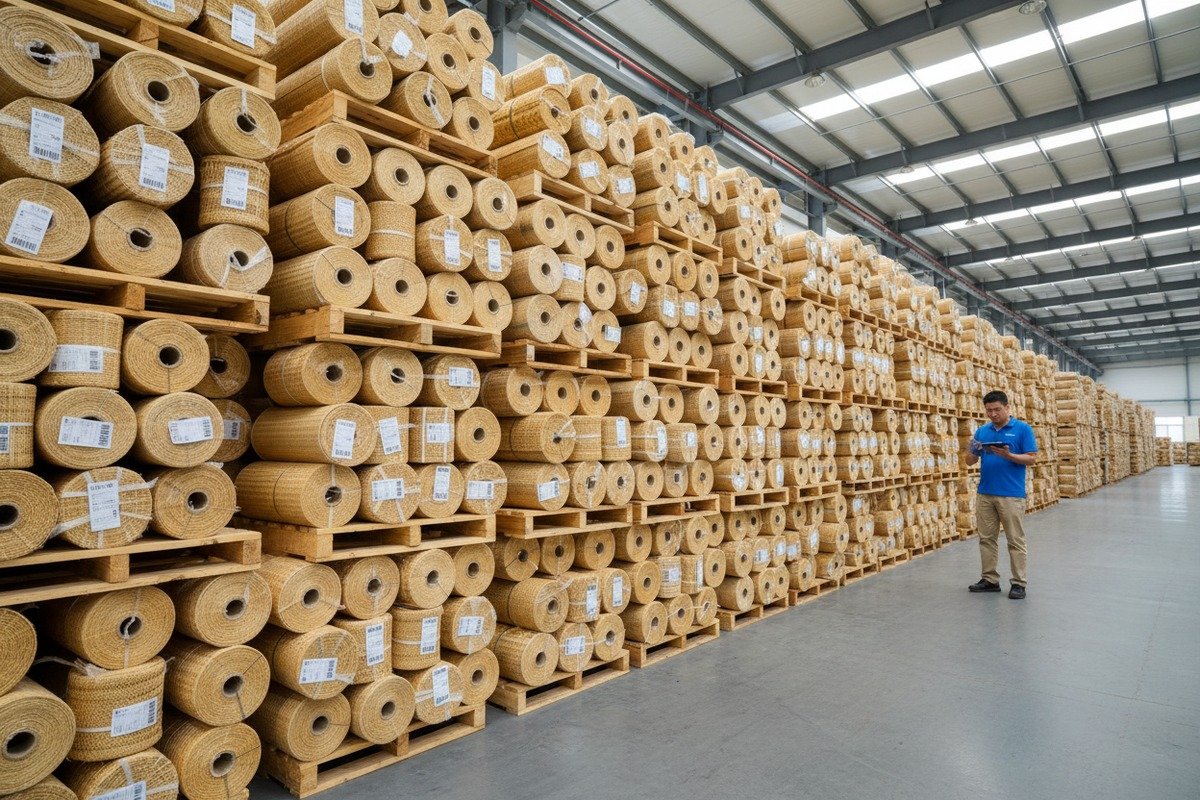
For bulk natural rattan cane webbing, expect to pay $35–$160 per standard roll (15–20 meters) at wholesale. Price depends on width, weave style, grade, and minimum order quantity. Volume discounts of 15–50% are common at higher MOQs, and synthetic PE alternatives run 20–40% cheaper than natural rattan.
Breaking Down the Price Range
The $35–$160 range is wide for a reason. A narrow 18-inch open hexagonal weave 5 in standard grade sits at the low end. A 36-inch premium close-weave Grade A sheet with natural finish commands the top end. Here is a quick reference table we share with new clients:
| Product Type | Width | Price per Roll (15–20m) | Notes |
|---|---|---|---|
| Open hexagonal cane webbing | 18" | $35–$55 | Most common for DIY projects |
| Close-weave diamond pattern | 24" | $60–$95 | Popular for cabinet doors |
| Premium Grade A natural | 36" | $120–$160 | Furniture factory standard |
| Bleached rattan webbing | 24" | $50–$85 | Lighter aesthetic finish |
| Synthetic PE alternative 6 | 24" | $25–$45 | 20–40% cheaper than natural |
Retail vs. Wholesale — A Stark Contrast
If you have browsed Etsy or Amazon, you may have seen rattan webbing listed for as low as $0.05 per unit. These are typically promotional listings, remnant pieces, or very narrow strips sold in small quantities. They do not reflect real B2B pricing. In our experience shipping to the Netherlands, Spain, and the USA, serious furniture factories and material wholesalers negotiate in the $60–$120 per roll range for mid-grade to premium natural cane webbing.
Volume Discounts Make a Real Difference
We see this pattern repeatedly. A buyer ordering 50 rolls pays a very different unit price than someone ordering 500 rolls. At our facilities, the discount tiers generally look like this:
- 50–100 rolls: 10–15% discount off list price
- 100–500 rolls: 20–30% discount
- 500+ rolls: 30–50% discount, plus possible freight cost-sharing
These discounts exist because production efficiency improves with larger runs. Our Indonesian rattan processing facility can optimize cutting, weaving, and finishing when batch sizes go up.
Width and Finish Add Variance
Width alone can shift the price by 10–30%. A 36-inch roll uses significantly more raw cane than an 18-inch roll. Finishes matter too. Natural untreated cane is cheapest. Bleached cane adds a processing step. Dark-stained or lacquered finishes add further cost. Each step requires labor, chemicals, and drying time.
The key takeaway? Know your exact specifications before requesting quotes. Vague inquiries get vague answers. Precise specs get competitive prices.
How do Indonesian raw material fluctuations impact my wholesale purchase costs?
Our rattan processing factory in Indonesia gives us a front-row seat to raw material swings. Indonesian raw material costs 8 When cane harvests dip or export policies shift, we feel the pressure before anyone else in the supply chain. And so do our buyers.
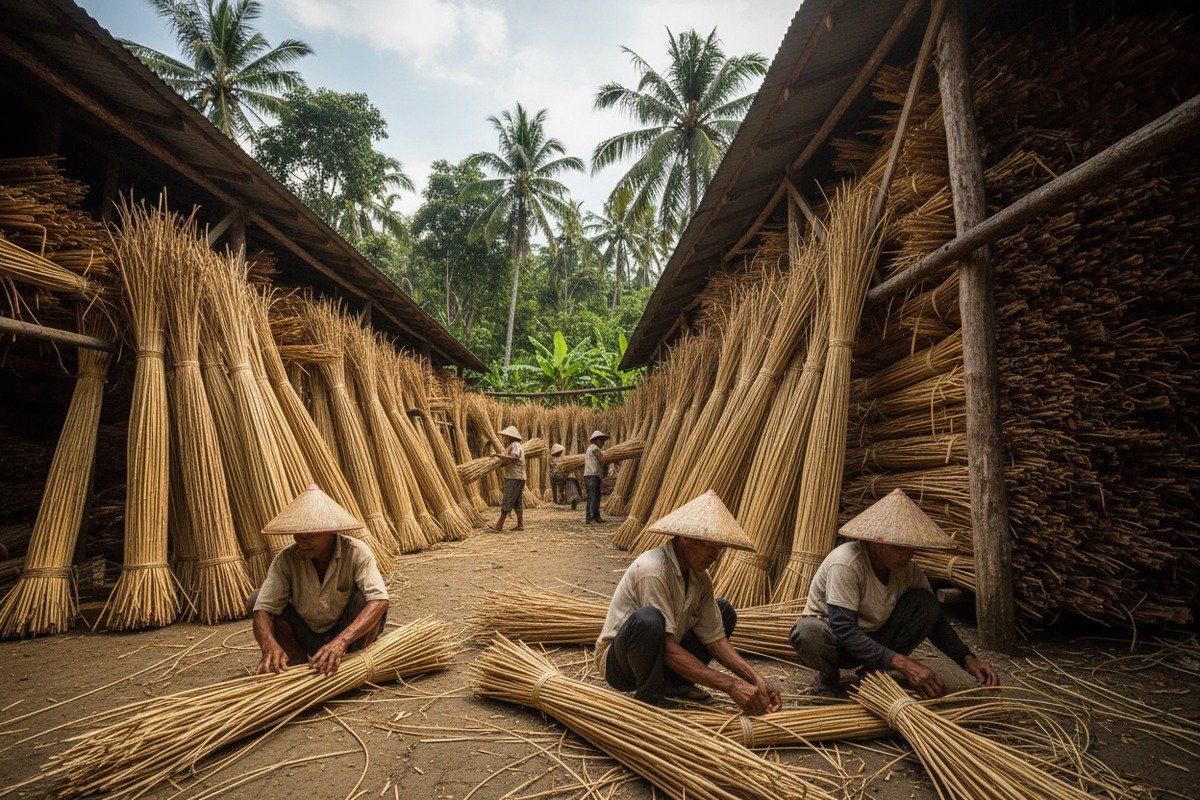
Indonesian raw rattan prices directly affect wholesale costs because Indonesia supplies over 80% of the world's raw rattan. Harvest seasons, government export regulations, deforestation pressures, and labor costs in Kalimantan and Sulawesi create price swings of 10–25% annually, which pass through to finished webbing prices within 60–90 days.
Indonesia's Dominant Role in the Rattan Supply Chain
Indonesia is the world's largest rattan producer. The country's tropical forests in Kalimantan, Sulawesi, and Sumatra yield the majority of commercially viable rattan species. When we source raw cane for our Indonesian facility, we deal directly with harvesters and local collectors. Their costs are shaped by several factors:
- Seasonal availability: Rattan harvesting slows during heavy monsoon months. Wet conditions make forest access difficult and reduce cane quality.
- Government regulations: Indonesia has historically imposed and lifted bans on raw rattan exports. Policy changes can happen quickly and create sudden supply shortages for processors.
- Labor costs: Rattan harvesting is physically demanding work. Wages for harvesters have risen steadily, adding 5–8% to raw material costs each year.
How Raw Price Changes Reach Your Invoice
Here is a simplified timeline of how a raw rattan price increase in Indonesia reaches a buyer in, say, the Netherlands:
| Stage | Timeline | Price Impact |
|---|---|---|
| Raw rattan price increase at harvest level | Week 0 | +10–15% on raw cane |
| Processing facility absorbs partial cost | Week 2–4 | +5–10% on semi-finished product |
| Finished webbing price adjusted | Week 4–8 | +8–12% on FOB price |
| Buyer receives updated quote | Week 8–12 | +10–20% on landed cost |
The delay means buyers sometimes lock in old prices for current orders but face higher costs on reorders. We always advise our clients to plan procurement cycles around these lag times.
Deforestation and Overharvesting Risks
This is a factor many buyers overlook. Wild rattan stands 9 are declining in several Indonesian provinces. Overharvesting and illegal logging reduce the accessible supply of mature cane. When supply shrinks, prices rise. Some industry reports suggest raw rattan costs could increase by 10–20% over the next five years purely due to resource depletion.
We have invested in partnerships with managed rattan plantations to offset this risk. Plantation-grown rattan provides more predictable supply and pricing. But plantation cane currently makes up a small fraction of total production. Most rattan on the market is still wild-harvested.
Currency and Logistics Add Another Layer
The Indonesian rupiah fluctuates against the US dollar. When the rupiah weakens, raw material costs in dollar terms may drop slightly—but this is often offset by rising fuel and transportation costs within Indonesia. Moving raw rattan from remote forest areas to coastal processing zones is expensive. Poor road infrastructure in harvesting regions adds cost.
For our buyers, the practical advice is simple. Build a 10–15% buffer into your annual rattan procurement budget for Indonesian raw material fluctuations. And communicate regularly with your supplier about upcoming price adjustments.
Can I maintain Grade A quality standards while staying within my procurement budget?
This is the question we hear most from purchasing managers like our client Ranoo in Thailand. He needs consistent Grade A cane webbing for resale, but his margins are tight. The tension between quality and cost is real. But it is manageable.
Yes, you can maintain Grade A quality within budget by optimizing order specifications, consolidating MOQs, choosing the right weave patterns, and working directly with vertically integrated suppliers. Grade A natural rattan webbing typically costs 15–25% more than Grade B, but strategic sourcing can offset much of this premium.
What Defines Grade A Rattan Cane Webbing?
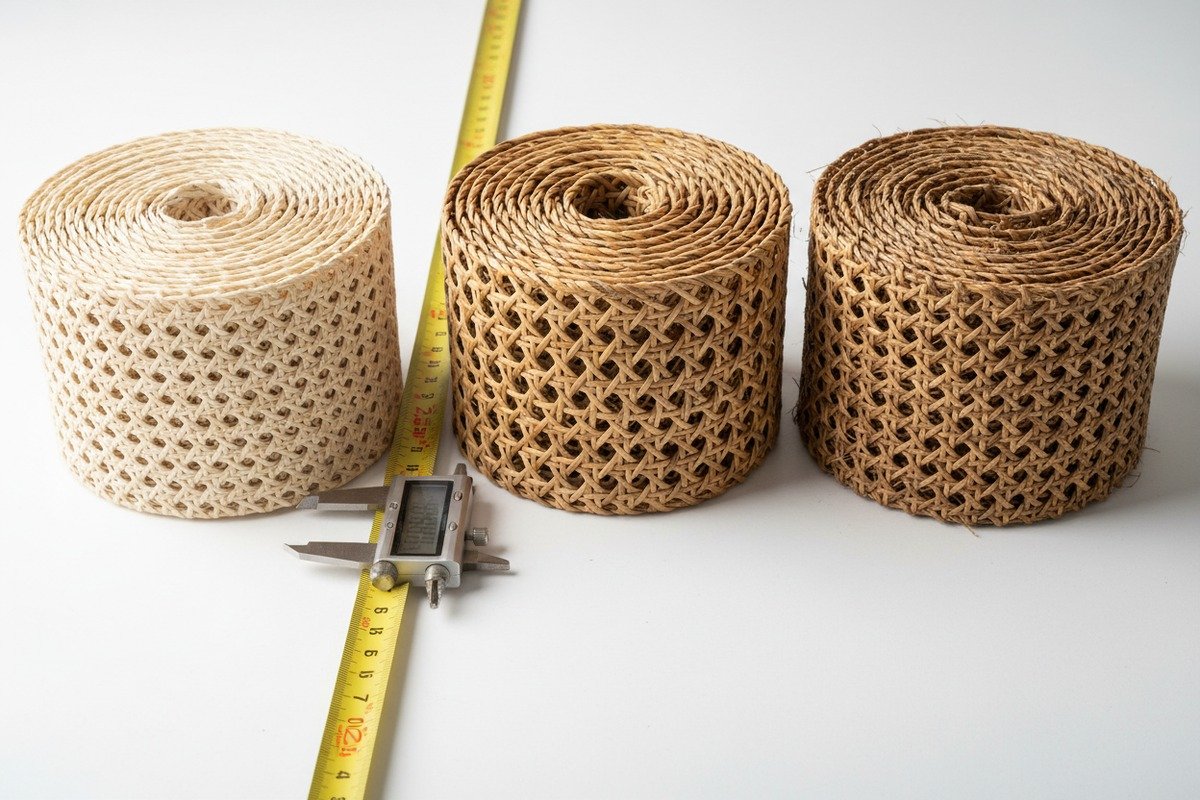
Grade A is not just a marketing label. In our quality control process, Grade A cane webbing must meet specific criteria:
- Uniform color across the entire roll with no dark spots or discoloration
- Consistent strand thickness with less than 0.5mm variation
- No broken strands or gaps in the weave pattern
- Smooth surface free of splinters, mold, or insect damage
- Proper moisture content between 12–15% for dimensional stability
Grade B webbing may have minor color inconsistencies, occasional broken strands, or slight thickness variation. Grade C has visible defects and is typically sold at deep discounts for non-critical applications.
The Real Cost Difference Between Grades
| Quality Grade | Price Premium vs. Grade C | Typical Use Case | Defect Tolerance |
|---|---|---|---|
| Grade A | +30–40% | Premium furniture, retail display | Less than 1% defects |
| Grade B | +10–20% | Mid-range furniture, cabinetry | 3–5% minor defects |
| Grade C | Baseline | DIY projects, practice material | 8–15% visible defects |
The gap between Grade A and Grade B is typically 15–25%. That difference comes from stricter raw material selection, slower weaving speeds, and more rigorous inspection. At our facilities, Grade A rolls go through three-stage quality checks. Grade B gets a single pass.
Strategies to Get Grade A Without Breaking the Budget
Over the years, we have helped dozens of clients hit their quality targets without exceeding their budgets. Here are the most effective approaches:
1. Consolidate your orders. Instead of placing four small orders per year, place two larger ones. Higher MOQs unlock better pricing at every grade level. A 500-roll Grade A order can cost less per roll than a 100-roll Grade B order.
2. Standardize your specifications. Custom widths, unusual weave patterns, and special finishes all add cost. If you can work with standard 24-inch natural hexagonal or close-weave rolls, you benefit from production efficiency.
3. Source from vertically integrated suppliers. When a supplier controls both raw material processing and finished product weaving—as we do with our Indonesian facility and Foshan factories—there are fewer middlemen adding margin. This directly lowers your Grade A cost.
4. Accept mixed-grade shipments strategically. Some clients order 70% Grade A and 30% Grade B for different product lines. This blended approach brings the average cost down while maintaining top quality where it matters most.
5. Invest in packaging. This sounds counterintuitive. But one of the biggest reasons Grade A webbing arrives as Grade B is poor packaging. Moisture damage, crushing, and friction during transit cause defects that were not present at the factory. Spending an extra $1–$2 per roll on proper protective packaging saves far more in rejected material.
A Real-World Example
One of our furniture factory clients in Australia was paying $140 per roll for Grade A 36-inch close-weave webbing on 100-roll orders. We restructured their procurement to quarterly orders of 300 rolls, switched to standard 24-inch width for their most common cabinet panel, and kept 36-inch only for their premium line. Their blended cost dropped to $95 per roll with no change in final product quality for their end customers.
Quality and budget are not enemies. They just need a smart strategy connecting them.
What global supply chain factors will influence my rattan material costs this year?
When we plan production schedules across our three factories, we watch global logistics as closely as we watch raw material prices. This year, several converging forces are shaping what you will pay for rattan cane webbing. Ignoring them could mean budget overruns or supply gaps.
Key supply chain factors affecting rattan costs this year include Southeast Asian harvest conditions, rising international shipping rates, evolving sustainability regulations, growing competition from synthetic alternatives, and surging demand from North American and European markets for eco-friendly furniture materials—together creating potential 10–20% cost increases.
Shipping and Logistics Costs Are Still Elevated
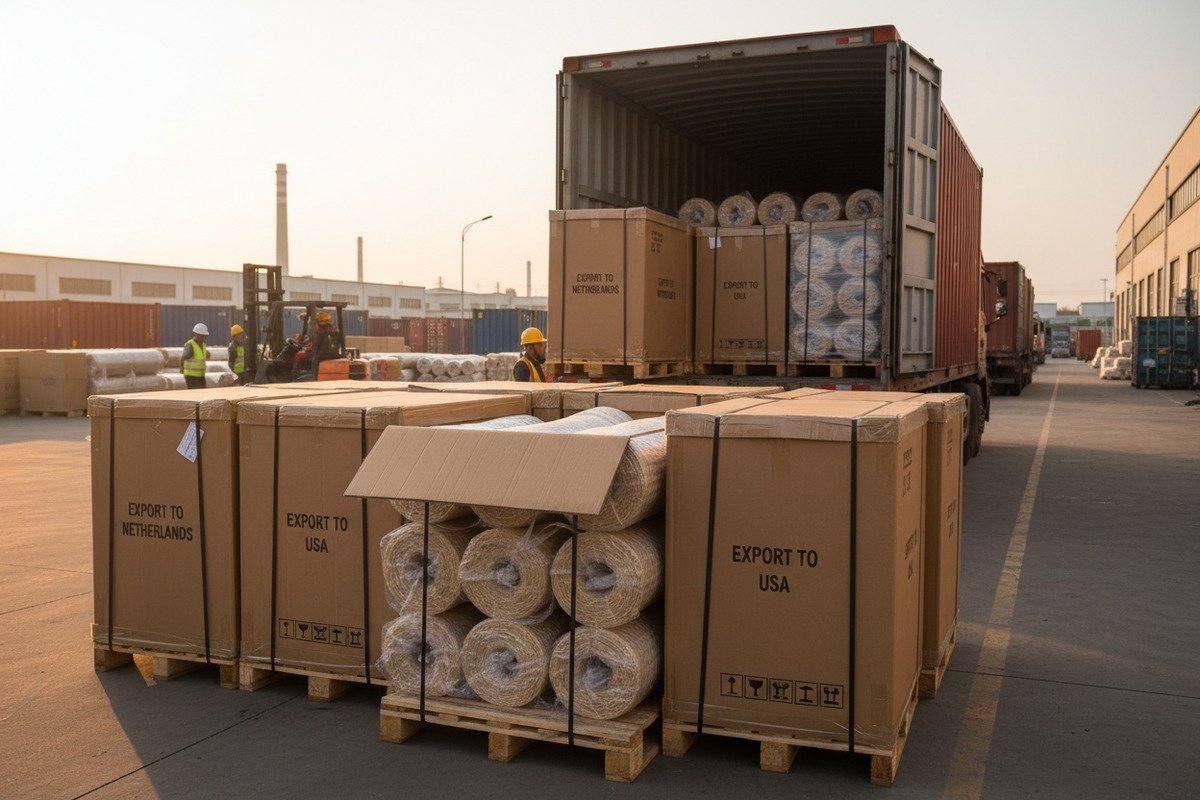
Container shipping rates from Asia to North America and Europe have stabilized somewhat from their 2021–2022 peaks, but they remain above pre-pandemic levels. For rattan webbing, which is bulky relative to its value, freight cost is a significant portion of landed cost. A 40-foot container of rattan webbing from Foshan to Rotterdam can carry approximately 2,000–3,000 rolls. When container rates rise by $1,000–$2,000, that translates to $0.30–$1.00 extra per roll. It sounds small, but it compounds across large orders and annual procurement volumes.
Port congestion, Red Sea route diversions, and seasonal demand spikes all affect transit times and costs. We have seen delivery times from southern China to European ports stretch from 25 days to 40+ days during peak disruption periods.
Sustainability Regulations Are Raising the Bar
The European Union's deforestation regulation (EUDR) 10 and similar policies in other markets are creating new compliance requirements. Rattan sourced from areas linked to deforestation may face import restrictions. For suppliers, this means investing in traceability systems, certifications, and documentation—all of which add cost.
We have started implementing chain-of-custody tracking at our Indonesian facility. This adds approximately 3–5% to our processing costs, but it protects our buyers from regulatory risk. Certified sustainable rattan commands a premium, but that premium is increasingly justified by market access requirements rather than just consumer preference.
Regional Demand Shifts
The rattan cane webbing market is projected at $1.2 billion in 2024, growing toward $2.5 billion by 2034 at a 7.5% CAGR. But growth is not uniform across regions:
| Region | Market Share (2024) | Growth Rate (CAGR) | Key Demand Drivers |
|---|---|---|---|
| North America | 40% (~$500M) | 2.2% | E-commerce, premium furnishings |
| Asia-Pacific | 23% (~$288M) | 6.0% | Urbanization, tourism, local production |
| Europe | ~20% | 3.5% | Eco-friendly décor, outdoor living |
| Middle East & Others | ~17% | 3.0% | Hospitality, resort development |
North America remains the largest consumer, but Asia-Pacific is growing fastest. This dual demand pressure from both production regions and consumption markets tightens global supply.
The Synthetic Threat Is Real but Limited
Synthetic PE rattan alternatives cost 20–40% less than natural cane and offer better weather resistance. For outdoor furniture applications, synthetics make sense. But for indoor furniture, cabinet panels, and premium décor, natural rattan's texture, warmth, and sustainability story remain unmatched.
We produce both natural and synthetic rattan webbing at our Foshan partner factories. In our experience, buyers who switch to synthetic for cost reasons often return to natural within 1–2 years because their end customers demand the authentic look and feel. The cost savings from synthetic rarely compensate for the loss in perceived product value at the retail level.
Tariff and Trade Policy Uncertainty
Trade tensions between major economies continue to create uncertainty. Tariffs on Chinese-origin goods in the US market, for example, can add 7.5–25% to landed costs. Some of our American buyers have restructured their supply chains to import semi-finished rattan from Indonesia (where tariff exposure is lower) and have final processing done locally or in third countries.
We help clients navigate these complexities. Our dual production base in Indonesia and China gives buyers flexibility. Indonesian-origin rattan webbing may face different tariff treatment than Chinese-origin product, depending on the destination country's trade agreements.
What Smart Buyers Are Doing Right Now
The buyers who are navigating this environment most successfully share a few habits:
- They lock in prices for 6–12 months with volume commitments
- They diversify sourcing across at least two supplier countries
- They invest in sustainability certifications proactively, before regulations force them to
- They maintain safety stock of 2–3 months to absorb supply disruptions
- They communicate openly with suppliers about forecast changes
This year demands more planning and more communication than ever. But the opportunity is equally large. A $2.5 billion market by 2034 means strong demand for quality natural rattan cane webbing—and smart procurement ensures you capture your share of that growth.
Conclusion
Natural rattan cane webbing prices reflect a complex mix of raw material supply, processing costs, logistics, regulations, and growing global demand. Smart sourcing starts with understanding these forces and building flexibility into your procurement strategy.
Footnotes
1. Provides a general overview of global sustainability trends impacting businesses. ↩︎
2. Provides market insights and drivers for eco-friendly furniture materials and growth. ↩︎
3. Outlines critical challenges and influences in global supply chain management. ↩︎
4. Discusses the importance of moisture content in wood quality for furniture manufacturing. ↩︎
5. Directly describes ‘Open Weave Cane Webbing’ and its hexagonal design in the context of rattan. ↩︎
6. Offers a comprehensive overview of PE rattan as a synthetic alternative to natural rattan. ↩︎
7. Provides a general overview and definition of rattan cane webbing. ↩︎
8. Explains how Indonesian government policies and support influence rattan raw material costs. ↩︎
9. Discusses the ecological status and threats to wild rattan populations. ↩︎
10. Official European Commission page providing information on the EU Deforestation Regulation (EUDR). ↩︎

 English
  Español de México
  العربية
  Deutsch
  Français
  Русский