
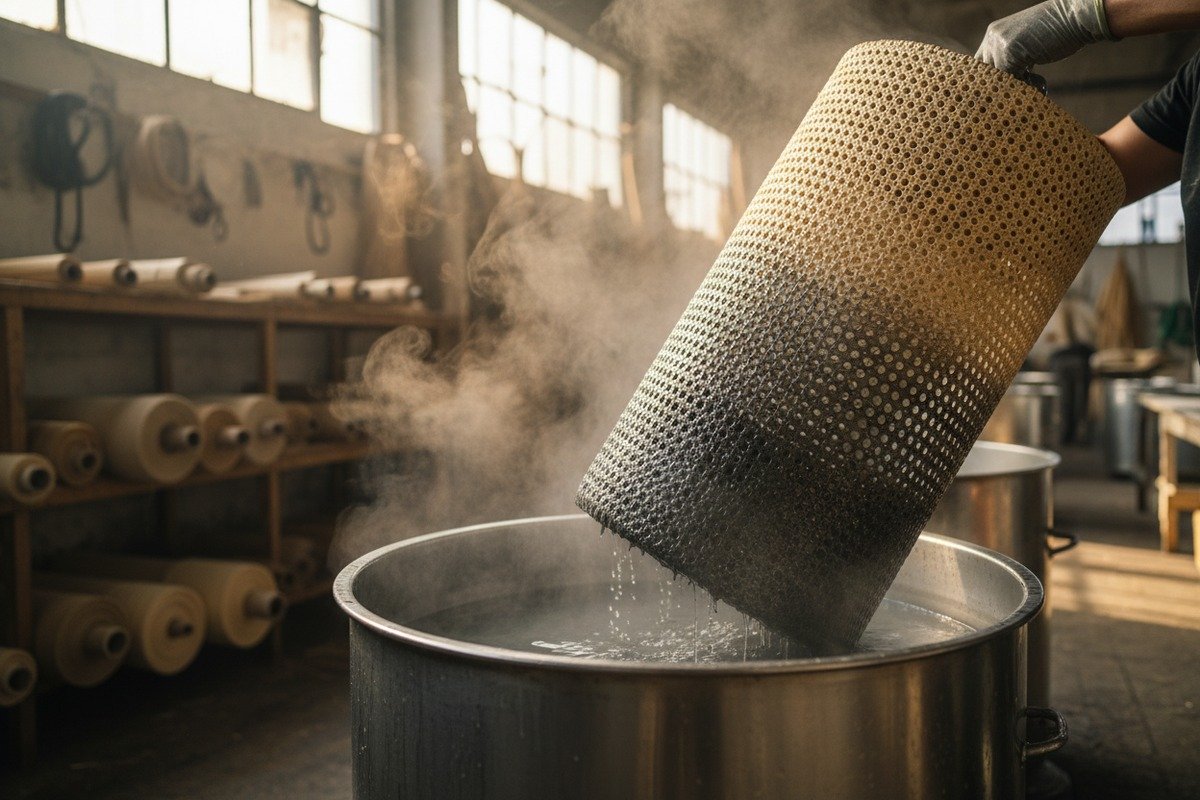
Every week, our sales team in Foshan fields the same question from furniture factories and wholesalers around the world: can rattan cane webbing 1 be dyed to match a specific color scheme?
Yes, rattan cane webbing can be custom dyed for furniture projects. Manufacturers use fiber-reactive dyes, oil-based stains, or hot dye baths to achieve a wide range of colors. The key is proper preparation, correct dye selection, and a protective topcoat to ensure lasting color and preserved material strength.
This question matters more than ever. Rattan is back in style. Designers want it in colors that fit their brand. Below, we break down how to order custom colors, what happens to rattan’s strength, how to match your brand palette, and what to expect in terms of timelines and costs.
How can I request specific custom colors for my bulk rattan webbing orders?
Placing bulk orders for rattan webbing in natural tones is straightforward lightfastness ratings 2. But when our clients in the Netherlands, Australia, or the US need a specific shade of charcoal grey or dusty rose, the process requires a bit more coordination.
To request custom colors for bulk rattan webbing orders, contact your supplier with a Pantone code, a physical swatch, or a digital color reference. Most experienced rattan manufacturers can match colors using fiber-reactive dyes or oil-based stains applied before or after weaving.
Start With a Clear Color Reference
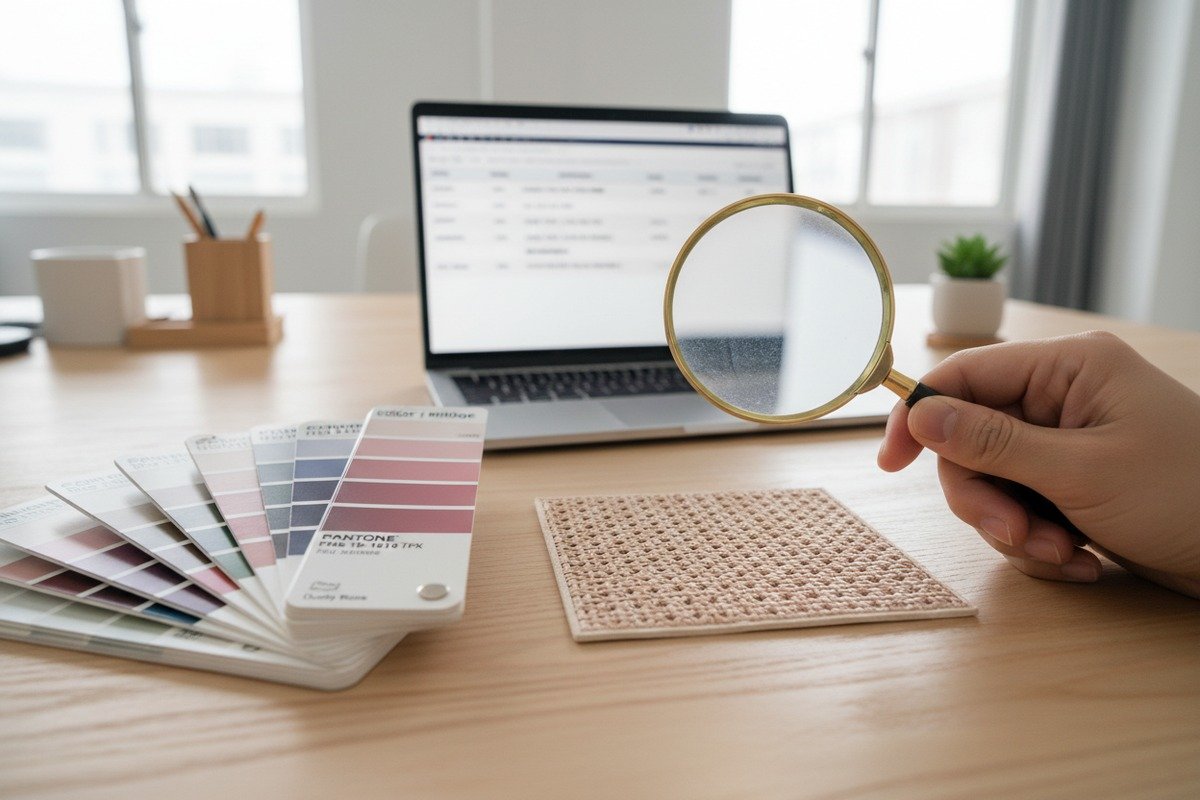
The most reliable way to communicate your desired color is through a Pantone code 3. Pantone is the universal language of color in manufacturing. When you send a Pantone number, there is very little room for misunderstanding. If you do not have a Pantone code, a physical swatch or a high-resolution photo under natural light works as a secondary option. Our production team has found that digital images on screens can shift in hue depending on the device, so we always recommend confirming with a physical sample when possible.
Understand the Coloring Methods Available
There are three main methods used to add color to rattan cane webbing. Each has its own advantages and limitations. Here is a quick comparison:
| Method | Best For | Color Depth | Natural Texture Visible? |
|---|---|---|---|
| Fiber-reactive dye bath | Deep, vibrant, even colors | High | Yes |
| Oil-based stain | Warm, wood-like tones | Medium | Yes |
| Spray painting | Opaque, bold solid colors | Full coverage | No |
Fiber-reactive dye baths involve submerging raw rattan in a hot solution of dye, salt, and soda ash. This allows the color to penetrate the fiber itself. Oil-based stains 4, like Minwax dark walnut, are brushed on in thin coats and enhance the natural grain. Spray painting covers the surface completely but hides the organic texture of the weave.
How to Structure Your Custom Color Request
When reaching out to a supplier like us, include the following in your inquiry:
- Your desired Pantone code or a physical swatch
- The type of rattan webbing pattern you need (hexagonal open mesh 5, close weave, square basketweave, etc.)
- Your order quantity in square meters or rolls
- Whether you prefer dyeing, staining, or painting
- Any topcoat or finish preferences (matte, satin, gloss)
This information helps the factory prepare an accurate sample and quote. In our experience exporting to markets like Spain and Saudi Arabia, clear communication at this stage saves weeks of back-and-forth later.
Pre-Dyed vs. Post-Weave Dyeing
Some buyers ask whether it is better to dye the raw cane before weaving or to dye the finished webbing sheet. Pre-dyeing individual cane strands gives more even color saturation. Post-weave dyeing is faster but can produce slight color variations at the joints and overlaps. For most furniture applications, these subtle variations actually add to the artisanal charm of the material. However, if absolute color uniformity is critical for your brand, pre-dyeing is the safer choice.
Will custom dyeing impact the natural strength and quality of my rattan material?
This is one of the most common concerns we hear from purchasing managers at furniture factories. They love the idea of custom colors, but they worry about compromising the material they depend on for durable, long-lasting products.
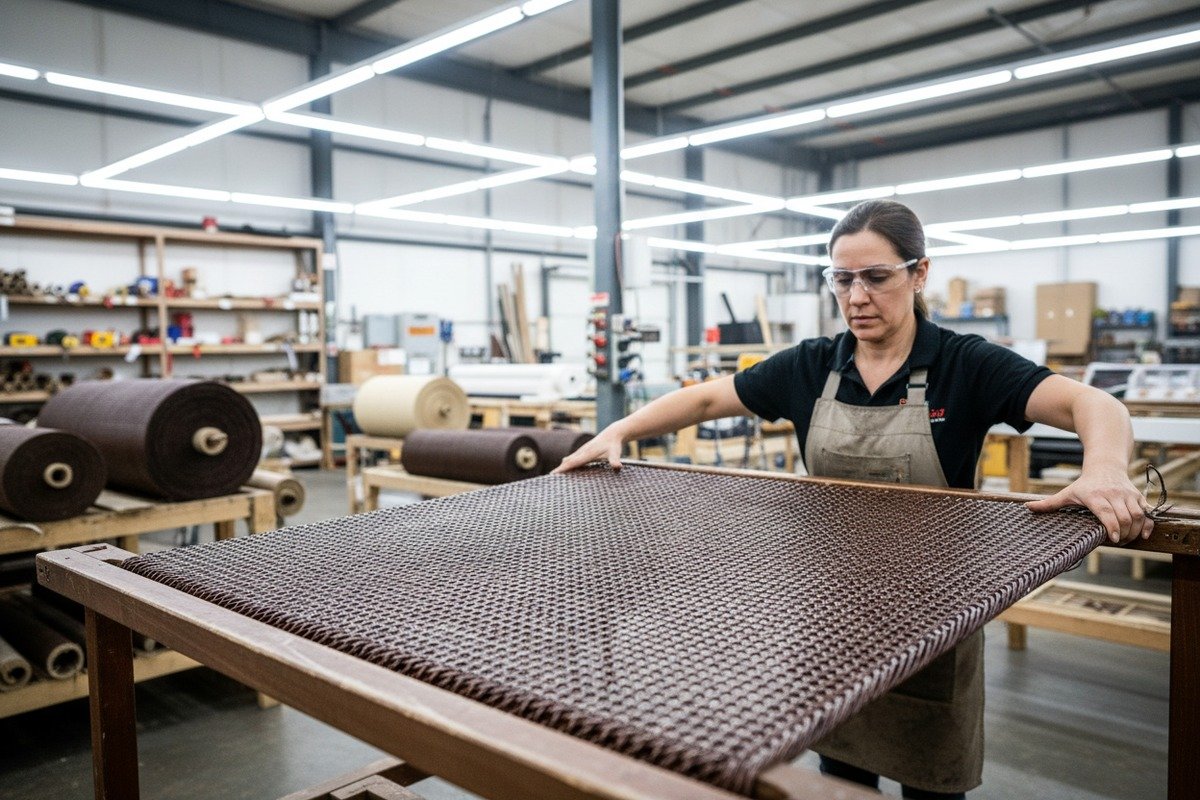
When done correctly, custom dyeing does not significantly reduce rattan cane webbing's natural strength. Fiber-reactive dyes and quality oil-based stains penetrate the material without breaking down its cellular structure. The key factors are proper dye concentration, controlled temperature, and thorough drying.
What Happens to Rattan Fibers During Dyeing?
Rattan is a naturally porous material. Its fibers absorb moisture readily, which is actually what makes it so well-suited for dyeing. During a hot dye bath, the fibers swell slightly as they absorb the dye solution. Once dried, they return to their original dimensions. This process is similar to what happens when rattan is soaked in water for bending and shaping — a standard step in furniture production.
The critical factor is temperature. If the dye bath is too hot — above 80°C for extended periods — it can begin to break down the lignin that holds the rattan fibers together. Our processing facility in Indonesia keeps bath temperatures between 60°C and 75°C to ensure the fibers stay intact.
Comparing Strength Across Coloring Methods
Not all coloring methods affect rattan the same way. Here is how they compare:
| Coloring Method | Fiber Penetration | Impact on Strength | Risk of Damage |
|---|---|---|---|
| Fiber-reactive dye bath (60–75°C) | Deep | Minimal | Low |
| Oil-based stain (brush applied) | Medium | Negligible | Very low |
| Water-based stain (brush applied) | Shallow | Negligible | Very low |
| Spray paint (surface coat) | None (surface only) | None | Very low |
| Bleaching (chemical treatment) | Deep | Moderate | Medium |
Notice that bleaching carries more risk than dyeing. Bleaching uses chemical agents like hydrogen peroxide to strip the natural color from rattan. This can weaken the fibers if overdone. Dyeing, by contrast, adds material to the fiber rather than removing it.
The Role of the Protective Topcoat
After dyeing or staining, applying a clear topcoat is not optional. It serves two purposes. First, it locks in the color and prevents rub-off during daily use. Second, it adds a layer of protection against moisture, UV exposure, and abrasion. Polyurethane is the most common choice. For eco-conscious brands, water-based polyurethane or natural lacquers offer lower VOC alternatives without sacrificing durability.
In our testing, rattan webbing that has been properly dyed and sealed performs comparably to untreated rattan in tensile strength tests 6. The difference is typically less than 5%, which is well within acceptable tolerances for furniture applications.
What About Lightfastness?
One area where quality truly matters is lightfastness — how well the color resists fading from sunlight. Cheap dyes fade fast. Quality fiber-reactive dyes 7 with high lightfastness ratings hold their color for years, even in sunny environments. If your furniture will be used outdoors or near windows, ask your supplier about the lightfastness rating of their dyes. A UV-protective topcoat 8 also helps significantly.
Can I provide my own color samples to match my furniture brand's aesthetic?
Many of our wholesale clients run private-label furniture brands. They have carefully curated color palettes that define their visual identity. When they source rattan webbing, they need it to fit seamlessly into their product line.
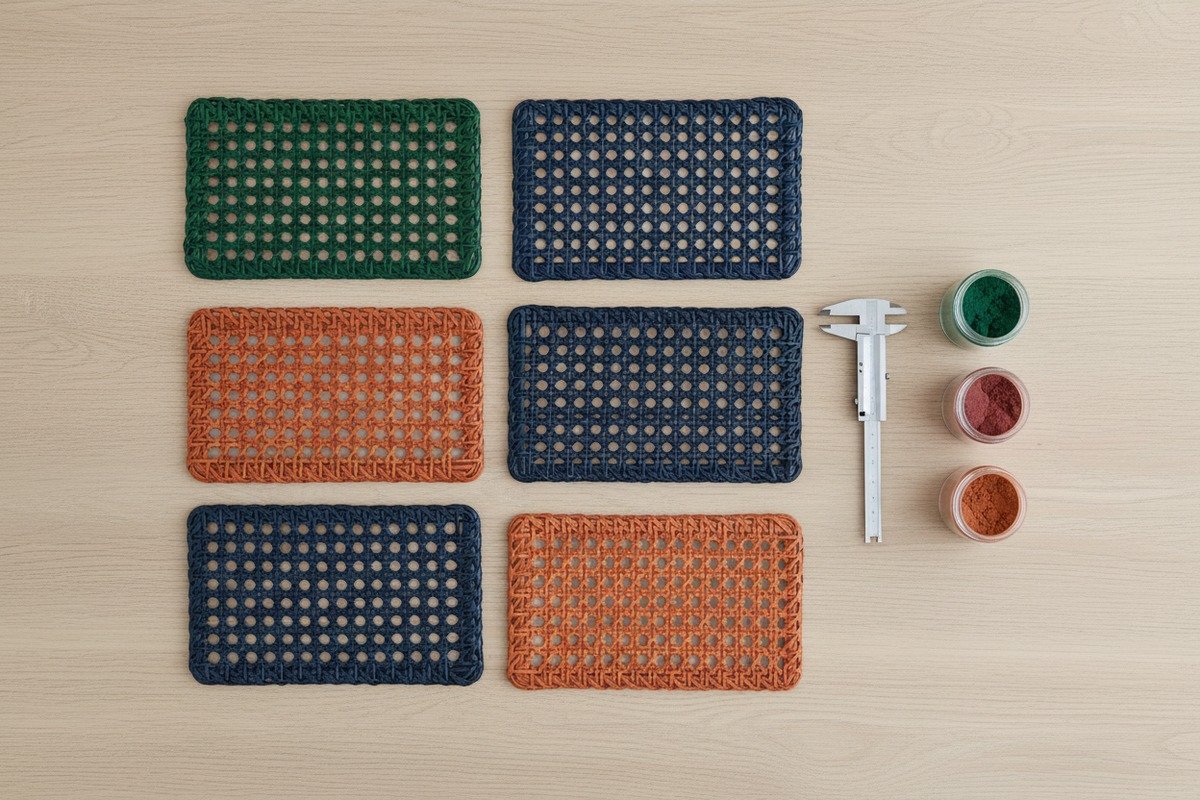
Yes, you can provide your own color samples — physical swatches, fabric cuttings, painted wood chips, or Pantone fan deck references — and a capable rattan supplier will produce test batches to match your brand's specific aesthetic before full production begins.
What Types of Samples Work Best?
The more tangible your sample, the better the match. Here is a ranking of sample types from most to least reliable:
| Sample Type | Reliability | Notes |
|---|---|---|
| Pantone fan deck chip | Highest | Industry standard; eliminates guesswork |
| Physical fabric or material swatch | High | Must be viewed under controlled lighting |
| Painted wood chip or finished panel | High | Good for matching furniture frame colors |
| RAL color code 9 | High | Common in European markets |
| Printed color from a catalog | Medium | Print quality and paper type can shift color |
| Digital image (email/WhatsApp) | Low | Screen calibration varies widely |
Our team regularly receives fabric swatches from clients in Turkey and Greece who want their rattan panels to match upholstery textiles. We have also worked with Australian buyers who ship us actual painted wood samples from their furniture frames. Both approaches work well because they give our dye technicians a physical reference to compare against under standardized lighting.
The Sample Approval Process
Once we receive your color reference, here is how the process typically works. First, our dye lab creates a small test swatch using the specified rattan weave pattern. We apply the dye using the same method planned for full production. We then photograph the sample under D65 daylight-equivalent lighting 10 and send it to you for initial review. If you approve the digital proof, we ship the physical sample to you for final sign-off.
This step is crucial. Colors look different on screens than they do in person. We strongly encourage every buyer to hold the physical sample next to their other materials before giving the green light. In our experience, this extra step prevents costly rejections and re-runs.
Handling Slight Variations
Rattan is a natural material. Unlike synthetic plastics, it has inherent variations in porosity, density, and baseline color. This means that even with perfect dye formulation, there will be subtle shade differences from strand to strand. Most designers and end consumers consider this a feature, not a flaw. It gives the material its organic, handcrafted appeal. However, if your brand demands extremely tight color tolerances, discuss this upfront with your supplier so they can select more uniform raw cane or apply additional processing steps.
Brand Color Libraries
Some of our long-term clients maintain a color library with us. They define a set of custom colors during initial development, and we keep those dye formulas on file. When they reorder, they simply reference the color code, and we reproduce it without needing new samples. This system saves time and ensures batch-to-batch consistency across orders placed months or even years apart.
What should I know about the lead times and costs for my custom-dyed projects?
Budget and timeline are where most sourcing decisions are made or broken. When we talk to procurement managers at furniture factories, these are always among their first questions — right after quality.
Custom-dyed rattan webbing typically adds 7 to 15 business days to standard production lead times, depending on order volume and color complexity. Costs increase by approximately 10% to 30% over natural rattan pricing due to dye materials, labor, additional drying time, and quality control steps.
Breaking Down the Additional Lead Time
The extra time required for custom dyeing comes from several distinct steps. Each one is necessary to ensure quality.
Pre-soaking the raw rattan in warm water improves dye absorption. This step alone can take 12 to 24 hours for thicker cane. The dye bath itself runs for 1 to 3 hours depending on the target color depth. After dyeing, rattan needs thorough drying — typically 24 to 48 hours in a controlled environment to prevent warping or mold. Oil-based stains require a minimum of 4 hours between coats, and most projects need at least two coats. Finally, the protective topcoat needs its own curing time.
Here is a typical timeline breakdown for a mid-sized custom order:
| Production Stage | Time Required |
|---|---|
| Order confirmation and sample approval | 3–5 days |
| Raw material selection and pre-soaking | 1–2 days |
| Dyeing or staining process | 1–2 days |
| Drying and curing | 2–3 days |
| Topcoat application and final drying | 1–2 days |
| Quality inspection and packing | 1–2 days |
| Total additional time vs. natural orders | 7–15 days |
For rush orders, some steps can be accelerated, but we do not recommend cutting corners on drying time. Inadequately dried rattan can develop mold during shipping, especially in sealed containers crossing tropical waters.
Understanding the Cost Structure
The price increase for custom-dyed rattan comes from several factors. Dye materials themselves are a relatively small cost. The bigger expense is labor — skilled dye technicians who mix colors, monitor bath temperatures, and manage quality control. Additional drying time means product occupies factory floor space longer. And the topcoat adds another layer of material cost and labor.
For perspective, standard natural rattan cane webbing typically ranges from $12 to $24 per roll at wholesale. Custom dyeing may add $2 to $7 per roll depending on the complexity of the color, the number of coats, and the type of finish. Darker, more saturated colors generally cost more because they require longer dye bath times and more dye concentrate. Pastel or light washes are faster and cheaper.
Volume Discounts and MOQs
Most suppliers, including us, offer volume discounts on custom-dyed orders. The setup cost for mixing a specific dye formula is fixed regardless of whether you order 50 rolls or 500. So larger orders spread that cost across more units, reducing the per-roll premium. Minimum order quantities for custom colors are typically higher than for standard natural webbing — often starting at 50 to 100 rolls — because the factory needs to justify the setup and changeover time.
Tips to Reduce Costs and Delays
Here are practical ways to keep your custom project on budget and on schedule. First, finalize your color choice before placing the production order. Changing colors mid-run is expensive and wastes material. Second, consolidate your custom colors. If you can work with three to five core shades instead of ten, your supplier can optimize dye batches. Third, plan ahead. If you know you will need custom-dyed webbing for a seasonal collection, place orders 8 to 12 weeks in advance to avoid rush fees.
Conclusion
Custom dyeing rattan cane webbing is not only possible — it is a practical, proven process that opens up creative possibilities for furniture brands worldwide. With clear color references, the right supplier, and realistic expectations for timelines and costs, you can get rattan webbing that fits your brand perfectly.
Footnotes
1. Informational page providing a comprehensive overview of rattan cane webbing, its origins, and uses. ↩︎
2. Explains lightfastness ratings and their relevance in the textile industry. ↩︎
3. Official Pantone website page introducing and explaining the Pantone Color Systems, relevant to understanding Pantone codes. ↩︎
4. Informational article comparing oil-based and water-based wood stains, detailing their characteristics and applications. ↩︎
5. Product page from a reputable supplier describing ‘Fine 1/2″ Cane Webbing’ with a ‘Classic Octagonal weave’, which is a common type of hexagonal open mesh. ↩︎
6. Defines tensile testing and its importance in evaluating material strength. ↩︎
7. Explains the chemical properties and applications of fiber-reactive dyes. ↩︎
8. Product page detailing a ‘UV Guard Advance Clear Wood Finish’ that offers UV protection for exterior wood, aligning with the need for a UV-protective topcoat. ↩︎
9. Official source for information on the RAL color matching system. ↩︎
10. Explains the standard D65 illuminant for accurate color assessment. ↩︎
 English
  Español de México
  العربية
  Deutsch
  Français
  Русский