
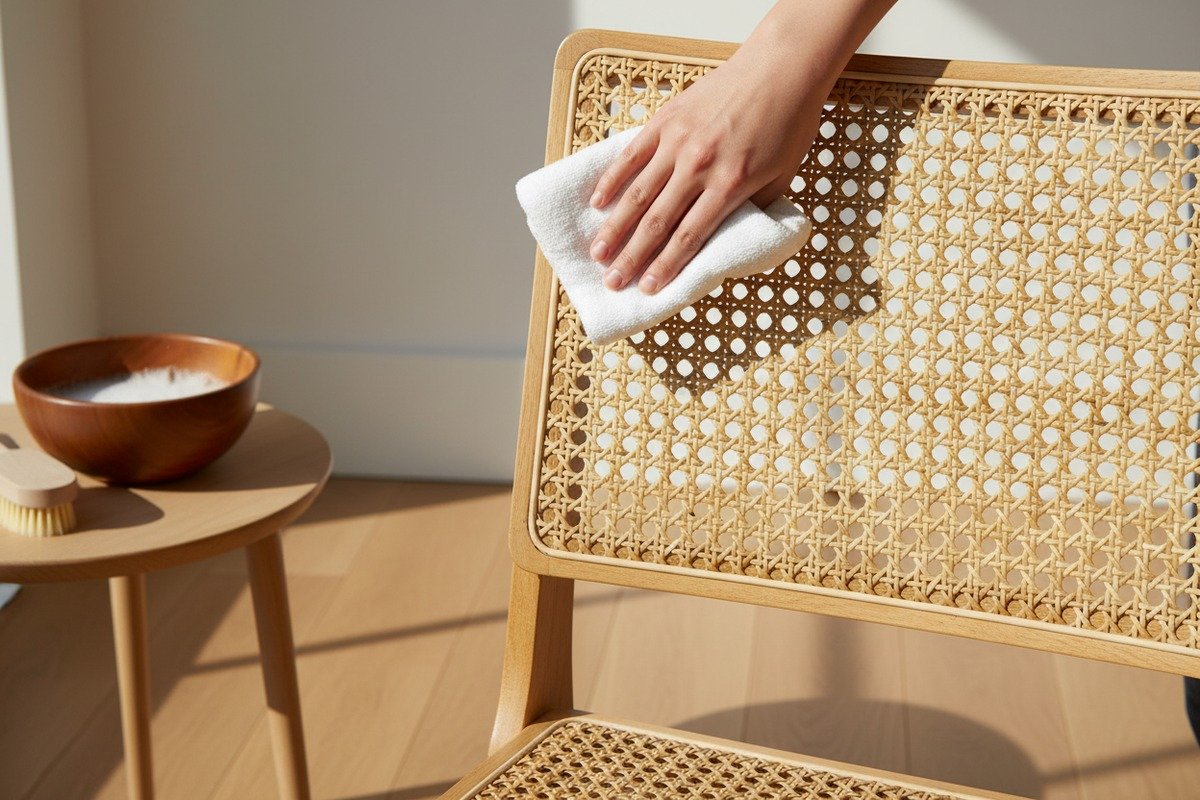
Years of producing and shipping rattan cane webbing 1 from our factories in Foshan and Indonesia have taught us one truth: even the finest natural rattan will deteriorate quickly without proper cleaning. Dust hides deep in the weave. Moisture sneaks in and breeds mold. Stains set permanently if you wait too long. These problems frustrate furniture owners everywhere.
To clean rattan cane webbing furniture, start by dry-dusting with a soft brush or vacuum attachment. Then wipe with a cloth dampened in mild soapy water, working along the weave direction. Never soak the rattan. Rinse with a clean damp cloth and let it air-dry completely to prevent warping, mold, and fiber damage.
This guide breaks down every step you need. We will cover safe daily cleaning, stain removal, mold prevention, and the best tools for deep maintenance mold and mildew 2. Let us walk through each topic so your rattan furniture stays beautiful for years.
How do I clean my rattan cane webbing without damaging the natural fibers?
When we prepare rattan webbing samples for our overseas clients in the Netherlands, Australia, and the US, we always include care instructions Soft-bristled brush 3. The most common complaint we hear back is about fibers cracking or warping after cleaning. The problem is almost always the same: too much water, too fast, with the wrong tools.
Clean rattan cane webbing safely by first removing loose dust with a soft-bristled brush or vacuum attachment. Then use a lightly dampened cloth with a few drops of mild dish soap in warm water. Wipe gently along the weave, rinse with a clean damp cloth, and air-dry the piece fully before use.
Why Dry Dusting Comes First
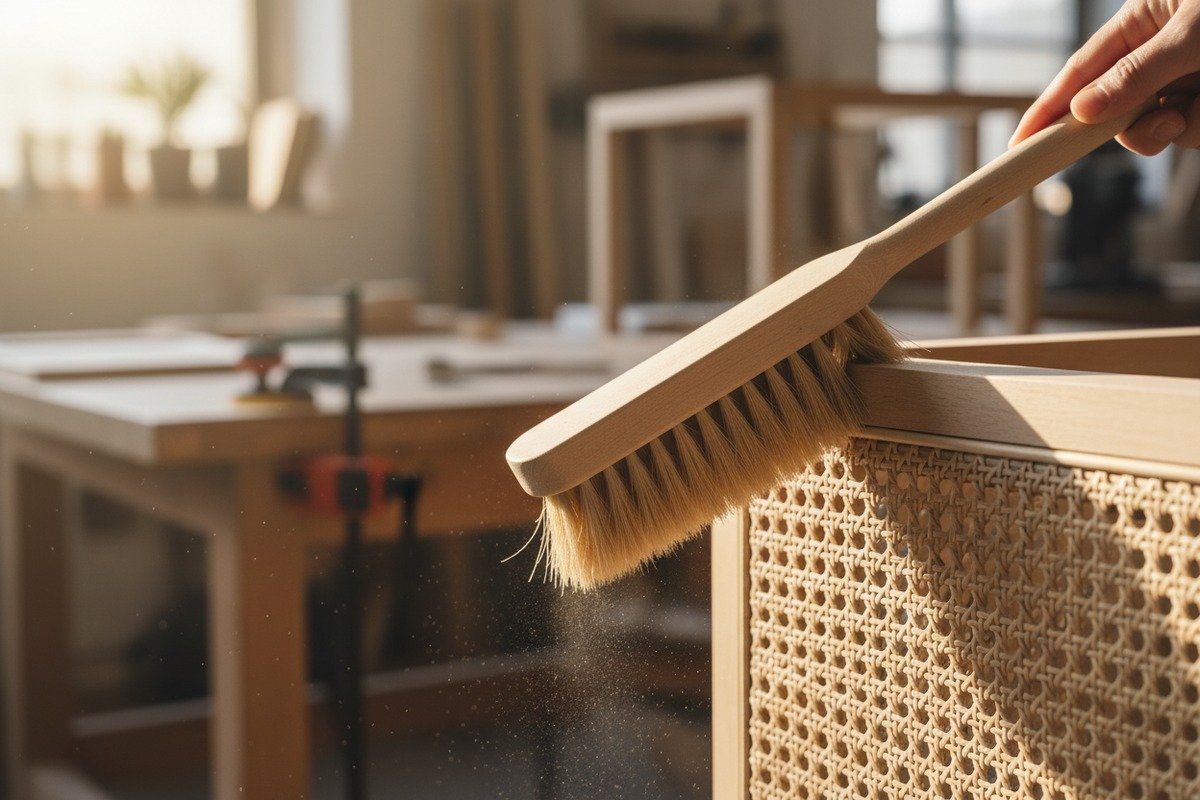
Rattan is a natural fiber woven into intricate patterns. Those patterns trap dust, pet hair, and tiny debris every single day. If you skip dry dusting and jump straight to wet cleaning, you push that grime deeper into the weave. Over time, this creates a sticky buildup that discolors the fibers and encourages mold.
Use a soft brush, a microfiber cloth 4, or a vacuum cleaner with a brush nozzle. Go over every surface. Pay extra attention to corners and the underside of seats. We recommend doing this at least once a week for furniture in daily use.
The Right Way to Wet Clean
Once the dust is gone, you can do a light wet clean. Mix a few drops of dish soap into a bowl of warm water. Dip a soft cloth in, wring it out thoroughly, and wipe in the direction of the weave. Do not scrub in circles. Do not use a soaking-wet cloth.
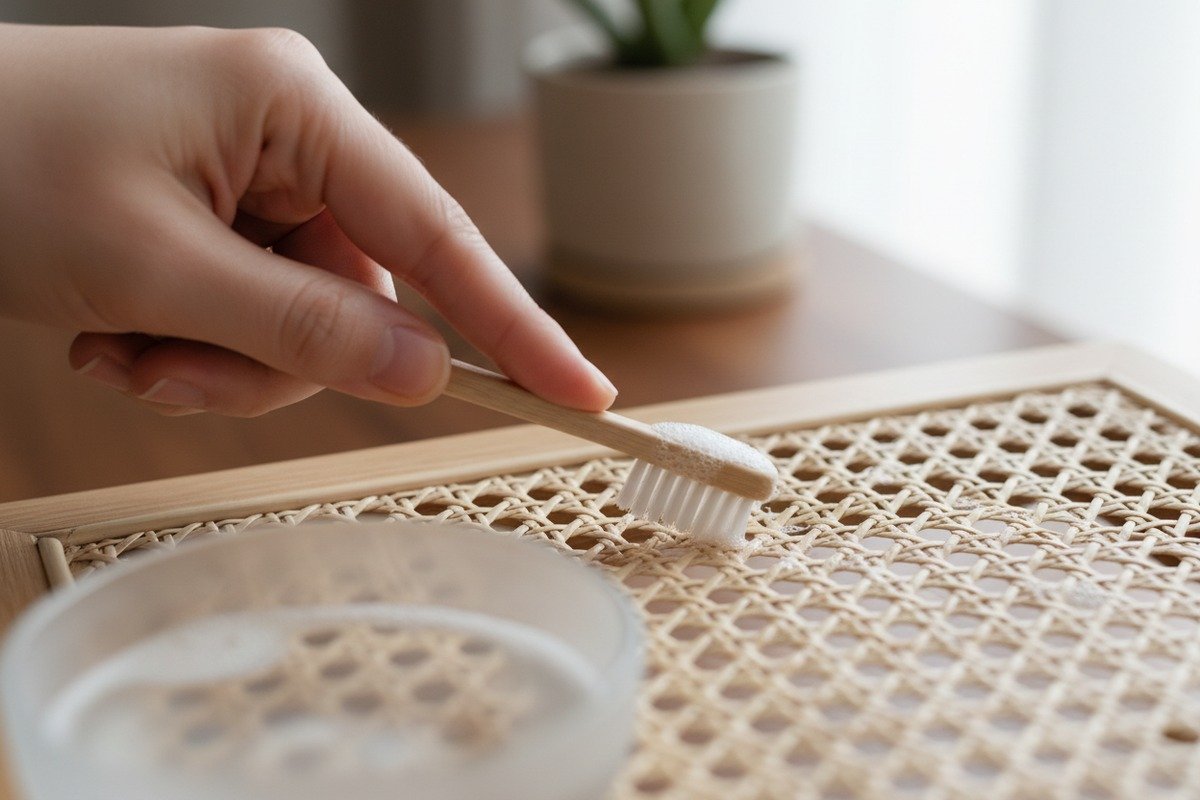
For tight crevices, a soft-bristled toothbrush works well. It reaches into the gaps without scratching or pulling the rattan strands.
Drying Is Non-Negotiable
After wiping, use a clean damp cloth to remove soap residue. Then let the furniture dry in a well-ventilated area. Never use a hair dryer on high heat. Never leave it in a sealed room with no airflow. Trapped moisture is the number one cause of warping and decay in natural rattan.
Natural vs. Synthetic Rattan: Cleaning Differences
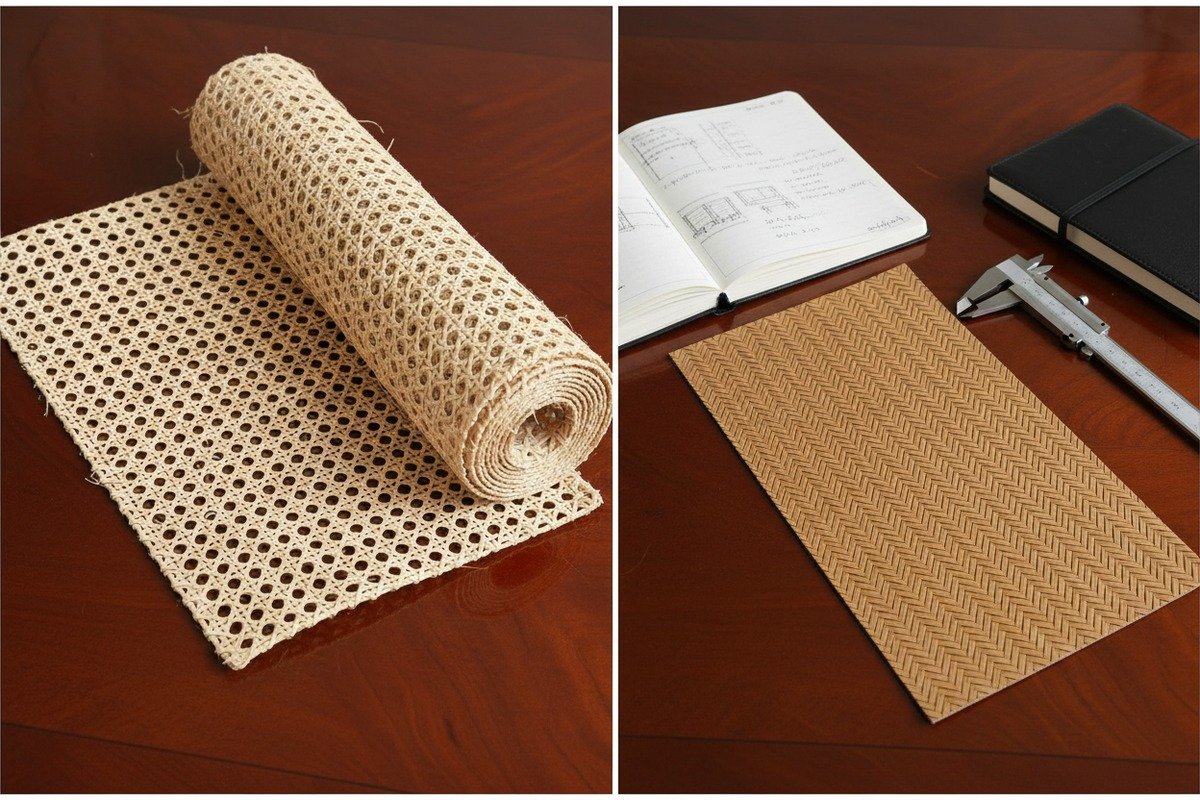
From our production lines, we manufacture both natural cane webbing and synthetic rattan 5 matting. They look similar but respond differently to cleaning.
| Factor | Natural Rattan | Synthetic Rattan |
|---|---|---|
| Water Tolerance | Low — avoid soaking | Moderate — can handle more moisture |
| Cleaning Solution | Mild dish soap 6 only | Mild soap or diluted all-purpose cleaner |
| Drying Time | Longer — needs full air-drying | Shorter — dries faster, less risk |
| Risk of Warping | High if wet too long | Very low |
| Recommended Frequency | Weekly light clean | Weekly or as needed |
If you are unsure whether your furniture uses natural or synthetic rattan, check the feel. Natural rattan has organic color variations and a slightly rough, fibrous texture. Synthetic rattan feels smoother and more uniform, like the chevron-patterned matting we produce for outdoor furniture projects.
What is the safest way for me to remove stains from my woven rattan furniture?
We have shipped rattan cane webbing to furniture factories in over a dozen countries, and the feedback is consistent: stains happen fast, and people panic. Coffee spills, sauce drips, sticky fingerprints — they all seem to bond with the natural fibers 7 within minutes. The real damage comes from reacting the wrong way.
Remove stains from woven rattan by blotting the spill immediately with a clean, damp cloth using a gentle dabbing motion. Never rub, as this pushes the stain deeper and can abrade the fibers. For stubborn stains, apply mild soapy water with a soft toothbrush, rinse with a damp cloth, and air-dry completely.
Act Fast: The First 60 Seconds Matter
The moment a liquid hits rattan, it begins seeping into the porous fibers. Blot — do not wipe — with a clean, damp cloth. Use a dabbing motion. Press down, lift up. Repeat. This pulls the liquid out instead of spreading it across the weave.
If you catch the spill early, plain water on a cloth is usually enough. No soap needed.
Dealing with Set-In Stains
Sometimes you miss the spill. It dries. It darkens. Now you need a mild cleaning solution. Mix a small amount of dish soap into warm water. Dip a soft toothbrush in and gently work the stained area, following the weave direction. Rinse the area with a clean damp cloth and let it dry naturally.
Avoid bleach on stains unless mold is present. Bleach can strip the natural color of rattan and weaken the fibers.
Common Stain Types and Solutions
| Stain Type | Recommended Cleaning Method | What to Avoid |
|---|---|---|
| Coffee / Tea | Blot immediately, then mild soapy water | Rubbing or scrubbing hard |
| Food Grease | Mild soap + soft toothbrush | Harsh degreasers or solvents |
| Ink | Dab with rubbing alcohol 8 on cotton swab | Pouring alcohol directly on the surface |
| Tree Sap / Sticky Residue | Mild soap wash, then rubbing alcohol dab | Scraping with sharp tools |
| Watermarks | Wipe with damp cloth, dry thoroughly | Leaving the area wet |
A Note on Bleached Rattan Webbing
Our bleached rattan cane webbing has a lighter, more uniform color compared to natural rattan. Stains show up more visibly on bleached surfaces. Be extra cautious. Test any cleaning solution on a hidden area first. Bleached rattan can yellow or develop uneven patches if you use the wrong product.
For both natural and bleached rattan, the rule is simple: gentle pressure, minimal moisture, and patience.
How can I prevent mold and mildew from growing on my rattan webbing?
Humidity is a constant reality in our rattan processing facility in Indonesia. We have seen firsthand what moisture does to untreated rattan — mold can spread across an entire roll of webbing in days if conditions are right. That same risk exists in your home or warehouse, especially in coastal or tropical climates.
Prevent mold on rattan webbing by controlling moisture and ensuring good air circulation. Keep furniture away from damp walls and poorly ventilated rooms. Wipe surfaces dry after cleaning, condition the rattan periodically with natural oil, and store pieces in dry areas with adequate airflow to stop mold before it starts.
Understanding Why Mold Loves Rattan
Rattan is organic. It is made from palm fibers. Mold feeds on organic material, and it thrives in warm, humid, dark environments. A rattan chair tucked against a damp basement wall is an invitation for mold growth. So is a piece of furniture that was cleaned but never fully dried.
Mold does more than look bad. It weakens the fibers, causes unpleasant odors, and can trigger allergies. Prevention is far easier than removal.
Environmental Controls That Work
Keep rattan furniture in rooms with good airflow. Use a dehumidifier if you live in a humid region. Do not place rattan directly against exterior walls, especially during rainy seasons. If you use rattan outdoors — even on a covered porch — bring it inside during prolonged wet weather.
Sunlight is a natural mold killer. Occasionally placing your rattan furniture in indirect sunlight for a few hours helps dry out residual moisture. But avoid prolonged direct sun exposure, which causes fading and brittleness.
Treating Mold When It Appears
If you spot mold, act immediately. Here are two effective solutions:
- Vinegar solution: Mix equal parts white vinegar and water. Apply with a cloth, scrub gently with a soft brush, rinse, and dry completely.
- Bleach solution: Mix one cup of bleach into one gallon of water. Wear gloves. Apply with a cloth, scrub lightly, rinse thoroughly, and dry in sunlight.
For small mold spots, hydrogen peroxide on a cotton swab works as a gentler option. Dab the spot, wait a few minutes, wipe clean, and dry.
Conditioning to Build Resistance
Our experience supplying rattan to European and Middle Eastern markets has shown us that conditioned rattan resists mold better. Apply a thin coat of mineral oil 9, lemon oil, or diluted Murphy's Oil Soap every few months. This keeps fibers supple and creates a light barrier against moisture absorption.
Here is a simple conditioning schedule:
| Climate Type | Conditioning Frequency | Recommended Oil |
|---|---|---|
| Humid / Tropical | Every 2–3 months | Mineral oil or lemon oil |
| Temperate / Moderate | Every 4–6 months | Lemon oil or Murphy's Oil Soap |
| Dry / Arid | Every 3–4 months | Mineral oil (to prevent cracking) |
After oiling, wipe the surface gently with a lint-free cloth. Wait several hours before sitting on the furniture or placing cushions back.
What tools should I use to deep clean and maintain my rattan surfaces?
Through years of guiding our wholesale clients — from furniture material distributors in Spain to building suppliers in Saudi Arabia — we have compiled a practical toolkit for rattan care. The right tools make cleaning faster, safer, and far more effective. The wrong ones cause scratches, fiber breakage, and permanent damage.
Use a soft-bristled brush, vacuum with a brush attachment, microfiber cloths, a soft toothbrush for crevices, and mild dish soap for routine rattan cleaning. For conditioning, keep mineral oil or lemon oil on hand. Avoid steel wool, abrasive sponges, pressure washers, and harsh chemical cleaners, which destroy natural rattan fibers.

Your Essential Rattan Cleaning Toolkit
You do not need expensive or specialized equipment. Most of these items are already in your home. The key is knowing which ones are safe and which ones are not.
Soft-bristled brush: A natural-bristle paintbrush or a dedicated furniture brush works perfectly for weekly dusting. The bristles reach into the weave without pulling or snagging fibers.
Vacuum with brush nozzle: Set the vacuum to low suction. The brush attachment lifts dust without putting pressure on the rattan. This is especially useful for large pieces like headboards or room dividers made with our hexagonal open-mesh radio weave or dense basketweave patterns.
Microfiber cloths: Use one damp cloth for cleaning and a separate dry one for wiping down. Microfiber picks up dust and residue better than cotton rags.
Soft toothbrush: This is your precision tool. It reaches into tight weave intersections and crevices where dust and grime collect. Use gentle circular motions with a small amount of soapy water.
Cotton swabs: For tiny mold spots or pinpoint stains, a cotton swab dipped in hydrogen peroxide or rubbing alcohol gives you control without spreading the problem.
Tools to Avoid
This is just as important as knowing what to use. We have seen customers ruin beautiful rattan pieces by using the wrong tool.
- Steel wool or metal brushes: They scratch and tear rattan fibers permanently.
- Pressure washers: Far too much water and force. They destroy the weave structure.
- Abrasive sponges: The rough side of a kitchen sponge can strip the rattan's natural peel layer.
- Harsh chemical sprays: Ammonia-based cleaners, heavy degreasers, and strong solvents dry out and discolor rattan.
Deep Cleaning and Maintenance Schedule
Consistency matters more than intensity. Here is a practical schedule we recommend to our B2B partners who resell rattan furniture to end consumers:
| Task | Frequency | Tools Needed |
|---|---|---|
| Dry dusting | Weekly | Soft brush or vacuum with brush nozzle |
| Light damp wipe | Bi-weekly | Microfiber cloth, mild soapy water |
| Crevice cleaning | Monthly | Soft toothbrush, mild soapy water |
| Oil conditioning | Every 2–6 months (climate dependent) | Mineral oil or lemon oil, lint-free cloth |
| Mold inspection | Monthly | Visual check, cotton swab with hydrogen peroxide if needed |
| Full deep clean | Every 3–6 months | All tools above, plus clean rinse cloths |
Handling Loose Fibers and Minor Repairs
Over time, small strands of rattan may poke out from the weave. Do not pull them. Pulling unravels the surrounding fibers and damages the structure. Instead, trim the loose strand carefully with sharp scissors, cutting as close to the surface as possible.
For minor cracks or splits in the frame, apply wood glue 10 to the damaged area and clamp it until dry. If the damage is extensive or the piece has sentimental or antique value, consult a professional furniture repair specialist. In our experience, trying to fix major structural issues without expertise usually makes things worse.
A Word on Rattan Wax and Lacquer
Some of the premium rattan webbing we produce comes with a clear lacquer finish. This adds a layer of protection and makes cleaning easier. If your rattan has a lacquer coating, you can use a slightly damp cloth more freely — the lacquer acts as a moisture barrier.
For unfinished rattan, consider applying a thin layer of rattan wax after conditioning. It adds subtle shine and creates extra resistance against dust and moisture. Apply sparingly and buff with a soft cloth.
Conclusion
Cleaning rattan cane webbing is simple when you follow the right steps: dust first, clean gently, dry completely, and condition regularly. Your rattan furniture will reward that care with years of natural beauty.
Footnotes
1. Replaced with an authoritative Wikipedia page that defines caning in furniture, which involves rattan cane webbing, and distinguishes it from wicker. ↩︎
2. Replaced with an authoritative EPA guide that covers mold basics, moisture control, and prevention, which is highly relevant to the article’s context. ↩︎
3. Describes different types of cleaning brush bristles and their applications. ↩︎
4. Replaced with an authoritative Wikipedia page that defines microfiber, its composition, and various uses, including cleaning products. ↩︎
5. Describes synthetic rattan’s composition, properties, and benefits. ↩︎
6. Details the composition and gentle nature of mild dish soap. ↩︎
7. Provides a general overview of natural fibers and their properties. ↩︎
8. Provides chemical properties and uses of isopropyl alcohol. ↩︎
9. Provides a comprehensive overview of mineral oil’s composition and uses. ↩︎
10. Explains what wood glue is and how it bonds wood pieces. ↩︎

 English
  Español de México
  العربية
  Deutsch
  Français
  Русский