
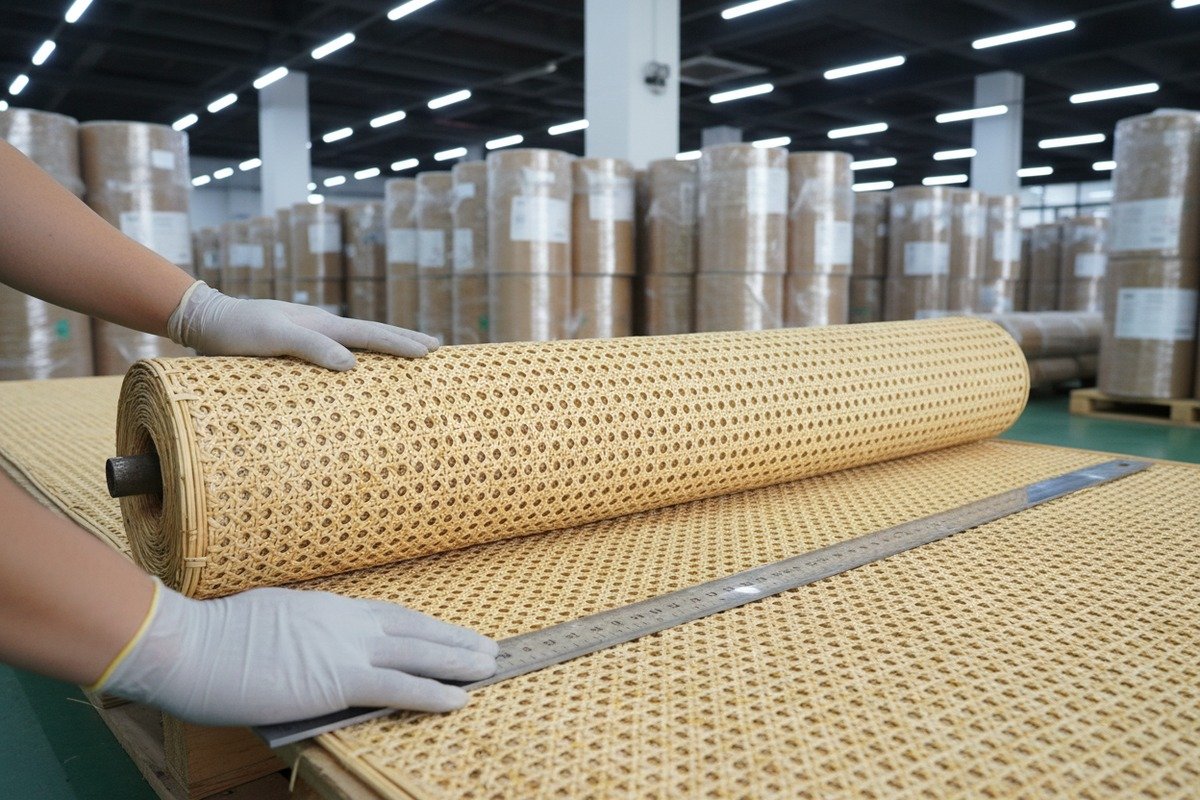
Every week, our customer service team fields the same worried question from furniture factories and wholesalers around the world: “Will this rattan last?” It’s a fair concern. After running three factories and shipping rattan to over a dozen countries, we’ve seen firsthand how the wrong material choice or poor sourcing can turn a beautiful cane chair into a brittle, sagging disappointment within months UV resistance testing 1. The frustration is real — and costly.
Natural rattan cane webbing lasts 15–20 years indoors with proper care and Grade A material, but only 1–3 years under harsh or outdoor conditions. Synthetic PE alternatives offer 5–7 years outdoors. Quality sourcing, correct grading, consistent supplier vetting, and regular maintenance are the keys to maximizing lifespan and protecting your investment.
Below, we break down the real numbers behind rattan durability, walk you through quality verification steps, explain what separates a reliable supplier from an inconsistent one, and share practical maintenance tips. Whether you source natural or synthetic cane webbing, this guide gives you the tools to make smarter buying decisions.
How long can I expect my rattan cane webbing to last in commercial furniture?
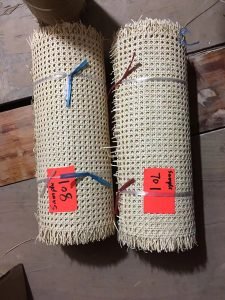
This is the question we hear most from purchasing managers placing their first bulk order. When we ship containers of rattan cane webbing 2 to factories in the US, Australia, and Europe, our clients need hard numbers — not vague promises. The truth is, lifespan depends on material type, environment, and how well the webbing is maintained.
In commercial furniture, natural rattan cane webbing typically lasts 1–3 years under heavy daily use, but premium Grade AAA natural cane can last 15–20 years indoors with moderate use and proper care. Synthetic PE rattan webbing lasts 5–7 years outdoors, making it the better choice for weather-exposed applications.
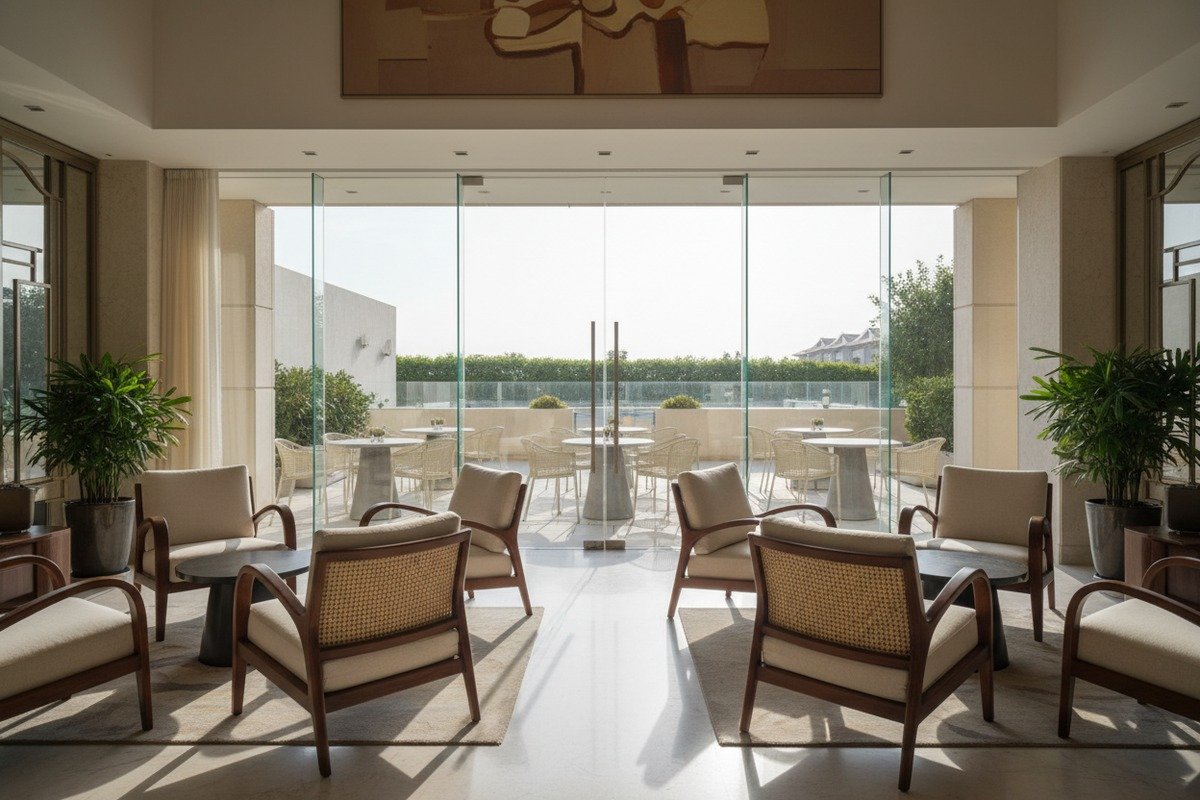
Natural vs. Synthetic: A Side-by-Side Comparison
The first step is understanding what you're working with. Natural rattan comes from palm plants, primarily harvested in Southeast Asia. It absorbs moisture, breathes well, and develops a warm patina over time. Synthetic rattan — usually made from polyethylene (PE) 3, polyurethane (PU), or PVC — is engineered to mimic natural cane but resist weather, UV, and mold.
Here's how they stack up:
| Factor | Natural Rattan Cane Webbing | Synthetic PE Rattan Webbing | Synthetic PU/PVC Rattan |
|---|---|---|---|
| Indoor lifespan | 15–20 years (Grade AAA) | 10+ years | 5–8 years |
| Outdoor lifespan | 1–3 years | 5–7 years | 1–3 years |
| UV resistance | Low (darkens, becomes brittle) | High (200-hour UV tested) | Moderate |
| Moisture resistance | Low (absorbs, mold risk) | High (no mold in 28-day tests) | Moderate |
| Heat tolerance | Good (no shrinkage) | Moderate (tested to 60°C) | Low (can deform) |
| Aesthetic | Authentic, warm, ages naturally | Mimics natural look closely | Less realistic |
| Maintenance | Regular oiling, cleaning | Minimal wipe-down | Minimal |
What Wears Out First?
Not all parts of a piece of furniture age the same way. In our experience producing cane webbing for commercial restaurant chairs and hotel headboards, seats wear out 3–5 times faster than backs or side panels. The constant pressure and friction on seat webbing stretches the fibers and loosens the weave. Backs and decorative panels, by contrast, see minimal stress and can last decades.
The Environment Factor
Environment is the single biggest lifespan variable. A natural cane headboard in a climate-controlled bedroom in the Netherlands will outlive the same webbing on a café chair in humid Bangkok by a factor of ten. Direct sunlight accelerates darkening and brittleness. High humidity invites mold. Outdoor rain exposure is essentially a death sentence for untreated natural rattan.
Synthetic PE cane webbing was developed specifically to solve these problems. Independent SGS 4 testing shows PE rattan withstands 60°C heat for 24 hours without melting or deforming, 200 hours of UV exposure without fading, and -20°C cold with a 5 kg/m² snow load without cracking. Bureau Veritas 5 testing confirms no mold growth after 28 days of sustained high humidity. These are not marketing claims — they are third-party lab results.
Weave Tightness Matters
Hand-woven webbing with tight, consistent tension outlasts loose machine-woven alternatives. A tighter weave distributes stress more evenly, reducing the chance of individual strands snapping or sagging. When we process rattan at our facility in Indonesia, our weavers check tension at multiple points across each sheet. This is one reason why Grade AAA webbing commands a higher price — and why it's worth it for commercial applications.
Real Cost Per Year
Think in terms of cost per year, not cost per roll. A $50 roll of Grade AAA natural cane webbing that lasts 15 years indoors costs about $3.33 per year. That same roll used outdoors might last 2 years, pushing the cost to $25 per year. A synthetic PE roll at $70 lasting 6 years outdoors costs $11.67 per year. The math often favors natural for indoor use and synthetic for outdoor.
How do I verify that the rattan materials I source meet Grade A quality standards?
Over the years, we've had buyers come to us after being burned by suppliers who labeled everything "Grade A" regardless of actual quality. When our quality control team inspects incoming raw cane from Indonesia, we follow a strict set of criteria. The grading system exists for a reason — but only if everyone applies it honestly.
To verify Grade A (or AAA) rattan quality, inspect strand uniformity, check for cracks or discoloration, request third-party certifications like SGS or Bureau Veritas test reports, and always order physical samples before committing to bulk. Consistent diameter, smooth surface, and tight weave density are the hallmarks of genuine top-grade cane webbing.
Understanding Rattan Grading
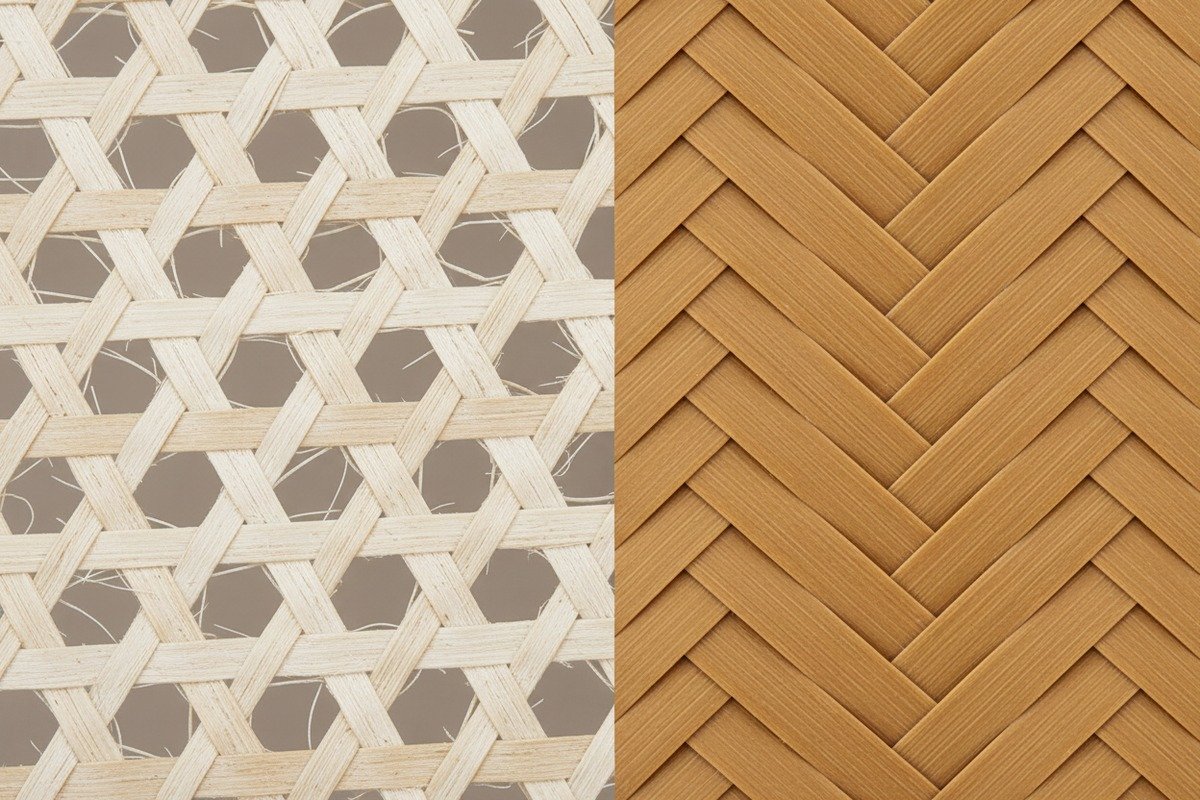
Rattan grading 6 is not standardized by a single global body. Different regions use different scales. In Southeast Asian supply chains, you'll commonly see grades labeled A, AA, and AAA — with AAA being the highest. Some Egyptian and Middle Eastern wholesalers also use this system. The grade reflects the raw cane's diameter consistency, surface smoothness, color uniformity, and structural strength.
Here's what to check at each grade level:
| Quality Indicator | Grade AAA | Grade AA | Grade A |
|---|---|---|---|
| Strand diameter consistency | ±0.2 mm variation | ±0.5 mm variation | ±1.0 mm variation |
| Surface smoothness | No rough spots or splinters | Minor roughness allowed | Some visible imperfections |
| Color uniformity | Even light beige/straw | Slight color variation | Noticeable shade differences |
| Crack/split frequency | None | Rare (1–2 per sheet) | Occasional |
| Weave tightness | Very tight, even tension | Tight with minor gaps | Moderate |
| Recommended use | Premium furniture, hotels | Mid-range commercial | Budget, DIY projects |
Third-Party Certifications to Request
Don't rely on a supplier's word alone. Ask for SGS, Bureau Veritas, or equivalent lab reports. Specifically, look for:
- UV resistance testing — 200-hour exposure with no significant fading.
- Heat testing — 60°C for 24 hours with no deformation.
- Cold testing — -20°C with load, no cracking.
- Humidity/mold testing — 28 days at sustained high humidity with no mold growth.
- Anti-insect treatment verification — especially for natural cane shipped across borders.
These tests matter because they give you objective data. A certificate from a recognized lab is something you can show to your own customers and use in warranty claims.
The Sample Test Protocol
Before placing any bulk order, request at least three samples: one from the beginning of production, one from the middle, and one from the end. This reveals whether quality stays consistent across a batch. Bend the strands. They should flex without snapping. Run your fingers along the surface. Grade AAA should feel smooth, not splintery. Hold it up to light — the weave pattern should be uniform with no gaps or doubled-up strands.
At our Foshan headquarters, we keep a sample library so buyers can compare what they received against the original approved sample. This kind of traceability matters, especially for purchasing managers like Ranoo in Thailand who demand high standards and specific sizing on every order.
Watch for Common Red Flags
Beware of suppliers who refuse to provide samples, offer unusually low prices, or cannot produce any certification. Color inconsistency within a single roll is a major warning sign. So is excessive moisture in the packaging — it suggests the cane was not properly dried before shipping, which leads to mold and warping.
What should I look for in a supplier to ensure my bulk rattan orders are consistent?
Consistency is the number one pain point we hear from buyers — and honestly, it was the problem that drove us to invest in our own rattan processing facility in Indonesia. When you depend on third-party mills with no quality oversight, every shipment is a gamble. A reliable supply chain starts with a reliable supplier.
Look for suppliers who own or directly control their production facilities, offer full traceability from raw material to finished roll, provide batch-matched samples, maintain flexible MOQs, and have a documented quality control process. Consistent packaging, transparent communication, and a proven export track record across multiple countries are equally important indicators.
The Supplier Evaluation Checklist
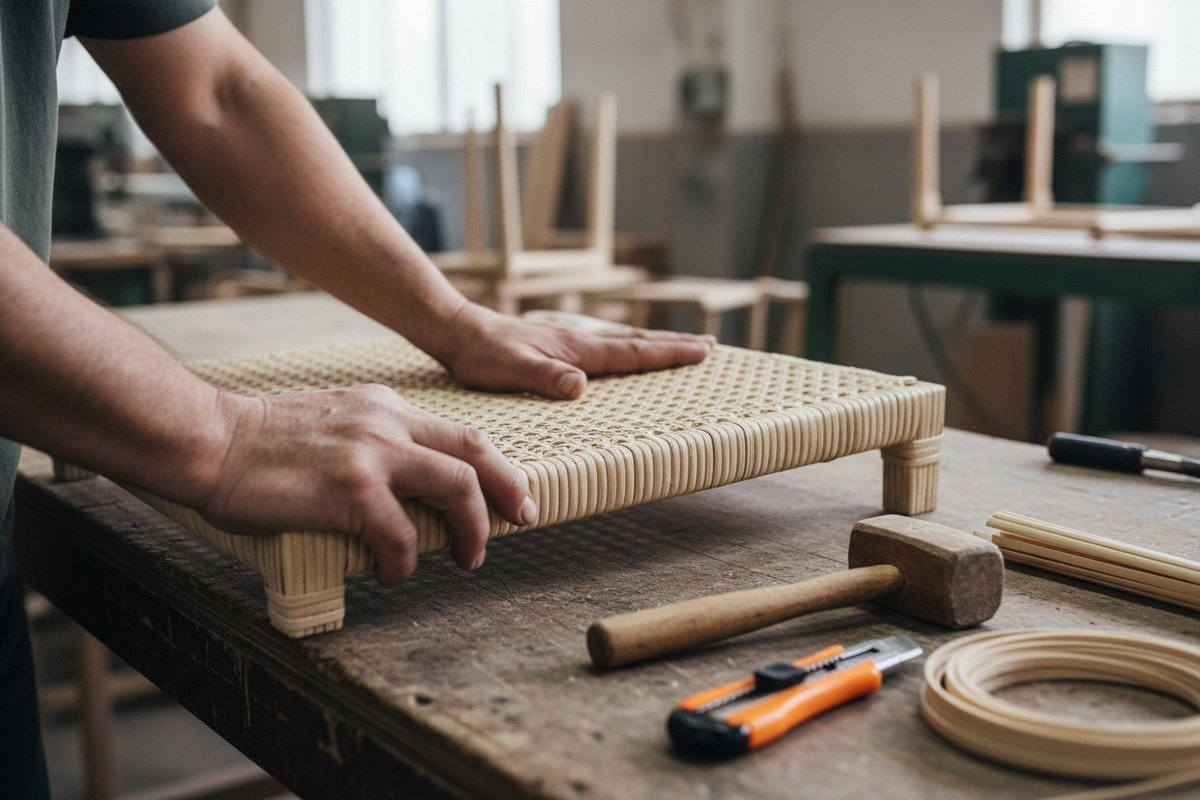
Not all rattan suppliers operate the same way. Some are trading companies that buy from whoever offers the lowest price that week. Others — like our operation at Seafan Rattan — control the supply chain from raw cane processing through weaving, finishing, and shipping. supply chain management 7 Here's a practical checklist:
| Evaluation Criteria | Why It Matters | What to Ask |
|---|---|---|
| Factory ownership | Direct control over quality | "Do you own or lease your production facility?" |
| Raw material sourcing | Consistent cane species and grade | "Where is your rattan harvested? Which species?" |
| Quality control process 8 | Batch-to-batch consistency | "Can you share your QC checklist or inspection photos?" |
| Certifications held | Proof of tested durability | "Do you have SGS, Bureau Veritas, or ISO reports?" |
| Export experience | Understanding of shipping/packaging needs | "Which countries do you currently export to?" |
| Sample policy | Ability to verify before committing | "Can I get pre-production and in-production samples?" |
| MOQ flexibility | Suitable for different order sizes | "What is your minimum order quantity per pattern?" |
| Packaging standards | Protection during transit | "How do you package rolls to prevent moisture damage?" |
| Communication | Fast, clear responses | "What is your typical response time? Which channels?" |
| After-sales support | Handling complaints and replacements | "What is your policy if a shipment doesn't match the approved sample?" |
Why Factory-Direct Matters
When a supplier owns the factory, they can control every variable: the species of rattan, the drying time, the weaving tension, the finishing treatment, and the packaging. A trading company that sources from five different workshops will almost certainly deliver inconsistent products — different strand thickness, different weave density, different color tones across orders.
We operate three self-invested factories and partner with over 30 facilities in Foshan. This means when a client orders hexagonal open-mesh webbing for a hotel project and then reorders six months later, they get the exact same product. We keep production records, retain counter-samples, and match new batches against them.
Packaging Durability: The Overlooked Factor
Many buyers focus on the webbing itself and forget about packaging. Rattan cane webbing is hygroscopic 9 — it absorbs moisture from the air. If a roll is wrapped in thin plastic and loaded into a container for a three-week ocean voyage, it can arrive damp, moldy, or warped. Proper packaging includes moisture barrier film, desiccant packs, and sturdy cardboard tubes for roll cores. Always ask your supplier to describe their packaging protocol in detail.
Building a Long-Term Relationship
The best insurance for consistency is a long-term relationship. Suppliers prioritize repeat customers. They learn your standards, your preferred weave patterns, and your packaging requirements. Short-term price shopping almost always leads to quality surprises. Invest time in visiting the factory — or at minimum, conducting a video call walkthrough — before committing to a large-volume partnership.
Digital Prototyping and Custom Weave Patterns
Advanced sourcing now includes digital prototyping capabilities. Some suppliers can create virtual mockups of custom weave patterns — octagon, square, 3×3 closed, chevron wave, diamond motif — before production begins. This allows you to optimize design and performance, reducing costly trial-and-error on the factory floor.
How can I maintain my rattan webbing to prevent it from becoming brittle or sagging?
Even the finest Grade AAA rattan cane webbing will degrade without proper care. Our team includes maintenance guidance with every shipment because we've seen too many beautiful installations ruined by simple, avoidable mistakes. The good news: maintaining rattan is not complicated. It just requires consistency.
To prevent brittleness and sagging, keep natural rattan away from direct sunlight and excessive humidity, clean it regularly with a damp cloth, condition the underside with diluted mineral oil or Murphy's Oil Soap every 6–12 months, and avoid placing heavy objects on unsupported webbing. For synthetic rattan, simply wipe with mild soap and water and avoid prolonged heat exposure above 60°C.

A Practical Maintenance Calendar
Consistency beats intensity. A little care on a regular schedule does far more than occasional deep treatments. Here's a simple calendar:
- Weekly: Dust with a soft brush or vacuum with a brush attachment. Remove crumbs and debris that can scratch or attract insects.
- Monthly: Wipe down with a slightly damp cloth. For natural cane, ensure the cloth is only damp, not wet. Dry immediately with a dry towel.
- Every 6 months: Apply a thin coat of mineral oil 10, linseed oil, or diluted Murphy's Oil Soap to the underside of natural rattan webbing. The underside absorbs oil better and avoids surface stickiness. Let it dry completely before use.
- Annually: Inspect for loose strands, cracks, or sagging. Tighten or repair small sections promptly. One broken strand can unravel an entire panel if left unaddressed.
Why Rattan Becomes Brittle
Natural rattan contains moisture. When exposed to dry heat — from radiators, fireplaces, or direct sunlight — that moisture evaporates. The fibers shrink, lose flexibility, and crack. This is why rattan furniture near a sunny window often develops splits after a few years while identical pieces in shaded areas remain supple.
The fix is simple: maintain ambient humidity between 40–60%. In dry climates or heated rooms during winter, a small room humidifier near rattan furniture makes a noticeable difference.
Why Rattan Sags
Sagging happens when the weave stretches beyond its recovery point. This is usually caused by excessive weight on unsupported spans, or by moisture softening the fibers under load. In our production experience, tighter weave patterns and thicker cane strands resist sagging better. If you're specifying webbing for seat panels, choose a denser pattern like the square basketweave over an open hexagonal radio weave.
For existing sagging, a common restoration technique is to mist the underside of the webbing lightly with water and let it dry naturally. As the cane dries, it contracts and tightens. This works for mild sagging but won't fix severely stretched or broken weaves.
Sectional Repairs Extend Lifespan
High-quality rattan cane webbing allows for sectional repairs. If one area is damaged — say, a pet scratched through a few strands on a chair seat — a skilled craftsperson can cut out the damaged section and weave in a matching patch. This is far cheaper than replacing the entire panel and supports more sustainable consumption. It's one of the key advantages of natural cane over synthetic: repairability.
Innovative Treatments
Some rattan suppliers now offer webbing with integrated antimicrobial treatments that resist mold and mildew from day one. These treatments are especially valuable for installations in moisture-prone settings like bathrooms, coastal hotels, and tropical climates. When sourcing, ask whether the webbing has been treated and request documentation of the treatment process.
Natural Aging: Feature, Not a Flaw
Fresh rattan cane webbing starts as a light tan or straw color. Over time, it darkens to a rich honey or amber tone. This is natural oxidation, not damage. Many designers and end customers actually prefer the aged look. If you want to slow the darkening process, keep the webbing out of direct sunlight. If you want to accelerate it for a vintage aesthetic, brief sun exposure will do the job.
Conclusion
Rattan cane webbing is a lasting investment when you choose the right grade, source from a transparent supplier with factory control, and follow a simple maintenance routine. Whether natural or synthetic, informed decisions protect your budget and your reputation.
Footnotes
1. Details ISO and ASTM standards for UV weathering testing, which is relevant to understanding UV resistance. ↩︎
2. Provides a clear definition and explanation of rattan cane webbing, including its origin and production process. ↩︎
3. Explains polyethylene as a common plastic polymer and its uses. ↩︎
4. Official website of SGS, a leading inspection, verification, testing, and certification company. ↩︎
5. Official website of Bureau Veritas, a global leader in testing, inspection, and certification. ↩︎
6. Provides guidelines and requirements for classifying rattan cane materials. ↩︎
7. Defines the integrated planning and execution of processes to optimize material flow. ↩︎
8. Outlines systematic processes and activities to ensure product quality. ↩︎
9. Wikipedia provides a comprehensive and authoritative definition of hygroscopy, including its meaning, examples, and related concepts. ↩︎
10. Discusses mineral oil as a wood finish, offering protection and enhancing aesthetics. ↩︎

 English
  Español de México
  العربية
  Deutsch
  Français
  Русский