

When our procurement team first started sourcing rattan cane webbing 1 from Indonesian forests over a decade ago, one question kept coming up from our European and American buyers: “Can we prove this material is actually green?”
Yes, natural rattan cane webbing is both biodegradable and sustainable. As a climbing palm that regenerates in 2–7 years without deforestation, untreated rattan decomposes fully at end-of-life. Its sustainability, however, depends on responsible harvesting, minimal chemical processing, and verified supply chain practices.
This article breaks down the science, the sourcing realities, and the practical steps you need to take as a furniture manufacturer or material wholesaler polyvinyl chloride (PVC) 2. We will cover biodegradability verification, sustainability advantages, quality consistency, and supplier vetting — all based on what we see daily across our own factories and partner networks.
How can I be sure the natural rattan cane webbing I source is truly biodegradable?
Buyers in the Netherlands and Australia have asked us this exact question dozens of times. The concern is real — greenwashing is everywhere, and "natural" on a label does not always mean biodegradable in practice.
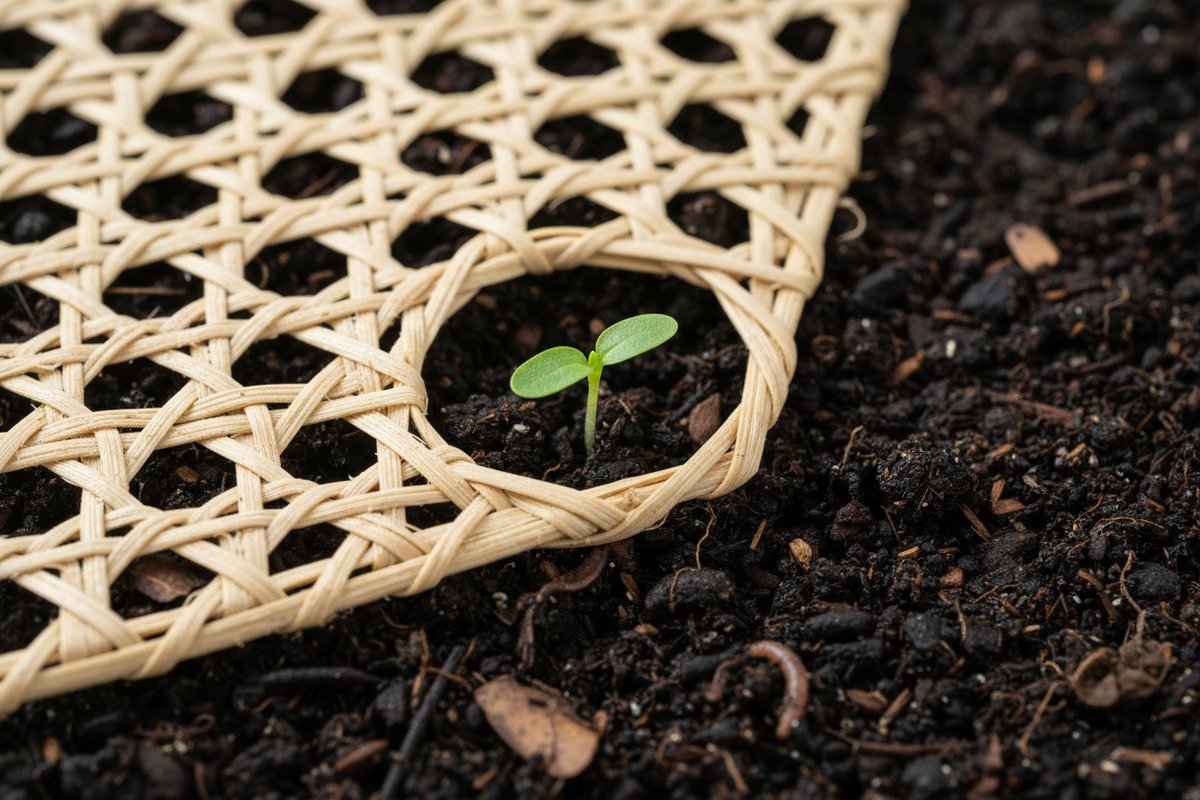
You can confirm biodegradability by sourcing untreated natural rattan cane webbing with no synthetic coatings, stains, or plastic binders. Pure rattan is 100% plant fiber from climbing palms, and it decomposes naturally in composting conditions, leaving no microplastics or toxic residue behind.
What Makes Rattan Naturally Biodegradable?
Rattan is a climbing palm 3. It is not wood. It is not bamboo. Its stems are made of cellulose and lignin 4 — the same organic compounds found in all plant matter. When you strip, split, and weave rattan into cane webbing without adding chemicals, the final product is pure plant fiber. Nothing more.
At our rattan processing facility in Indonesia, we see the raw material go from forest vine to finished webbing roll. The process is simple: harvest, peel, split into uniform strips, dry, and weave. No glue. No resin. No plastic coating. This is what keeps natural rattan cane webbing fully compostable.
The Treatment Factor
Here is where it gets tricky. Some suppliers apply lacquer, UV protectant, or synthetic stain to rattan webbing. These treatments improve moisture resistance or change the color. But they also compromise biodegradability.
| Treatment Type | Effect on Biodegradability | Common Use Case |
|---|---|---|
| None (raw natural) | 100% biodegradable | Indoor furniture, restoration |
| Natural oil finish | Mostly biodegradable | Indoor furniture with mild protection |
| Synthetic lacquer | Reduced biodegradability | Outdoor or high-humidity settings |
| Plastic coating / PVC wrap | Not biodegradable | Synthetic rattan imitations |
| Chemical stain (darkening) | Partially reduced | Modern aesthetic furniture lines |
If your goal is a truly biodegradable product, you need to specify "untreated" or "raw natural" in your purchase order. We always recommend our clients request a material composition declaration from their supplier. At Seafan Rattan, we provide this documentation as standard.
How to Test for Hidden Treatments
A simple burn test can help. Pure natural rattan smells like burning grass or wood. If it smells like plastic or produces black, acrid smoke, synthetic materials are present. You can also request a third-party lab test for volatile organic compounds (VOCs) 5 or plastic content. This is especially important for buyers exporting to the EU, where end-of-life disposal regulations are tightening.
Biodegradability vs. Synthetic Alternatives
Many buyers compare natural rattan cane webbing to synthetic rattan matting. Synthetic versions — made from polyethylene (PE) 6 or polyvinyl chloride (PVC) — mimic the look of natural rattan. They are cheaper per square meter. But they are plastic. They will not biodegrade. They shed microplastics. And they end up in landfills for centuries.
The choice comes down to values and market positioning. If your end customers care about sustainability — and increasingly, they do — natural rattan is the clear winner.
Why is natural rattan a more sustainable choice for my furniture manufacturing business?
Running three factories and coordinating with over 30 partner workshops in Foshan has taught us one thing clearly: material choice is the single biggest lever you have for sustainability.
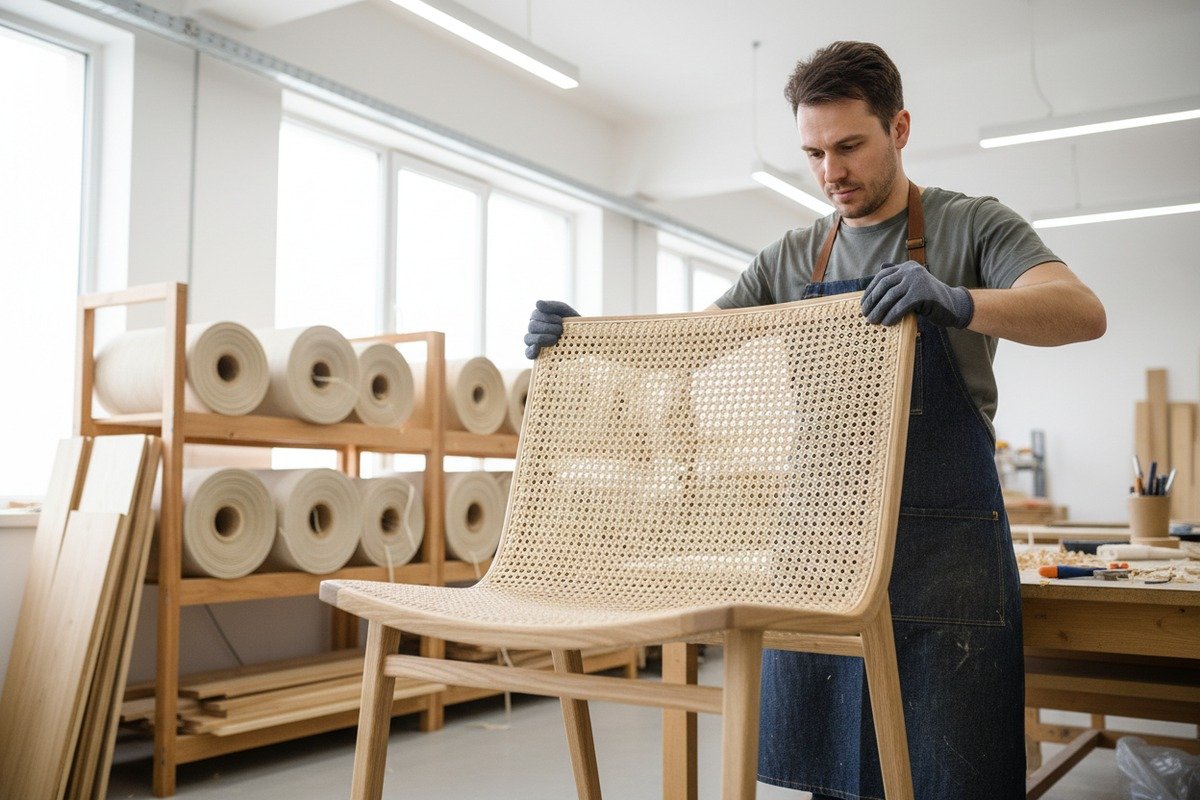
Natural rattan is more sustainable than hardwood or plastic alternatives because it matures in 2–7 years, grows within existing forests without requiring deforestation, demands minimal processing energy, and supports rural economies in tropical harvesting regions like Indonesia and Southeast Asia.
Growth Cycle: Rattan vs. Hardwood vs. Plastic
The speed at which rattan regenerates is its greatest sustainability advantage. Consider this comparison:
| Material | Time to Harvest Maturity | Deforestation Required? | Carbon Sequestration | End-of-Life |
|---|---|---|---|---|
| Natural rattan | 2–7 years | No (grows on existing trees) | High (active during growth) | Biodegradable / compostable |
| Hardwood (oak, teak) | 20–30+ years | Often yes | Moderate | Biodegradable but slow |
| Synthetic rattan (PE/PVC) | N/A (petroleum-based) | No (but fossil fuel extraction) | None | Non-biodegradable, landfill |
| Bamboo | 3–5 years | No | High | Biodegradable |
Rattan is a climbing palm. It wraps around existing trees in tropical rainforests 7. Harvesting it does not require cutting down a single tree. In fact, managed rattan harvesting can support forest conservation by giving local communities an economic reason to protect — rather than clear — their forests.
Low Carbon Footprint Across the Supply Chain
From our own operations, we see where the emissions savings come from. Rattan is lightweight. A full container of rattan cane webbing rolls weighs significantly less than the same volume of hardwood panels. That means lower shipping emissions. For our clients in the US, Australia, and Europe, this translates directly into a smaller carbon footprint 8 per unit.
Processing is also minimal. Unlike plywood or MDF, rattan webbing requires no adhesives, no pressing machines, and no kiln drying at high temperatures. The energy input from harvest to finished roll is a fraction of what engineered wood products demand.
Supporting Local Economies
Our rattan processing facility in Indonesia employs local workers in harvesting, stripping, and weaving. These are skilled artisans. Rattan harvesting provides income to rural communities that might otherwise turn to logging or palm oil farming — both of which cause massive deforestation.
When you source natural rattan, you are not just buying a material. You are supporting a livelihood model that keeps forests standing. This matters to your end customers. It matters to retailers. And it increasingly matters to regulators.
Carbon Sequestration Benefits
Rattan plants actively absorb carbon dioxide as they grow. Because they mature quickly and can be harvested repeatedly from the same root system, the carbon sequestration cycle is fast and continuous. This is a meaningful advantage over slow-growing hardwoods, where carbon is locked up for decades before the tree is even large enough to harvest.
Integrating rattan into agroforestry systems also improves soil health. The climbing palms stabilize forest floor ecosystems and promote biodiversity. For furniture businesses pursuing green building certifications or ESG compliance, these are tangible talking points.
Will using eco-friendly rattan materials affect the quality consistency of my products?
This is one of the most common concerns we hear from purchasing managers like Ranoo in Thailand. They want Grade A quality. They want consistent sizing. And they worry that "eco-friendly" means "lower standards."
Using eco-friendly natural rattan does not mean sacrificing quality consistency. With proper grading, controlled drying, and standardized weaving processes, natural rattan cane webbing delivers reliable durability, uniform appearance, and long product life — especially when sourced from experienced suppliers with in-house quality control.
Why Quality Concerns Arise
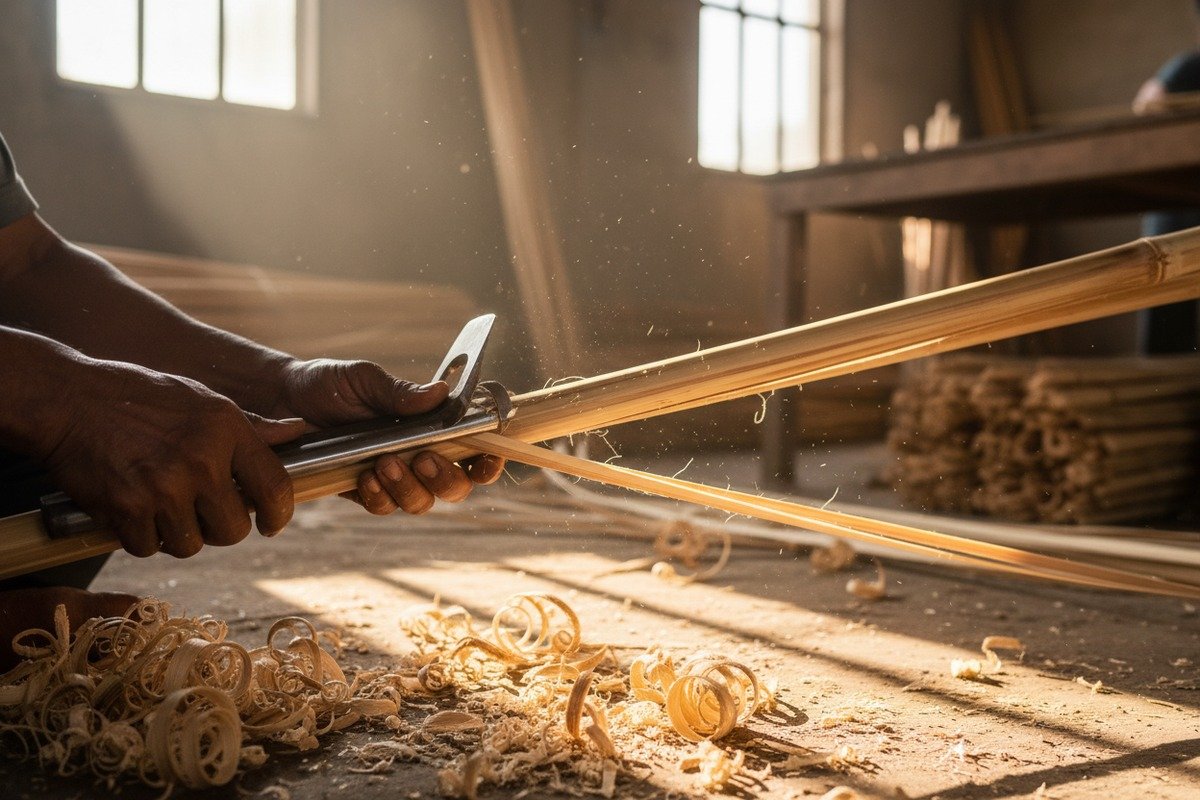
Natural materials have inherent variation. Every rattan vine grows differently. Color, thickness, and flexibility vary from batch to batch. If a supplier does not grade their raw material or control their processing steps, the finished webbing will be inconsistent.
We have seen this problem firsthand. Early in our business, before we invested in our own Indonesian processing facility, we relied on third-party suppliers who mixed Grade A and Grade B rattan in the same rolls. Our clients noticed. Color patches appeared. Some sections were brittle. Others were too loose in the weave.
That experience is exactly why we built our own facility — to control the process from raw vine to finished roll.
How Grading Works
At our factory, raw rattan is sorted into grades based on diameter, flexibility, surface condition, and color uniformity. Only Grade A material goes into our premium webbing lines.
| Grade | Characteristics | Typical Use | Price Range |
|---|---|---|---|
| Grade A | Uniform color, smooth surface, consistent diameter, high flexibility | High-end furniture, export to EU/US | Premium |
| Grade B | Minor color variation, slight surface marks, good flexibility | Mid-range furniture, regional markets | Mid-range |
| Grade C | Noticeable color differences, some brittleness, uneven diameter | Budget furniture, interior panels | Economy |
Controlled Drying and Weaving
Moisture content is the most critical variable. If rattan is not dried properly, it warps, cracks, or develops mold during shipping. We dry our rattan to a target moisture content of 10–14% before weaving. This range ensures flexibility without excess moisture.
Weaving tension also matters. Too tight, and the webbing becomes rigid and prone to cracking. Too loose, and it sags after installation. Our weavers follow standardized tension guides for each pattern — whether it is the classic hexagonal open-mesh radio weave, dense square basketweave, or geometric diamond motif.
Durability in Real-World Use
Natural rattan cane webbing is lightweight but strong. It resists wear well in indoor environments. With basic care — keeping it away from direct sunlight and excessive humidity — a well-made rattan panel lasts 10–20 years. That is comparable to many hardwood components.
For high-traffic applications, we recommend a light natural oil finish. This adds a small layer of protection without compromising biodegradability. It also brings out the warm, straw-yellow tone that buyers in the mid-century modern and boho furniture markets prefer.
Packaging for Transit
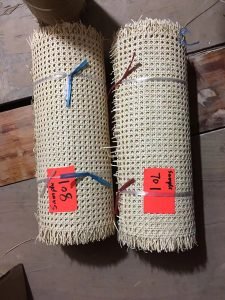
Quality does not end at the factory gate. One of the biggest pain points our clients mention is packaging durability. Rattan webbing can be damaged by crushing, moisture, or rough handling during ocean freight. We use reinforced cardboard cores for rolls, shrink wrap for moisture protection, and rigid outer cartons. Every shipment includes silica gel packs to control humidity inside the container.
Consistent quality is not an accident. It is the result of system-level control at every step. Eco-friendly does not mean unpredictable — it means intentional.
How do I verify that my rattan supplier follows sustainable harvesting practices?
Over the years, we have fielded this question from buyers in the US, the Netherlands, Spain, and Australia. They need proof — not just promises. And honestly, verifying sustainability in the rattan supply chain is harder than it should be.
To verify sustainable harvesting, request documentation of your supplier's sourcing origins, harvesting quotas, forest management partnerships, and any third-party certifications. Visit the processing facility if possible, ask for traceability records from forest to factory, and prioritize suppliers who own or directly manage their harvesting operations.

The Certification Gap
Unlike timber, which has well-established certification systems like FSC (Forest Stewardship Council), rattan lacks a universal global certification standard. Forest Stewardship Council (FSC) 9 FSC certification for rattan is emerging but not yet widespread. This means buyers cannot simply look for a label and trust the claim.
This gap creates risk. Some suppliers market their rattan as "sustainable" without any verifiable evidence. This is greenwashing — and it can damage your brand if your end customers or retailers investigate.
What to Ask Your Supplier
We recommend a structured vetting process. Here is a checklist based on what we provide to our own clients:
- Origin documentation. Where exactly is the rattan harvested? Which province, which forest?
- Harvesting method. Is selective harvesting practiced? Are immature vines left to grow?
- Quota compliance. Does the harvester operate under government-issued harvesting permits?
- Community involvement. Are local communities employed and fairly compensated?
- Processing transparency. Can the supplier show you the full chain from raw vine to finished product?
- Third-party audits. Has any independent organization inspected the supply chain?
- Chemical use declaration. Does the supplier provide a written statement on treatments applied (or not applied)?
Red Flags to Watch For
Not all suppliers are transparent. Watch for these warning signs:
- Vague answers about sourcing origins ("from Indonesia" with no specifics).
- No willingness to allow factory or facility visits.
- Pricing far below market average (may indicate corner-cutting or mixing grades).
- No documentation on harvesting permits or community partnerships.
- Claims of FSC certification without providing the actual certificate number.
Our Approach at Seafan Rattan
We invested in our own rattan processing facility in Indonesia precisely because we wanted full control over the supply chain. We know which forests our rattan comes from. We know the harvesters. We track every batch from the forest floor to our Foshan warehouse.
This vertical integration is not common in the industry. Many rattan suppliers buy from intermediaries who buy from collectors who buy from harvesters. Each step adds opacity. By cutting out the middlemen, we can give our buyers the traceability they need.
The Future of Rattan Certification
The good news is that the industry is moving in the right direction. Several NGOs and government agencies in Indonesia are developing rattan-specific sustainability standards. The EU's incoming regulations on deforestation-linked imports are also pushing suppliers to improve traceability. By 2026, we expect certified sustainable rattan to become a market differentiator — not just a nice-to-have.
For now, the best approach is to work with suppliers who can demonstrate transparency at every level. Ask hard questions. Request documentation. And if possible, visit the source.
Conclusion
Natural rattan cane webbing is both biodegradable and sustainable — when sourced responsibly. Verify treatments, demand traceability, and partner with suppliers who control their supply chain from forest to finished roll.
Footnotes
1. Explains what rattan cane webbing is and its production process. ↩︎
2. Wikipedia offers a detailed explanation of polyvinyl chloride, including its properties and various applications. ↩︎
3. Defines rattan as a climbing palm and its botanical classification. ↩︎
4. Details the composition and structural role of cellulose and lignin in plant cell walls. ↩︎
5. Provides a comprehensive definition and examples of volatile organic compounds. ↩︎
6. Wikipedia provides a comprehensive overview of polyethylene’s properties, uses, and applications. ↩︎
7. Describes the characteristics and biodiversity of tropical rainforest ecosystems. ↩︎
8. Wikipedia provides a clear definition of carbon footprint, its components, and its significance. ↩︎
9. Provides information on the Forest Stewardship Council and its certification system. ↩︎

 English
  Español de México
  العربية
  Deutsch
  Français
  Русский