
El ratán es un material natural que luce hermoso y dura mucho tiempo. Mucha gente lo confunde con el mimbre o el bambú, pero el ratán es único.
El ratán es una palmera trepadora que crece en regiones tropicales. A diferencia del bambú, es macizo, no hueco. El ratán se puede tejer en muebles, alfombras y artículos decorativos. Es fuerte, flexible y ecológico.
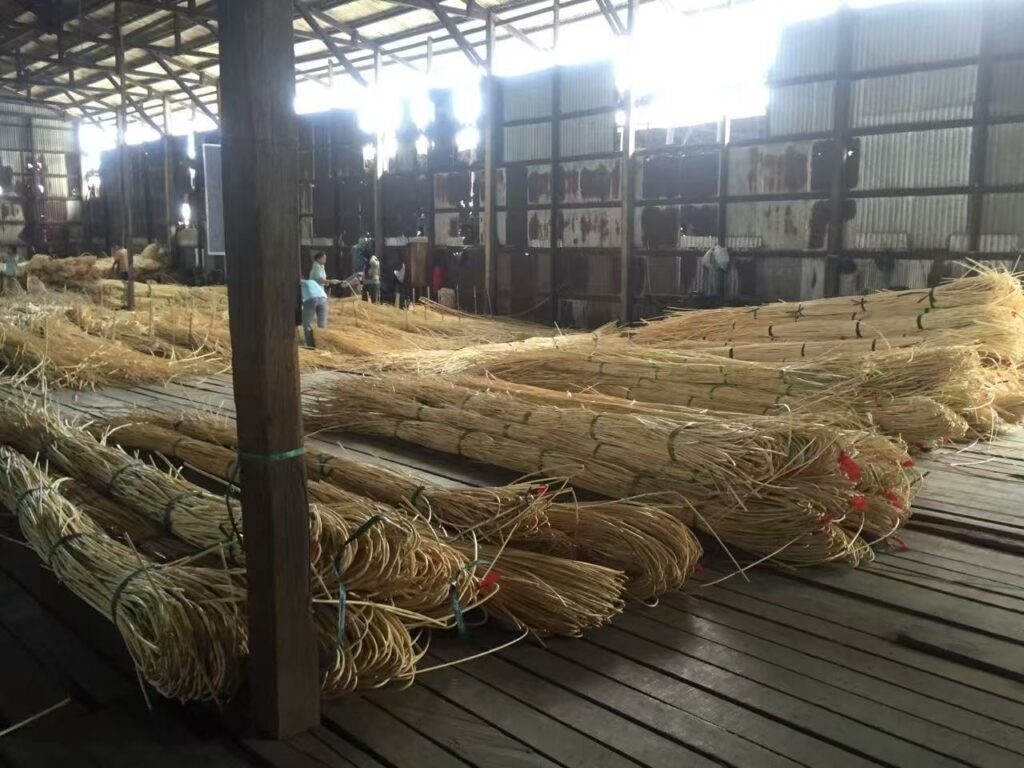
El ratán es un material muy fuerte y popular, pero a menudo incomprendido. Saber más sobre él te ayuda a elegir el mejor tipo para tus necesidades. Debemos entender sus diversas formas y cómo se diferencia de materiales similares.
¿Cuál es la diferencia entre mimbre y ratán?
La gente a menudo confunde el mimbre y el ratán. El mimbre es un método de tejido, no un material. El ratán es un material natural.
El mimbre se refiere a la forma en que se tejen las hebras para crear muebles o cestas. El ratán es un material que se puede usar para tejer mimbre, pero otros materiales como el sauce, el bambú o incluso fibras sintéticas también se pueden tejer utilizando métodos de mimbre.
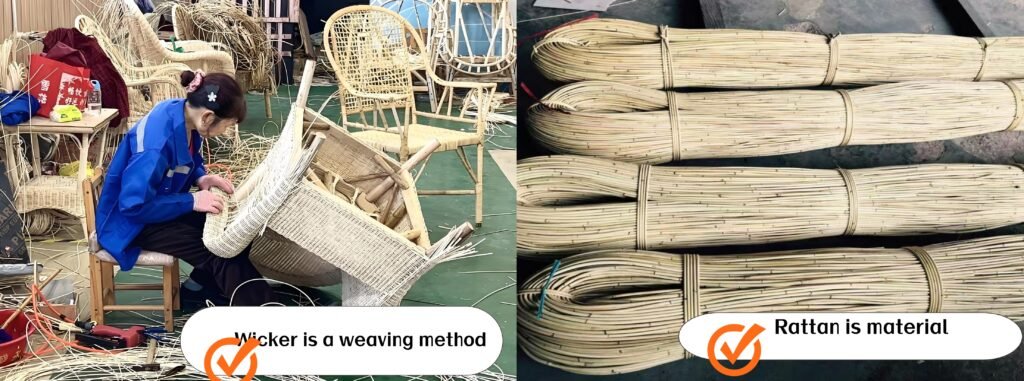
He visto a muchos clientes usar los términos "mimbre" y "ratán" como si fueran lo mismo. Este es un error común. El mimbre describe el estilo del mueble, o cómo está hecho. El ratán describe de qué está hecho el mueble. Por ejemplo, un mueble puede estar hecho de ratán y estará tejido en un patrón de mimbre. Entonces, si quieres una silla de ratán, estás pidiendo una silla hecha de material de ratán. Si quieres una silla de mimbre, estás pidiendo una silla hecha usando la técnica de tejido de mimbre.1 La silla podría estar hecha de ratán o de un material sintético diseñado para parecerse al ratán. Mis fábricas a menudo suministran la caña de ratán cruda para tejer, y luego nuestros clientes la usan para sus técnica de tejido de mimbre.1 proyectos ellos mismos. Este estilo de tejido es muy popular por su resistencia y ventilación.
¿Qué es un material de ratán2?
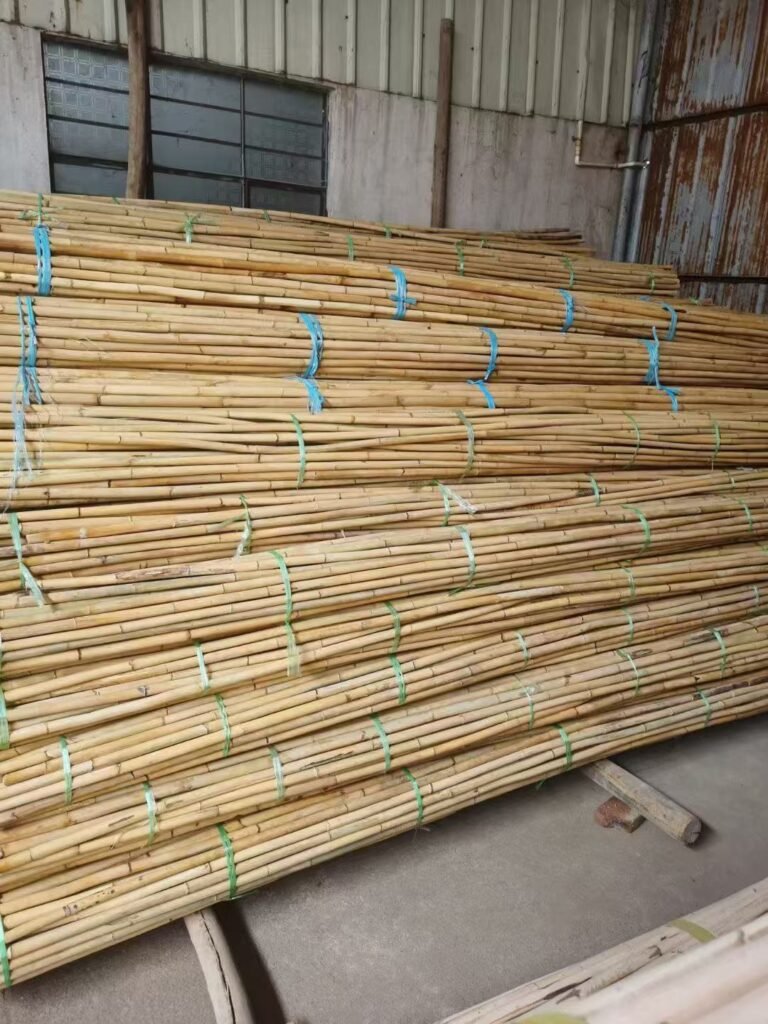
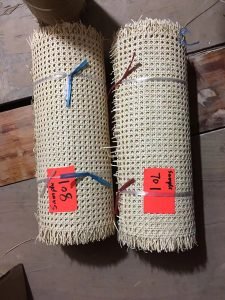
El material de ratán viene en muchas formas, cada una con usos específicos. Esto incluye tejido de caña de ratán, núcleo de ratán, caña de silla de ratán, postes de ratán, esteras de ratán y paneles de tejido de ratán.
Estas formas se procesan a partir de los tallos largos y sólidos de la palmera de ratán. Cada tipo tiene diferentes propiedades que lo hacen adecuado para diversas necesidades en la fabricación de muebles o decoración.
[^2]](https://rattanwholesaler.com/wp-content/uploads/2025/08/%E5%BE%AE%E4%BF%A1%E5%9B%BE%E7%89%87_20250818165320_323-768x1024.jpg "Diferentes tipos de material de ratán")
Cuando hablo de material de ratán2, me refiero a las diferentes partes de la vid de ratán después de ser cosechada y procesada. Clasificamos nuestro ratán natural material de ratán1en cuatro tipos: A, B, C y D. El grado A es el mejor en calidad y el más caro. Se ve muy limpio y liso. El grado B también es bueno, pero cuesta menos. El grado C es muy fuerte y útil, pero puede tener algunas áreas verdes en su corteza. Debido a esta corteza verde, no es tan popular para muebles de color claro, pero en realidad es la mejor opción para hacer sillas de ratán que se teñirán o pintarán de un color oscuro. Es lo suficientemente fuerte para asientos de sillas y mucho más barato. El ratán de grado D se ve muy hermoso, pero no es nada fuerte. Se rompe fácilmente. Por lo tanto, el grado D solo es bueno para trabajos de decoración, como diseños de paredes o techos, no para muebles que necesiten ser fuertes. Conocer estas calificaciones ayuda a nuestros clientes a elegir el material adecuado para su proyecto y presupuesto.
¿Son el bambú y el ratán lo mismo?
No, el bambú y el ratán no son lo mismo. El bambú es una hierba hueca que crece recta y alta. El ratán es una vid sólida y flexible que trepa.
El bambú se usa a menudo para elementos estructurales porque es rígido. El ratán se usa para tejer y doblar en formas porque es sólido y muy maleable.
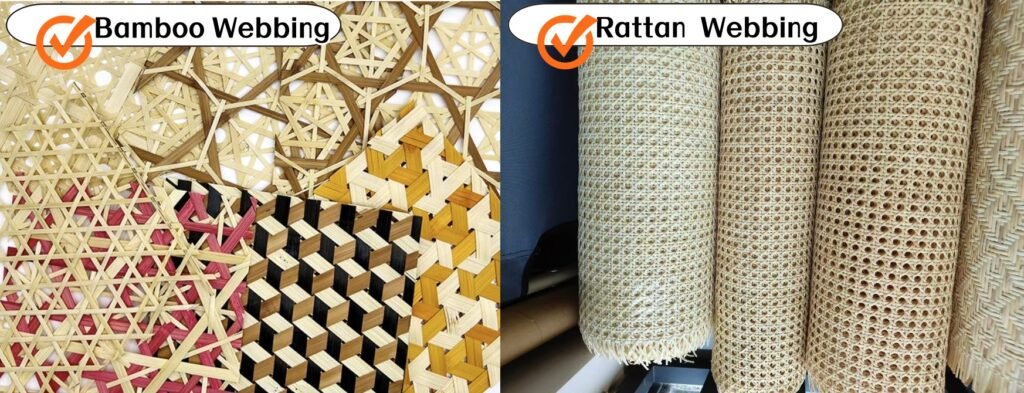
Muchas veces, los clientes vienen a mí pidiendo "tejido de bambú". Siempre les explico que lo que probablemente necesitan es tejido de caña de ratán3. El bambú es un tipo de hierba, y sus tallos suelen ser huecos. Esto hace que el bambú sea ideal para postes o estructuras ligeras, pero no es muy flexible para tejer curvas cerradas. El ratán, sin embargo, es una vid sólida. Este núcleo sólido le da al ratán mucha más flexibilidad y resistencia al doblarse. Debido a que es sólido, el ratán se puede cortar en tiras largas y delgadas o en piezas de núcleo redondas que son perfectas para tejer patrones intrincados. Es por eso que el ratán es el material ideal para muebles tejidos4, mientras que el bambú se ve más a menudo en pantallas decorativas o como postes independientes. Mis fábricas se especializan en ratán, que se adapta perfectamente a los diseños complejos que necesitan nuestros clientes fabricantes de muebles y proyectos hoteleros.
¿Es el ratán plástico o madera?
Ratán natural5 no es plástico. Es un material de origen vegetal, más parecido a la madera en su estructura fibrosa pero mucho más flexible.
El ratán de plástico, también llamado ratán sintético o ratán de polietileno, es un producto hecho por el hombre. Está diseñado para parecerse al ratán natural pero tiene propiedades diferentes, especialmente para uso en exteriores.
Ratán natural5 proviene de un tipo específico de palma. Es una fibra natural, muy parecida a la madera, pero crece en tallos largos y parecidos a vides que son fáciles de doblar y tejer. Desde 2018, el costo del ratán natural se ha vuelto muy alto porque el gobierno indonesio prohibió la exportación de material de ratán en bruto. Esto creó una escasez en el mercado chino donde se encuentran muchas de nuestras fábricas. Para ayudar a nuestros clientes, comenzamos a desarrollar Tejido de caña de ratán de plástico6. Este material está hecho de fibras sintéticas y cuesta aproximadamente la mitad del precio del tejido de caña natural. Ahora tenemos muchos colores y patrones de tejido para ratán de plástico. Incluso lo mezclamos con otros materiales como madera, vidrio y aluminio para hacer paneles especiales. Esta opción sintética se ha convertido en un éxito de ventas porque ofrece el aspecto del ratán con beneficios modernos.
¿Cuál es la desventaja del ratán?
La principal desventaja del ratán natural es su vulnerabilidad a la humedad y la luz solar7. Puede decolorarse, enmohecerse, agrietarse o debilitarse si se moja continuamente o permanece bajo el sol directo.
Aunque es hermoso en interiores, el ratán natural requiere un mantenimiento cuidadoso para mantener su resistencia y apariencia. Esto limita su uso en exteriores sin la protección adecuada.
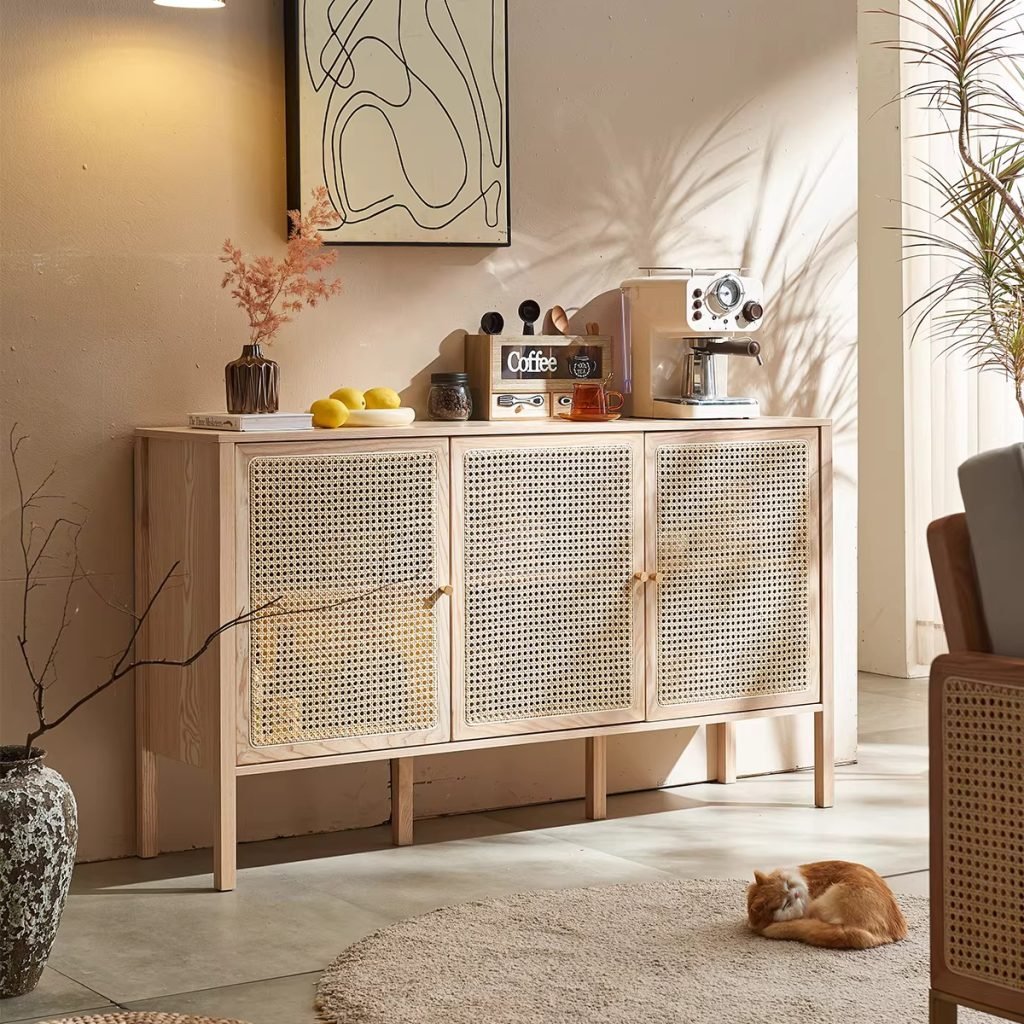
Trabajando con ratán durante muchos años, conozco sus límites. El ratán natural es perfecto para muebles de interior porque es transpirable y hermoso. Sin embargo, si permanece húmedo durante demasiado tiempo, puede enmohecerse. La luz solar directa también puede resecarlo y hacerlo quebradizo, perdiendo su color natural. Es por eso que los muebles de ratán natural a menudo se colocan en áreas cubiertas, incluso en exteriores. Pero esta desventaja me inspiró a innovar. Desde 2025, hemos desarrollado más de 10 tipos de Cestería de Ratán Plástico que se pueden usar en exteriores. Tenemos informes de prueba que muestran que duran mucho tiempo en ambientes calurosos y húmedos. Esta cestería de plástico para exteriores ayuda a los fabricantes de muebles de exterior a ahorrar aproximadamente un 80% en costos de mano de obra porque no necesitan hacer tanto tejido humano en toda la silla. Ofrece más opciones de color y funciona bien para muebles de exterior KD (desmontables).
¿Se puede mojar el ratán?
Puedes mojar el ratán natural por períodos cortos, pero es importante secarlo rápida y completamente. La exposición prolongada a la humedad lo dañará.
El agua puede hacer que el ratán natural se hinche, se debilite y desarrolle moho. Por lo tanto, aunque una limpieza rápida está bien, no se recomienda dejarlo expuesto a la lluvia o la humedad.
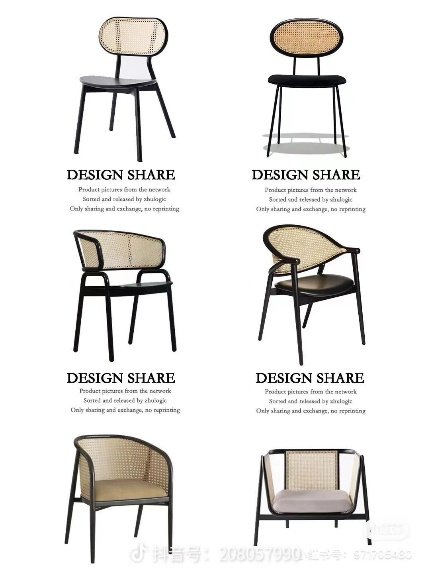
Siempre aconsejo a los clientes que el ratán natural no es adecuado para uso continuo en exteriores donde estará expuesto a la lluvia. Si una silla de ratán natural se moja, por ejemplo, por un derrame accidental, debes secarla inmediatamente. Luego, déjala secar al aire completamente en un área sombreada y bien ventilada. Nunca la pongas directamente al sol para secarla, ya que esto puede hacerla quebradiza. Para áreas como piscinas de hoteles o patios exteriores que no están completamente cubiertos, recomiendo nuestra cestería de ratán plástico para exteriores8. Este material está diseñado específicamente para resistir el agua y la humedad. Ofrece el mismo aspecto hermoso del ratán sin la preocupación de daños por agua. Esto lo convierte en una opción mucho mejor para muebles de exterior que necesitan durar en diversas condiciones climáticas.
Conclusión
El ratán es un material fuerte, natural y ecológico. Conocer sus diferentes tipos y cómo se compara con el mimbre, el bambú o el plástico te ayuda a elegir el producto adecuado para tus necesidades.
-
Explora este enlace para comprender la técnica de tejido única del mimbre y cómo contrasta con el ratán, mejorando tu conocimiento de los materiales de mobiliario. ↩ ↩ ↩
-
Explora las ventajas del material de ratán para muebles, incluida la durabilidad y el atractivo estético. ↩ ↩
-
Explora este enlace para comprender la versatilidad y las aplicaciones de la cestería de ratán en el diseño de muebles. ↩
-
Descubre las ventajas de los muebles tejidos, incluida la durabilidad y el atractivo estético, visitando este recurso informativo. ↩
-
Explora este enlace para comprender los beneficios y las aplicaciones del ratán natural en diversas industrias. ↩ ↩
-
Descubre las ventajas de la Cestería de Ratán Plástico, una alternativa rentable con beneficios modernos. ↩
-
Comprender cómo la humedad y la luz solar afectan al ratán puede ayudarte a tomar decisiones informadas sobre su cuidado y mantenimiento. ↩
-
Descubre las ventajas de la rejilla de ratán de plástico para exteriores para muebles duraderos y resistentes a la intemperie. ↩
 English
  Español de México
  العربية
  Deutsch
  Français
  Русский