
Veo dos preocupaciones principales: papeleo de importación y especificaciones personalizadas. Primero establezco documentos claros, luego guío la malla personalizada, anchos, colores y respaldo.
Necesita una identificación comercial, detalles del consignatario e impuestos, códigos HS y documentos de importación estándar. Personalizo malla, anchos, colores, paneles de respaldo y especificaciones de puertas. Proporciono muestras, muestras de color, guía de herramientas y plazos de entrega claros con MOQ.
-Núcleo de ratán TAMAÑO PERSONALIZADO + Cantidad + Calidad
-Corteza de ratán y caña de silla TAMAÑO PERSONALIZADO + Cantidad + Calidad
La red natural puede personalizar el material para tejer
La red de caña de ratán de plástico puede personalizar: color + tamaño + longitud
La red de caña de ratán para exteriores se puede personalizar
Más detalles:
www.rattanwholesaler.com
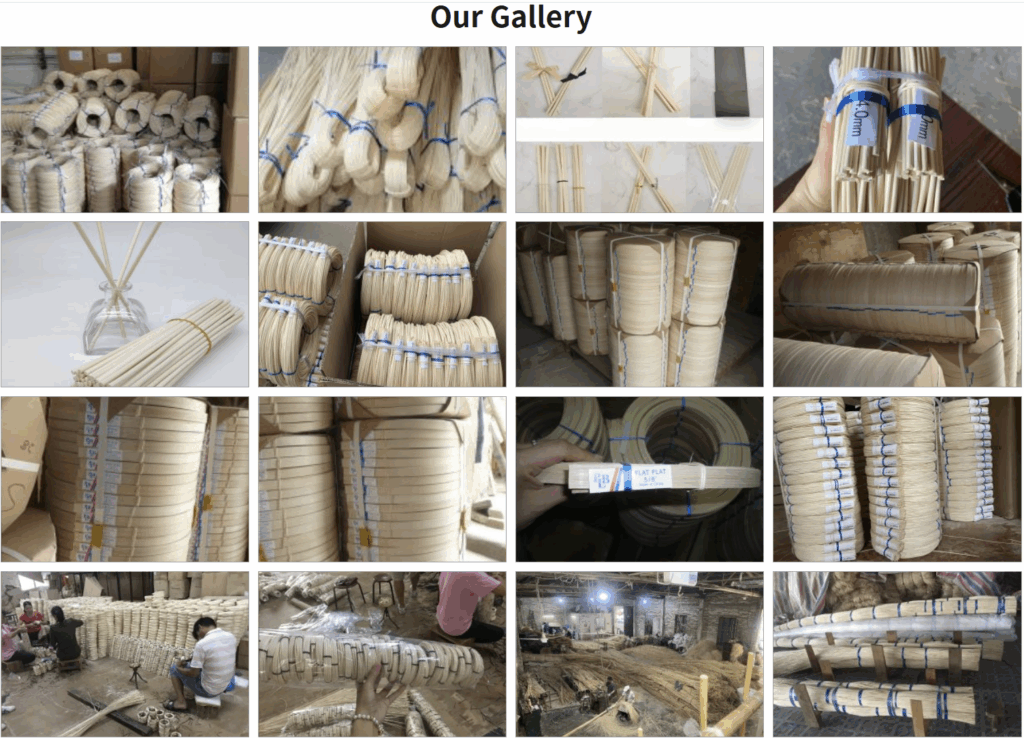
Compartiré los conceptos básicos de importación que utilizo con los nuevos compradores. Luego explicaré qué opciones personalizadas ofrezco, el plazo de entrega y el MOQ para la caña de plástico personalizada, cómo apruebo muestras y muestras, y cómo funcionan las tarifas de herramientas o configuración para tejidos especiales.
¿Puedo solicitar malla, anchos, colores o respaldo personalizados para paneles y puertas?
Los equipos de diseño quieren apariencias exactas y un ajuste rápido. Construyo según las especificaciones y mantengo las aprobaciones sencillas.
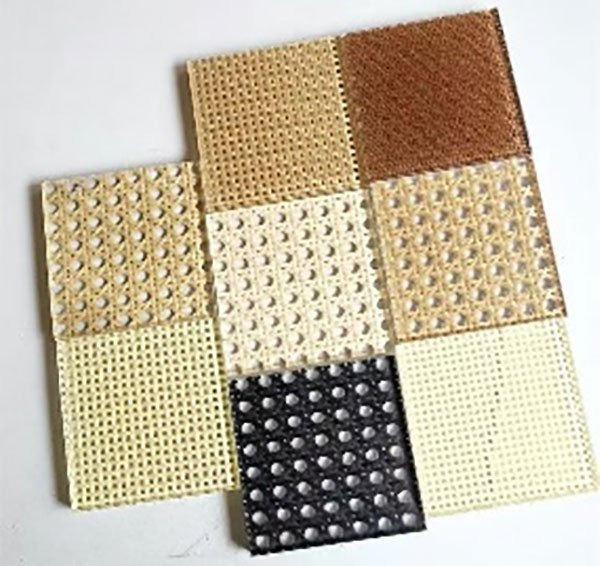
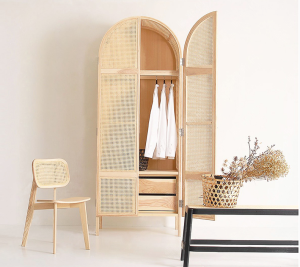
Sí. Acepto densidad de malla personalizada1, anchos especiales, colores de tinte o masterbatch y soluciones de respaldo. Suministro paneles de tejido de ratán2, tejidos de ratán + bambú y combinaciones de red de ratán + madera, vidrio o aluminio para puertas y armarios.
Profundice: Opciones, materiales y casos de uso
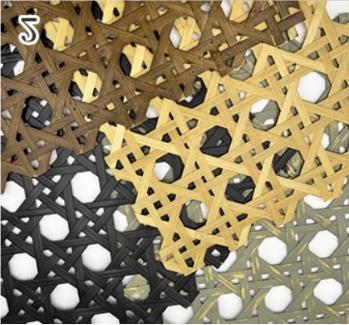
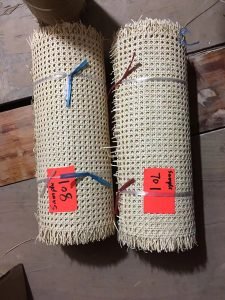
Ofrezco red de caña de ratán natural en tejidos clásicos de hexágono, malla abierta, espiga y cesto. Ofrezco anchos de 45 a 120 cm, con acabados especiales a tamaños no estándar bajo pedido. Para el color, hago capa transparente, miel, nogal, negro y tintes personalizados para caña natural, y colores masterbatch para caña de plástico. Si necesita respaldo, laminamos la red sobre paneles de madera, contrachapado, MDF, vidrio o marcos de aluminio. También proporciono paneles de tejido de ratán2 y tejidos mezclados de ratán + bambú cuando necesita una textura diferente. Para construcciones exteriores, utilizo caña de ratán de plástico con paquetes UV, a juego con el diseño de su patio o piscina. Etiqueto cada panel con el ancho, el código del patrón y el código del color para que sus carpinteros alineen las piezas rápidamente. Esto cubre sillas, puertas de armarios, cabeceros y elementos de pared de hoteles con especificaciones repetibles que se adaptan a su línea.
¿Cuál es el plazo de entrega y el MOQ para patrones y colores de caña plástica personalizados? patrones de caña plástica personalizados3 y colores?
Los plásticos personalizados requieren configuración y estabilidad de color. Proporciono niveles claros de MOQ y plazos de entrega honestos.
Los patrones y colores de plástico personalizados tienen un plazo de entrega de 25 a 40 días. El MOQ típico es de 200 a 300 kg por color/patrón. Los patrones complejos o los colores muy claros pueden situarse en el extremo superior para garantizar la consistencia.
Profundice: Por qué cambian el MOQ y el plazo de entrega
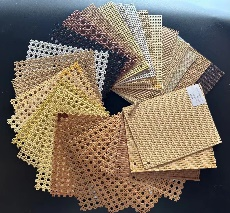
Construyo caña plástica personalizada en telares automáticos con nuevo masterbatch de color. Establezco un MOQ de 200-300 kg por color/patrón para mantener el control del color y reducir el desperdicio. Los tonos arena claro o crema requieren tolerancias más estrictas y pueden necesitar 300 kg para mantener el delta E dentro del objetivo. Los colores personalizados estándar terminan en 25-30 días después de la aprobación; los patrones nuevos que requieren configuración del telar o cambios de guía pueden alcanzar los 35-40 días. Las líneas exteriores con paquetes UV añaden 3-5 días para la confirmación de xenón. Envío parciales si necesita paneles tempranos para sesiones de fotos mientras se termina el volumen. También configuro mezclas de cartón por ancho para que coincidan con su lista de materiales, lo que acelera la instalación y reduce el desperdicio de recortes. Este plan mantiene el costo justo y el color estable en todo su proyecto.
¿Proporcionará? muestras de preproducción4 and muestras de color5 ¿para aprobación?
Las aprobaciones evitan disputas posteriores. Envío muestras y retales antes de que comience el volumen.
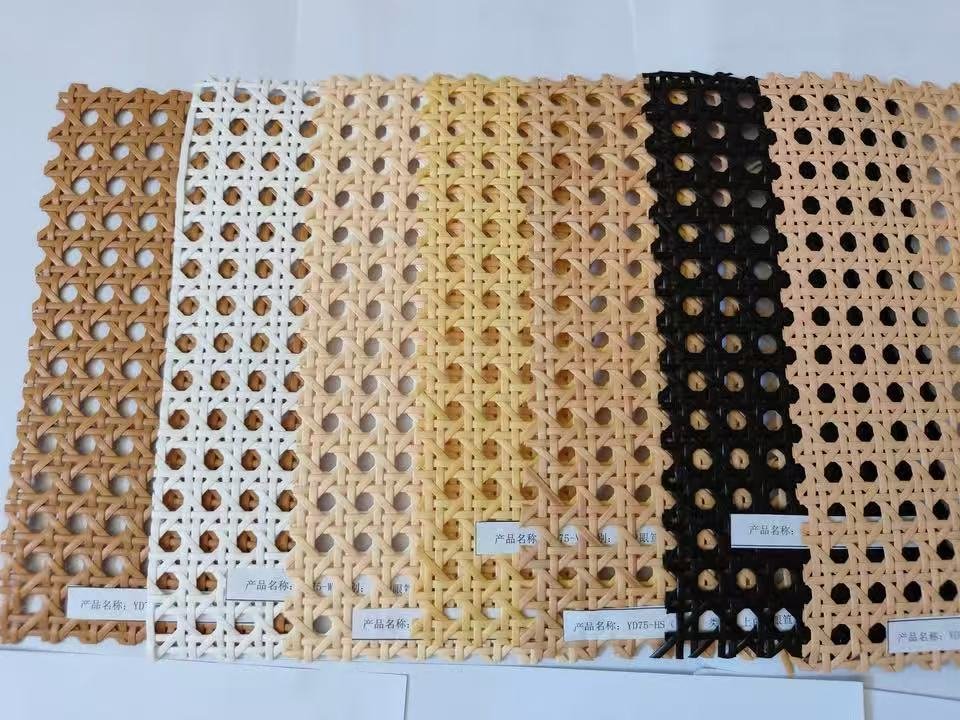
Sí. Proporciono muestras de laboratorio, muestras de tejido y muestras de preproducción4. Usted firma la retención y yo bloqueo la producción a la tarjeta aprobada con datos espectrales y tolerancia de lote.
Profundice: Flujo de aprobación y puntos de control de calidad
Sigo un sencillo bucle de tres pasos. Paso 1: usted comparte un Pantone/RAL o una muestra física y la malla y el ancho objetivo. Envío dos pruebas de laboratorio en tiras planas y una muestra en tejido terminado. Paso 2: usted marca el color aprobado y anota la iluminación (D65) y el acabado de la superficie. Registro los valores Lab* y la tolerancia delta E. Paso 3: ejecuto un lote corto de preproducción y envío un corte como pieza de aprobación final. Lo grapo al COA con los datos del lote. Su almacén verifica la entrada bajo D65 y la compara con la retención. Conservo duplicados de todas las retenciones para pedidos futuros. Para caña natural, añado muestras de tinte tanto en Grado B como en Grado C para que pueda ver el tono sobre diferentes fibras base. Este proceso mantiene el color y la malla consistentes en proyectos repetidos y construcciones multifábricas.
¿Cómo se aplican las tarifas de herramientas o configuración a los tejidos personalizados?
Los tejidos especiales necesitan guías, cuchillas y tiempo de telar. Cito las herramientas claramente y reparto el costo sobre el volumen.
Los tejidos personalizados pueden tener una tarifa única de herramientas o configuración. Renuncio o reduzco las tarifas cuando su volumen total es alto. Enumero la tarifa en la PI y guardo la herramienta para sus pedidos futuros.
Profundice: Qué desencadena una tarifa y cómo la gestiono
Las herramientas se aplican cuando cambio las guías del telar, añado ruedas de patrones o corto nuevos ribetes para anchos especiales. Los cambios de color simples no necesitan herramientas; solo utilizan masterbatch. Los patrones nuevos requieren juegos de guías y ajuste de máquina, que cobro como una tarifa única. Si su pronóstico cubre múltiples tiradas, amortizo la tarifa y reduzco el costo unitario a partir del segundo lote. El corte de ancho especial para caña natural requiere nuevos ribetes y controles de calidad, por lo que puedo cobrar una pequeña tarifa de configuración para cubrir las plantillas de recorte y la inspección adicional. Almaceno sus herramientas y las etiqueto con su código de proyecto. Bloqueo tiempo de telar para sus repeticiones, lo que reduce el plazo de entrega y mantiene estable la tensión del tejido. Escribo todas las tarifas en texto plano en la PI, con la fecha, el código del patrón y la nota de almacenamiento para futuras construcciones.
Conclusión
Necesita documentos de importación básicos y un plan personalizado claro. Doy soporte a mallas, anchos, colores y respaldos personalizados, proporciono muestras, establezco MOQ y plazos de entrega justos, y explico las herramientas para que los costos se mantengan predecibles.
- Explore este enlace para comprender cómo la densidad de malla personalizada puede mejorar sus proyectos de diseño y satisfacer necesidades estéticas específicas. ↩
- Descubra la versatilidad de los paneles de ratán y cómo se pueden utilizar en diversas aplicaciones para un toque único. ↩ ↩
- Explore este enlace para descubrir diseños y tendencias innovadoras en patrones de caña de plástico que pueden mejorar sus proyectos personalizados. ↩
- Comprender las muestras de preproducción puede ayudar a garantizar la calidad y la consistencia en su proceso de producción. ↩ ↩
- Explorar el papel de las muestras de color puede mejorar sus decisiones de diseño y la eficiencia de aprobación. ↩
 English
  Español de México
  العربية
  Deutsch
  Français
  Русский