
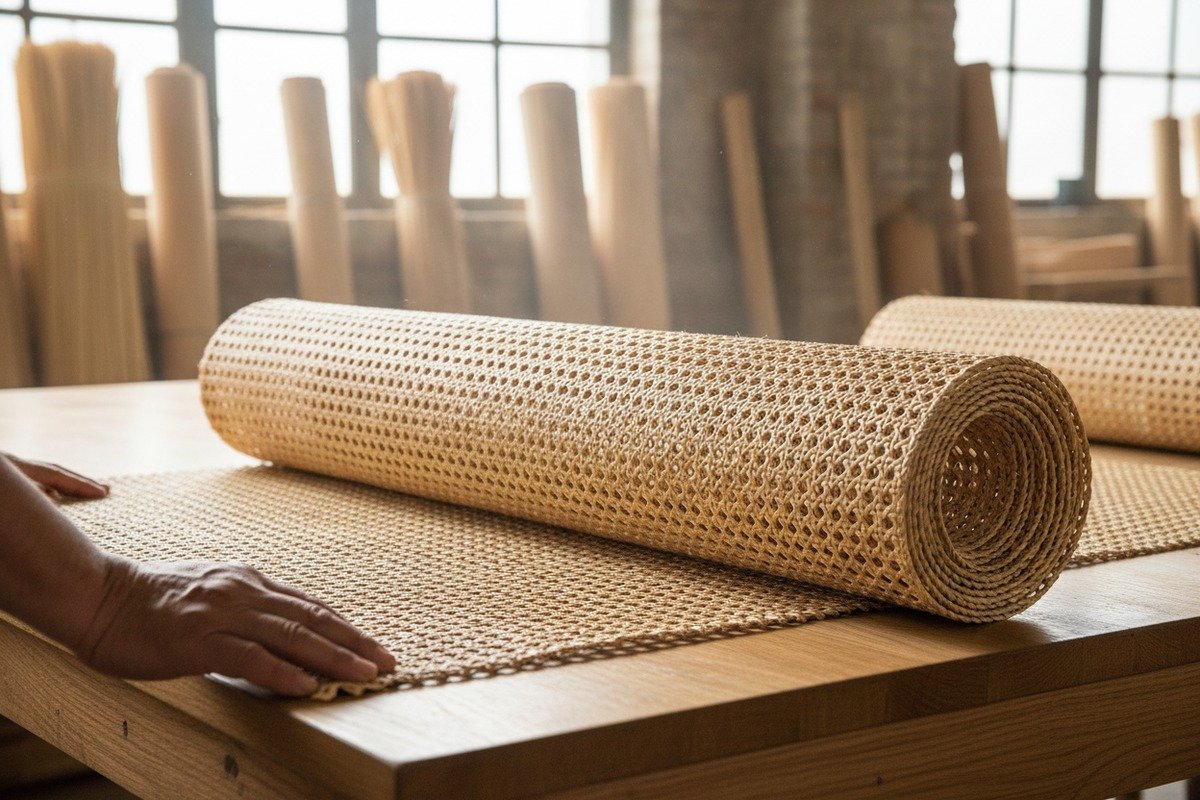
Cada año, recibimos cientos de consultas de fábricas de muebles preguntando por qué algunas tejido de caña de ratán 1 duran décadas mientras que otros lotes se agrietan y se deforman en cuestión de meses. La frustración es real. Un solo envío de cincha de calidad inferior puede arruinar una línea de muebles completa, dañar la reputación de la marca y costar miles en devoluciones. Universidad Estatal de Mississippi 2. Al operar nuestra propia planta de procesamiento de ratán en Indonesia y trabajar con más de 30 fábricas asociadas en Foshan, hemos visto de primera mano cómo las diferencias de grado se traducen en brechas de rendimiento en el mundo real.
La durabilidad del tejido de ratán natural varía según el grado, basándose en el grosor de la fibra, la integridad de la piel, la densidad del tejido y la calidad del pretratamiento. El tejido de grado A utiliza la piel exterior de ratán maduro con fibras apretadas y uniformes, ofreciendo una resistencia a la tracción y a las grietas superior. Los grados inferiores utilizan fibras más finas y jóvenes con más defectos, lo que lleva a una degradación más rápida bajo estrés y cambios de humedad.
A continuación, desglosamos exactamente cómo se desempeña cada grado, qué buscar y cómo su elección impacta la vida útil de sus muebles. resistencia a la fatiga por flexión 3. Entremos en detalles.
¿Cómo puedo distinguir entre ratán de Grado A y de menor calidad en cuanto a desgaste a largo plazo?
Cuando clasificamos la cincha de ratán en nuestra planta de procesamiento indonesia, las diferencias entre el Grado A y los niveles inferiores son visibles para un ojo entrenado, pero muchos compradores solo las descubren después de que falla la instalación. palmera de ratán 4. El problema es que la mayoría de los proveedores no publican criterios de clasificación claros. Los compradores se basan únicamente en el precio, y eso conduce a errores costosos en el futuro.
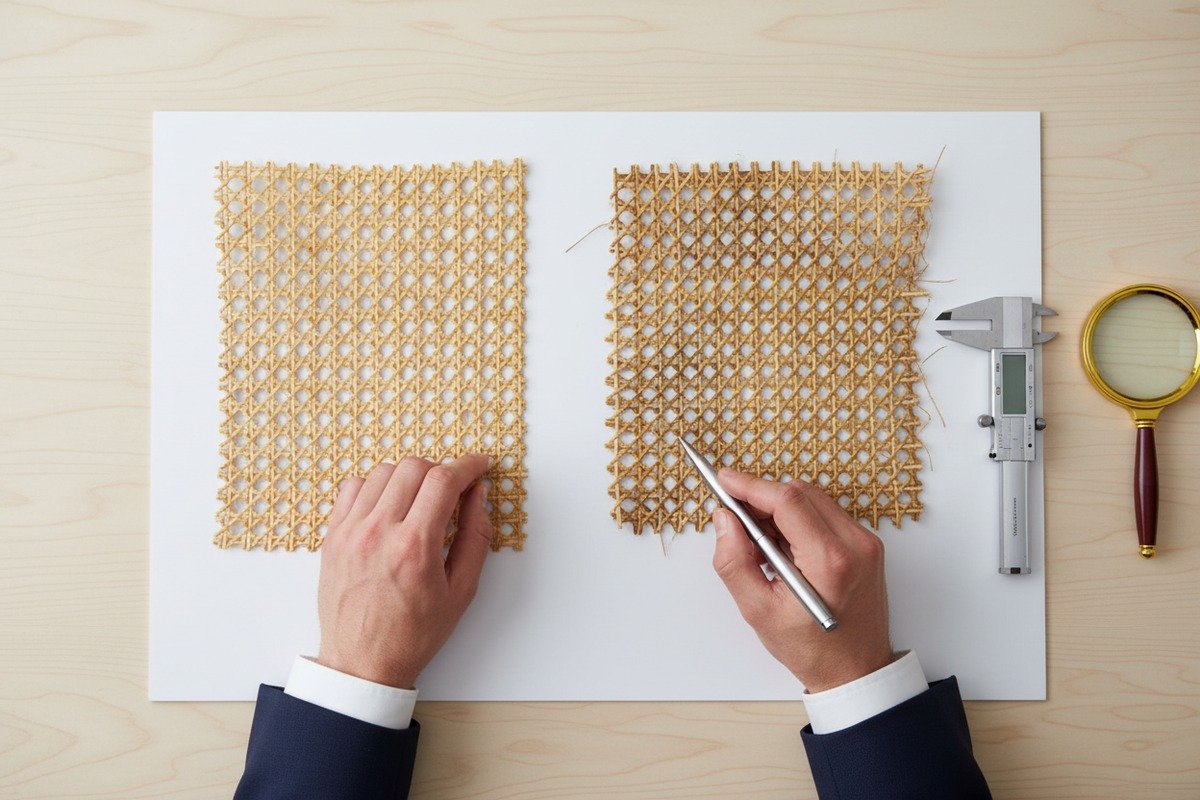
La rejilla de ratán de grado A presenta una piel exterior lisa y sin imperfecciones con un diámetro de fibra constante y una estructura de grano apretada. Los grados inferiores muestran nudos visibles, coloración desigual, texturas ásperas y fibras más finas. Con el tiempo, el grado A resiste el desgaste y mantiene la flexibilidad, mientras que los grados inferiores se agrietan, se deshilachan y pierden tensión significativamente más rápido.
Indicadores visuales de la calidad del grado
La forma más rápida de evaluar el grado es mediante inspección visual y táctil. La cincha de Grado A tiene una superficie brillante y uniforme. Puede pasar el dedo sobre ella y no sentir enganches ni asperezas. La cincha de menor calidad a menudo tiene pequeños hoyos, parches descoloridos o divisiones visibles en las fibras. Estos defectos no son solo cosméticos. Cada imperfección es un punto de tensión donde comenzará el agrietamiento.
Siempre decimos a nuestros clientes mayoristas que soliciten rollos de muestra antes de realizar pedidos a granel. Sostenga la muestra a la luz. La cincha de Grado A mostrará una densidad constante en todo el tejido. Los grados inferiores tendrán huecos, hebras sueltas o áreas donde las fibras se superponen de manera desigual.
Cómo la madurez de la fibra afecta el desgaste
El ratán cosechado de plantas maduras, típicamente de 7 a 10 años, produce fibras con paredes celulares más densas. Estas fibras resisten la fatiga por flexión mucho mejor que las fibras de plantas más jóvenes. Un estudio de 2020 de Universidad Forestal de Nanjing 5 y la Universidad Estatal de Mississippi confirmó que las tiras de líber de ratán de fuentes maduras demostraron la mayor resistencia a la tracción última 6 entre todos los materiales de ratán evaluados.
La cincha de menor grado a menudo proviene de plantas más jóvenes o utiliza fibras del núcleo interno mezcladas con fibras de la piel exterior. Esta mezcla debilita la estructura general.
Comparación de Grados para Desgaste a Largo Plazo
| Característica | Grado A | Grado B | Grado C |
|---|---|---|---|
| Fuente de fibra | Piel exterior de ratán maduro | Mezcla de piel exterior y núcleo interno | Principalmente núcleo interno o ratán joven |
| Textura de la superficie | Liso, brillante, uniforme | Ligeramente áspero, con pequeñas imperfecciones | Áspero, con nudos y grietas visibles |
| Resistencia a la tracción | Alto | Moderada | Bajo |
| Resistencia al agrietamiento | Excelente | Justo | Pobre |
| Vida útil esperada (uso en interiores) | 10–15+ años | 5–8 años | 2–4 years |
| Consistencia del color | Tono uniforme, natural | Alguna variación | Variación significativa |
El Papel del Pretratamiento
El grado por sí solo no garantiza la durabilidad. El proceso de pretratamiento —hervido, secado y tratamiento contra el moho— es fundamental. En nuestras instalaciones, la cincha de Grado A pasa por un secado controlado a niveles de humedad específicos para evitar el estrés interno. La cincha de menor grado de proveedores económicos a menudo omite este paso o lo apresura, lo que provoca humedad oculta que causa moho y deformación a los pocos meses de la instalación.
Hemos visto fábricas de muebles en Turquía y los Países Bajos rechazar contenedores enteros de cincha porque el proveedor utilizó materia prima de Grado A pero aplicó un procesamiento de Grado C. La lección: pregunte siempre a su proveedor sobre su proceso de tratamiento, no solo sobre el grado del material.
¿Qué grado de ratán debo usar para asegurar que mis diseños de muebles mantengan su tensión y resistencia con el tiempo?
Una queja recurrente que escuchamos de las fábricas de muebles en España y Australia es la rejilla que se ve perfecta en la entrega pero se hunde a los seis meses de uso. La causa raíz es casi siempre una desalineación entre el grado de ratán y la aplicación. Elegir el grado incorrecto para el asiento de una silla de comedor es como usar contrachapado donde se necesita madera dura: fallará bajo el estrés diario.
Para muebles que deben mantener tensión y resistencia a lo largo de los años, utilice tejido de ratán de grado A con patrones de tejido apretados como el tejido cerrado o de doble capa. Las fibras de grado A tienen una resistencia superior a la fatiga por flexión, lo que significa que pueden soportar doblarse repetidamente sin agrietarse. Combine esto con un marco de madera dura estable y una tensión de instalación adecuada para obtener los mejores resultados.
Por qué ocurre la pérdida de tensión
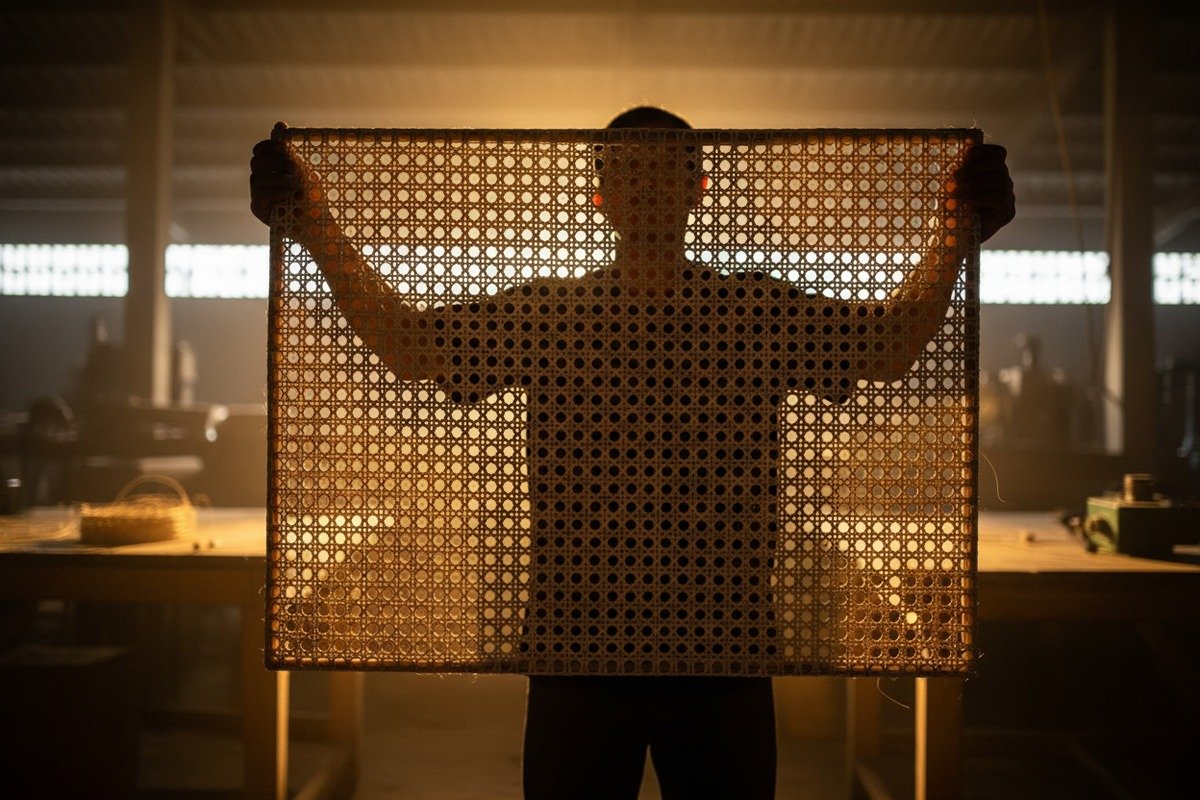
La rejilla de caña pierde tensión por tres razones principales: fatiga de la fibra, fluctuación de la humedad e instalación deficiente. La rejilla de Grado A aborda el primer factor directamente. Sus fibras toleran miles de ciclos de flexión más que las de Grado B o C antes de mostrar fatiga. Pero incluso el Grado A se hundirá si se instala sin el remojo y la tensión adecuados.
Nuestra recomendación estándar es remojar la rejilla de caña en agua durante aproximadamente 3 horas antes de la instalación. Esto permite que las fibras se expandan y se vuelvan flexibles. Cuando se instala húmeda y luego se seca bajo tensión, la rejilla se encoge y se tensa. La caña de hebra natural requiere solo unos 15 minutos de remojo, lo que indica que las tasas de absorción difieren según el tipo de producto.
Emparejar el grado con la aplicación
No todos los muebles necesitan Grado A. Aquí hay una guía práctica que compartimos con nuestros clientes mayoristas:
| Application | Grado recomendado | Weave Pattern | Razón |
|---|---|---|---|
| Asientos de sillas de comedor | Grado A | Caña cerrada o doble capa | Uso diario intensivo, alto estrés de flexión |
| Paneles de puertas de armario | Grado B | Rejilla hexagonal o cuadrada abierta | Decorativo, estrés mínimo |
| Cabeceros | Grado A o B | Tejido de densidad media | Presión ocasional de apoyo |
| Divisores de ambientes | Grado B o C | Tejido abierto | Sin carga estructural |
| Sillas de patio cubiertas para exteriores | Grado A (o sintético) | Tejido apretado en espiga | Humedad y exposición a rayos UV |
| Paneles decorativos de pared | Grado C | Cualquier patrón abierto | Carga cero, puramente estético |
El Factor del Marco
Incluso la mejor cincha de Grado A fallará si el marco es débil. Siempre aconsejamos a nuestros clientes que utilicen marcos de madera dura secada en horno 7 con ranuras debidamente fresadas para la instalación de la lengüeta. Los marcos de madera blanda se expanden y contraen más con los cambios de humedad, lo que afloja la cincha con el tiempo. El método de fijación también importa: la instalación de lengüeta y ranura mantiene mejor la tensión que los métodos de grapado y plegado.
Humedad y control climático
La humedad es el asesino silencioso de la tensión de la cincha de ratán. En ambientes interiores muy secos —comunes en hogares con calefacción durante el invierno en los Países Bajos o el norte de EE. UU.— las fibras de la cincha se encogen y se vuelven quebradizas. En ambientes de alta humedad como Tailandia o Filipinas, las fibras absorben la humedad y se expanden, causando flacidez.
La cincha de Grado A tolera un rango de humedad más amplio antes de mostrar efectos visibles. Pero para entornos con fluctuaciones extremas, recomendamos aplicar una fina capa de sellador de aceite natural después de la instalación. Esto ralentiza el intercambio de humedad y extiende el período entre ciclos de mantenimiento.
¿La calidad de la piel de diferentes grados de ratán realmente impacta en qué tan bien mis productos resisten el agrietamiento y el deshilachado?
Hemos probado esta pregunta directamente en nuestro laboratorio de calidad de Foshan. Cuando nuestro equipo sometió muestras de diferentes grados de piel a pruebas de flexión repetidas, los resultados fueron impactantes. Algunos compradores asumen que la apariencia exterior es solo cosmética. No lo es. La piel es la armadura de la fibra de ratán, y su calidad determina cuánto tiempo dura esa armadura.
Sí, la calidad de la piel tiene un impacto directo y medible en la resistencia al agrietamiento y al deshilachado. El ratán de grado A utiliza la cáscara exterior intacta de la palmera de ratán, que contiene las fibras más densas y flexibles. Esta piel exterior actúa como una capa protectora natural. Cuando la piel es delgada, dañada o se desprende en grados inferiores, las fibras internas más blandas quedan expuestas, lo que hace que el tejido sea mucho más vulnerable al estrés ambiental y al desgaste mecánico.
Comprendiendo la Sección Transversal del Ratán
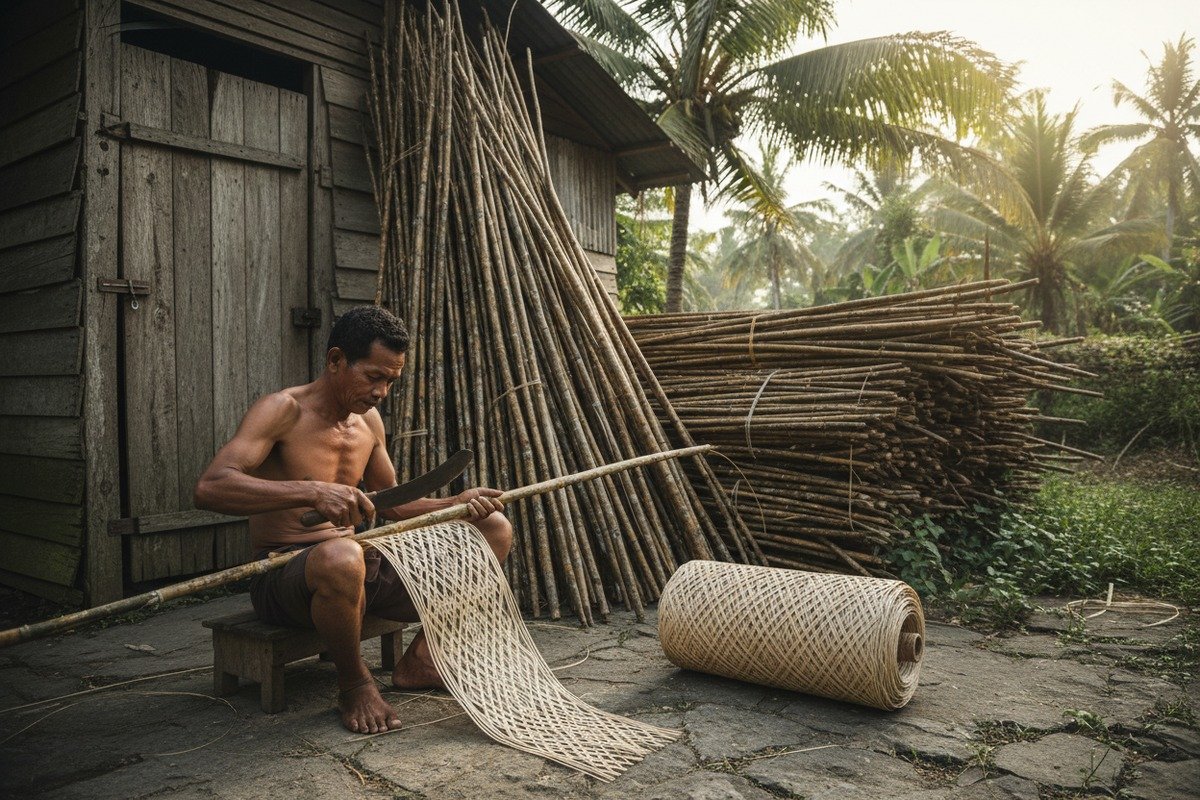
Un tallo de ratán tiene tres capas: la piel exterior dura (epidermis), la capa media fibrosa (corteza) y la médula interior blanda (núcleo). La tela de ratán se fabrica a partir de la piel exterior y parte de la corteza. La tela de grado A conserva el grosor completo de la piel exterior. Los grados inferiores utilizan láminas más finas o incluyen más material de la corteza más blanda.
Es por eso que dos piezas de tela de ratán pueden verse similares pero comportarse de manera completamente diferente bajo estrés. La piel exterior es donde las más fuertes y alineadas fibras de celulosa 8 viven. Elimina o adelgaza esa capa y pierdes la defensa estructural principal contra el agrietamiento.
Cómo se Desarrolla el Agrietamiento
El agrietamiento en la tela de ratán sigue un patrón predecible. Comienza en los puntos de estrés, generalmente donde la tela se dobla sobre el borde de un marco o donde las intersecciones del tejido crean tensión localizada. En la tela de grado A, la piel exterior intacta distribuye este estrés en un área más amplia. En los grados inferiores, el estrés se concentra en los puntos defectuosos y se propaga rápidamente.
Los factores ambientales aceleran el agrietamiento. La exposición a los rayos UV seca los aceites naturales de la piel. La baja humedad hace que las fibras se contraigan y se vuelvan quebradizas. La alta humedad seguida de un secado rápido crea tensión interna que la piel debilitada de los grados inferiores no puede absorber.
Deshilachado: La Señal de Advertencia Temprana
El deshilachado es el primer signo visible de degradación relacionada con el grado. Aparece como extremos de fibra sueltos a lo largo de los bordes cortados o en las intersecciones del tejido. La tela de grado A tiene fibras densamente compactadas que resisten la separación. Los grados inferiores tienen haces de fibras más sueltos que comienzan a separarse bajo flexión repetida.
En nuestra experiencia enviando a fábricas de muebles en todo EE. UU. y Europa, la queja más común sobre la tela de grado inferior es el deshilachado del borde dentro del primer año. Esto es especialmente problemático para diseños de bordes expuestos donde la tela no está oculta por un moldura de marco.
Comparación de la Calidad de la Piel por Grado
| Característica de la Piel | Grado A | Grado B | Grado C |
|---|---|---|---|
| Grosor de la piel | Lámina exterior completa | Lámina exterior parcial | Piel fina o mezclada con el núcleo |
| Contenido natural de aceite | Alto | Moderada | Bajo |
| Alineación de fibras | Ajustado, paralelo | Mayormente alineado | Irregular |
| Resistencia a la iniciación de grietas | Muy alto | Moderada | Bajo |
| Resistencia al deshilachado en los bordes | Excelente | Justo | Pobre |
| Tolerancia a los rayos UV (sin recubrimiento) | Bueno | Justo | Pobre |
Durabilidad de la piel blanqueada vs. natural
Una pregunta que nuestros clientes hacen con frecuencia es si el blanqueo debilita la piel. La respuesta es matizada. El blanqueo implica vapor y tratamiento químico que pueden ablandar ligeramente las fibras. Sin embargo, cuando se realiza correctamente utilizando vapor avanzado y tratamientos repetitivos, la cincha blanqueada de alta calidad Grado A conserva la mayor parte de su integridad estructural. El riesgo proviene del blanqueo agresivo en materiales de menor grado, donde la piel, ya de por sí fina, se debilita aún más.
Recomendamos que si los clientes desean cincha blanqueada por razones estéticas, insistan en materia prima Grado A. El blanqueo de material Grado B o C amplifica las debilidades existentes y acorta drásticamente la vida útil del producto.
¿Cómo afectará el grado específico de la caña de ratán que seleccione a la vida útil general de mi línea de muebles?
La decisión del grado no es solo una cuestión de material, es una cuestión de estrategia empresarial. Cuando nos sentamos con los gerentes de compras de las fábricas de muebles, la conversación siempre vuelve al costo total de propiedad. Un grado más barato ahorra dinero por adelantado, pero puede duplicar o triplicar los costos a través de reclamaciones de garantía, reemplazos y pérdida de confianza del cliente. Hemos visto esto suceder en mercados desde Dubái hasta los Países Bajos.
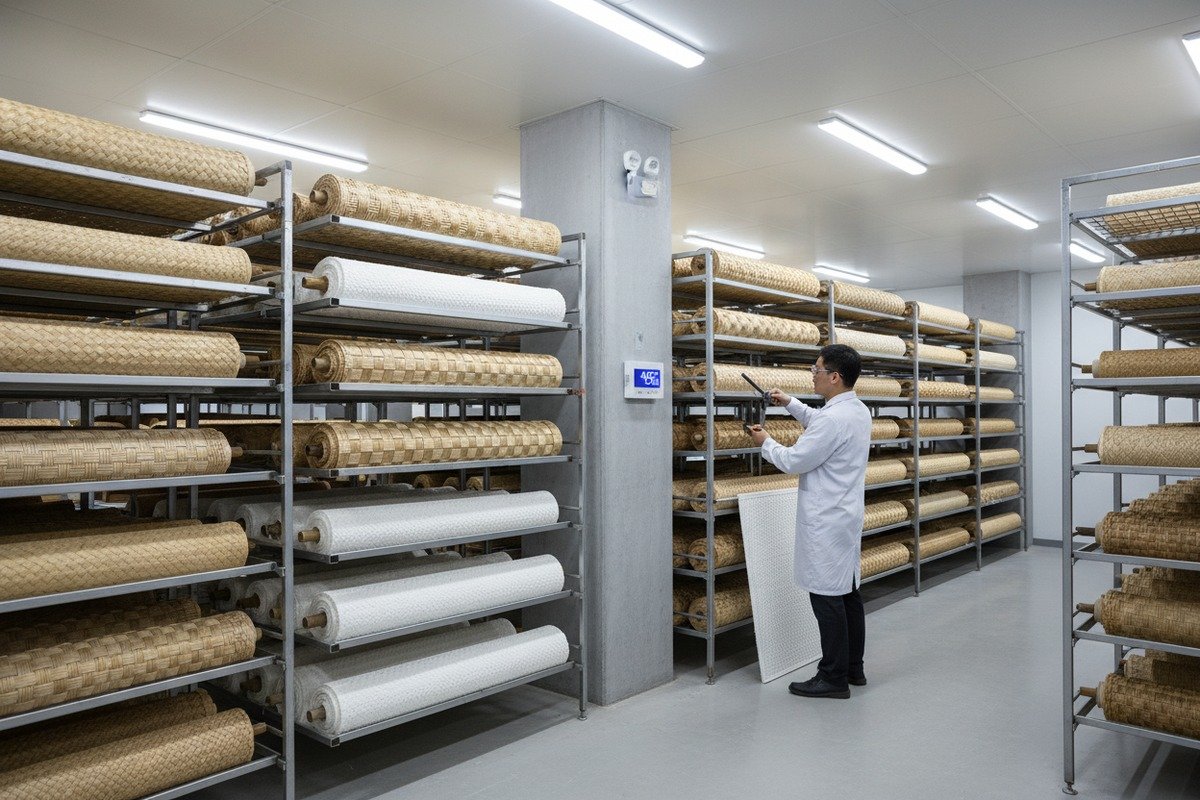
La calidad de la esterilla de ratán que seleccione determina directamente la vida útil de su línea de muebles, los costos de garantía y la reputación de la marca. La esterilla de grado A en entornos interiores con el mantenimiento adecuado puede durar de 10 a 15 años o más. El grado B suele durar de 5 a 8 años. El grado C puede degradarse en tan solo 2 a 4 años, especialmente bajo uso diario o condiciones de humedad inestables.
El costo real de la selección del grado
Hablemos de números. Un rollo de mimbre de grado A podría costar entre un 20 y un 30 % más que el de grado B. Pero si el mimbre de grado B falla después de 5 años y el de grado A dura 12 años, el costo por año de servicio es en realidad menor para el grado A. Para las marcas de muebles que venden productos con garantías de 5 o 10 años, la elección del grado impacta directamente en la responsabilidad de la garantía.
Trabajamos con un mayorista de muebles en Australia que cambió de grado B a grado A para su línea de sillas de comedor. Sus reclamaciones de garantía disminuyeron en más del 60 % en los primeros dos años. El aumento del costo inicial del material fue de aproximadamente el 25 %, pero los ahorros por la reducción de devoluciones y reparaciones lo cubrieron con creces.
Selección de especies y vida útil
No todas las especies de ratán rinden por igual. La especie utilizada afecta la densidad, la flexibilidad y el comportamiento al envejecer.
El ratán indonesio, particularmente de especies como Calamus manan 9 (Manau), es reconocido por su flexibilidad y durabilidad superiores. Presenta un color más claro y una textura más suave. El mimbre vietnamita también es duradero, pero tiende a tener un color más oscuro y una textura más áspera. Para una vida útil máxima, recomendamos el ratán de origen indonesio Ratán Manau 10 procesado como Grado A.
Calidad de instalación: El efecto multiplicador
Incluso el mimbre de grado A tendrá un rendimiento inferior si la instalación es deficiente. Una instalación adecuada incluye:
- Remojar el mimbre durante la duración correcta (3 horas para mimbre en lámina, 15 minutos para mimbre en hebra)
- Usar marcos de madera dura secada en horno para minimizar el movimiento relacionado con la humedad
- Aplicar tensión constante durante la instalación
- Asegurar con métodos adecuados de lengüeta y ranura en lugar de grapas
- Permitir que el mimbre se seque completamente bajo tensión antes de usarlo
Cada uno de estos pasos actúa como un multiplicador de la durabilidad base del grado. Si se omite uno, se reduce la vida útil efectiva entre un 20 y un 30 %. Si se omiten varios, incluso el mimbre de grado A fallará en pocos años.
Protocolos de mantenimiento por grado
La carga de mantenimiento también varía según el grado. El grado A requiere un mantenimiento menos frecuente porque su piel intacta retiene los aceites naturales por más tiempo. Los grados inferiores se secan más rápido y necesitan un acondicionamiento más frecuente.
Para todos los grados, recomendamos:
- Limpiar con un paño húmedo mensualmente para mantener el equilibrio de humedad
- Mantener los muebles alejados de la luz solar directa y de las rejillas de calefacción
- Aplicar una capa ligera de aceite natural o sellador de cera de abejas cada 6-12 meses
- Guardar o cubrir las piezas de exterior durante condiciones climáticas extremas
Expectativas de vida útil en interiores vs. exteriores
La rejilla de ratán natural es fundamentalmente un material de interior. Incluso la rejilla de grado A se degradará rápidamente bajo lluvia directa, exposición prolongada a los rayos UV o ciclos de congelación-descongelación. Para áreas exteriores cubiertas como patios con techo, el grado A puede durar de 5 a 8 años con mantenimiento regular. Para uso exterior totalmente expuesto, el ratán sintético hecho de plástico PE es la única opción viable.
Esta es una distinción importante que a menudo se difumina en el marketing. Siempre aconsejamos a nuestros clientes B2B que comuniquen claramente a sus clientes finales si un producto está clasificado para uso en interiores, exteriores cubiertos o exteriores totalmente expuestos. Una representación errónea de esto conduce a reclamaciones de garantía y daños a la marca.
Valor a largo plazo por grado
Cuando consideramos el panorama completo —costo del material, instalación, mantenimiento, garantía y satisfacción del cliente— el grado A ofrece consistentemente el mejor valor a largo plazo para cualquier mueble diseñado para uso regular. El grado B es apropiado para aplicaciones decorativas o de baja tensión donde se necesitan ahorros de costos. El grado C debe reservarse para productos desechables, de corta vida o puramente decorativos donde las expectativas de rendimiento son bajas.
El grado que elija les dice a sus clientes lo que usted cree que valen sus muebles. En nuestra experiencia suministrando a mercados de toda Europa, Oriente Medio y América, las marcas que invierten en material de grado A construyen las reputaciones más sólidas y las bases de clientes más leales.
Conclusión
La selección del grado es la decisión de durabilidad más importante que tomará para su línea de muebles de ratán. Elija sabiamente, mantenga de manera constante y sus productos lo recompensarán a usted y a sus clientes durante años.
Notas al pie
1. Explica qué es la caña tejida y sus usos comunes. ↩︎
2. Información oficial sobre la universidad mencionada en el artículo. ↩︎
3. Explica la capacidad del material para resistir la tensión de flexión antes de ceder. ↩︎
4. Proporciona información autorizada sobre las palmas de ratán y su ecología. ↩︎
5. Información oficial sobre la universidad mencionada en el artículo. ↩︎
6. Define la carga máxima que un material puede soportar antes de fracturarse. ↩︎
7. Explica la importancia y los beneficios de los marcos de madera dura secada en horno para muebles. ↩︎
8. Explica la estructura y las propiedades de las fibras de celulosa. ↩︎
9. Proporciona información botánica y de uso detallada para esta especie de ratán. ↩︎
10. Revisión académica que detalla las propiedades y el potencial de la fibra de ratán Manau. ↩︎


 English
  Español de México
  العربية
  Deutsch
  Français
  Русский