
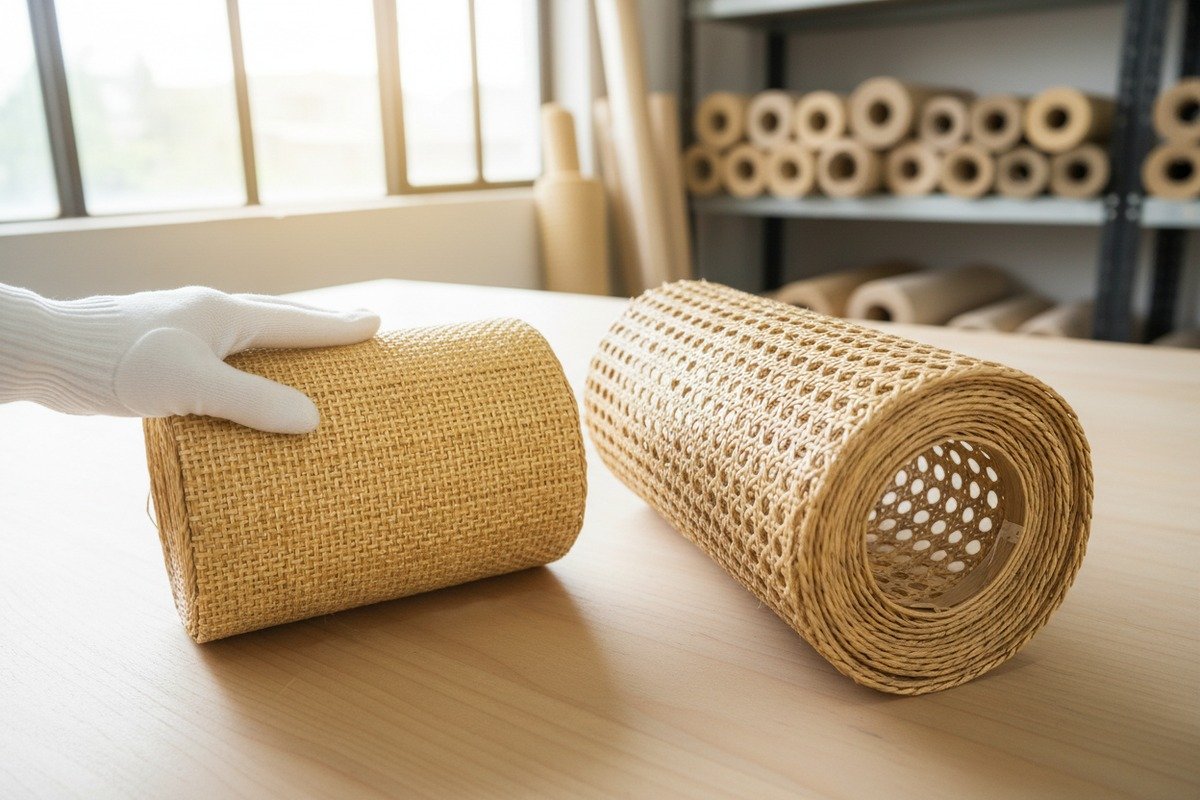
Cada semana, nuestro equipo de ventas recibe la misma pregunta de fábricas de muebles y mayoristas de todo el mundo: “¿Cuál densidad de malla 1 es el adecuado para mi proyecto?” Suena simple, pero elegir la densidad incorrecta puede provocar asientos hundidos, paneles agrietados y costosas devoluciones de productos. Lo hemos visto ocurrir en pedidos enviados a los Países Bajos, Australia y Tailandia por igual, y la causa raíz casi siempre se remonta a una desalineación entre la densidad de la malla y el uso previsto.
La densidad de la malla, el número de hebras de ratán tejidas por unidad de área, determina directamente la resistencia, la flexibilidad, el flujo de aire y la textura visual de una cincha. Los tejidos de mayor densidad ofrecen una mayor capacidad de carga y durabilidad, mientras que los tejidos de menor densidad proporcionan una mejor ventilación y una estética más ligera, lo que convierte a la densidad en la especificación más importante para adaptar a su aplicación.
En esta guía, desglosamos exactamente cómo la densidad de la malla afecta el rendimiento en diferentes casos de uso capacidad de carga 2. Ya sea que esté construyendo sillas de comedor, diseñando puertas de gabinetes o comparando cotizaciones de proveedores, las secciones a continuación le ayudarán a tomar una decisión segura e informada.
¿Cómo afectará una mayor densidad de malla a la durabilidad a largo plazo y a la capacidad de peso de mis muebles de ratán?
Cuando probamos lotes de muestra en nuestras instalaciones de Foshan, la diferencia entre un tejido cerrado de 13×6 y una malla abierta estándar es inmediatamente obvia bajo estrés resistencia a la abrasión 3. Las fábricas de muebles que omiten esta evaluación a menudo enfrentan reclamaciones de garantía dentro del primer año. La frustración es real y evitable.
Una mayor densidad de malla aumenta significativamente tanto la durabilidad como la capacidad de peso. Los patrones de tejido cerrado con más hebras por pulgada cuadrada distribuyen el peso de manera más uniforme, resisten el pandeo y pueden durar de 8 a 10 años en condiciones de uso normal, mientras que los tejidos de baja densidad en la misma aplicación pueden fallar en 2 o 3 años.
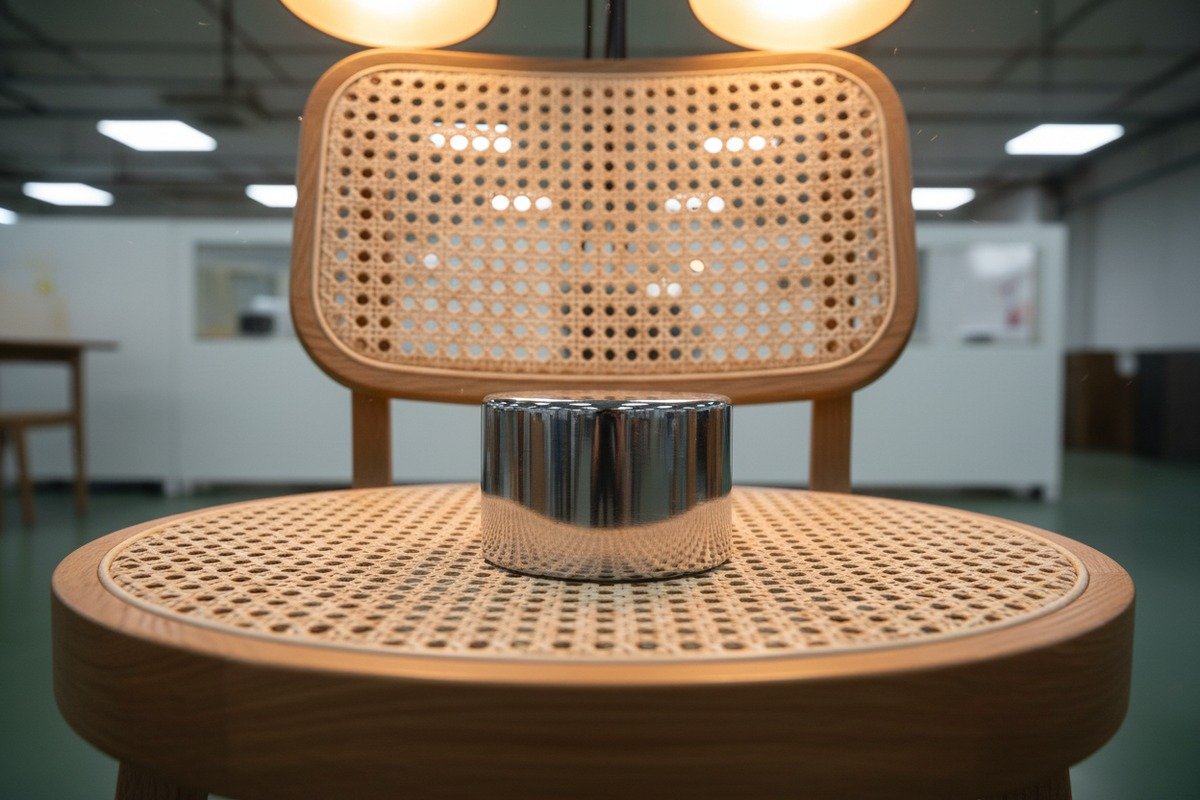
Cómo el recuento de hebras cambia la distribución de la carga
Piense en la densidad de la malla como los listones de un somier. Más listones significan que cada uno soporta menos peso. El mismo principio se aplica a las cinchas de ratán. En un tejido de alta densidad, cada hebra comparte la carga con muchas vecinas. Esto reduce la tensión en cualquier hebra individual y evita el estiramiento localizado que causa un hundimiento permanente.
Para el asiento de una silla de comedor estándar, generalmente recomendamos un tejido cerrado o una malla cuadrada apretada. Estos patrones tienen un recuento de hebras lo suficientemente alto como para soportar ciclos repetidos de sentarse y levantarse de adultos que pesen hasta 100 kg sin deformación visible durante varios años.
Durabilidad con el tiempo
La densidad también afecta cómo envejece la cincha. En los tejidos de baja densidad, las hebras individuales se flexionan más con cada uso. Después de miles de ciclos, este movimiento adicional acelera la fatiga de la fibra 4. Los tejidos de alta densidad limitan el movimiento de las hebras individuales porque la estructura apretada fija las hebras en su lugar. El resultado es un desgaste más lento y una vida útil funcional más larga.
De nuestros registros de producción y comentarios de clientes en mercados como España, EE. UU. y Arabia Saudita, esto es lo que observamos típicamente:
| Nivel de densidad | Patrón Típico | Vida útil esperada (uso en interiores) | Carga Máxima Recomendada |
|---|---|---|---|
| Bajo (malla abierta) | Tejido de radio 5, hexagonal | 2–4 años en asiento | 40–60 kg estático |
| Medio (malla estándar) | Malla cuadrada (aberturas de 1/2") | 5–7 años en asiento | 60–85 kg estático |
| Alto (tejido cerrado) | Tejido cerrado, tejido de cesta apretado | 8–10+ años en asiento | 85–120 kg estático |
La Calidad del Material Sigue Importando
Vale la pena señalar que la densidad por sí sola no garantiza la durabilidad. Procesamos nuestro propio ratán en nuestras instalaciones de Indonesia, y sabemos de primera mano que el grado de la materia prima interactúa con la densidad. Un tejido de alta densidad hecho de caña inmadura o mal secada aún se agrietará y romperá prematuramente. Ratán de Grado A 6—cosechada en el punto óptimo de madurez y tratada adecuadamente—combinada con alta densidad es la fórmula para muebles duraderos.
Nuestros trabajadores, muchos con más de una década de experiencia en tejeduría, mantienen una tensión constante de las hebras en cada rollo. La tensión inconsistente en un tejido denso crea puntos débiles invisibles al ojo pero que fallan bajo carga. Es por eso que la habilidad de fabricación y el control de calidad son tan críticos como el número de densidad en una hoja de especificaciones.
¿Qué densidad de malla debo elegir para lograr el equilibrio adecuado entre privacidad y flujo de aire para mis diseños de gabinetes?
Nuestros clientes del sector de materiales de construcción, especialmente aquellos que abastecen a los mercados europeo y de Oriente Medio, a menudo desean puertas de armario que luzcan elegantes y al mismo tiempo permitan la circulación del aire en su interior. Equivocarse en este equilibrio significa un armario sofocante que atrapa la humedad o un panel tan abierto que no oculta nada en su interior.
Para puertas de gabinetes, una malla cuadrada de densidad media o un tejido de radio ofrece el mejor compromiso entre privacidad y flujo de aire. Estos patrones permiten una circulación de aire suave para prevenir la acumulación de moho y olores, al tiempo que ocultan parcialmente el contenido del gabinete, a diferencia de los tejidos cerrados que bloquean el flujo de aire o las mallas muy abiertas que exponen todo lo que hay dentro.
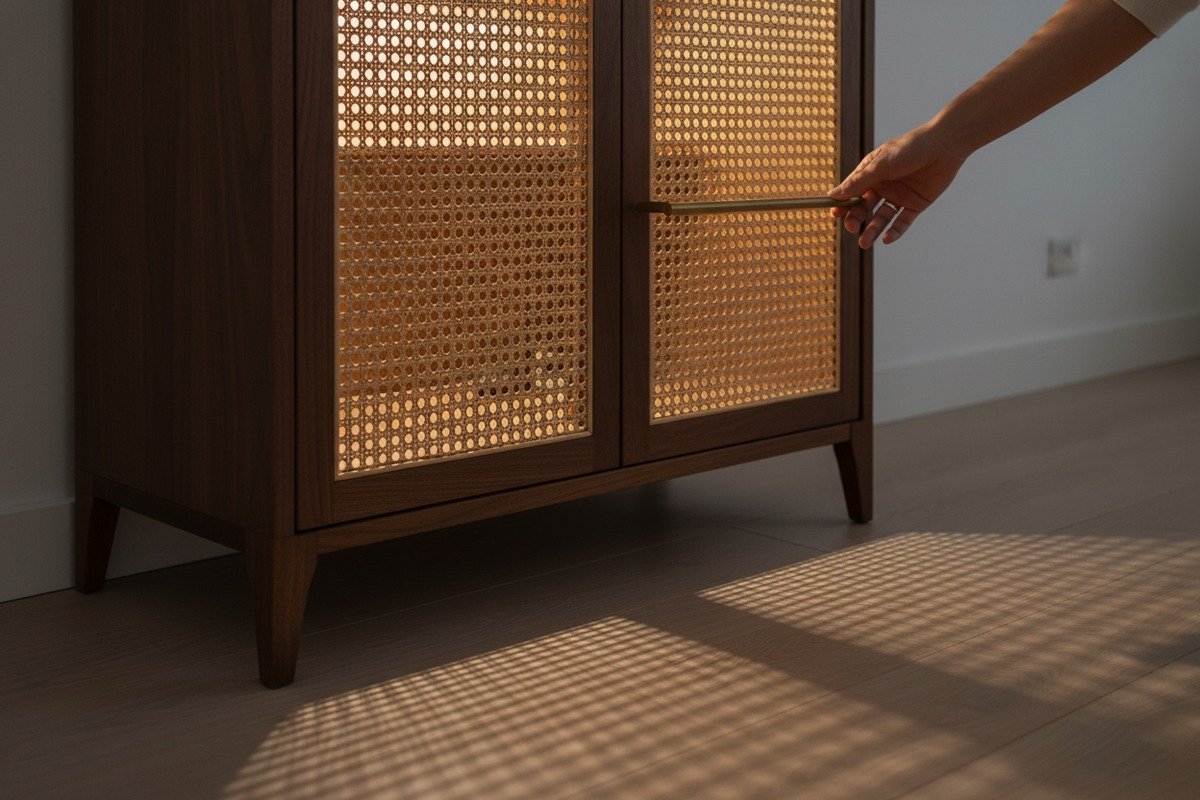
Por qué el flujo de aire es importante dentro de los armarios
Los armarios en cocinas, baños y climas húmedos necesitan ventilación. Sin ella, la humedad atrapada provoca moho, hongos y olores a rancio. La rejilla de ratán de tejido abierto resuelve este problema de forma natural. El aire pasa a través de los huecos entre las hebras, manteniendo el interior seco. Pero demasiada apertura anula el propósito de una puerta de armario: se desea cierto tamizado visual.
Combinar la densidad con las necesidades de privacidad
La privacidad es subjetiva. Algunos diseñadores desean un efecto velo apenas perceptible. Otros desean una ocultación casi completa. Así es como las diferentes densidades se comportan en aplicaciones de armarios:
| Densidad / Patrón | Calificación de flujo de aire | Nivel de privacidad | Uso óptimo en armarios |
|---|---|---|---|
| Baja densidad (hexagonal ancho) | Excelente | Bajo: contenido claramente visible | Estanterías de exhibición abiertas, zapateros |
| Densidad media (tejido de radio) | Bueno | Moderado: contenido parcialmente oscurecido | Despensa de cocina, almacenamiento de baño |
| Medio-alto (malla cuadrada de 1/2") | Moderada | Moderado-alto: solo se ven los contornos | Armarios de dormitorio, consolas de sala de estar |
| Alta densidad (tejido cerrado) | Bajo | Alto: contenido completamente oculto | Paneles decorativos, separadores de ambientes |
Beneficios secundarios térmicos y acústicos
Un beneficio a menudo pasado por alto del ratán de densidad media en los gabinetes es el sutil control del clima. En climas cálidos, el flujo de aire a través de un tejido abierto evita la acumulación de calor dentro de los muebles cerrados. Por el contrario, un tejido más apretado en un gabinete cerca de una ventana puede proporcionar un aislamiento marginal aislamiento térmico 7, manteniendo los artículos almacenados un poco más frescos bajo el sol directo.
También hay una ventaja acústica menor. Los tejidos más densos pueden amortiguar ligeramente la transmisión del sonido. Sin embargo, para los gabinetes que albergan altavoces inteligentes o equipos multimedia, se prefiere una malla abierta porque permite una mejor transmisión de sonido y señal. Varios de nuestros clientes que suministran a fabricantes de muebles para el hogar inteligente han solicitado específicamente paneles de tejido de radio por esta razón.
Consejos prácticos de selección
Al asesorar a nuestros compradores mayoristas, sugerimos comenzar con el entorno de la habitación. ¿Alta humedad? Opte por densidad media para el flujo de aire. ¿Diseño centrado en la exhibición? La baja densidad funciona. ¿Gabinete centrado en el almacenamiento en un área de estar? La densidad medio-alta mantiene las cosas ordenadas. Siempre recomendamos pedir muestras comerciales en dos o tres densidades para colocarlas contra los marcos reales del gabinete antes de comprometerse con un pedido al por mayor.
¿Cómo determino la mejor densidad de malla para mis proyectos de asientos de alto tráfico en comparación con los paneles de pared decorativos?
Dirigir tres fábricas y coordinar con más de 30 talleres asociados en Foshan nos ha enseñado una lección clara: la densidad que funciona perfectamente para una silla de restaurante fallará por completo como un panel decorativo de pared, y viceversa. Mezclar estos requisitos es uno de los errores más costosos que cometen nuestros compradores primerizos.
Los asientos de alto tráfico exigen un tejido cerrado de alta densidad o una malla cuadrada apretada para una máxima resistencia a la carga y resistencia a la abrasión, mientras que los paneles decorativos de pared funcionan mejor con tejidos abiertos de baja a media densidad que priorizan la textura visual, el juego de luces y la fácil instalación sobre la resistencia estructural.
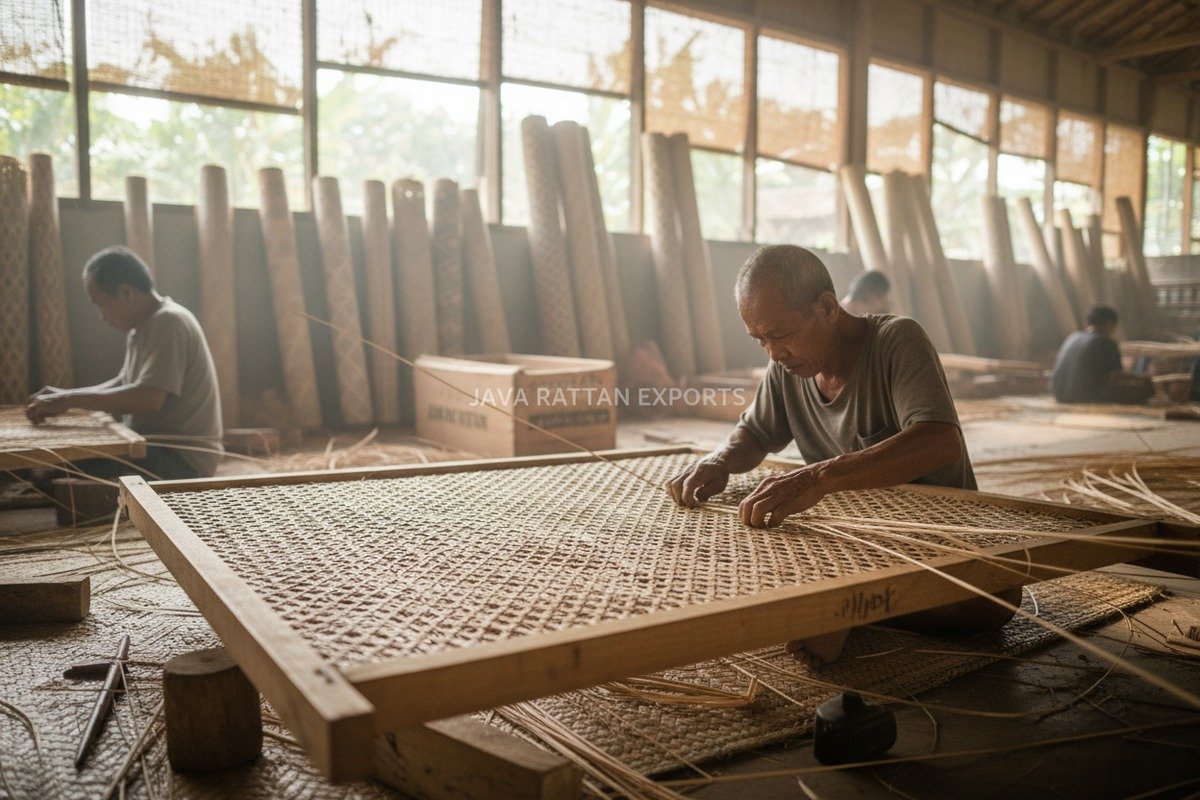
El perfil de estrés es completamente diferente
El asiento de una silla de restaurante soporta miles de ciclos de asiento al año. Cada ciclo aplica una fuerza concentrada hacia abajo, un desplazamiento lateral y un impacto ocasional. La rejilla debe resistir los tres sin estirarse ni romperse. Esto requiere la mayor densidad de hebras disponible, combinada con caña natural de Grado A o ratán sintético reforzado.
Un panel decorativo de pared, en contraste, cuelga plano y soporta solo su propio peso. No enfrenta ninguna carga dinámica. Su trabajo es puramente visual, creando textura, sombra y calidez en una superficie. Para este papel, un tejido hexagonal o de radio de baja densidad no solo es aceptable, sino que es superior. El patrón abierto capta la luz maravillosamente y crea una profundidad que un tejido cerrado y sólido no puede igualar.
Elección por Aplicación
Aquí hay un desglose práctico que compartimos con nuestros gerentes de compras y clientes de fábricas de muebles:
| Application | Nivel de tráfico | Densidad recomendada | Razón clave |
|---|---|---|---|
| Sillas de restaurante / cafetería | Muy alto | Alto (tejido cerrado) | Uso intensivo repetido, abrasión |
| Sillas de comedor residenciales | Moderada | Media-alta (malla cuadrada apretada) | Uso familiar diario, cargas moderadas |
| Respaldo de silla de salón | Bajo-moderado | Medio (malla cuadrada estándar) | Cargas ligeras, se necesita flexibilidad de confort |
| Paneles de cabecero | Muy bajo | Bajo-medio (tejido de radio) | Decorativo, contacto mínimo |
| Arte de pared / paneles de acento | Ninguna | Bajo (hexagonal abierto) | Textura visual, juego de luces |
| Paneles divisores de habitaciones | Ninguno-bajo | Medio (tejido de radio o rombo) | Privacidad parcial, enfoque estético |
Diferencias de flexibilidad e instalación
La densidad también afecta la facilidad con la que se trabaja la cincha durante la instalación. Los tejidos de menor densidad son más flexibles. Se curvan suavemente alrededor de las curvas y se cortan limpiamente con herramientas básicas. Es por eso que los restauradores de bricolaje y los talleres pequeños prefieren la malla abierta para proyectos decorativos: se instala más rápido y perdona pequeños errores de medición.
Los tejidos de alta densidad son más rígidos. Requieren pre-remojo para obtener suficiente flexibilidad para marcos de asientos ajustados. Cortarlos exige herramientas más afiladas y un manejo más cuidadoso para evitar que los bordes se deshilachen. Para la producción a escala de fábrica, nuestro equipo pre-acondiciona rollos de tejido cerrado al nivel de humedad adecuado antes del envío, lo que reduce los rechazos de instalación en las líneas de montaje de nuestros clientes.
Opciones sintéticas para condiciones extremas
Para asientos de alto tráfico en exteriores — cubiertas de piscinas de hoteles, terrazas de resorts — a menudo recomendamos cincha de ratán sintético 8 en alta densidad. Estos materiales resisten la radiación UV, la lluvia y los cambios de temperatura que destruirían el ratán natural en una sola temporada. La densidad aún debe ser alta por razones estructurales, pero la composición del material cambia a polímeros resistentes a la intemperie que imitan el aspecto del ratán natural.
Para paneles decorativos de exterior, las tramas sintéticas de baja densidad funcionan bien. Mantienen su forma y color sin el mantenimiento que requiere el ratán natural en entornos expuestos.
¿Por qué la densidad de la malla juega un papel tan crítico al comparar la calidad y el precio de diferentes proveedores de ratán?
A lo largo de los años, hemos visto a compradores nuevos comparar cotizaciones de proveedores una al lado de la otra y elegir la opción más barata, solo para descubrir que el "mismo producto" de dos proveedores puede funcionar de manera muy diferente. La causa raíz casi siempre está oculta en la especificación de densidad. Comprender esto ahorra a nuestros clientes miles de dólares en productos rechazados y pérdidas de negocio.
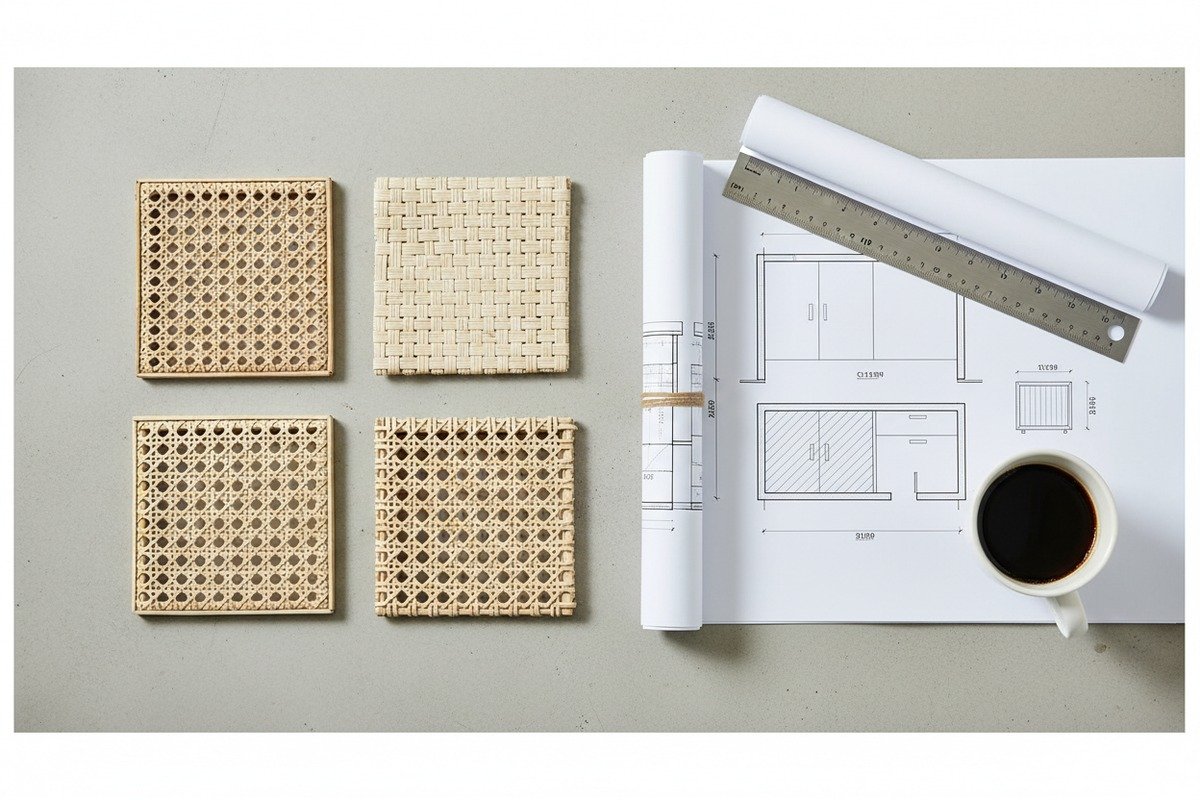
La densidad de la malla es el indicador más fiable para comparar proveedores de ratán, ya que refleja directamente el uso de material, la mano de obra de tejido y el rendimiento del producto terminado. Los proveedores que ofrecen precios más bajos a menudo logran ahorros de costos reduciendo el número de hebras por unidad de área, lo que disminuye tanto el consumo de materia prima como el tiempo de tejido, pero resulta en una cincha más débil y menos duradera.
Por qué las cotizaciones más baratas a menudo significan menor densidad
El ratán se vende por peso. Un rollo de trama cerrada utiliza significativamente más ratán crudo por metro cuadrado que un rollo de malla abierta. Más material significa un mayor costo. Además, las tramas más densas tardan más en producirse. Nuestros tejedores, ya sea en nuestras instalaciones de procesamiento en Indonesia o en nuestros talleres asociados en Foshan, dedican aproximadamente un 40% más de tiempo a un rollo de trama cerrada en comparación con una malla abierta estándar de las mismas dimensiones.
Cuando un proveedor competidor reduce el precio de mercado en un gran margen, la explicación más común es una trama más suelta con menos hebras. Las fotografías del producto pueden parecer similares, especialmente en una pantalla. Pero una vez que los rollos llegan a su fábrica, la diferencia en peso, rigidez y número de hebras se vuelve obvia.
Cómo verificar la densidad antes de realizar el pedido
Siempre animamos a los compradores a solicitar muestras comerciales y verificar tres cosas:
- Número de hebras por pulgada — Cuente las hebras horizontales y verticales dentro de un cuadrado de una pulgada. Compare este número entre proveedores.
- Peso del rollo por metro cuadrado — Una trama más densa pesará más. Si el rollo de un proveedor es notablemente más ligero, la densidad es menor.
- Prueba de luz — Sostenga la cincha frente a una fuente de luz. Más luz que pasa significa menor densidad.
El verdadero costo de la sustitución de baja densidad
Ahorrar un 15-20% en la adquisición de cinchas al aceptar una menor densidad puede parecer bueno en una orden de compra. Pero en la práctica, a menudo desencadena una cadena de problemas costosos:
- Los muebles fallan la inspección de calidad en las instalaciones del cliente final.
- Los costos de envío de devolución merman los márgenes.
- La reputación de la marca sufre y los pedidos de reposición disminuyen.
- Se deben obtener cinchas de reemplazo urgentemente a precios premium.
Hemos visto este ciclo repetirse con clientes en Turquía, India y Filipinas. En cada caso, el cambio a cinchas de alta densidad especificadas correctamente de un proveedor confiable en realidad redujo su costo total por unidad durante un período de 12 meses porque las tasas de rechazo cayeron a casi cero.
Transparencia de precios y hojas de especificaciones
Un proveedor confiable proporciona hojas de especificaciones detalladas que incluyen el patrón de malla, el recuento de hebras, el grado del material, las dimensiones del rollo y el peso. En nuestra empresa, cada listado de productos en rattanwholesaler.com incluye estos detalles. También ofrecemos embalaje OEM y MOQs flexibles para que los compradores puedan probar densidades específicas en lotes pequeños antes de escalar.
Al comparar cotizaciones, siempre normalice el precio a la misma especificación de densidad. Una cotización para tejido cerrado solo debe compararse con otra cotización de tejido cerrado, no con un precio de malla abierta. Este único paso elimina la mayor parte de la confusión en la evaluación del proveedor.
Conclusión
La densidad de la malla es la base de cada tejido de caña de ratán 9 decisión. Emparejala correctamente con tu aplicación, verifícala con muestras y construirás productos que duran y clientes que regresan.
Notas al pie
1. Explica el recuento de hilos, una medida de la densidad de la tela relevante para materiales tejidos. ↩︎
2. Reemplazado con una página de trabajo del mismo dominio autorizado, que proporciona una definición clara de la capacidad de carga. ↩︎
3. Reemplazado con una página de definición de trabajo del dominio original, que proporciona una explicación clara de la resistencia a la abrasión. ↩︎
4. Explica la fatiga de la fibra en materiales compuestos y sus mecanismos. ↩︎
5. Describe el patrón de tejido de radio y sus características en la malla de ratán. ↩︎
6. Detalla las reglas de clasificación para el ratán, incluidas las categorías de calidad. ↩︎
7. Reemplazado con la página de Wikipedia para ‘Aislamiento térmico’, que ofrece una visión general completa y autorizada del tema. ↩︎
8. Explica qué es la malla de ratán sintético y sus propiedades para uso en exteriores. ↩︎
9. Define la malla de caña de ratán, sus orígenes y aplicaciones en muebles. ↩︎
 English
  Español de México
  العربية
  Deutsch
  Français
  Русский