
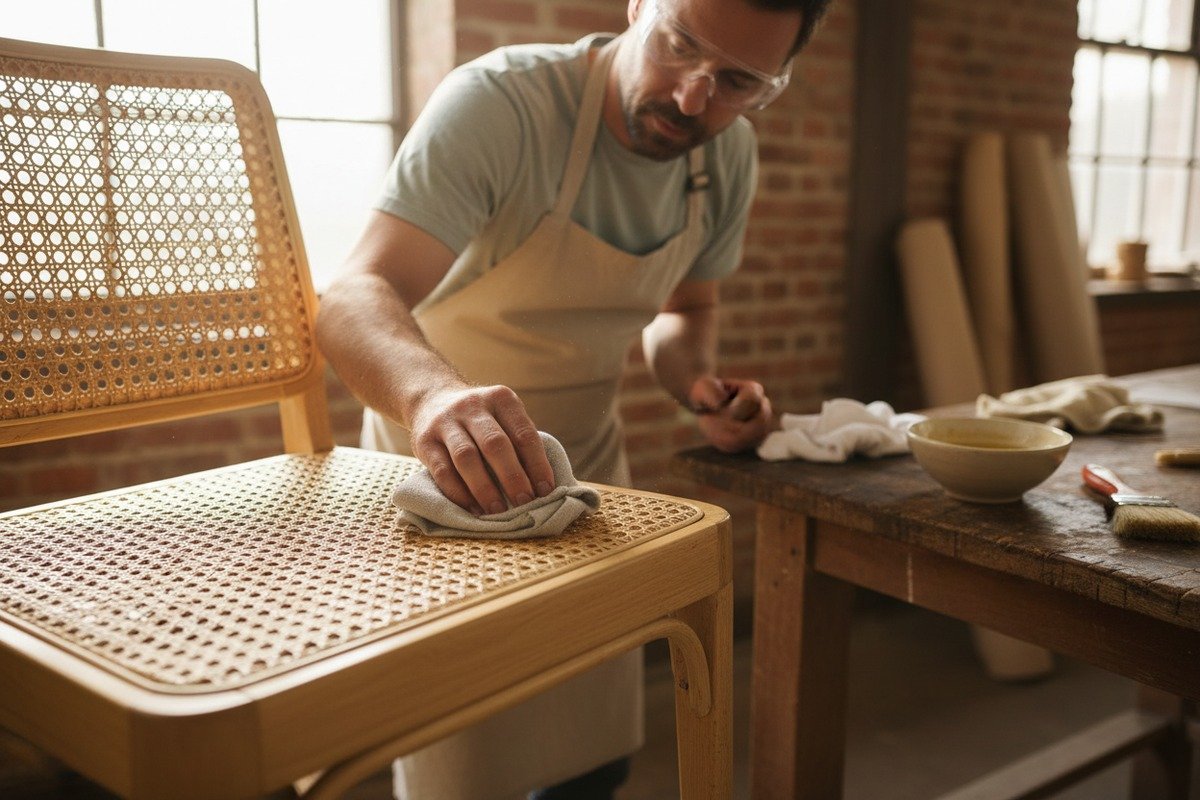
Cada semana, nuestro equipo de producción en Foshan se encarga de las devoluciones y quejas que se remontan a una causa principal: el mantenimiento descuidado. alta humedad 1. Malla de ratán 2 es hermoso, duradero y atemporal, pero solo si lo cuidas. Sin una rutina, las fibras se secan, se agrietan y pierden su resistencia. aceite de linaza hervido 3. ¿Lo peor? Para cuando la mayoría de la gente se da cuenta, el daño ya es costoso de reparar. Este es un problema que vemos en todos nuestros mercados de exportación, desde el calor seco de Arabia Saudita hasta la humedad costera de los Países Bajos.
Debe mantener los muebles de ratán y mimbre con una base semanal, mensual y estacional. El desempolvado semanal, la limpieza ligera mensual y el acondicionamiento con aceite de dos a cuatro veces al año mantendrán el ratán natural flexible y fuerte durante 20 a 30 años.
Pero la verdadera respuesta es más matizada que un solo programa. Su clima, el tipo de mueble y los patrones de uso cambian la ecuación. Analicemos exactamente qué hacer, cuándo hacerlo y por qué es importante.
¿Con qué frecuencia debo limpiar mi tejido de ratán para evitar que se vuelva quebradizo?
Hemos enviado rollos de rejilla de ratán a fabricantes de muebles en más de una docena de países, y fragilidad 4 es la queja número uno que ayudamos a solucionar. La frustrante verdad es que la fragilidad casi nunca ocurre de la noche a la mañana. Se acumula lentamente por el polvo, las fibras secas y las limpiezas omitidas. Para cuando sientes que una hebra se rompe bajo tu mano, semanas o meses de negligencia ya han hecho su trabajo.
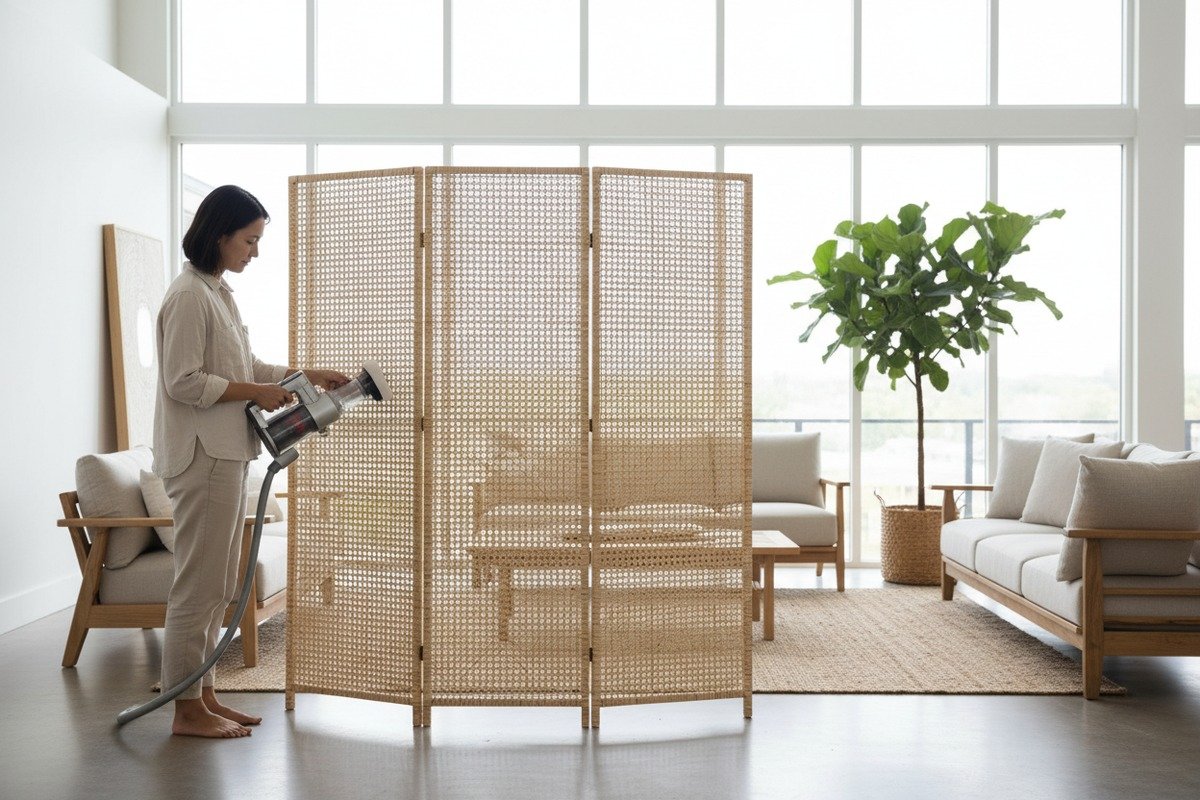
Para prevenir la fragilidad, limpie sus muebles de ratán o mimbre al menos una vez por semana con un cepillo suave o una aspiradora, y realice una limpieza más profunda con un paño húmedo y jabón suave cada uno a tres meses, dependiendo del uso y el entorno.
Por qué el polvo es tu mayor enemigo
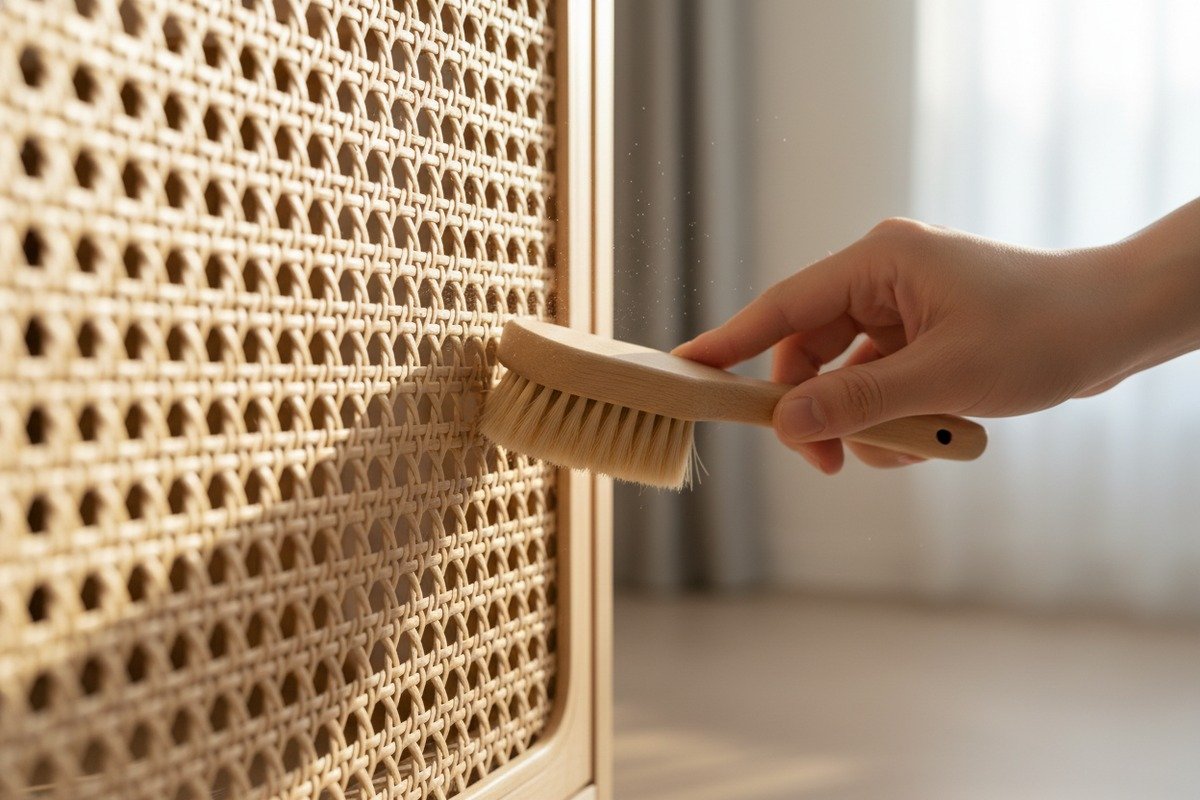
El polvo parece inofensivo. Pero en la rejilla de ratán, las partículas de polvo se asientan profundamente en el tejido. Con el tiempo, actúan como pequeños abrasivos. Cada vez que alguien se sienta o roza, esas partículas rozan las fibras. Esto desgasta los aceites naturales del ratán y acelera el secado. Un simple desempolvado semanal con un cepillo de cerdas suaves o una aspiradora con un accesorio de cepillo elimina esta amenaza antes de que se acumule.
La diferencia entre limpieza ligera y limpieza profunda
No todas las sesiones de limpieza necesitan ser intensivas. Aquí es cómo recomendamos que nuestros clientes mayoristas asesoren a sus clientes:
| Tipo de limpieza | Frequency | Método | Tiempo necesario |
|---|---|---|---|
| Limpieza ligera | Una vez por semana | Cepillo suave o aspiradora con accesorio de cepillo | 5 minutos |
| Limpieza superficial | Cada 2–4 semanas | Paño ligeramente húmedo, agua pura | 10 minutos |
| Limpieza profunda | Cada 1–3 meses | Jabón suave 5 en agua tibia, paño suave, secado exhaustivo | 30–60 minutos |
Evite estos errores comunes
Muchas personas recurren a aerosoles de limpieza domésticos o detergentes fuertes. Esto es un error. Los químicos agresivos pueden eliminar los aceites naturales de las fibras de ratán y corroer cualquier acabado en la superficie. Utilice jabón suave: unas gotas de jabón para platos en agua tibia son suficientes. Algunas guías de cuidado incluso recomiendan usar solo agua limpia y nada de jabón, especialmente para caña sin acabado o con acabado ligero.
Después de cualquier limpieza húmeda, el secado es fundamental. No deje los muebles de ratán húmedos. Colóquelos en un área bien ventilada, idealmente con algo de aire o luz solar, y permita varias horas para un secado completo. Humedad atrapada 6 conduce a moho, que es un problema separado y más grave.
Natural vs. Sintético: Las necesidades de limpieza difieren
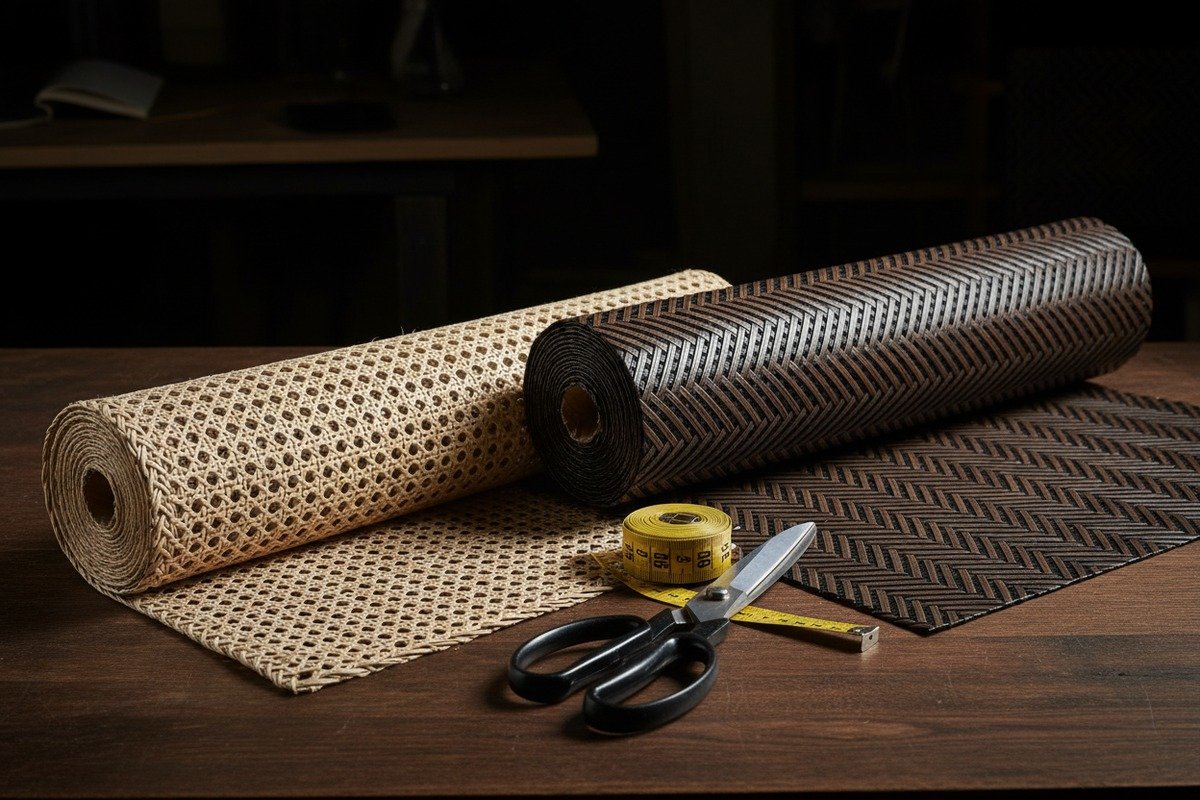
Desde la perspectiva de nuestra fábrica, producimos tanto ratán natural 7 tela de caña como esterilla de ratán sintético. Las demandas de limpieza son bastante diferentes. El ratán natural absorbe la humedad y el polvo con más facilidad. El ratán sintético es más indulgente: resiste el agua y rara vez se vuelve quebradizo solo por el polvo. Sin embargo, el ratán sintético aún necesita una limpieza regular para evitar que la suciedad superficial degrade su apariencia.
| Característica | Ratán natural | Ratán Sintético |
|---|---|---|
| Sensibilidad al polvo | Alto | Bajo |
| Absorción de agua | Sí | No |
| Riesgo de fragilidad | Alto sin cuidado | Muy bajo |
| Limpieza profunda recomendada | Cada 1–3 meses | Cada 3–6 meses |
| Tolerancia al detergente | Solo jabón suave | Limpiadores suaves a moderados |
Si usted es un mayorista o una fábrica de muebles que compra nuestra malla de ratán, esta distinción es importante para las instrucciones de cuidado que transmite a sus clientes finales. El ratán natural de grado A durará décadas, pero solo con rutinas de limpieza adecuadas.
¿El clima de mi zona cambia la frecuencia con la que necesito aceitar mis muebles de ratán?
Cuando calibrar nuestros estándares de calidad para diferentes mercados de exportación, el clima es una de las primeras cosas que consideramos. Un rollo de malla de ratán natural de grado A que funciona maravillosamente en una sala de exposición europea con temperatura controlada puede enfrentar desafíos muy diferentes en una casa costera australiana o un interior seco de Arabia Saudita. El clima no solo afecta la comodidad, sino que impacta directamente la rapidez con la que sus muebles de ratán se secan, absorben humedad o desarrollan moho 8.
Sí, el clima afecta significativamente la frecuencia de aceitado. En climas secos o áridos, aceita los muebles de ratán de tres a cuatro veces al año. En zonas húmedas o costeras, de dos a tres veces al año suele ser suficiente, pero también debes protegerte contra el moho y los daños por sal.
Cómo la humedad da forma a su rutina de mantenimiento
El ratán es un fibra natural 9. Respira. En alta humedad, absorbe la humedad del aire. Esto puede mantenerlo flexible, lo cual es bueno. Pero demasiada humedad atrae moho, hongos y crecimiento bacteriano. En baja humedad, el ratán pierde su humedad interna rápidamente. Las fibras se encogen, se endurecen y eventualmente se agrietan. Es por eso que los meses secos de invierno, especialmente en hogares con calefacción central, son el período más peligroso para los muebles de ratán.
Nuestros clientes en Medio Oriente y partes de los Estados Unidos informan más problemas de fragilidad que aquellos en el Sudeste Asiático o el Mediterráneo, y la razón es casi siempre la baja humedad interior combinada con un engrasado infrecuente.
Frecuencia de engrasado por tipo de clima
| Tipo de clima | Frecuencia de engrasado | Notas adicionales |
|---|---|---|
| Seco / Árido | 3-4 veces al año | Use un humidificador en interiores durante los meses de invierno |
| Templado | 2-3 veces al año | Aumentar a 3 veces si se utiliza calefacción central intensamente |
| Húmedo / Tropical | 2 veces al año | Enfocarse en la prevención de moho; asegurar un secado completo |
| Costero | 2-3 veces al año | Limpie los residuos de sal antes de aceitar; la sal acelera el deterioro |
¿Qué aceites funcionan mejor?
No todos los aceites son iguales. Por nuestra experiencia suministrando ratán a fábricas de muebles en todo el mundo, las opciones más comúnmente recomendadas son aceite mineral 10, aceite de linaza hervido y aceite de limón. El jabón de aceite Murphy's, diluido según la etiqueta, es otra opción popular. Aplique el aceite con moderación con un paño suave. Cubra tanto la superficie superior como la inferior del tejido de ratán. Esto asegura una absorción uniforme y evita que un lado se seque más rápido que el otro.
Evite aceites de cocina como el aceite de oliva o el aceite vegetal. Estos pueden enranciarse, atraer insectos y dejar un residuo pegajoso en las fibras.
El invierno es la temporada crítica
Siempre recordamos a nuestros clientes B2B que incluyan consejos de cuidado invernal en el embalaje de sus productos o en las hojas de instrucciones. Los sistemas de calefacción central extraen la humedad del aire interior, a veces reduciendo la humedad por debajo del 30%. En estos niveles, el ratán natural se seca rápidamente. Mantenga los muebles alejados de los conductos de calefacción y los radiadores. Si es posible, utilice un humidificador de ambiente para mantener la humedad interior entre el 40% y el 60%. Un tratamiento adicional de aceite a mediados de invierno, incluso si ya ha aceitado en otoño, puede prevenir el agrietamiento.
Para entornos costeros, el desafío es diferente. Los depósitos de sal se acumulan en el tejido. Antes de aceitar, limpie los muebles con un paño húmedo para eliminar la sal. Luego aplique aceite una vez que la superficie esté completamente seca. Omitir este paso atrapa la sal debajo de la capa de aceite y acelera la corrosión de las fibras desde el interior.
¿Qué señales debo buscar para saber si mi tejido de ratán necesita atención inmediata?
En nuestro almacén de Nanhai, inspeccionamos miles de láminas de tejido de ratán antes de que se envíen. Sabemos exactamente cómo se ve el ratán sano, y cómo se ve el daño en sus primeras etapas. El problema es que la mayoría de los propietarios de muebles no ven las señales de advertencia hasta que el daño ha progresado demasiado. Una pequeña grieta o una ligera caída pueden parecer insignificantes. Pero si se dejan solas, estos pequeños problemas se convierten en reparaciones costosas o reemplazos completos.
Esté atento a grietas visibles, fragilidad inusual al tacto, hundimiento o aflojamiento del tejido, decoloración o manchas oscuras que indiquen moho, olor a humedad y deshilachado o hebras rotas. Cualquiera de estas señales significa que su ratán necesita atención inmediata.
Señales de advertencia visuales
La forma más fácil de revisar sus muebles de ratán es con los ojos. Mire de cerca el patrón del tejido. El tejido de ratán sano tiene un color uniforme: beige claro, amarillo paja o crema cálido, dependiendo del producto. Si ve manchas oscuras, podría ser moho o daño por agua. Si ve vetas blancas o grises, las fibras pueden estar secándose y perdiendo sus aceites protectores.
Verifique la tensión del tejido. Presione suavemente en el centro de un asiento o panel de ratán. Debería sentirse tenso y recuperar su forma. Si se hunde o se siente flojo, el ratán se ha estirado o debilitado. Esto es común en sillas que se usan mucho a diario y que nunca se han tensado o rehidratado.
Pruebas táctiles y olfativas
Pase los dedos por las hebras de ratán. El ratán sano se siente suave y ligeramente flexible. Si se siente áspero, astillado o rígido, las fibras están deshidratadas. Esta es la etapa justo antes de que comience el agrietamiento. Un tratamiento con aceite en este punto a menudo puede revertir el daño.
Huele los muebles. Un olor a humedad o agrio es un fuerte indicador de crecimiento de moho o mildiú, especialmente en las áreas donde las intersecciones del tejido atrapan la humedad. Si detecta esto, limpie inmediatamente con una solución de partes iguales de agua y vinagre blanco. Deje que la pieza se seque completamente al sol y al aire libre antes de volver a usarla.
Señales de alerta estructurales
Las hebras deshilachadas y los bucles rotos en el patrón del tejido son fallas estructurales. Estos no se arreglarán solos. Una pequeña cantidad de pegamento para madera de secado transparente puede evitar que un deshilachado se extienda, pero si hay varias hebras rotas, el panel puede necesitar un recanado profesional o un tejido de reemplazo.
Para las sillas con asiento de ratán, el hundimiento es el problema estructural más común. Dentro de los primeros cinco años de uso, a menudo puede tensar el ratán rociando la parte inferior con agua y dejándola secar naturalmente. Esto hace que las fibras se contraigan y recuperen la tensión. Recomendamos hacer esto de tres a cuatro veces al año para sillas de uso intensivo. Después de cinco años, la efectividad de este truco disminuye y puede ser necesario un recanado.
Cuándo actuar vs. Cuándo reemplazar
Aquí hay una referencia rápida para decidir qué acción tomar:
| Señal | Gravedad | Acción |
|---|---|---|
| Ligera acumulación de polvo | Bajo | Programa de limpieza regular con plumero |
| La superficie se siente áspera o seca | Moderada | Aplicar aceite inmediatamente |
| Manchas oscuras o moho visibles | Moderado a Alto | Limpiar con solución de agua y vinagre, secar completamente |
| Hilo deshilachado individual | Moderada | Aplicar pegamento transparente para madera para detener la propagación |
| Múltiples hilos rotos | Alto | Reemplazar panel de cincha o recanear |
| Hundimiento significativo | Alto | Pulverizar la parte inferior con agua; considerar recanear |
| Olor a humedad | Alto | Limpiar a fondo, secar al sol, inspeccionar en busca de moho oculto |
Actuar a tiempo ahorra dinero. Una botella de aceite mineral cuesta muy poco. Un trabajo completo de recanado o el reemplazo de un panel de cincha cuesta significativamente más. Desde nuestra perspectiva como proveedor, siempre animamos a nuestros clientes mayoristas a incluir una tarjeta de cuidado simple con cada pieza que venden. Protege al cliente final y reduce las reclamaciones de garantía.
¿Cómo puedo crear un programa de mantenimiento que mantenga mis muebles de ratán en condición Grado A?
A lo largo de los años, hemos ayudado a fábricas de muebles y mayoristas de materiales en más de una docena de países a desarrollar pautas de cuidado para sus clientes. La estrategia más efectiva que hemos encontrado es un programa de mantenimiento escrito: simple, estacional y específico. Cuando las personas saben exactamente qué hacer y cuándo, realmente lo hacen. Sin un programa, el mantenimiento se olvida hasta que algo se rompe.
Cree un programa de mantenimiento de cuatro niveles: limpieza semanal de polvo, limpieza ligera mensual, limpieza profunda trimestral con aceite acondicionador e inspección anual de problemas estructurales. Ajuste la frecuencia según su clima y si su ratán es natural o sintético.
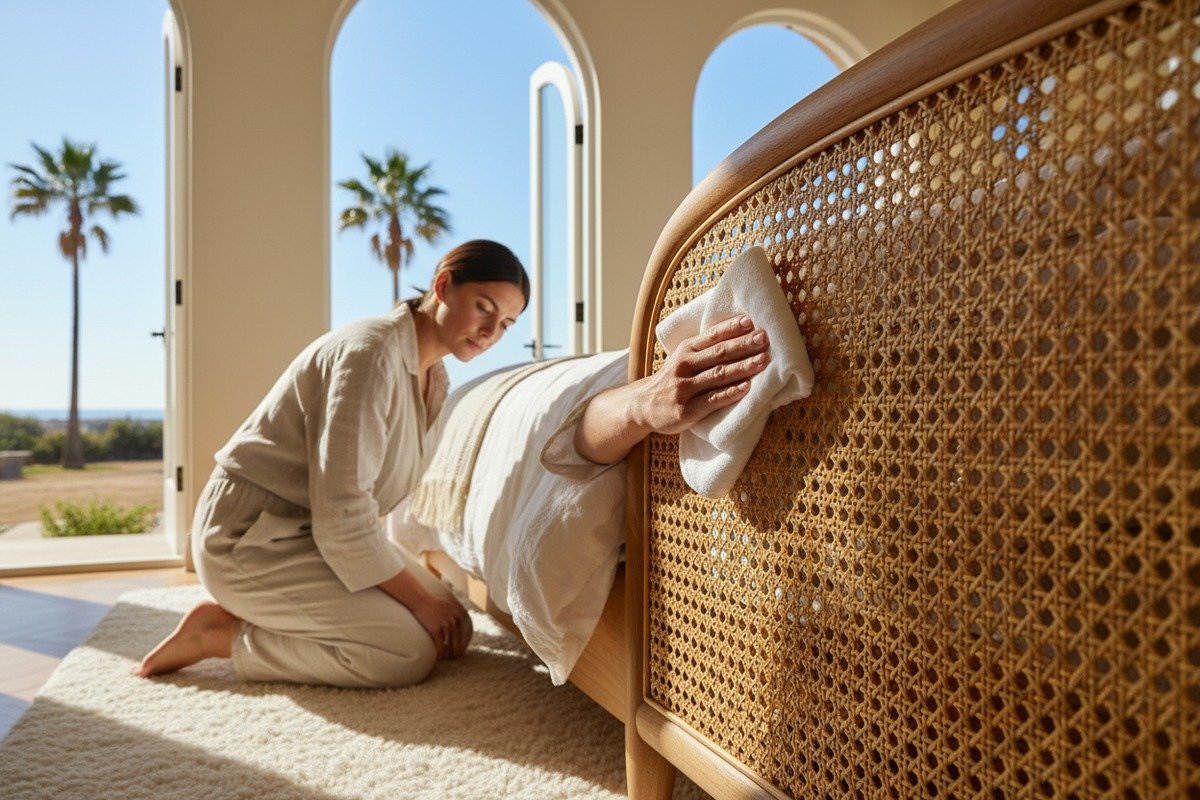
El Sistema de Cuatro Niveles
Los mejores programas de mantenimiento están estratificados. Cada nivel requiere un compromiso de tiempo diferente y aborda un tipo diferente de desgaste. Este es el sistema que recomendamos a todos nuestros clientes:
Nivel 1 — Semanal (5 minutos): Quite el polvo de todas las superficies de ratán con un cepillo suave o una aspiradora con un accesorio de cepillo. Esto elimina los residuos superficiales antes de que se asienten en el tejido. Preste atención a las esquinas y las intersecciones de tejido apretado donde el polvo se acumula más rápido.
Nivel 2 — Mensual (10–15 minutos): Limpie todas las superficies con un paño ligeramente húmedo. Use agua simple o agua con unas gotas de jabón suave. Seque inmediatamente con un paño limpio. Verifique si hay nuevos signos de desgaste, aspereza o decoloración.
Nivel 3 — Trimestral (30–60 minutos): Realice una limpieza más profunda. Si el ratán se siente seco o áspero, aplique una capa fina de aceite mineral, aceite de linaza o aceite de limón. Cubra ambas superficies, superior e inferior. Para sillas con asiento de caña, rocíe ligeramente la parte inferior con agua y déjela secar para mantener la tensión. Inspeccione toda la pieza en busca de deshilachados, hebras sueltas o moho.
Nivel 4 — Anual (1–2 horas): Realice una inspección estructural exhaustiva. Apriete las juntas sueltas. Reemplace las hebras rotas con caña a juego y pegamento para madera. Para muebles de exterior, considere aplicar una capa fina de barniz de grado exterior para protección contra rayos UV y humedad. Rote o reposicione los muebles para asegurar una exposición uniforme al sol y al desgaste.
Ajuste para Uso Comercial vs. Residencial
Los entornos comerciales como restaurantes, hoteles y cafeterías someten los muebles de ratán a mucha más tensión. Las sillas son utilizadas por docenas de personas al día. Las mesas están expuestas a derrames y productos químicos de limpieza. Para los usuarios comerciales, recomendamos adelantar el programa un nivel: lo mensual se convierte en semanal, lo trimestral se convierte en mensual, y así sucesivamente. Las aplicaciones de aceite protector deben realizarse al menos dos veces al año, idealmente al principio y al final de la temporada de alto uso.
Para muebles residenciales que ven un uso diario moderado, el sistema estándar de cuatro niveles funciona bien. Para piezas decorativas que rara vez se sientan o tocan, puede extender los intervalos ligeramente, pero nunca omita el tratamiento trimestral con aceite.
Un calendario de mantenimiento anual de muestra
| Mes | Task | Detalles |
|---|---|---|
| Enero | Tratamiento con aceite | Aplique aceite mineral o de linaza; extra importante en hogares con calefacción |
| Febrero | Limpieza semanal con plumero | Continúe con el desempolvado regular; revise la sequedad invernal |
| Marzo | Limpieza profunda | Limpieza de primavera con jabón suave; inspeccione los daños invernales |
| Abril | Tratamiento con aceite | Acondicione las fibras antes de los meses más cálidos |
| Mayo | Limpieza mensual | Limpieza superficial ligera; prepare las piezas de exterior |
| Junio | Revisión trimestral | Inspeccionar la tensión del tejido; apretar los asientos de caña caídos |
| Julio | Tratamiento con aceite | Acondicionamiento de mitad de año; esencial para piezas de exterior |
| Agosto | Limpieza mensual | Limpiar residuos de sal o polen en entornos costeros o de jardín |
| Septiembre | Limpieza profunda | Limpieza profunda de fin de verano |
| Octubre | Tratamiento con aceite | Acondicionamiento pre-invierno; último tratamiento exterior antes del almacenamiento |
| Noviembre | Limpieza mensual | Mover los muebles de exterior al interior o cubrirlos |
| Diciembre | Inspección anual | Revisión estructural completa; reparar cualquier daño; planificar para el próximo año |
Consejos para mayoristas y fábricas de muebles
Si compra mimbre de ratán para revender o fabricar, considere imprimir una versión simplificada de este programa en una tarjeta de cuidado. Inclúyala con cada producto que venda. Esto reduce las quejas de los clientes, genera confianza en su marca y prolonga la vida útil de los muebles, lo que a su vez aumenta los negocios recurrentes y las referencias. Podemos brindarle orientación sobre la creación de estas tarjetas de cuidado para mercados y climas específicos.
El ratán Grado A es una inversión. Tratarlo con un programa de mantenimiento disciplinado es la forma más sencilla de proteger esa inversión y garantizar que el material funcione de manera óptima durante décadas.
Conclusión
El mantenimiento constante es la diferencia entre los muebles de ratán que duran cinco años y los que duran treinta. Quite el polvo semanalmente, limpie mensualmente, aplique aceite trimestralmente e inspeccione anualmente, luego ajuste según su clima y uso.
Notas al pie
1. Explica cómo la alta humedad puede causar daños en hogares y materiales. ↩︎
2. Define y describe el material de mimbre de ratán. ↩︎
3. Describe el aceite de linaza, incluida su forma hervida utilizada para el acabado de madera. ↩︎
4. Reemplazó HTTP 404 con una definición autorizada de Wikipedia sobre la fragilidad en los materiales. ↩︎
5. Explica las características y beneficios del jabón suave para la limpieza. ↩︎
6. Describe las consecuencias negativas de la humedad atrapada en los hogares. ↩︎
7. Explica las propiedades y características del ratán natural. ↩︎
8. Reemplazó HTTP 404 con un recurso autorizado de la EPA de EE. UU. sobre qué son los mohos. ↩︎
9. Define las fibras naturales y proporciona ejemplos de sus orígenes. ↩︎
10. Enumera varios usos y beneficios del aceite mineral para diferentes aplicaciones. ↩︎
 English
  Español de México
  العربية
  Deutsch
  Français
  Русский