
Las reglas de sostenibilidad y los documentos de importación pueden ralentizar las construcciones. Establezco documentos limpios y ofrezco opciones FSC que pasan las auditorías de hostelería.
Necesita un número de identificación fiscal, detalles del consignatario e impuestos, códigos HS y archivos de importación limpios. Puedo suministrar materiales FSC Mix o FSC 100% cuando estén disponibles. Coloco las declaraciones FSC en las facturas y listas de empaque, explico el precio y el tiempo de entrega, y mantengo separados los materiales FSC y no FSC.
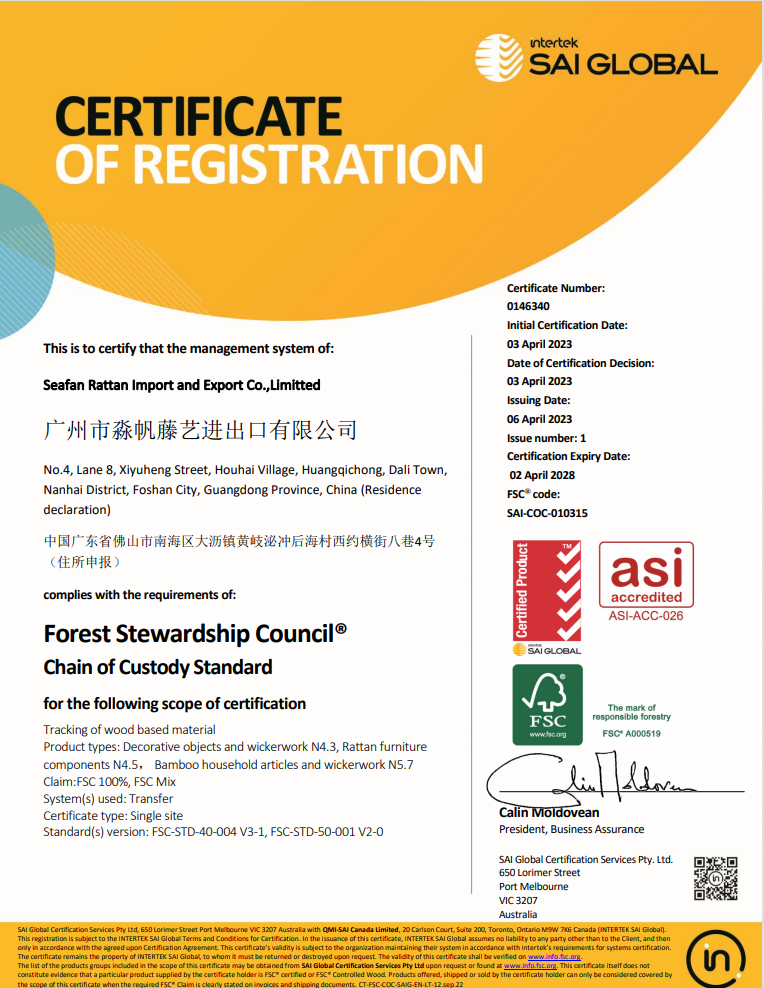
Compartiré los conceptos básicos de importación que utilizo con los nuevos compradores. Luego explicaré los tipos de materiales FSC para proyectos de hostelería, cómo muestro las declaraciones FSC en la documentación, el impacto en el precio y el tiempo de entrega, y cómo separo los materiales FSC y no FSC en la producción.
¿Puedo pedir FSC Mix1 or FSC 100%2 materiales para proyectos de hostelería?
Los compradores de hostelería necesitan insumos sostenibles verificados. Suministro materiales certificados cuando su especificación lo requiere.
Sí. Puedo ofrecer FSC Mix1 or FSC 100%2 para mallas de ratán natural, esteras de ratán y núcleos de ratán, sujeto a la oferta certificada actual. Confirmo el alcance del certificado, los códigos de producto y las necesidades del proyecto antes de reservar.
[^1] y [FSC 100%](https://fsc.org/en/label)[^2]](https://rattanwholesaler.com/wp-content/uploads/2025/10/Picture2-1-1.webp "Opciones de materiales con certificación FSC")
Profundice: Alcance del material, grados y ajuste del proyecto
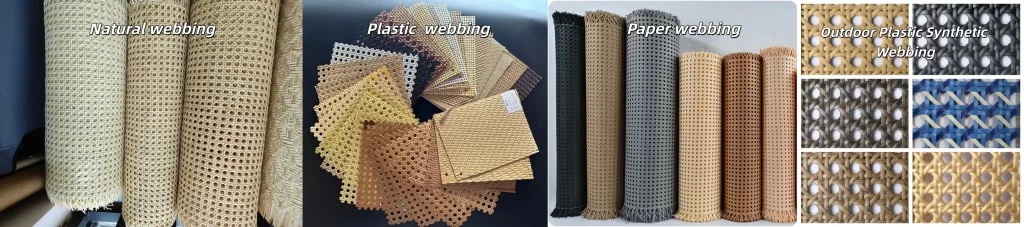
Obtengo ratán natural de cadenas certificadas cuando está disponible. FSC 100%2 significa que toda la fibra proviene de fuentes certificadas por la FSC. FSC Mix1 significa una mezcla de fuentes certificadas por la FSC y fuentes controladas según las reglas de la FSC. Emparejo las líneas de la FSC con los tipos de producto: tejido de caña en hexágono clásico o malla abierta, esteras de ratán, núcleos, caña para sillas y postes. Guío las opciones de grado dentro del suministro de la FSC: Grado A para paneles visibles de primera calidad, Grado B para caras limpias y Grado C para asientos y respaldos de sillas teñidos de oscuro que necesitan resistencia y un precio justo. El Grado D se mantiene para decoración, no para asientos. Señalo el plazo de entrega para la caña cruda certificada de origen indonesio, ya que el mercado está ajustado después de los límites de exportación. Cuando el stock de la FSC es limitado, propongo asignaciones divididas por artículo o ancho para que su proyecto aún cumpla los objetivos a nivel de sala. Mantengo a sus diseñadores alineados en las opciones de acabado, incluyendo el acabado transparente, miel, nogal y negro, todo dentro del alcance aprobado de la FSC.
¿Las facturas y las listas de empaque llevarán las declaraciones de la FSC3 para mis auditorías?
Los auditores revisan primero la documentación. Imprimo las declaraciones y los detalles del certificado de forma clara y coherente.
Sí. Coloco el tipo de declaración de la FSC, el código de certificado2, la descripción del producto y la cantidad en las facturas, las listas de empaque y las etiquetas de los palés. Adjunto una copia del certificado válido y guardo los registros para su archivo de auditoría.
Profundice: Campos de documentos, diseño de etiquetas y control de registros
Configuro cada documento con campos repetibles. La factura muestra la declaración de la FSC (FSC 100% o FSC Mix Credit/XX%), mi el código de certificado4, el nombre del artículo y el patrón, los anchos, el grado y la cantidad. La lista de empaque refleja esto y agrega códigos de lote y recuentos de cajas. Las etiquetas de los palés llevan el tipo de declaración, el PO del proyecto y los rangos de cajas. Emito una nota de entrega que mapea los lotes a las declaraciones y almaceno copias digitales del certificado, el alcance y las fechas de validez. Si su auditor necesita un rastro de cadena de custodia, proporciono declaraciones de proveedores y documentos de transferencia. Utilizo cajas neutras o de marca, pero las marcas de la FSC siguen las reglas de uso del logotipo. Envío una prueba de las etiquetas para su aprobación y solo imprimo después de que usted firme. Esto mantiene su auditoría fluida y evita no conformidades en la documentación.
¿Cuál es el impacto en el precio y el tiempo de entrega del abastecimiento FSC?
El stock certificado cuesta más y puede tardar más. Cito los deltas claros y construyo los cronogramas en torno a ellos.
Los materiales de la FSC añaden aproximadamente un 8-15% al precio5 para la mayoría de los artículos. El plazo de entrega puede extenderse de 10 a 20 días, dependiendo de la disponibilidad de caña cruda certificada. Confirmo los plazos antes de la PI y reservo espacios.
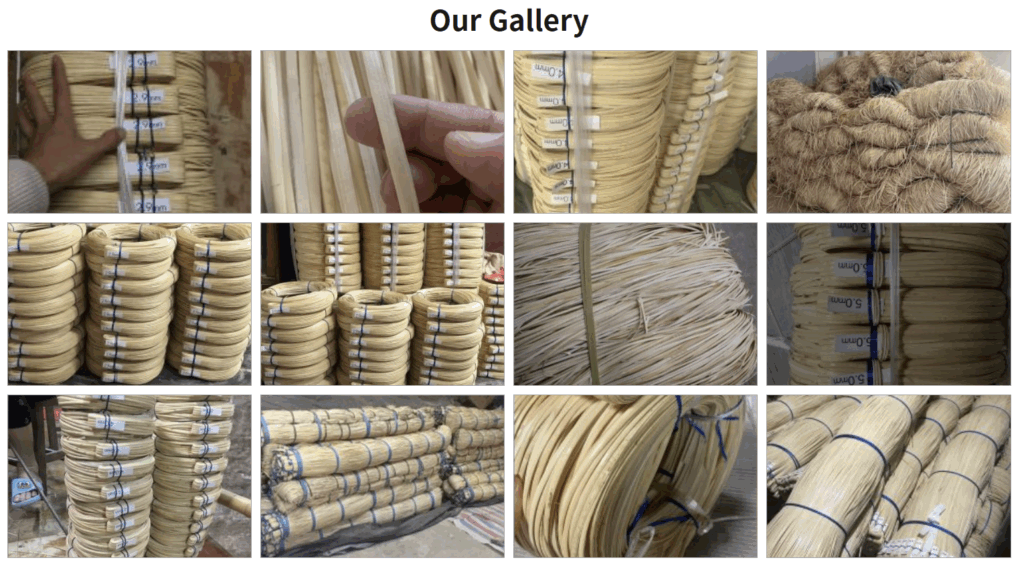
Profundice: Por qué aumentan los costos y cómo planifico los cronogramas
Los costos de FSC aumentan debido a las primas de materia prima certificada, los gastos generales de auditoría y los pasos de segregación en la fábrica. El tejido de ratán natural tiene la mayor fluctuación cuando los anchos no son estándar o los patrones son raros. Las esteras y los núcleos se sitúan en el medio. Planifico ventanas de producción en torno a la llegada de lotes certificados de fuentes de Indonesia y alineo los espacios de acabado. Si su proyecto tiene fechas ajustadas, divido los envíos: primero un parcial con anchos críticos, luego los rollos restantes. Mantengo un stock de reserva de anchos populares para reducir el riesgo. Cito líneas de precios con opciones separadas de FSC y no FSC para que pueda elegir habitación por habitación. Para proyectos hoteleros, alineo las entregas con los horarios de los pisos y envío mapas de cajas que vinculan las declaraciones con las zonas de instalación. Este plan mantiene los presupuestos predecibles y ayuda a su equipo a pasar las auditorías sin retrasar la apertura.
¿Puede separar los materiales FSC y no FSC en la producción?
Mezclar rompe la cadena de custodia. Mantengo las líneas limpias y documentadas.
Sí. Segrego las líneas de almacenamiento, corte y tejido. Marco zonas, ejecuto franjas horarias dedicadas y etiqueto las cajas por declaración y lote. Registro las transferencias para que las auditorías rastreen cada paso.
![]()
Profundice: Zonas, control de lotes y preparación para auditorías
Separo los lotes entrantes de FSC en estantes marcados con etiquetas de colores distintivos. Asigno códigos de lote a cada lote de FSC y reservo tiempo de telar que solo procesa insumos de FSC. Limpio mesas y herramientas antes de cambiar de declaración. Imprimo etiquetas de FSC durante las ejecuciones de FSC y utilizo diferentes colores de tinta para las cajas para evitar confusiones. Los materiales no FSC se encuentran en otra zona con sus propias etiquetas. Registro cada transferencia: recepción entrante, corte, tejido, acabado, embalaje y carga. Almaceno muestras de retención por lote para que los auditores puedan verificar la apariencia y el acabado de la fibra. Capacito al personal en las reglas de la cadena de custodia y mantengo un sencillo manual de SOP en el piso. Durante las auditorías, muestro mapas de zonas, registros de lotes y fotos de etiquetas y estantes. Este control mantiene la precisión de las declaraciones y protege su proyecto de problemas de cumplimiento.
Conclusión
Necesita documentos de importación limpios y pruebas sólidas de FSC. Suministro FSC Mix o 100%, imprimo declaraciones en documentos, explico el precio y el plazo de entrega, y segrego la producción para que las auditorías pasen.
-
Explore este enlace para comprender FSC Mix, sus beneficios y cómo puede mejorar sus proyectos de hostelería sostenible. ↩ ↩ ↩
-
Obtenga información sobre la certificación FSC 100% para garantizar que sus materiales provengan completamente de prácticas sostenibles, lo cual es crucial para proyectos ecológicos. ↩ ↩ ↩ ↩
-
Comprender las declaraciones de FSC es crucial para garantizar el cumplimiento durante las auditorías y mantener los estándares de sostenibilidad. ↩
-
Verificar un código de certificado ayuda a garantizar que sus productos cumplan con los estándares de FSC, lo cual es esencial para la preparación de auditorías. ↩
-
Comprender las implicaciones de costos de los materiales FSC puede ayudarlo a presupuestar de manera efectiva para el abastecimiento sostenible. ↩

 English
  Español de México
  العربية
  Deutsch
  Français
  Русский