
I see two risks: slow import paperwork and no stock when your season starts. I clear documents, then lock rolling stock.
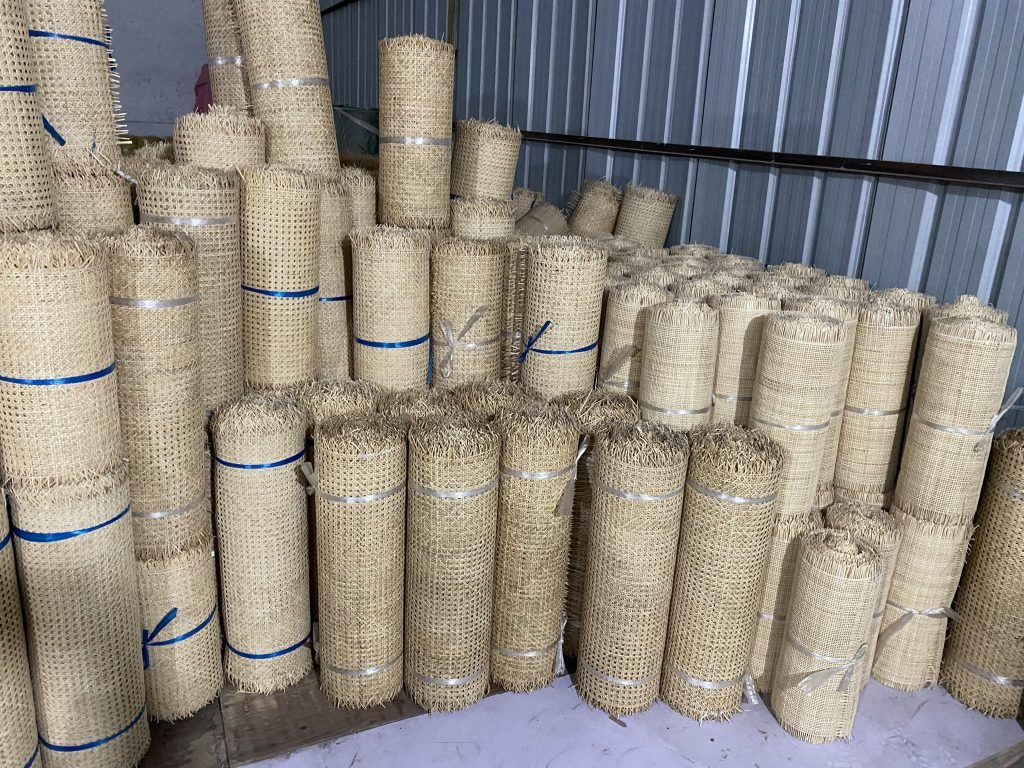
You need a business ID, consignee and tax details, HS codes, and standard import papers. I keep ready‑to‑ship stock in popular natural cane patterns and plastic webbing, plus rattan cores in common diameters for 3–5 day dispatch.
I will share the import preconditions I use with new clients. Then I will list which SKUs ship in 3–5 days, how to reserve stock for seasons, how I use rolling forecasts to avoid shortages, and how often I replenish best sellers.
¿Qué patrones y anchos populares están listos para enviar en 3–5 días?
Projects slip when you wait weeks for common SKUs. I hold fast‑moving sizes so your line keeps running.
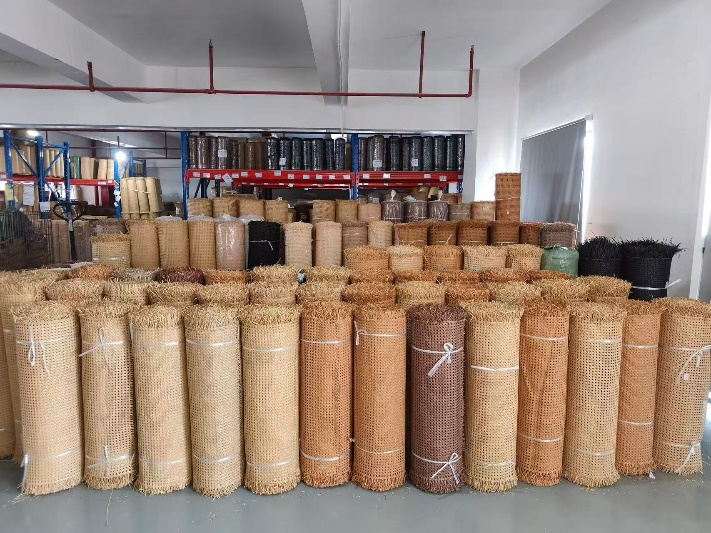
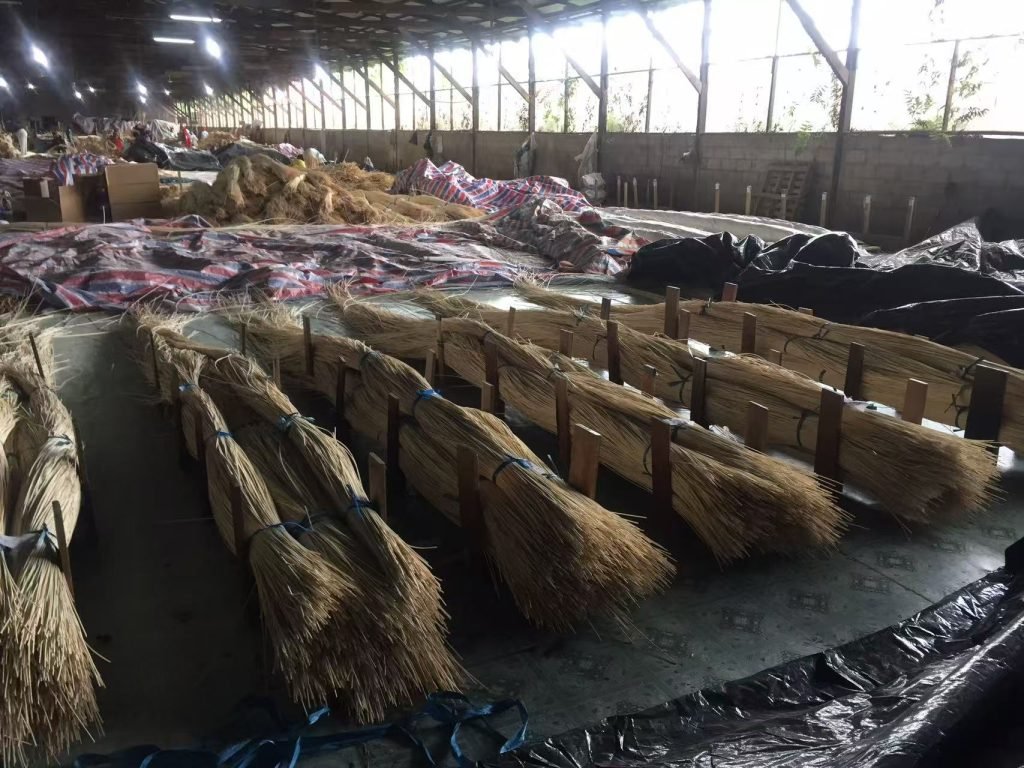
Tengo en stock esterilla de caña natural1 in 45/60/70/90 cm common patterns and plastic webbing in 20+ patterns with 10–15 colors. I also stock rattan cores2 from 2.0–5.0 mm for seats and bindings.
Profundiza: SKUs de alta rotación, grados y flujo de envío
I keep classic hex cane webbing in 45, 60, 70, and 90 cm widths, Grade B face and Grade C value options for darker stains. I also carry fine open‑mesh, herringbone, and basket weaves for cabinets and doors. For plastic rattan cane webbing, I stock 20+ patterns in natural, honey, walnut, black, sand, and hotel neutrals, with widths from 45 to 120 cm for panel builds. My rattan cores2 cover 2.0, 2.25, 2.5, 2.8, 3.0, 3.5, 4.0, and 5.0 mm in polished and unpolished. I pick from finished inventory and ship within 3–5 days after payment and booking. For export, I prepare packing lists, commercial invoices, HS codes, and fumigation notes if required. I print clear labels with diameter, width, grade, and batch codes so your team can start weaving the day goods arrive. This setup keeps chair seats, cabinet panels, and hotel projects on schedule without waiting for fresh production.
Can I reserve stock for my seasonal production schedule3?
Seasonal peaks are hard. I block inventory in advance so your lines do not stop.
Sí. Ofrezco stock reservations4 for 4–12 weeks. I hold your pattern/width and core sizes, ship on your schedule, and refill behind your holds so coverage stays strong.
Profundiza: Ventanas de reserva, términos de depósito y planes de liberación
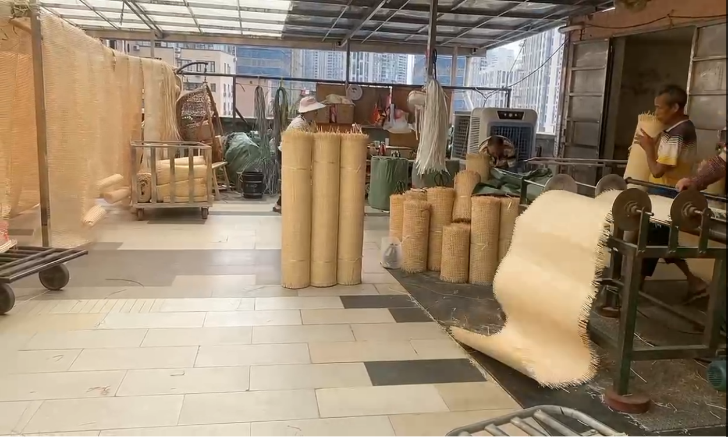
I plan reservations with a simple calendar. You share a weekly or monthly build plan. I tag your SKUs in my warehouse system with start and end dates. I hold natural cane webbing by pattern and width, plastic webbing by color/pattern, and rattan cores by diameter. I usually take a small deposit to lock the reservation and then release shipments in waves tied to your delivery plan. If demand spikes, I refill from ongoing production lines to keep your reserved levels safe. I give you a dashboard view: on‑hand, reserved, and available‑to‑promise. I add safety stock for best sellers during your peak month. If you need to swap colors or widths mid‑season, I adjust the reservation while keeping total units stable, so your budget holds. This process reduces rush orders, cuts freight premiums, and keeps your carpenters and weavers on a steady rhythm.
¿Proporcionan pronósticos continuos para ayudarme a evitar escasez?
Las escaseces ocurren cuando nadie mira hacia adelante. Trabajo con tu plan y actualizo semanalmente.
Sí. Utilizo pronósticos continuos de 8 a 12 semanas. Comparamos tu demanda con mi stock y WIP, señalamos las brechas temprano y adelantamos la producción para cubrir los picos.
Dive deeper: Forecast cadence, WIP visibility, and buffer rules
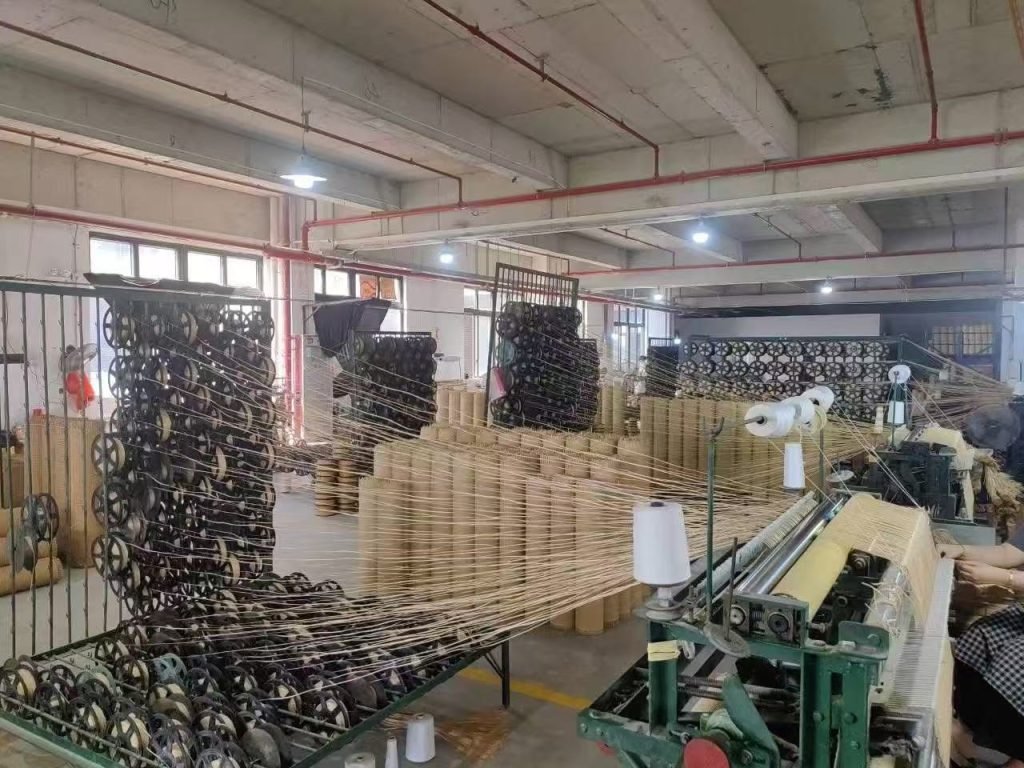
I run a weekly forecast meeting focused on your SKUs. You send a simple spreadsheet: upcoming POs, expected ship dates, and any promotions or hotel installs. I map this to three buckets: on‑hand, WIP, and booked inbound. I set buffer rules by item: plastic webbing holds a 3–4 week buffer because loom output is fast; natural cane webbing keeps 4–6 weeks due to grading and finishing; rattan cores hold 2–3 weeks because diameter lines are flexible. When we see a gap, I raise production for the exact pattern/width or diameter and book loom time early. If a hotel project shifts color, I move stock within the color family to protect timelines. I share a traffic‑light report every Friday so your team sees green (safe), yellow (watch), and red (action). This simple loop prevents last‑minute air freight and protects your margins.
¿Con qué frecuencia reponen el stock de los SKUs más vendidos?
Best sellers must never be empty. I replenish on a fixed rhythm and add safety stock when demand spikes.
I replenish plastic webbing every 2–3 weeks and natural cane webbing every 3–4 weeks. I top up rattan cores weekly. I raise safety stock before holiday peaks and big hotel projects.
Dive deeper: Cadence by item, safety stock, and exception handling
Plastic rattan cane webbing runs on automatic looms with quick color changes, so I schedule 2–3 week cycles for best sellers. Natural cane webbing needs more time for sorting, cleaning, and finishing, so I use 3–4 week cycles and batch by width to control quality. Rattan cores replenish weekly because diameter lines switch fast and packing is simple. I monitor demand signals: repeat PO frequency, forecast changes, and season markers. When I see a surge, I add safety stock equal to 25–40% of average weekly demand for the affected SKUs. If a raw material delay appears, I protect your reservations first and shift non‑reserved orders to later slots. I keep alternate factories on standby for plastic webbing to cover sudden gaps. All cartons carry batch codes and dates so you can rotate inventory FIFO and keep color and grade consistent across installations.
Conclusión
You need basic import papers and a clear stock plan. I hold 3–5 day ship SKUs, reserve inventory for seasons, run rolling forecasts, and replenish best sellers on a tight rhythm.
-
Explore the advantages of natural cane webbing, including its durability and aesthetic appeal, to enhance your furniture projects. ↩
-
Learn how to select the appropriate rattan cores for your furniture, ensuring quality and longevity in your designs. ↩ ↩
-
Exploring seasonal production schedules can optimize your workflow and enhance efficiency during peak times. ↩
-
Understanding stock reservations can help you manage inventory effectively and ensure timely production. ↩


 English
  Español de México
  العربية
  Deutsch
  Français
  Русский