
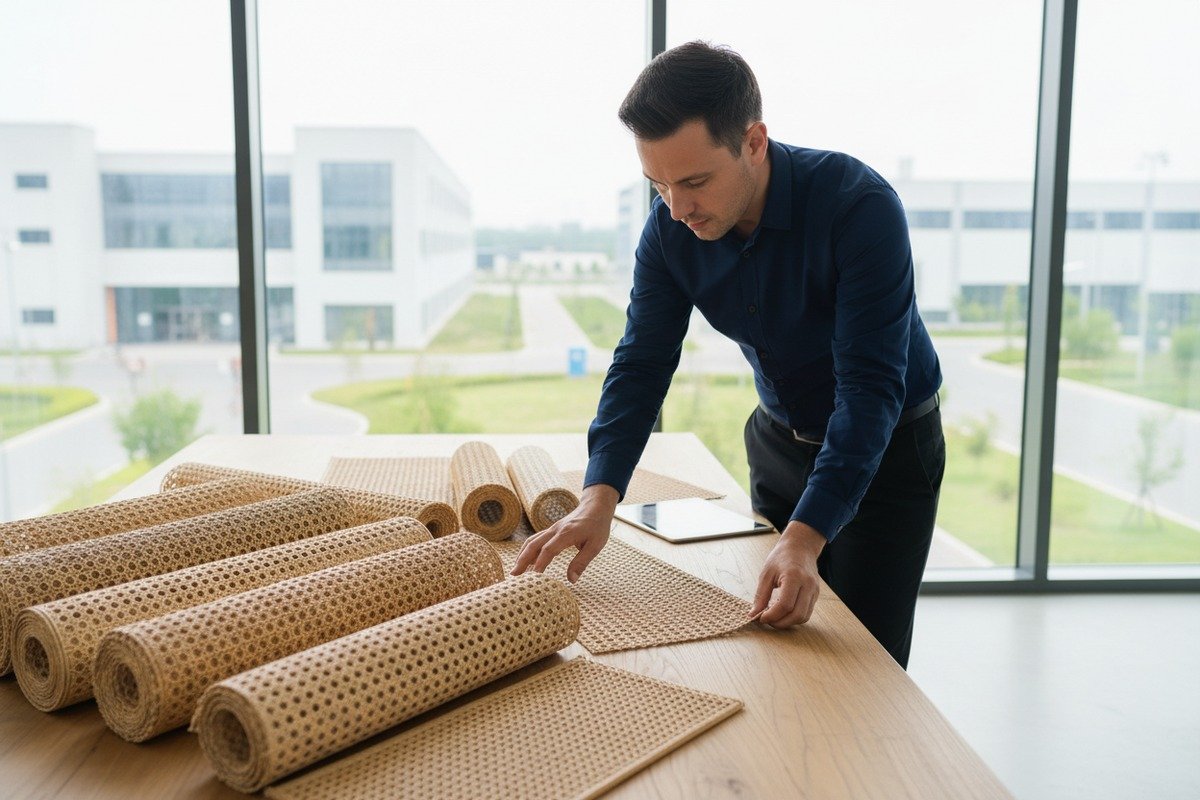
We have seen it happen too many times on our production floor — a new buyer receives their first bulk shipment of rattan cane webbing 1, only to find brittle strands, uneven weaving, and rolls that crack during installation. The frustration is real. The financial loss is worse. And the damage to their reputation with their own customers can take months to repair Pre-Shipment Inspection Protocol 2. This problem keeps growing because the market is flooded with suppliers who make big promises but deliver low-grade material.
To identify a reliable natural rattan cane webbing supplier, you should verify their raw material sources, inspect sample quality before bulk orders, confirm they own or control processing facilities, compare Grade A standards across vendors, and assess their packaging and shipping practices for international durability.
In this guide, we break down the exact steps you can follow to find a trustworthy rattan webbing supplier Indonesia: The World’s Rattan Capital 3. Each section tackles a specific pain point that purchasing managers face every day. Let’s dig in.
How can I verify the quality consistency of natural rattan cane webbing before placing my bulk order?
Every year, our quality control team 4 rejects batches that look fine on the surface but fail basic flexibility and uniformity tests. If we catch these issues in our own facility, imagine what slips through at suppliers with no QC process at all.
You can verify quality consistency by requesting multiple samples from different production batches, checking for uniform strand thickness and weave tightness, performing bend tests for flexibility, and comparing color consistency across rolls before committing to a bulk purchase.
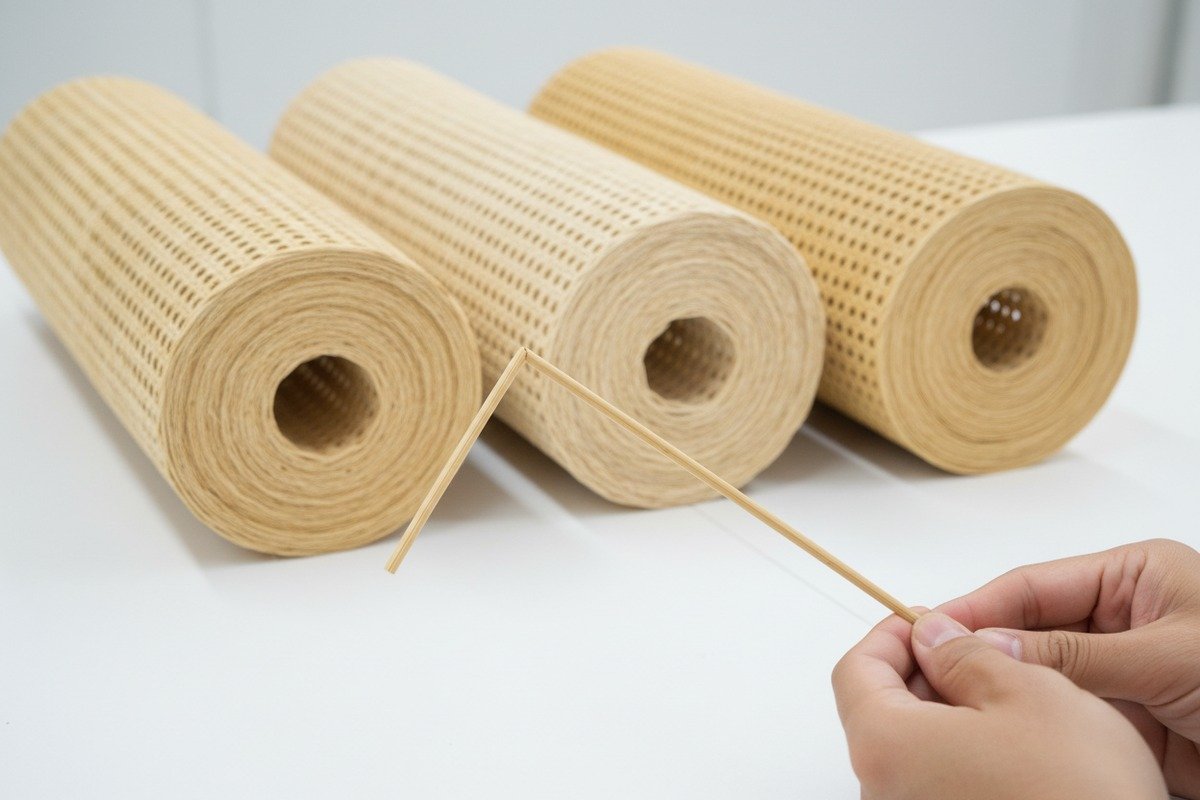
Why Samples from a Single Batch Are Not Enough
Many buyers make the mistake of ordering one sample and assuming every roll will match. That is risky. Rattan is a natural material. It comes from different harvests, different regions, and different processing cycles. A reliable supplier will send you samples from at least two or three separate batches. This gives you a real picture of what to expect.
When we prepare samples at our Foshan headquarters, we pull from different production runs on purpose. This way, the buyer sees the natural range of color and texture. If a supplier only sends their best single piece, that is a red flag.
Key Tests You Can Perform on Samples
You do not need a laboratory to check rattan webbing quality. Here are practical tests any buyer can do:
- Bend test: Take a single strand and bend it 90 degrees. First-layer rattan 5 should flex without snapping. If it cracks, it is likely second-layer or over-dried material.
- Color check: Lay three rolls side by side under natural light. Minor variation is normal. Large color jumps mean inconsistent processing.
- Weave tightness: Press your thumb against the weave. A quality weave has minimal give and uniform spacing between strands.
- Smell test: Natural rattan has a mild, woody scent. A chemical or musty smell indicates poor drying or artificial treatment.
Quality Grading: What Grade A Really Means
Not all suppliers use the same grading system. Here is a comparison to help you understand what to look for:
| Quality Marker | Grade A (Premium) | Grade B (Standard) | Grade C (Economy) |
|---|---|---|---|
| Strand source | First-layer rattan only | Mix of first and second layer | Leftover or inner-layer rattan |
| Color uniformity | 90%+ consistent across rolls | 70-85% consistent | Noticeable variation |
| Flexibility | Bends 90° without cracking | Slight resistance | Cracks or splits easily |
| Surface finish | Smooth, minimal nodes | Some rough spots | Rough, visible defects |
| Weave evenness | Tight, uniform gaps | Minor irregularities | Uneven spacing |
When you discuss quality with your supplier, ask them to specify which grade they are quoting. If they cannot explain their grading system, that tells you something important about their operation.
Set Up a Pre-Shipment Inspection Protocol
Before your bulk order ships, arrange for a third-party inspection or ask for a detailed video walkthrough of the finished goods. We routinely offer video calls where buyers can see the actual rolls being packed. This small step prevents most disputes. Insist on clear photos of at least 10% of the rolls, showing both the top surface and the edges.
Why should I look for a supplier with their own rattan processing facility in Indonesia?
Over the past two decades, we have learned one lesson the hard way: controlling your raw material source is everything. Our decision to invest in our own rattan processing facility 6 in Indonesia changed the quality and reliability of every product we ship.
A supplier with their own Indonesian rattan processing facility controls raw material selection, drying, and initial processing directly, which eliminates middlemen, reduces quality variation, lowers costs, and ensures traceability from forest to finished webbing — advantages that resellers simply cannot match.
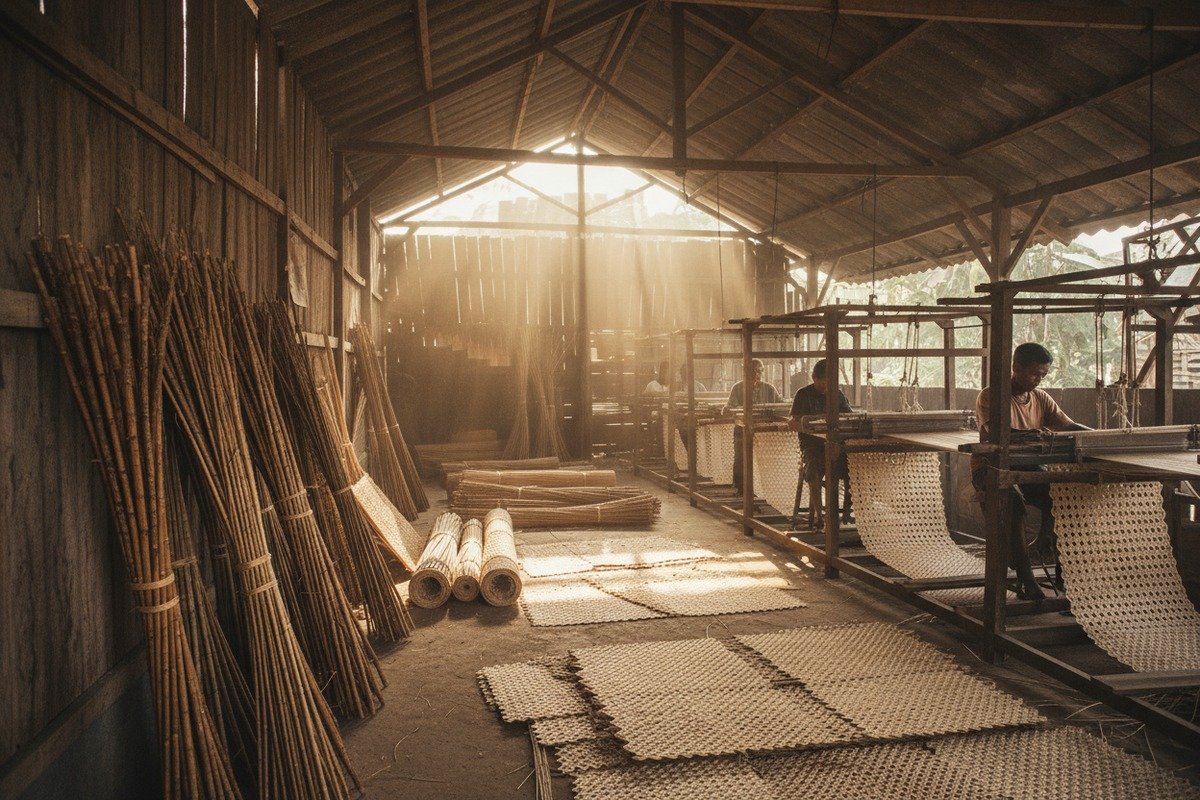
Indonesia: The World's Rattan Capital
Indonesia produces the vast majority of the world's raw rattan. Species like Toniti, Batang, Manau, and Saga grow abundantly across the archipelago. When a supplier sources directly from Indonesian forests and processes the rattan on-site, they can hand-select the best poles before they ever leave the country.
Suppliers who buy pre-processed rattan from brokers lose this control. They get whatever the broker sends. That means mixed grades, inconsistent drying, and sometimes rattan that has been sitting in storage too long.
The Supply Chain Difference
Here is how the supply chain looks with and without a self-owned facility:
| Supply Chain Stage | Supplier with Own Facility | Supplier Without Own Facility |
|---|---|---|
| Raw material selection | Direct, hand-picked from local sources | Dependent on third-party brokers |
| Drying & treatment | Controlled in own plant | Unknown conditions |
| Quality inspection | On-site QC before export | No visibility until arrival |
| Cost structure | Lower (no middleman markup) | Higher (broker fees added) |
| Traceability | Full chain documented | Partial or none |
| Lead time control | Predictable scheduling | Subject to broker availability |
What to Ask Your Supplier
When evaluating whether a supplier truly owns their facility, ask these direct questions:
- Can you share photos or videos of your Indonesian processing plant?
- How many square meters is your facility?
- How many workers process rattan on-site?
- Do you own the facility or lease it?
- Can I visit the facility or arrange a virtual tour?
Our Indonesia facility covers over 10,000 square meters. We process raw rattan poles into strips, perform initial quality sorting, and handle the drying process before shipping to our Foshan factories. This level of control is what separates a true manufacturer from a trading company.
Sustainability and Ethical Sourcing
Owning a facility in Indonesia also means you can verify sustainable harvesting practices 7. Rattan is a renewable resource — it grows back after cutting, unlike hardwood timber. But irresponsible harvesting still happens. A supplier with boots on the ground in Indonesia can monitor their sourcing practices directly. Ask about replanting programs and community partnerships. These are signs of a supplier who thinks long-term.
How do I find a wholesaler that provides Grade A rattan webbing at competitive prices for my business?
Price negotiations are part of our daily routine. We talk to purchasing managers from the Netherlands, Australia, Thailand, and Saudi Arabia — and they all want the same thing: the best rattan at the fairest price. But "competitive" does not mean "cheapest."
To find Grade A rattan webbing at competitive prices, compare quotes from at least three verified suppliers, confirm their grading standards match your specifications, evaluate total landed cost including shipping and duties, and prioritize suppliers offering volume-based pricing tiers with transparent breakdowns.
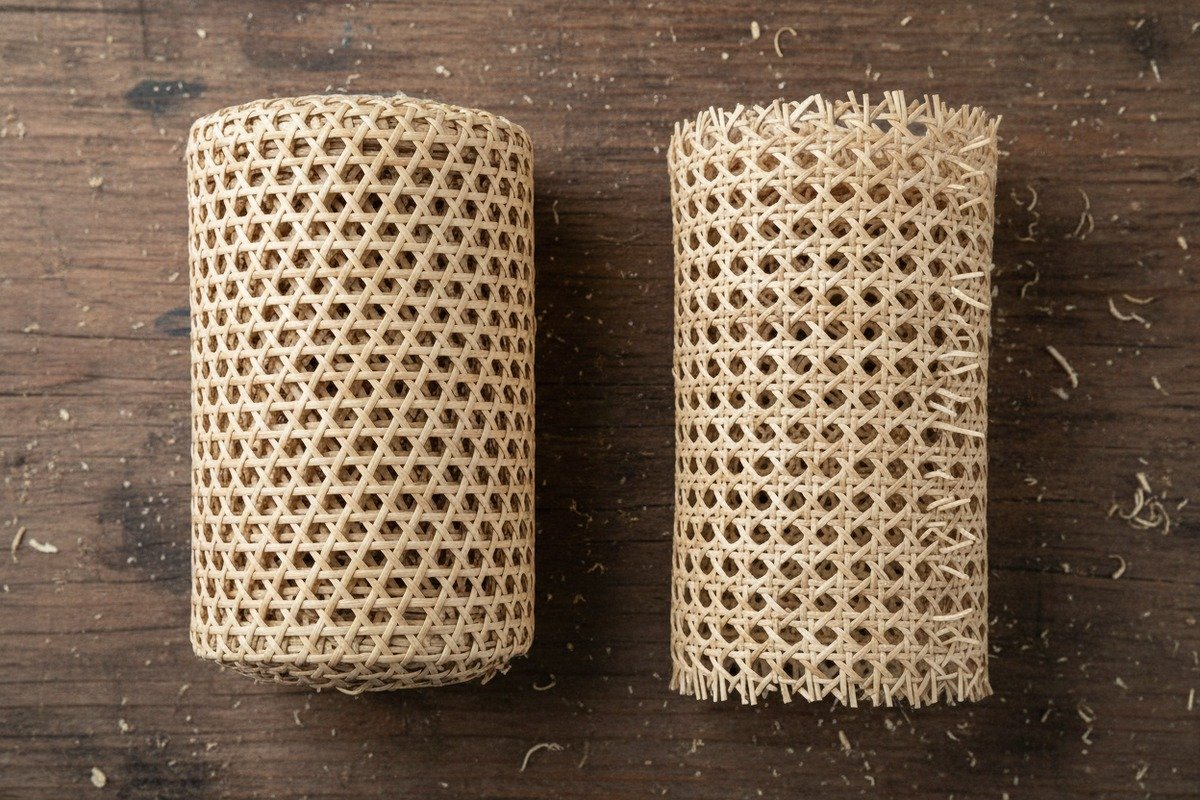
The Danger of Choosing the Cheapest Quote
When a price looks too good to be true, it usually is. In our experience working with buyers across 15+ countries, the cheapest quote almost always comes with hidden costs. Maybe the rattan is Grade B labeled as Grade A. Maybe the rolls are shorter than specified. Or the packaging is so thin that 20% of the shipment arrives damaged.
A purchasing manager in Thailand once told us he saved $800 on a container by switching to a cheaper supplier. He then spent $2,400 replacing damaged and substandard rolls. That is not a saving. That is a loss.
How to Compare Prices Fairly
When collecting quotes, make sure every supplier is quoting the same thing. Use this checklist:
- Same weave pattern (e.g., open hexagonal, closed radio weave)
- Same width and length per roll
- Same rattan grade (first-layer only)
- Same packaging standard
- Same Incoterm (FOB, CIF, or DDP)
Price Breakdown: What Affects Cost
| Cost Factor | Impact on Price | What to Watch |
|---|---|---|
| Rattan grade | High | First-layer costs 20-40% more than mixed grades |
| Weave complexity | Medium | Herringbone and twilled patterns cost more than open weave |
| Roll width | Medium | Wider rolls (36-48 inches) cost more per unit |
| Order volume | High | Larger orders unlock better per-unit pricing |
| Packaging type | Low-Medium | Export-grade packaging adds cost but prevents damage |
| Shipping Incoterm 8 | High | CIF includes freight; FOB does not — compare apples to apples |
Volume-Based Pricing and MOQs
Most serious suppliers, including us, offer tiered pricing. The more you order, the lower the per-roll cost. But be careful with minimum order quantities. Some suppliers set MOQs so high that smaller businesses cannot qualify. We work with over 30 partner factories in Foshan, which gives us the flexibility to accept both large container orders and smaller custom runs.
Ask your supplier for a clear pricing table at different quantities — say, 100 rolls, 500 rolls, and 1,000 rolls. If they refuse to share this, they may not have real production capacity behind their quotes.
Verify Before You Commit
Before signing any purchase order, take these steps:
- Order paid samples in your required specifications.
- Compare samples side by side from your top three suppliers.
- Ask for references from existing buyers in your region.
- Check their response time — a reliable supplier replies within hours, not days.
- Confirm payment terms and dispute resolution processes.
These steps take a little extra time upfront but save enormous headaches later.
What steps can I take to ensure my supplier uses durable packaging for my international shipping needs?
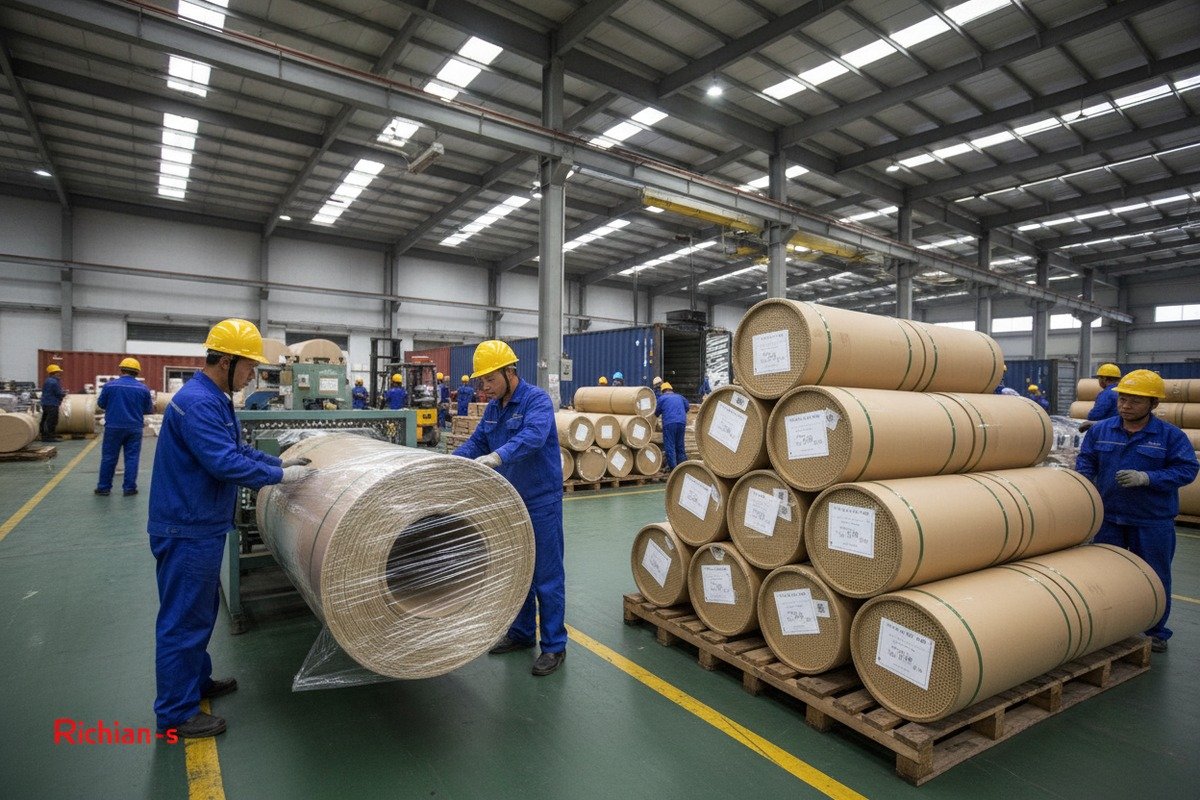
Packaging failures cost our clients real money. We invested heavily in developing our export packaging standards after seeing too many containers arrive with crushed rolls and moisture-damaged webbing. The ocean is not kind to poorly packed rattan.
To ensure durable packaging, request detailed packaging specifications before ordering, ask for photos of packed goods, require moisture-proof wrapping and rigid outer cartons, specify palletization standards for your destination port, and include packaging requirements in your purchase contract.
Why Packaging Matters More Than You Think
Natural rattan cane webbing is vulnerable to three things during shipping: moisture, pressure, and friction. A container crossing the ocean from China to Europe spends 25-35 days at sea. Temperature swings cause condensation inside the container. Stacked cargo shifts during rough seas. Without proper packaging, rattan absorbs moisture, develops mold, and arrives warped or brittle.
We have seen shipments from other suppliers arrive at our clients' warehouses with green mold covering 30% of the rolls. The entire lot was unsalvageable. This is preventable.
The Layers of Proper Export Packaging
Good packaging for rattan webbing involves multiple layers of protection:
- Inner wrap: Each roll is wrapped in plastic film to block moisture.
- Protective layer: Foam or corrugated cardboard wraps around the film to absorb impact.
- Outer carton: A rigid, double-walled corrugated box holds the rolls firmly.
- Palletization: Boxes are stacked on fumigated wooden pallets (ISPM 15 compliant 10) and secured with strapping.
- Container prep: Desiccant bags are placed inside the container to absorb excess humidity.
What to Specify in Your Contract
Do not leave packaging to chance. Write your requirements directly into the purchase contract. Here is what to include:
- Maximum number of rolls per carton
- Carton material and wall thickness
- Moisture barrier type (PE film, aluminum-lined, etc.)
- Pallet dimensions and stacking height
- Desiccant bag quantity per container
- Labeling requirements (product code, batch number, handling symbols)
Ask for a Packaging Test
Before your first large shipment, ask your supplier to send a trial carton via courier. Inspect how the rolls survived transit. Did the box hold its shape? Was there any moisture inside the wrap? Did the rolls shift? This small test tells you more than any specification sheet.
At our facility, we run drop tests and compression tests on packed cartons. We also photograph the packing process for every order. Buyers can review these photos before the container is sealed. This transparency builds trust and prevents disputes.
Common Packaging Mistakes to Avoid
Some suppliers cut costs on packaging because buyers focus only on the product price. Watch for these mistakes:
- Single-wall cartons instead of double-wall
- No moisture barrier on individual rolls
- Overpacking cartons so rolls press against each other
- Using non-fumigated pallets (which get rejected at customs)
- Skipping desiccant bags in the container
If your supplier pushes back on your packaging requirements, ask yourself why. A supplier who cares about repeat business will invest in packaging that protects their product — and your business.
Conclusion
Finding a reliable natural rattan cane webbing supplier takes effort, but the payoff is a stable, high-quality supply chain that protects your business for years. Verify quality through multi-batch samples, prioritize suppliers with their own Indonesian processing facilities, compare total landed costs rather than just unit prices, and demand export-grade packaging standards in writing. These steps will set you apart from buyers who learn these lessons the expensive way.
Footnotes
1. Defines the material and its origin. ↩︎
2. Defines the process and its importance in preventing shipping issues. ↩︎
3. Provides factual information about Indonesia’s leading role in rattan production. ↩︎
4. Explains the fundamental role of a quality control team in manufacturing. ↩︎
5. Describes the characteristics of premium, first-layer rattan for quality assessment. ↩︎
6. Explains the initial stages and importance of rattan processing. ↩︎
7. Highlights the environmental benefits and methods of responsible rattan harvesting. ↩︎
8. Clarifies the international rules for defining responsibilities in trade. ↩︎
9. Defines the comprehensive cost calculation in supply chain management. ↩︎
10. Explains the international standard for treating wood packaging to prevent pest spread. ↩︎

 English
  Español de México
  العربية
  Deutsch
  Français
  Русский