
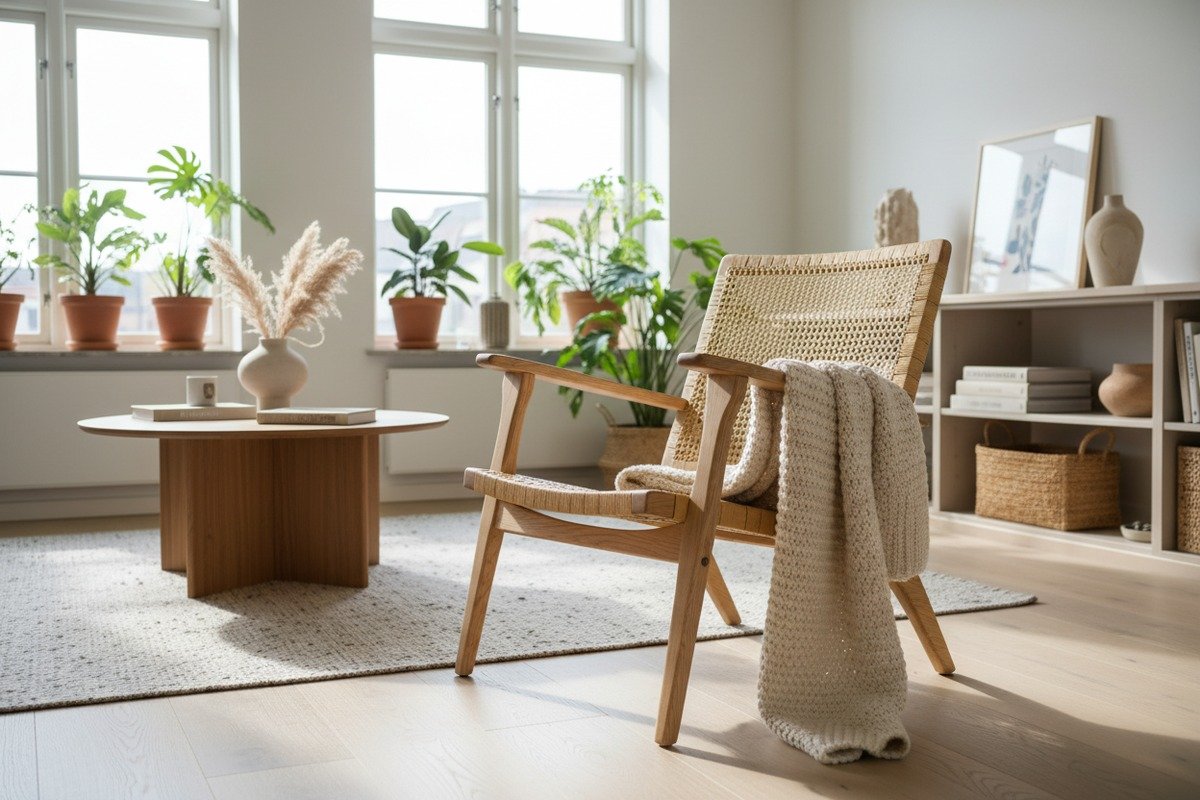
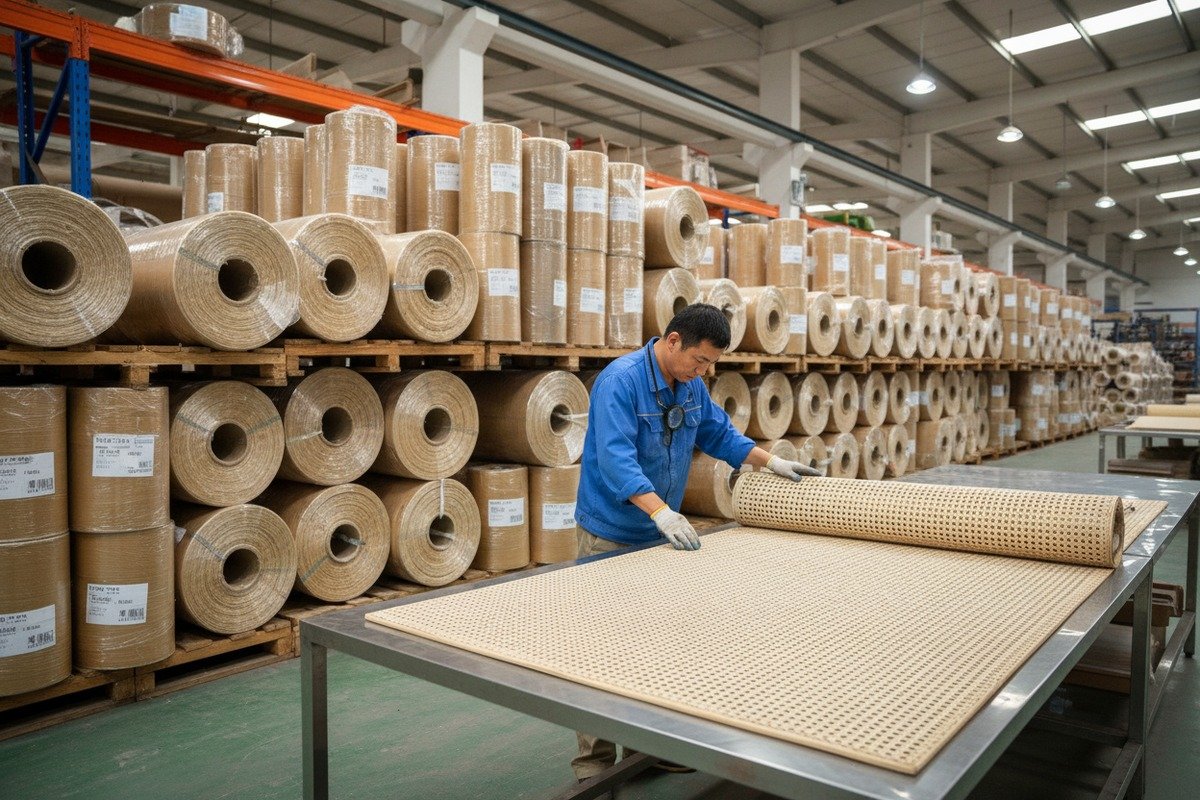
Every week, our production team in Foshan fields the same question from furniture factories and wholesalers across three continents: will this rattan cane webbing 1 hold up?
Under normal indoor use, high-quality natural rattan cane webbing typically lasts 10 to 20 years or more with proper maintenance. Synthetic rattan webbing can exceed 20 years, especially in outdoor settings. The actual lifespan depends on material grade, installation quality, environmental exposure, and regular care routines.
That answer carries a lot of “it depends,” though synthetic rattan webbing 2. Below, we break down the real factors that determine how long your rattan webbing will serve you — and what you can do to get the most years out of every sheet.
How many years of service can I expect from high-quality rattan cane webbing?
When we ship premium Grade A rattan cane webbing to clients in the Netherlands, Australia, or the US, we back it with confidence built on decades of supply chain experience 3.
High-quality natural rattan cane webbing delivers 10 to 20 years of reliable indoor service under normal conditions. Some museum-grade and antique pieces have survived for over a century. Synthetic alternatives can match or exceed this range, particularly in less controlled environments like covered patios or sunrooms.
What Counts as "Normal Use"?
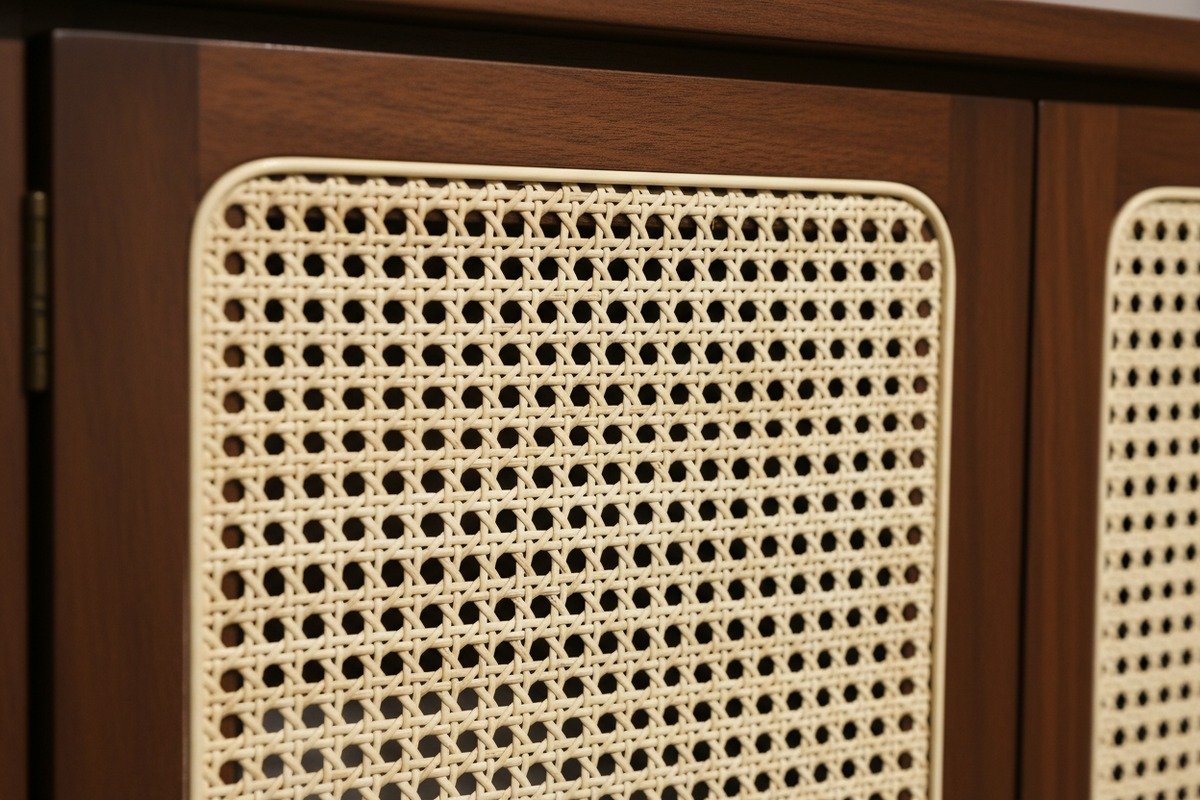
Let us define the baseline. Normal use means indoor furniture — dining chairs, headboards, cabinet panels, side tables — in a climate-controlled home 4. The furniture sees moderate daily contact. Nobody is jumping on it. Humidity stays between 40% and 60%. Direct sunlight is minimal or filtered.
Under these conditions, the natural rattan fibers 5 retain flexibility and strength for well over a decade. We have seen chairs from the 1970s come back to our partner workshops for re-caning, and the original webbing was still partially intact after 40+ years linseed or tung oil 6. The frame gave out before the weave did.
Natural vs. Synthetic vs. Solid Rattan
Not all rattan products are the same. Here is a direct comparison based on our manufacturing and export experience:
| Type | Estimated Indoor Lifespan | Outdoor Suitability | Primary Care Needed |
|---|---|---|---|
| Natural Cane Webbing | 10–20+ years (centuries possible under ideal conditions) | Poor — degrades in rain and UV | Dust regularly, oil every 6–12 months, keep in dry shade |
| Synthetic Cane Webbing | 20+ years | Excellent — UV and moisture resistant | Minimal; wipe clean occasionally |
| Solid Rattan (Core) | 20–50+ years | Moderate — better than cane but still vulnerable | Similar to natural cane; benefits from sealant |
Natural cane webbing is peeled from the outer skin of the rattan palm UV exposure 7. It is thinner and more delicate than solid rattan core. That thinness is what gives it the beautiful, translucent quality people love in radio weave and hexagonal patterns. But it also means it is more sensitive to environmental stress.
Historical Evidence of Longevity
Archaeological finds have uncovered cane furniture pieces intact after hundreds of years. These items survived in dry, stable environments — essentially ideal storage conditions. Modern living rooms are not museums, but they come close enough. Air conditioning, consistent temperature, and low humidity replicate those preservation conditions remarkably well.
In our own factories, we process rattan through drying, heat curing, and fumigation 8. These treatments prevent fungal growth, improve color uniformity, and add years to the product's usable life. A properly treated sheet of rattan cane webbing from our Indonesian processing facility will outperform untreated material by a significant margin.
Why Quality Grade Matters from Day One
Our Grade AAA rattan comes from mature palms harvested at the right season. The fibers are denser, more uniform, and more resistant to splitting. Lower grades — often sold at steep discounts online — use younger or damaged cane. These sheets may look fine on arrival but start showing cracks and discoloration within two to three years.
The bottom line: if you buy premium, you buy once. If you buy cheap, you buy again.
What maintenance steps should I take to prevent my rattan webbing from sagging or breaking?
After shipping thousands of rolls of cane webbing to furniture workshops worldwide, our team has collected a practical playbook of what works — and what ruins good rattan fast.
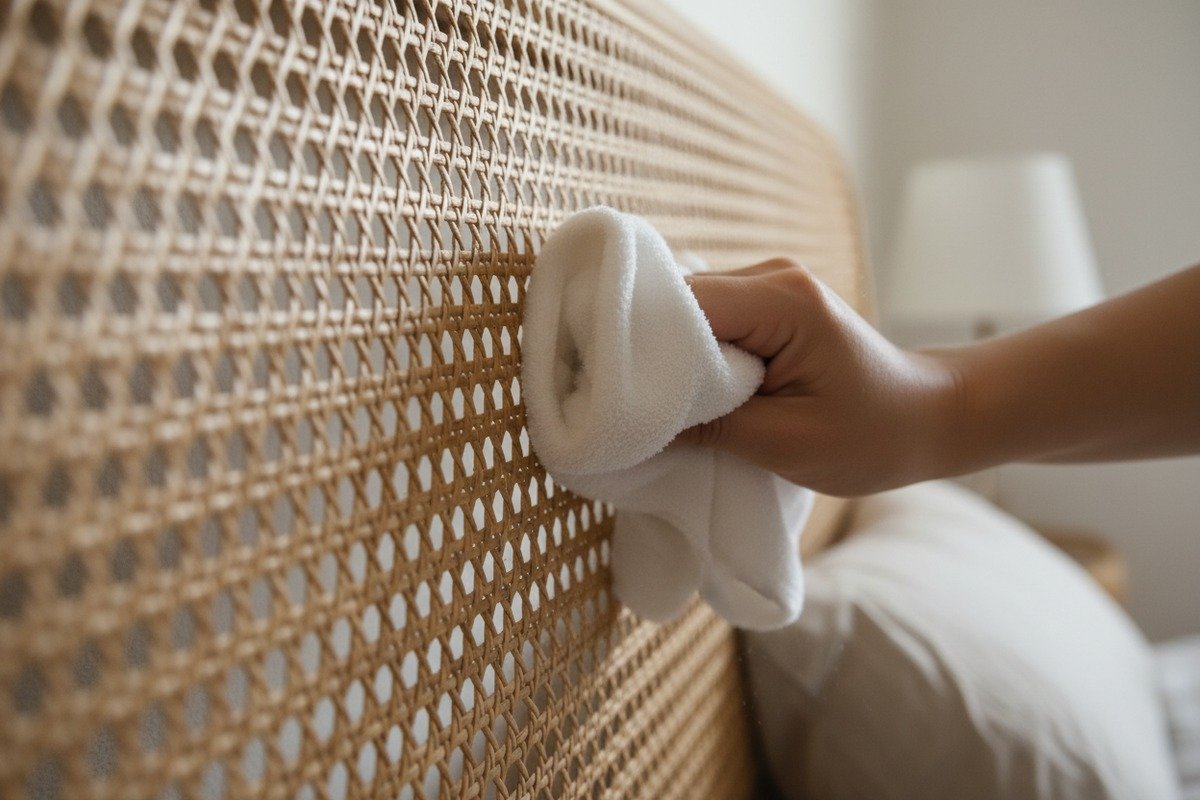
To prevent sagging or breaking, dust your rattan webbing weekly with a soft cloth, avoid excess moisture and direct sunlight, condition it with linseed or tung oil every 6 to 12 months, and ensure proper weight distribution across the woven surface. These simple habits dramatically extend the material's life.
A Simple Maintenance Calendar
Consistency beats intensity. Here is the routine we recommend to all our wholesale clients and their end customers:
| Frequency | Action | Tools Needed | Purpose |
|---|---|---|---|
| Weekly | Dust with soft cloth or brush vacuum | Microfiber cloth, soft brush attachment | Removes dirt buildup that traps moisture |
| Monthly | Wipe with lightly damp cloth (mild soap or vinegar solution) | Damp cloth, mild detergent | Prevents grime from embedding in fibers |
| Every 6–12 months | Apply thin coat of linseed oil or tung oil | Lint-free cloth, food-grade linseed oil | Nourishes fibers, prevents drying and cracking |
| As needed | Inspect for loose strands, small tears | Magnifying glass, flashlight | Early detection prevents larger damage |
What Causes Sagging?
Sagging is the number one complaint we hear. It usually comes from one of three causes:
-
Poor installation. If the webbing was not soaked properly before stretching, or if it was not tensioned evenly across the frame, it will loosen over time. Proper soaking — typically 15 to 30 minutes in warm water — makes the cane pliable enough to stretch tight. As it dries, it contracts and locks into place.
-
Uneven weight distribution. A chair seat that takes concentrated pressure in one spot — like sitting on the edge repeatedly — will sag faster than one used with full, centered sitting. Furniture design matters. A well-engineered frame with proper support rails distributes load across the entire webbing panel.
-
Excess humidity. Natural rattan absorbs moisture from the air. In consistently humid rooms (above 65%), the fibers swell and soften. Over time, they lose their rigidity. This is why we always advise our clients in tropical markets like Thailand and the Philippines to recommend indoor ventilation or air conditioning to their customers.
What Causes Breaking?
Breaking is less common but more alarming. The main culprits are:
- Prolonged UV exposure. Sunlight degrades natural fibers at a molecular level. The cane becomes brittle, loses its golden color, and snaps under normal pressure. Keep rattan furniture away from south-facing windows or use UV-filtering curtains.
- Chemical cleaning products. Harsh solvents strip the natural oils from rattan fibers. Stick to mild soap and water. Never use bleach-based cleaners.
- Extreme temperature swings. Rapid shifts between hot and cold stress the fibers. This is especially relevant for furniture near heating vents or fireplaces.
Repair Before Replace
Small tears or loose sections do not mean the whole panel needs replacing. A skilled restorer can patch damaged areas with new webbing. We supply matching cane material specifically for repairs. This approach is far more cost-effective and sustainable than a full replacement — and it can extend the furniture's life by another 5 to 10 years.
How does the quality grade of the rattan material impact my long-term replacement costs?
In our three factories — including the rattan processing facility we operate in Indonesia — we see the full spectrum of raw material quality every single day. The difference between grades is not just cosmetic.
Choosing premium-grade rattan cane webbing (Grade AAA or A) significantly reduces long-term replacement costs by delivering superior fiber density, crack resistance, and color stability. Low-grade material may cost 30–50% less upfront but often requires replacement two to three times sooner, making it far more expensive over a 15-year period.
Understanding Rattan Quality Grades
Rattan quality grading 9 considers several factors: fiber thickness, color consistency, knot frequency, surface smoothness, and flexibility. Here is how the grades typically break down and what they mean for your budget:
| Grade | Characteristics | Typical Upfront Cost (Relative) | Expected Indoor Lifespan | Estimated 15-Year Total Cost |
|---|---|---|---|---|
| Grade AAA (Premium) | Uniform color, minimal knots, dense fibers, smooth surface | 100% (baseline) | 15–20+ years | 1x initial investment |
| Grade A (Standard) | Minor color variation, occasional knots, good density | 75–85% of premium | 10–15 years | 1–1.5x initial investment |
| Grade B (Budget) | Noticeable variation, frequent knots, thinner fibers | 50–65% of premium | 5–8 years | 2–3x initial investment |
The math is simple. A furniture factory that buys Grade B webbing at $4 per square meter might spend $12 over 15 years replacing it twice. A factory that buys Grade AAA at $7 per square meter spends $7 total — and delivers a better product to their customer.
How Processing Affects Grade
Raw rattan from the forest is not ready to use. It must be dried, cured, and treated. At our Indonesian facility, we control every step:
- Drying reduces moisture content to a stable level, preventing post-installation warping.
- Heat curing hardens the outer fibers and improves resistance to humidity fluctuations.
- Fumigation eliminates insect larvae and fungal spores that could compromise structural integrity later.
Skipping or rushing these steps is how low-grade webbing enters the market. A supplier offering suspiciously cheap prices is almost certainly cutting corners on processing. Our clients in the US, Australia, and the Netherlands have learned this lesson — sometimes the hard way — and now specify treatment standards in their purchase orders.
The Hidden Cost of Inconsistency
For furniture factories, quality inconsistency is a nightmare. If one batch of webbing is Grade A and the next is Grade B, the finished furniture looks different. Customers complain. Returns increase. Brand reputation suffers.
We address this by sourcing from controlled plantations and running every batch through the same curing protocol. When a purchasing manager like our client Ranoo in Thailand orders 500 rolls of cane webbing, every roll matches in color, thickness, and weave density. That consistency eliminates waste, reduces rework, and protects margins.
Warranties as a Quality Signal
Some premium sellers — including specialty Etsy shops and established suppliers — offer lifetime warranties on their rattan webbing. This is a strong signal. No business guarantees a product for life unless they trust the material and processing behind it. When evaluating suppliers, ask about warranty terms. If there is no warranty, ask why.
Can I use rattan cane webbing in outdoor settings without compromising its lifespan?
Our export clients in Spain, Greece, and Dubai frequently ask about outdoor applications. The Mediterranean cafe look is hugely popular, and rattan webbing is a big part of that aesthetic.
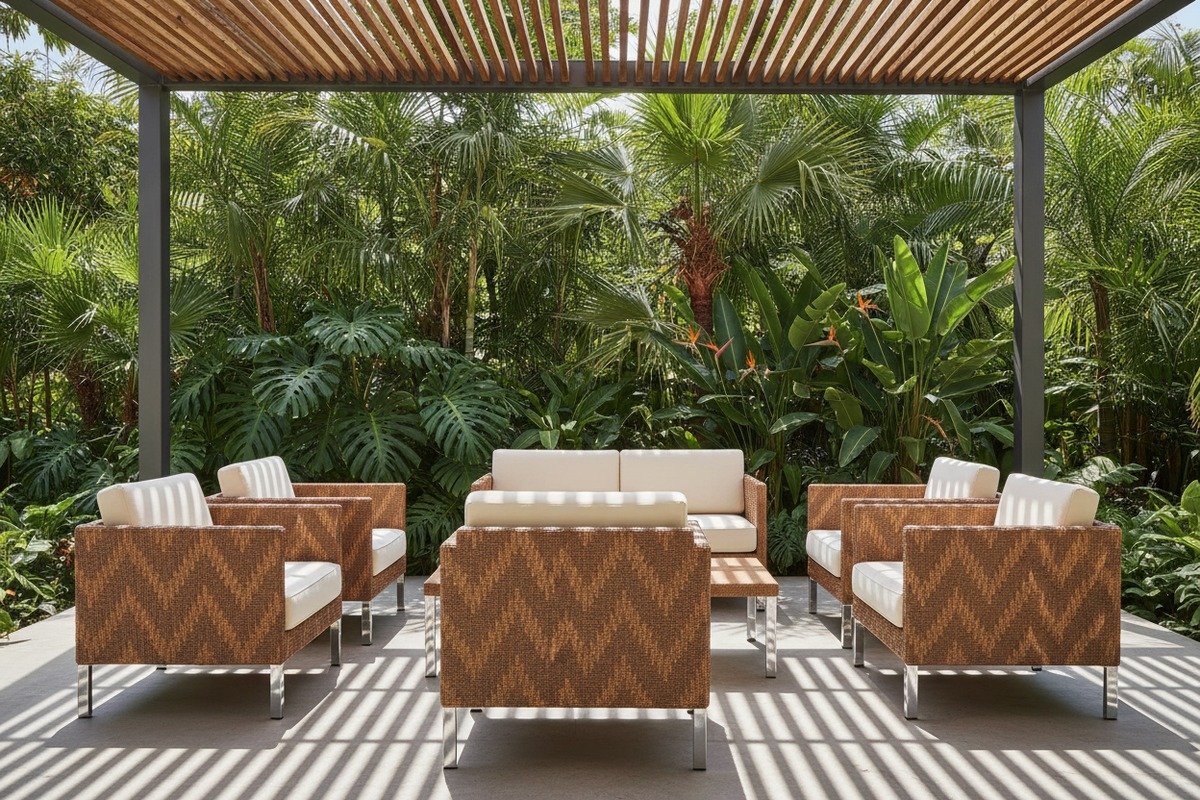
Natural rattan cane webbing is not recommended for direct outdoor exposure because rain, UV radiation, and humidity cause rapid deterioration. Synthetic cane webbing is the better choice for outdoor use — it mimics the look of natural rattan while resisting weather, UV, and moisture for 20 years or more without significant maintenance.
Why Natural Rattan Fails Outdoors
Natural rattan is an organic material. It comes from a palm. Like all organic materials, it breaks down when exposed to the elements:
- Rain and moisture cause the fibers to swell, soften, and eventually develop mold or mildew. Even covered porches expose rattan to ambient humidity that exceeds safe levels.
- UV radiation from sunlight breaks down the lignin in rattan fibers. The webbing fades from golden to gray, becomes brittle, and cracks.
- Temperature extremes — hot days followed by cool nights — create expansion and contraction cycles that stress the weave.
In our testing, unprotected natural cane webbing placed outdoors in a tropical climate showed visible degradation within six months. In a temperate climate with seasonal variation, the timeline extends to one to two years — but the result is the same.
The Synthetic Alternative
This is where synthetic cane webbing earns its place. Made from UV-stabilized plastic polymers, it replicates the visual patterns of natural rattan — including the popular hexagonal radio weave, chevron wave, and diamond motifs — without the vulnerability.
We supply both natural and synthetic options from our Foshan production network. The synthetic sheets we offer are designed with the same color palette: light beige, straw yellow, and warm tan. From a distance of two meters, most people cannot tell the difference.
Practical Decision Framework
Here is how we guide our clients when they are deciding between natural and synthetic for specific applications:
| Application | Recommended Material | Reason |
|---|---|---|
| Indoor dining chairs | Natural cane webbing | Full aesthetic benefit, easy to maintain indoors |
| Bedroom headboards | Natural cane webbing | Minimal wear, controlled environment |
| Cabinet door panels | Natural cane webbing | Decorative, low-stress application |
| Covered patio furniture | Synthetic cane webbing | Exposure to humidity and temperature changes |
| Poolside lounge chairs | Synthetic cane webbing | Direct water and sun exposure |
| Restaurant outdoor seating | Synthetic cane webbing | High traffic, weather exposure, cleaning needs |
| Sunroom or conservatory | Either — depends on climate control | If HVAC-controlled, natural works; if not, go synthetic |
A Middle Ground: Treated Natural Rattan
Some manufacturers apply marine-grade sealants or polyurethane coatings to natural rattan for semi-outdoor use. This can extend its outdoor life to three to five years, but it changes the texture and appearance. The matte, fibrous feel that people love becomes glossy and plasticky. In our experience, clients who go this route often wish they had just chosen synthetic from the start.
The Sustainability Question
One argument against synthetic is environmental impact 10. Natural rattan is biodegradable, renewable, and supports rural economies in Southeast Asia. Synthetic is petroleum-based plastic. For eco-conscious buyers — and there are more of them every year — natural rattan has a strong ethical appeal.
The compromise we see gaining traction: use natural rattan indoors where it thrives, and reserve synthetic for the outdoor pieces that need it. This way, you get the sustainability story for most of your product line while still offering weather-resistant options.
Post-2020, DIY furniture restoration has exploded. Mid-century modern revivals and bohemian aesthetics drive huge demand for natural rattan cane webbing in indoor projects. Bleached rattan, in particular, has become a favorite for Scandinavian-inspired interiors. Meanwhile, commercial hospitality projects — hotels, restaurants, cafes — lean heavily on synthetic for its durability in high-traffic, semi-outdoor environments.
Conclusion
Rattan cane webbing is a remarkably durable material when matched to the right environment and maintained with simple, consistent care. Choose the right grade, follow a basic maintenance routine, and your rattan will reward you with decades of beauty.
Footnotes
1. Provides a comprehensive definition and overview of rattan cane webbing. ↩︎
2. Explains the properties, uses, and durability of synthetic rattan webbing. ↩︎
3. Defines supply chain management and its importance in product flow. ↩︎
4. Highlights the benefits of climate control for preserving furniture and materials. ↩︎
5. Describes the inherent properties and characteristics of natural rattan fibers. ↩︎
6. Compares linseed and tung oils for wood finishing and protection. ↩︎
7. Discusses the deleterious effects of UV radiation on natural and synthetic materials. ↩︎
8. Explains various timber treatment processes to enhance durability and prevent pests. ↩︎
9. Explains the purpose and factors involved in material quality grading. ↩︎
10. Compares the environmental footprint of natural rattan versus synthetic alternatives. ↩︎
 English
  Español de México
  العربية
  Deutsch
  Français
  Русский