

When we first started processing rattan cane webbing 1 at our Indonesian facility years ago, most orders were for furniture panels. Today, over a third of the rolls leaving our warehouses go straight into lighting and ceiling projects 2. The shift has been dramatic — and for good reason. Designers and builders everywhere are searching for a material that blends natural beauty with practical function. But many still struggle with choosing the right grade, installing it properly, and keeping it looking great over time.
Rattan cane webbing transforms lampshade and ceiling designs by wrapping or mounting the woven material onto frames or panels. You soak the webbing to soften it, cut it to size, and attach it with glue, staples, or nails. Different weave patterns control light diffusion and texture, making it ideal for boho, coastal, and minimalist interiors.
This guide walks you through every step — from selecting the perfect grade to finding a trusted bulk supplier. Whether you run a furniture factory, manage a building materials business, or handle procurement for a hotel chain, the answers below will save you time, money, and headaches.
How do I choose the best rattan cane webbing grade for my custom lampshade designs?
Across our three factories and 30 partner workshops, we grade every roll of rattan cane webbing before it ships. Yet many buyers still order the wrong grade for lampshades and end up with material that cracks, sags, or blocks too much light. The problem is real. The cost of rework is high.
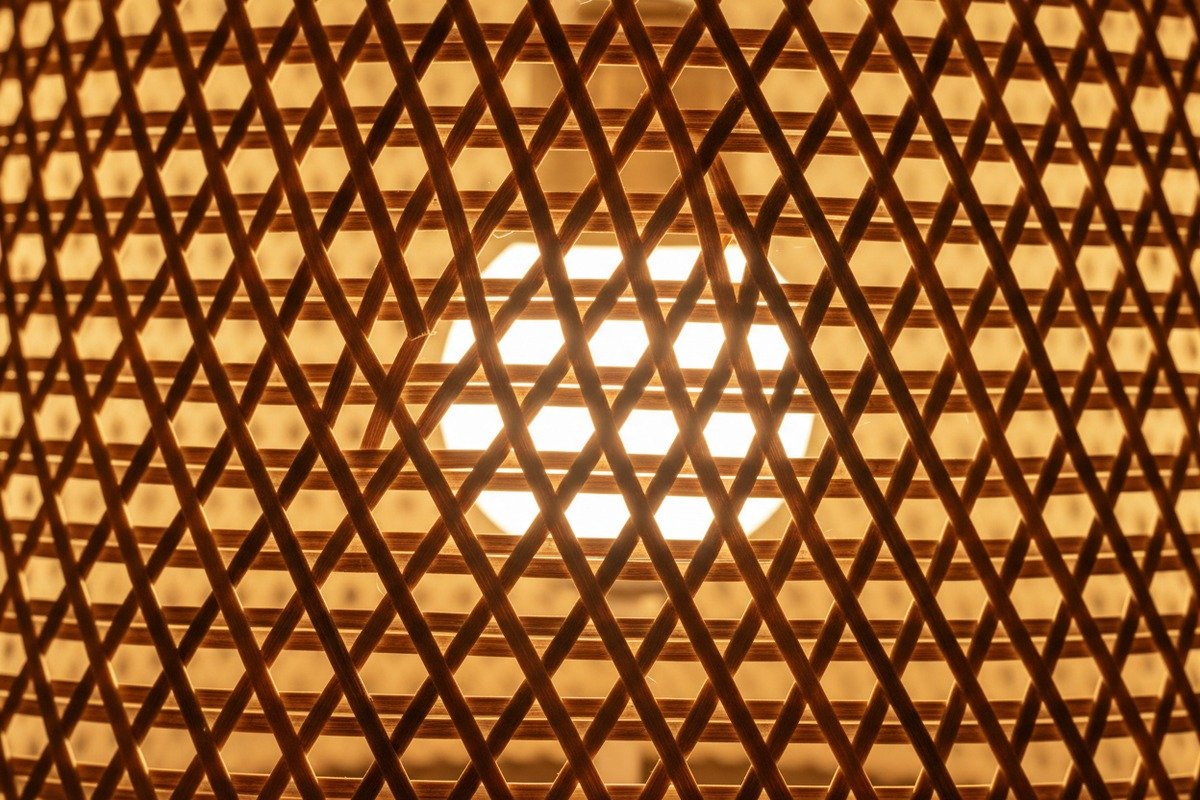
Choose Grade A or premium-grade rattan cane webbing with tight, uniform weave and consistent strand thickness for lampshades. Open weave patterns like hexagon or radio weave diffuse light best. Match the webbing width — 19 to 24 inches — to your lampshade frame diameter for clean wrapping and minimal waste.
Understanding Rattan Cane Webbing Grades
Not all rattan cane webbing is the same. The grade depends on strand uniformity, color consistency, and weave tightness. Grade A 3 material has even strands with no dark spots, breaks, or loose ends. Grade B may have minor color variations. Grade C is suitable for hidden or painted applications but not for exposed lampshade surfaces where light passes through.
For lampshades, light passes directly through the webbing. Every flaw becomes visible. That is why we always recommend Grade A for any lighting project. The small price difference — often just $0.10 to $0.30 more per square foot — pays for itself in appearance and durability.
Weave Patterns and Light Diffusion
The pattern you choose controls the mood of the room. Here is a quick comparison of the most common patterns we supply for lampshade projects:
| Weave Pattern | Light Diffusion 4 | Best Style Match | Typical Width |
|---|---|---|---|
| Radio (Square) Weave | Medium — even, soft glow | Mid-century modern, minimalist | 19", 24" |
| Hexagon (Open Mesh) 5 | High — dramatic shadow play | Bohemian, coastal, resort | 24", 27" |
| Close Basketweave | Low — warm, muted light | Rustic, farmhouse | 19", 24" |
| Diamond Geometric | Medium-High — intricate patterns | Contemporary, artisanal | 24" |
Open weave hexagon patterns are the most popular choice right now. They let enough light through to illuminate a room while casting beautiful geometric shadows on walls and ceilings.
Matching Width to Frame Size
For drum-shaped lampshades, measure the circumference of the frame. Add 2 inches for overlap. A standard 12-inch diameter drum shade needs about 40 inches of webbing length. A 19-inch wide roll works perfectly for most pendant lights. Larger tiered fixtures or oversized pendants may need 24-inch rolls.
Color and Finish Considerations
Natural rattan comes in light beige, straw yellow, and cream tones. Bleached rattan offers a lighter, more uniform color that suits Scandinavian interiors. We also supply dark brown rolls for moody, dramatic lighting. When paired with black-painted metal frames, even the simplest rattan lampshade looks high-end.
One tip from our production team: always request a sample pack before committing to a full order. Samples cost between $0.05 and $4.90 per unit, and they let you test how the material handles light in your specific fixture design.
What is the most effective way to install rattan webbing on my ceiling panels?
Our team has helped dozens of resort developers and hotel interior teams across Thailand, Australia, and the Middle East plan their ceiling installations. The most common mistake we see? Skipping the soaking step. Dry rattan cane webbing cracks and refuses to lay flat. It fights you the entire time.
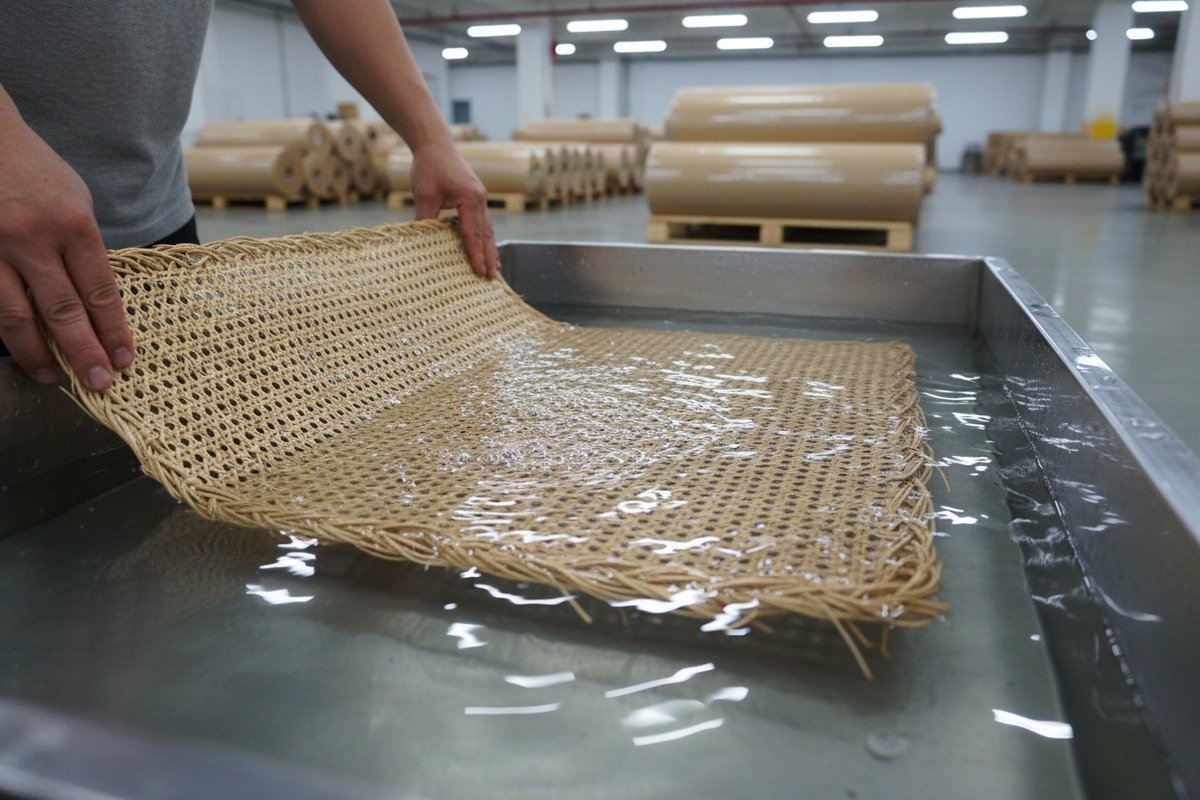
The most effective ceiling installation method involves soaking the rattan webbing for 10 to 15 minutes, towel-drying it, cutting panels 2 inches larger than the frame, and securing them with a staple gun or nail gun onto wooden battens. Trim edges after attachment and finish with decorative molding for a clean look.
Preparation Is Everything
Before touching a staple gun, get your workspace ready. You need a clean, flat surface larger than your panel. Lay the rattan webbing out and inspect it for damage. Mark your cut lines with a pencil, adding 2 inches on every side for overlap. Then soak the webbing in warm water. Ten to fifteen minutes is enough. Pat it dry with a towel. The webbing becomes soft and pliable. It conforms to curves and sits flat without fighting you.
Step-by-Step Ceiling Panel Installation
Here is the process we recommend to our B2B clients:
- Build or prepare the frame. Use wooden battens — pine or poplar works well. Build a rectangular or square frame to your panel dimensions.
- Cut the webbing. Always cut 2 inches larger than the frame on all four sides.
- Soak and dry. Submerge the cut piece in water for 10–15 minutes. Towel dry.
- Align and stretch. Lay the webbing over the frame. Start by stapling the center of one side. Then stretch and staple the center of the opposite side. Repeat for the other two sides. Work outward from center to corners.
- Secure all edges. Space staples every 1 to 1.5 inches. Keep tension even.
- Trim excess. Use sharp scissors or a utility knife. Cut flush with the frame edge.
- Finish edges. Apply decorative molding, half-round trim, or flat reed to cover staples and raw edges.
- Mount the panel. Attach to the ceiling using L-brackets, French cleats, or direct screw-through into ceiling joists.
Common Installation Mistakes and Fixes
| Mistake | Cause | Fix |
|---|---|---|
| Webbing sags after drying | Insufficient tension during stapling | Remove, re-soak, and reattach with firmer stretch |
| Webbing cracks at edges | Not soaked long enough | Soak for full 15 minutes; never skip this step |
| Uneven pattern alignment | Started stapling from corners | Always start from center of each side |
| Visible staples | No edge finishing applied | Cover with half-round trim or flat reed |
| Glue fails on non-wood frames | Wrong adhesive for glass or metal | Use industrial-strength contact cement or epoxy |
Scaling for Large Ceiling Projects
For full ceiling coverage in restaurants, hotel lobbies, or resort common areas, we ship rolls in 27-inch widths. Most ceiling grids use panels between 24 and 48 inches. Plan your batten grid to match the webbing width so you minimize seams. Where seams are unavoidable, overlap by half an inch and cover with a thin rattan strip.
One detail many architects overlook: rattan cane webbing on ceilings improves room acoustics 6. The open weave breaks up sound waves, reducing echo in large open-plan spaces. This is why we see growing demand from café owners and coworking space designers.
Material Quantity Planning
For a 100-square-foot ceiling, plan for about 115 to 120 square feet of webbing. The extra 15 to 20 percent accounts for overlap, trimming waste, and any damaged sections. Our sales team can help you calculate exact quantities based on your panel layout drawings.
How can I maintain the quality and tension of rattan webbing in my lighting fixtures?
We hear this question constantly from our repeat buyers — especially those in humid climates like Thailand, the Philippines, and coastal Australia. Rattan is a natural material. It responds to moisture, heat, and UV exposure. Without basic care, even Grade A webbing loses its tension and color over time.
Maintain rattan webbing quality by keeping fixtures away from direct water and prolonged sunlight. Dust regularly with a soft brush or damp cloth. Re-tension sagging panels by lightly misting with water and allowing them to dry taut. Apply a thin coat of clear lacquer or sealant every 12 to 18 months to protect fibers from humidity and UV damage.

Daily and Weekly Care
Rattan cane webbing in lampshades collects dust, especially in open weave patterns. A quick pass with a soft-bristle brush once a week keeps the fibers clean. For deeper cleaning, use a slightly damp microfiber cloth. Never soak an installed piece — water can loosen adhesive bonds and cause warping on the frame.
For ceiling panels, a long-handled duster works well. In commercial spaces like restaurants and hotels, schedule a monthly wipe-down with a barely damp cloth to remove grease and airborne residue.
Dealing with Sagging and Loose Tension
Over time, humidity changes can cause rattan webbing to expand slightly and lose tension. This is normal. The fix is simple. Lightly mist the back of the webbing with water from a spray bottle. Let it air dry completely. As the fibers dry, they contract and pull tight again. This trick works for both lampshades and ceiling panels.
If the sagging is severe — more than half an inch of droop — you may need to remove the panel, re-soak, and re-staple with fresh tension.
Protective Finishes
A clear matte lacquer or polyurethane sealant adds a barrier against moisture and UV rays. We recommend applying one coat before installation and a refresh coat every 12 to 18 months. Use a spray-on product for even coverage. Brush-on finishes can clog the weave openings and ruin the light diffusion effect.
Environmental Factors to Watch
| Factor | Risk Level | Prevention |
|---|---|---|
| Direct sunlight | High — causes bleaching and brittleness | Position fixtures away from windows; use UV-resistant sealant |
| High humidity (above 70%) | Medium — leads to mold and sagging | Ensure ventilation; apply anti-fungal sealant |
| Dry heat (below 30% humidity) | Medium — causes cracking | Use a room humidifier; avoid placing near heating vents |
| Direct water contact | High — loosens adhesive, warps frame | Keep fixtures indoors or under covered outdoor areas |
| Kitchen grease and smoke | Medium — discolors fibers | Install in well-ventilated areas; clean monthly |
When to Replace Instead of Repair
Rattan cane webbing is durable, but it is not permanent. If strands start breaking, if the weave develops holes, or if mold has penetrated deep into the fibers, replacement is more cost-effective than repair. Most well-maintained rattan lampshades last 3 to 5 years. Ceiling panels in dry, indoor environments can last 7 to 10 years with proper care.
From our production experience, synthetic rattan matting 7 offers an alternative for high-moisture environments like bathrooms or outdoor patios. Our synthetic line mimics natural rattan's look with chevron and wave patterns in tan and beige tones. It handles water and UV without any sealant. But for the authentic warmth and light diffusion that designers love, natural rattan remains the first choice.
Where can I find a reliable wholesaler for my bulk rattan webbing needs?
Over the years at Seafan Rattan, we have watched many buyers learn this lesson the hard way: the cheapest quote is rarely the best deal. Inconsistent quality, poor packaging that damages goods in transit, and delayed shipments cost far more than the few cents per roll you thought you saved. Finding a reliable wholesaler 8 is the single most important decision in your rattan supply chain 9.
Find a reliable rattan webbing wholesaler by evaluating their factory ownership, quality grading system, product range, and export track record. Request samples before bulk orders. Prioritize suppliers with their own processing facilities, transparent pricing, and experience shipping to your region. A true one-stop wholesaler covers all rattan categories under one roof.
What to Look for in a Wholesaler
Not every supplier who lists rattan cane webbing on Alibaba or Google actually processes the material themselves. Many are trading companies that add a markup without adding value. A genuine wholesaler with factory-direct capability offers better prices, tighter quality control, and faster problem resolution.
Here are the key criteria to evaluate:
- Factory ownership. Do they operate their own rattan processing facility? Our Indonesian factory and three self-invested plants in Foshan give us direct control over every roll.
- Quality grading. Do they offer Grade A, B, and C options with clear specifications? Or is everything just labeled "premium"?
- Product range. Can they supply radio weave, hexagon, close basketweave, diamond, synthetic alternatives, and bleached options? A full-category supplier saves you from managing multiple vendors.
- Export experience. Have they shipped to your country before? Customs requirements 10, packaging standards, and shipping logistics vary greatly between markets.
- Sample availability. Will they send samples before you commit to hundreds of rolls?
Red Flags to Avoid
Watch out for these warning signs when vetting a potential supplier:
- No factory photos or videos — only stock images on the website.
- Unwillingness to send physical samples.
- Prices that seem too low for Grade A material. If a 24-inch roll costs under $5, ask what grade you are actually getting.
- No clear return or claims policy for damaged goods.
- Communication delays of more than 48 hours. If they are slow before the sale, imagine after.
Pricing Benchmarks for Budget Planning
Understanding market pricing helps you negotiate fairly and spot overcharges. Here are typical price ranges based on our current export data:
| Product | Specification | Price Range (USD) |
|---|---|---|
| Sample pack (mixed patterns) | 3–5 pieces, various weaves | $0.05 – $4.90 per unit |
| Radio weave roll (natural) | 24" wide, per linear yard | $7.00 – $12.00 |
| Hexagon open mesh roll | 27" wide, per linear yard | $8.50 – $14.00 |
| Bleached rattan webbing | 24" wide, per linear yard | $9.00 – $13.00 |
| Synthetic rattan matting | 24" wide, per linear yard | $5.00 – $9.00 |
| Close basketweave roll | 19" wide, per linear yard | $6.00 – $10.00 |
Prices depend on order volume, weave complexity, and shipping destination. Bulk orders of 500 or more linear yards typically qualify for 10 to 15 percent discounts.
Packaging That Protects Your Investment
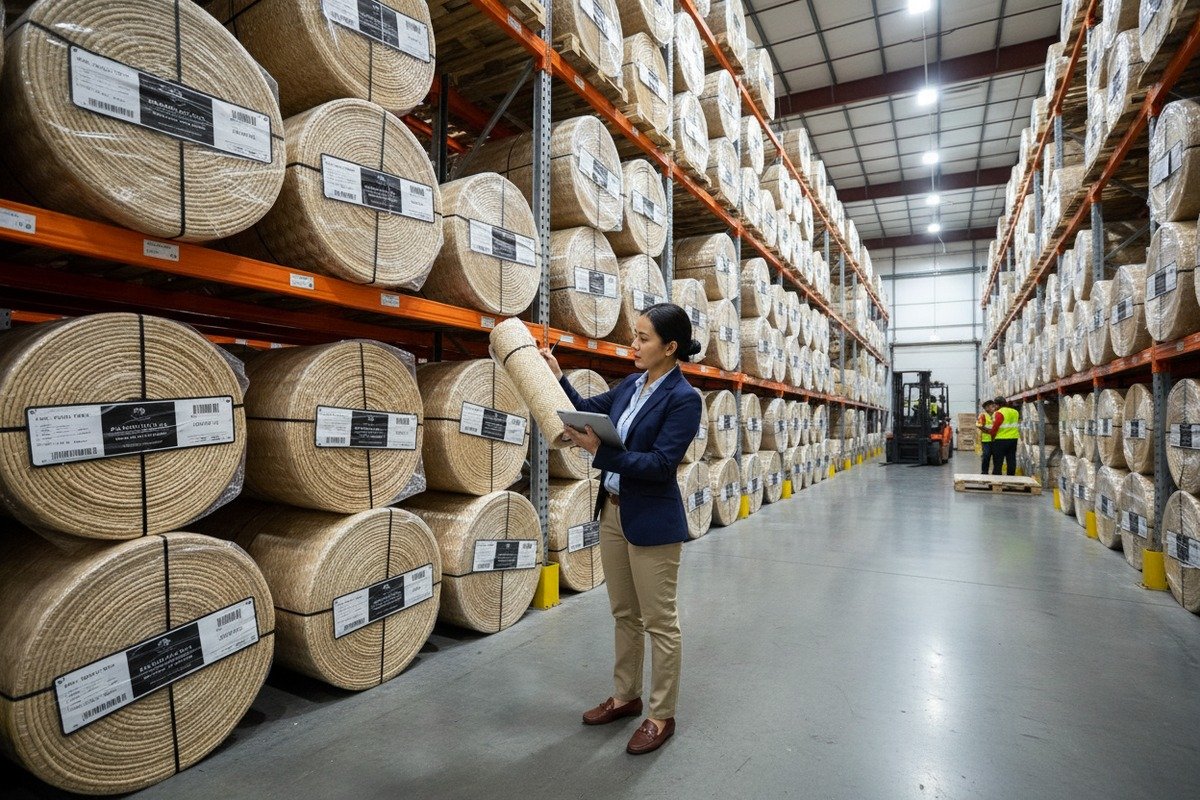
Rattan cane webbing is lightweight but fragile in transit. Poor packaging leads to crushed edges, broken strands, and moisture damage. At our facilities, we wrap each roll in moisture-barrier film, reinforce with cardboard cores, and pack into export-grade cartons. For container shipments, we palletize and shrink-wrap for maximum protection.
Ask your potential supplier about their packaging process. Request photos of packed goods before they ship. This one step prevents most transit damage disputes.
Building a Long-Term Partnership
The best supplier relationship is not transactional. It is a partnership. We work with buyers across the Netherlands, Spain, the USA, Australia, Turkey, and dozens of other markets — many for five years or more. That continuity means we understand their quality standards, preferred patterns, and delivery schedules. We reserve production capacity for them during peak seasons. And when issues arise, we resolve them fast because the relationship matters more than any single shipment.
If you are a furniture material wholesaler, building material supplier, or procurement manager for a factory, start by visiting a supplier's website, reviewing their product catalog, and requesting a sample pack. Compare two or three suppliers on quality, price, range, and responsiveness. Then commit to one and build from there.
Conclusion
Rattan cane webbing brings natural warmth, beautiful light diffusion, and sustainable style to any lampshade or ceiling project. Choose the right grade, install with care, maintain regularly, and partner with a reliable wholesaler to ensure every project succeeds.
Footnotes
1. Provides a comprehensive overview of rattan as a natural material. ↩︎
2. Discusses principles of interior design, where natural materials like rattan play a role in aesthetics and function. ↩︎
3. Replaced HTTP 403 with an academic resource on rattan grading. ↩︎
4. Explains the scientific principle of light diffusion, relevant to how materials affect illumination. ↩︎
5. Explains wicker and cane weaving techniques, including various patterns. ↩︎
6. Replaced HTTP unknown with a Wikipedia article on room acoustics. ↩︎
7. Provides scientific and engineering information on polyethylene, a key material in synthetic rattan. ↩︎
8. Replaced HTTP 404 with a guide on finding reliable wholesale suppliers. ↩︎
9. Provides a clear definition and overview of what a supply chain entails. ↩︎
10. Provides official information on customs regulations and requirements for importing goods. ↩︎


 English
  Español de México
  العربية
  Deutsch
  Français
  Русский