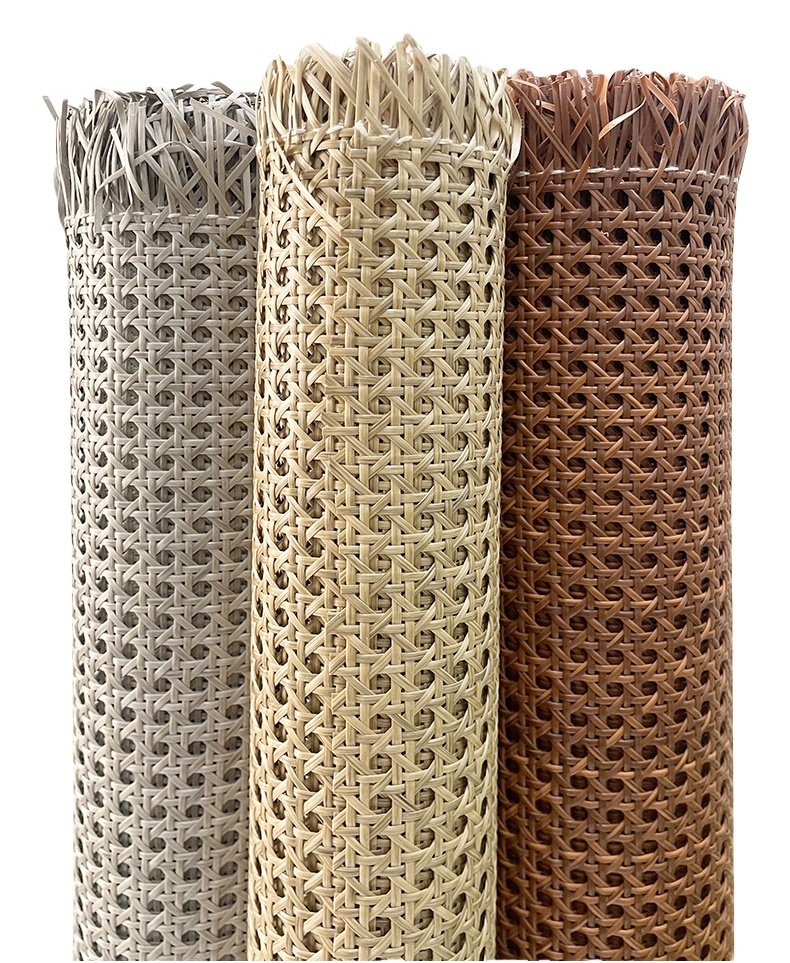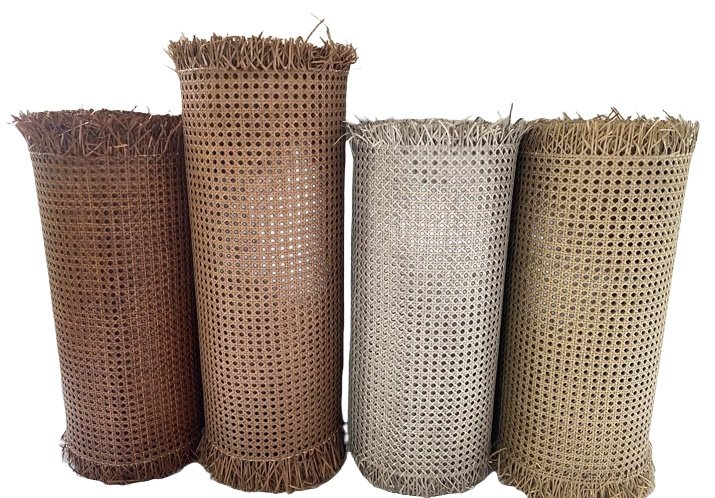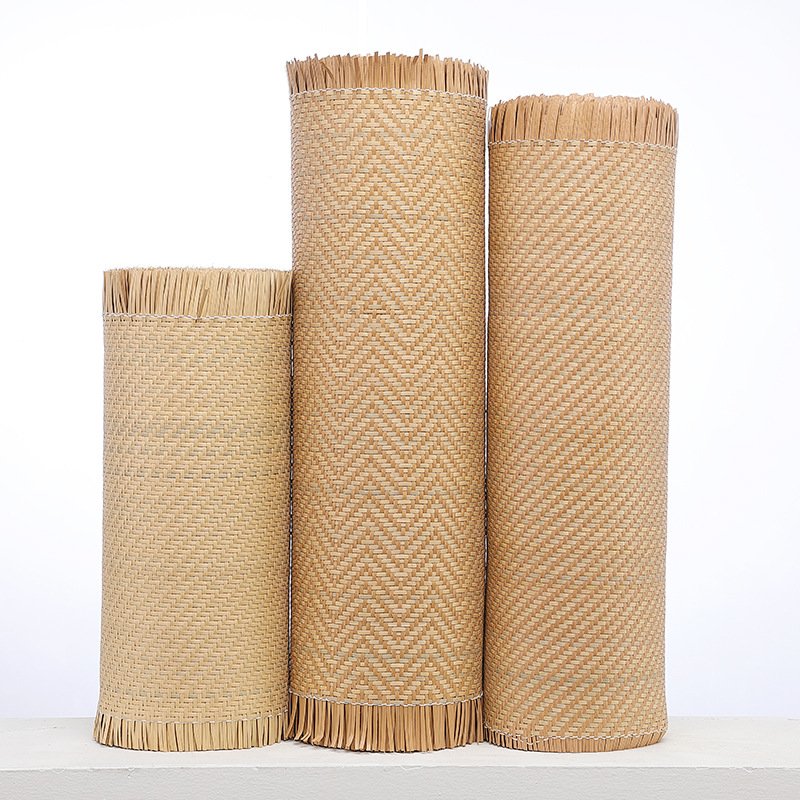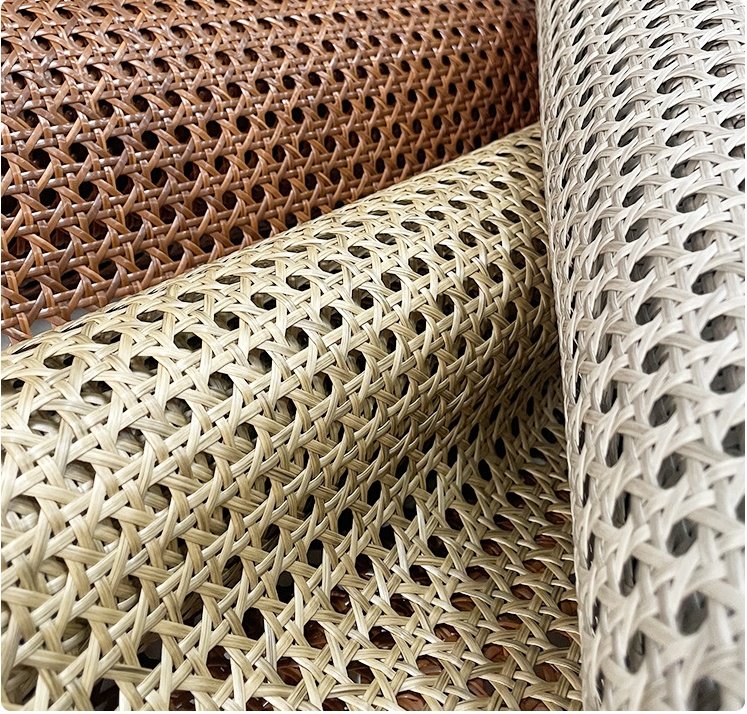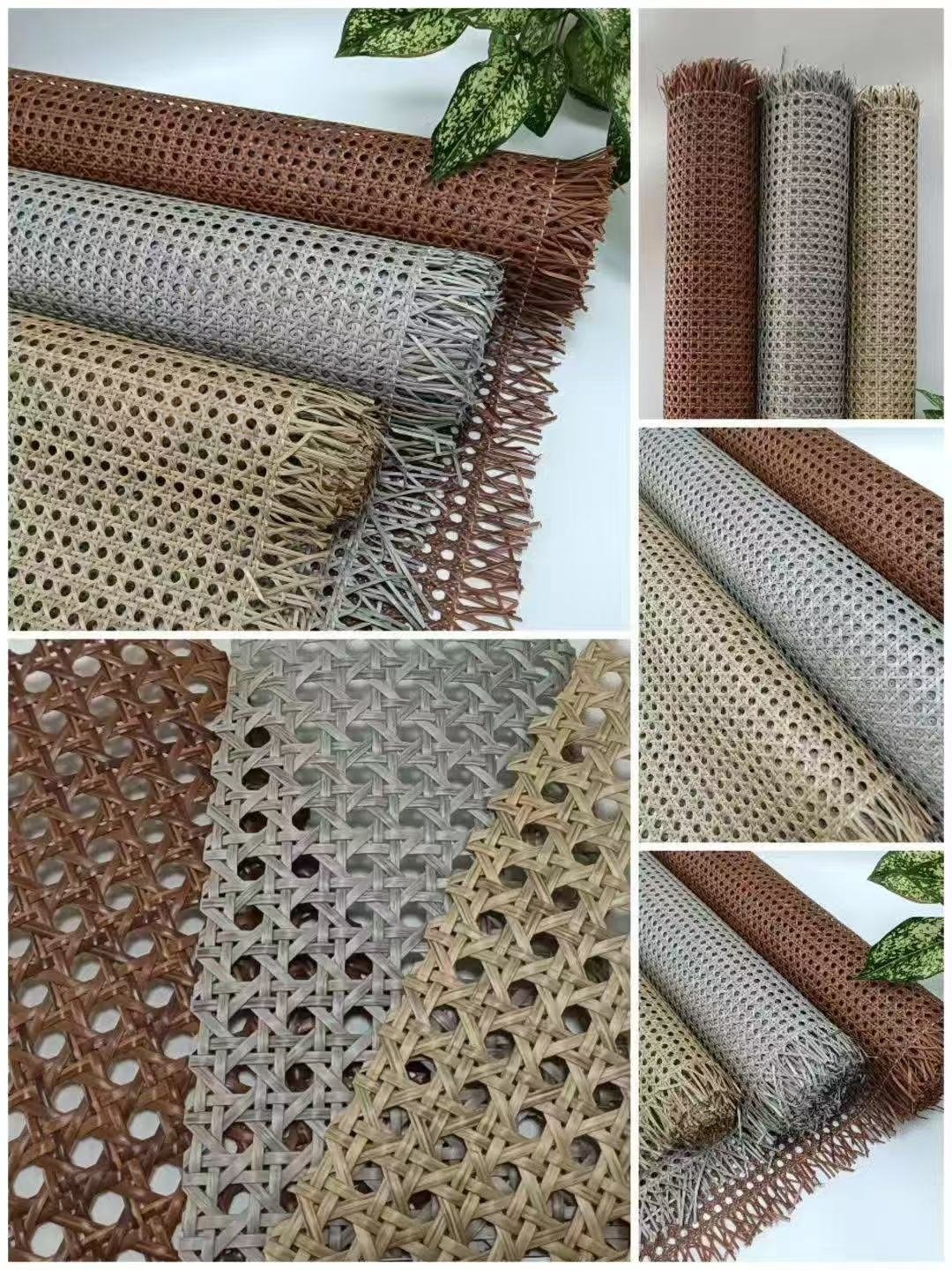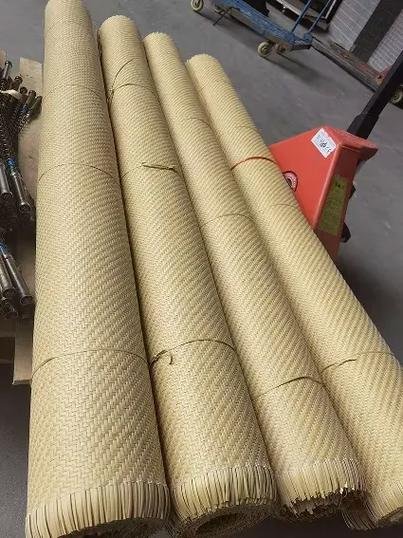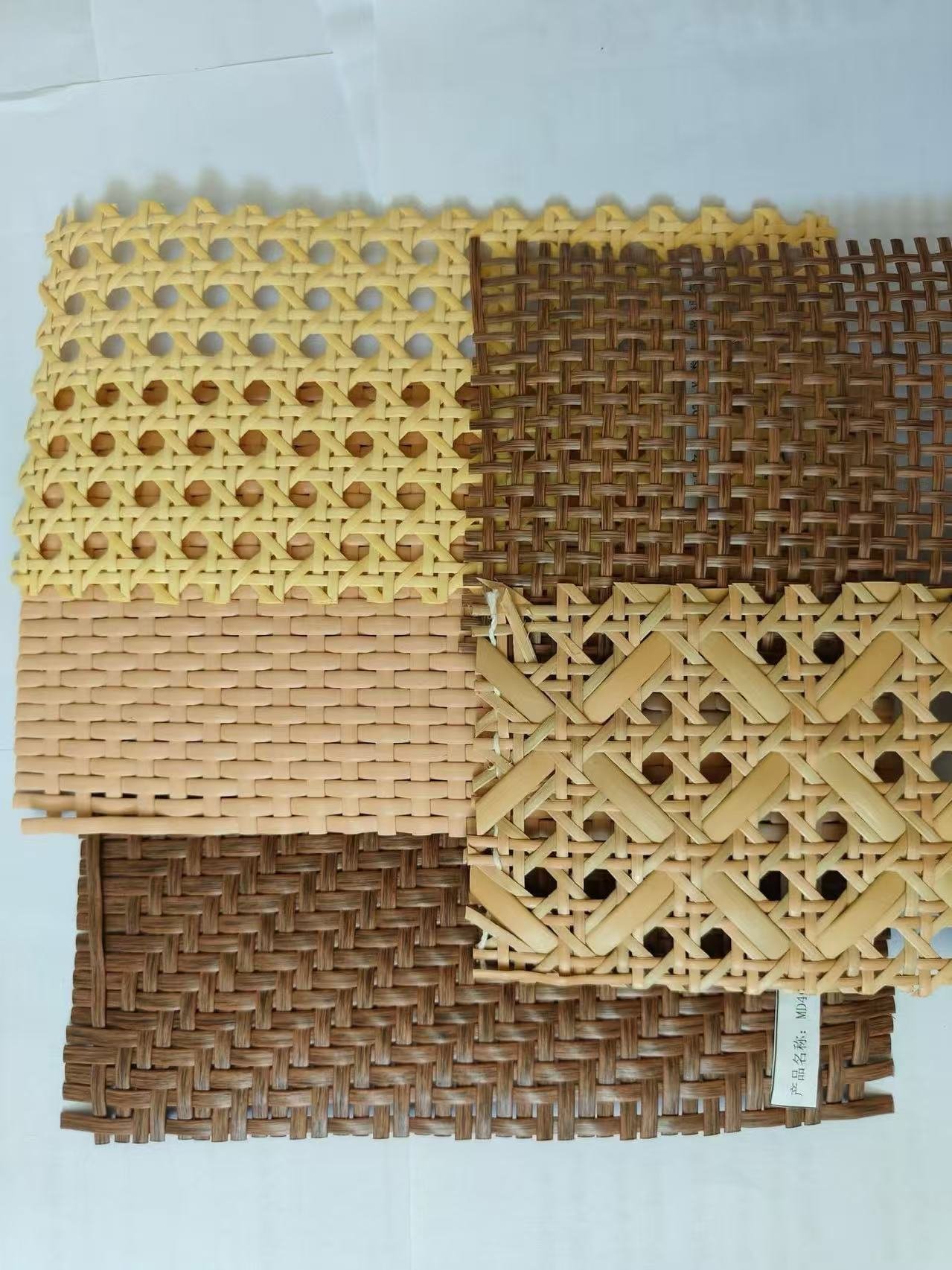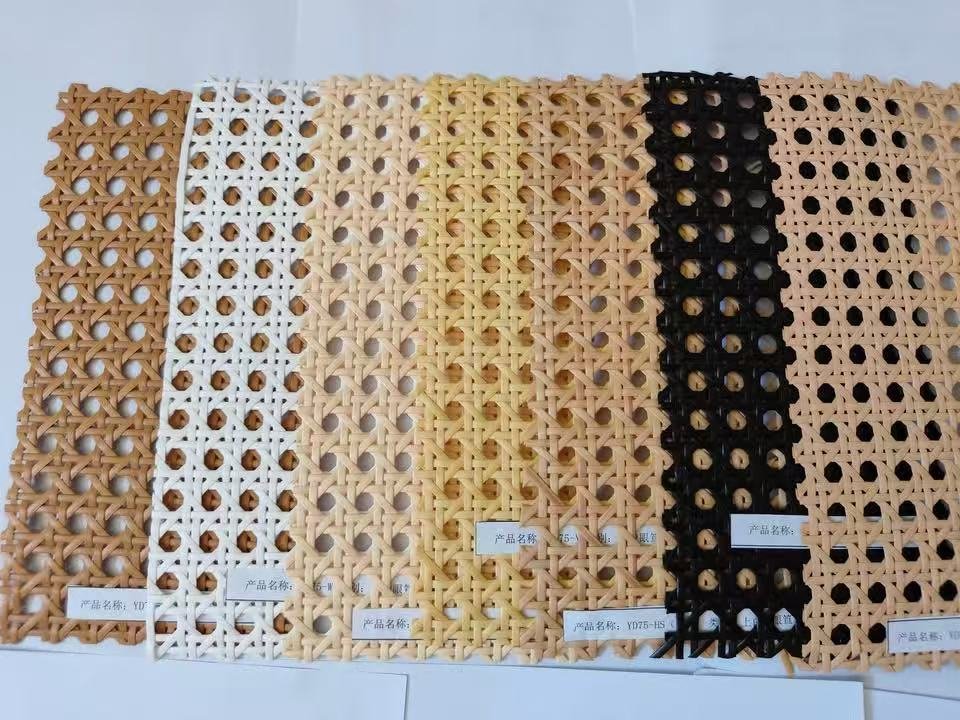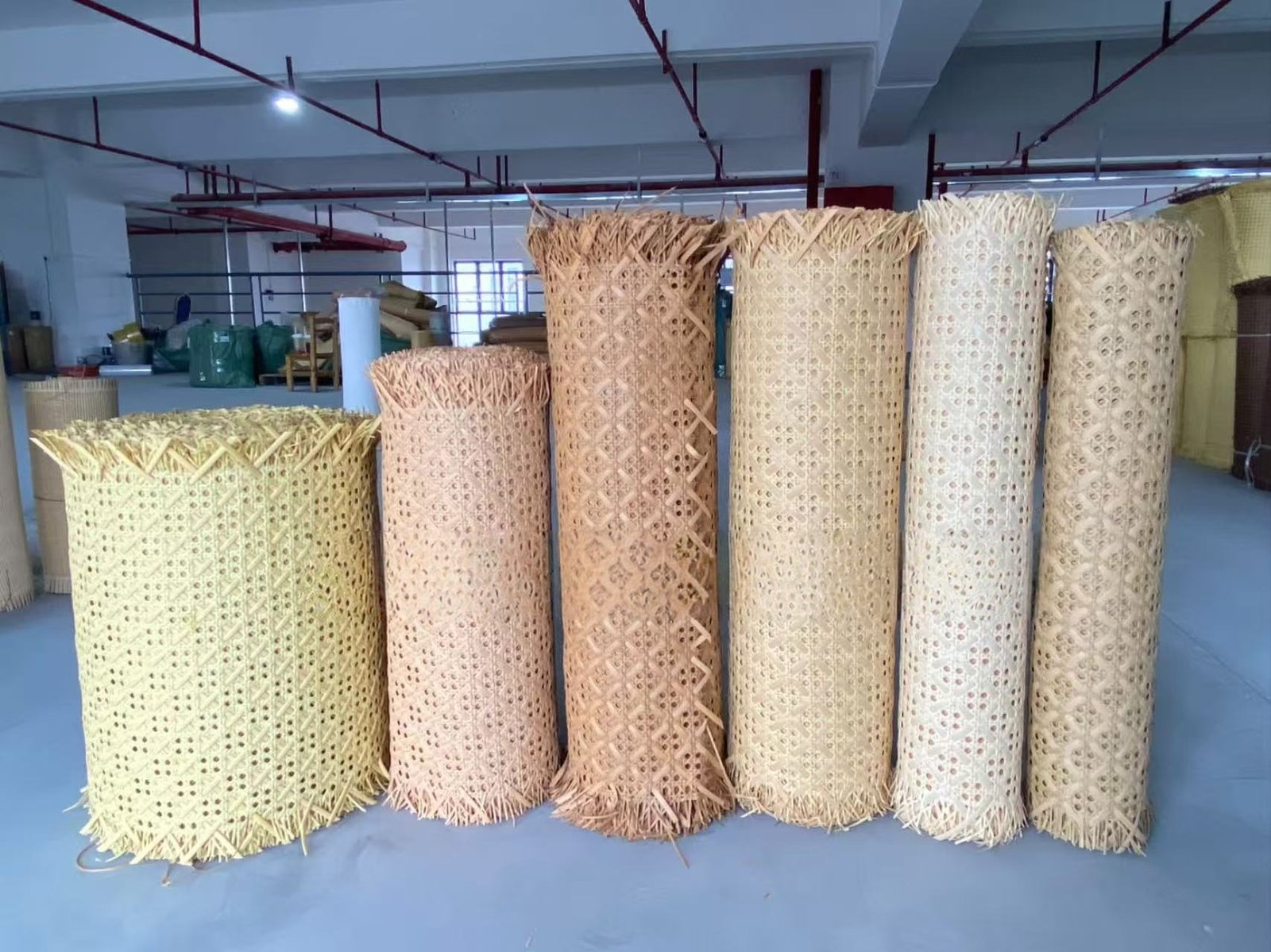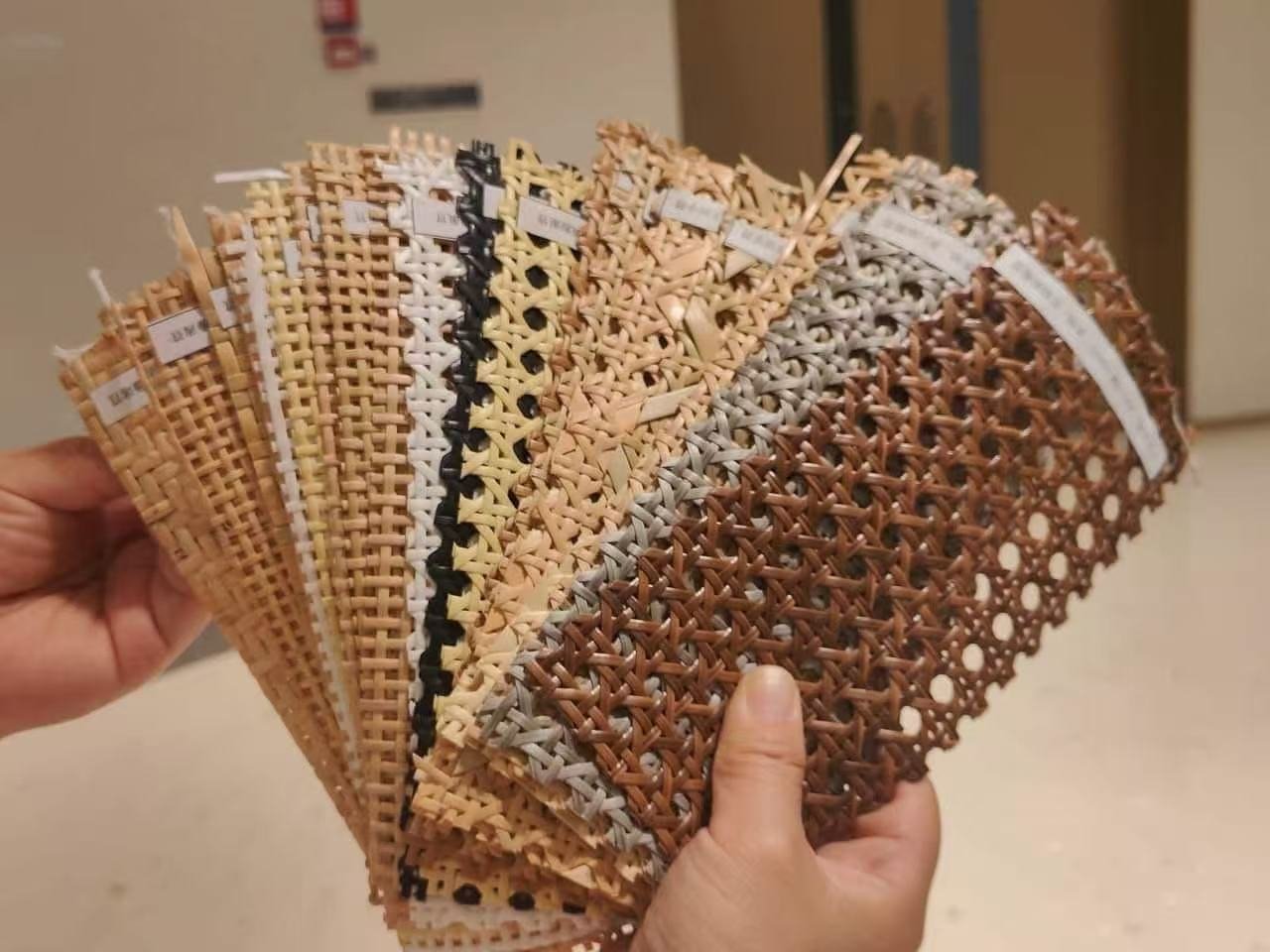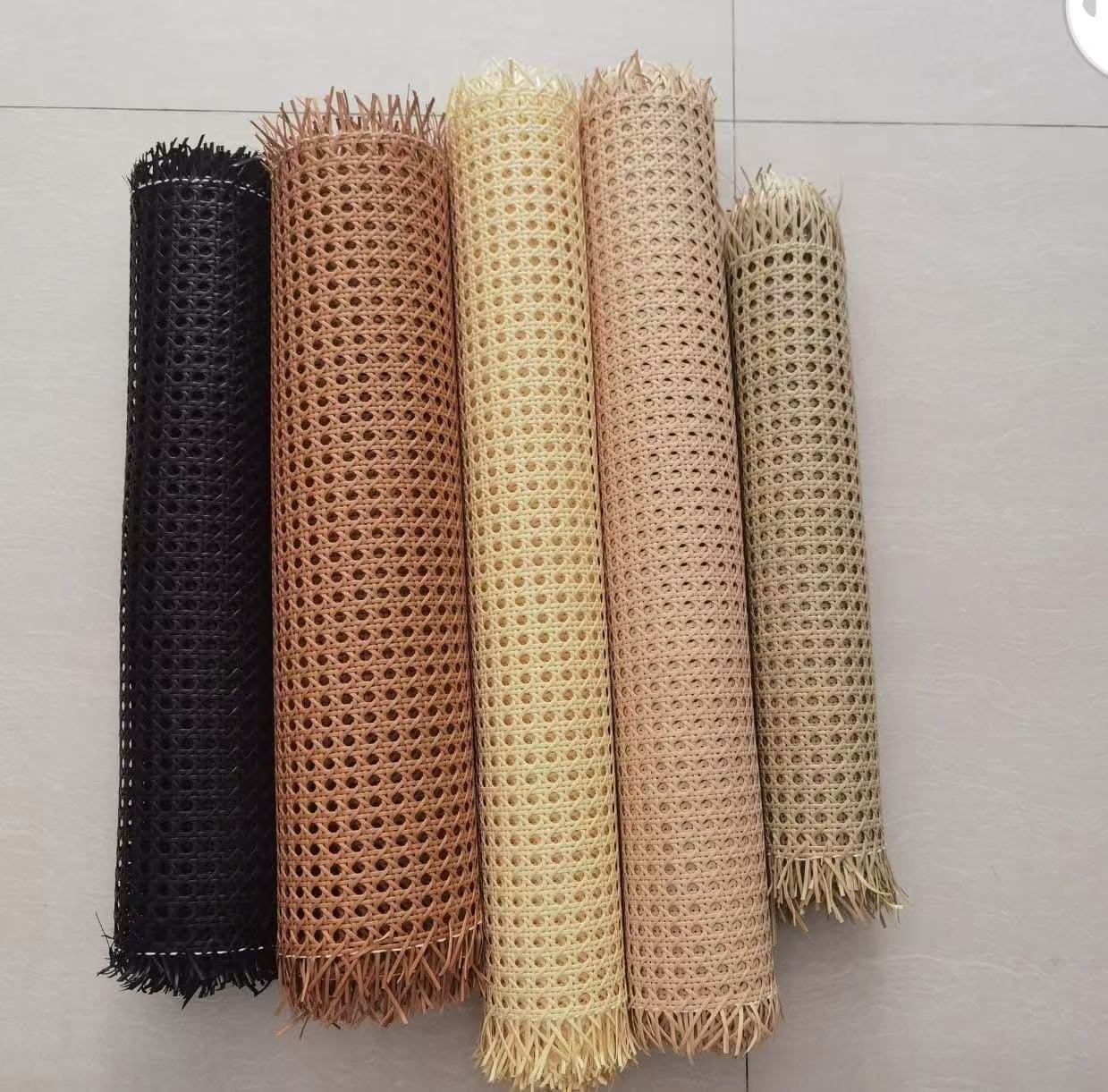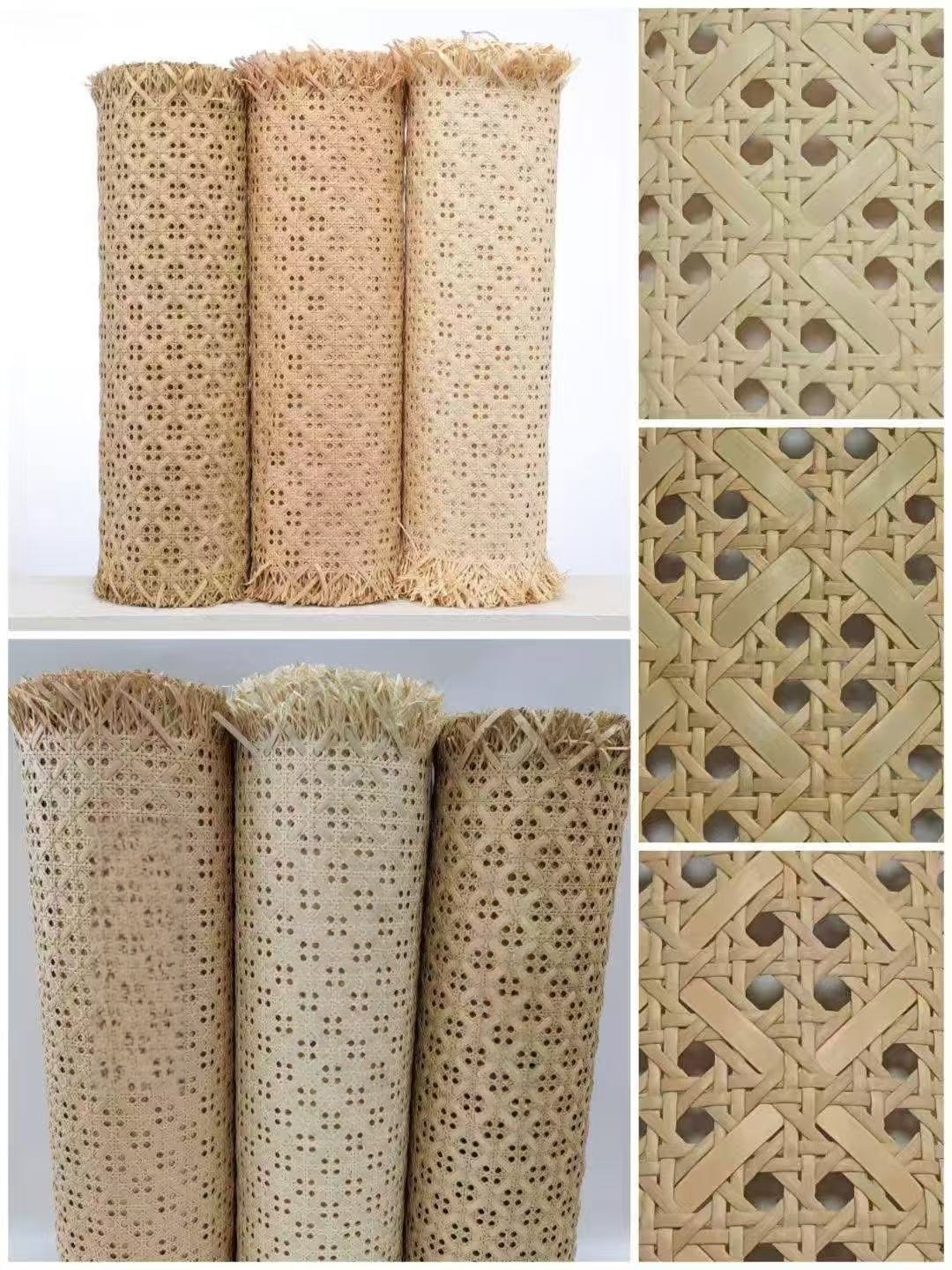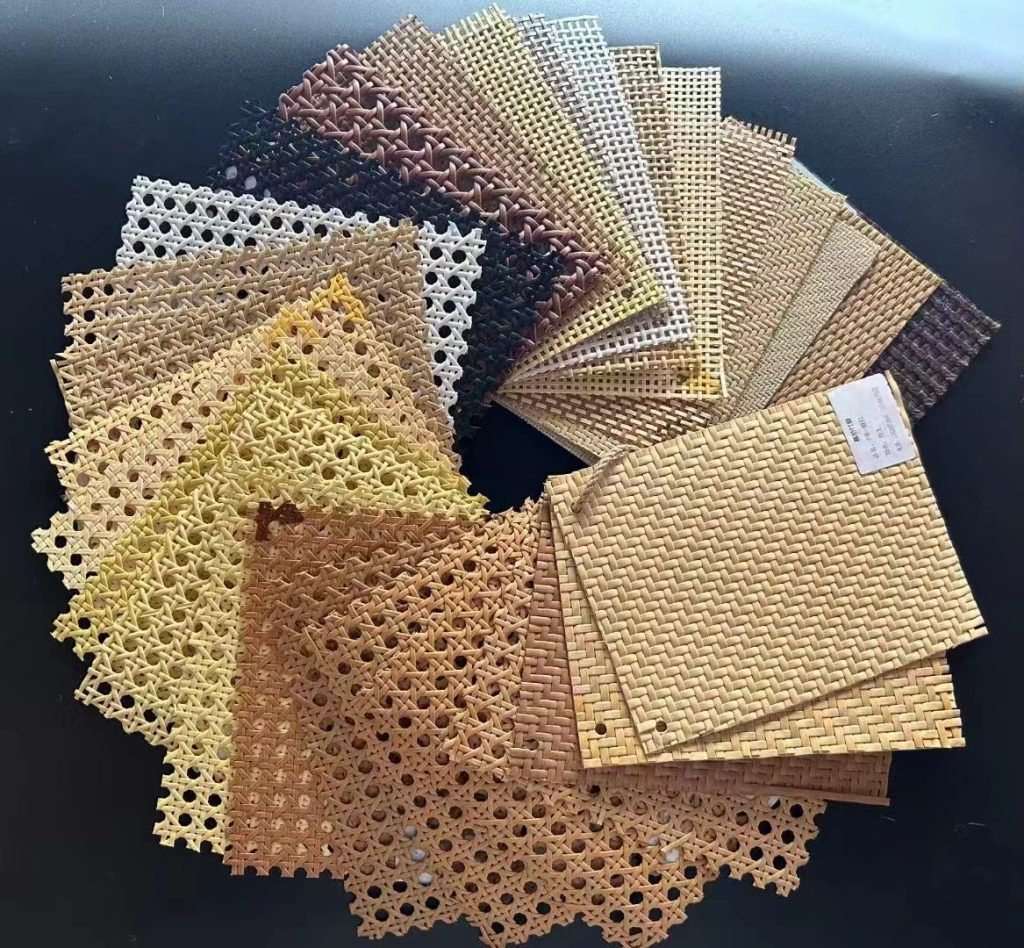
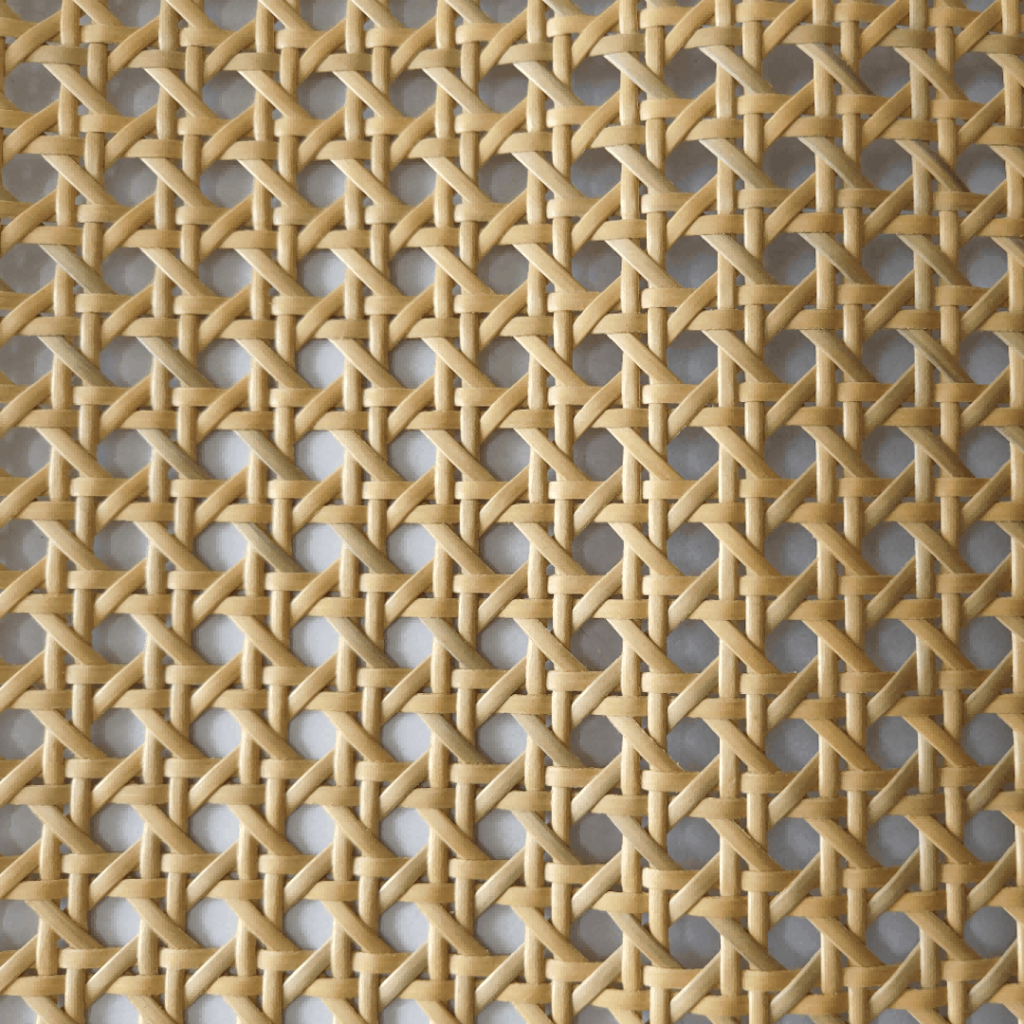
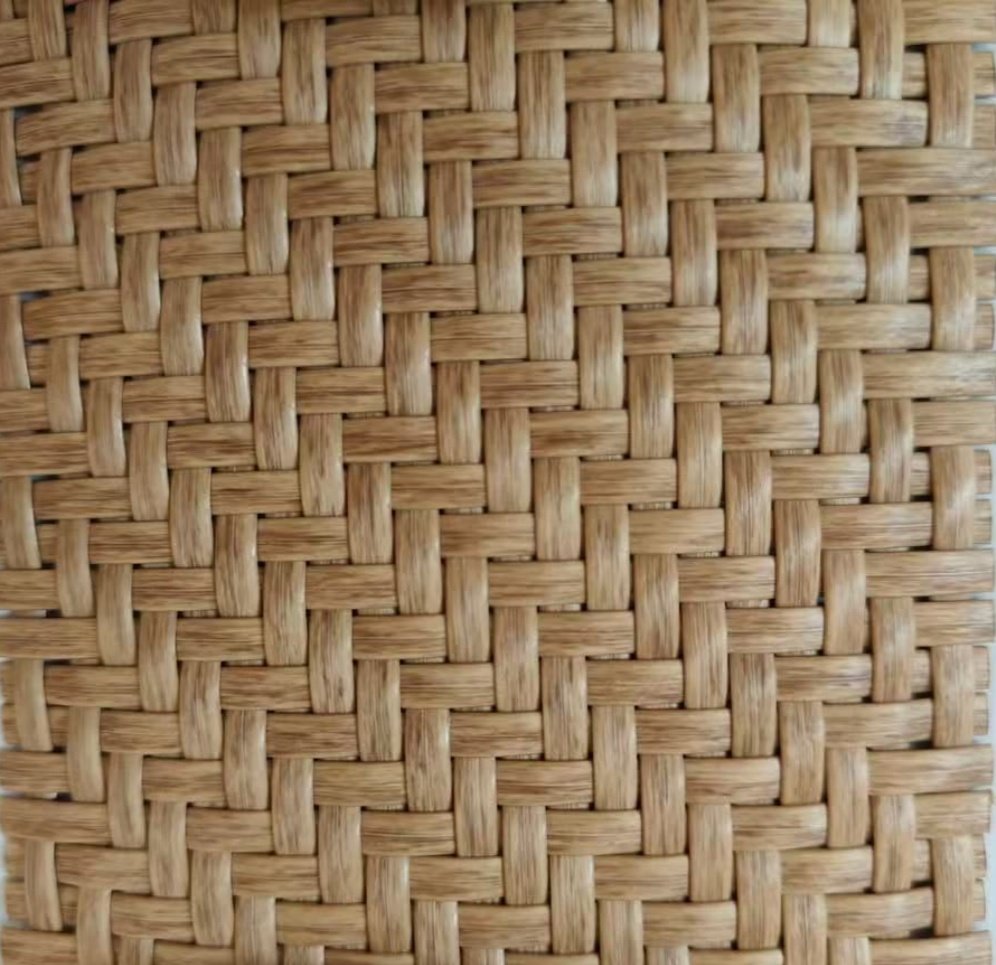
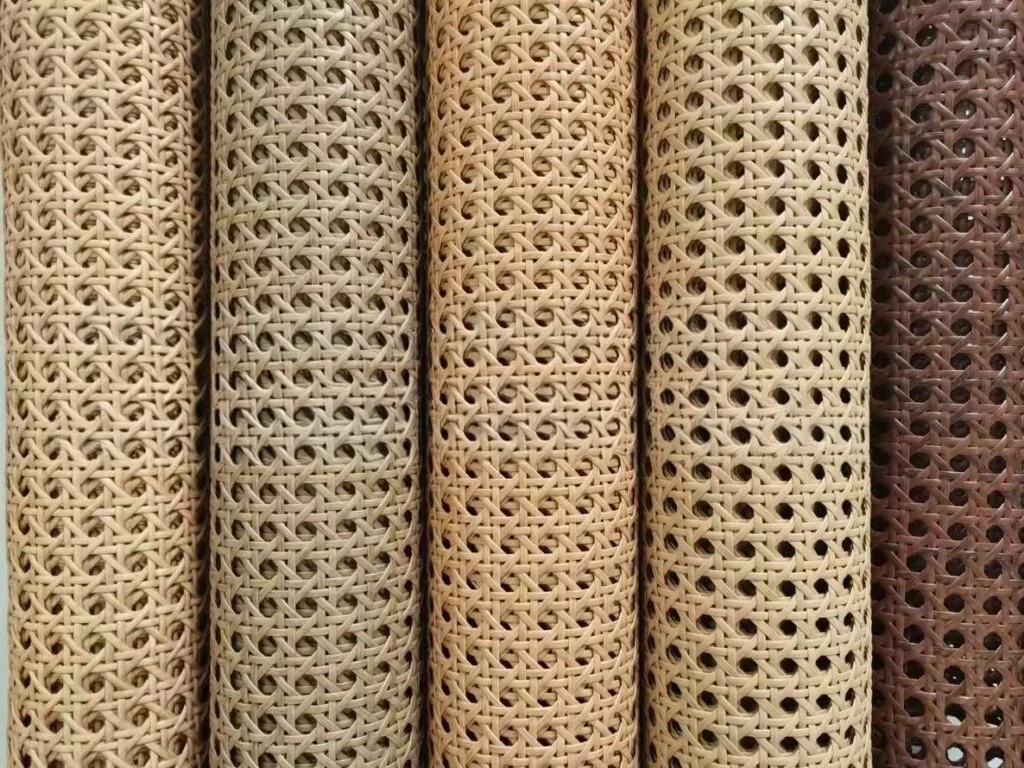
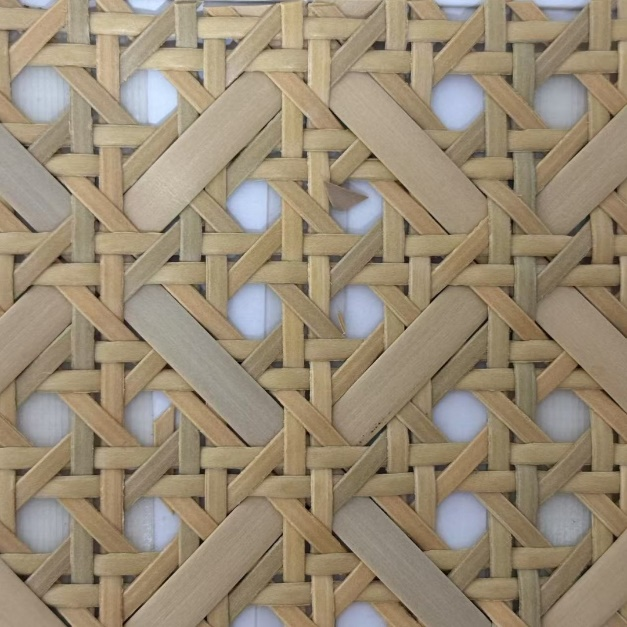
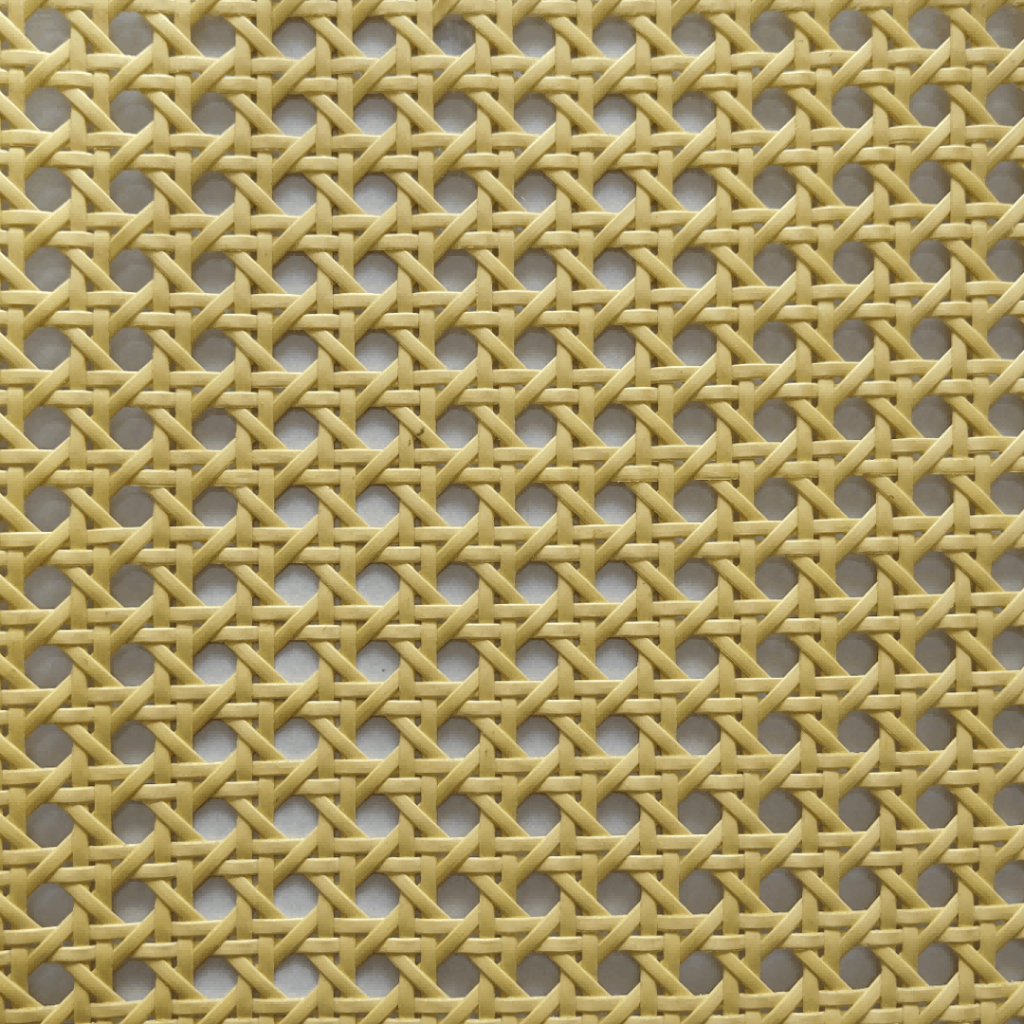
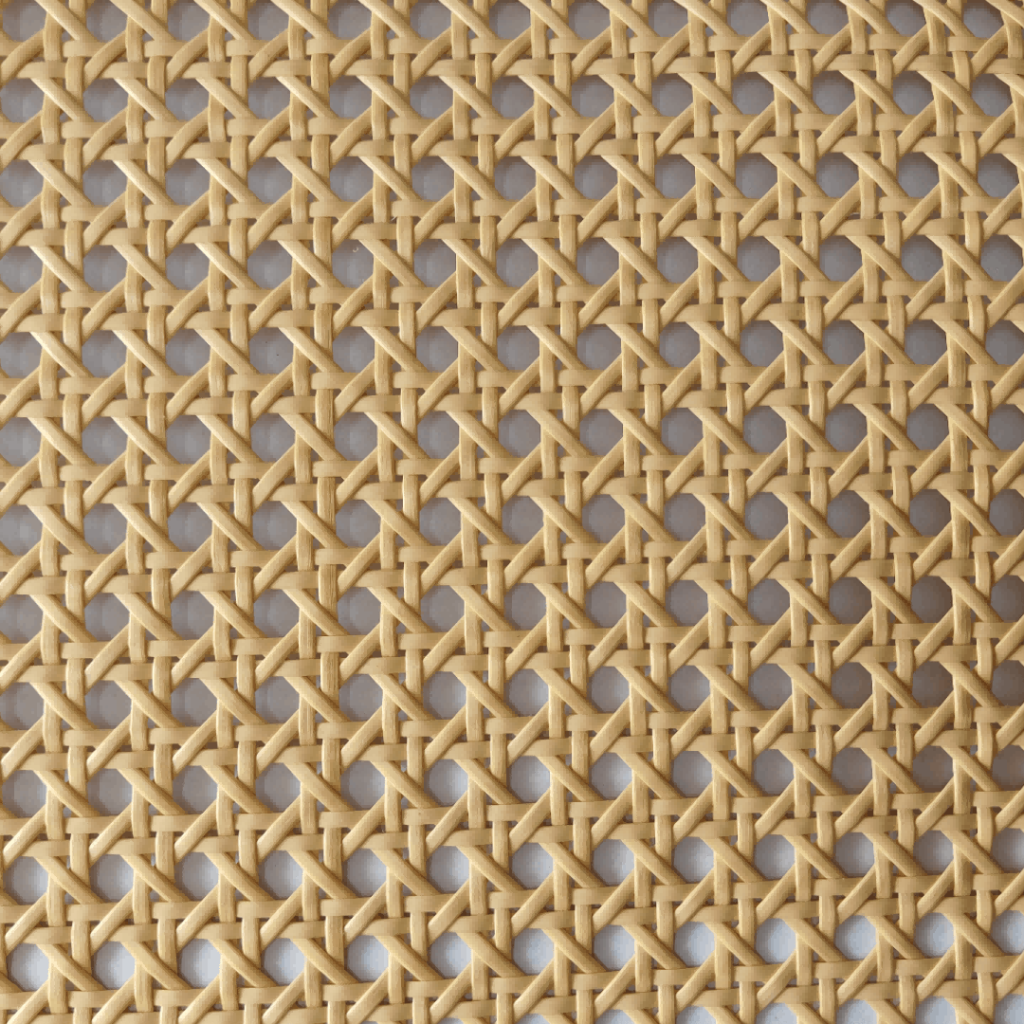
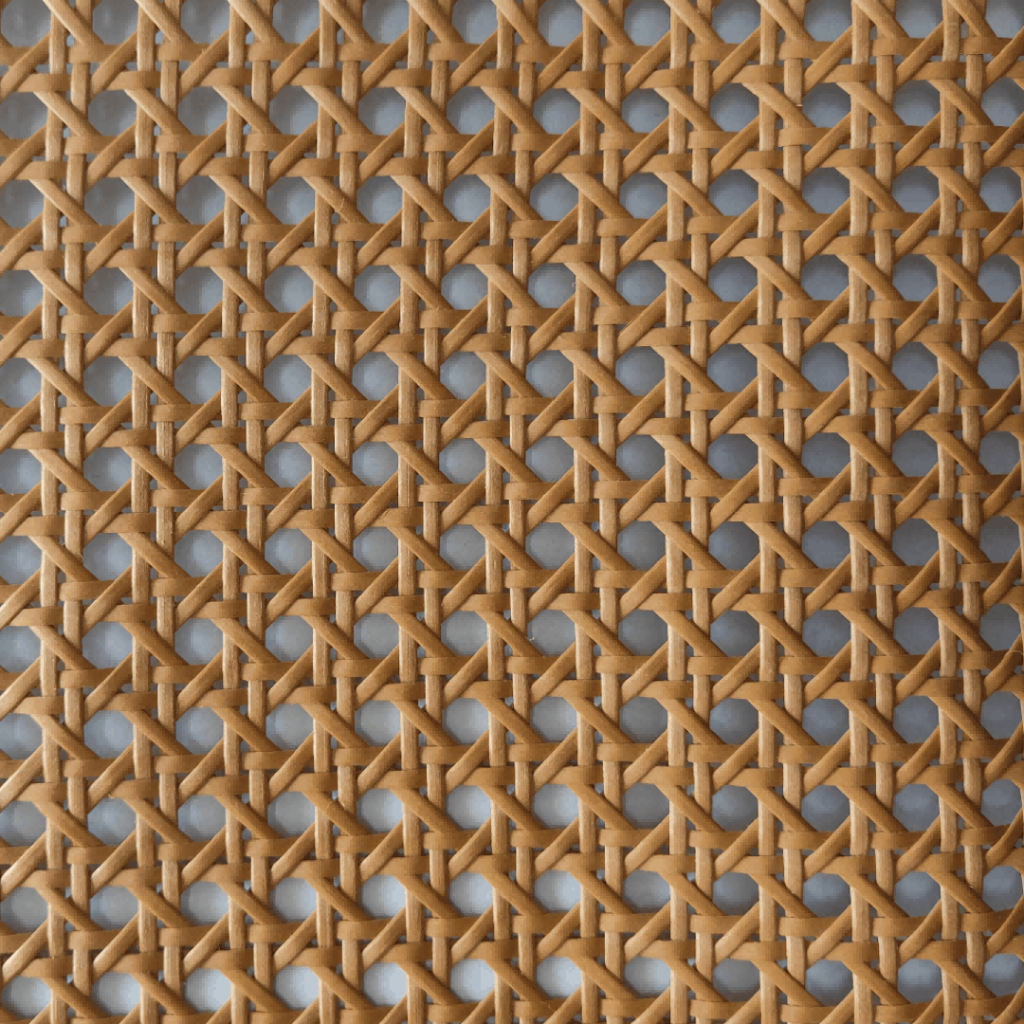
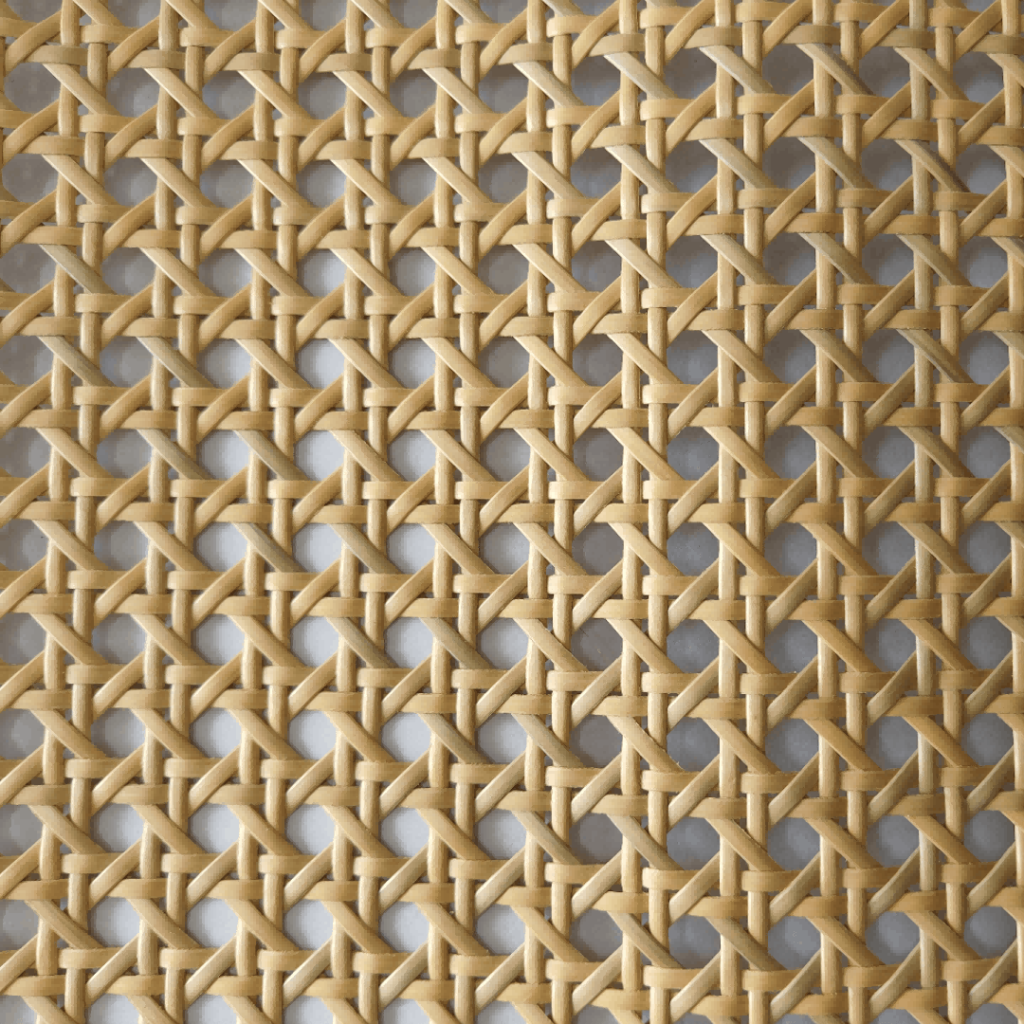
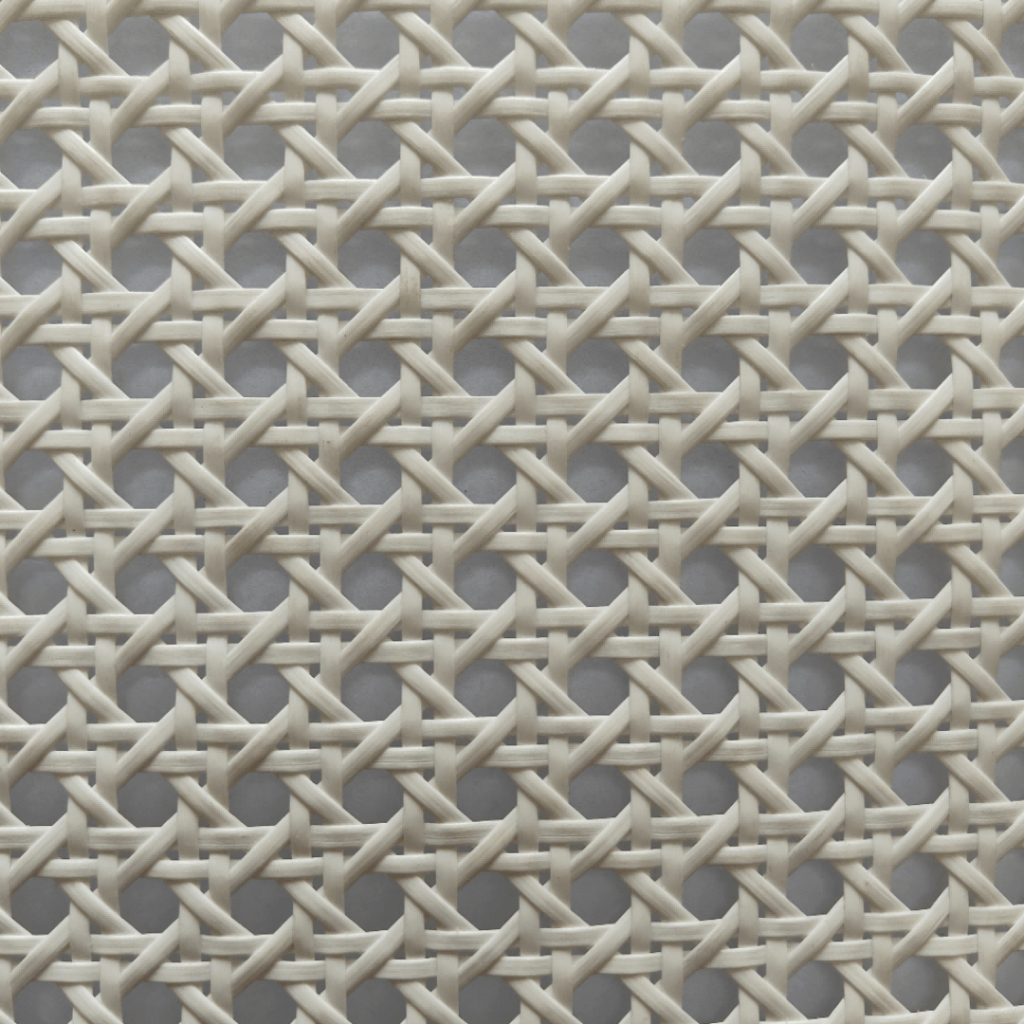
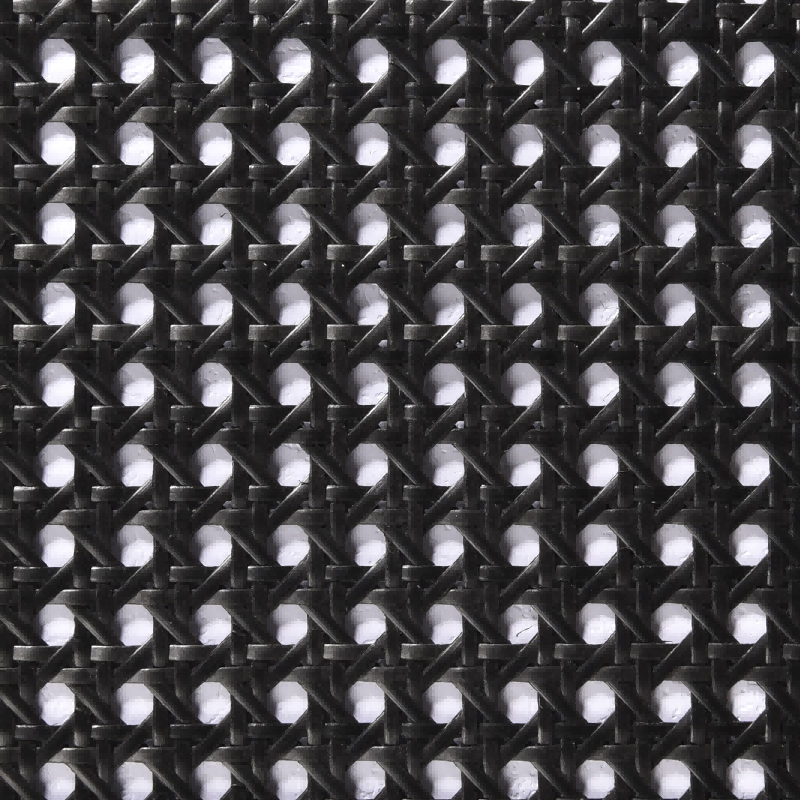
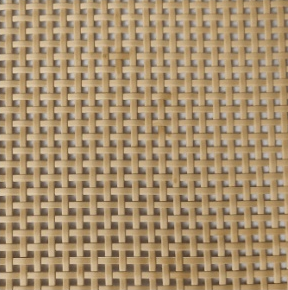
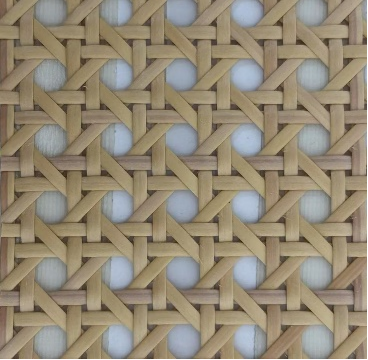
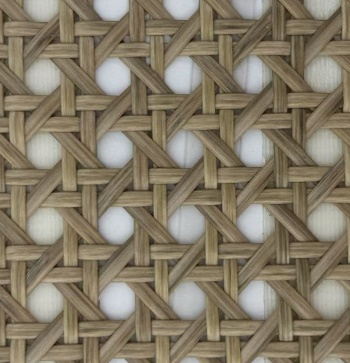
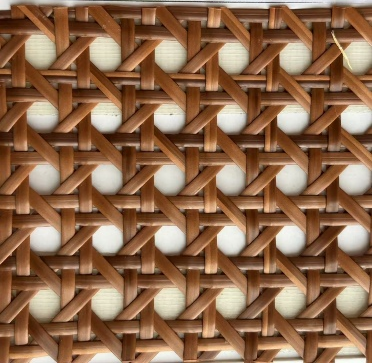
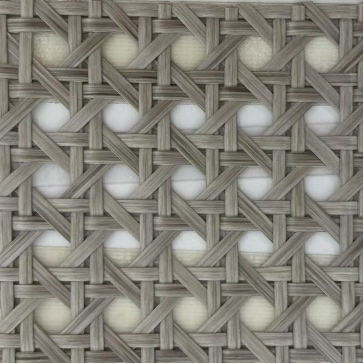
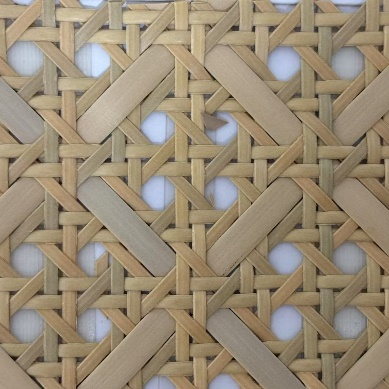
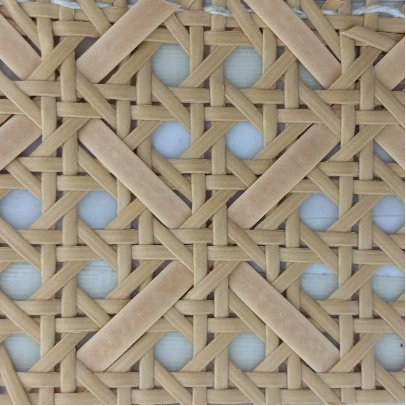
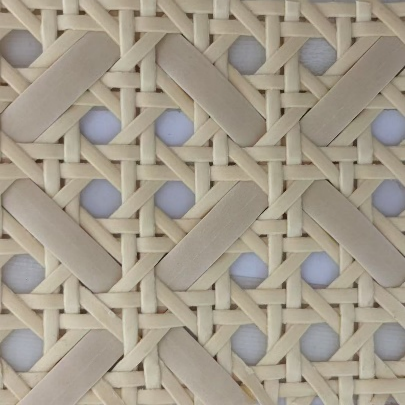
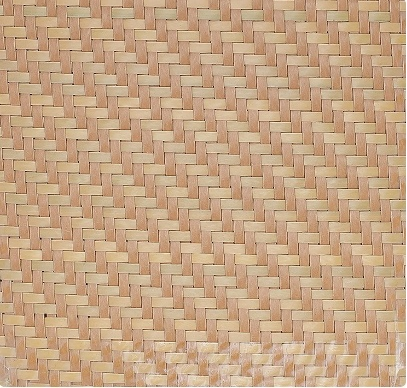
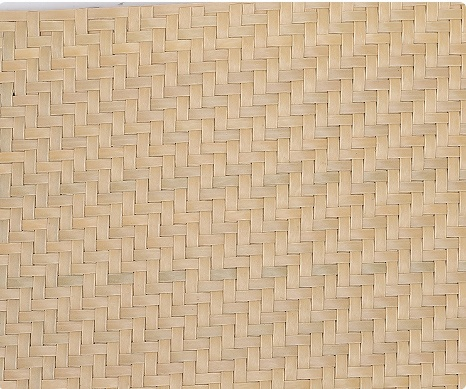
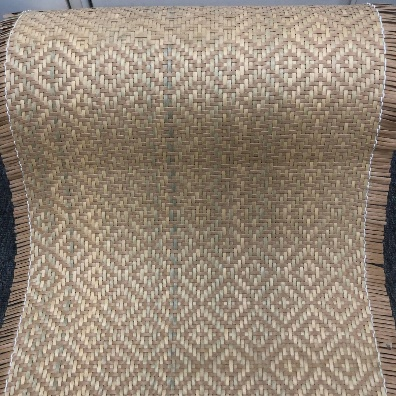
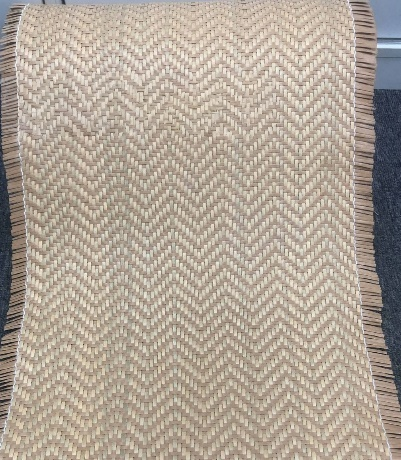
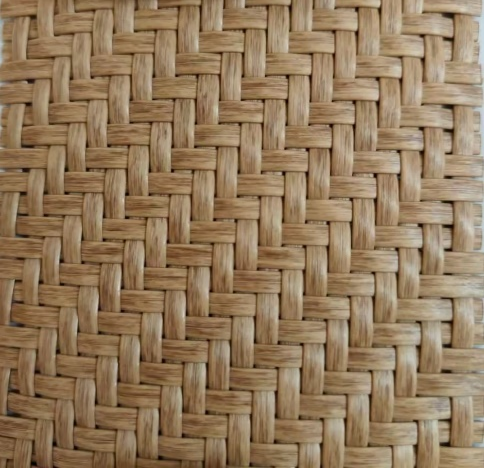
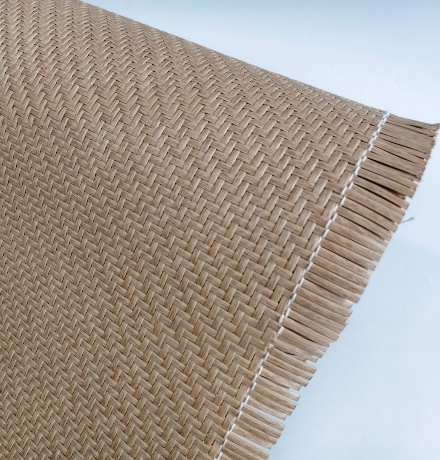


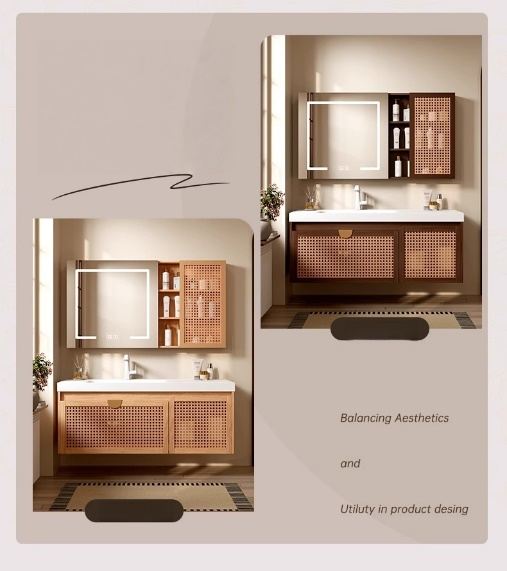
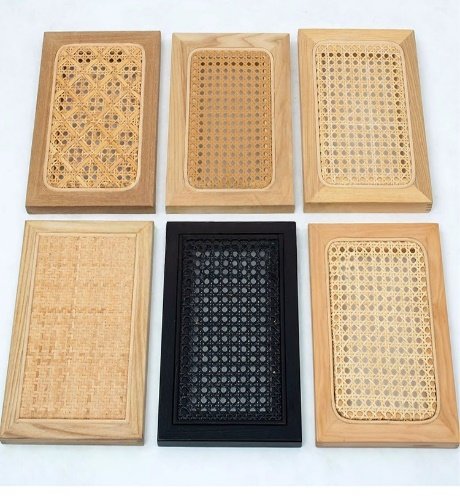
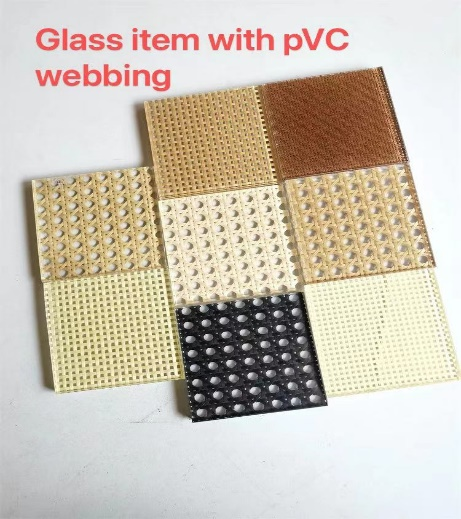
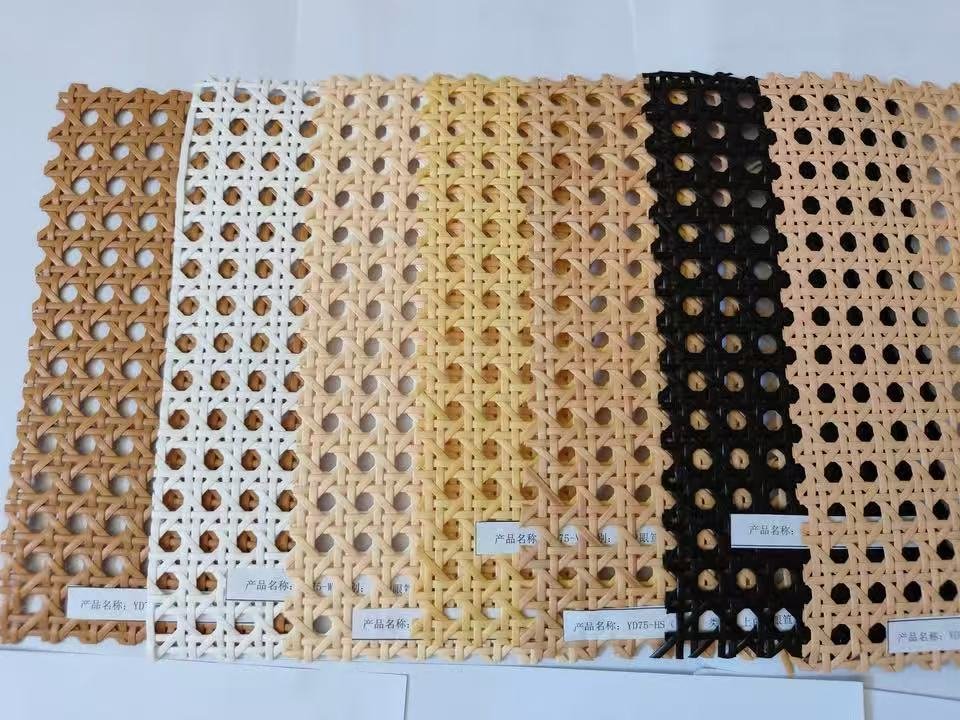
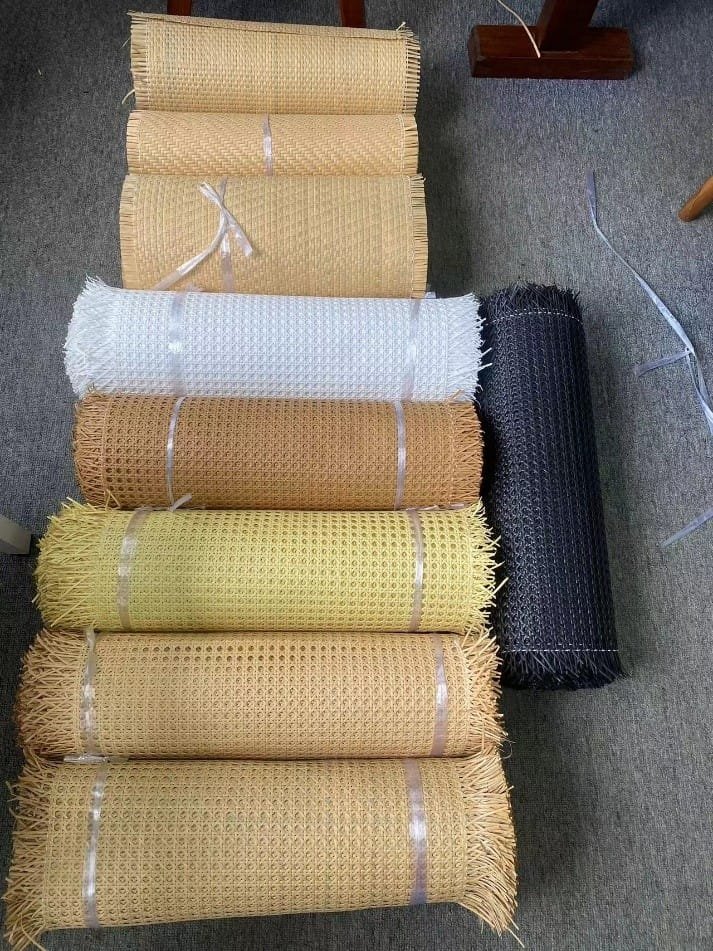
"This 6x6 square mesh rattan is perfect for custom furniture designs. The natural look and bleached color give a clean, modern feel. Very easy to work with and flexible. I’ve used it in multiple interior projects, and my clients are always impressed."

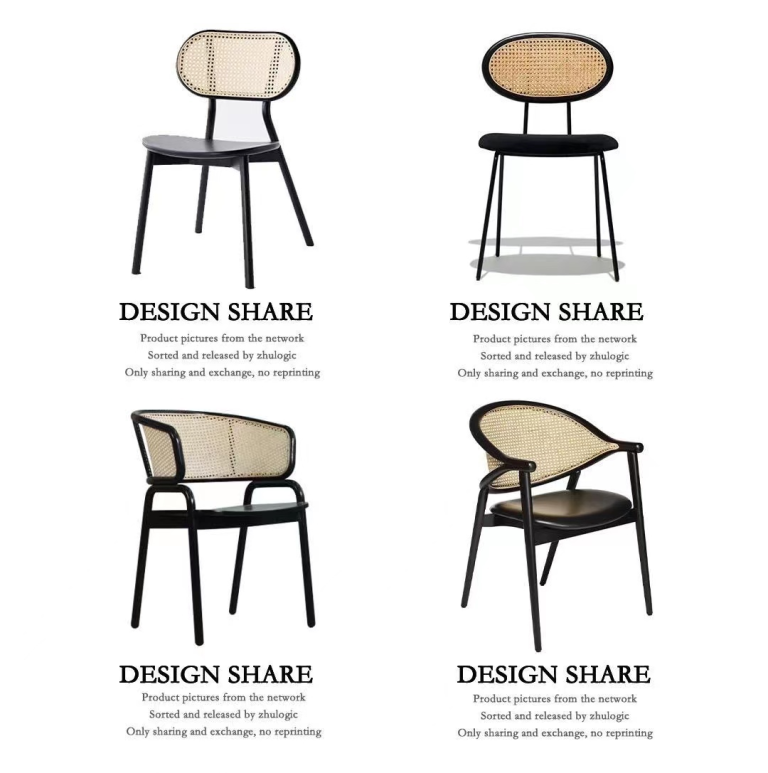
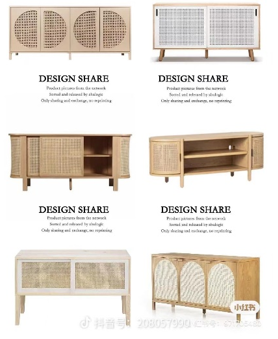
"As a DIY enthusiast, finding good materials is key—and this cane webbing exceeded expectations. The quality is top-notch, with a smooth, even weave. Great for cabinets, headboards, or chairs. Plus, the fast shipping and careful packaging made the experience even better."

"I’m beyond satisfied with the quality of this rattan webbing. The weave is tight and consistent, and the bleached finish looks stunning on my chairs. It arrived quickly and was exactly as described. I’ll definitely be ordering more for future restoration projects."

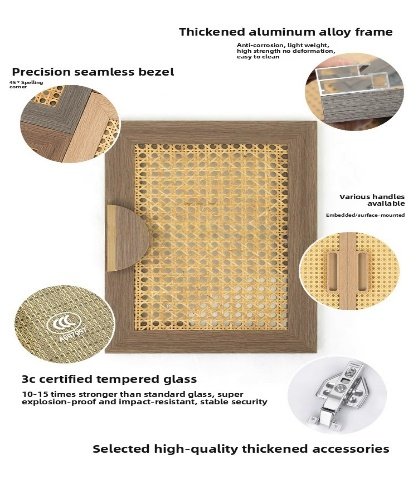
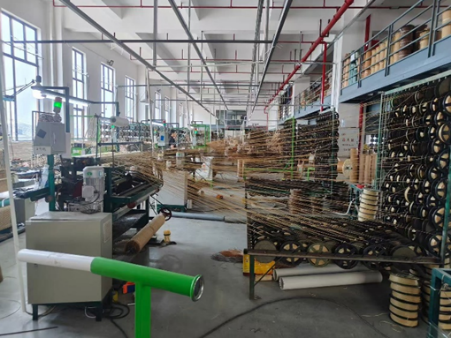
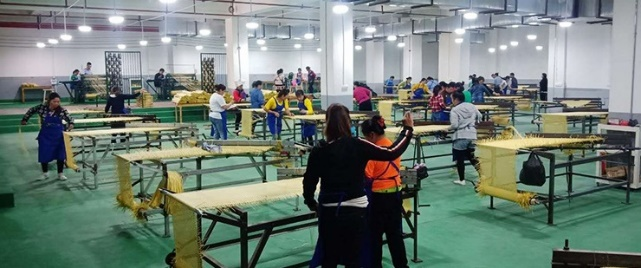
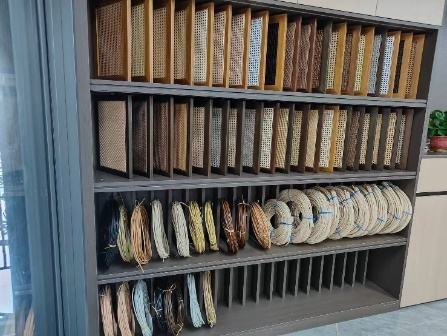
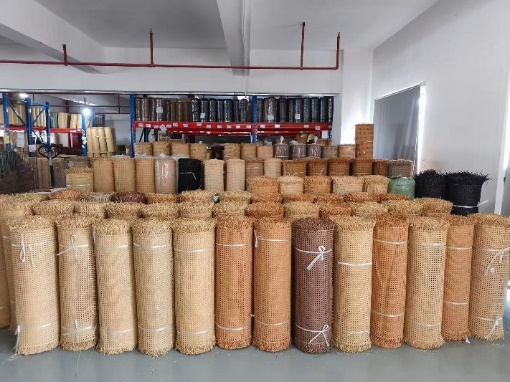

Precision Manufacturing

Fast Delivery

Partnership Support

Quality Assurance
 English
  Español de México
  العربية
  Deutsch
  Français
  Русский