
Rattan Core: The Ultimate Guide to Quality, Uses, and Benefits
Understanding Rattan Core
Rattan core is the strong, flexible, and durable inner stem of the rattan plant, a climbing palm native to tropical regions of Southeast Asia, Africa, and the Pacific. Harvested from mature rattan vines, the core is stripped of its outer skin, leaving a smooth, cylindrical material that is prized for its versatility and strength. As the primary material for furniture, handicrafts, and weaving, rattan core stands out as a sustainable and eco-friendly alternative to wood and synthetic fibers.

The Origin and Harvesting of Rattan Core
Rattan is typically harvested from dense tropical forests where it grows naturally among trees. Its long, slender stems can reach up to 200 meters, making it one of the longest climbing plants in the world. After harvesting, the rattan stems are cut into manageable lengths. The outer peel is removed to reveal the inner core, which is then dried, treated, and processed. This method ensures that the core retains its natural strength, flexibility, and resilience—qualities essential for high-quality craftsmanship.
Key Properties of Rattan Core
Rattan core is celebrated for its unique combination of strength and pliability. Its smooth texture, natural ivory color, and even diameter make it ideal for weaving and binding. Unlike wood, it is lightweight yet extremely durable, resisting cracking and splintering under stress. When soaked in water, it becomes even more flexible, allowing artisans to bend and shape it with ease. This property makes it indispensable in furniture making, basketry, and interior decoration.
Durability
Rattan core is resistant to wear and tear, making it suitable for products that experience daily use. With proper care, rattan-core items can last decades without losing their aesthetic appeal.
Sustainability
Rattan grows rapidly and regenerates naturally, making it an environmentally responsible choice. It provides livelihoods to rural communities and promotes sustainable forestry practices.
Versatility
From handwoven baskets to high-end furniture, rattan core adapts to multiple uses, blending tradition with modern design trends.
Applications of Rattan Core
Furniture Making
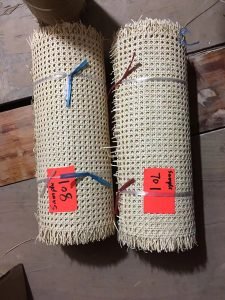
The most common use of rattan core is in furniture manufacturing. Chairs, sofas, stools, and tables constructed from rattan core are known for their lightweight structure and enduring strength. It is also used for cane webbing, which creates breathable, comfortable seating surfaces.
Weaving and Basketry
Rattan core is the material of choice for woven crafts and baskets. Its smooth surface and consistent thickness ensure uniform weaving patterns, while its flexibility allows for intricate designs.
Binding and Joinery
In furniture production, rattan core is often used to bind joints and reinforce structures. Its natural grip makes it a reliable alternative to synthetic binding materials.
Decorative and Artistic Applications
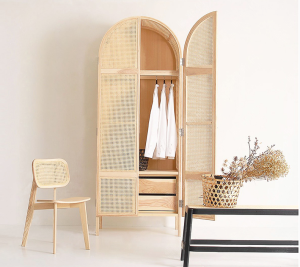
Rattan core is also used for decorative wall panels, room dividers, and ceiling accents. Its natural appearance adds warmth and texture to any interior space.
Rattan Core vs. Other Materials
When compared to alternatives like bamboo, plastic, or wood, rattan core offers several advantages. It is lighter than wood, more flexible than bamboo, and far more eco-friendly than plastic. It does not warp easily, and its neutral tone makes it easy to dye or stain to match different aesthetics. These qualities position rattan core as a premium material for both traditional and contemporary design.
| Material | Durability | Flexibility | Sustainability | Aesthetic Appeal |
|---|---|---|---|---|
| Rattan Core | High | High | High | Natural Look |
| Bamboo | High | Moderate | High | Rustic Look |
| Wood | Very High | Low | Moderate | Classic Look |
| Plastic | Moderate | High | Low | Synthetic Look |
When purchasing rattan core, it’s crucial to evaluate its quality and consistency. Look for the following:
-
Uniform Diameter: Ensures smooth weaving and balanced structure.
-
Smooth Surface: Free from cracks, blemishes, or rough spots.
-
Proper Drying: Well-dried rattan prevents mold and extends lifespan.
-
Natural Flexibility: High-quality rattan core should bend easily without splintering.
Working with reputable suppliers guarantees you receive premium-grade material suitable for your project.
Maintenance and Care of Rattan Core Products
Proper care is essential to maintain the appearance and longevity of rattan core items:
Regular Cleaning: Wipe with a soft, damp cloth to remove dust and dirt.
Avoid Direct Sunlight: Prolonged exposure to sunlight can cause fading or drying.
Humidity Control: Keep products in a moderate humidity environment to prevent cracking.
Protective Finishes: Applying natural oil or varnish can help preserve flexibility and shine.
By following these maintenance practices, your rattan core furniture or crafts will retain their beauty for years.
Environmental Benefits of Rattan Core
Rattan is a renewable resource that grows faster than timber and requires minimal chemical treatment. Its cultivation helps reduce deforestation by providing an alternative income source for local communities. Additionally, rattan plants improve soil health and support biodiversity by offering habitat to wildlife. Choosing rattan core products contributes to sustainable development and eco-conscious living.
Modern Trends in Rattan Core Design
As global interest in sustainable home décor rises, rattan core has become a trendsetting material. Designers are blending traditional weaving techniques with contemporary styles to create innovative furniture, lighting, and accessories. Some key trends include:
-
Minimalist Rattan Furniture: Clean lines and neutral tones complement modern interiors.
-
Mixed-Material Pieces: Combining rattan core with metal or glass for a chic, industrial look.
-
Eco-Friendly Décor: Emphasizing natural finishes and sustainable sourcing.
This resurgence underscores rattan core’s timeless appeal and adaptability in today’s markets.
Why Choose Rattan Core for Your Projects
Whether you are a manufacturer, designer, or homeowner, rattan core offers numerous advantages:
E- xceptional Durability for long-lasting products.
-
Sustainability that aligns with eco-conscious values.
-
Versatility to suit diverse applications.
-
Aesthetic Flexibility to complement any style.
By investing in rattan core, you support a sustainable supply chain while enjoying the beauty and reliability of a high-performance material.
Conclusion
[1] remains an unparalleled material for furniture, crafts, and decorative applications. Its durability, flexibility, and sustainability make it the preferred choice for artisans and manufacturers worldwide. As demand for eco-friendly products grows, rattan core continues to lead the way as a timeless and versatile resource for both traditional and modern design.
 English
  Español de México
  العربية
  Deutsch
  Français
  Русский