

Every week, our customer service team in Foshan fields dozens of inquiries from buyers who confuse rattan core 1 with rattan cane webbing. The mix-up leads to wrong orders, wasted budgets, and delayed production lines. If you have ever stared at a supplier catalog wondering which material you actually need, you are not alone.
Rattan core is the solid, round inner stem of the rattan vine, used mainly for structural furniture weaving and basketry. Rattan cane webbing is the thin, flat outer skin of the same vine, woven into decorative sheets for chair seats, cabinet panels, and accent pieces. They come from one plant but serve very different purposes.
Below, we break down the differences in structure, texture, cost, and sourcing so you can pick the right material for your next project or wholesale order structural strength 2. Let’s start with how to identify each one.
How do I tell the difference between rattan core and rattan cane webbing?
When we first began processing raw rattan at our Indonesian facility over a decade ago, even some of our own workers needed training to separate the outer skin from the inner core correctly supply chain 3. The confusion is understandable because both materials look similar before processing.
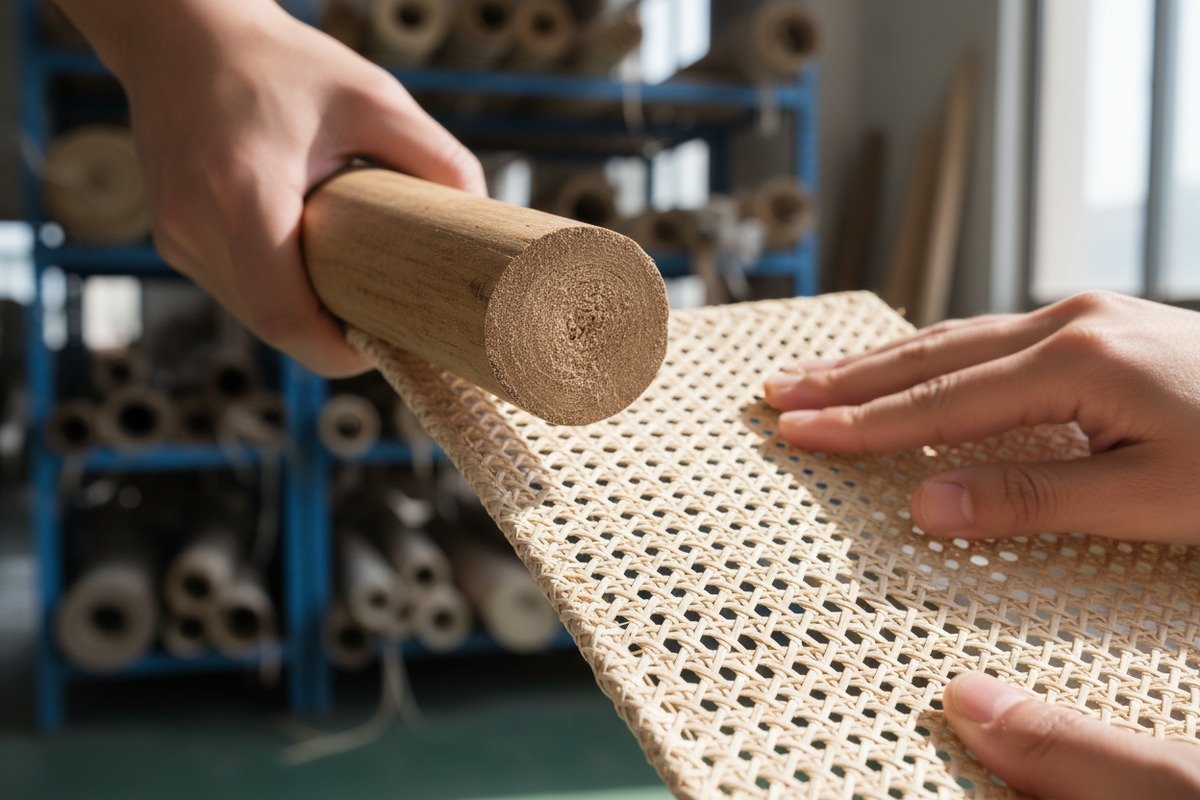
You can tell them apart by checking three things: shape, surface texture, and flexibility. Rattan core is round or oval with a rough, matte surface. Rattan cane webbing is flat, smooth, slightly glossy, and arrives pre-woven into sheet form. Touching them side by side makes the difference immediately obvious.
Where They Come From on the Vine
Rattan is a climbing palm vine 4 native to Southeast Asia. A single vine can grow up to 500 feet long and reach about 2 inches in diameter. After harvest, workers remove the dry outer sheathing quality control systems 5. What remains is a cylindrical stem with two usable layers.
The outer layer is a thin bark or skin. This is peeled off in narrow strips. These strips become strand cane or are woven into cane webbing sheets. The remaining inner stem is the rattan core, also called reed. It gets split lengthwise into round, half-round, or flat-oval reeds of varying thickness.
Visual and Tactile Differences
The fastest way to identify each material is by touch. Rattan core feels rough. It has a matte, slightly fibrous surface. It is rigid and wood-like. Cane webbing feels smooth, almost polished. It bends easily and has a natural sheen on one side.
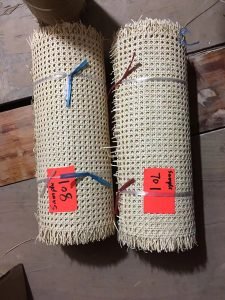
In product form, core comes as individual strands or coils. Webbing arrives as pre-woven panels rolled up for shipping. At our warehouses, we label every roll with the weave pattern, width, and material type so buyers never mix them up.
Quick Identification Table
| Feature | Rattan Core | Rattan Cane Webbing 6 |
|---|---|---|
| Cross-section shape | Round or oval | Flat strip |
| Surface texture | Rough, matte | Smooth, slightly glossy |
| Flexibility | Rigid until steamed | Naturally pliable |
| Typical product form | Coils of individual strands | Pre-woven sheets or rolls |
| Color tone | Pale cream to light tan | Light beige to straw yellow |
| Weight per unit area | Heavier | Lighter |
Common Terminology Confusion
One thing that causes endless debate is naming. Some suppliers call the inner stem "reed" and reserve "rattan" for the whole vine. Others use "rattan cane" to mean the outer skin only. In our catalogs at Seafan Rattan, we use "rattan core" for the inner part and "cane webbing" for the woven outer-skin sheets. This keeps things clear for buyers across different countries, from the Netherlands to Australia.
If a supplier listing just says "rattan" without specifying core or cane, always ask for a sample photo or a cross-section image. That five-second step prevents costly ordering mistakes.
Which material should I use for my furniture weaving and repair projects?
Over the years, our production team has worked with furniture factories in Spain, Turkey, and the US that initially ordered the wrong material for their projects. A cabinet maker once ordered 500 meters of rattan core to replace cane webbing panels — a frustrating and expensive mistake.
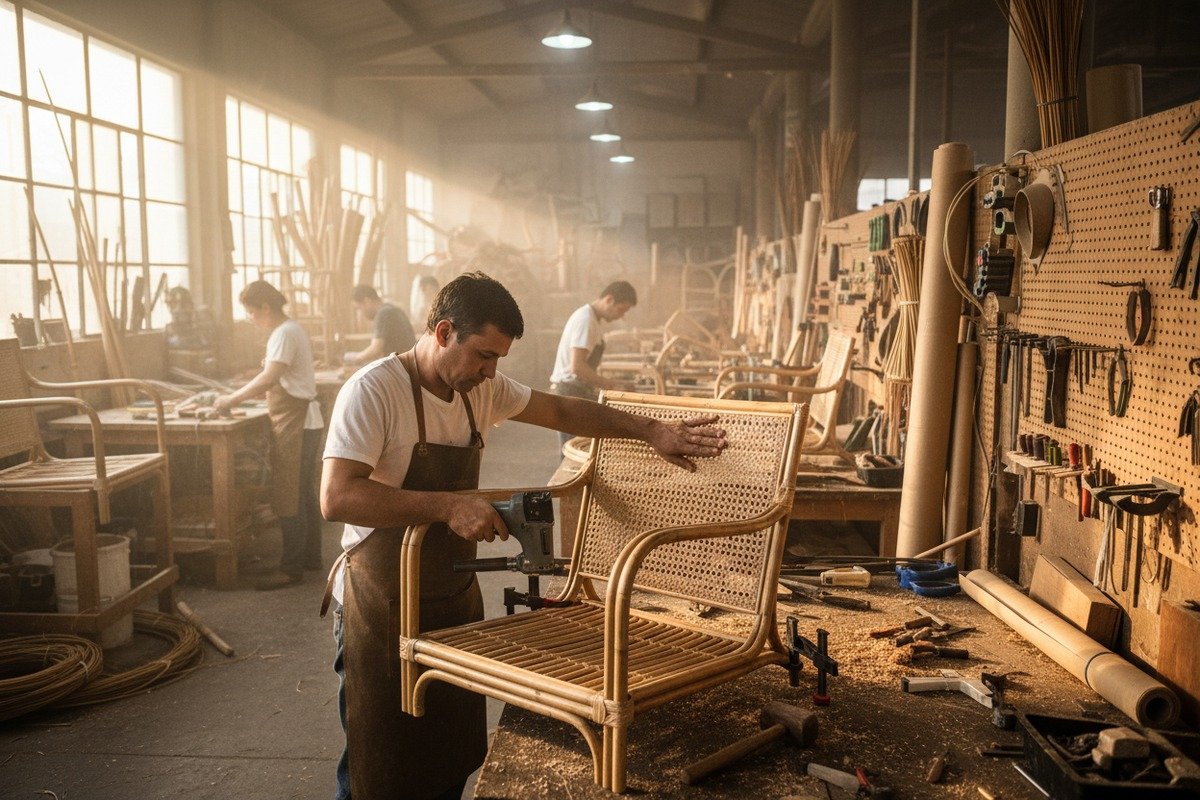
Use rattan core when you need structural strength, such as for furniture frames, basket bodies, and load-bearing weave patterns. Use rattan cane webbing when you need decorative panels, breathable chair seats, cabinet door inserts, or lightweight accent pieces. Your choice depends on whether the material must bear weight or provide visual appeal.
Structural Projects: Choose Rattan Core
Rattan core excels when strength matters. Its solid, round cross-section gives it natural rigidity. When steamed, it bends into curves for chair arms, sofa frames, and bed headboard structures. Once it cools, it holds its shape firmly.
Common structural uses include:
- Furniture frames for sofas, chairs, and beds
- Basket weaving for planters and storage
- Lampshade frames
- Garden trellises (with protective sealant)
Core comes in multiple diameters. Thin core (around 2mm) works for fine basket weaving. Thick core (up to 10mm or more) handles heavy-duty furniture frames. Our factory stocks over a dozen sizes to cover everything from delicate craft projects to commercial furniture production.
Decorative Projects: Choose Cane Webbing
Cane webbing shines when you want beauty, airflow, and lightness. The pre-woven sheets install quickly into routed grooves using reed spline. This makes them ideal for production-line furniture where speed matters.
Popular decorative uses include:
- Chair seats and backs
- Cabinet and sideboard door inserts
- Room dividers and screens
- Headboard panels
- Wall accents and ceiling treatments
The open-weave patterns, such as hexagonal "radio weave" or tight square basketweave, let light and air pass through. This creates a breezy, tropical look that fits mid-century modern and bohemian interiors perfectly.
Application Comparison Table
| Project Type | Recommended Material | Why |
|---|---|---|
| Chair frame construction | Rattan core | Needs load-bearing strength and rigidity |
| Chair seat panel replacement | Cane webbing | Needs flexibility, comfort, and visual pattern |
| Woven basket body | Rattan core | Requires structural integrity to hold shape |
| Cabinet door insert | Cane webbing | Decorative, lightweight, allows airflow |
| Lampshade frame | Rattan core | Must hold 3D shape under heat |
| Room divider screen | Cane webbing | Provides semi-transparent, airy aesthetic |
| Outdoor furniture frame | Rattan core (sealed) | Strength needed; sealant protects against moisture |
| Headboard accent panel | Cane webbing | Flat panel application, purely decorative |
Repair and Restoration Tips
If you are repairing antique chairs, check what the original material was before ordering. Many pre-1950s chairs used hand-woven strand cane (individual strips woven through drilled holes). Modern replacements often use pre-woven cane webbing pressed into a routed groove with spline. These are two different installation methods for the same outer-skin material.
For structural repairs on wicker furniture, you will almost always need rattan core. Replace broken frame pieces with core of the same diameter. Soak it in warm water for 15 to 30 minutes to make it pliable, then shape it and let it dry in position.
At our factory, we often advise first-time buyers to order small sample sets of both materials before committing to bulk orders. This hands-on comparison prevents errors and builds confidence in the material choice.
How does the cost of rattan core compare to cane webbing for my wholesale orders?
Pricing is one of the first questions we hear from new wholesale clients, especially furniture material distributors in the Middle East and Europe. When we prepare quotations at our Foshan headquarters, we always explain that comparing rattan core and cane webbing prices is not apples to apples.
Rattan core is generally priced by weight or by length per diameter size, while cane webbing is priced by square meter or by roll. Core tends to cost more per kilogram because it uses the most valuable part of the vine. Cane webbing, being thinner outer-skin material, often costs less per unit but involves more labor-intensive weaving, which adds to the final price.
Factors That Drive Pricing
Several variables affect the wholesale cost of both materials. Understanding them helps you negotiate better and plan your procurement budget accurately.
Raw material availability. Rattan grows mainly in Indonesia, Vietnam, and other parts of Southeast Asia 9. Harvest cycles, export regulations, and seasonal weather all influence raw material supply. When our Indonesian processing facility faces a rainy season delay, prices temporarily rise across the board.
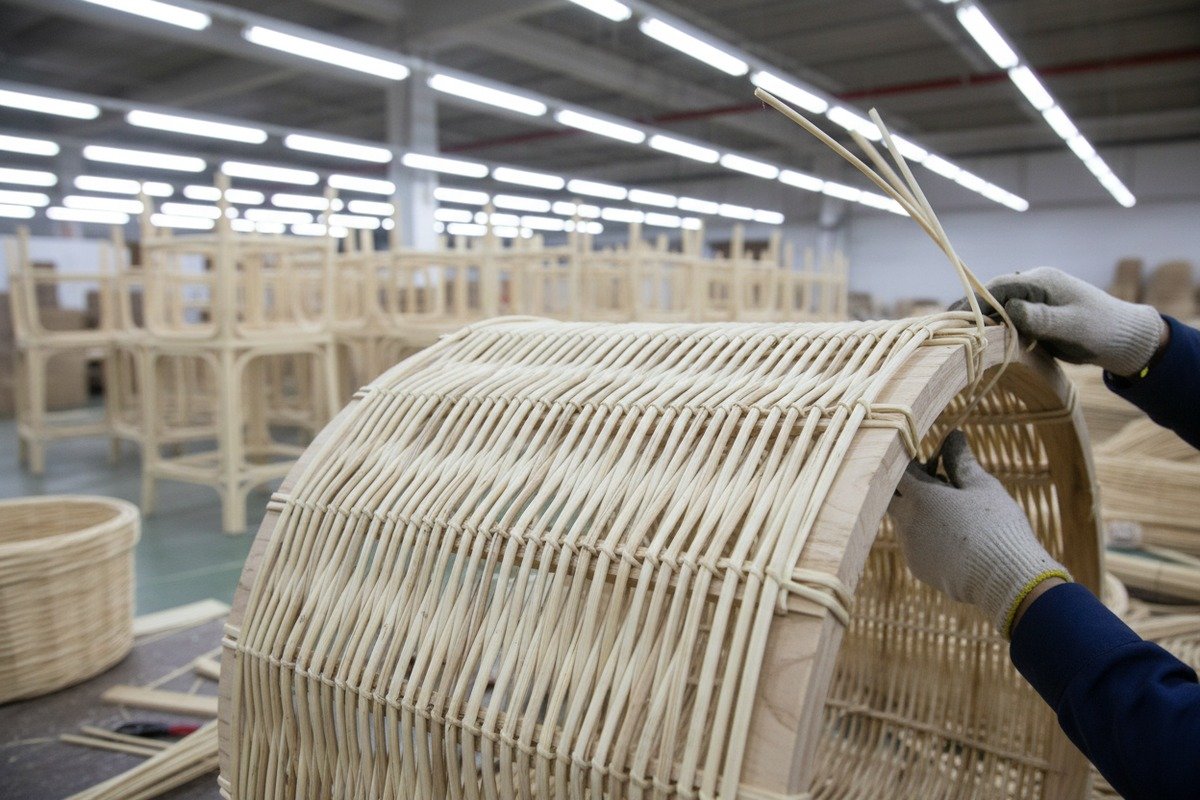
Processing complexity. Core requires peeling, splitting, and sometimes sanding. Thicker diameters cost more because they come from larger, more mature vines. Cane webbing involves peeling thin strips, then weaving them by machine or hand into various patterns. Complex patterns like the diamond motif cost more than a simple open hexagonal weave.
Order volume. Bulk orders bring per-unit costs down significantly. Most wholesale suppliers, including our own operation, offer tiered pricing. A 1,000-meter order of rattan core will always be cheaper per meter than a 100-meter order.
Quality grade. Grade A materials — uniform color, no cracks, consistent diameter — command a premium. Grade B may have minor color variations or slight imperfections. For high-end European furniture brands, Grade A is non-negotiable. For budget-friendly export markets, Grade B often works fine.
Cost Comparison Overview
| Cost Factor | Rattan Core | Cane Webbing |
|---|---|---|
| Pricing unit | Per kg or per meter (by diameter) | Per square meter or per roll |
| Raw material cost | Higher (uses the dense inner stem) | Lower (uses thin outer skin) |
| Processing labor | Moderate (peeling, splitting) | Higher (weaving into patterns) |
| Complex pattern surcharge | Not applicable | Yes, intricate weaves cost more |
| Bulk discount potential | Strong | Strong |
| Shipping weight impact | Heavier, higher freight cost | Lighter, lower freight cost |
| Grade premium (A vs B) | 10–25% price difference | 10–20% price difference |
Hidden Costs to Watch
Shipping weight is a factor many buyers overlook. Rattan core is denser and heavier than cane webbing. If you are shipping by sea container, core takes up less volume but weighs more. Webbing rolls are lighter but bulkier. Depending on whether your freight is charged by weight or volume, one material may be significantly cheaper to ship than the other.
Packaging also matters. Cane webbing must be rolled carefully to avoid cracking. At our facility, we use protective inner tubes and moisture-barrier wrapping. This packaging adds a small cost but prevents damage claims that would cost far more.
Finally, consider waste rates. Core is cut to length, so offcuts can be minimal with good planning. Webbing panels are cut to fit specific furniture dimensions, and irregular shapes generate more waste. Factor this into your per-unit cost calculation.
Tips for Budget-Conscious Buyers
If you are a furniture factory purchasing manager or a materials wholesaler, here are practical ways to keep costs down:
- Order both materials from one supplier to consolidate shipping.
- Request Grade B samples to see if they meet your quality threshold.
- Choose standard weave patterns for cane webbing instead of custom designs.
- Plan orders around dry-season harvest windows for better raw material pricing.
- Buy in container-load quantities whenever possible.
How can I find a reliable supplier that provides both materials for my business?
Through years of exhibiting at trade fairs and communicating with buyers on WhatsApp and Alibaba, we have learned that the biggest frustration for purchasing managers is juggling multiple suppliers for related products. One vendor for core, another for webbing, a third for spline — it multiplies your communication, quality control, and logistics headaches.
Look for a supplier that operates across the full rattan supply chain, from raw material processing to finished product delivery. Check for in-house factory capabilities, a wide product catalog covering both core and webbing, transparent quality grading, and proven export experience to your region. A one-stop supplier saves you time, money, and coordination effort.
What to Look for in a Rattan Supplier
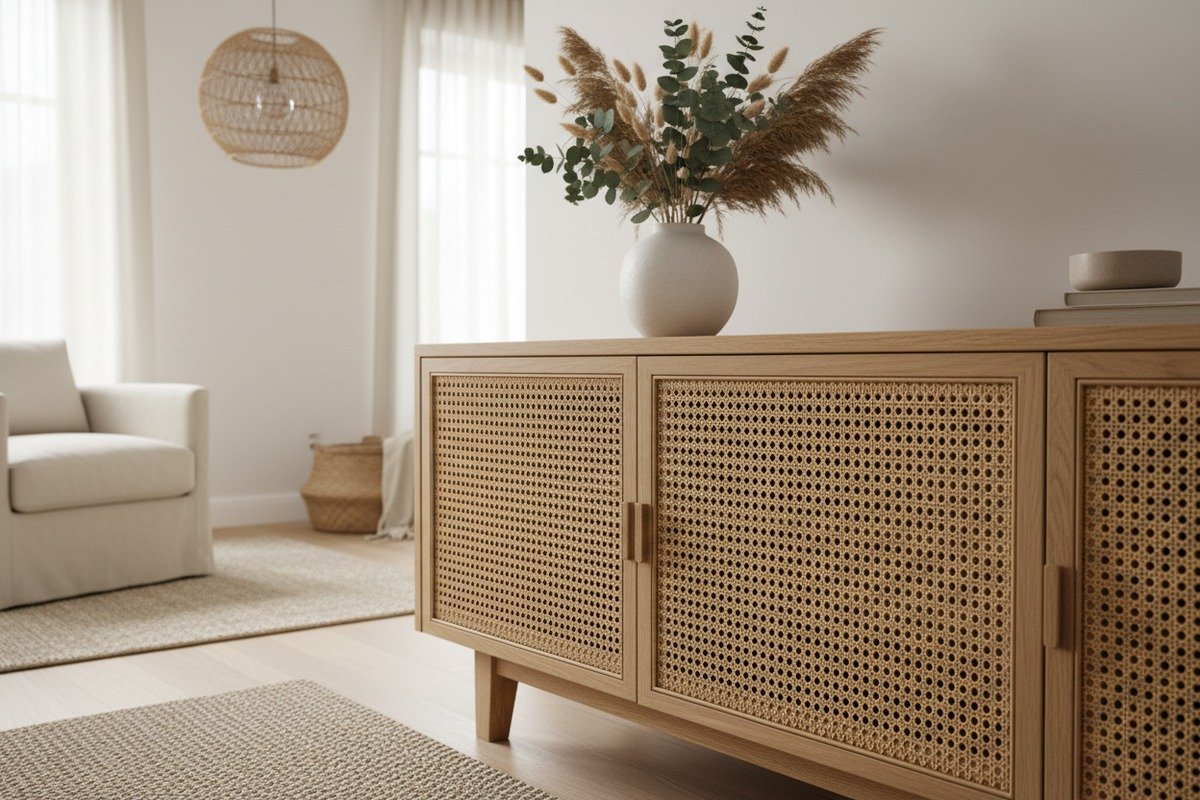
Not all rattan suppliers are equal. Some are trading companies that source from multiple small workshops. Others, like our operation at Seafan Rattan, own processing facilities and maintain direct control over quality from raw vine to finished roll. Here is what to evaluate:
Vertical integration. Does the supplier own or control their raw material processing? Our Indonesian rattan processing facility handles the initial peeling and splitting, while our Foshan factories manage weaving, finishing, and packaging. This vertical setup means fewer middlemen and more consistent quality.
Product range. A reliable supplier should offer rattan core in multiple diameters, cane webbing in various weave patterns (hexagonal open mesh, tight square basketweave, diamond motifs, and more), plus accessories like reed spline, binding cane, and chair caning tools. If you can order everything from one source, your procurement process simplifies dramatically.
Quality control systems. Ask potential suppliers about their grading standards. How do they define Grade A versus Grade B? Do they inspect every roll before shipping? At our facilities, every batch goes through visual inspection and flexibility testing before it leaves the warehouse.
Export track record. A supplier that regularly ships to your target market understands the import regulations, packaging standards, and logistics requirements. We export to over a dozen countries, from the Netherlands and Spain to Saudi Arabia and Australia. That experience translates into fewer customs delays and better packaging for long ocean voyages.
Red Flags to Avoid
Watch out for these warning signs when evaluating suppliers:
- No factory photos or unwillingness to arrange a video call showing production
- Pricing that is dramatically lower than all competitors (often signals low-grade material or bait-and-switch)
- No clear return or claims policy for damaged goods
- Inability to provide samples before bulk orders
- Vague answers about material sourcing and processing methods
How to Start the Relationship
The best approach is to request a sample kit. Ask for small pieces of rattan core in two or three diameters and swatches of cane webbing in your preferred patterns. Evaluate the color consistency, flexibility, and surface finish. Compare them against any existing materials you currently use.
Next, place a small trial order. This tests the supplier's lead time, communication, packaging quality, and shipping reliability. If the trial goes smoothly, scale up to container-load volumes with confidence.
Many of our long-term clients, including wholesale distributors in Thailand and construction material suppliers in the US, started with a single trial order. Today, they order monthly because the quality and service proved consistent over time.
Sustainability and Certification
Eco-conscious buyers increasingly ask about sustainability 10. Rattan is one of the fastest-regenerating natural materials, growing back in 5 to 7 years — second only to willow. Properly managed rattan harvesting supports rural communities in Southeast Asia without clear-cutting forests.
Ask your supplier about their sourcing practices. Do they work with sustainably managed plantations? Can they provide any certification or traceability documentation? As demand for natural, eco-friendly materials continues to grow in the 2020s, having a supplier with a clear sustainability story adds value to your own brand positioning.
Conclusion
Rattan core and rattan cane webbing serve different roles but work beautifully together. Choose core for strength, webbing for style, and partner with a full-range supplier to keep your projects running smoothly.
Footnotes
1. Provides a clear definition and description of rattan core as a material for furniture and handicrafts. ↩︎
2. Discusses the durability and structural integrity of rattan furniture. ↩︎
3. Provides an analysis of the rattan market chain, including harvesting and trade flow. ↩︎
4. Wikipedia provides an authoritative overview of rattan as a climbing palm, including its species and characteristics. ↩︎
5. Explains the role and importance of quality control in manufacturing. ↩︎
6. Explains what rattan cane webbing is and its uses. ↩︎
7. Provides a general definition and characteristics of rattan vine. ↩︎
8. Lists various decorative applications for rattan cane webbing. ↩︎
9. Wikipedia confirms Southeast Asia as the region with the greatest diversity of rattan palm species. ↩︎
10. Details the sustainable aspects of rattan as a material. ↩︎

 English
  Español de México
  العربية
  Deutsch
  Français
  Русский