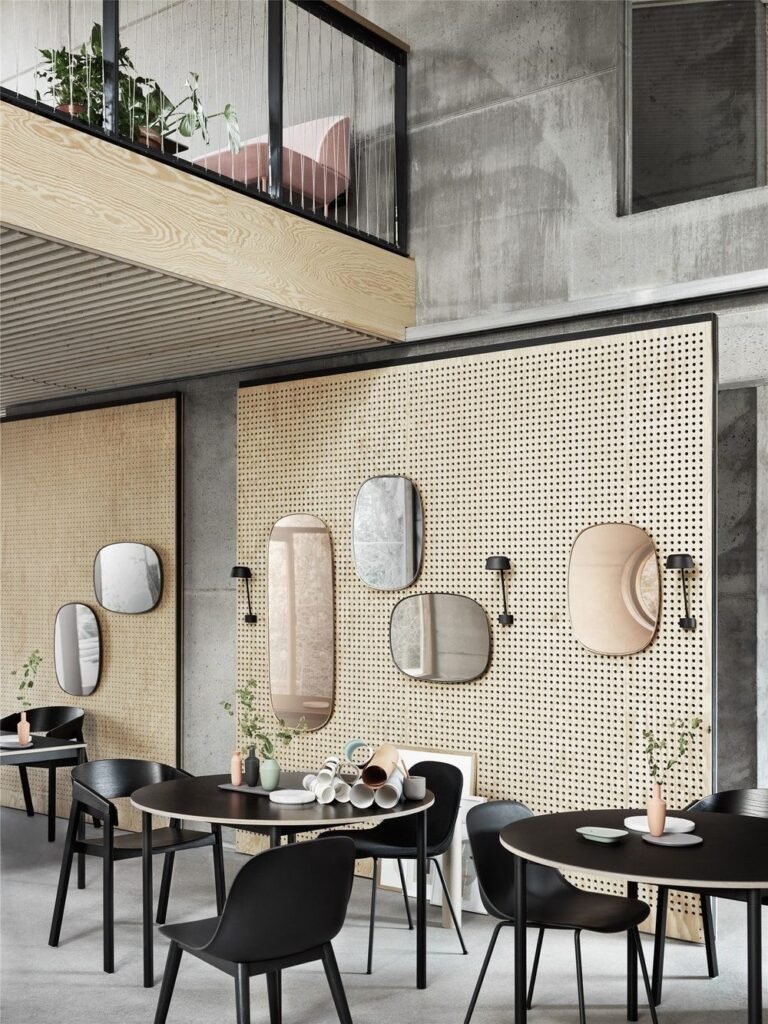
What preconditions should I meet to import rattan cane webbing, rattan mat, and rattan core from China, and do you have abrasion‑resistant options for dining chairs?
I see restaurant chairs fail from stains and scuffing long before the weave breaks. I set import steps first, then I build abrasion protection into the spec.
You need a business ID, consignee and tax details, HS codes, and basic import documents. I offer natural and plastic cane options with PU topcoats, stain guards, and abrasion data (Martindale/Taber) for hospitality seating.
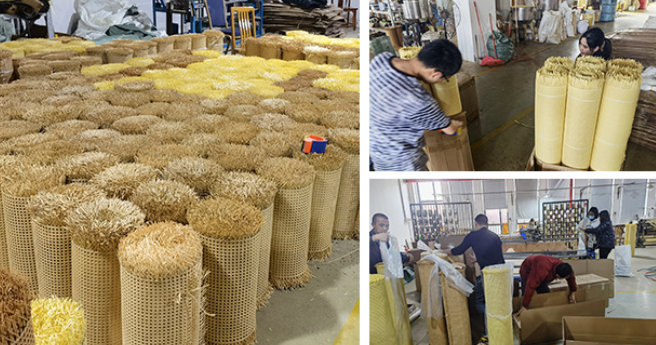
I will outline import preconditions, then compare natural, plastic, and blended materials for heavy use. I will share our coatings, abrasion test data, and my maintenance rules that keep color and wear even in restaurants.
Should I pick natural cane1, plastic cane, or blended materials for heavy‑use restaurant seating?
Heavy use needs stable strength and cleanability. Natural cane gives warm touch. Plastic cane gives higher durability. Blends balance look and life.
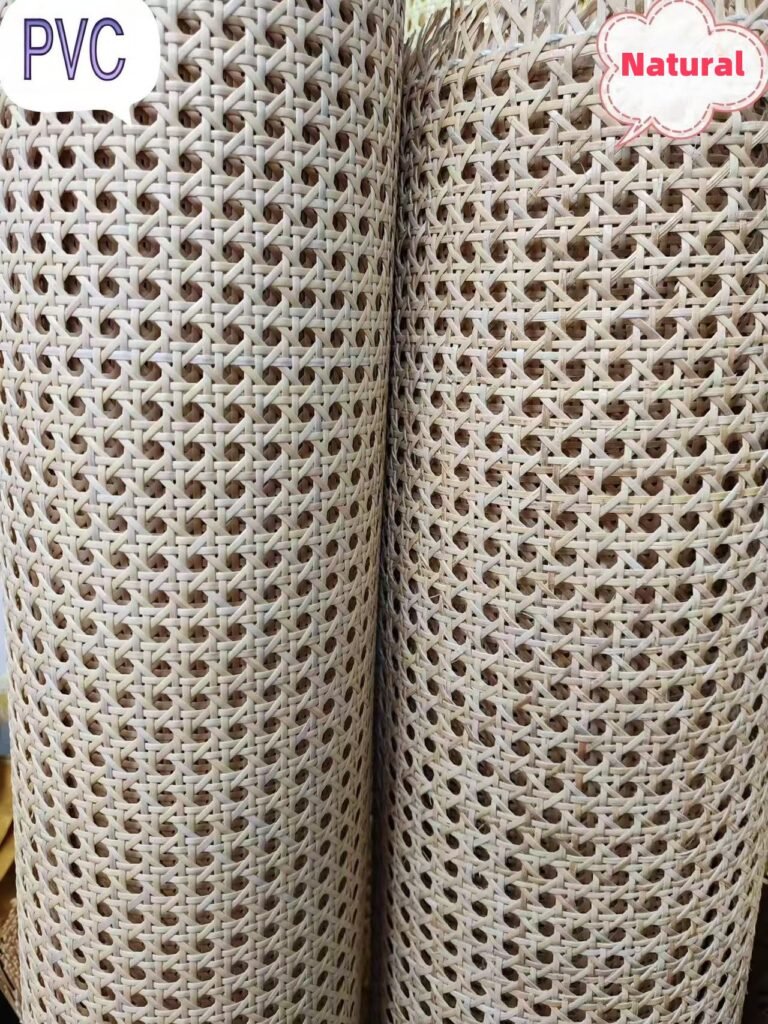
For restaurants, I use plastic cane webbing2 for seats and natural cane1 for backs, or a full plastic weave with matte finish. Grade C core for strength, Grade B faces for clean looks, and dark stains to hide peel.
Dive deeper: Material choice for restaurants, grades, and cost
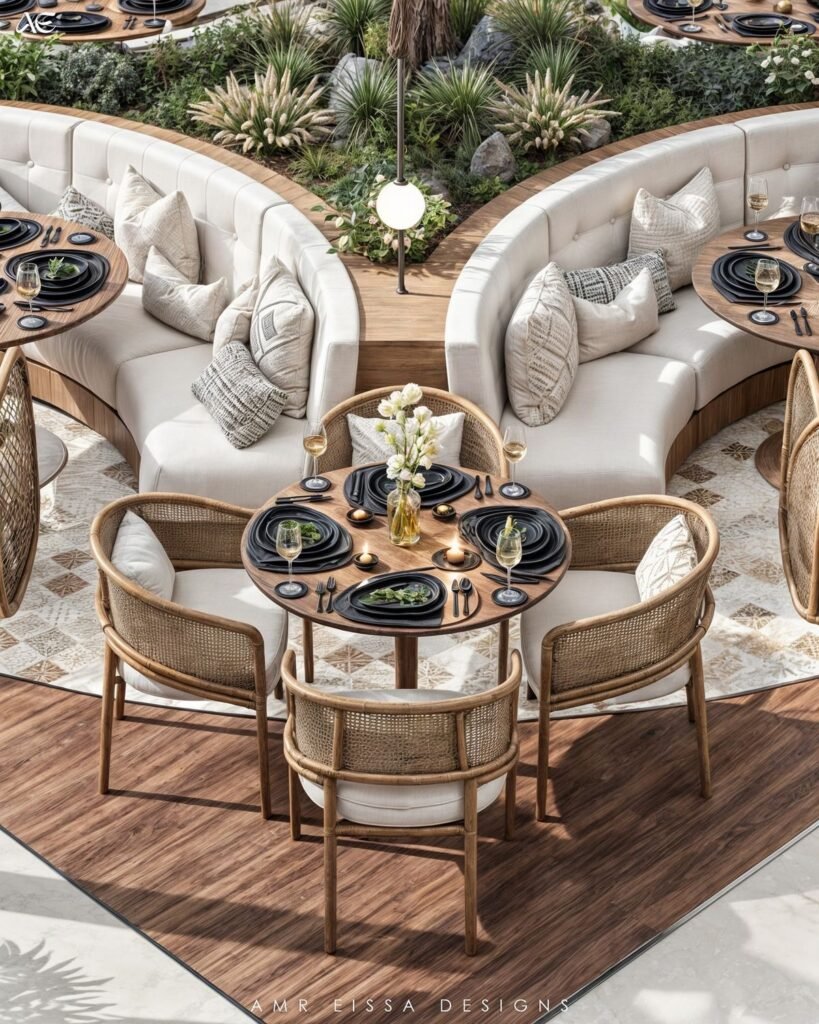
I plan to the usage hours. For 10+ hours per day seating, plastic cane webbing2 wins on abrasion and stain control. It holds color, cleans fast, and keeps shape after temperature swings. For restaurants that want the natural touch, I use a blended approach: natural cane1 on backs and panels (Grade B for faces), and plastic cane on seat areas where friction and spills are worst. For classic cane seats, Grade C is my pick because fibers are strong and cost is better; a dark stain hides the green peel. For premium showpieces, I move to Grade B where the surface is most visible. Grade D stays out of seating and goes only to wall or ceiling decoration. I also mix materials with wood or aluminum frames to control flex and cut edge wear. Plastic cane halves the cost versus Indonesia natural supply swings and speeds large orders. I keep 15+ colors and 20+ weave patterns, including hex, square, herringbone, and close weave, so your design does not sacrifice durability.
Can you add topcoat or PU sealing to improve stain and scratch resistance for dining use?
Restaurant seats see sauces, oil, alcohol, and constant abrasion. A bare weave will mark fast.
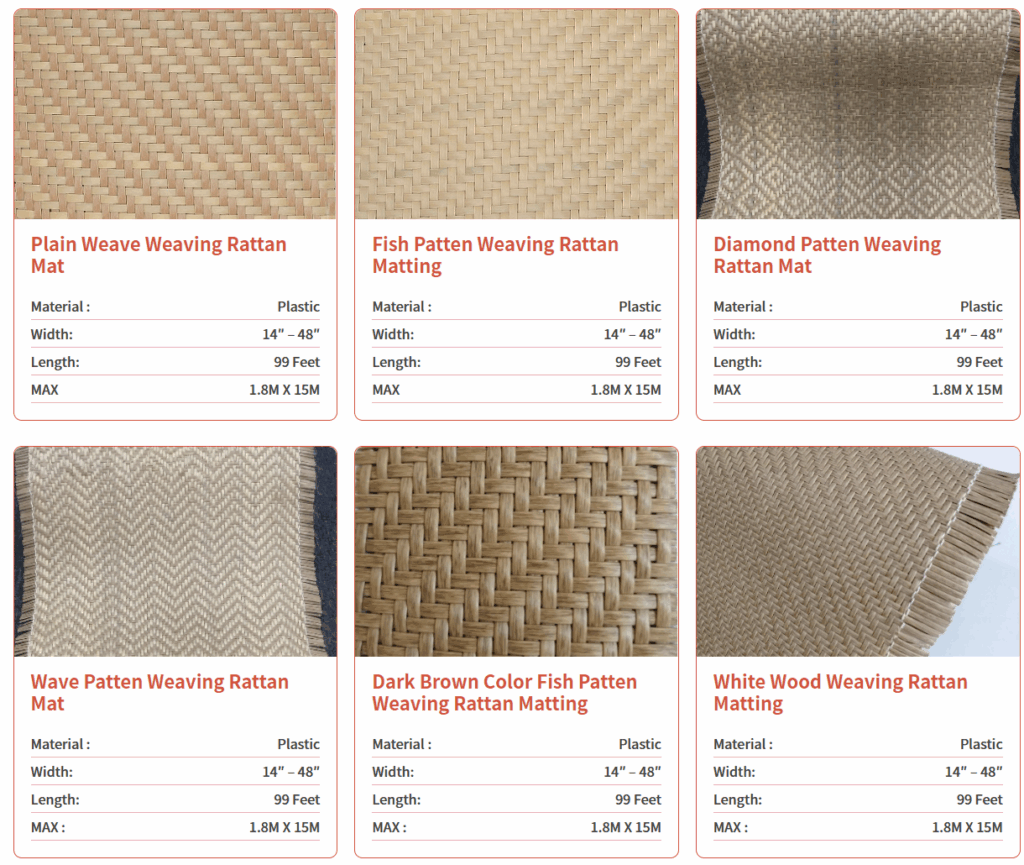
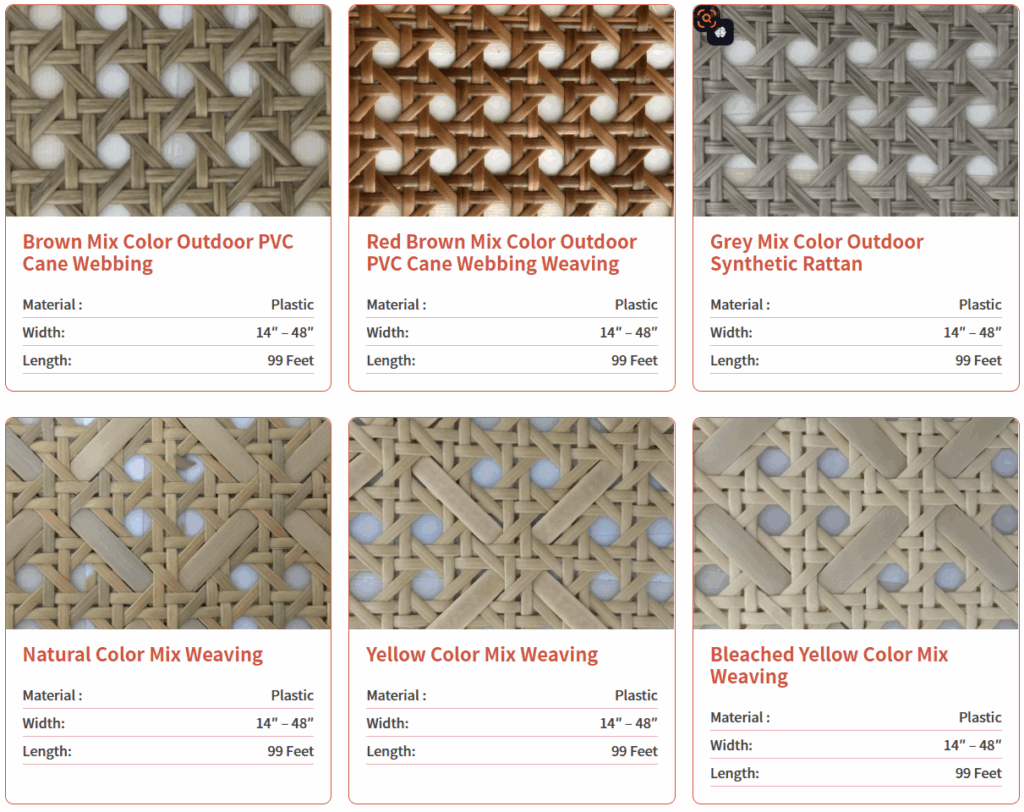
Yes. I add PU or waterborne topcoats3, stain guard, and matte anti‑scratch finishes. I seal both faces for natural cane, and I apply a factory PU layer for plastic cane to raise stain and scuff resistance.
Dive deeper: Coating systems, chemistry, and field performance
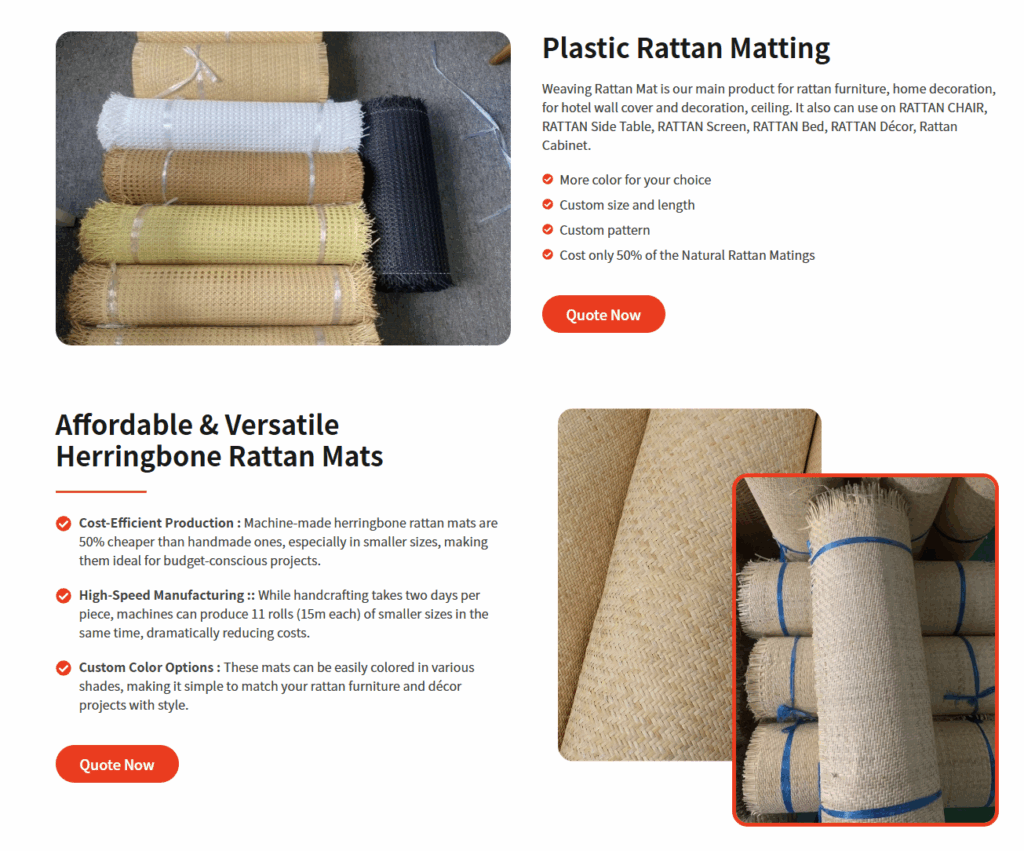
I offer three coating routes. For natural cane: a waterborne PU topcoat, matte 10–20 gloss, two light coats both sides to slow moisture change and add scuff resistance. I add stain guard to resist coffee, wine, and oil; spot cleaning gets easier, and color stays even. For plastic cane: a factory‑applied PU or acrylic‑PU blend gives higher scratch resistance and UV stability. It comes in matte to hide scuffs and in low‑sheen to match wood finishes. For project work: I can add an anti‑graffiti clear coat on the top surface for fast wipe‑off in high‑turn cafés. I keep coats thin so the weave stays flexible and the mesh breathes. I radius frame edges to protect the coating line at the groove and avoid cut‑through under load. I also offer edge binding in matching color to shield the most touched lines. All coatings meet low‑VOC limits for hospitality spaces and pass basic alcohol rub tests. I provide finish samples so your team can sign off on gloss and texture before bulk.
What Martindale or Taber abrasion data can I get for hospitality projects?
Procurement teams ask for numbers they can attach to specs. I test coated and uncoated weaves on standard rigs.
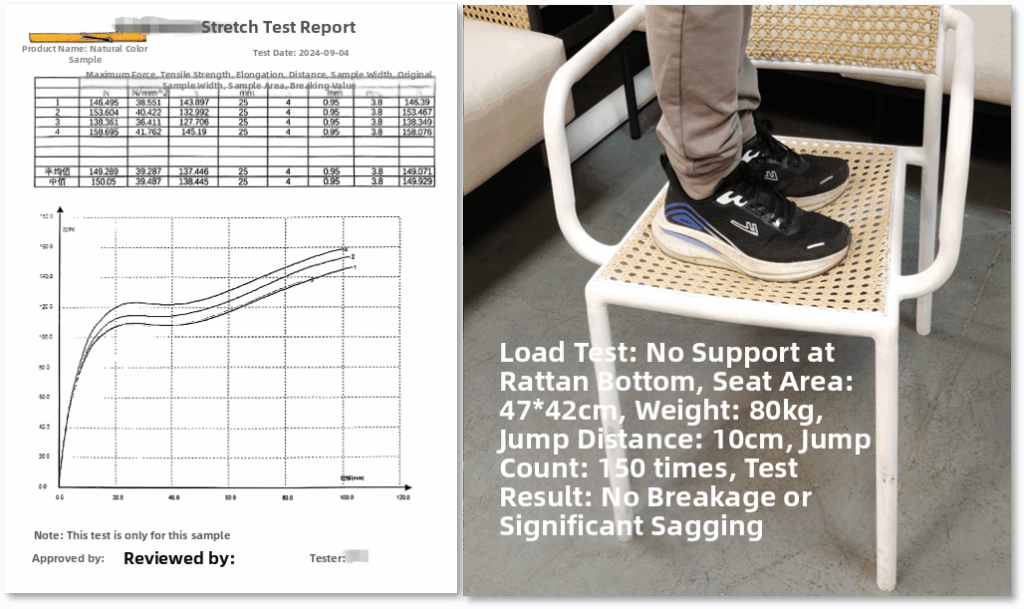
I provide Martindale cycles4 for flat abrasion and Taber CS‑105 or H‑18 wheel data for coatings. I share pre‑ and post‑test photos, weight loss, gloss change, and color delta for your files.
Dive deeper: Typical results and how to specify
I run Martindale on flat coupons for natural cane with and without PU, and on plastic cane with factory coats. Typical results: natural cane uncoated reaches visible wear at 10,000–15,000 cycles. With waterborne PU topcoat, it reaches 25,000–35,000 cycles before fiber flattening is obvious. Plastic cane with PU coat holds 30,000–50,000 cycles with low gloss change. For Taber, CS‑10 wheels at 500 g load show lower weight loss on coated plastic cane than on uncoated natural cane by 30–50%. H‑18 wheels are harsher; coated plastic still keeps a clean surface after 500–1,000 cycles, while uncoated natural shows cut marks earlier. I present data with tolerances because weave pattern, strip width, and coating thickness change outcomes. I include UV and heat aging before abrasion to mimic restaurant lighting and kitchen heat. My report packs test setup, wheels, loads, environment, and pass criteria so hotel and restaurant chains can approve without retest.
How do I maintain rattan seats to keep wear and color consistent in restaurants?
Good material still needs simple care. Most failures come from poor cleaning, wrong chemicals, and dry air near HVAC.
I set a weekly clean, a monthly check, and simple do‑not lists. I use mild soap, soft cloths, felt glides, and seat rotation. I avoid harsh chemicals and direct heat.
<img src=”https://rattanwholesaler.com/wp-content/uploads/2025/08/eb45b51eeb253954bcf5d143200b6ca3-1-768×1024.jpg” alt=”rattan cane webbing project,Rattan Wholesaler,rattan cane webbing, Plastic rattan cane webbing, Rattan core, basket weaving rattan core,Rattan chair cane, Rattan peel ,rattan pole, Paper Webbing,Rattan mats,rattan cane for furniture making,,rattan cane strips for crafts,rattan peel for weaving,rattan chair cane replacement rattan peel strips,rattan pole suppliers,natural rattan mats,rattan webbing for chairs rattan chair back webbing,rattan furniture cane webbing,rattan sheets for furniture,naturl rattan webbing” width=”768″ height=”1024″ class=”size-large wp-image-6967″ /
Dive deeper: Cleaning routine, environment control, and service parts
I keep cleaning simple. Daily: wipe with a soft cloth, water, and a drop of mild soap. Dry with a towel. No soaking. No steam. No bleach or strong solvents. Weekly: vacuum dust from mesh to reduce abrasion grit. Check edges and binding for scuffs. Monthly: inspect tension, especially on natural cane; if the weave loosens, lightly mist the underside and let it settle away from heat. For plastic cane, a mild APC works for grease. I place felt glides on seat bottoms to stop rubbing on frames. I avoid direct hot air from HVAC or heaters that can over‑dry natural cane. I use placemats or seat pads in very high‑turn areas to spread wear. I keep spare pre‑cut panels and edge binding on site, so a seat swap takes minutes and the restaurant never stops service. I train staff to avoid dragging chairs across rough floors and to lift when moving. These small steps keep color even, reduce scratches, and extend life.
Conclusion
You need basic import documents and a clear spec. I match material to use level, add PU and stain guard, provide Martindale/Taber data, and set a simple care plan so chairs look new longer.
- Discover the aesthetic and tactile benefits of natural cane, adding warmth and elegance to your restaurant’s seating design. ↩ ↩ ↩
- Explore the advantages of plastic cane webbing, including durability and easy maintenance, perfect for high-traffic restaurant environments. ↩ ↩
- Explore the advantages of using PU or waterborne topcoats to enhance the durability and appearance of your furniture. ↩
- Understanding Martindale cycles is crucial for evaluating fabric durability in hospitality projects, ensuring quality and longevity. ↩
- Exploring Taber CS‑10 testing provides insights into abrasion resistance, essential for selecting materials in high-traffic hospitality environments. ↩


 English
  Español de México
  العربية
  Deutsch
  Français
  Русский