
Importing rattan with specific cultural themes can feel like a maze of rules and styles. I clear the path for import and show how high-quality rattan fits any cultural design.
You need a business ID, consignee and tax numbers, HS codes, and clean import documents. My materials, from Grades A to D natural rattan to innovative plastic rattan webbing, can match diverse cultural design themes, including tropical, Nordic, and heritage motifs, meeting global specifications and hotel durability.

I will first explain the import requirements. Then, I will show how to match regional palettes while keeping global product specifications. I will cover what weave patterns align with tropical versus Nordic interiors. I will also explain how I offer custom tones to echo local heritage motifs. Lastly, I will show how to balance cultural aesthetics with hotel durability.
Can I match regional palettes while keeping global specs?
Global supply means global tastes. Getting the color right for a region, while ensuring top-tier quality, can be tricky. I simplify this for you.
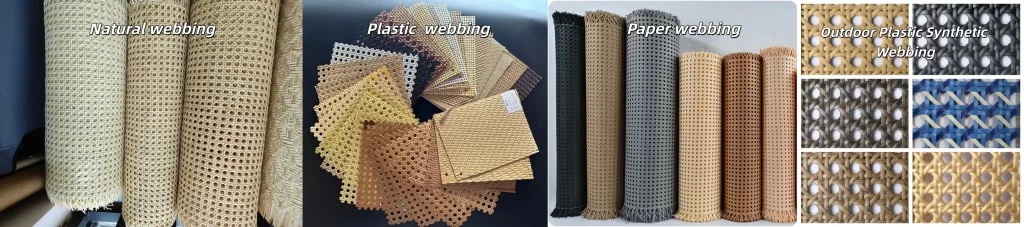
Yes, I match regional palettes by using natural rattan’s inherent tones or employing my plastic rattan’s wide color range. I keep global specs by providing consistent quality across all grades and materials, backing it with clear documentation and reliable supply.
Dive deeper: Navigating colors and quality across cultures
I have helped many clients bridge the gap between specific regional color demands and the critical need for consistent, international-grade quality. My experience has shown me that color isn’t just about shade; it’s about story and feeling.
- Natural Rattan Options: For specific regional palettes, natural rattan offers inherent beauty. For projects in regions that favor light, airy aesthetics, like coastal Europe or Scandinavia, I recommend Grade A or B natural rattan. Its pristine, uniform color allows for bright, sun-kissed finishes. For darker, richer palettes found in colonial or traditional designs, I often use Grade C rattan. While it has green peel, it is strong enough for chair making and takes dark stains beautifully, becoming an excellent, cost-effective choice for deep browns or black. The key is knowing how each grade interacts with various finishes.
- Plastic Rattan Versatility1: Since 2018, my team has developed a best-selling range of colored plastic rattan cane webbing. This material is a game-changer for matching precise regional palettes. Compared to natural cane, it’s half the price and allows for a vast spectrum of colors, from vibrant tropical hues to muted, earthy tones. My factories can produce almost any color you require, matching Pantone or RAL codes. This precision is vital for hotel projects where brand consistency across locations is paramount, or for furniture makers who need to meet specific market demands in places like the US, where diverse colors are sought after. I ensure that while colors are custom, the material’s structural integrity and weaving consistency2 remain globally specified.
- Quality Control: To keep global specifications, I oversee our entire supply chain. Whether it is natural rattan from Indonesia (processed in China) or our own plastic rattan production, I ensure strict quality checks. Each batch undergoes careful inspection for weave consistency, material strength, and color accuracy. I provide test reports for the plastic rattan, ensuring it withstands various conditions, which is crucial for international markets. This commitment means that whether you want a bright yellow for a Caribbean resort or a subtle grey for a Nordic interior, the quality remains excellent.
I ensure that your materials resonate culturally while standing up to international standards. This balance is key for any successful global project.
What weave patterns align with tropical vs Nordic interiors?
Matching weave patterns to regional styles can make or break a design. Using the wrong pattern feels off and fails to capture the desired mood. I know which weaves make the right statement.
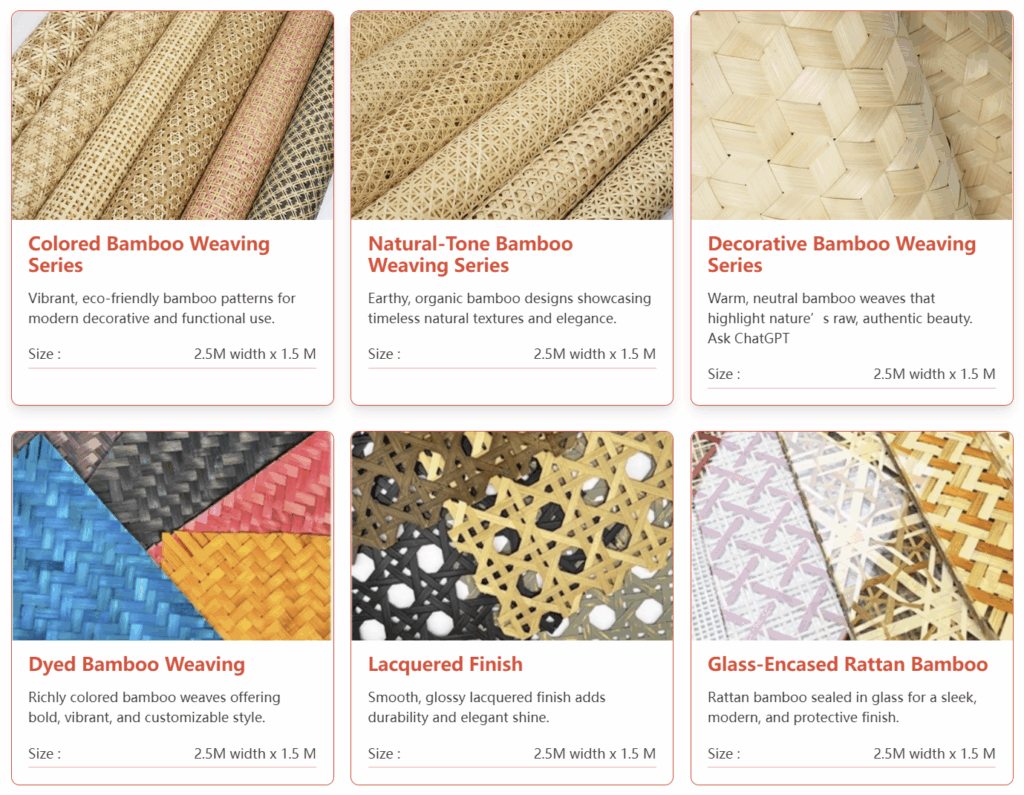
Open hex or woven patterns like classic French cane align with tropical interiors, giving an airy feel. For Nordic interiors, tighter basket weaves or slim rattan core designs suit the minimalist aesthetic. I offer a broad range for both natural and plastic rattan.
Dive deeper: Weave patterns for distinct design themes
My experience developing and supplying rattan products has shown me how a simple weave can transform a space. I guide designers to the right patterns that speak to specific cultural aesthetics.
- Tropical Interiors: For tropical themes, the goal is often light, breathable, and natural. My recommended pattern is the Open Hex, often called French cane. This weave creates an airy, relaxed feel perfect for the warm, humid environments of tropical resorts like those in the Maldives, where Peter (hotel project designer) works. I use Grade A or B natural rattan for its clean look, which enhances this aesthetic on chair backs, cabinet inserts, and screens. For outdoor tropical settings, our outdoor-grade plastic rattan cane webbing (available since 2025) offers the same open-weave look but with added durability against sun and moisture. These 10+ kinds of outdoor plastic webbing can save 80% worker weaving cost on KD outdoor furniture, making it both beautiful and practical for a tropical hotel.
- Nordic Interiors: Nordic designs value simplicity, functionality, and natural materials. For this aesthetic, I suggest tighter, more understated weaves. A Danish weave3 (tight basket weave) or even simple linear patterns made from rattan core or peel can create clean lines and subtle texture. Grade A or B natural rattan in bleached or light honey tones works well for this look, emphasizing the material’s purity. For modern Nordic interpretations or areas needing more durability, our plastic rattan webbing in neutral grays, whites, or understated wood tones provides consistent color and strength. I can also supply bamboo webbing or rattan + bamboo weaving for a unique, minimalist texture that fits a natural, organic Nordic style.
- Material Grades and Application: The choice of rattan grade also plays a role. If a piece for a tropical setting needs a very dark, rich color for a more dramatic effect, Grade C natural rattan is an excellent, strong, and cost-effective option for chair seats and backs, as its green peel disappears under dark stains. For decorative wall or ceiling panels in either style, Grade D rattan can be used for its beautiful color, though it’s important to remember it’s not strong enough for furniture making.
I ensure the weave and material choice perfectly match your desired interior theme. This creates a cohesive and authentic design statement.
Do you offer custom tones1 to echo local heritage motifs2?
Local heritage is rich in color and texture. Replicating those specific tones for rattan can be a challenge. I simplify this by giving you options that honor tradition.
Yes, I offer custom tones1 through precise staining on natural rattan or by developing unique colors in our plastic rattan webbing. This allows you to echo local heritage motifs2 authentically while meeting modern manufacturing and design requirements.
[^1] local [heritage motifs](https://www.redecor.com/how-to-incorporate-your-heritage-into-your-designs/)[^2]](https://rattanwholesaler.com/wp-content/uploads/2025/10/WechatIMG68-1024x962.jpg "Custom colors for culturally inspired rattan designs")
Dive deeper: Crafting custom colors for cultural designs
To truly echo local heritage, color matters deeply. I work with designers to translate traditional palettes into modern rattan materials.
- Natural Rattan Staining: For natural rattan, I achieve custom tones4 through various staining techniques. If a heritage motif calls for deep, antique browns or a rich black, I frequently recommend using Grade C natural rattan. This grade, with its natural green peel, is very strong and takes dark stains exceptionally well, making the green unseen. This allows furniture makers like Jacky to achieve a sturdy, dark-colored chair seat that resonates with historical aesthetics at a good price point. For lighter, warmer heritage tones that mimic aged wood or traditional natural finishes, I use Grade A or B rattan with custom transparent washes or light stains. These methods enhance the rattan’s natural grain while achieving the desired hue.
- Plastic Rattan for Precision: Since 2018, my company developed extensive color choices for our plastic rattan cane webbing5. This material is perfect for replicating very specific, perhaps vibrant or unique, heritage tones that natural rattan might struggle to achieve consistently. We can match exact Pantone or RAL codes from your local heritage motifs6, ensuring a precise color representation. This flexibility is invaluable for hotel projects aiming for a distinctive local flavor. We can also create mixed-color weaves or patterns that reflect complex textile traditions, offering unique designs from traditional weaving.
- Integrating Heritage with Material Variety: Beyond simple color, I can also suggest using mixed materials7 to further embody heritage motifs2. For example, combining rattan webbing with local wood or even glass and aluminum can add a modern twist while preserving traditional elements. If a heritage motif involves specific textures or patterns, I can explore custom weaving patterns8 for both natural and plastic rattan, or even integrate bamboo webbing for a distinct tactile element (rattan + bamboo weaving). Grade D rattan, though not suitable for furniture, has beautiful natural color variations that make it excellent for decorative panels, wall art, or ceiling treatments where a heritage motif is desired without structural demands.
I ensure your rattan components look authentic to their cultural roots while being high-quality materials. This allows your designs to tell a story.
How do I balance cultural aesthetics with hotel durability?
Hotel furniture must look good and last. Compromising on either means high costs later. I combine beauty with strength.
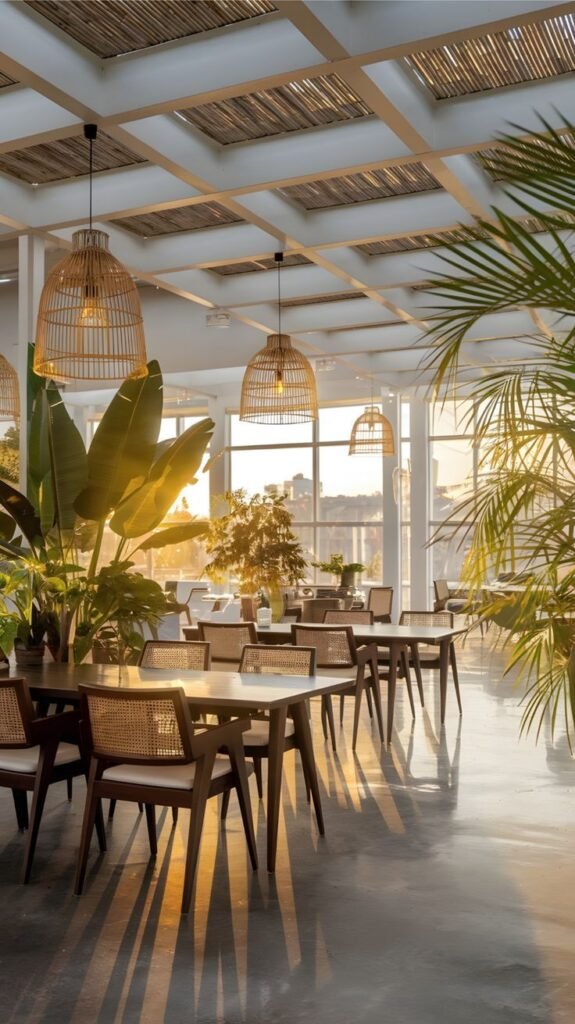
I balance cultural aesthetics with hotel durability by using sturdy Grade C natural rattan for structural parts when stained dark, employing high-quality Grade A/B for visible natural finishes, or selecting our outdoor-grade plastic rattan webbing. I also recommend reinforced construction and easy-to-maintain designs.
Dive deeper: Ensuring longevity for culturally rich hotel designs
Hotel projects require materials that not only look good but also stand up to constant use. My aim is to blend the beauty of cultural aesthetics with robust durability.
- Material Selection for Durability: For hotel furniture like chairs and tables, structural integrity is non-negotiable. I often recommend Grade C natural rattan for load-bearing sections, especially when the design calls for dark stains or black finishes. Its inherent strength makes it very suitable for chair making, and the green peel disappears under the dark color, giving a strong, cost-effective solution. If the cultural aesthetic mandates lighter, natural tones, then Grade A or B rattan is used, selected for its uniform beauty and strength. For areas with high humidity, direct sunlight, or heavy traffic, our plastic rattan cane webbing is the best choice. Since 2025, we offer 10+ kinds of outdoor-grade plastic rattan webbing that has test reports for hot environments and prolonged use. This material is half the price of natural cane and saves 80% worker weaving cost on KD furniture, offering an excellent balance of cost, durability, and aesthetic adaptability.
- Reinforced Construction: To maximize durability, I work with manufacturers to ensure the rattan is well-supported. This means using robust frames, whether metal or hardwood, and securing the rattan panels properly. For applications like luggage racks or frequent-use seating, backing the rattan webbing with a thin yet strong substrate ensures it withstands wear and tear. I also suggest using mixed material panels, such as rattan webbing + aluminum, which combine the aesthetic of rattan with the strength of metal frames for areas needing extra sturdiness in a hotel setting.
- Ease of Maintenance: Hotel environments demand materials that are easy to clean and maintain regularly. Natural rattan, when properly sealed, can be wiped down. Our plastic rattan takes this a step further; it is highly resistant to spills and can be cleaned with simple soap and water, reducing staff labor and prolonging the life of the furniture. I also stress the importance of designs that allow for easy replacement of individual panels if damage occurs, which is a key advantage for hotel operations when maintaining their aesthetics.
- Aesthetics vs. Longevity: My goal is never to compromise aesthetics for durability. Instead, I find materials and construction methods that deliver both. This means knowing when to use traditional natural rattan, when to opt for the enhanced performance of plastic rattan, and how to combine them to create pieces that look culturally authentic but perform flawlessly in a demanding hotel setting.
I help you deliver a culturally rich experience within a hotel’s tough operational needs.
Conclusion
You need standard import documents and a partner who understands design. I supply this. I help match cultural palettes, align weave patterns, offer custom tones, and ensure hotel-grade durability for your rattan projects from China.
-
Discover the advantages of Plastic Rattan Versatility in achieving precise color matching at a lower cost. ↩ ↩ ↩
-
Explore the significance of weaving consistency in ensuring the durability and quality of rattan products. ↩ ↩ ↩ ↩
-
Learn about the Danish weave to see how it embodies simplicity and functionality in Nordic designs. ↩
-
Explore how custom tones can enhance your rattan designs, making them more culturally relevant and visually appealing. ↩
-
Discover the benefits of plastic rattan cane webbing for achieving vibrant and consistent colors in your designs. ↩
-
Explore various heritage motifs that can inspire your design projects and how to incorporate them effectively. ↩
-
Find out how combining different materials can elevate your designs while honoring traditional aesthetics. ↩
-
Understand the importance of custom weaving patterns in creating unique and culturally rich designs. ↩


 English
  Español de México
  العربية
  Deutsch
  Français
  Русский