
I see buyers delay orders over paperwork and then struggle with core sizes at production. I fix documents first, then match core diameters to each task.
You need a business ID, consignee and tax details, HS codes, and basic import documents. I supply rattan cores from 1.5 mm to 8.0 mm standard, with tight tolerances for CNC hole‑weaving and clear bundle labels for fast picking.
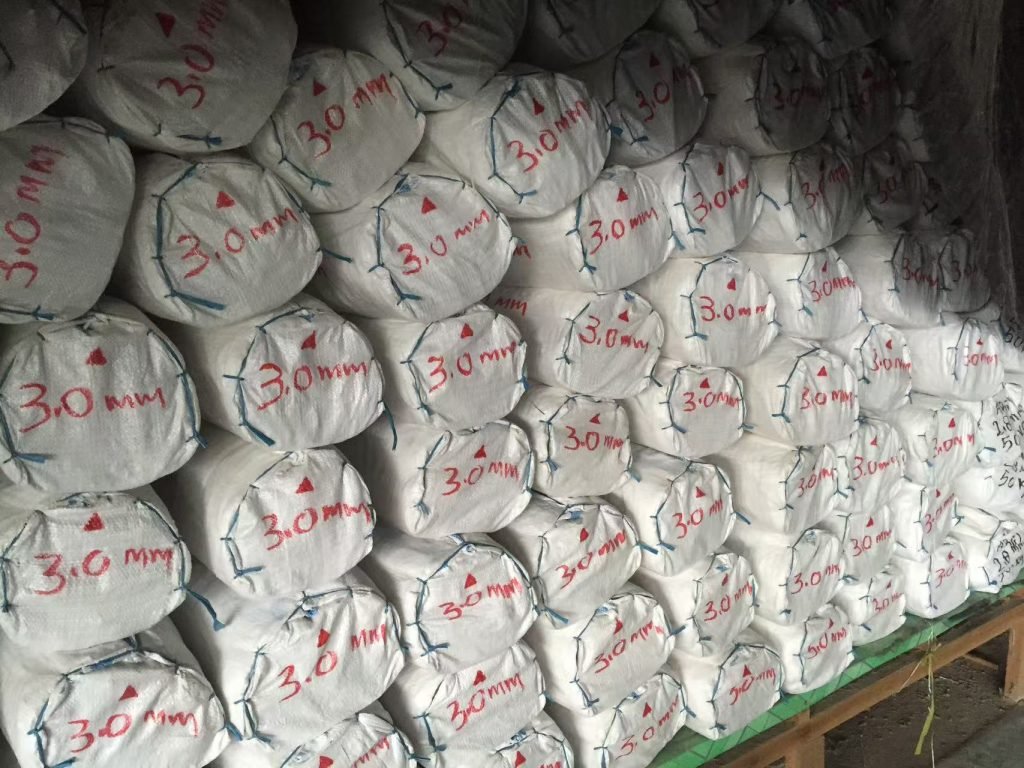
I will list import preconditions I use with new clients. Then I will explain core diameter ranges, tolerances for CNC seats, polished vs unpolished options, flexibility impacts, and how I label bundles for workshop speed.
Which core diameters fit weaving, binding, and lashing for chairs and sofas?
Projects fail when the core is too thin to lash or too thick to pass holes. I size cores by function so weaving is fast and strong.
For chair seats, 2.0–3.0 mm fits most CNC hole weaving. For bindings, 3.0–4.0 mm works well. For lashings and structural wraps, 4.5–6.0 mm gives grip. Sofas often use 3.0–5.0 mm mixes.
Dive deeper: Function-to-diameter map, grades, and finish choices
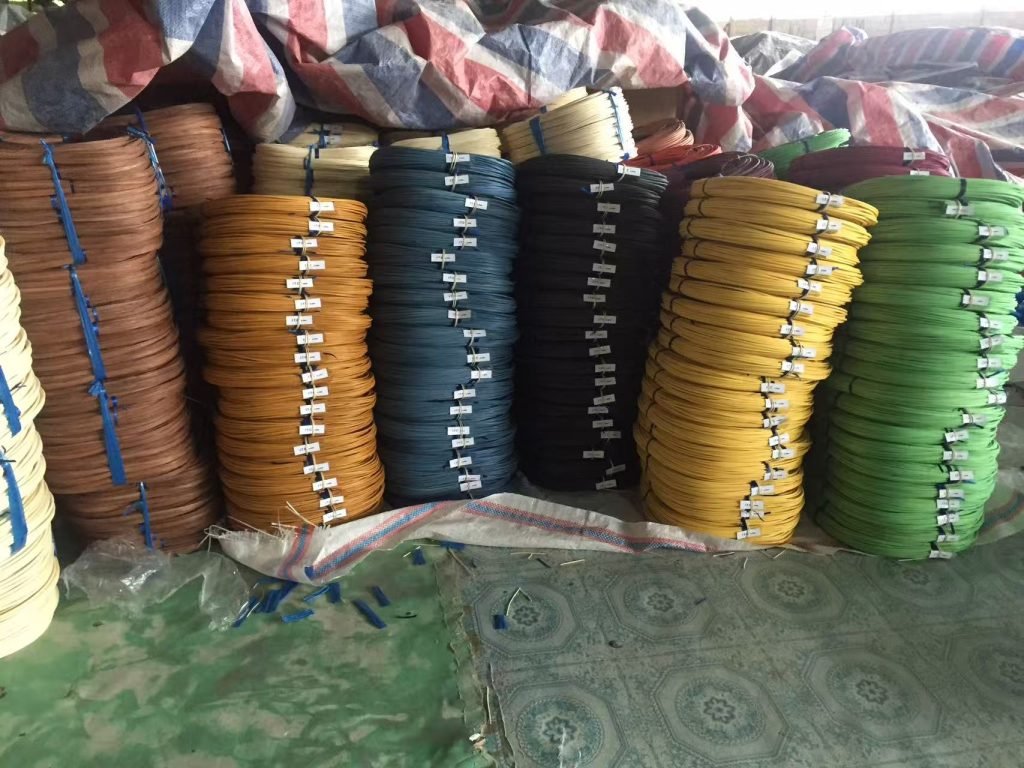
I match diameter to the job and the hole plan. For classic hand‑woven cane seats with drilled holes, I use 2.0–2.5 mm warp and 3.0 mm binder so the pattern sits tight without bruising edges. For mid‑century bindings on chair rails, 3.0–3.5 mm wraps clean and hides staples. For lashing rattan frames and tying joints on lounge chairs and sofas, 4.5–6.0 mm adds bite and fills gaps. For accent wraps or decorative cross lash, 2.5–3.0 mm keeps detail light. I choose Grade C cane for strength and value on bindings and lashings; a dark stain hides green peel. I move to Grade B where the wrap is a show surface. D grade stays off any load. I stock standard diameters: 1.5, 2.0, 2.25, 2.5, 2.8, 3.0, 3.5, 4.0, 4.5, 5.0, 6.0, 7.0, and 8.0 mm, so you can tune a seat or wrap without changing your hole spacing or groove size.
Can I get tight tolerance cores1 for CNC‑drilled hole weaving on chair seats?
Loose tolerances slow lines and crack edges. CNC seats2 need predictable cores that pass, tension, and hold.
Yes. I provide tight tolerance cores1 with ±0.10–0.15 mm range from 2.0–3.5 mm. I size to your drill diameter and chamfer. I pre‑sort coils and include QC slips so your operators set feed once.

Dive deeper: Hole plans, tolerances, and throughput
I start from your seat drawing: hole diameter, pitch, and edge distance. If you drill 4.0 mm holes at 15–18 mm pitch, I specify 2.0–2.25 mm warp and 3.0 mm binder with ±0.10 mm tolerance. If you drill 4.5–5.0 mm holes, 2.5 mm warp and 3.5 mm binder with ±0.15 mm fits well. I kiln‑condition cores, then gauge every coil by laser ring before packing. I bevel cut ends for easy feeding and add a moisture range note so tension stays even shift to shift. I also offer pre‑waxed or dry finish. Pre‑waxed passes holes faster and reduces edge burn. Dry finish takes stain better on the line. I give a machine setup card with feed tension, soak time for natural cane (quick dip 2–3 minutes), and drying time before trim. These steps cut seat cycle times and reduce chip‑out on hole edges.
Do you supply polished vs. unpolished cores, and what’s the impact on flexibility?
Finish changes feel, bend radius, and stain take. Polished runs smoother. Unpolished bends tighter and stains deeper.
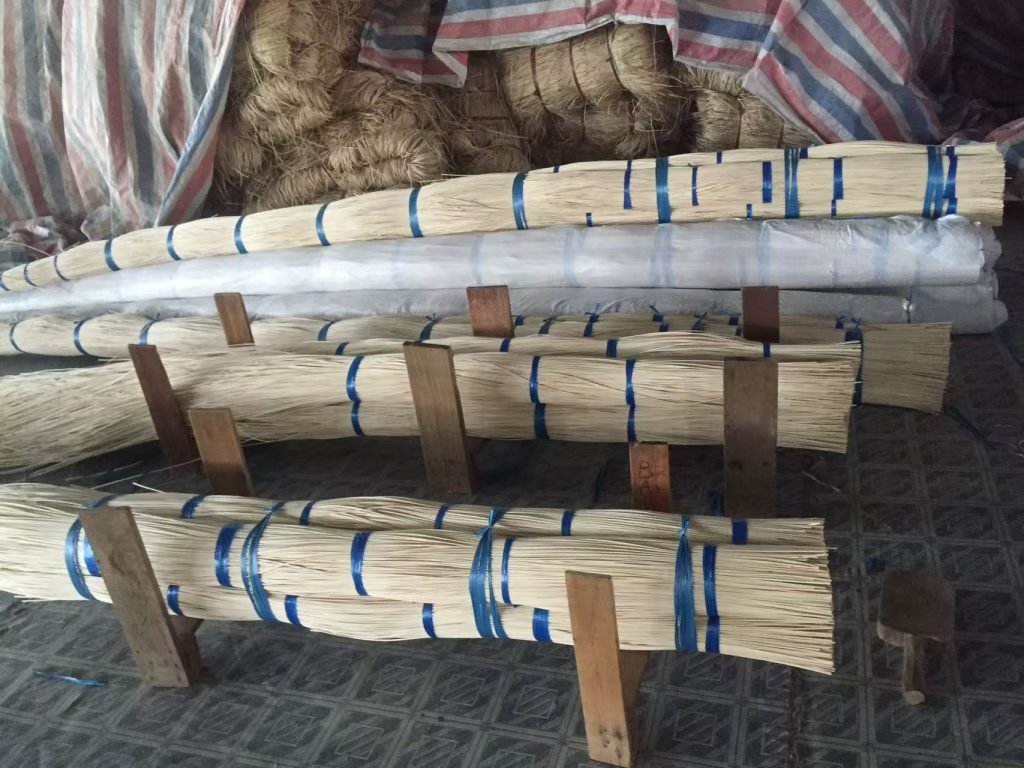
Yes. I supply polished and unpolished cores. Polished has a smooth skin that feeds fast and resists dirt. Unpolished has more bite, tighter bend radius, and better stain uptake for dark finishes.
Dive deeper: Finish selection, bend radius, and coating
I choose finish by operation. For hole weaving at speed, polished cores slide cleanly and reduce friction heat; they also stay cleaner in light colors. For tight bindings and lashings around small radii, unpolished cores grip better and accept moisture faster, so they bend without spring‑back. Typical minimum bend radius: polished 3.0 mm core is happy at 18–20 mm radius; unpolished 3.0 mm core can go to 14–16 mm with quick soak. For dark espresso or black, unpolished takes stain more even. For natural clear looks, polished keeps a brighter tone. I can add a light waterborne PU after stain to raise abrasion resistance on touch points. For outdoor use, I move to our plastic lashing cords in matching diameters; they keep color and do not swell. I send finish chips so you sign off on gloss and tone before I run bulk.
How are core bundles labeled for quick picking in my workshop?
Busy workshops lose time hunting sizes. Clear labels and color codes keep lines moving.
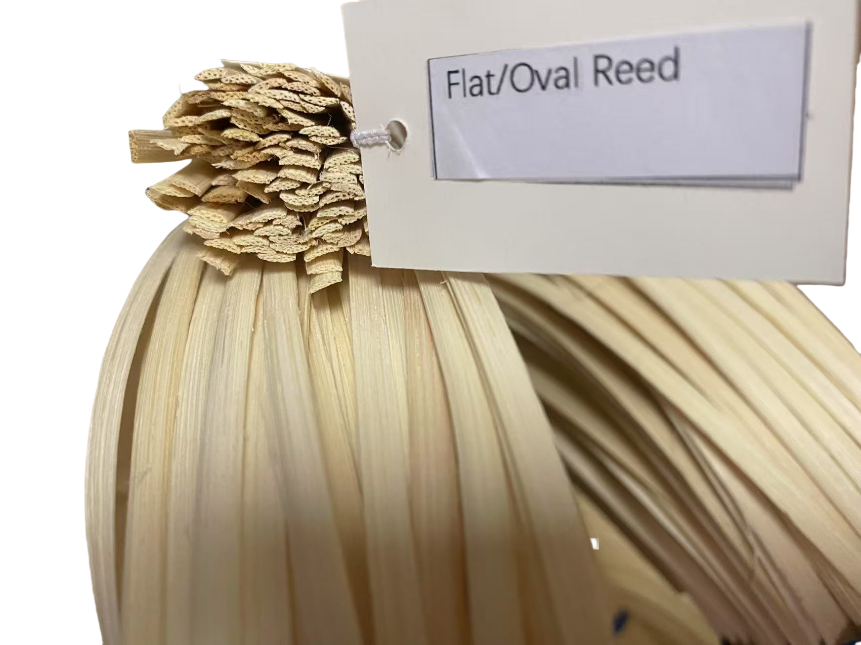
I label every bundle with diameter, finish, grade, length, and batch. I add color rings by size3 and QR codes4. I pack by job so operators pick once and start weaving.
Dive deeper: Bundle specs, color coding, and traceability
I ship cores in coils or straight cut lengths. Standard coil lengths are 0.5–1.0 kg small coils for line work and 5–10 kg master coils for bulk. Each bundle carries: diameter (e.g., 2.5 mm), tolerance class (T1 ±0.10, T2 ±0.15), finish (polished/unpolished), grade (B/C), net weight, linear meters, and production date. I add a bold color ring by size: 2.0 mm blue, 2.5 mm green, 3.0 mm yellow, 3.5 mm orange, 4.0 mm red, 5.0 mm purple, 6.0 mm brown, 7–8 mm black. The QR code links to batch moisture, bend test photos, and a COA. For CNC seats, I kitting‑pack: warp coils, binder coils, and edge binding in one carton with a seat map on the lid. I print a quick chart on each box that lists recommended drill sizes and soak times for that diameter. This system cuts picking time, prevents mis‑pulls, and makes traceability easy if you ever need to match a replacement panel.
Conclusion
You need basic import documents and exact core specs. I supply 1.5–8.0 mm cores with tight tolerances, polished or unpolished finishes, and clear labels so weaving, binding, and lashing run fast and clean.
-
Explore this link to understand how tight tolerance cores enhance CNC drilling efficiency and improve product quality. ↩ ↩
-
Discover the benefits of CNC seats in manufacturing, including precision and speed, by following this resource. ↩
-
Explore how color coding can enhance efficiency and reduce errors in workshop environments. ↩
-
Learn how QR codes can streamline processes and enhance traceability in your workshop operations. ↩

 English
  Español de México
  العربية
  Deutsch
  Français
  Русский